

Performance Bike Components in Performance Cycling

















About Performance Bike Components in Performance Cycling - Walmart.com
Performance bike components help you upgrade pedaling efficiency, braking control, and cockpit feel for faster, smoother rides. You can compare drivetrain, brake, handlebar, and pedal options by compatibility, material, and riding discipline.
How to choose performance bike components
When you shop performance bike components, you should start with fit and compatibility before you compare weight or finish. You’ll want parts that match your frame standards, axle spacing, and current groupset.
Material also shapes how your bike responds on climbs, descents, and rough sections. You may prefer carbon bike components for lower weight, or aluminum alloy for everyday durability.
Your riding discipline matters because road, mountain, and gravel setups ask for different handling and power transfer. You’ll notice that narrow road cockpits, wider trail bars, and mixed-surface pedals support different goals.
What to look for in performance bicycle parts
You can use performance bicycle parts to sharpen shifting, reduce rotating weight, and improve control under load. Your upgrades often feel more noticeable when you replace stock contact points and worn drivetrain pieces.
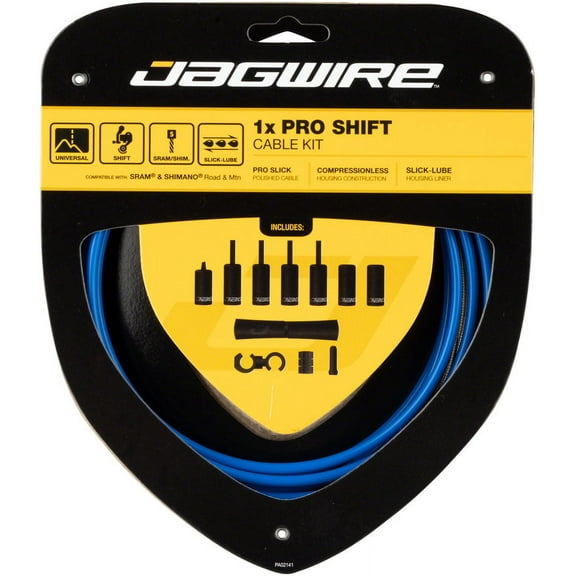
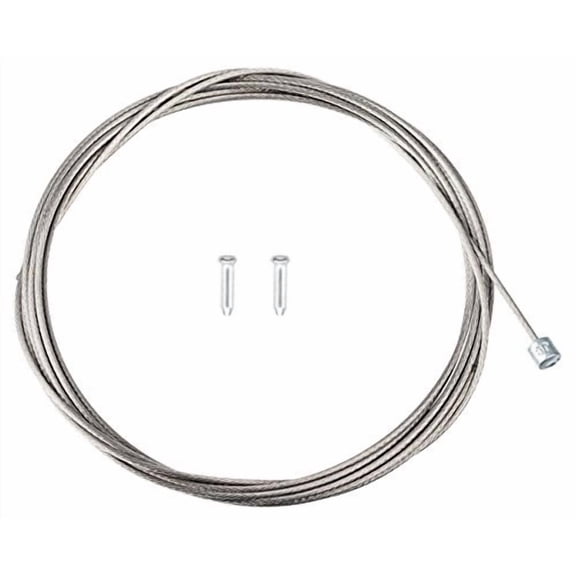
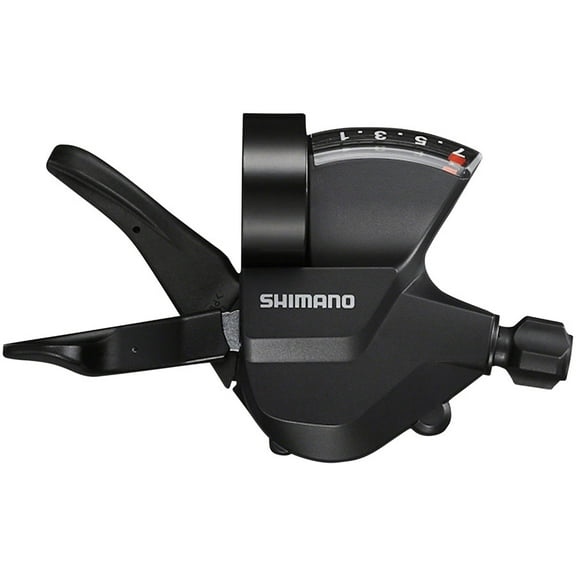
- You can improve shifting feel with bike drivetrain components that match your speed count and brand compatibility.
- You can fine-tune comfort and leverage when your handlebars and pedals match your riding position.
- You can reduce weight with carbon fiber options when your setup prioritizes climbing and quick acceleration.
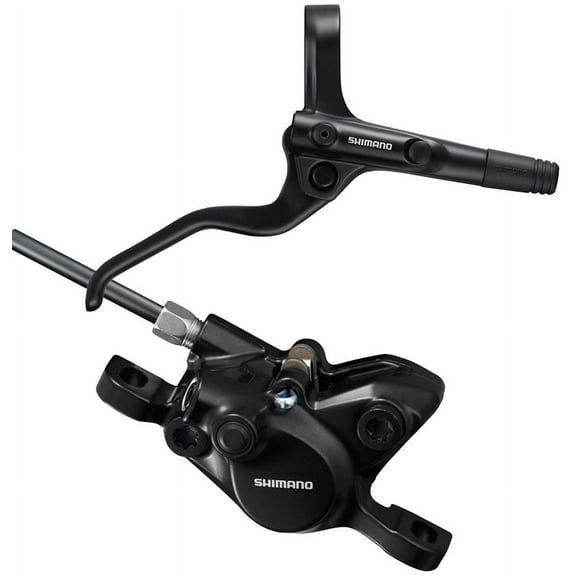
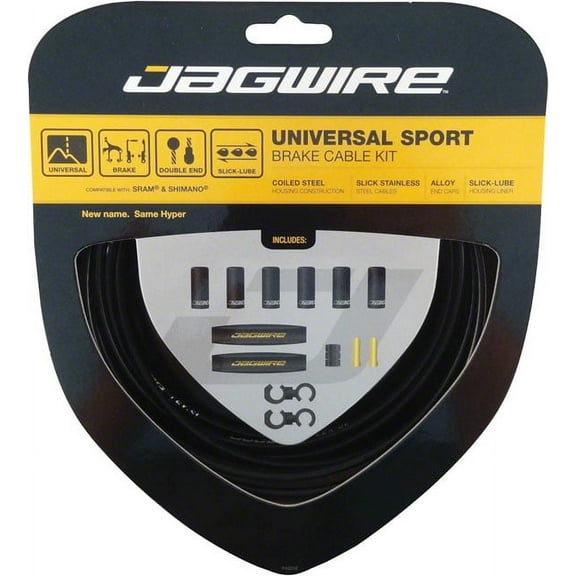
- You can add consistent stopping feel when your brake components suit your terrain and riding style.
Small changes can affect how efficiently your power reaches the rear wheel. You’ll often feel that difference through cleaner cadence transitions and steadier effort on long rides.
Your contact points also influence handling more than many riders expect. You can change bar shape, pedal platform, and brake feel to support your preferred posture.
Choosing material and build details
You should compare carbon fiber, aluminum alloy, and titanium by ride feel, weight, and intended use. Your choice depends on whether you prioritize lower mass, everyday resilience, or a balanced response.
Carbon bike components usually appeal when you want lighter steering and quicker acceleration on climbs. You’ll want to check fit, torque guidance, and intended use before selecting carbon parts.
Aluminum alloy often suits riders who want dependable stiffness and broad compatibility across many builds. You can use it for bars, cranksets, and pedals when you want predictable feel on regular training rides.
Titanium can make sense when your build calls for low weight with a distinct ride character. You may compare it for select hardware or parts where corrosion resistance matters over time.
You should also compare dimensions that affect installation on your frame and fork. Your bottom bracket standard, axle spacing, and bar clamp diameter determine whether a component will install correctly.
Matching road bike components and mountain bike upgrade parts
Road bike components usually focus on efficient power transfer, lower weight, and responsive steering on paved routes. You’ll often compare compact cockpits, clipless pedals, and close-ratio drivetrain setups for speed-focused riding.
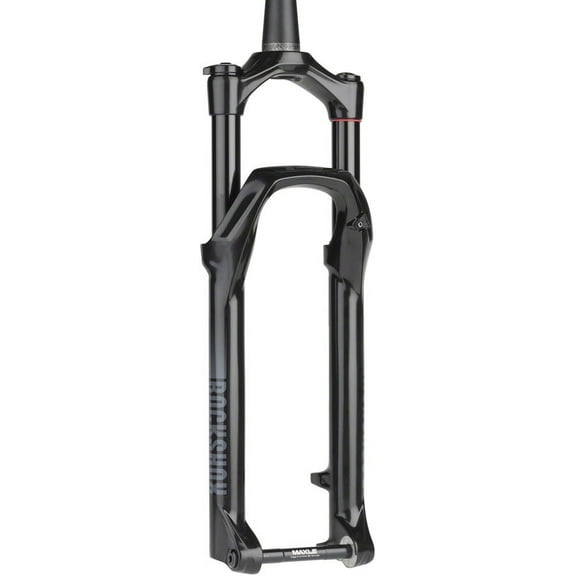
Mountain bike upgrade parts usually emphasize control, leverage, and reliable engagement over uneven terrain. You may look for wider handlebars, durable pedals, and brake setups that support technical descents.
Gravel riders often need a middle ground between road efficiency and trail-ready stability. You can compare flared bars, mixed-terrain gearing, and durable materials for varied surfaces.
Your terrain should guide each upgrade decision, not just the listed component weight. You’ll get a more cohesive setup when your parts match your riding discipline and route conditions.
Understanding bike drivetrain components and compatibility
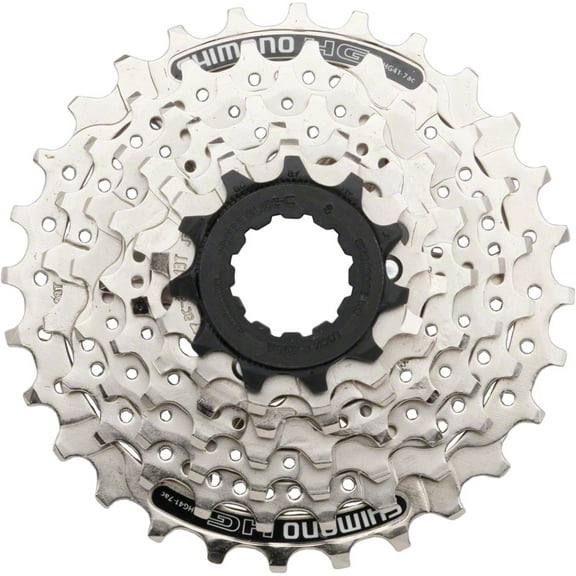
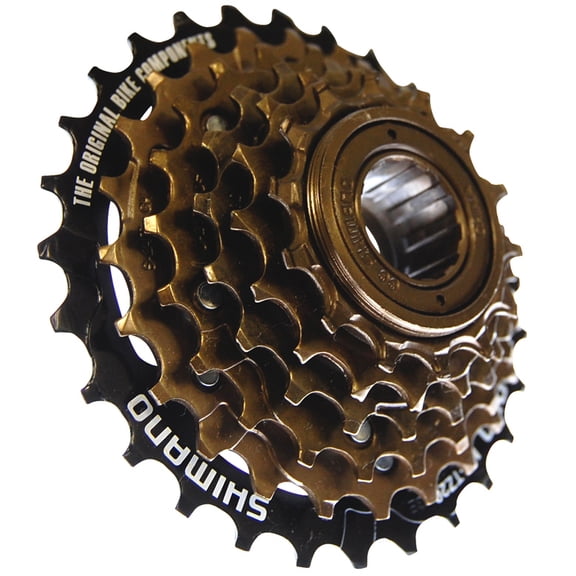
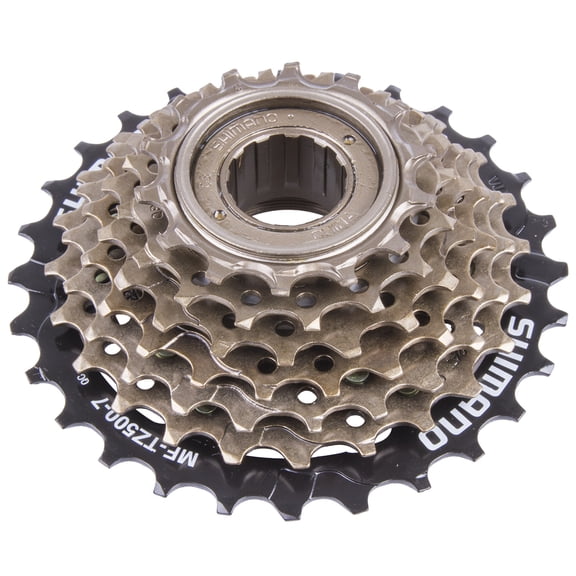
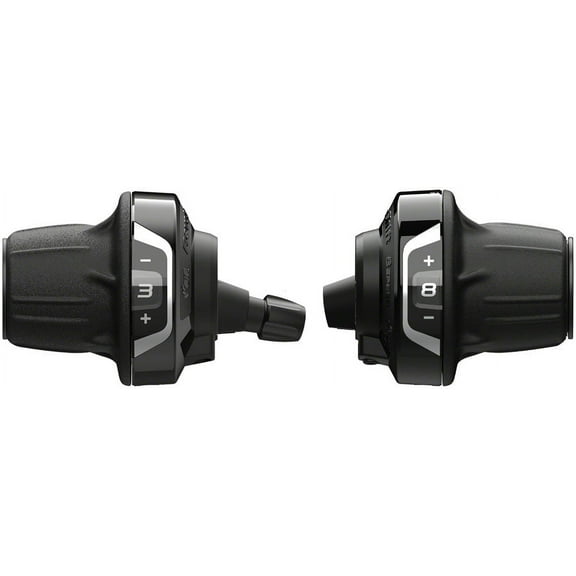
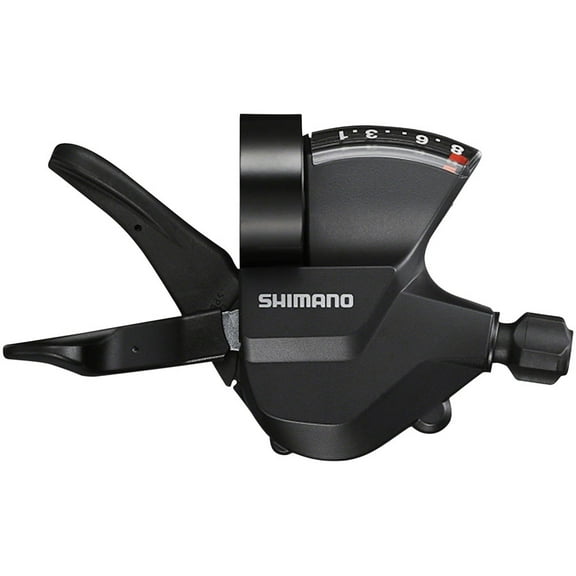
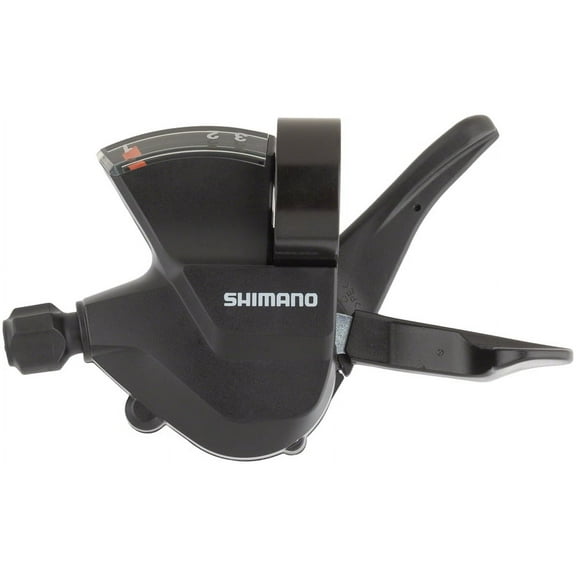
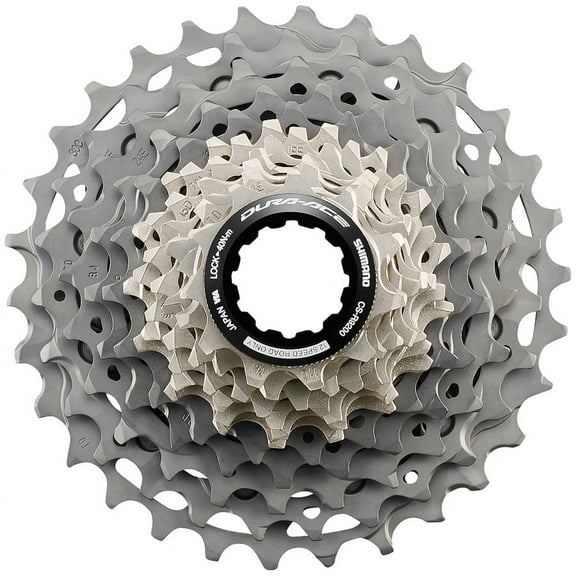
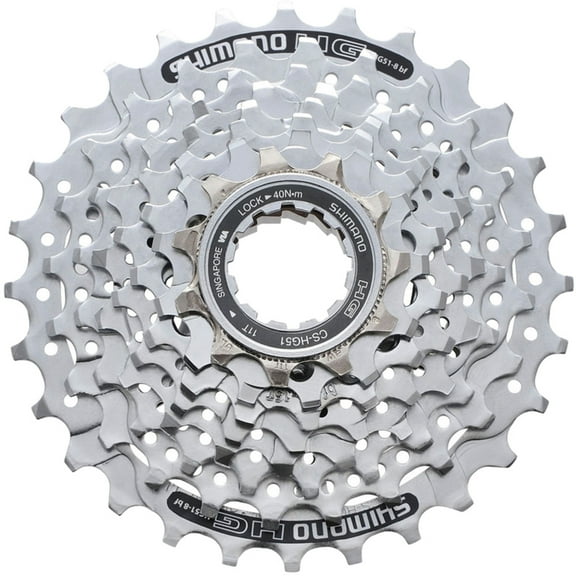
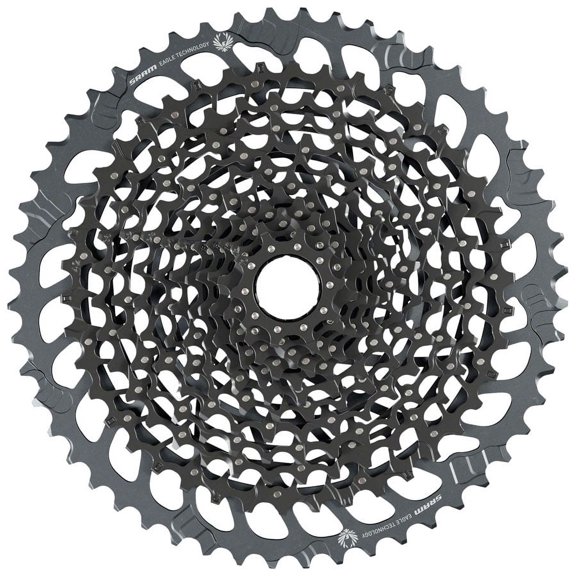
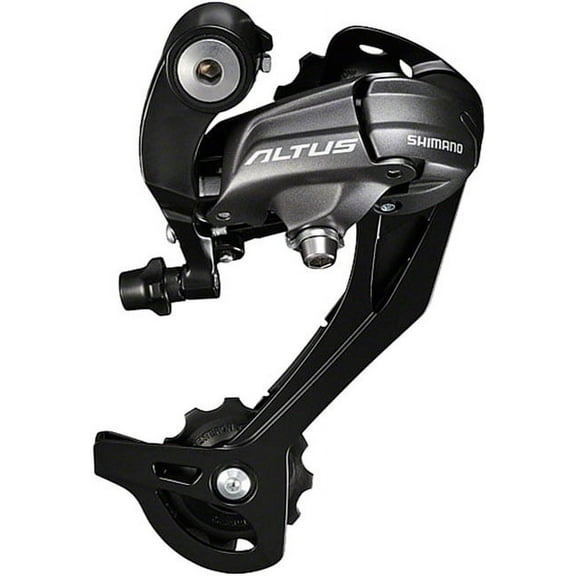
Bike drivetrain components require careful matching because speed count and brand standards affect shifting performance. You should confirm whether your setup is 11-speed or 12-speed before replacing key drivetrain parts.
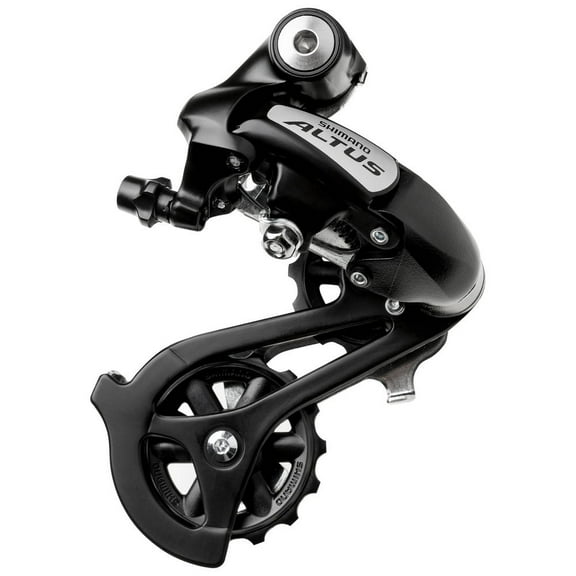
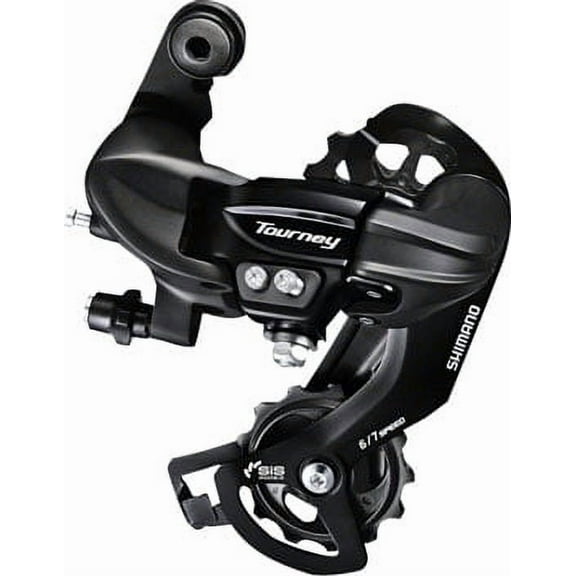
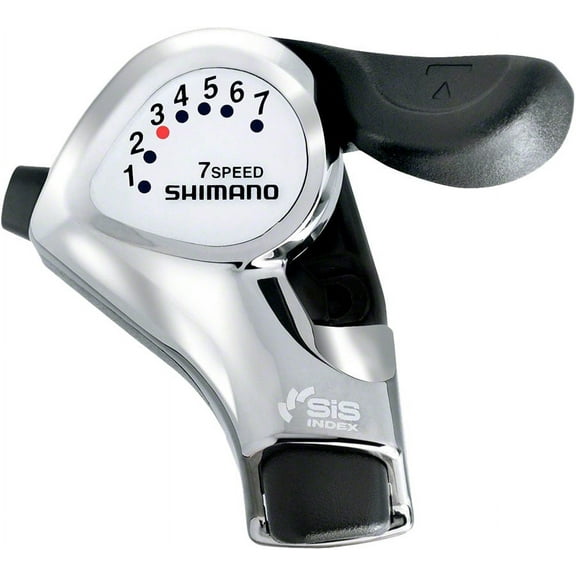
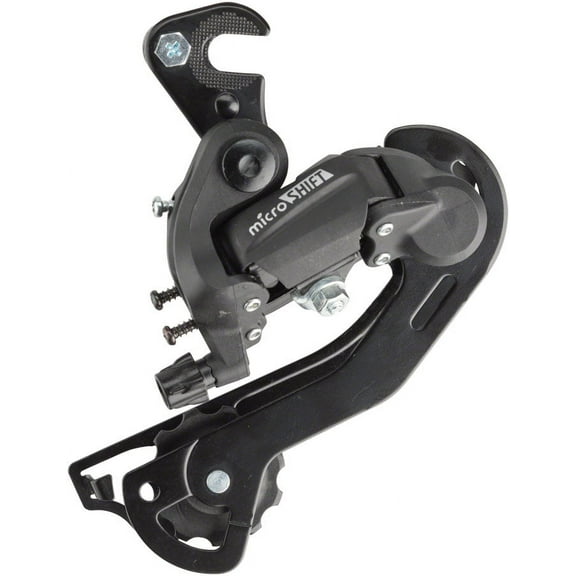
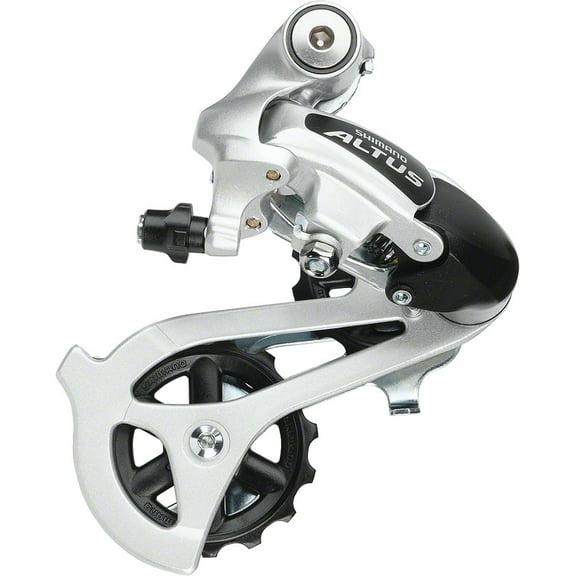
Shimano compatible and SRAM compatible parts may differ in pull ratios, cassette spacing, and chain pairing. You’ll want to check each listing so your derailleur, shifter, chain, and cassette work together.
Your crankset and bottom bracket also need attention during an upgrade. You should compare spindle design and shell standard so your new part fits your frame correctly.
Frame spacing and axle standards matter when your upgrade touches wheels or rear-end alignment. You can avoid fit issues by checking dropout spacing and hub compatibility before you choose parts.
You may also compare efficiency gains when replacing worn cassettes, chains, or chainrings. Your bike can feel smoother and more direct when those parts match each other and your riding goals.
Using upgrades for real riding goals
If you’re building a lighter climbing bike, you may focus on carbon handlebars, lighter cranksets, and efficient gearing. You’ll usually prioritize low rotating weight and precise drivetrain response for long ascents.
If you’re refreshing a trail bike, you may choose mountain bike upgrade parts that emphasize grip, leverage, and control. You can pair wider bars, stable pedals, and compatible brake parts for technical terrain.
If you ride mixed pavement and dirt, you may want durable materials with versatile gearing. You’ll often benefit from gravel-friendly cockpit shapes and drivetrain ranges built for changing surfaces.
If your current bike feels sluggish, uneven, or outdated, a targeted component update can change the ride quickly. You can focus on the parts you touch most or the systems that affect power transfer first.
With performance bike components, you can build a setup that matches your frame, drivetrain, and riding discipline. You’ll ride with more consistent control and a more dialed-in feel on every mile.