


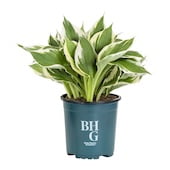
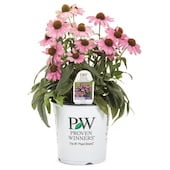
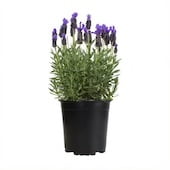
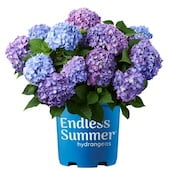
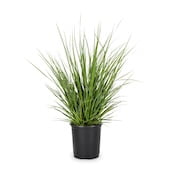


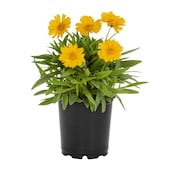

Perennials in Live Plants
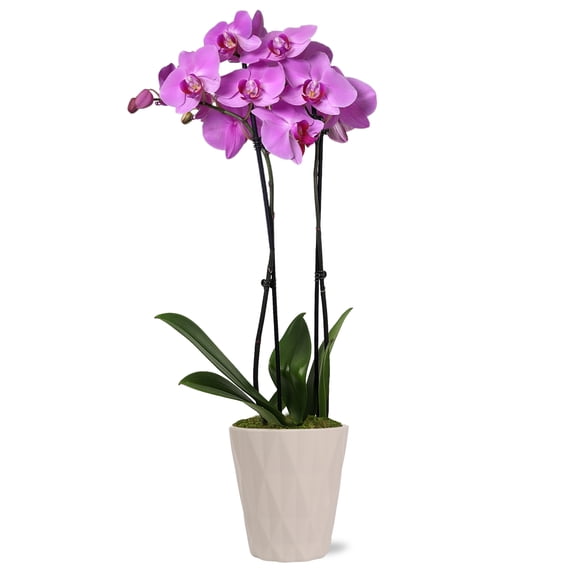


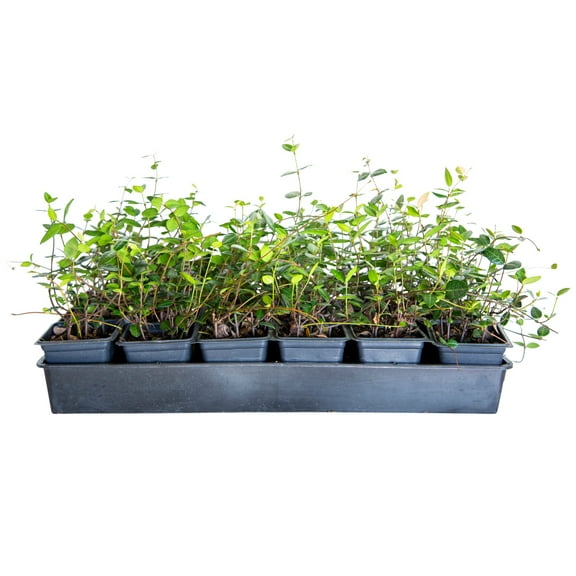





















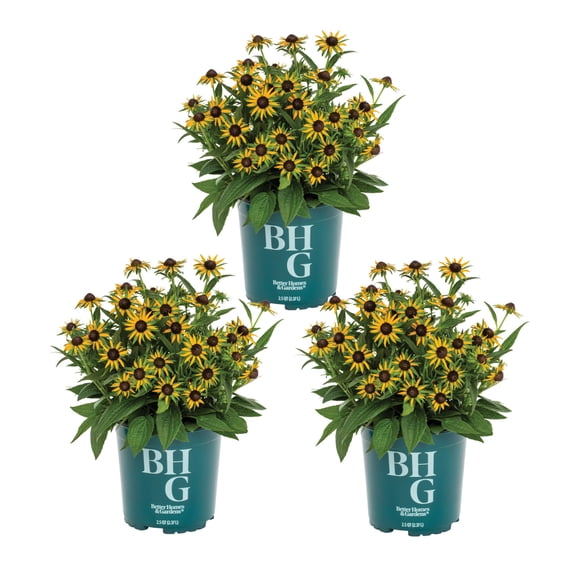


About Perennials in Live Plants - Walmart.com
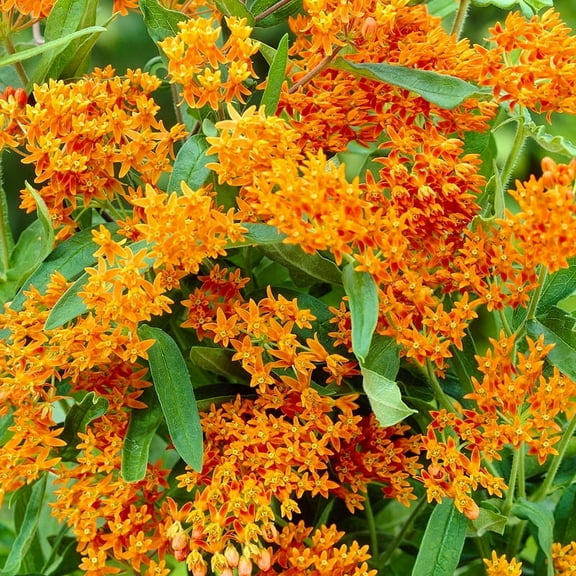
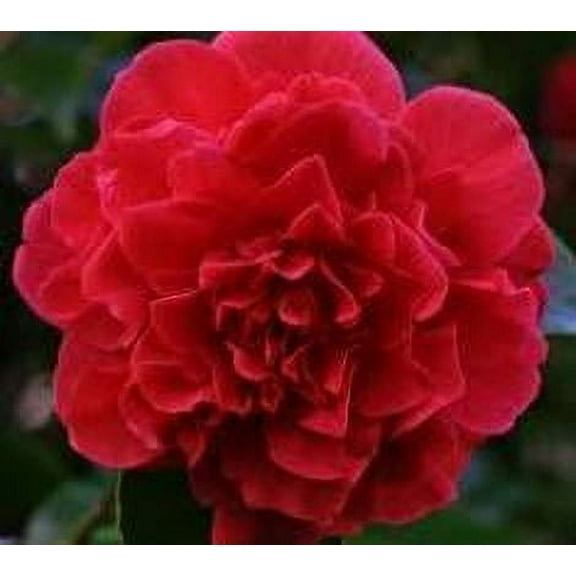
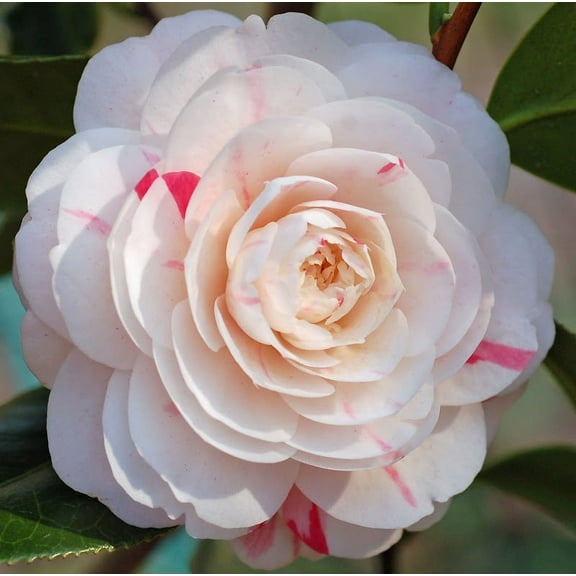
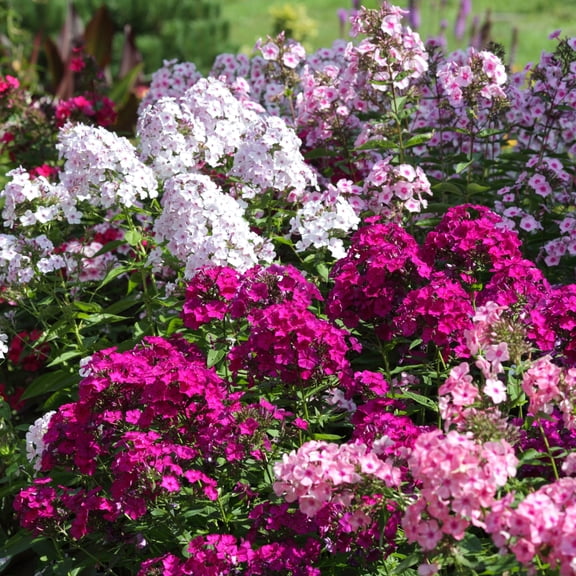
Perennials help you build a garden that returns each year with color, texture, and structure. You can compare perennial flowers, grasses, ferns, and groundcover by sun needs, USDA zone, and root form.
If you want long-term planting plans, you can use perennials to shape borders, fill beds, and soften walkways. You’ll also find options that suit spring planting, summer blooming, and low-maintenance garden spaces.
Choosing the right perennials for your garden
You should start with your planting spot before you choose colors or bloom shapes. You’ll get a clearer match when you compare sunlight, hardiness, and mature plant habit together.
Unlike one-season color, perennials can return year after year when you match them to your growing conditions. You can use that repeat growth to create steady coverage in beds, borders, and foundation plantings.
- You can add perennial flowers for repeat blooms across the growing season.
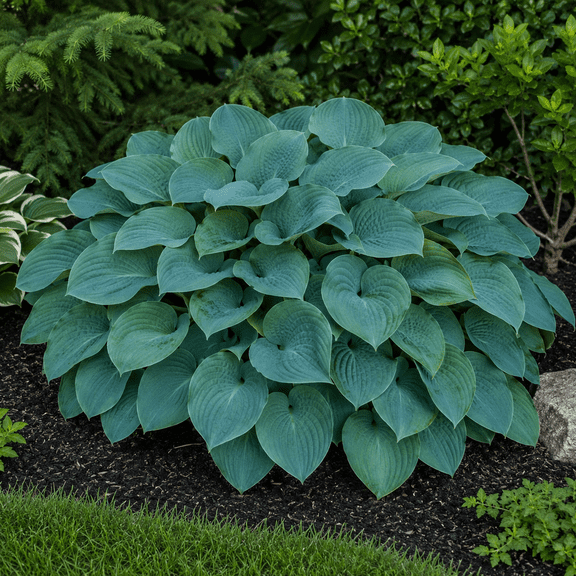
- You can use grasses and ferns for movement, texture, and contrast.
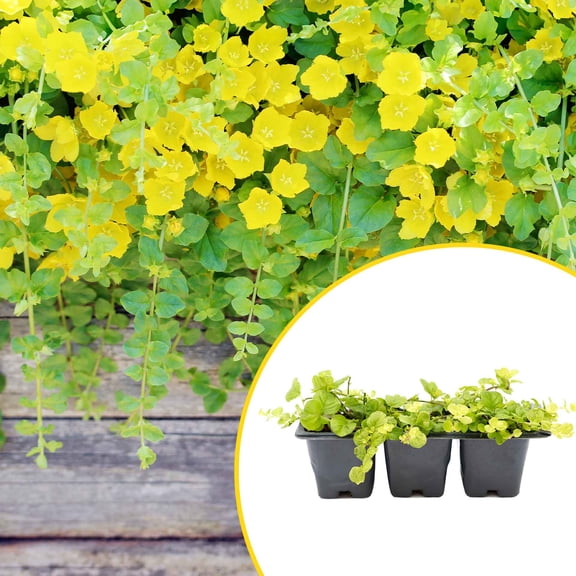
- You can plant groundcover to fill gaps and create fuller-looking beds.
- You can choose low-maintenance perennials when you want less replanting each season.
You may also notice that mixed perennial plants make planning easier across large spaces. You can combine bloomers with foliage-focused plants for color even when flowers pause.
How to compare shade perennials and sun perennials
You’ll want to match light levels to the exact area where you plan to plant. You can check whether your space gets full sun, partial shade, or full shade during most of the day.
If your bed gets six or more hours of direct light, you should look at sun perennials. You’ll often use these picks in open yards, curbside beds, and bright backyard borders.
If your space gets filtered light or shorter sun windows, you may prefer shade perennials. You can use them under trees, beside fences, or along porches with softer light.
You should also compare plant type within each light level. You may want perennial flowers for color, ferns for leafy texture, grasses for height, or groundcover for steady spread.
What to look for in hardy perennials by USDA zone
You should check your USDA Hardiness Zone before you choose hardy perennials. You can compare zone 3 through zone 9 options to match winter conditions in your area.
Zone numbers help you measure whether a plant can handle your local minimum temperatures. You’ll make a more informed choice when you compare the plant label with your garden zone.
If you garden in cooler regions, you may focus on zone 3, zone 4, or zone 5 selections. If you garden in milder climates, you may compare zone 6, zone 7, zone 8, or zone 9 plants.
You should use zone guidance with sunlight and soil conditions, not by itself. You’ll get a stronger planting plan when your hardy perennials also match the bed’s daily light.
Choosing between bare root perennials and potted plants
You can narrow your options faster when you compare bare root perennials with potted plants. You should choose the form that fits your planting schedule, garden size, and comfort level.
Bare root perennials usually arrive dormant, without a pot of soil around the roots. You may prefer them when you want to plant early in the season and plan larger garden layouts.
Potted plants can give you a more established starting point at planting time. You’ll often find them easier to place in containers, mixed beds, or quick weekend projects.
You should also consider how much prep you want before planting. You may like bare root options for planning flexibility, while potted choices can feel more straightforward for smaller updates.
Using perennial flowers for season-long garden planning
You can create a more balanced yard when you plan bloom time along with height and foliage. You should mix spring perennials with summer blooming perennials for longer color through the season.
Early bloomers can wake up borders after winter and fill empty-looking beds. Later bloomers can carry your garden through warmer months when you want fresh color near patios and paths.
You may also coordinate shades and textures across different plant types. You can pair flowering varieties with grasses, ferns, and groundcover for a layered look that stays interesting.
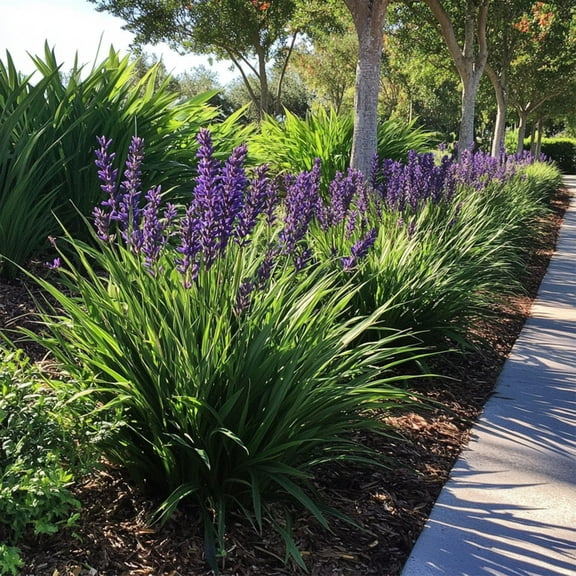
If you’re planting around walkways or front entries, you should think about spread and mature size. You’ll keep your layout cleaner when each plant has enough room to fill in naturally.
How perennials fit different outdoor spaces
You can use perennial plants in foundation beds, pollinator-friendly borders, mailbox gardens, and sloped areas. You’ll also find options that work well in cottage-style layouts or more structured designs.
For shaded corners, you may combine shade perennials with ferns and spreading groundcover. For bright beds, you can layer sun perennials with blooming flowers and ornamental grasses.
If you’re updating a large yard, you should compare hardy perennials by zone and root form first. You can then refine your list by bloom season, color, and planting height.
When you choose perennials with the right light needs and zone fit, you create a garden with lasting structure. You’ll enjoy repeat growth, easier seasonal planning, and color that returns with each new season.