

LED Walkway Lights Outdoor & Pathway Lights | Walmart





















About LED Walkway Lights Outdoor & Pathway Lights | Walmart - Walmart.com
You can improve curb appeal with led walkway lights outdoor that guide each step and outline your yard with clean, reliable illumination. You’ll also find options for solar, wired, and battery-powered layouts, so your setup can match your path length and installation preference.
If you’re comparing path lights for a front walk, garden edge, or driveway border, you’ll want clear differences between power types and fixture styles. You can use this guide to compare runtime, placement, weather readiness, and spacing before you choose your next outdoor path light.
How to choose led walkway lights outdoor
You should start with power source, because it affects installation time and nightly use. You can choose solar lights for simple placement, or you can choose low-voltage wired lights for a more planned layout.
When you compare solar path lights, you’ll want to check battery runtime and panel placement. You’ll get the strongest charge when your lights receive direct sun during the day.
If you prefer low-voltage wired lights, you’ll need to plan cable routing and transformer placement. You’ll often like this option for longer walkways, steady brightness, and coordinated yard lighting zones.
You can also consider battery-powered lights when you need flexible placement in small areas. You’ll appreciate them for short-term setups, accent spots, or areas where wiring doesn’t fit your layout.
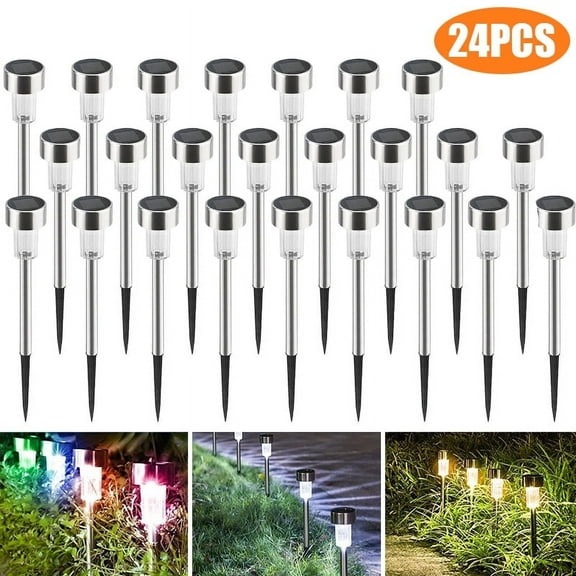
- You can use solar lights for simple stake-in setup and cord-free placement.
- You can use wired options for longer runs and a more uniform walkway light pattern.
- You can use battery-powered styles for targeted accents along steps, beds, or borders.
- You can compare dusk-to-dawn operation when you want automatic evening illumination.
Choosing fixture style and light technology
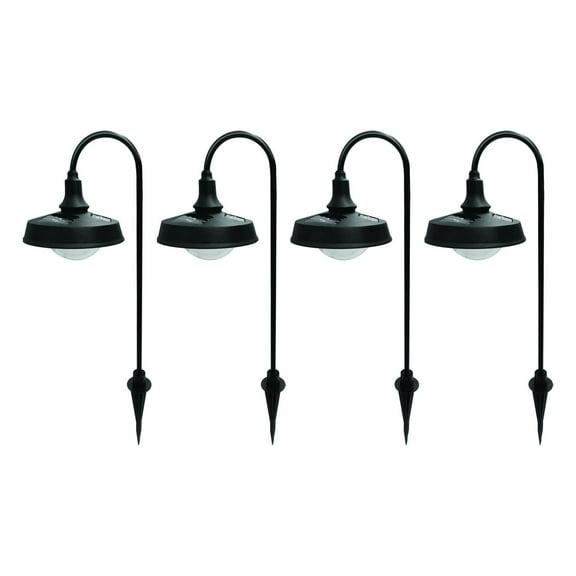
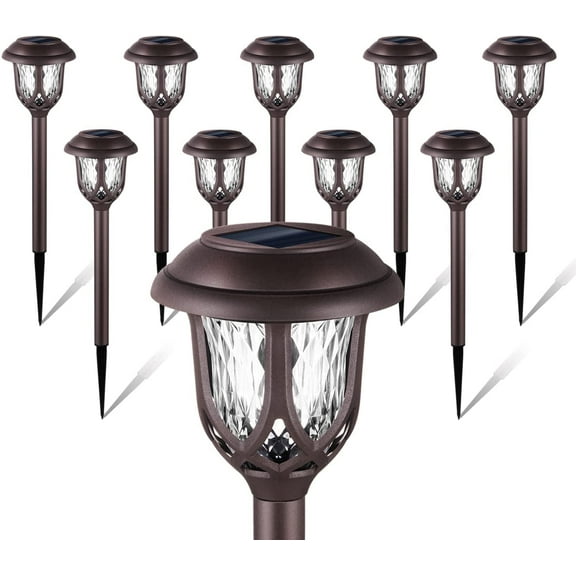
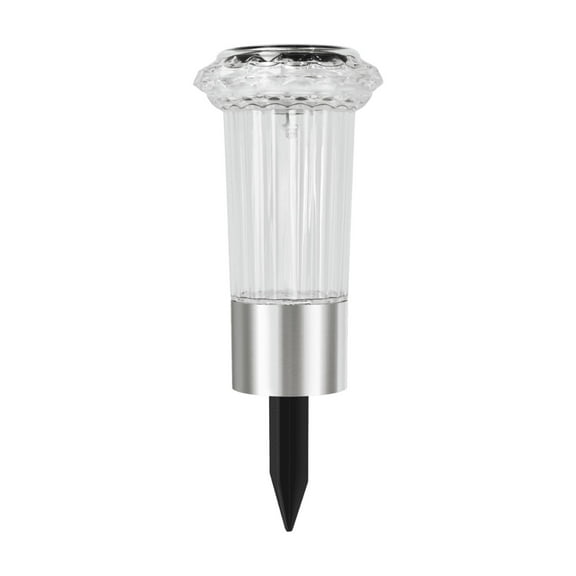
You should compare fixture style next, because shape changes how your path light looks during the day and night. You can choose classic lantern designs for traditional paths or modern profile lights for a cleaner outline.
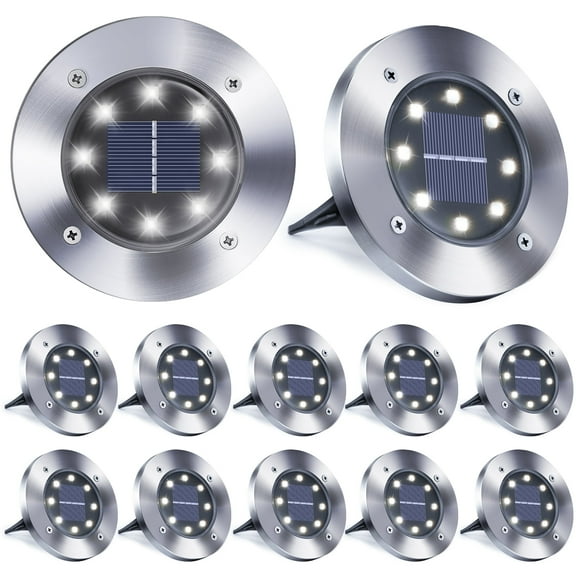
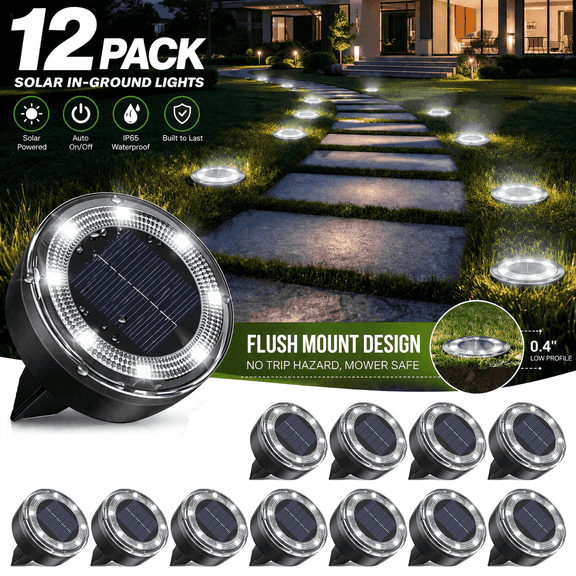
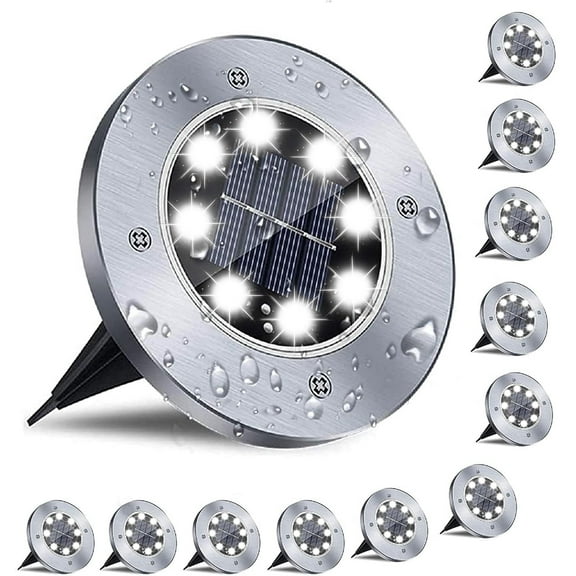
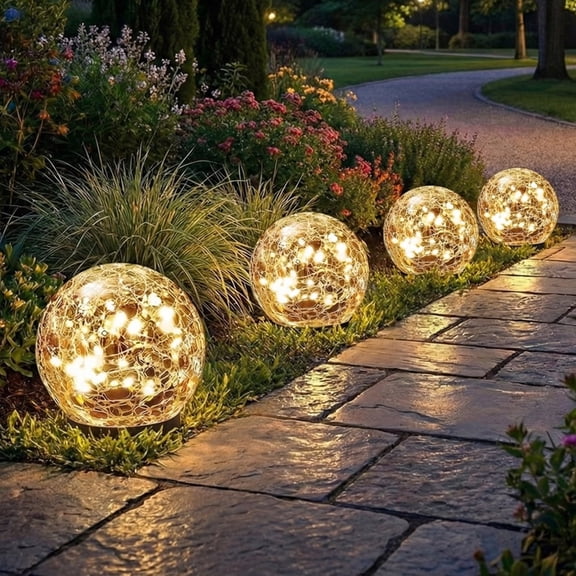
If you want a lower-profile look, you may prefer disk lights that sit close to the ground. You can also consider round landscape lights when you want a softer shape around curved beds.
You’ll also want to compare light technology, since output color changes the mood of your space. You can focus on LED for long-lasting illumination and lower-maintenance yard lights across busy outdoor areas.
If you like a welcoming glow, you may choose warm white lighting along your front path. If you want seasonal flexibility, you can compare color-changing options for patios, borders, and outdoor entertaining spaces.
You may still see halogen styles when you compare older landscape lighting formats. You’ll usually prefer LED walkway lights outdoor for simpler upkeep, consistent brightness, and broad style variety.
What to look for in outside walkway lights
You should check weather protection before you compare finishes or shapes. You can use IP ratings as a simple guide, because they tell you how well your lights handle rain, snow, and outdoor moisture.
If you see a weather-resistant design with a clear IP rating, you’ll have an easier time comparing outdoor use. You should also look for durable housings and stable stakes when your soil changes through the seasons.
You’ll want to measure your walkway length before you choose a pack size. You can space many walk way lights several feet apart, depending on brightness, beam spread, and the look you want.
For example, you might place lights closer together along steps or turns for a more defined edge. You might space them farther apart on a straight garden path when you want a lighter visual outline.
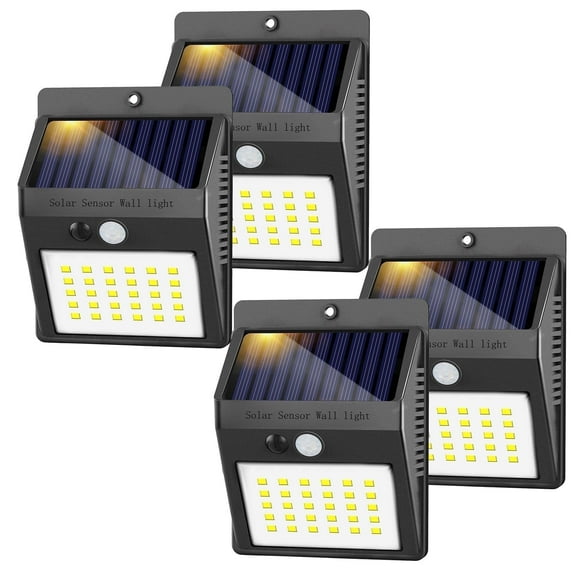
You should also compare auto-on and auto-off features if you want less daily upkeep. You’ll like dusk-to-dawn sensors because your outside walkway lights can switch on as daylight fades.
Matching yard lighting to your space
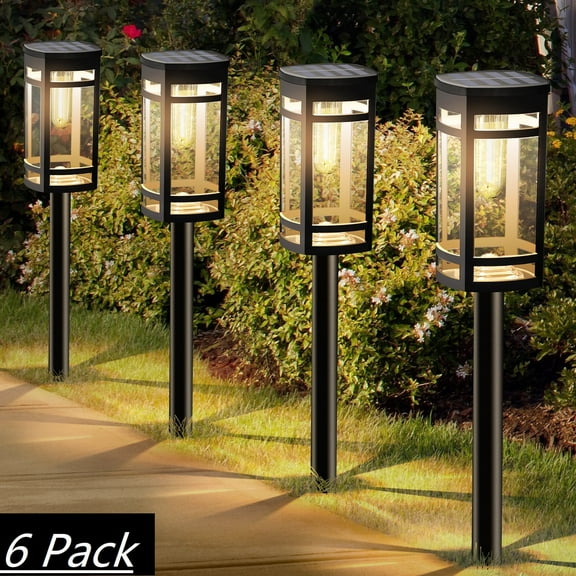
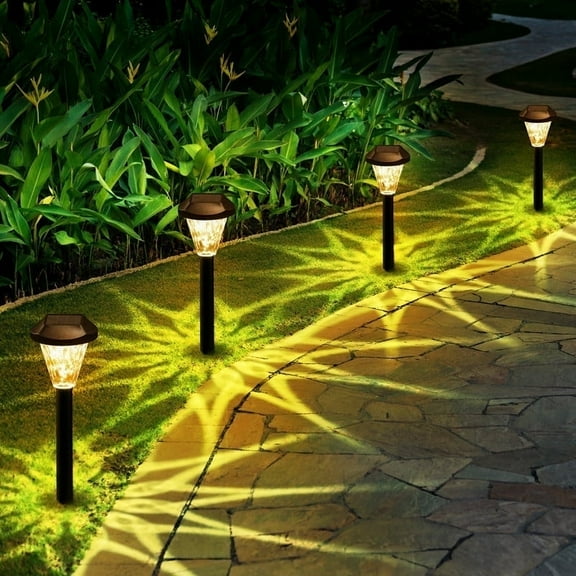
You can use short runs of path lights to frame a front walk and highlight landscaping near your entry. You’ll often want warm white fixtures there, because they create a clear route without overpowering the porch.
If you’re outlining a driveway, you may prefer taller fixtures or brighter output for wider spacing. You can use wired layouts there when you want a longer continuous run with a coordinated look.
For garden beds and yard borders, you may want lower lights that blend into planting areas. You can use round landscape lights or disk styles when you want the fixture to stay subtle in daylight.
If your yard gets mixed sun, you should compare solar placement carefully before you decide. You can reserve sunny stretches for solar lights and use battery-powered or wired options in shaded sections.
You may also want path lights for backyard gathering areas, side yards, or narrow access paths. You’ll appreciate automatic lighting in those spaces because it keeps routes visible without daily switching.
When you compare yard lighting by area, you should think about both function and appearance. You can match fixture height, finish, and light color to your home’s exterior for a more connected outdoor design.
How to compare yard lights with confidence
You can narrow your options faster when you compare power source, fixture style, installation area, and light technology together. You’ll make a smarter choice when your pack size, weather rating, and sensor features fit your actual walkway.
If you want path lights that suit your space, you should measure first and compare how each setup works after dark. You’ll end up with a clearer path, a more polished yard edge, and lighting that fits your routine.