

Packing Peanuts in Packing Materials















About Packing Peanuts in Packing Materials - Walmart.com
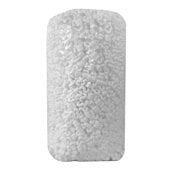
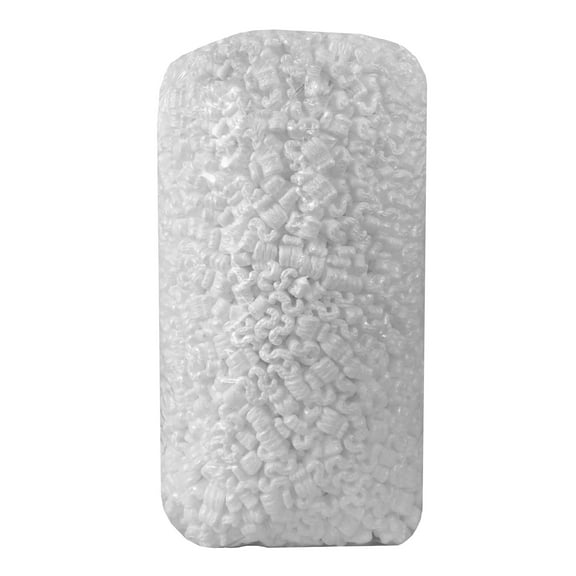
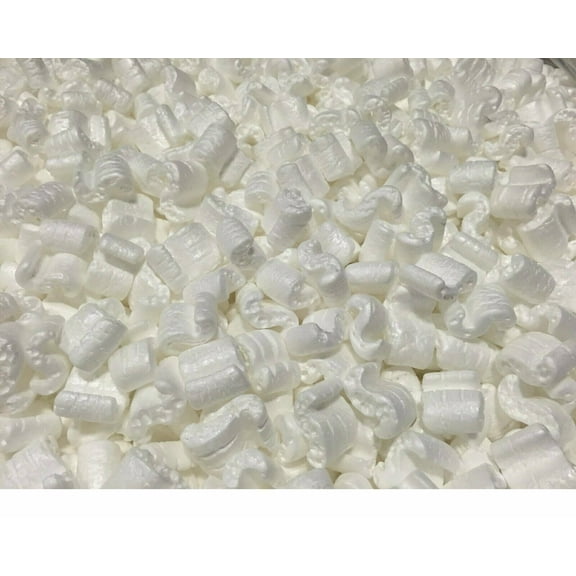
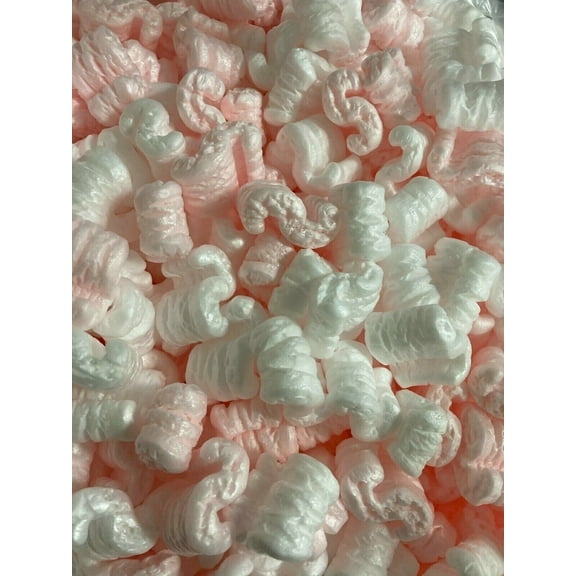
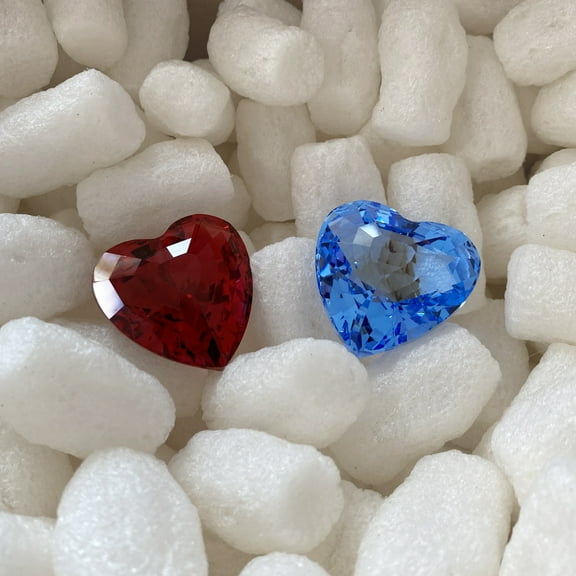
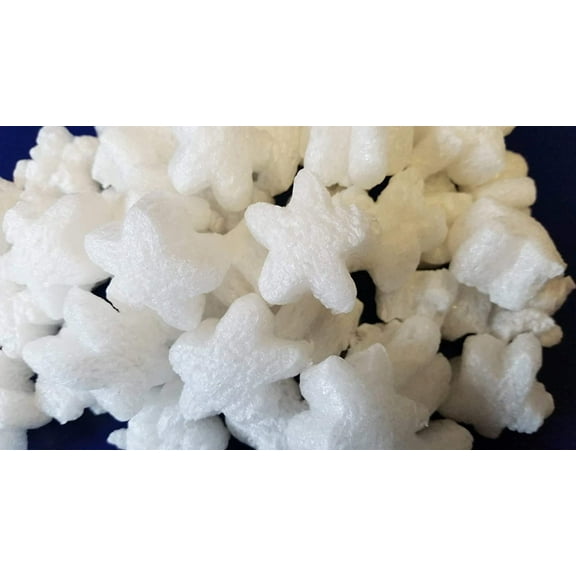
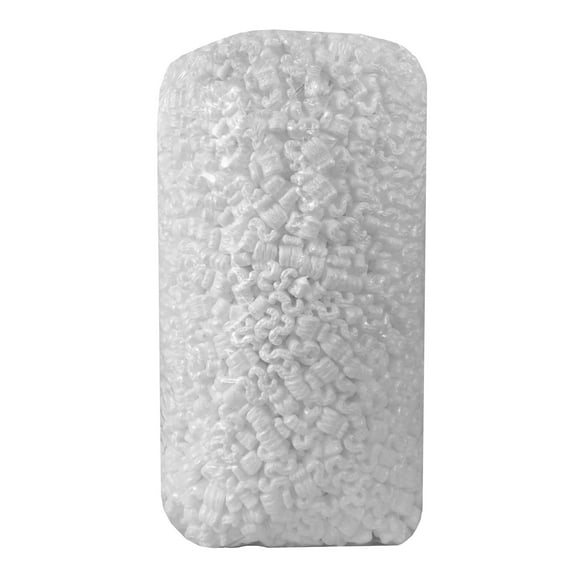
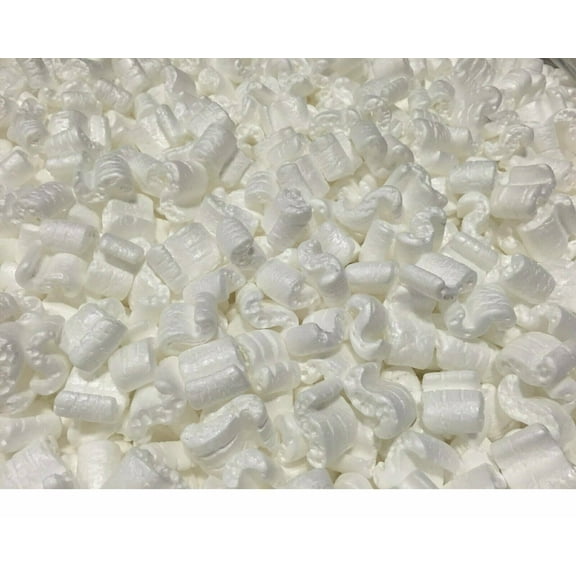
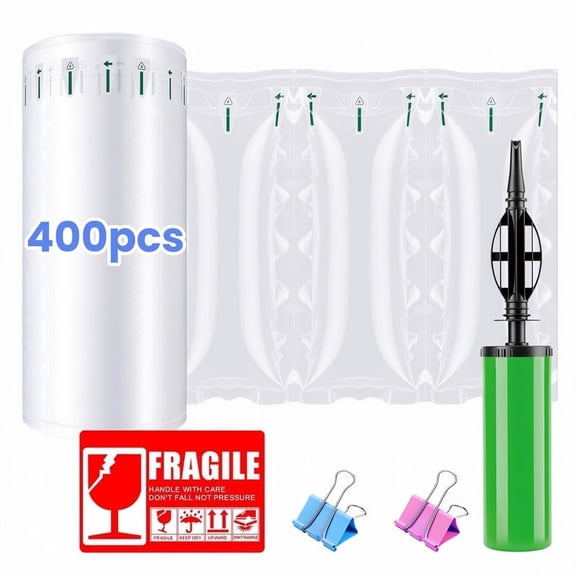
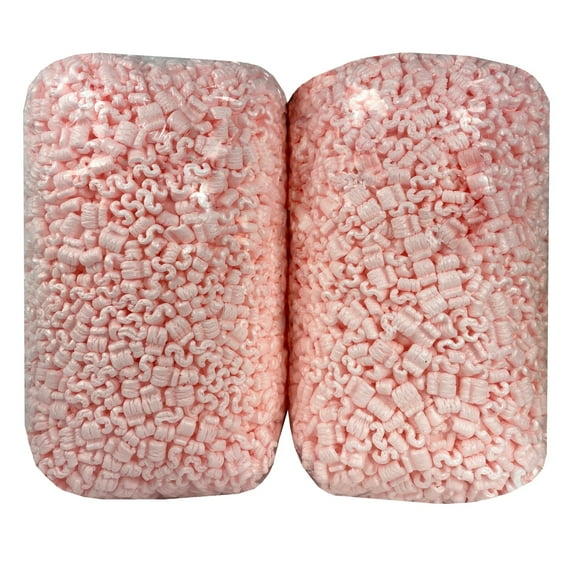
Packing peanuts help you cushion fragile shipments, fill empty box space, and keep items from shifting during transit. You can compare material types, bag sizes, and specialty options to match moving, mailing, and storage needs.
If you're shipping glassware, electronics, or collectibles, you need fill that flows around edges and corners fast. You can also choose options that dissolve in water, resist static, or arrive in bulk bags.
How packing peanuts help you protect shipments
You get lightweight void fill that surrounds hard-to-wrap shapes without adding much box weight. You can pour, scoop, and reuse many styles across multiple packing projects.
Unlike flat fillers, these loose pieces move into gaps around mugs, frames, and decor. You get more complete cushioning when your box has uneven edges or mixed item sizes.
- You can reduce shifting inside cartons by filling open space around fragile items.
- You can pack odd shapes faster because the fill settles around corners and handles.
- You can choose reusable or dissolvable material types based on cleanup preferences.
- You can select anti static packing peanuts when your shipment includes electronics or components.
When you're mailing products daily, the right fill can speed up your packing station workflow. You can grab handfuls quickly and top off boxes without cutting or measuring sheets.
Choosing between biodegradable packing peanuts and foam
You should start with material type because disposal, storage, and moisture response can vary. You can compare biodegradable starch, recycled polystyrene, and anti-static foam based on what you're packing.
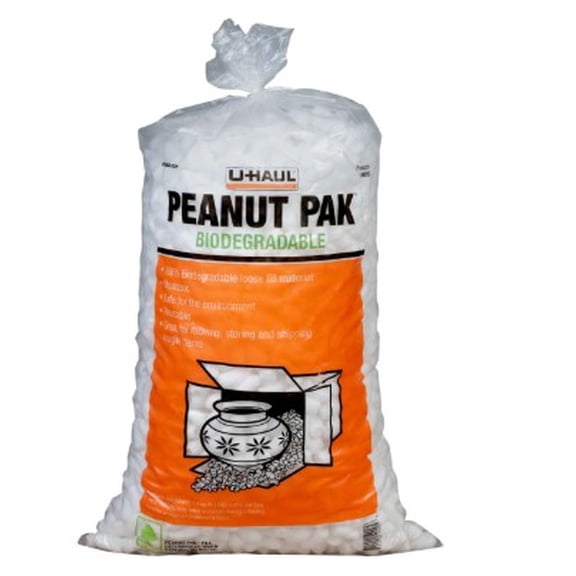
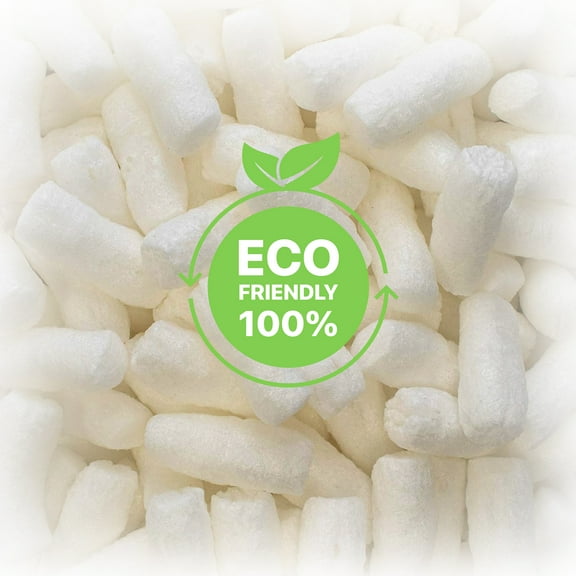
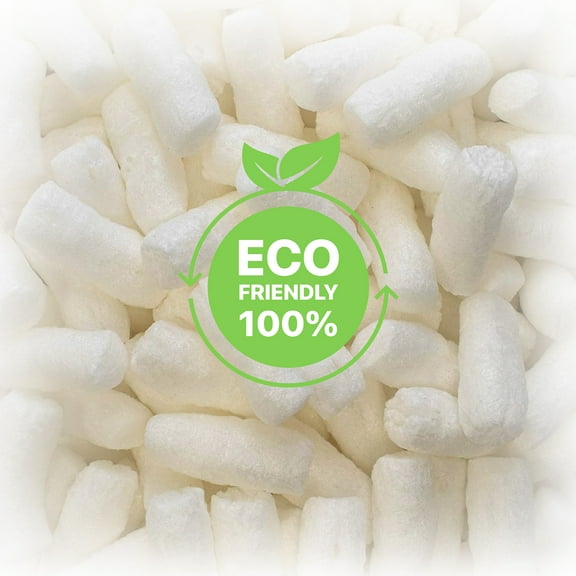
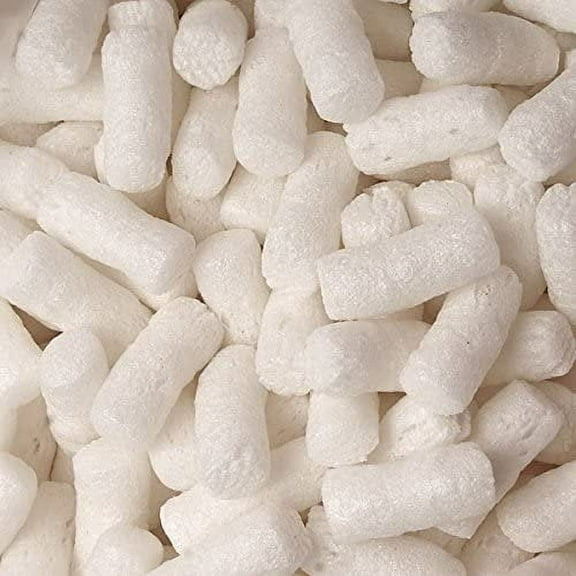
Biodegradable packing peanuts often suit shoppers who want dissolvable or compostable fill. You can test many starch-based styles in water, where they break down for easier cleanup.
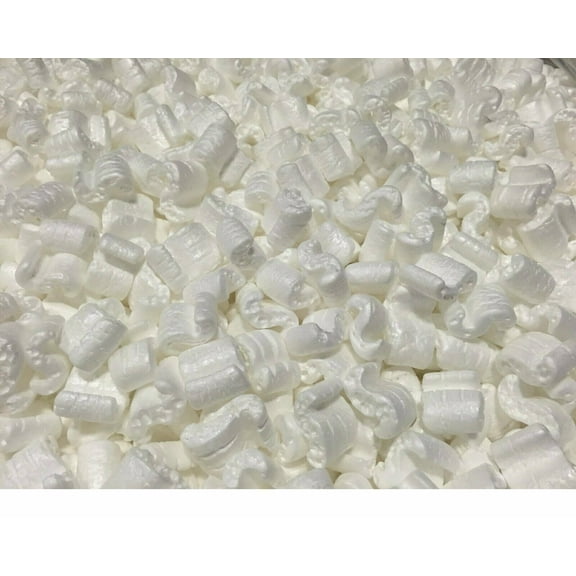
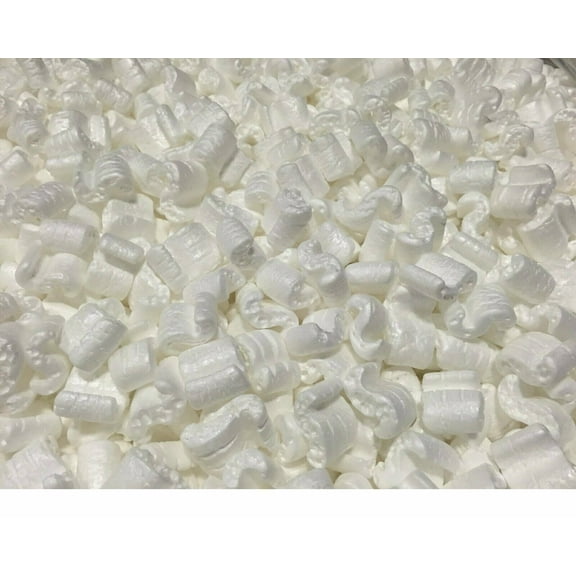
Foam styles usually fit shipments that need longer shelf life in humid spaces. You can store recycled polystyrene options longer because moisture won't affect them like starch-based fill.
If you're packing electronics, you should check whether anti-static foam is available. You can use that specialty fill when boards, cables, and components need surface-safe cushioning.
You should also compare reusable options if you ship often and unpack carefully. You can collect clean fill from incoming boxes and use it again for outgoing orders.
Choosing the right volume and bulk packing peanuts
You should measure your typical box sizes before choosing a bag volume. You can match one cubic foot bags to smaller mailers, while larger bags suit frequent packing.
For occasional moves, you may only need enough fill for dish packs or decor boxes. You can start small if you're boxing a few rooms or sending seasonal gifts.
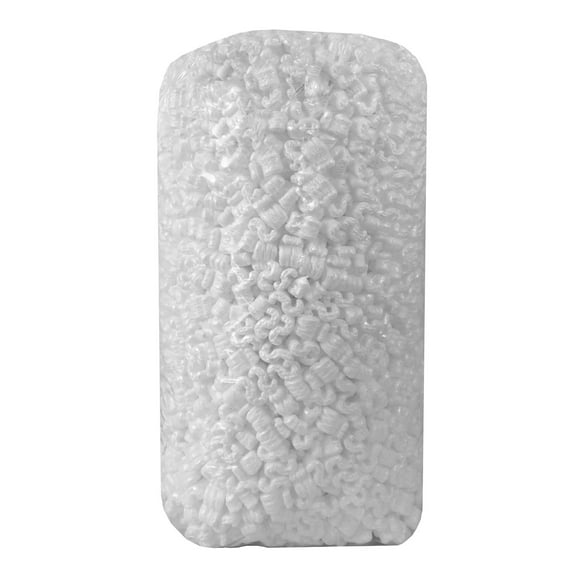
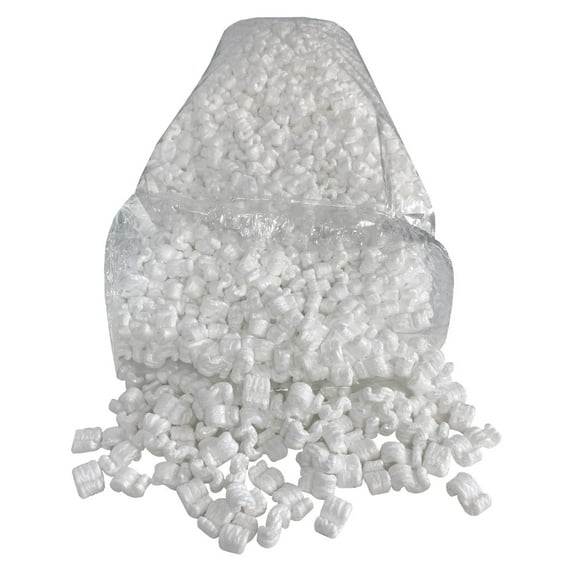
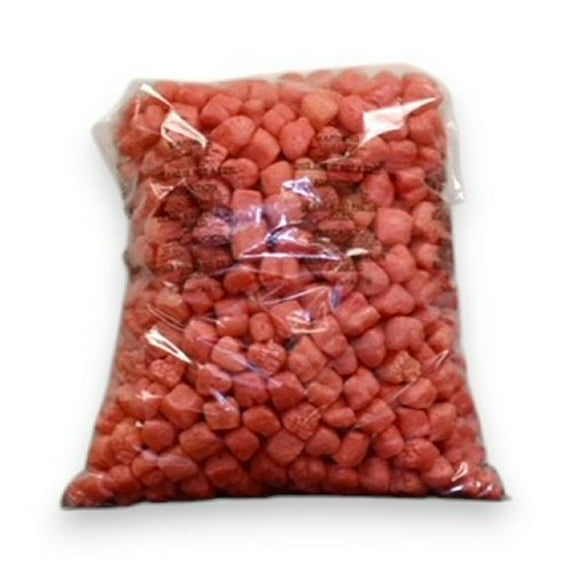
Bulk packing peanuts make sense when you ship throughout the week or stock a packing table. You can keep larger bags on hand for order fulfillment, resale shipping, or office mailrooms.
To estimate quantity, you should think in open box space rather than item count. You can fill several small cartons with one bag, while large moving boxes need more volume.
You should also consider storage space before ordering oversized bags. You can keep fill cleaner and easier to use when you store it in dry, covered areas.
What to look for in special protection and storage
You should compare standard cushioning, heavy-duty fill, and anti-static options by shipment type. You can use standard fill for everyday household items and specialty fill for delicate gear.
Heavy-duty options can help when your box holds denser items with sharp edges or hard corners. You can pair them with sturdy cartons, tape, and wrap for more complete packing support.
Storage conditions matter because loose fill can change over time in damp spaces. You should keep starch-based peanuts away from humidity if you want them ready for future packing jobs.
Foam styles may work well when your supply closet runs warm or humid. You can often hold them longer without the texture changes that moisture may cause in dissolvable fill.
You should also look for bags that pour cleanly and reseal easily after use. You can keep your workspace tidier when your fill stays contained between packing sessions.
How to match shipping peanuts to real packing jobs
If you're mailing ceramics or glassware, you should fill the bottom, sides, and top of each box. You can create a cushioned buffer that helps separate pieces from box walls.
When you're moving holiday decorations, frames, or lamps, loose fill helps around uneven shapes. You can protect handles, finials, and corners that flat paper may miss.
For online selling, shipping peanuts can help you pack mixed orders quickly during busy periods. You can adjust fill levels fast when each box size changes from order to order.
If you're sending small electronics, adapters, or components, anti static packing peanuts deserve a close look. You can choose that option when your shipment needs cushioning designed for sensitive equipment.
When you're planning a home move, bulk packing peanuts can support dish barrels and keepsake cartons. You can also combine them with bubble wrap and packing tape for layered protection.
If you want simpler disposal, biodegradable packing peanuts can fit that preference well. You can choose dissolvable styles for short-term packing jobs and cleaner post-unboxing cleanup.
With the right material, volume, and protection level, you can pack faster and cushion items with less guesswork. You can choose fill that matches your boxes, storage conditions, and shipment type for smoother packing.