


Olympic Weights in Weight Plates
























About Olympic Weights in Weight Plates - Walmart.com
Olympic weight plates help you build a barbell setup that matches your training space, your lifting level, and your home gym plan. You can compare 2-inch compatibility, plate materials, grip styles, and set sizes before you choose your setup.
You may shop this category when you want plates that fit Olympic barbells and support steady strength training at home. You can use this guide to compare key decisions that shape daily loading, storage, and floor contact.
Choosing Olympic weight plates
You should start with barbell compatibility because Olympic weight plates fit bars with a 2-inch sleeve diameter. You can avoid mismatch issues by checking that your bar uses the Olympic standard instead of a 1-inch bar.
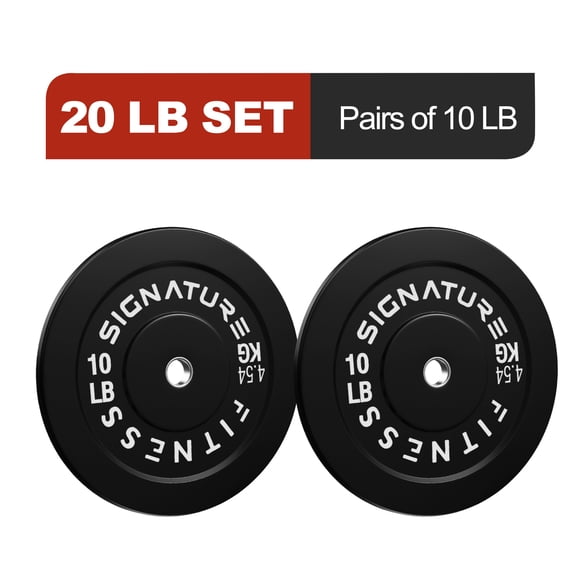
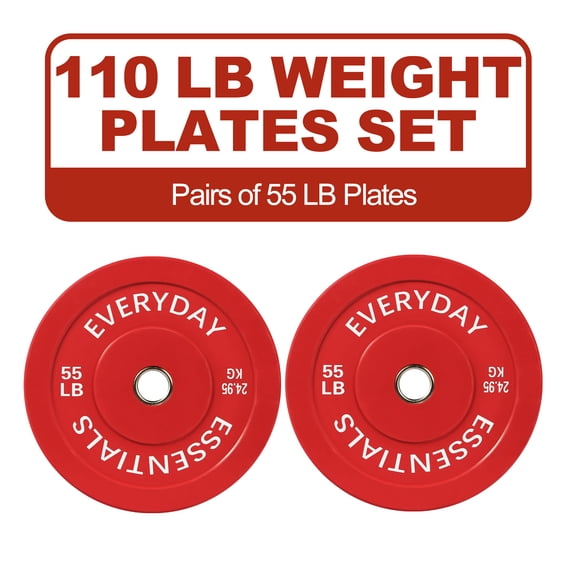
Your next decision is total weight because your setup should match your current routine and available space. You may prefer singles for fill-in needs, pairs for balanced loading, or 300 lb sets for a fuller station.
Instead of guessing, you can compare the main buying factors side by side before you commit. You should focus on fit, material, grip design, and set configuration when you evaluate Olympic plates.
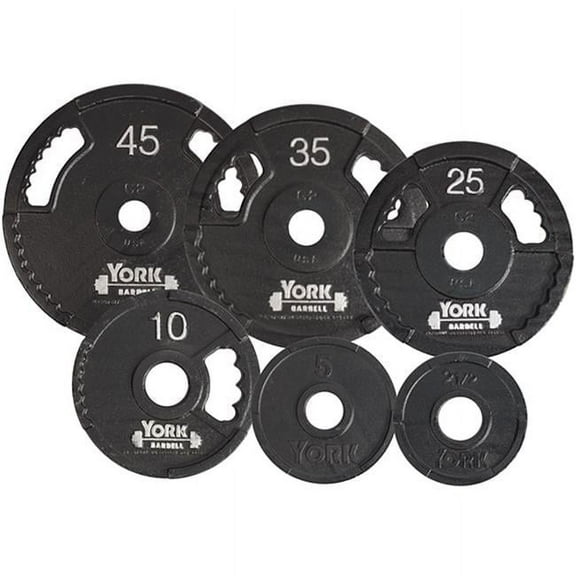
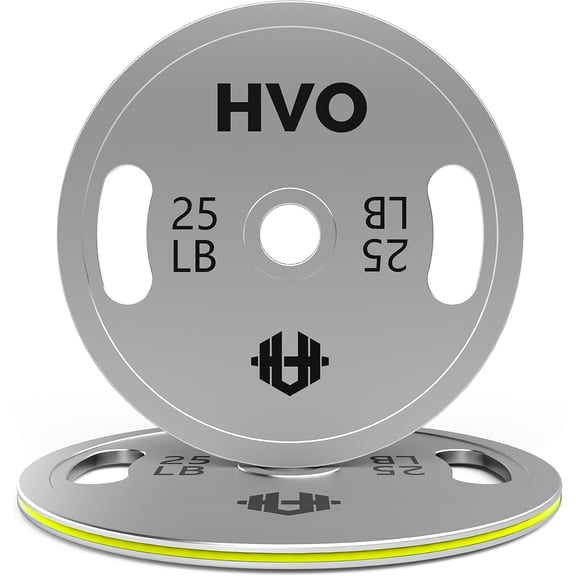
- You can match 10 lb, 25 lb, 35 lb, and 45 lb increments to your current lifts and planned progression.
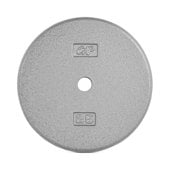
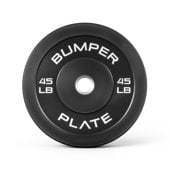
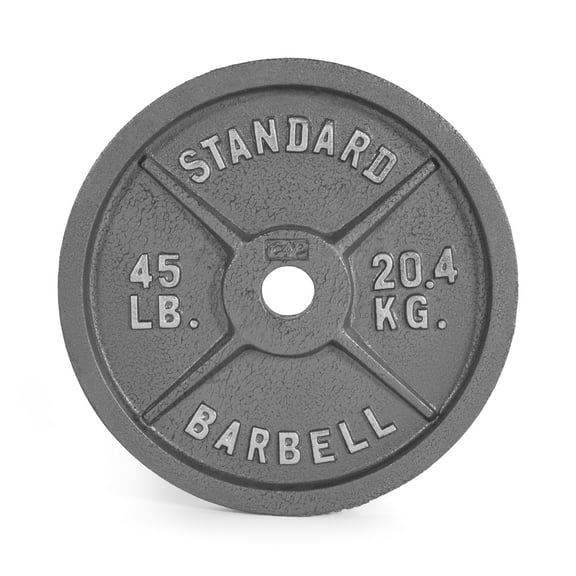
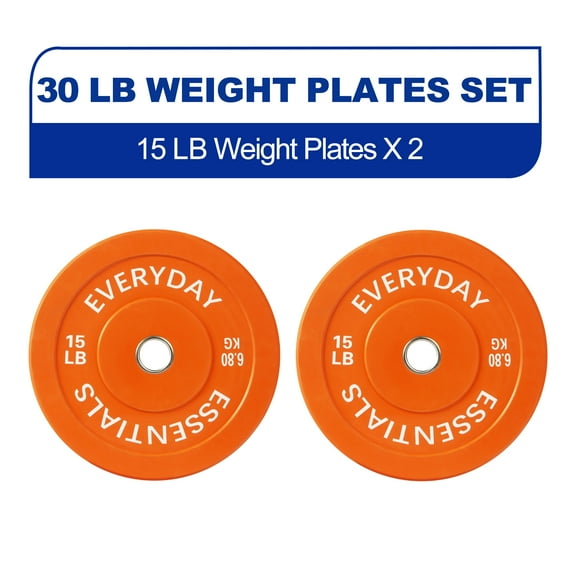
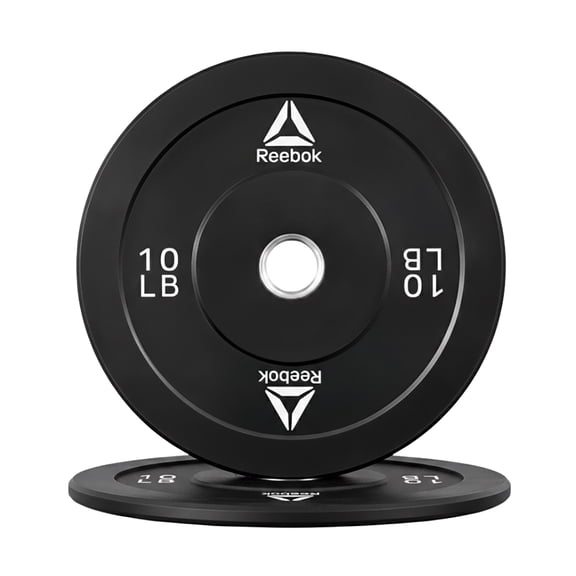
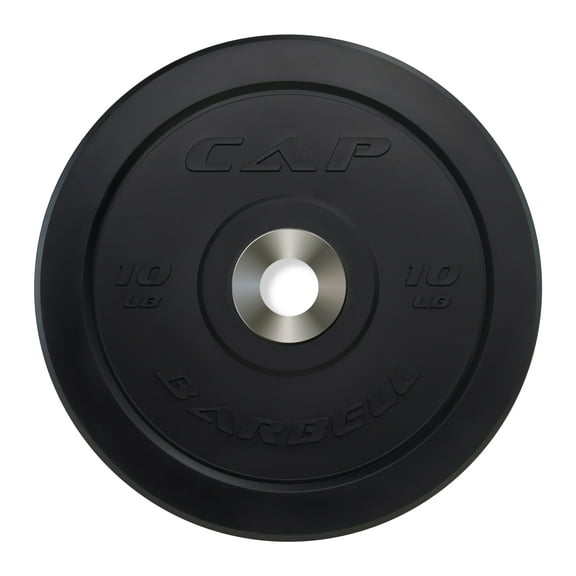
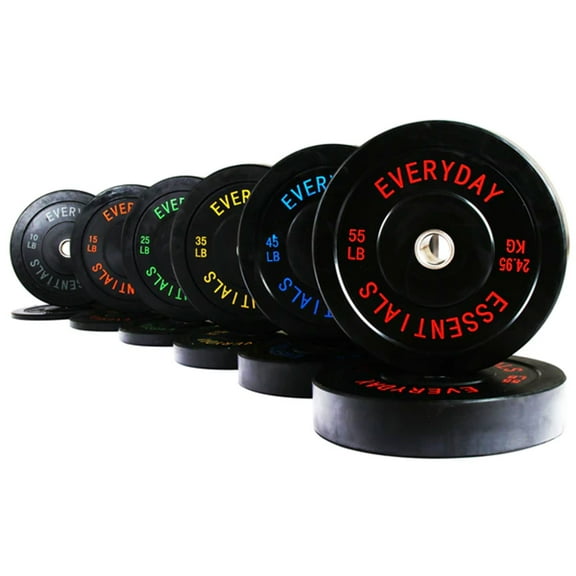
- You can choose cast iron, rubber bumper, or urethane coated plates based on floor contact, noise level, and feel.
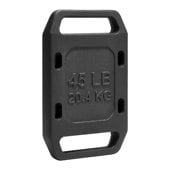
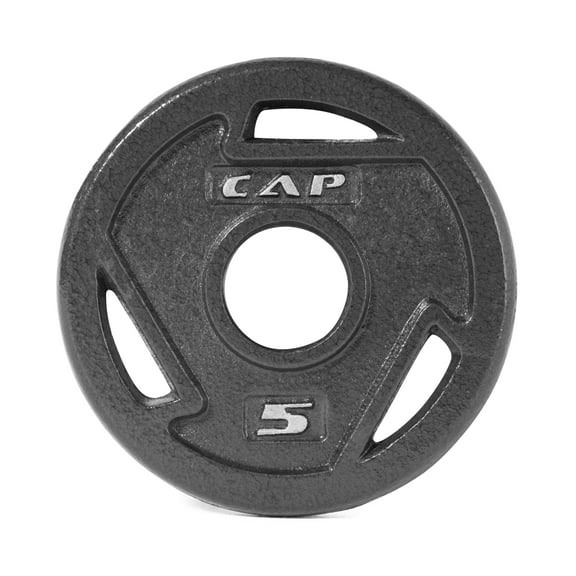
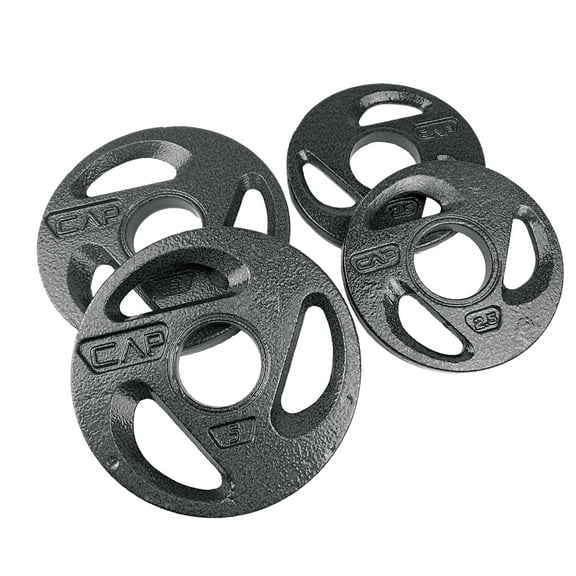
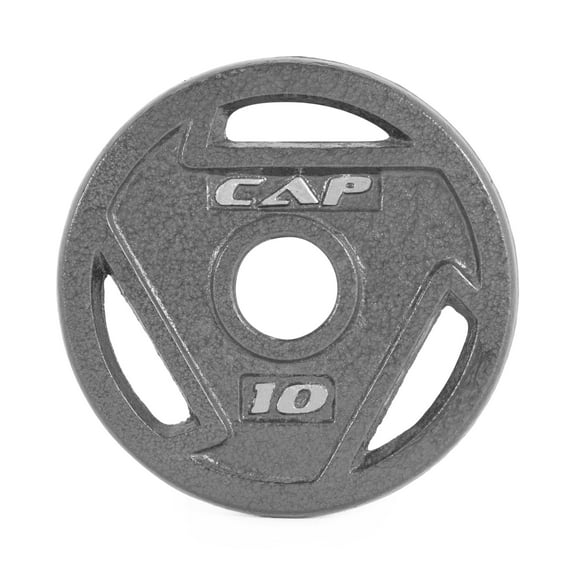
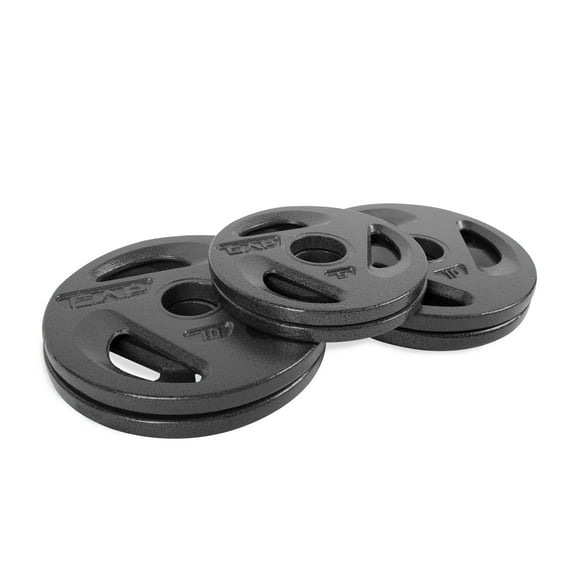
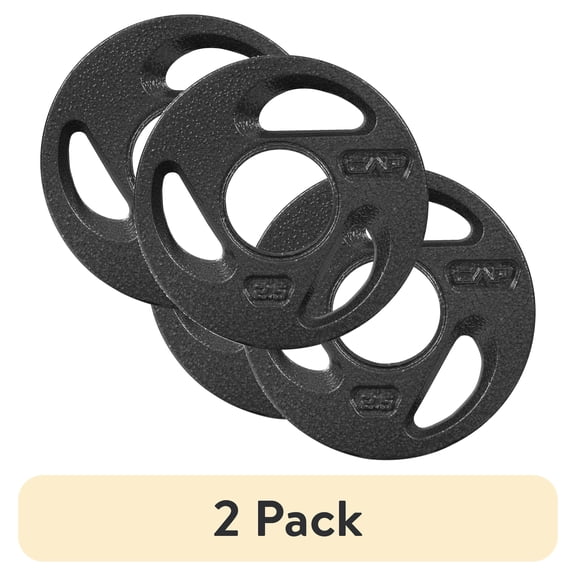
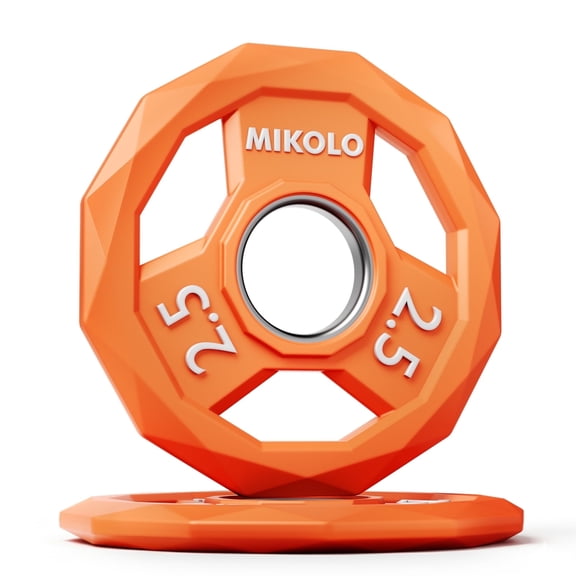
- You can check for 3-grip handles or solid discs depending on how you carry, load, and store each plate.
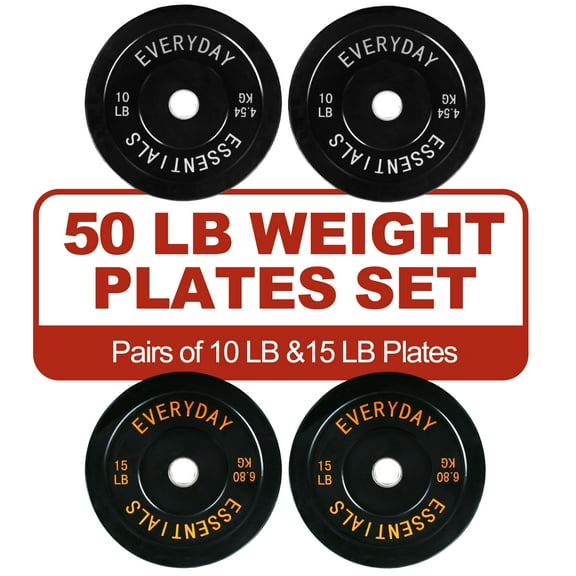
- You can build an Olympic plate set with singles, pairs, or larger bundles for a complete rack area.
Your choice affects how your training area feels during daily sessions and plate changes. You can create a setup that supports presses, rows, squats, deadlifts, and landmine work with one standard.
Choosing the right Olympic size weights
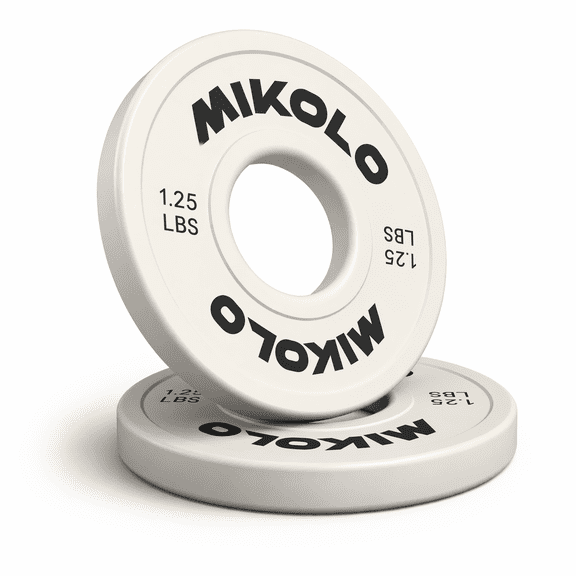
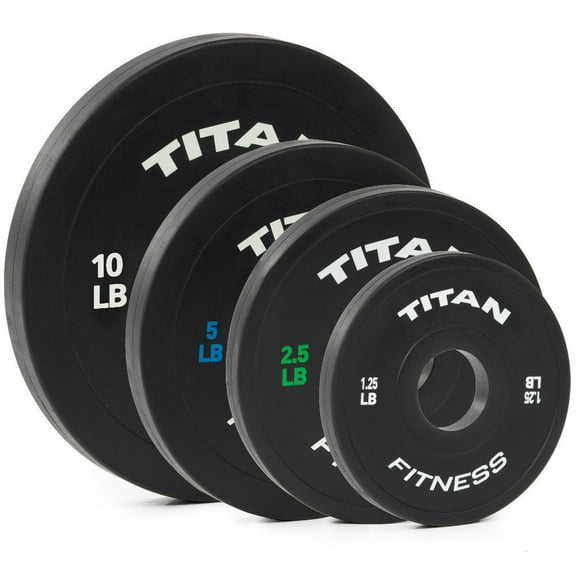
You should treat weight increment as a training decision because each plate size changes how you load the bar. You can use 10 lb plates for measured jumps, while 25 lb, 35 lb, and 45 lb plates support higher working loads.
Your progress can feel more consistent when your plate mix matches your current strength and weekly routine. You may want lower increments for accessory lifts and 45 lb pairs for main barbell movements.
Storage also matters when you plan your plate mix for a home gym corner or garage rack. You can keep your loading pattern more organized when your plate tree and bar area match your typical sessions.
Comparing Olympic style weights by material
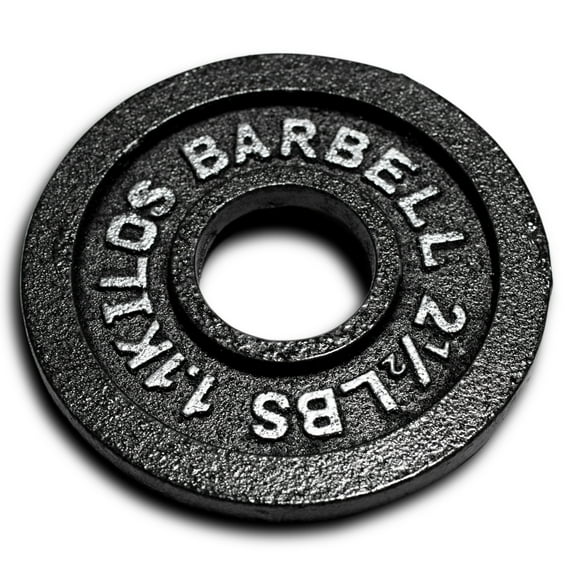
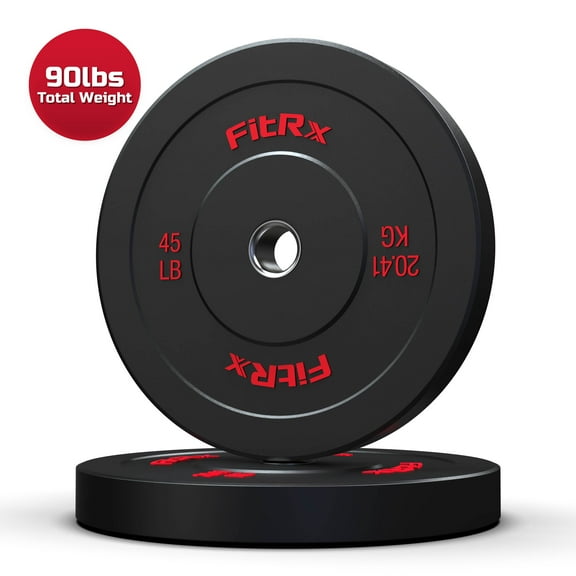
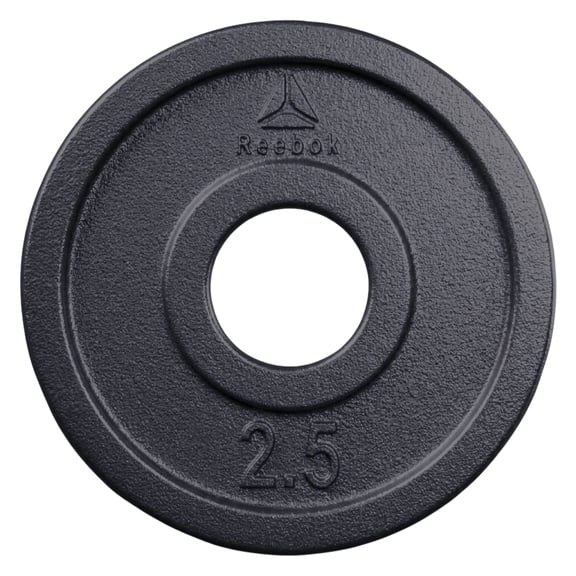
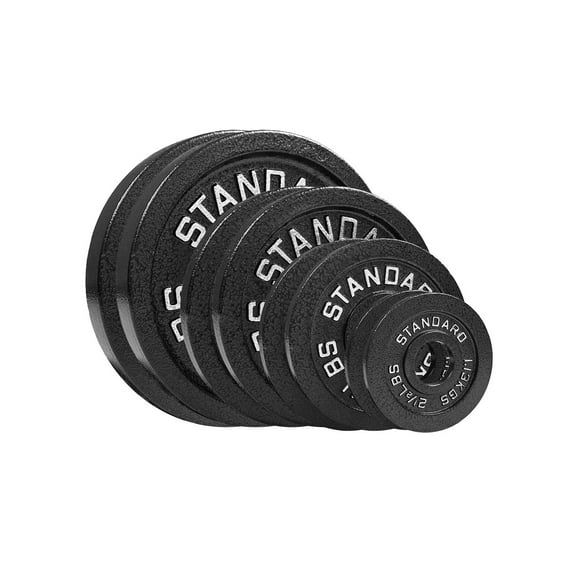
You should compare material early because your floor surface and training style influence the right plate type. You can use cast iron for a classic profile, while rubber bumper plates add a covered outer layer for floor contact.
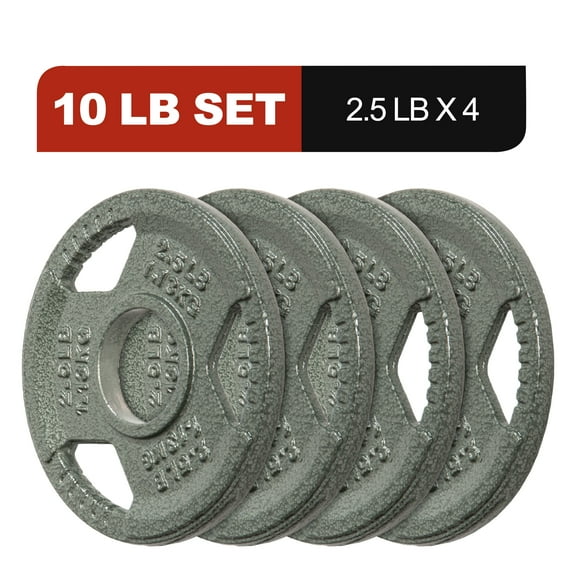
Your cast iron option may make sense when you want a traditional plate shape and a compact profile on the sleeve. You can often fit more plates across the bar when width matters during loaded barbell work.
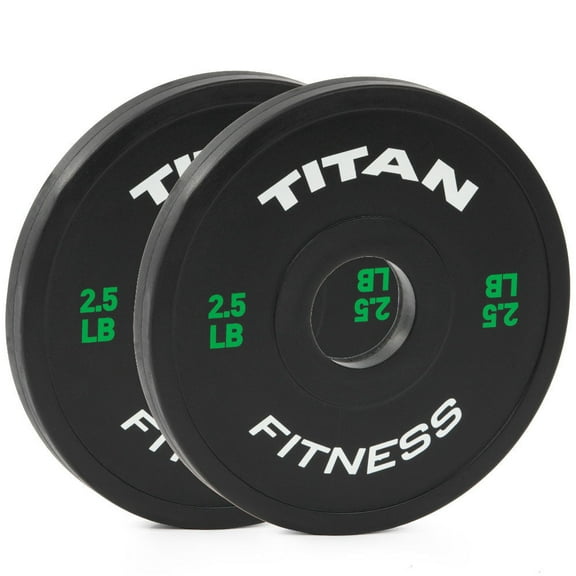
Rubber bumper plates may fit your space when your workouts include pulls from the floor and repeated setup changes. You can use them to create a training area with a different contact feel on garage or basement flooring.
Your urethane coated option can work when you want a finished outer layer and a distinct surface texture. You can compare edge shape, plate thickness, and exterior feel before you choose a material for regular use.
Checking Olympic bar weight plates for grip and fit
You should confirm that your Olympic bar weight plates match a 2-inch Olympic sleeve before anything else. You can load with more confidence when the center opening matches the bar standard you already own.
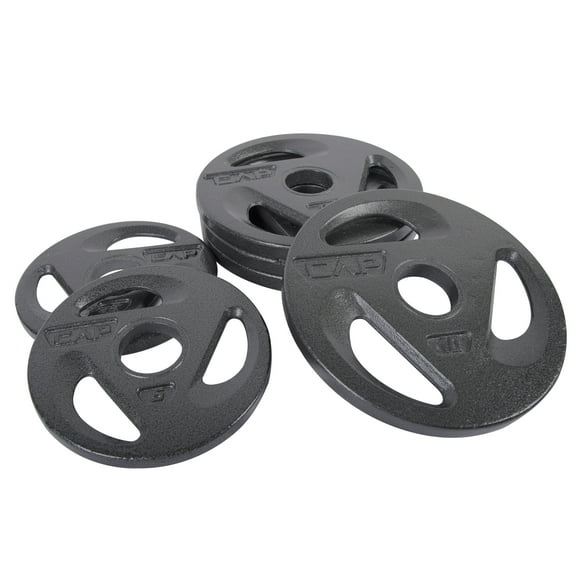
Grip design matters after fit because handling style changes how you move plates around your gym. You may like 3-grip handles for carrying and reracking, or you may prefer solid discs for a classic lifting setup.
During circuits or shared workouts, you can use grip cutouts to change plates with a more controlled hold. Your storage routine may also feel more organized when you can grab each plate from different angles.
You should also compare how the plate opening, profile, and finish align with your bar and collar setup. You can check product details for Olympic standard fit and intended compatibility before you choose.
Building an Olympic weight plates set for your routine
You can build an Olympic weight plates set around the lifts you perform most often at home. Your starting point might be pairs for balanced loading or a 300 lb set for a fuller bench and rack area.
If you already own part of a setup, you may want singles to fill gaps in your current plate mix. You can add 10 lb plates for measured increases or 45 lb pairs for loaded squat and deadlift sessions.
Your home gym layout can also shape the right combination of material and set configuration. You might choose bumper plates for a garage platform, or cast iron for a compact strength corner with limited sleeve room.
As your routine expands, you can match your Olympic plate set to more than one movement pattern. Your setup may support bench presses, rows, deadlifts, overhead presses, and landmine training with the same bar standard.
Your confidence comes from choosing plates that match your bar, your floor, and your training plan. You can end up with a setup that loads cleanly, stores neatly, and supports consistent strength work.