



Off-White Paint: Flat, Satin & Semi-Gloss - Walmart





























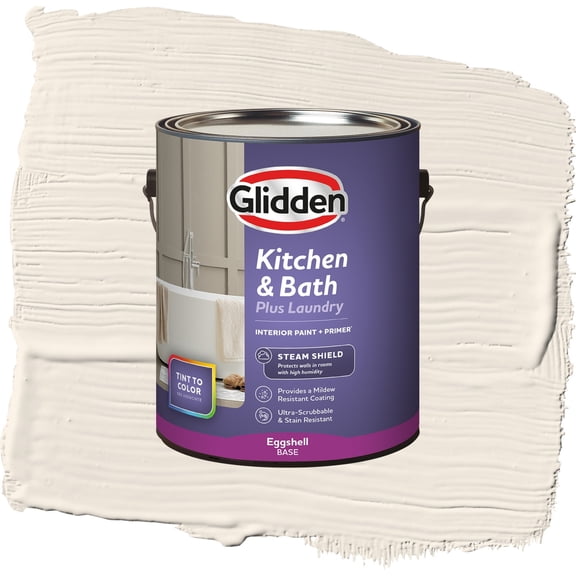




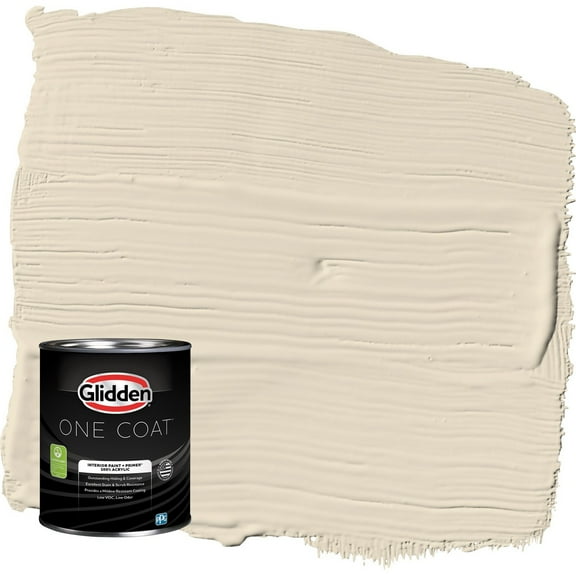


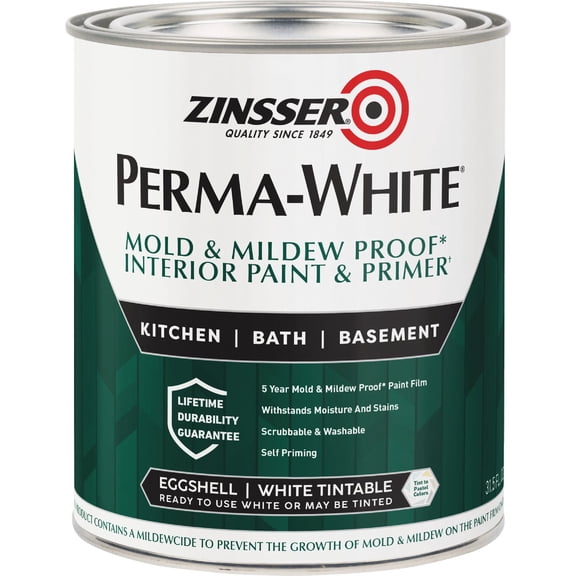
About Off-White Paint: Flat, Satin & Semi-Gloss - Walmart - Walmart.com
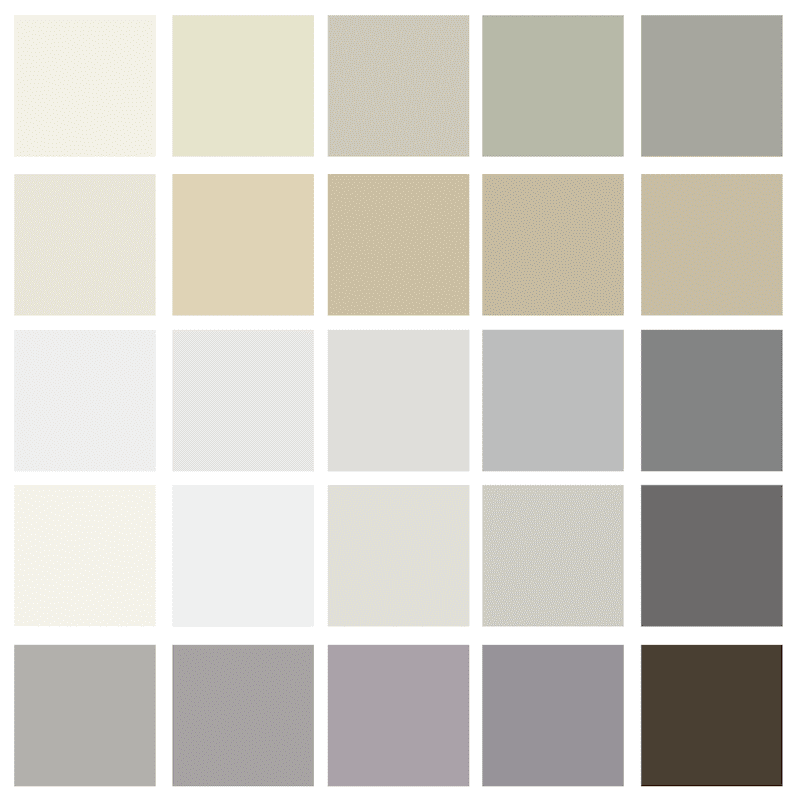
When you choose off white paint, you get a flexible neutral that softens bright light and helps your rooms feel clean and finished. If you're refreshing one room or matching several spaces, you can compare sheen, surface fit, and formulation with clearer direction.
You can use this category to sort through finishes for walls, ceilings, trim, and furniture without losing that soft white look. You can also find options that suit drywall, wood, plastic, and masonry for interior or exterior projects.
Choosing the right off white paint finish
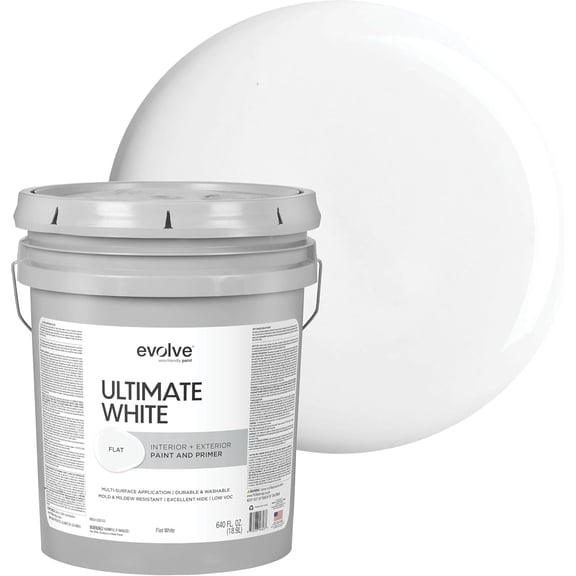
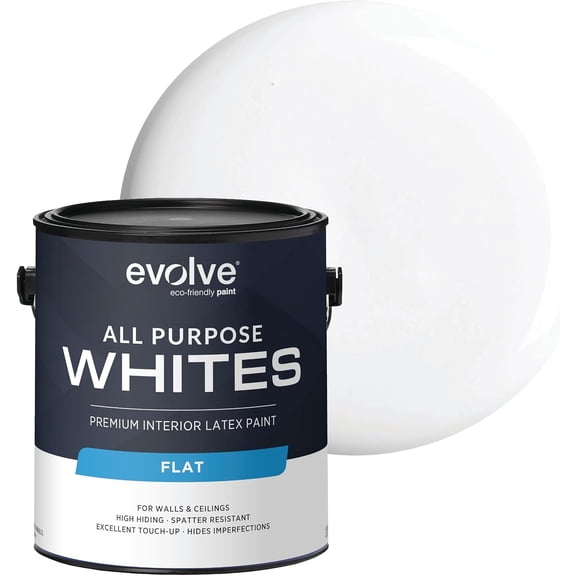
You should start with finish because sheen changes how your color reflects light and how easily you can wipe the surface. If you want a softer look, off white flat paint helps your ceilings and lower-traffic walls look smooth.
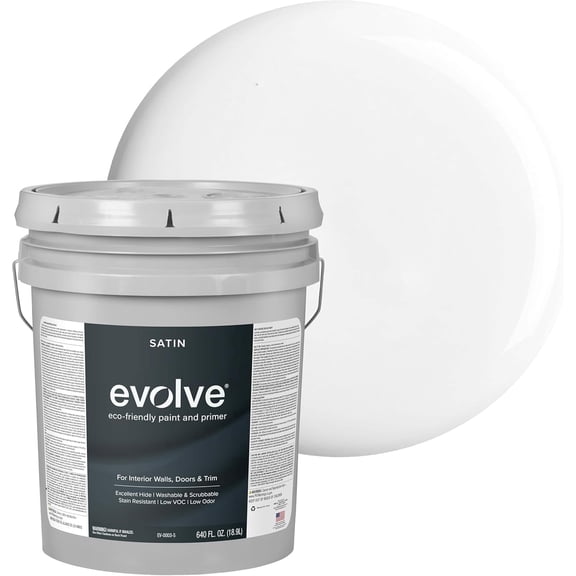
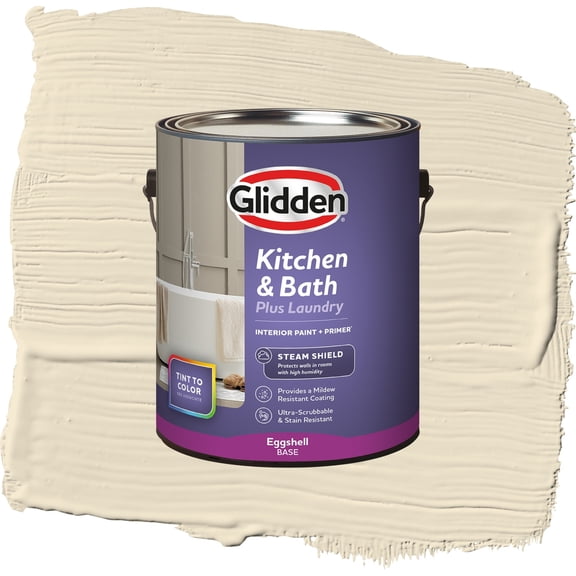
When you need more durability, you can compare eggshell and satin for bedrooms, living rooms, and hallways. If your space gets splashes or steam, you may prefer semi-gloss or gloss for easier cleanup.
You can use finish as a shortcut when your project includes several surfaces in one color family. A flatter sheen usually hides wall texture, while a shinier sheen helps your trim and doors stand out.
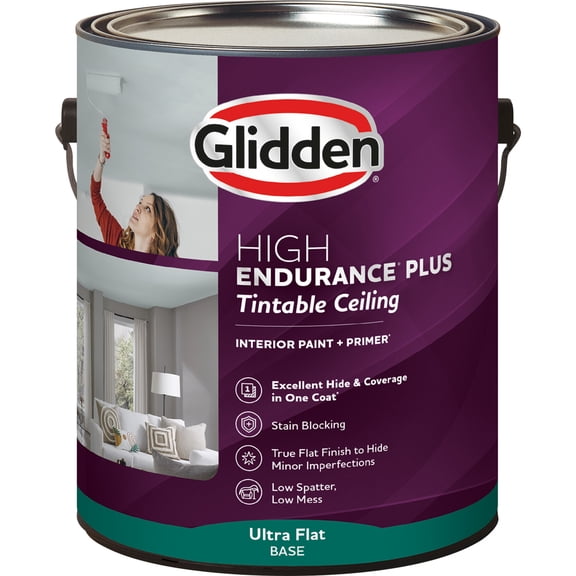
- You can choose flat for ceilings and calm wall color with minimal light reflection.
- You can choose eggshell or satin when you want a balance of softness and easier wipe-downs.
- You can choose semi-gloss or gloss for trim, bathrooms, kitchens, and utility areas.
What to look for in paint and primer in one
You should compare formulation next because prep time and surface type affect how smoothly your project goes. If you want fewer steps, paint and primer in one can help you cover previously painted surfaces more efficiently.
When you're painting wood, you may look for primer and paint in one for wood to reduce extra coating steps. If you're covering plastic or other slick surfaces, you should check the label for adhesion promoters and surface compatibility.
You can also compare acrylic, latex, and oil-based options based on cleanup, dry time, and project needs. If you want easier soap-and-water cleanup, you may often prefer latex or acrylic for many interior updates.
For indoor spaces, you may also check whether low-VOC or zero-VOC options fit your preferences for odor and airflow. If you're painting bedrooms, offices, or nurseries, you may want a formula designed for interior use.
Choosing surfaces and locations for off white paint
You should match your paint to the surface before you pick a gallon size or finish. If you're updating an off white paint wall, you can compare options made for drywall, plaster, or textured interior surfaces.
When you're painting wood cabinets, shelving, or trim, you should look for formulas designed for harder, smoother surfaces. If you're working on plastic planters, chairs, or storage pieces, you need a coating labeled for plastic paint projects.
You can also compare interior and exterior use because sunlight, moisture, and temperature shifts affect performance. If your project includes porch railings or masonry features, you should confirm the coating matches those outdoor surfaces.
For ceilings, you may want a flatter finish that reduces glare from overhead lighting. For doors and trim, you may want a shinier finish that stands out against white wall paint.
How to estimate coverage for your project
You should estimate coverage before checkout so your color stays consistent across the whole project. In many cases, one gallon covers about 350 to 400 square feet, though your surface texture can change that number.
If you're painting new drywall or a darker base color, you may need more paint for even coverage. When you're repainting a similar shade, you might complete your room with fewer coats and less leftover material.
You can measure wall height and width, then subtract large windows and doors for a closer estimate. If you're painting trim, cabinets, or furniture, you should calculate those pieces separately from full walls.
How off white paint fits real projects
You can use off white paint in open layouts when you want connected rooms to feel brighter without looking stark. If your home gets strong daylight, this softer white can keep your space from feeling harsh.
When you need a bathroom or kitchen update, you may pair a semi-gloss finish with surfaces that see moisture and frequent wipe-downs. If you're refreshing a bedroom or ceiling, you may prefer flat or eggshell for a quieter look.
You can also use this category when you need one color across different materials in the same project. If you're comparing pintura off white terms from search results, you can focus on sheen, location, and compatibility instead of wording.
For weekend updates, you may want paint and primer in one for walls, doors, or wood accents that need a faster workflow. If you're coordinating trim with white paint already in your home, off-white tones can create a softer transition.
You can feel more confident when you compare sheen, surface compatibility, formulation, and coverage before you start. With the right off white paint, you can get a polished finish that fits your room, your prep needs, and your project timeline.