


Find auto parts that fit
Let’s search for parts that fit your vehicle.NGK in Auto & Tires Shop By Brand


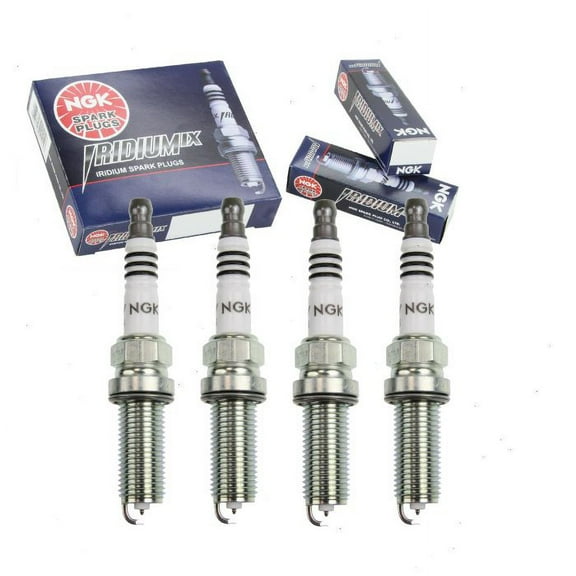


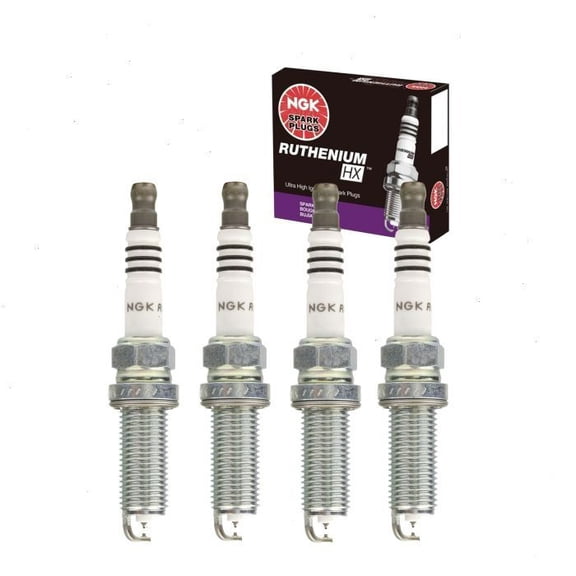



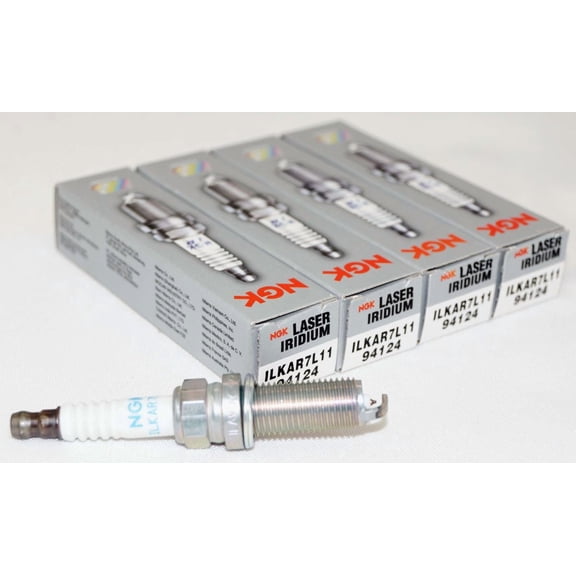



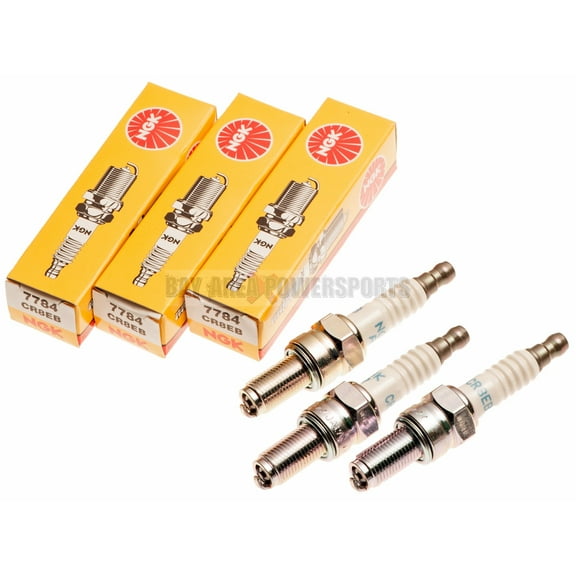







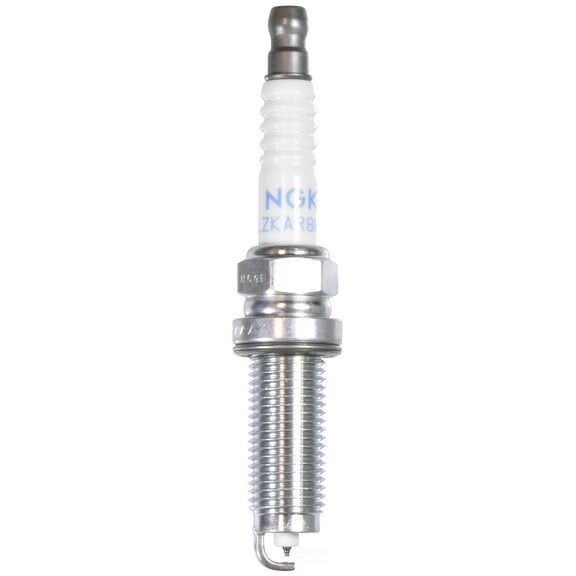
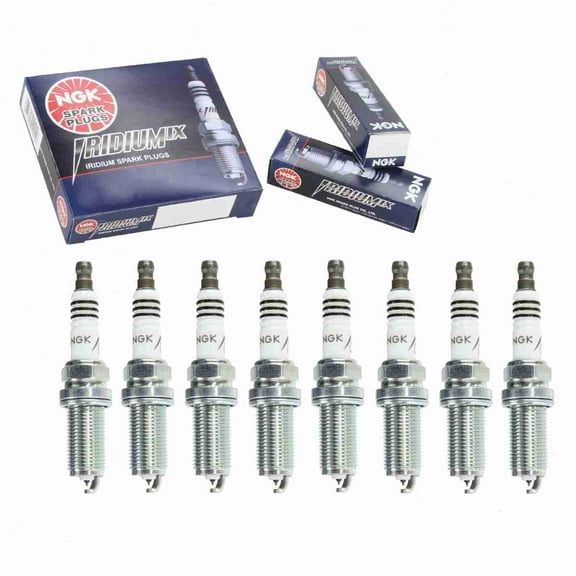
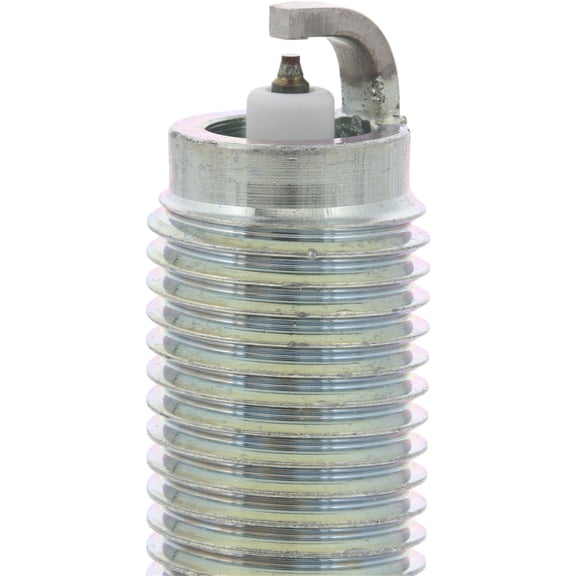
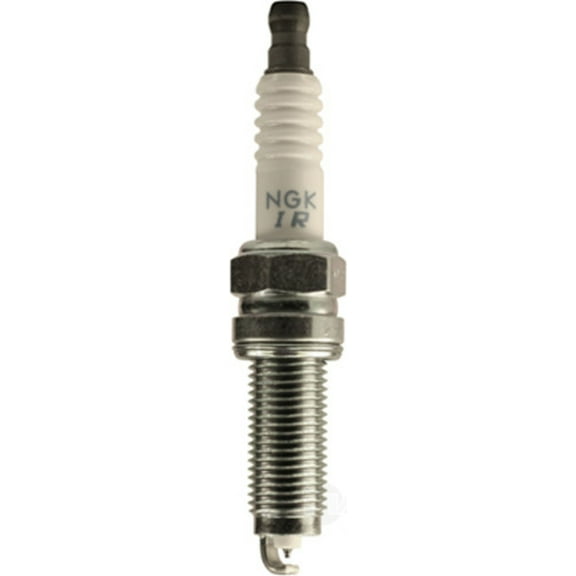
About NGK in Auto & Tires Shop By Brand - Walmart.com
Motor oil helps you match your engine’s exact requirements for viscosity, oil type, and mileage. You can compare SAE grades, API markings, and container sizes for a more confident maintenance plan.
Choosing the right motor oil by oil type and viscosity
When you choose motor oil, you can start with your owner’s manual and your required viscosity grade. You can then compare oil type, mileage fit, and specification marks without second-guessing your pick.
Your viscosity grade matters because it shows how your oil flows during cold starts and warm operation. You can often see common grades like 5W-30, 10W-30, 0W-20, and 5W-20 on passenger vehicles.
If you drive through colder weather, you may prefer 0W-20 or 5W-30 when your manual allows those grades. If your manual calls for 10W-30, you should stay with that exact grade for proper compatibility.
- You can choose full synthetic for steadier flow across heat and cold.
- You can consider synthetic blend when your manual allows blended formulations.
- You can use conventional motor oil when your vehicle requires that familiar format.
- You can look at high mileage oil if your vehicle has over 75,000 miles.
- You can pick one quart bottles for top-offs or five quarts for many full changes.
- You can check API and ILSAC markings to match manufacturer requirements.
Comparing synthetic motor oil and conventional motor oil
As you compare oil types, you may find synthetic motor oil offers steady flow in changing temperatures. You can use that consistency for commuting, stop-and-go traffic, and seasonal weather shifts.
If your manual allows synthetic blend, you can compare it with full synthetic and conventional formulas. You may choose it when you want a middle option for mixed driving habits.
When your vehicle calls for conventional motor oil, you should follow that requirement closely. You can use it for older engines or maintenance routines built around standard change intervals.
If your odometer shows over 75,000 miles, you may narrow your search to high mileage oil. You can use that option for formulas with seal conditioners and additives matched to older engine needs.
Understanding 5w30 motor oil and other SAE grades
You can often see 5w30 motor oil because many vehicles use it across a broad temperature range. You can think of the first number as cold-weather flow and the second number as warm-engine thickness.
When you compare 0W-20 synthetic oil with 10W-30 oil, you should check your manual first. You can’t assume one SAE grade fits every engine, even when the bottle size looks right.
If you need winter motor oil guidance, you can compare lower winter ratings for easier cold-start flow. You should still confirm that the SAE grade matches your engine’s approved range.
You can also check whether your label lists API and ILSAC standards for your vehicle. Those markings help you confirm your oil meets current manufacturer specification language before your next motor oil change.
Choosing size, mileage fit, and specification details
As you compare options, you should match your oil type with your driving routine and engine mileage. You may also choose your volume based on top-offs, full changes, or multi-vehicle maintenance.
If you handle your own oil change, you may prefer five quart containers for many passenger vehicles. You can pick one quart bottles when your engine needs occasional top-offs between services.
When you maintain more than one vehicle, you may look at bulk sizes for fewer container changes. You should only choose bulk motor oil after confirming every vehicle shares the same approved viscosity and standards.
For vehicles under 75,000 miles, you can focus on the exact SAE grade and approved oil type. For older engines, you may focus on high mileage formulas in the correct viscosity.
Matching motor oil to real driving needs
If you drive short city trips, you may prefer full synthetic oil for steady flow through frequent starts and stops. You can also check for the exact API and ILSAC marks listed in your manual.
When your vehicle sees highway miles each week, you may focus on the required viscosity and a convenient size. You can simplify your routine by keeping the same approved grade on hand.
If you maintain an older car, you may compare conventional motor oil and high mileage oil carefully. You can use your mileage, manufacturer guidance, and service history to narrow your fit.
For newer engines that call for lighter grades, you may need 0W-20 or 5W-20 for compatibility. You should avoid switching grades unless your manufacturer allows an alternative.
When you shop by specifications instead of guesswork, you can match your engine with the right formula. You can get a clearer path to your next oil change and steadier everyday performance.