

More baking in Baking
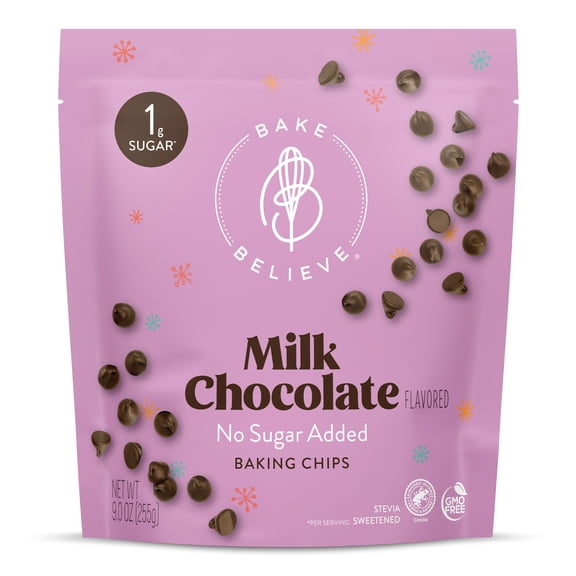


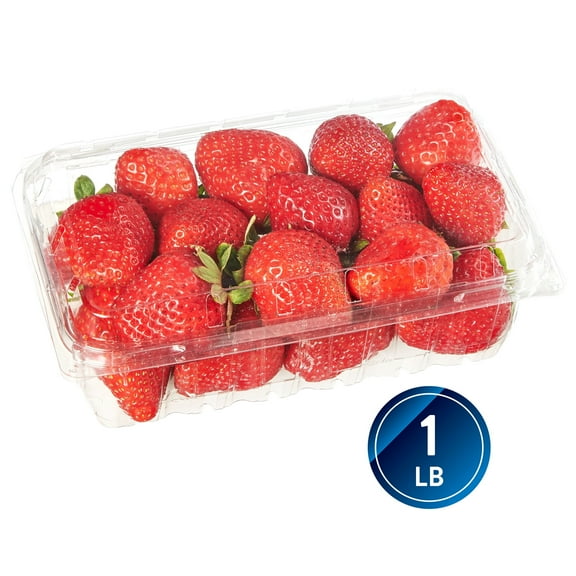
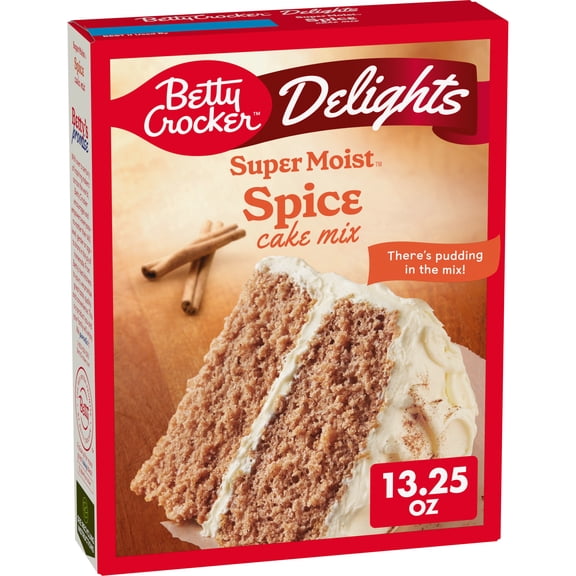

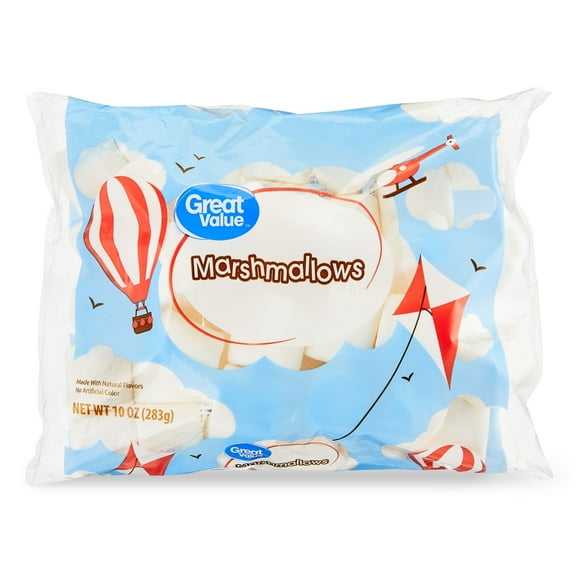










About More baking in Baking - Walmart.com
Manual shelves help you organize pantry staples, canned goods, and snacks with a layout that fits your kitchen routine. You can compare material, placement, and tier count to keep food visible and easy to reach.
If you're updating a pantry or cabinet, you can use this guide to compare shelf styles that suit food storage. You'll find practical details on wire, wood, plastic, and metal options for everyday kitchen organization.
How to choose manual shelves for pantry storage
When you shop manual shelves, you should start by measuring the space you want to organize. You can check height, width, and depth before you compare pantry shelves, cabinet shelves, or countertop formats.
If you store tall cereal boxes or bulk containers, you should check vertical clearance first. If you stack cans or jars, you should compare shelf depth so your items don't crowd the front edge.
You can also match shelf placement to the foods you use every day. You might prefer pantry shelves for dry goods, cabinet shelves for mugs, or a canned food organizer for stacked cans.
Choosing material for pantry shelves
You can use wire pantry shelving when you want airflow around onions, potatoes, and packaged foods. You may also like open wire designs because you can spot crumbs quickly during cleanup.
If your kitchen gets humid, you should compare finishes and surface types closely. You may find coated metal and wire shelves easier to wipe after steam and splatter.
You can choose wood shelves when you want a warmer look in a visible pantry area. You should check sealed surfaces if your shelves sit near a sink, kettle, or coffee station.
Plastic shelves can work well when you want a lightweight option for lighter packages and snack bins. You may like smooth surfaces because you can wipe them clean with less effort.
- You can use wire shelves for airflow and easy visibility.
- You can choose wood shelves for a furniture-style look in open pantry areas.
- You can pick plastic shelves for lighter items and simple cleanup.
- You can compare metal shelves when you need steady support and easy maintenance.
What to look for in food storage shelves
You should check weight limits per shelf before you load canned soups, sauce jars, or small appliances. You can use shelf capacity as a clear guide for everyday pantry planning.
If you expect heavier loads, you should compare steel gauge on metal options. You may notice thicker steel feels steadier for cans, baskets, and bulk ingredients.
You can also review assembly details before you choose a shelf system. You might want tool-free pieces for quick setup, or hardware-based frames for a more fixed arrangement.
Adjustable pantry shelves give you more control when package sizes change through the week. You can raise a shelf for cereal boxes, then lower it later for stacked cans.
Choosing placement and tier count
You should think about where you reach for food frequently during meal prep. You can place kitchen organization shelves in a pantry, cabinet, on a countertop, or on a wall.
Pantry shelves can help you group breakfast items, baking ingredients, and after-school snacks by zone. You can keep everyday items at eye level so your routine feels simpler.
Cabinet shelves can add structure inside deep spaces where bowls, cups, and packaged foods tend to stack unevenly. You can use extra levels to separate dishes from dry ingredients.
Countertop shelves can hold spices, tea, coffee supplies, or fruit baskets without crowding your prep area. You should measure backsplash clearance if you place shelves below upper cabinets.
Wall-mounted options can free up shelf and counter space in tighter kitchens. You can use them for spice jars, oils, or lightweight pantry items you want within easy reach.
You can compare two-tier, three-tier, and five-tier formats based on how much vertical storage you need. You should also consider whether taller shelves fit your pantry door swing.
A two-tier unit can work well when you need compact storage for packets, seasonings, or breakfast bars. You may prefer this size for cabinets or smaller pantry nooks.
A three-tier shelf often gives you balanced storage for snacks, canned foods, and boxed meals. You can keep similar items together without stacking them too high.
A five-tier shelf can help you separate baking goods, grains, canned foods, sauces, and paper goods by level. You should check ceiling height and top-shelf reach before choosing it.
Using manual shelves for everyday food routines
You can build a canned food organizer setup when you want labels visible and rows easy to count. You may find stepped or tiered layouts useful for soups, beans, and vegetables.
If you cook often, you can use food storage shelves to separate oils, spices, grains, and baking tools. You should place your frequently used ingredients where your hand naturally reaches.
You can use kitchen organization shelves to create snack zones for lunch packing and busy mornings. You may also sort shelf-stable drinks, crackers, and fruit cups into grab-and-go sections.
For heavier storage, you should compare heavy duty storage formats with clear shelf capacities and sturdy frames. You can reserve those shelves for bulk cans, mixers, or larger pantry containers.
You can get more from manual shelves when you measure carefully, compare shelf capacity, and match materials to your kitchen environment. You end up with pantry storage that keeps ingredients visible, accessible, and easier to organize.