

Microscope Supplies Near Me & Accessories | Walmart

















About Microscope Supplies Near Me & Accessories | Walmart - Walmart.com
Microscope accessories help you tailor your setup for clearer viewing, smoother sample prep, and easier upkeep. You can compare fit, materials, and application needs before you choose parts that match your microscope.
How to choose microscope accessories
You can start with the accessory type that fits your microscope routine. You can focus on slides, eyepieces, objective lenses, cleaning kits, or carrying cases based on how you work.
When you match the right accessory to your microscope, you get smoother viewing and easier setup. You can also keep your equipment organized for classroom work, hobby sessions, or laboratory tasks.
You may compare accessories by a few practical decisions before you choose. You should check compatibility, material, optical design, and intended use so your parts fit your goals.
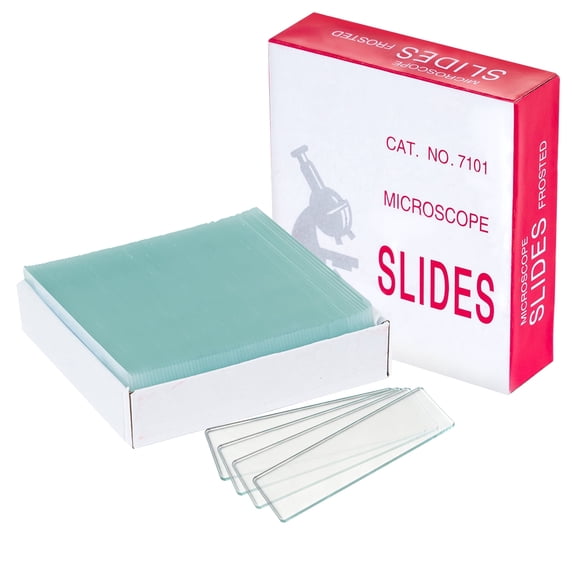
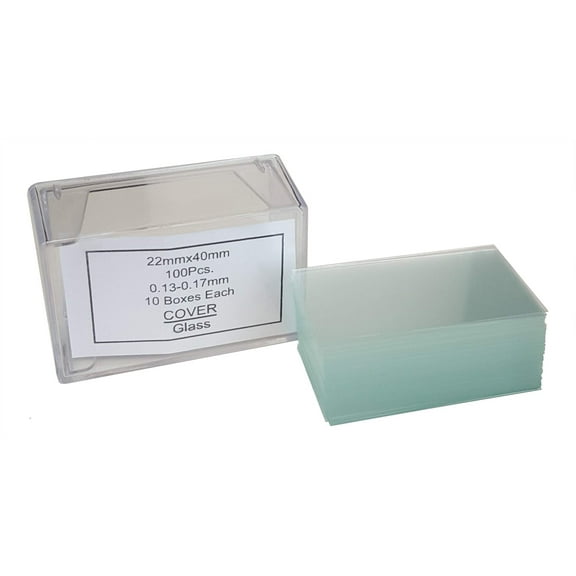
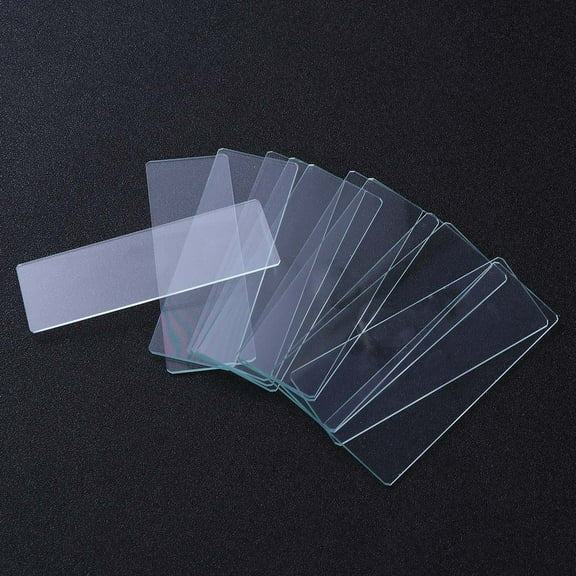
- You can use slides and cover slips to prepare samples for clear viewing.
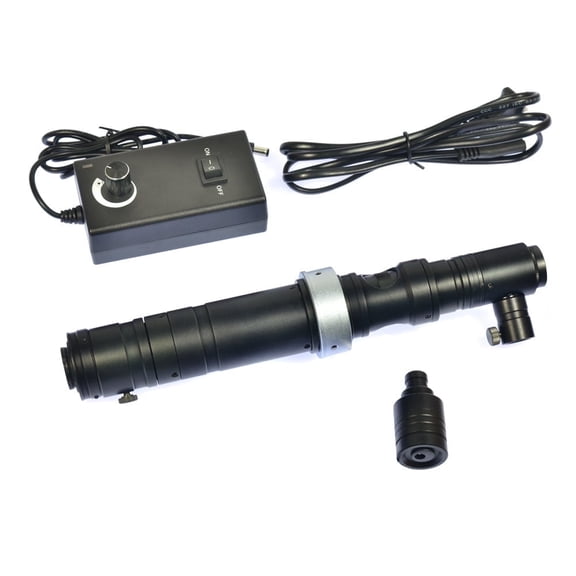
- You can choose eyepieces and objective lenses to refine magnification options.
- You can use a microscope cleaning kit to care for lenses, stages, and viewing surfaces.
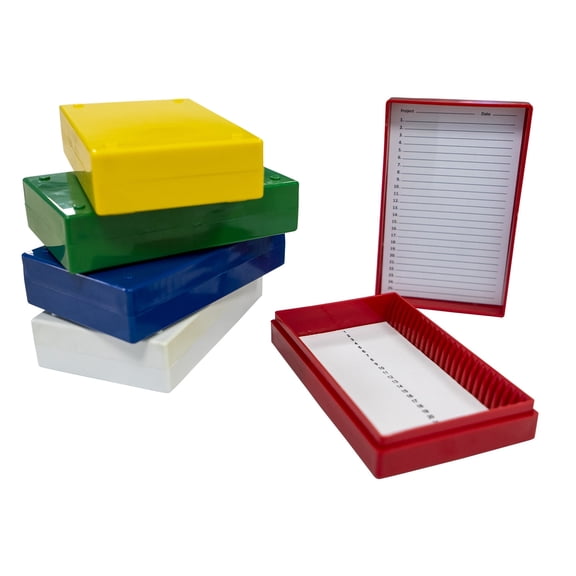
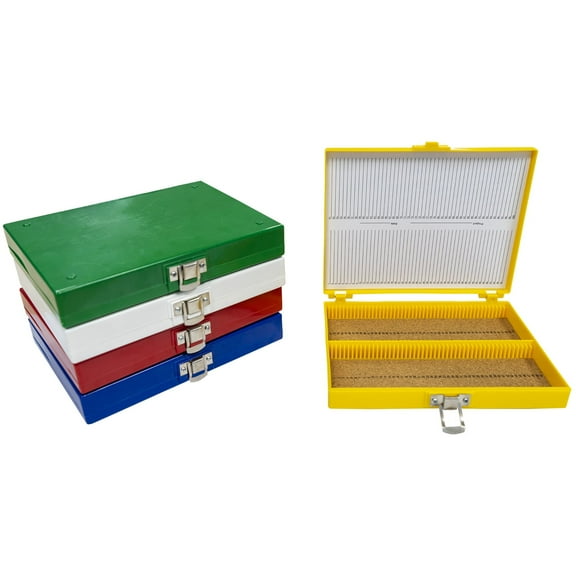
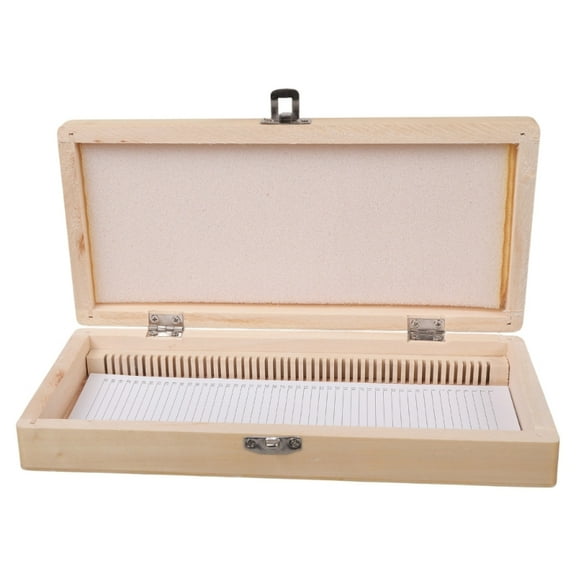
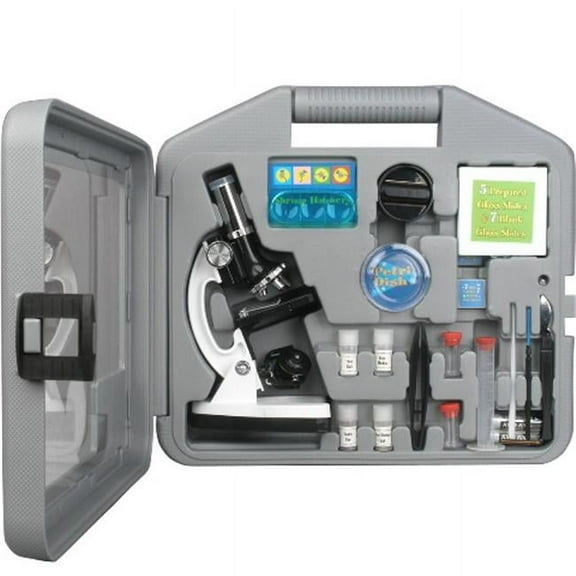
- You can select carrying cases when your microscope needs protected storage or transport.
If you’re building a classroom kit, you may want simple essentials that support frequent handling. If you’re working in a lab, you may need tighter fit details and more specific optical choices.
Choosing microscope slides and cover slips
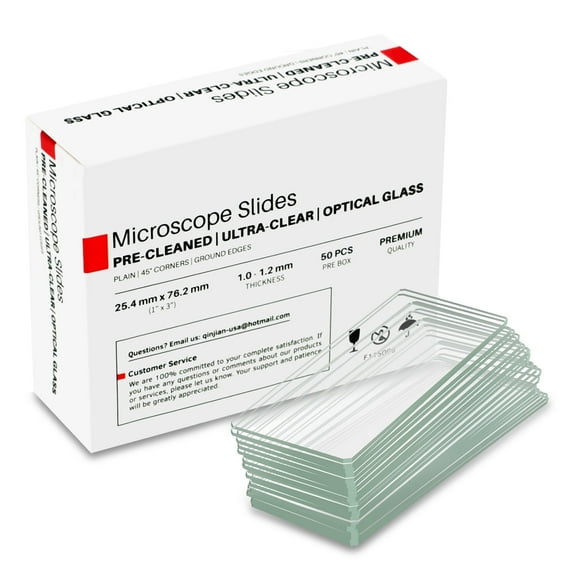
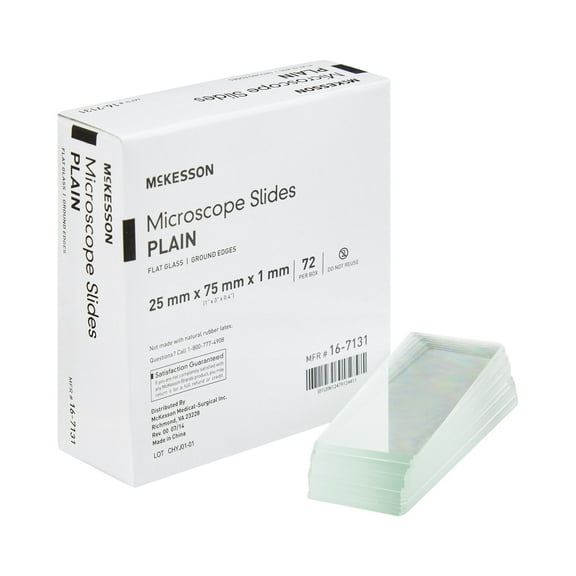
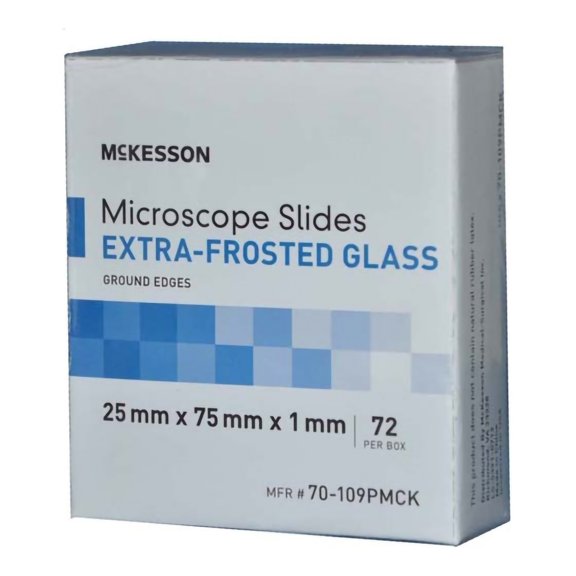
You should compare slide material first because it affects handling and viewing. You often see glass and plastic options, and your choice depends on clarity needs and how you plan to use them.
Glass slides can give you a familiar viewing surface for educational and professional work. Plastic slides can feel practical when you want lighter pieces for frequent student use.
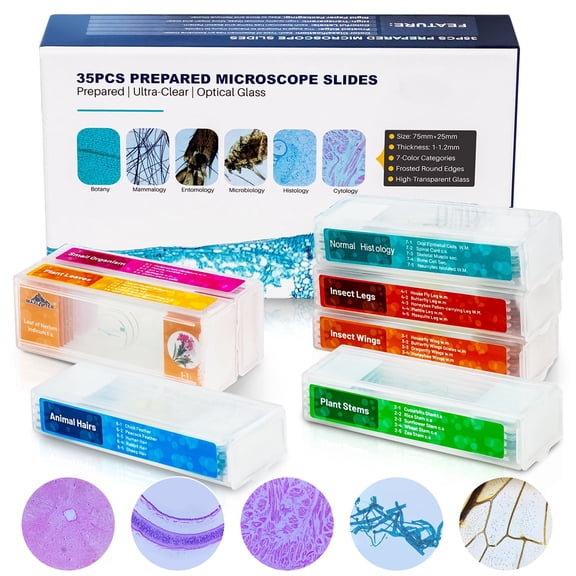
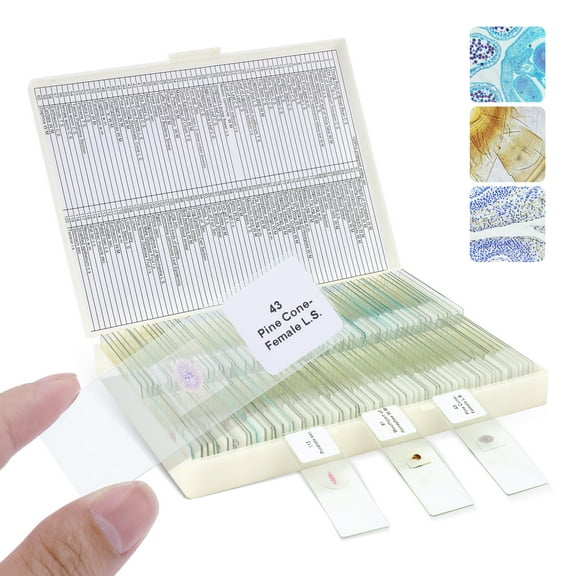
You may also compare blank slides with pre-prepared specimens before you buy. Blank slides let you prepare your own samples, while prepared sets let you start viewing right away.
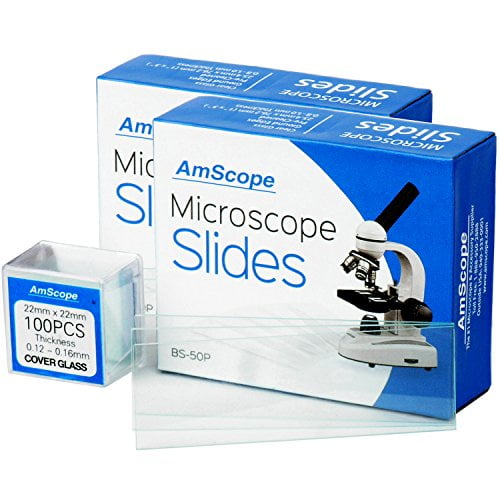
Cover slips matter because you use them to hold samples in place and support clearer observation. You need the right size and material so your specimen sits neatly on the slide.
Pre-cleaned glass can help you begin sample prep with fewer extra steps. You should still confirm the quantity and format that fit your classroom, hobby table, or laboratory station.
Choosing microscope eyepiece replacement and optics
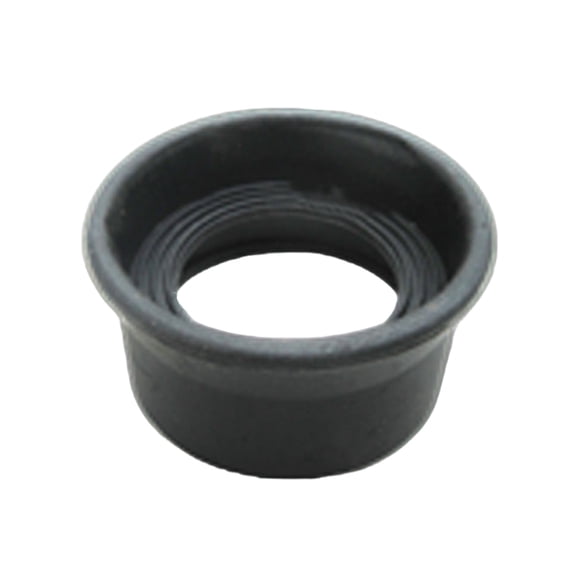
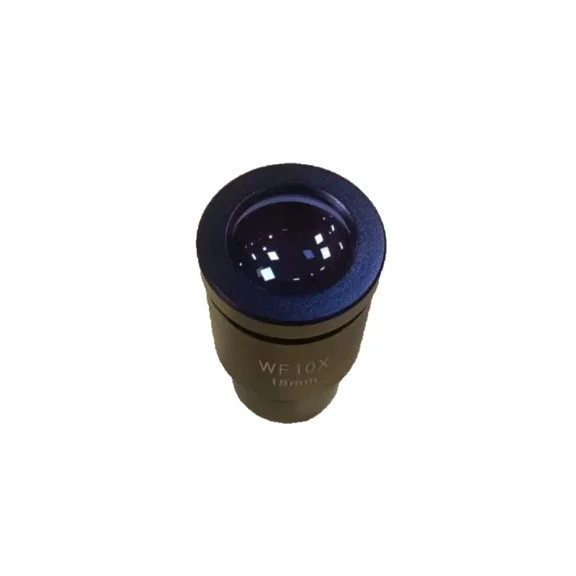
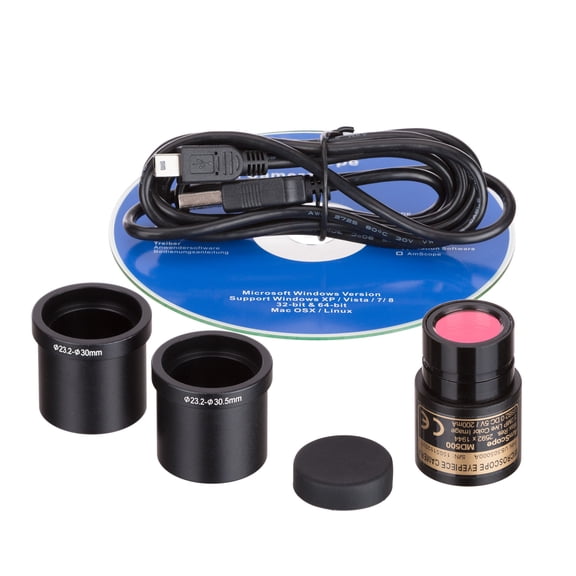
You should check compatibility before you buy any microscope eyepiece replacement parts. Measure your tube diameter, because 23.2mm and 30mm fit different microscope designs.
That measurement matters because an eyepiece must sit correctly in your microscope tube. You can avoid guesswork when you compare your current part with the listed fit details.
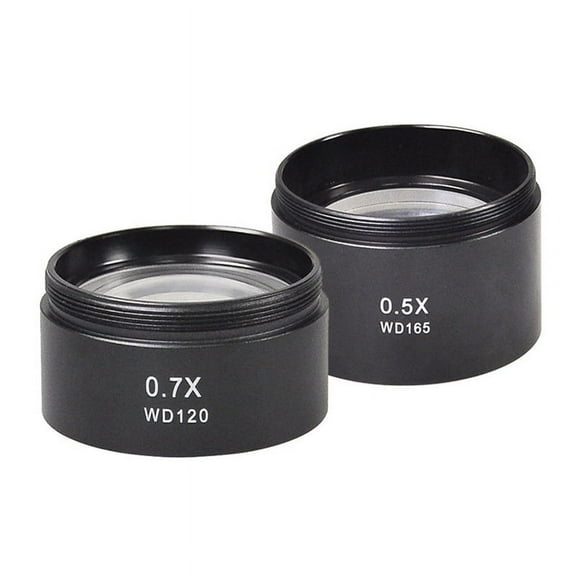
If you’re replacing objective lenses, you should also check whether your microscope uses RMS threading. You need that thread type to match your instrument so the lens installs correctly.
You may also compare optical glass choices when clarity matters for repeated viewing. Optical glass can support a crisp image when you’re observing details across the field of view.
When you compare objective styles, you may notice achromatic and plan achromatic terms. Achromatic options help you view color-corrected images, while plan achromatic designs keep more of the field looking flat.
That flatter field can matter when you want edge-to-edge detail across the viewing area. You should choose based on how precise your observations need to be during classwork or lab tasks.
Choosing a microscope cleaning kit and care items
You can use a microscope cleaning kit to care for lenses and viewing surfaces between sessions. Look for supplies meant for optical parts so your routine stays simple and organized.
Cleaning accessories may include cloths, paper, brushes, or solution tools for optics care. You should check what’s included so your kit matches the surfaces you clean frequently.
If you use your microscope often, regular care can help your view stay clear and consistent. You can also keep dust and smudges from interrupting lessons, demonstrations, or hobby work.
Carrying cases are another practical part of microscope care and storage. You can use them when your microscope moves between classrooms, clubs, home study spaces, or lab stations.
Matching accessory choices to your application
You should match microscope accessories to the way you plan to use your equipment. You may need different combinations for educational, professional, hobbyist, or laboratory settings.
For student use, you might choose plastic or pre-cleaned slides, simple eyepieces, and easy storage options. You can keep setup straightforward when many learners share the same microscope tools.
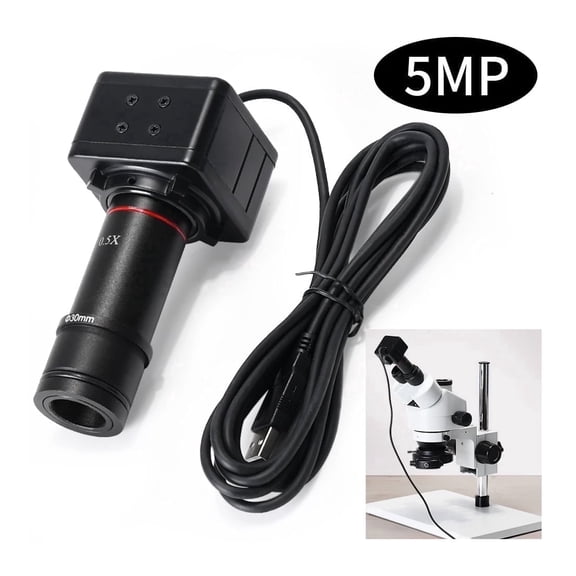
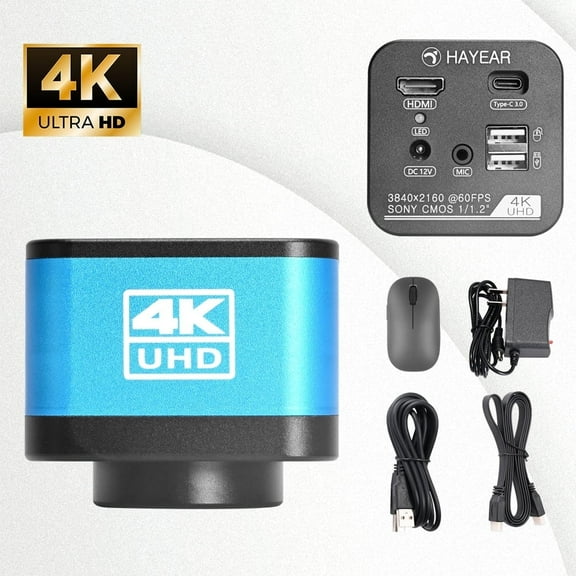
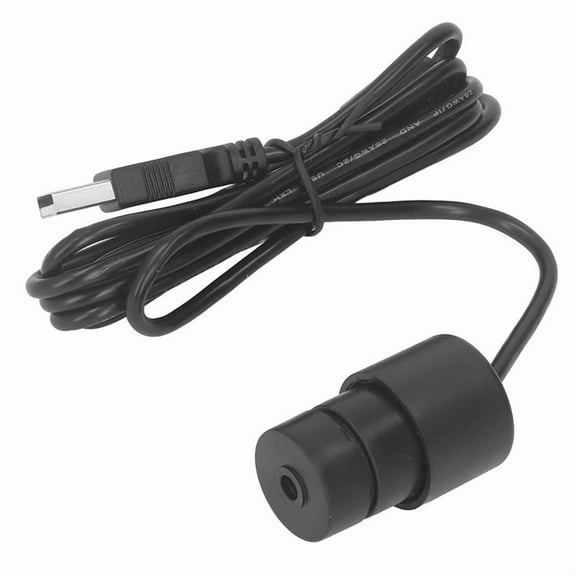
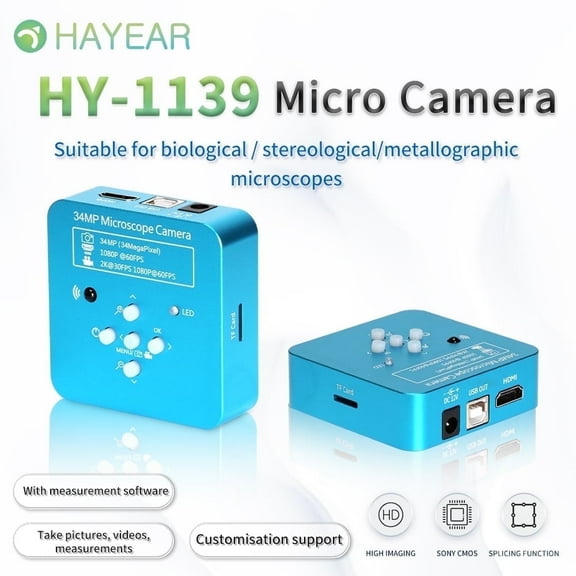
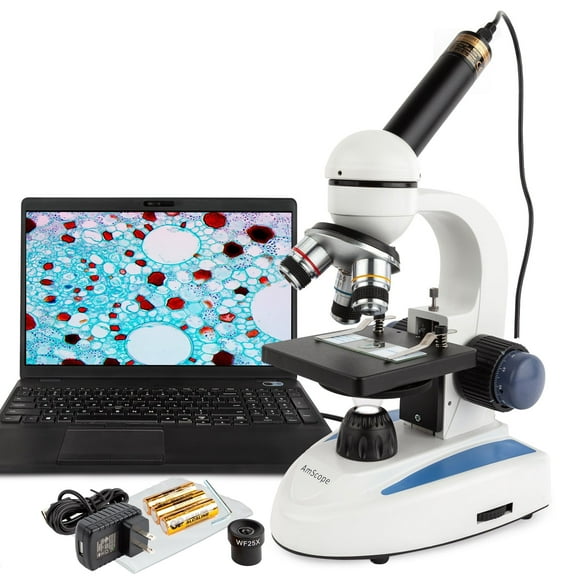
For hobby viewing, you may want blank slides, cover slips, and digital microscope accessories for image capture. You can build a flexible setup for coins, plants, fabrics, or small specimens.
For professional or laboratory work, you may look closer at tube diameter, RMS compatibility, and optical design. You can narrow your choices when your microscope supports specialized eyepieces or objective lenses.
If you’re balancing several users, universal-fit options may simplify your search. If your microscope follows a brand-specific design, you should confirm fit details before you replace any optical part.
When you compare microscope accessories carefully, you can build a setup that supports clearer viewing and smoother prep. You can feel more confident when your slides, optics, and care items work together.