


Find auto parts that fit
Let’s search for parts that fit your vehicle.MAP Sensors in Sensors



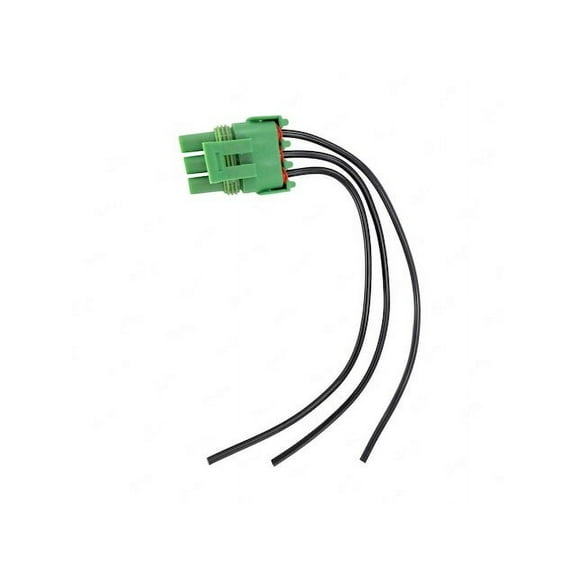
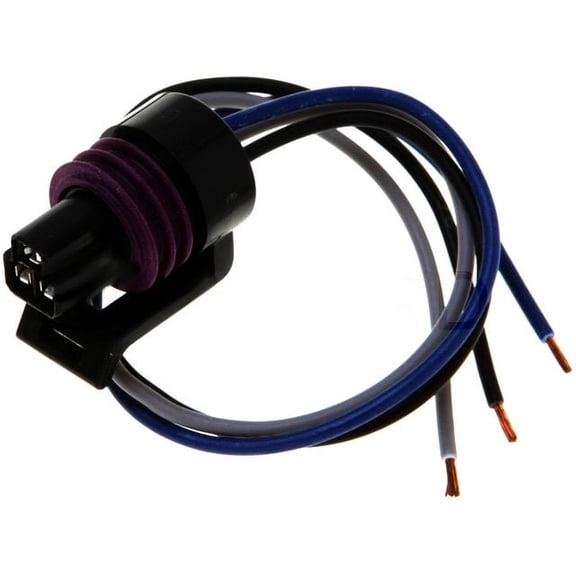
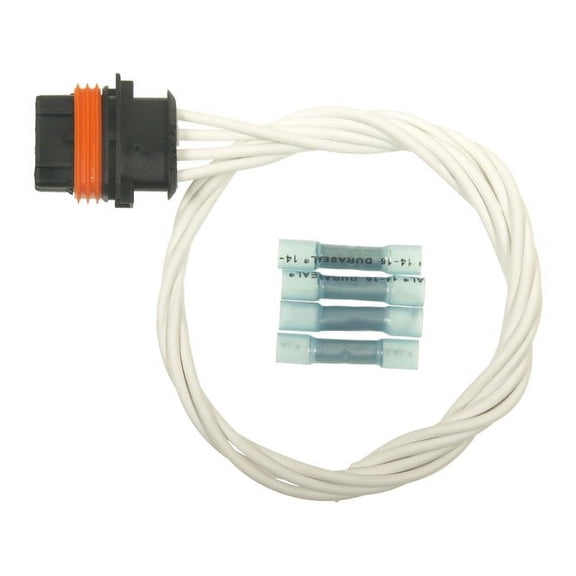
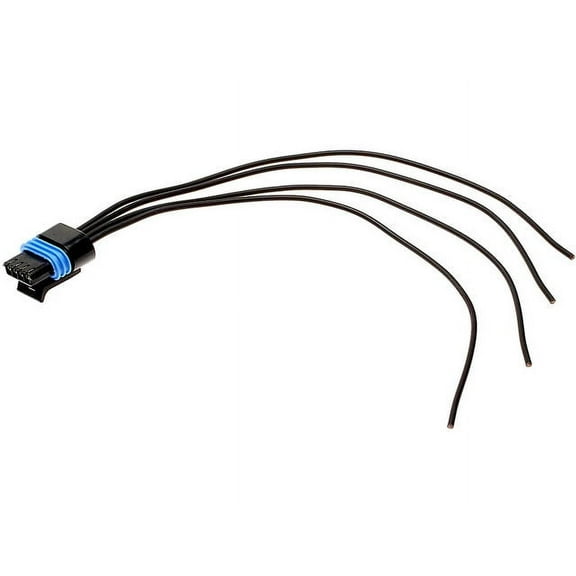
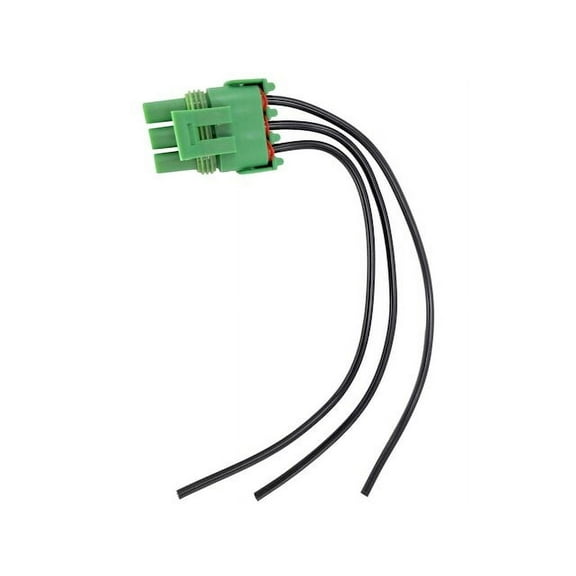
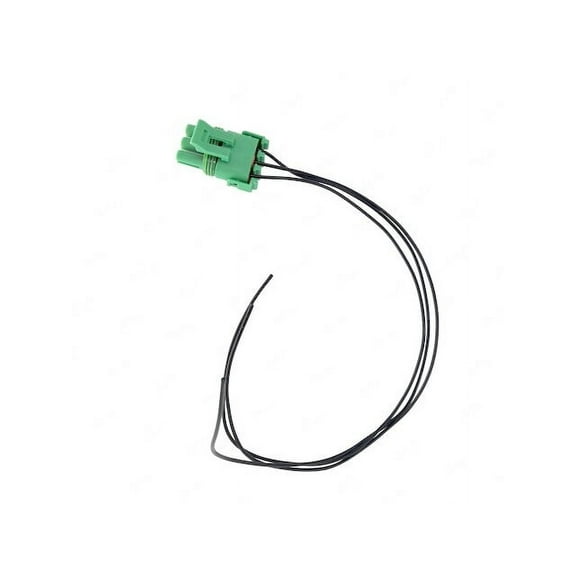
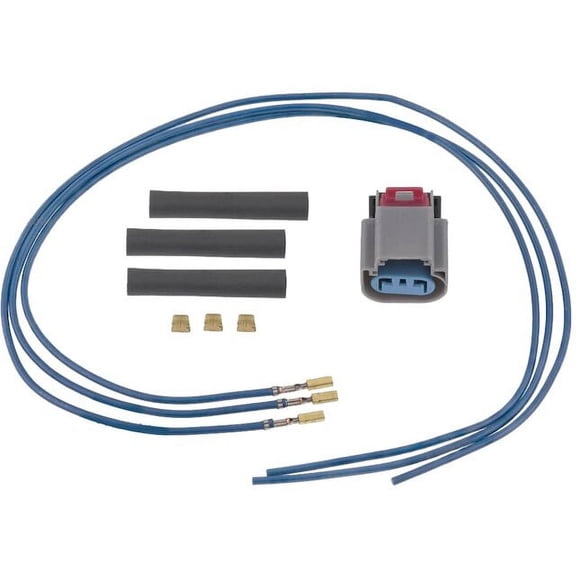
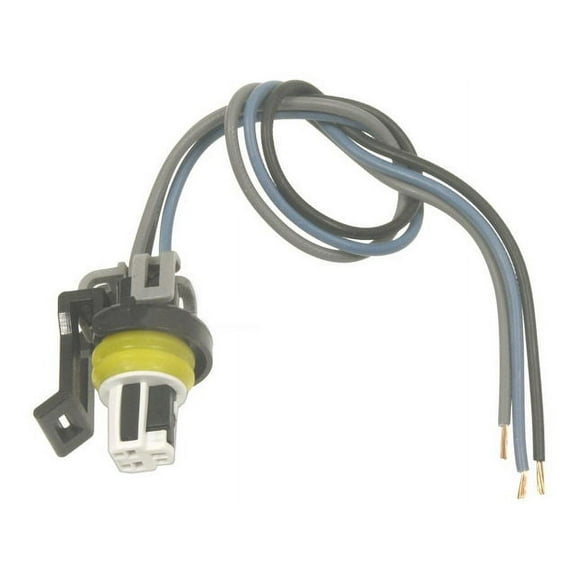
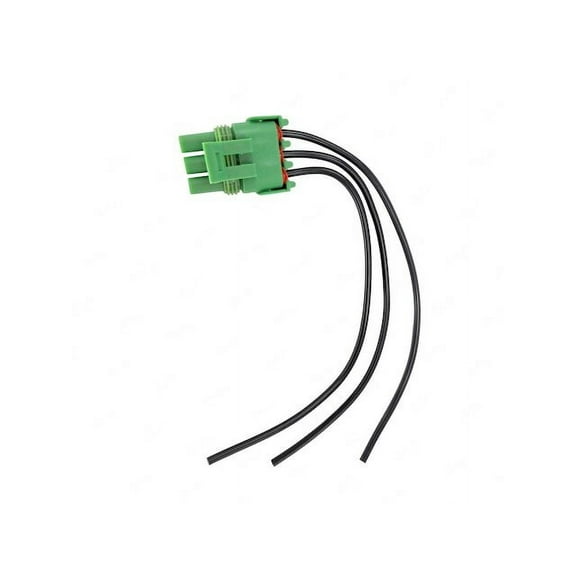
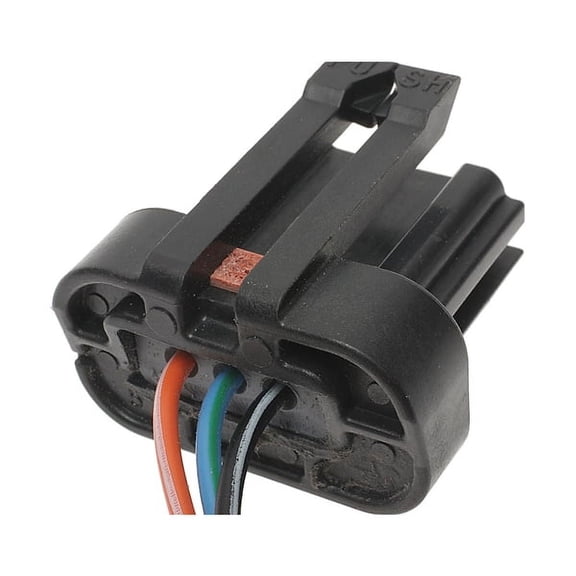
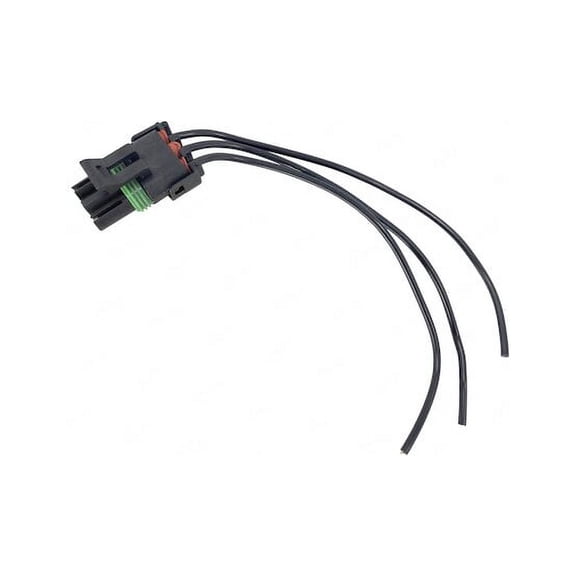
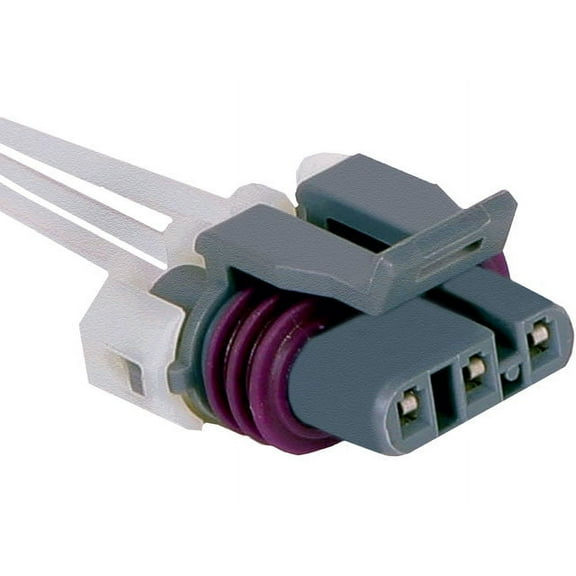

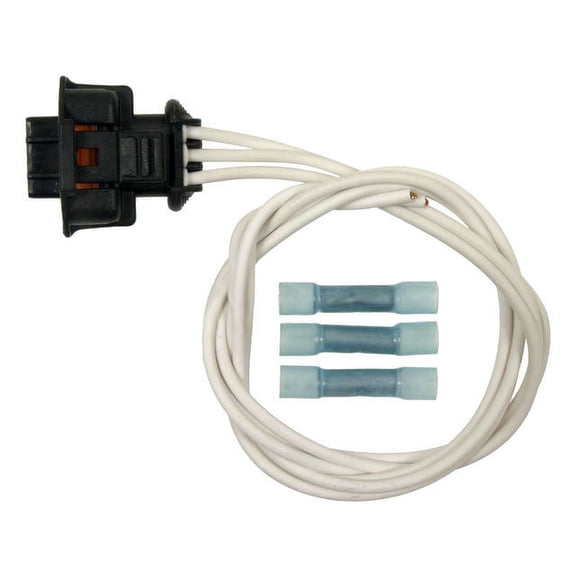
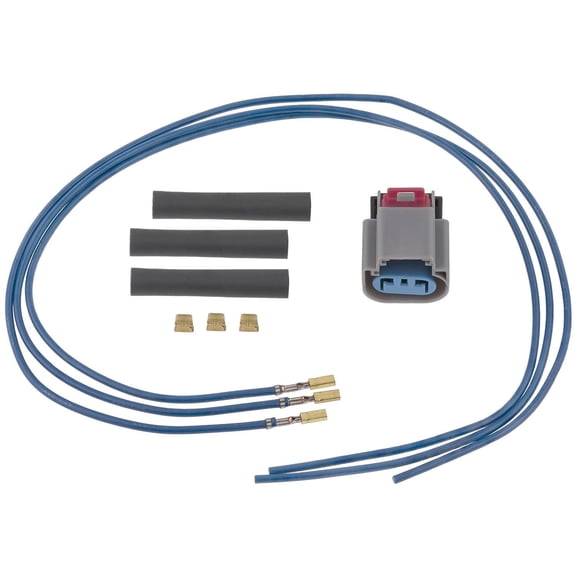
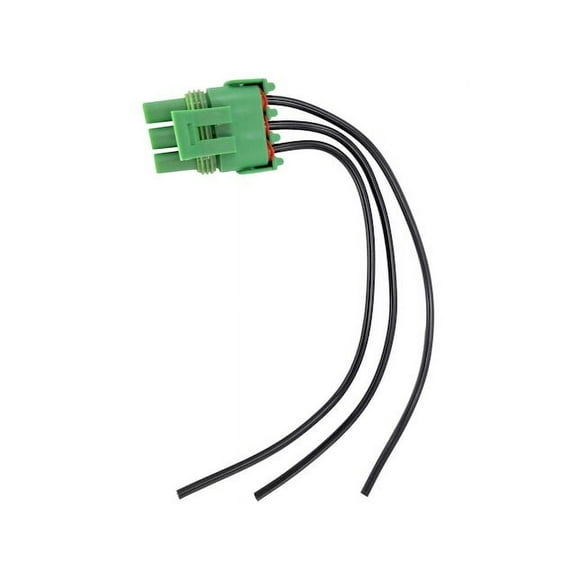
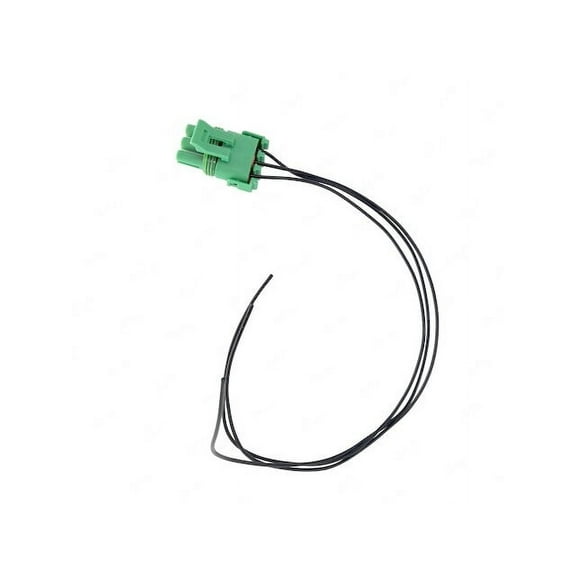
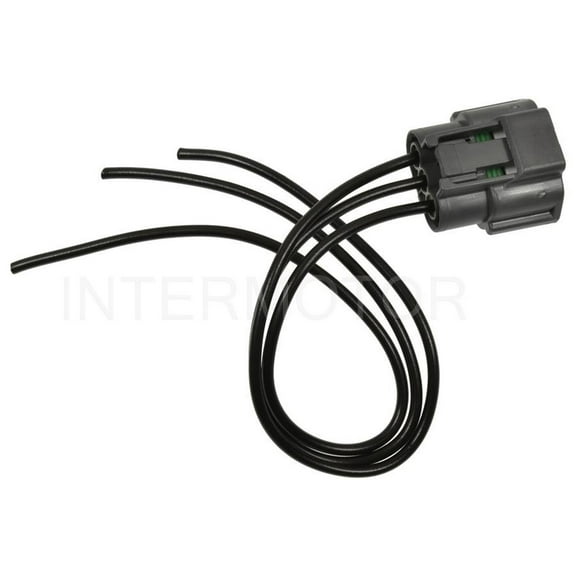
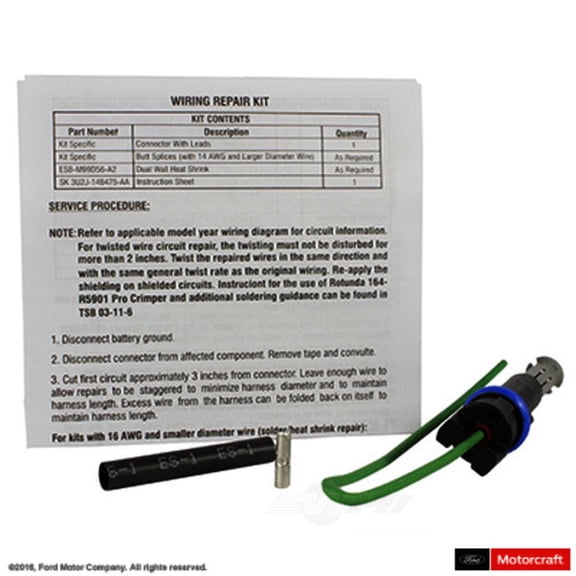
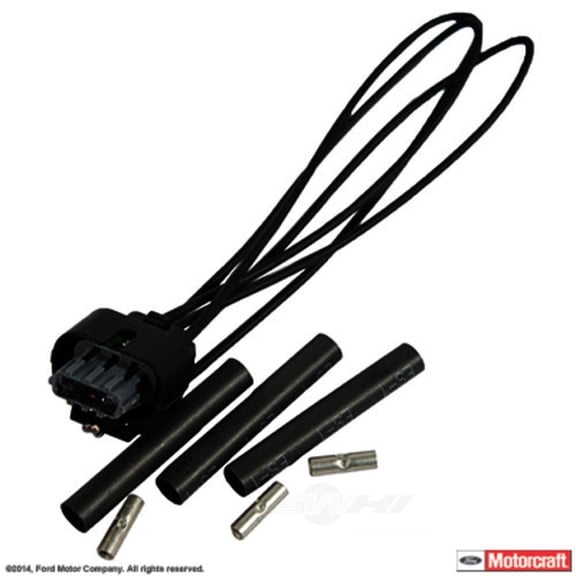


About MAP Sensors in Sensors - Walmart.com
When you shop map sensors, you need exact fitment and clear specs. You can compare vehicle compatibility, bar rating, pin count, and mounting style before choosing a replacement.
How to choose map sensors for your vehicle
You should start with your year, make, model, and engine size. You can narrow choices faster when your replacement map sensor matches your vehicle application exactly.
You'll want to compare common fitments like Chevy, Ford, Honda, Toyota, and Dodge. You can avoid guesswork when you verify your car map sensor against the listed engine details.
You may also check whether your engine uses a manifold absolute pressure sensor as a direct replacement part. You can keep your search focused when you match the sensor to your factory setup.
What a manifold absolute pressure sensor helps you monitor
You rely on an engine map sensor to read intake manifold pressure. You use that information when your engine management system adjusts fuel delivery and ignition timing.
You'll often shop this category when you want a straightforward replacement part. You can compare connector style and pressure range without sorting through unrelated engine components.
- You can match a replacement to your vehicle's year, make, model, and engine size.
- You can compare one-bar through four-bar options for naturally aspirated or boosted setups.
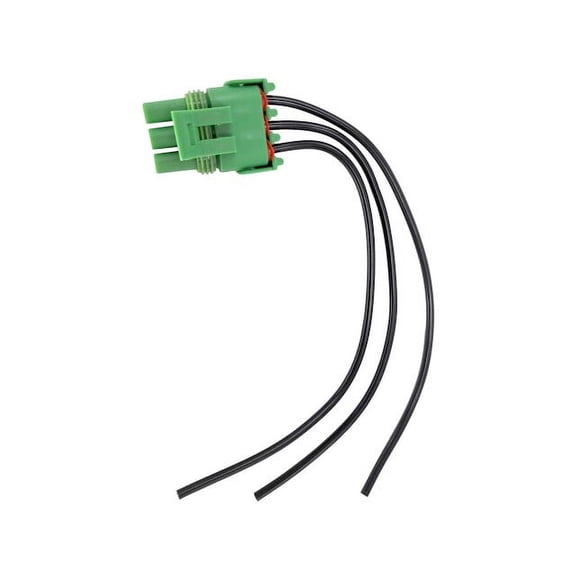
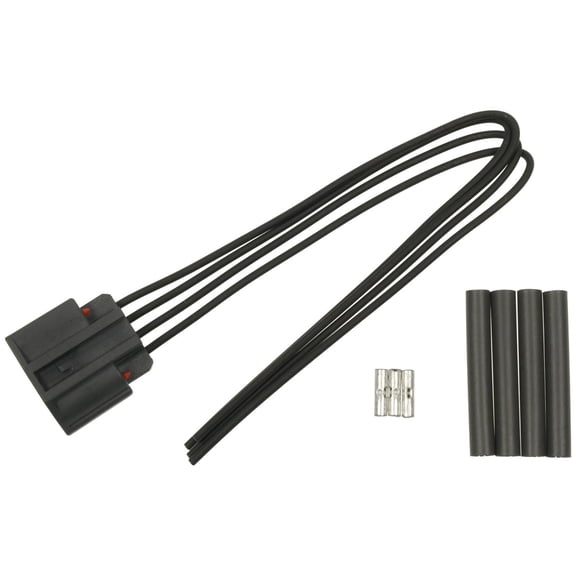
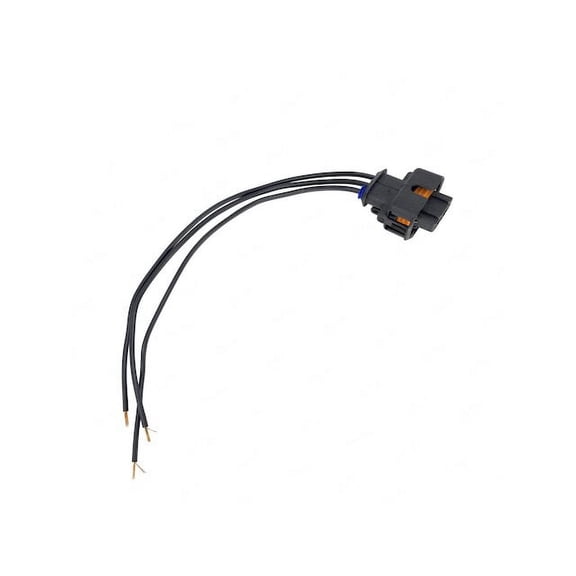
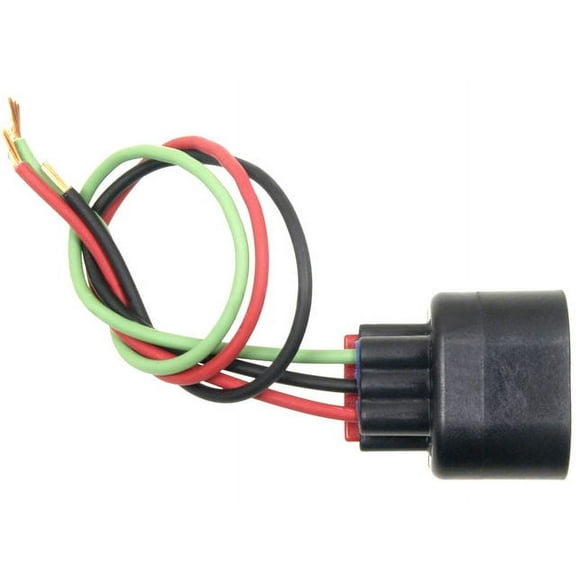
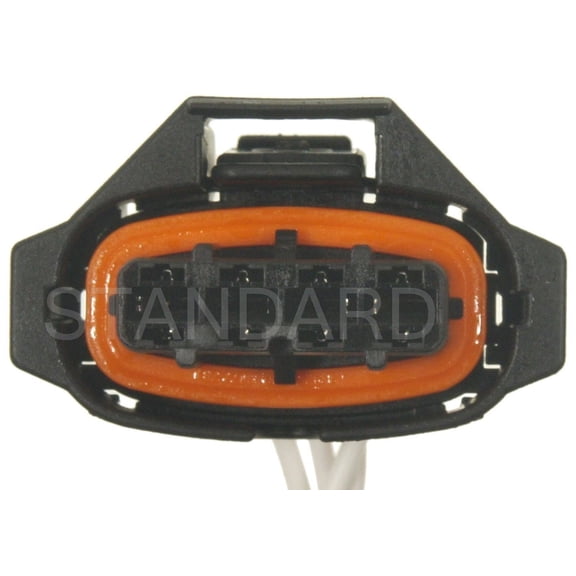
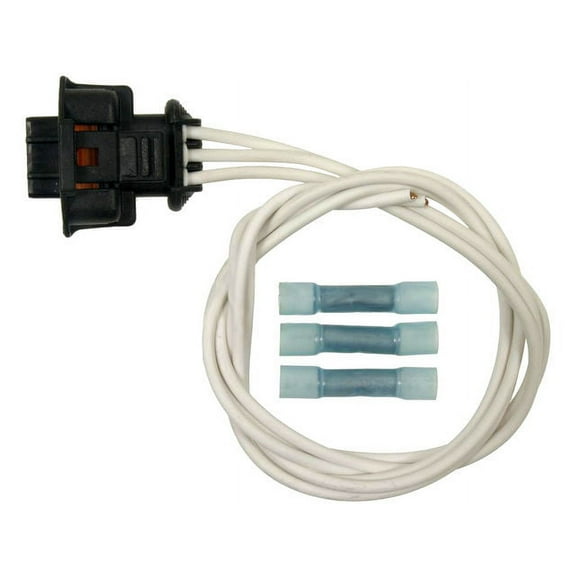
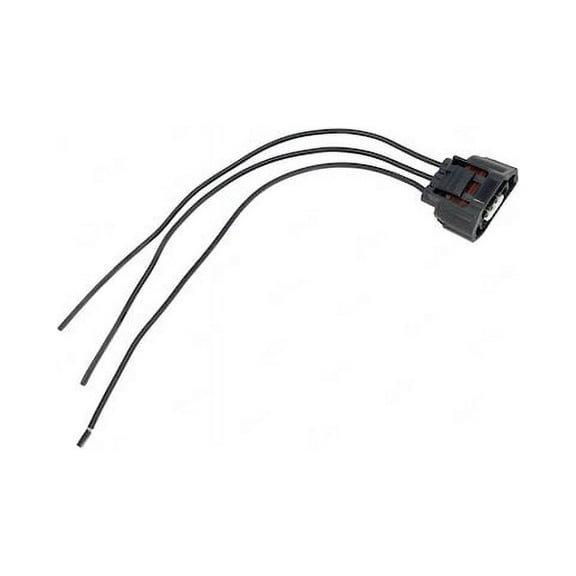
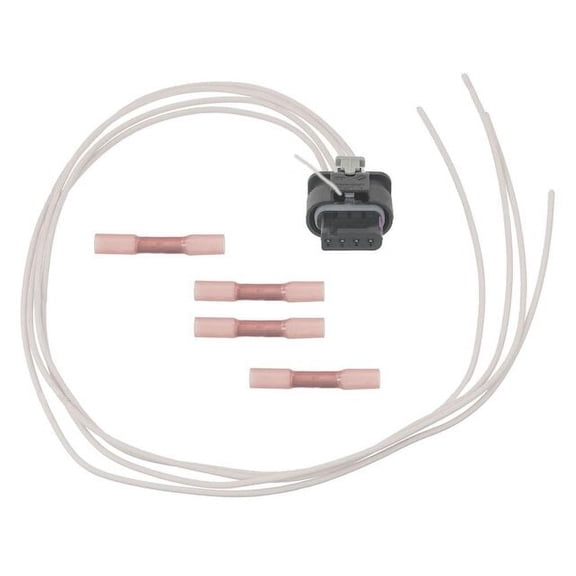
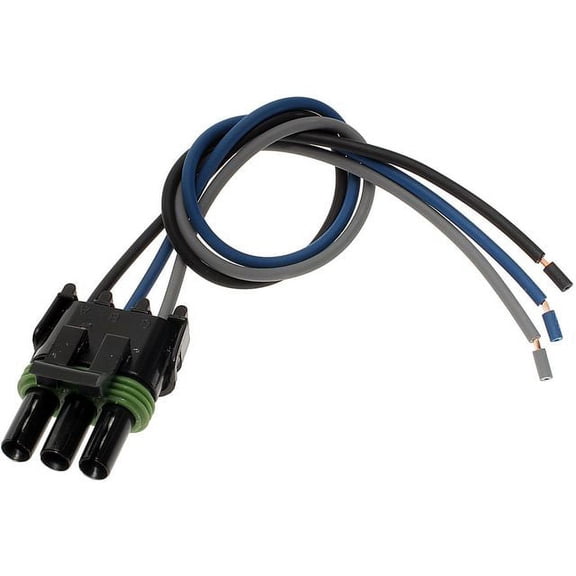
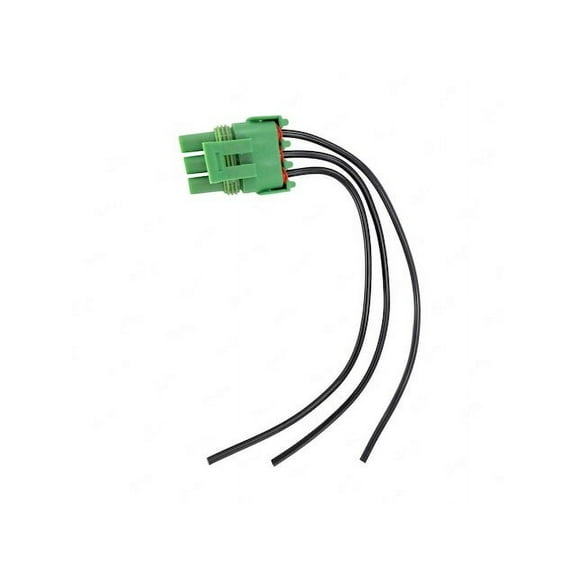
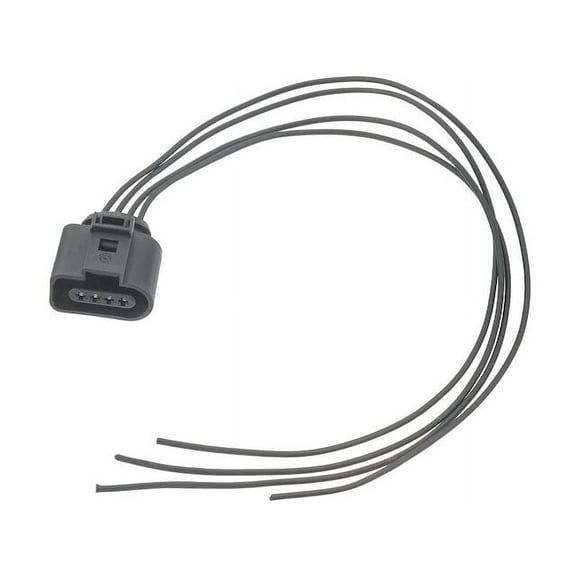
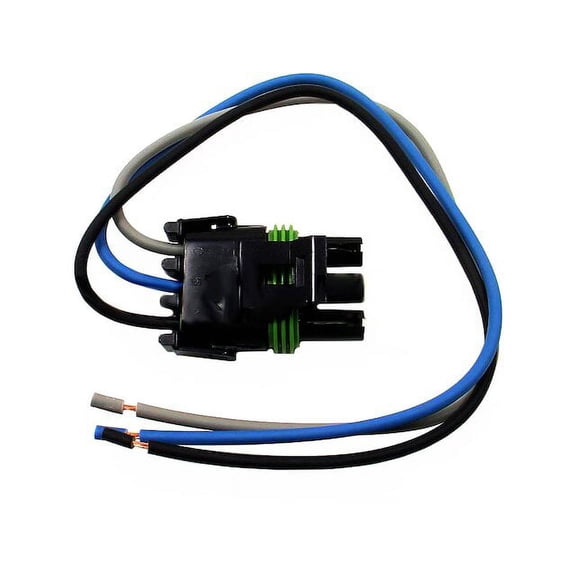
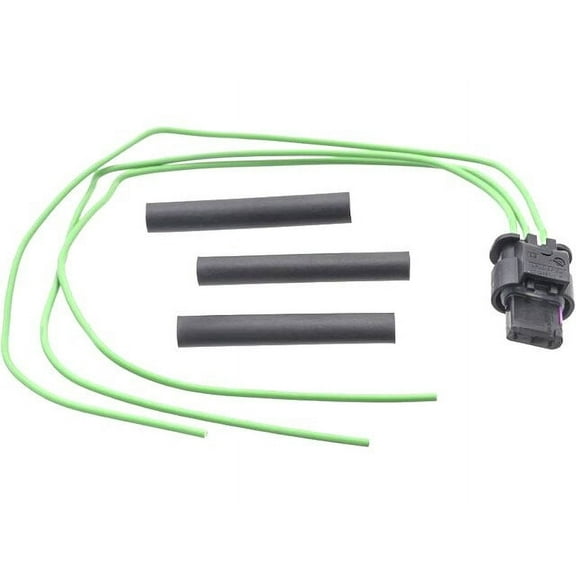
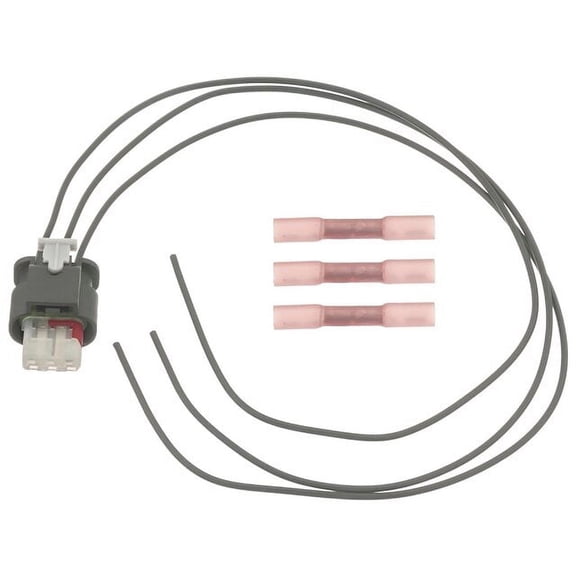
- You can check three-pin, four-pin, or five-pin connectors before you order.
- You can choose bolt-on or push-in mounting to match your current installation.
You benefit from using these decision points because they narrow the field quickly. You also reduce returns when your chosen manifold pressure sensor aligns with your original specifications.
Comparing vehicle compatibility and pressure rating
You should treat vehicle compatibility as your first filter. You can confirm fitment by checking make, model, year, and engine size together.
You may see shoppers look for terms like Chevy map sensor or Honda applications. You can use those vehicle cues as a starting point, then confirm the exact engine listing.
You also need the right pressure rating for your setup. You can choose one-bar options for many stock applications, while boosted builds may require higher readings.
You'll often compare two-bar, three-bar, and four-bar versions for turbocharged or supercharged engines. You can use a three-bar map sensor when your build needs a wider pressure measurement range.
You should check the product details carefully because bar level isn't interchangeable across every setup. You can make a cleaner decision when your rating matches your tune and hardware.
Checking pin count and mounting style
You need the connector to match your factory harness. You can compare three-pin, four-pin, and five-pin options to line up with your vehicle's wiring.
You'll save time when you count terminals before you choose. You can avoid ordering the wrong engine map sensor when the plug shape and pin count match.
You should also look at how the sensor mounts. You can choose a bolt-on map sensor for applications that use fasteners, or a push-in style for simpler seating.
You may notice that mounting type affects installation steps and fit. You can get a more direct replacement when the housing and attachment method mirror your original part.
Using map sensors for stock and modified setups
You might be replacing a worn factory unit on a daily driver. You can focus on OEM-style fit, correct connector layout, and the proper pressure range for your engine.
You may also be updating a modified vehicle with forced induction. You can compare higher bar ratings when your setup needs broader manifold pressure readings.
You'll want clear specs if you maintain multiple vehicles at home. You can sort by compatibility, then compare a car map sensor by pin count and mounting method.
You can also shop this category when you handle garage projects or weekend installs. You benefit from checking fitment notes first, especially when similar sensors look almost identical.
You may prefer options that align with OEM specifications for a straightforward swap. You can feel more confident when your manifold absolute pressure sensor matches the original design points.
You should treat fitment, bar rating, and connector style as a complete checklist. You can choose map sensors with fewer surprises and a smoother installation path.