

Digital Manometers & Gas Pressure Gauges | Walmart







![YAHHU Digital Differential Pressure Gauge -39.98 to 39.98 KPA Dual Port Manometer Tester with LCD Backlight[cite: 1]](https://i5.walmartimages.com/seo/YAHHU-Digital-Differential-Pressure-Gauge-39-98-to-39-98-KPA-Dual-Port-Manometer-Tester-with-LCD-Backlight-cite-1_c6e9eb65-3dd3-4b9f-84cc-197778c02143.1a65a94fa9479c3714d1c58e4b0e9747.jpeg?odnHeight=576&odnWidth=576&odnBg=FFFFFF)


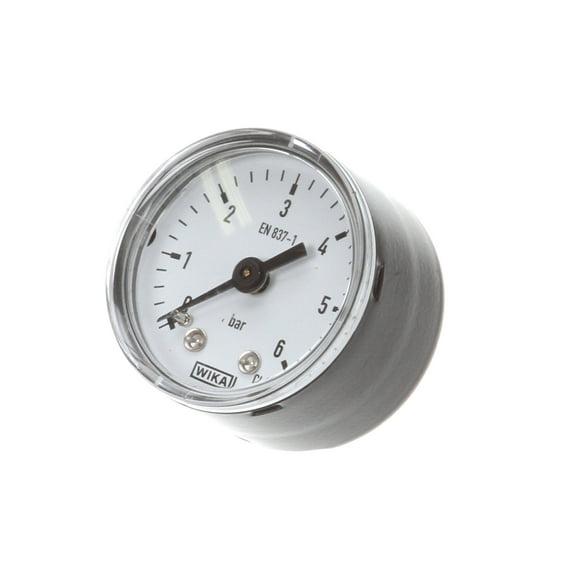
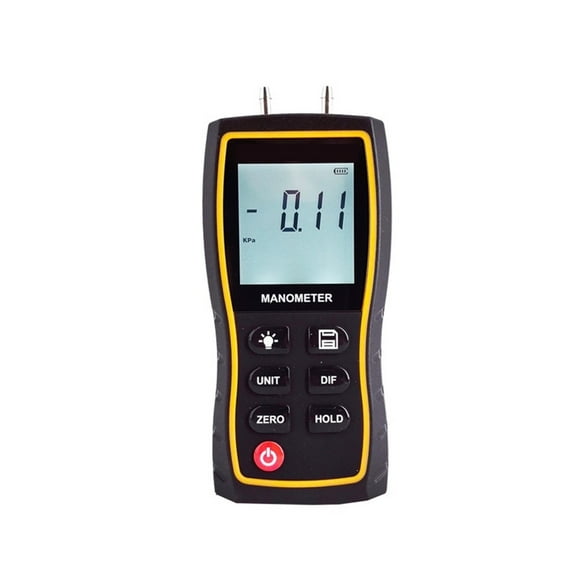


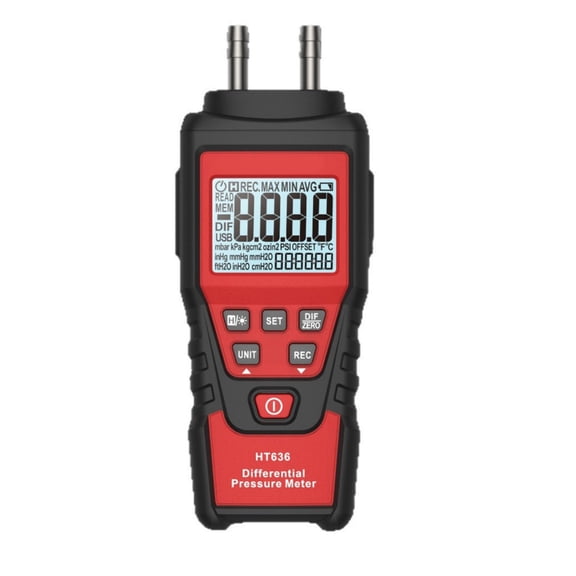
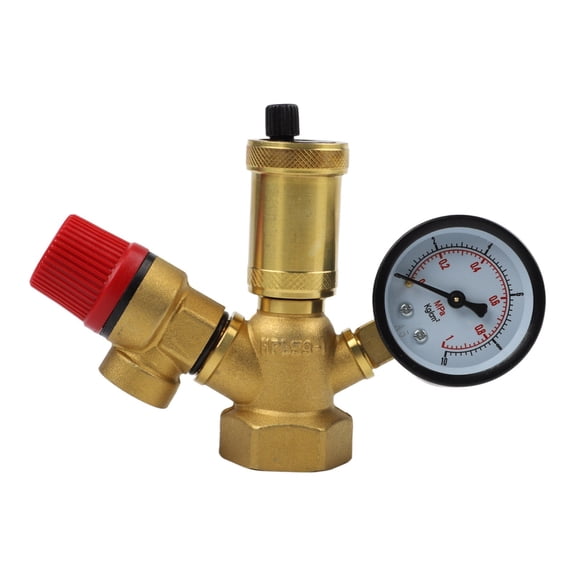






About Digital Manometers & Gas Pressure Gauges | Walmart - Walmart.com
You can compare a manometer more confidently when you know which type, range, and units fit your pressure testing work. You'll also find options for HVAC checks, gas line testing, lab tasks, and industrial measurement.
If you're replacing older tools or building a service kit, you should focus on readable results and dependable fittings. You'll get more from this category when you match the instrument style to your exact pressure job.
Choosing the right manometer type
You should start with the type because it shapes how you read pressure and where you can use the tool. You'll usually compare digital, u-tube, inclined, and well-type designs before anything else.
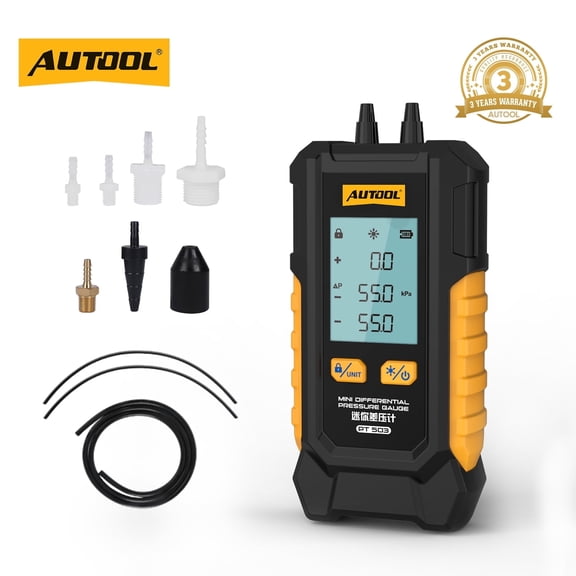
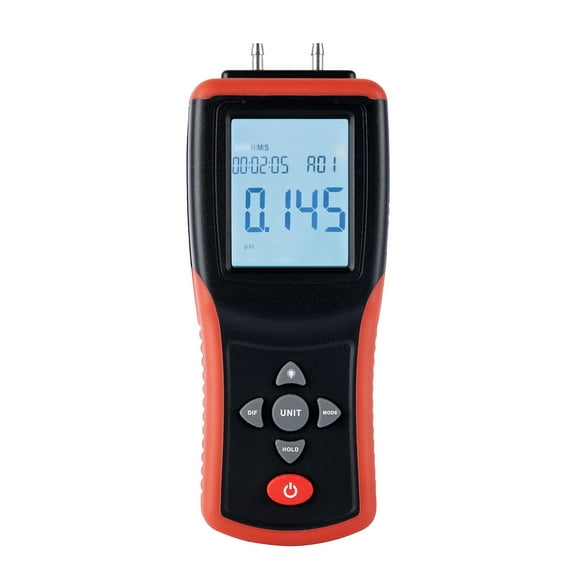
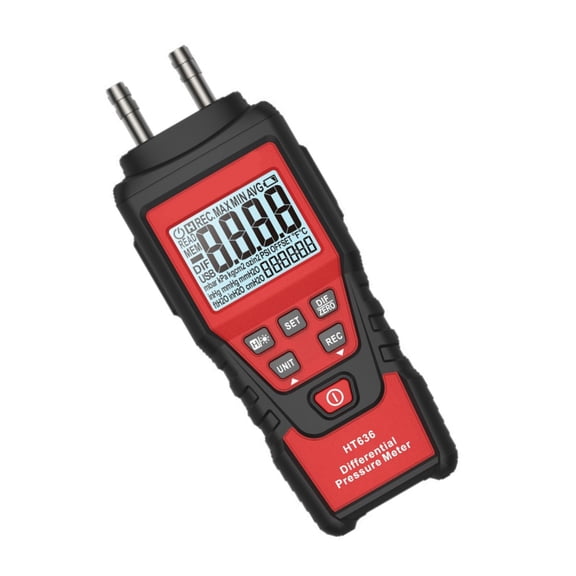
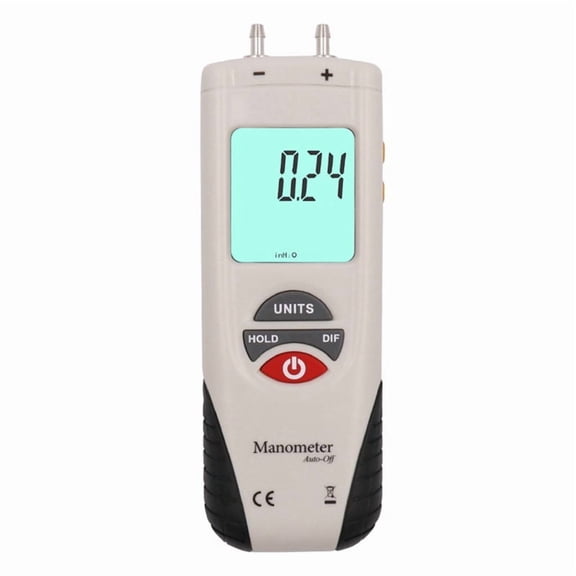
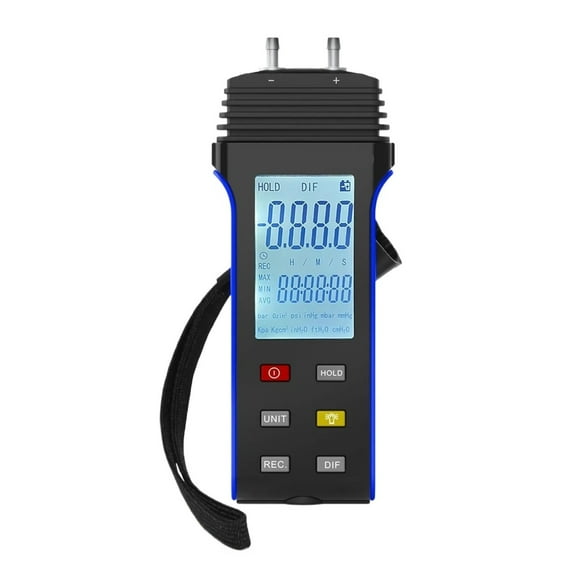
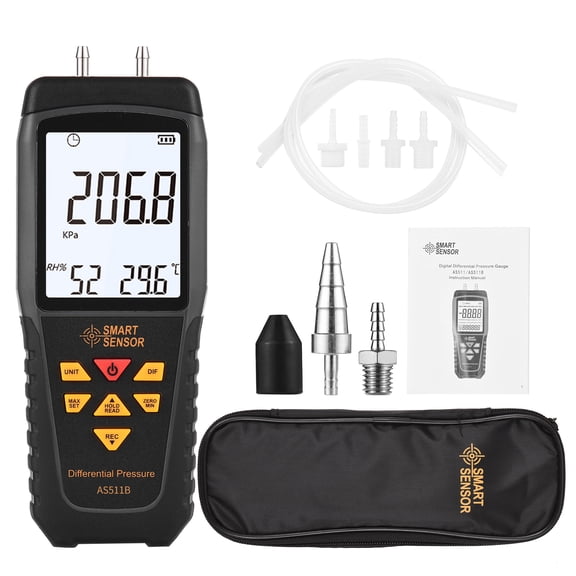
If you want fast readings, a digital manometer can help you check pressure changes with clear numbers and fine resolution. You'll appreciate that format when your work calls for differential pressure readings during HVAC setup.
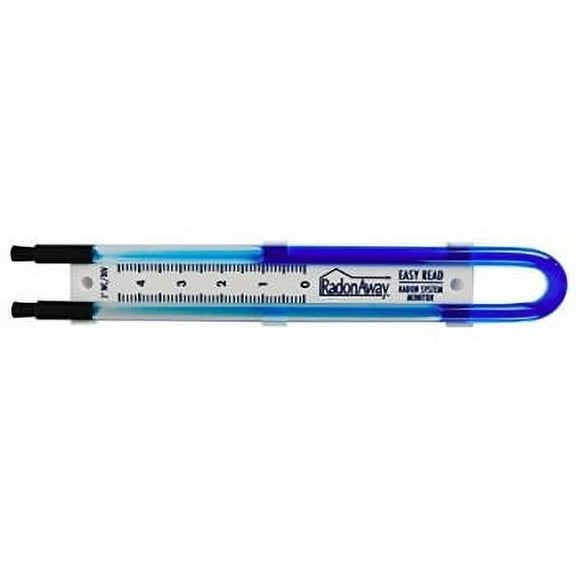
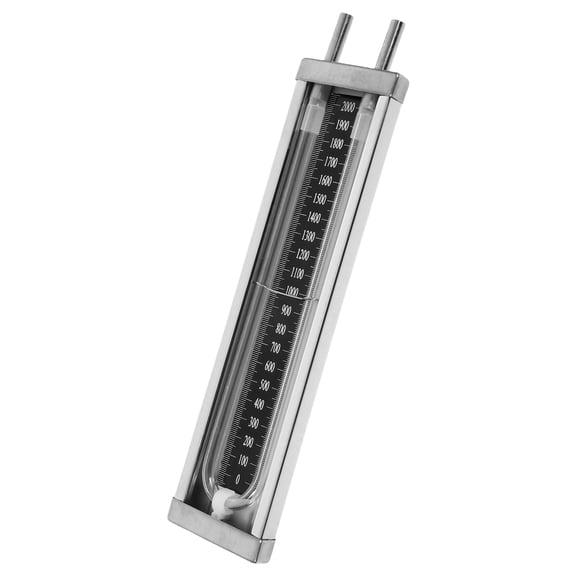
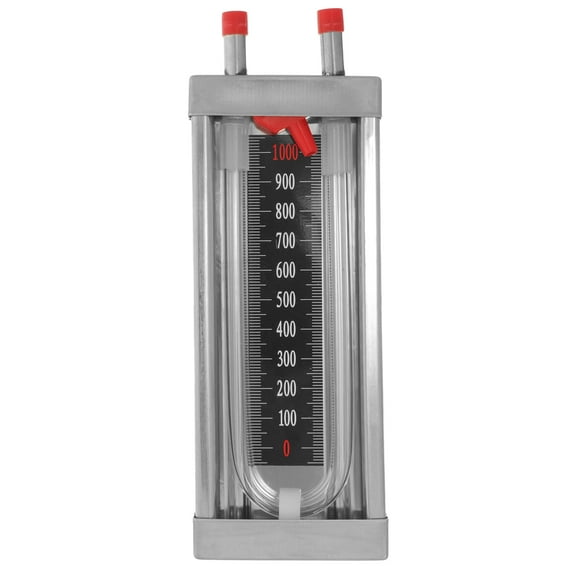
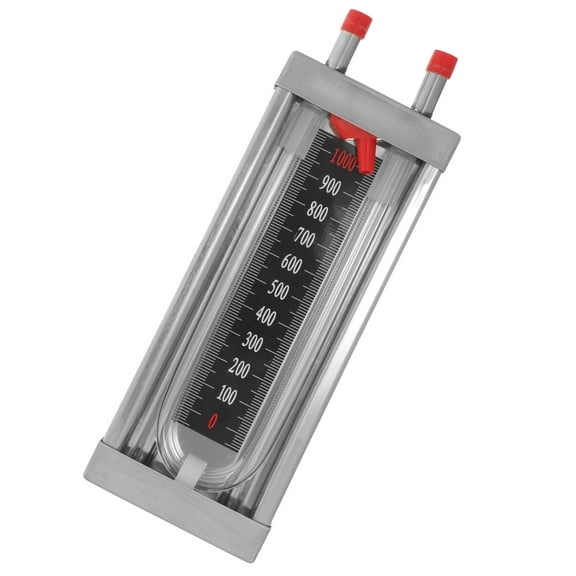
If you prefer a visual fluid column, you may choose a u-tube or inclined style for direct comparison. You'll often use those designs when simple low-pressure measurement matters more than screen-based convenience.
When you compare a well-type option, you should look for stable readings in applications that need precise low-pressure observation. You'll notice each format supports a different workflow, bench setup, or field routine.
How application changes your manometer choice
You should match your tool to the job because HVAC service, gas manometer work, laboratory tasks, and industrial checks don't demand the same setup. You'll avoid extra guesswork when your application guides your choice first.
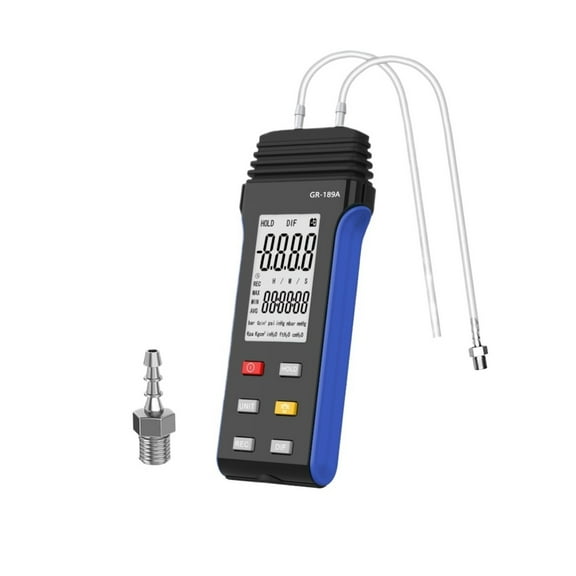
- You can use dual-port designs for differential pressure checks in ducts, filters, and combustion systems.
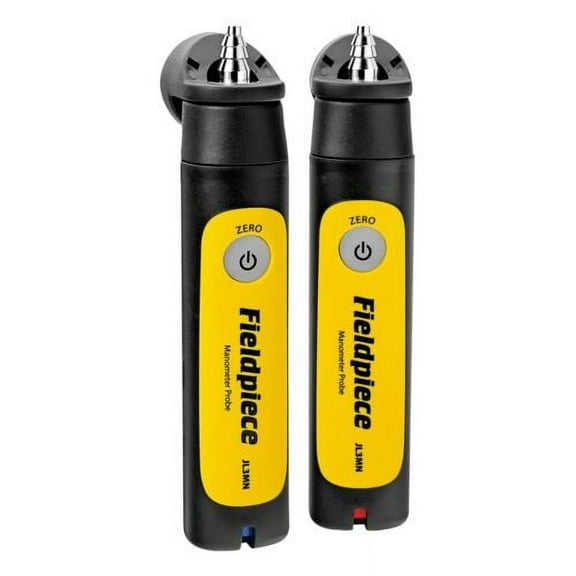
- You may prefer compact handheld models when your fieldwork requires portability and quick setup.
- You should consider visible scales or digital displays based on how often you record and compare readings.
- You can narrow your selection by checking whether your tasks involve gas line testing, airflow balancing, or bench measurement.
If you're working in HVAC, you may need two ports to compare supply and return pressures. You'll also want a display or scale you can read quickly in mechanical rooms.
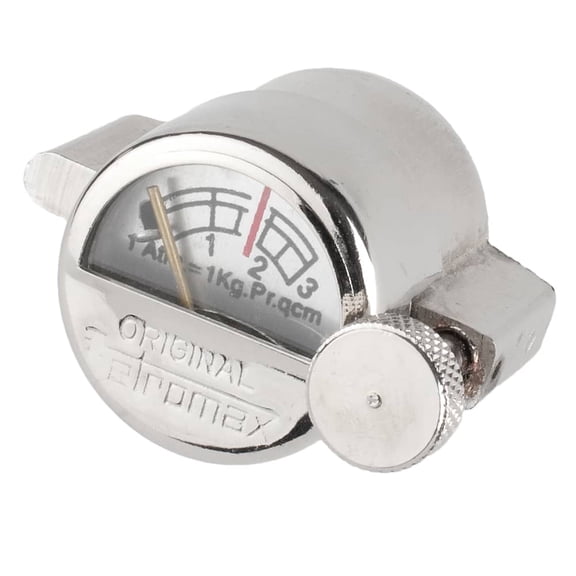
For gas line testing, you should check connection compatibility and the pressure range before you choose a gas manometer. You'll get clearer results when the unit matches the expected pressure levels.
If your work happens in a laboratory or industrial setting, you may prioritize stable mounting and detailed graduations. You'll often compare readability, sensitivity, and unit options more carefully in those environments.
Comparing pressure range, units, and ports
You should treat pressure range as a key decision because low pressure, high pressure, and differential work require different measurement limits. You'll get more reliable readings when your instrument fits the pressures you actually measure.
If you handle furnace, duct, or burner checks, you may need low-pressure sensitivity in inH2O or Pa. You'll usually want that finer scale when small changes matter during adjustment.
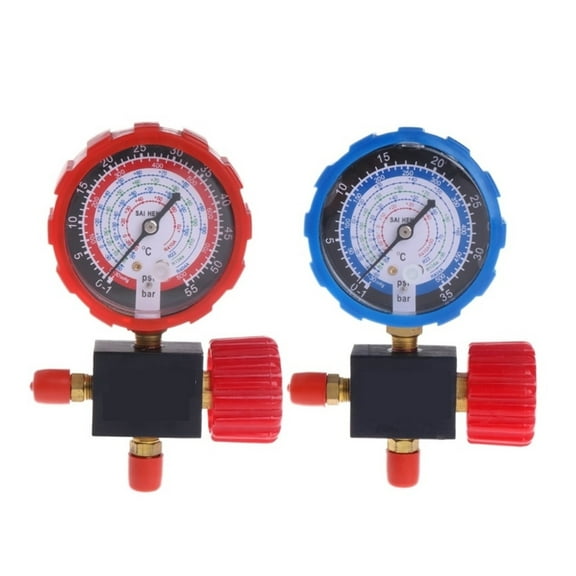
For broader industrial work, you might compare PSI, bar, or mbar depending on your equipment standards. You'll save setup time when your chosen unit matches your existing procedures and documentation.
You should also compare single-port and dual-port layouts before you decide on a manometer gauge. You'll need dual ports when you measure differential pressure across filters, regulators, or air paths.
When you review specifications, you should check resolution, unit selection, and port style together. You'll make a smarter choice when those details support your exact testing method instead of forcing conversions.
What to look for in field use and setup
You may need a tool that travels easily between service calls, job sites, and maintenance rooms. You'll want a shape that fits your bag and connections that attach without slowing your routine.
If you work on active equipment, you should look for a display you can read quickly in mixed lighting. You'll also benefit from controls that let you switch units without interrupting your test flow.
When you compare analog and digital formats, you should think about how you record results during repeat checks. You'll often prefer digital readouts for fast reference, while fluid-column styles support direct visual comparison.
You should measure your common scenarios before choosing size and range. You'll avoid mismatched equipment when you know whether you test appliances, duct systems, lab setups, or general industrial lines.
Understanding manometer price and common uses
If you're comparing manometer price, you should consider type, pressure range, unit options, and port configuration together. You'll usually see cost differences as functionality expands from simple visual reading to detailed digital measurement.
You shouldn't judge by price alone because your testing task determines which features actually matter. You'll get more practical use from the right range and units than from extras you won't use.
When you use a manometer for HVAC work, you may check duct pressure, filter drop, or combustion-related measurements. You'll also find these tools useful for gas line verification, laboratory setups, and industrial process checks.
If you're choosing for repeat service work, you should prioritize a format that supports quick readings and easy transport. You'll feel more prepared when your instrument matches your job conditions and measurement standards.
You can narrow the category faster when you compare type, application, pressure range, and units in one checklist. You'll end up with a manometer that fits your workflow and delivers clearer pressure readings.