

Wood Boards & Lumber at Walmart













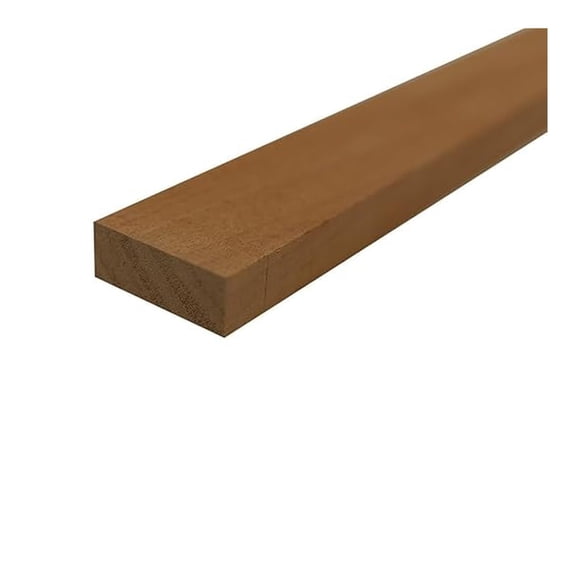

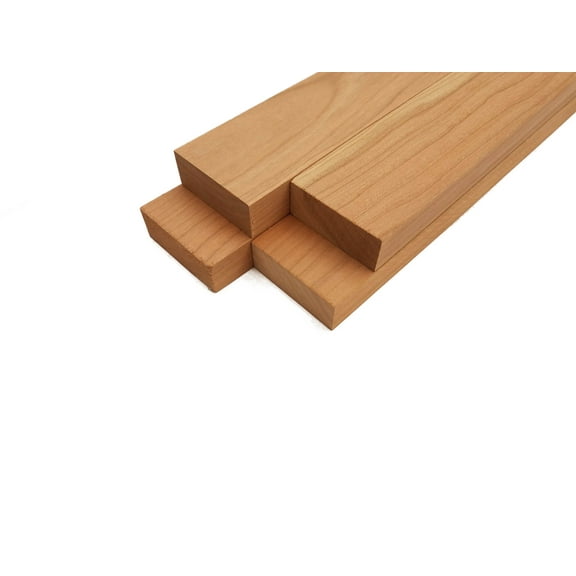
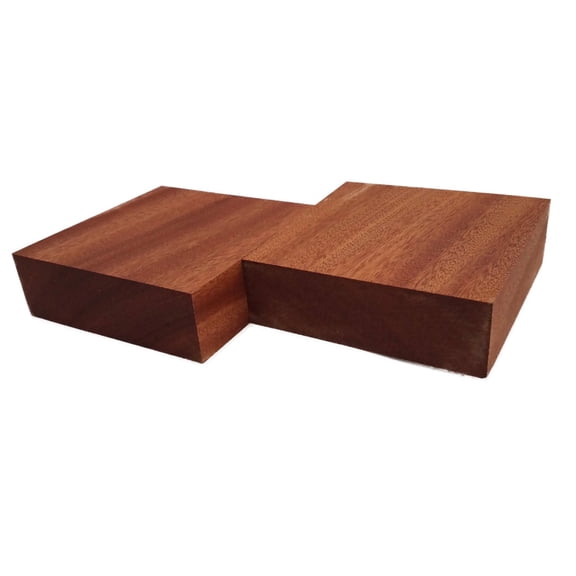


About Wood Boards & Lumber at Walmart - Walmart.com
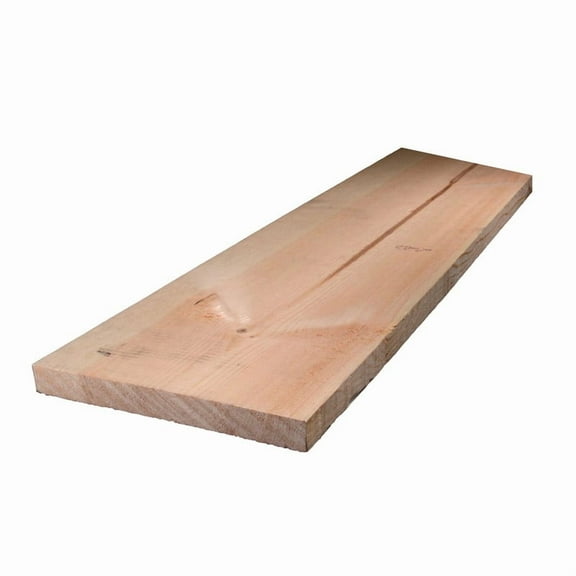
You can compare lumber by treatment, size, grade, and species, so your project starts with wood that fits your plan. You’ll find options for framing, deck work, shelving, and trim-ready tasks with clear buying guidance.
How to choose lumber for your project
When you choose dimensional lumber, you should match the board to your build, not just the label. You’ll want framing lumber for structural work and wood boards for visible surfaces.
For outdoor builds, you should check whether pressure treated lumber is rated for above-ground or ground-contact use. You’ll get a precise fit for decks, fence posts, planters, and other exposed projects.
If your build needs a clean look, you may compare cedar boards, redwood, and select-grade pieces. You’ll often use common or construction grade boards where strength matters more than appearance.
- You can use studs and framing boards for walls, sheds, and utility structures.
- You can choose treated wood when your project faces rain, soil, or repeated moisture.
- You can pick cedar or redwood when your project needs a natural look outdoors.
- You can compare grades when your project needs either structural support or a smoother face.
Choosing pressure treated lumber, size, and species
You should start with treatment because exposure changes what your lumber needs to handle. You’ll want untreated boards indoors, while outdoor decking lumber usually needs pressure treatment for weather exposure.
When you compare labels, you should look for above-ground and ground-contact ratings. You’ll use ground-contact boards where wood sits in soil or touches areas that stay damp.
You should also compare species because each option suits different jobs. You’ll often see Douglas Fir and Spruce-Pine-Fir in framing lumber, while pine supports general construction and cedar suits outdoor boards.
Nominal size can differ from actual size, so you should measure before you cut or fasten. You’ll notice 2x4 lumber is typically 1.5 by 3.5 inches in actual dimensions.
That same sizing rule applies across common boards and posts. You’ll want to verify 2x6, 1x4, and 4x4 measurements when your spacing, joinery, or hardware needs a precise fit.
Understanding framing lumber grades and stamps
You should compare grade marks because they tell you how the board should perform. You’ll often see stud grade, construction grade, common, or select on dimensional lumber and framing pieces.
For walls and basic framing, you may choose stud grade or construction grade boards. You’ll usually reserve select boards for projects where your wood stays visible after installation.
You should also read structural stamps when your build depends on load-bearing parts. You’ll see species groups like SPF or Hem-Fir, and those marks help you match boards to framing plans.
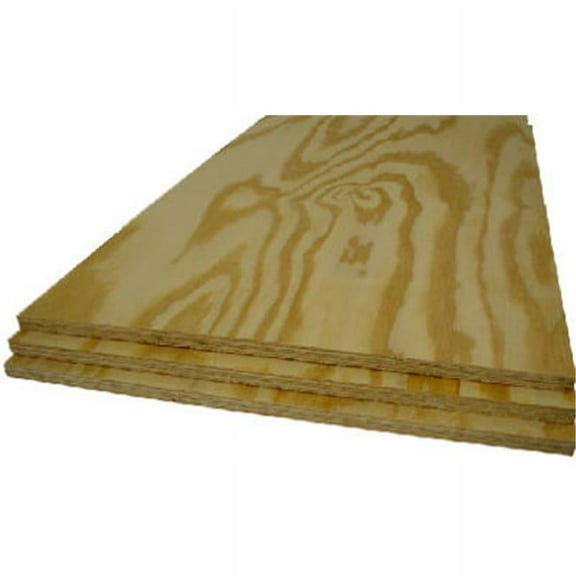
If your project includes sheet goods, you may pair boards with plywood for subfloors, backing, and bracing. You’ll create a more complete materials list when you compare boards, studs, and panels together.
Using lumber for indoor builds and outdoor projects
You can use lumber across repair work, new construction, and weekend DIY tasks. You’ll find 2x4 and 2x6 boards useful for framing walls, workbenches, storage racks, and garden structures.
For decks, railings, and fence projects, you should compare pressure-treated options by exposure level and board size. You’ll get a suitable fit when your joists, posts, and deck boards match the job.
If you’re building shelves, trim bases, or simple furniture, you may prefer untreated wood boards with a clean face. You’ll have an easy time sanding, painting, or staining boards intended for visible use.
When you want a natural outdoor look, you can compare cedar boards and redwood choices. You’ll often use those boards for planters, privacy screens, and accents where grain and color stay visible.
You should store boards flat, supported, and covered until installation. You’ll reduce twisting and warping when your lumber stays dry, level, and sealed according to your project finish.
Before you cut, you should confirm actual dimensions, grade, and treatment marks on each piece. You’ll build with more confidence when your lumber matches your location, span, and surface needs.
What to look for in lumber before you build
You should check straightness, grade stamps, treatment labels, and board dimensions before you start. You’ll make quick project decisions when those details match your framing, decking, or finish goals.
With lumber that fits your project type, exposure level, and appearance needs, you’ll get clean cuts, steady assembly, and a finished build that fits the plan.