

Lock Washer Kits & Lock Washers | Split & Tooth Washers















About Lock Washer Kits & Lock Washers | Split & Tooth Washers - Walmart.com
Lock washers help you keep nuts and bolts tight when vibration can loosen standard hardware. You can compare type, material, size, and pack count to match your exact assembly.
Choosing the right lock washer types
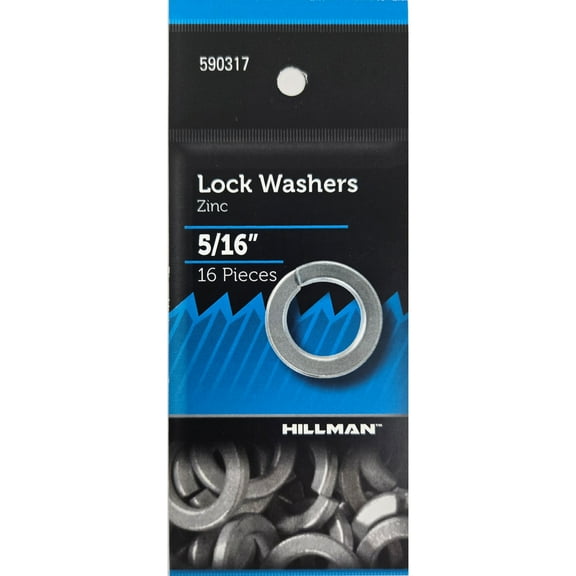
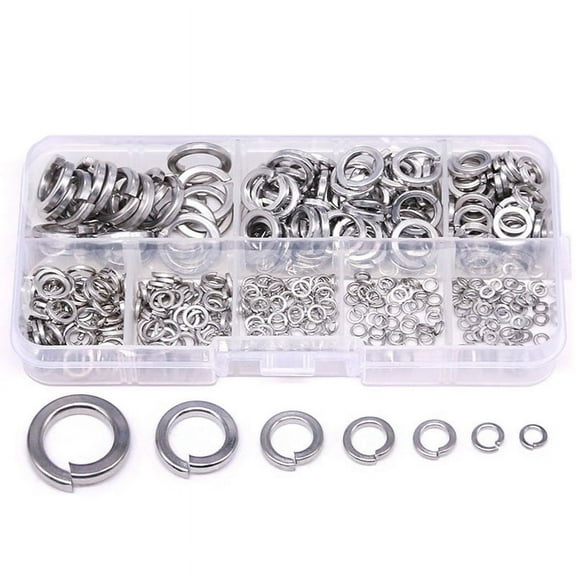
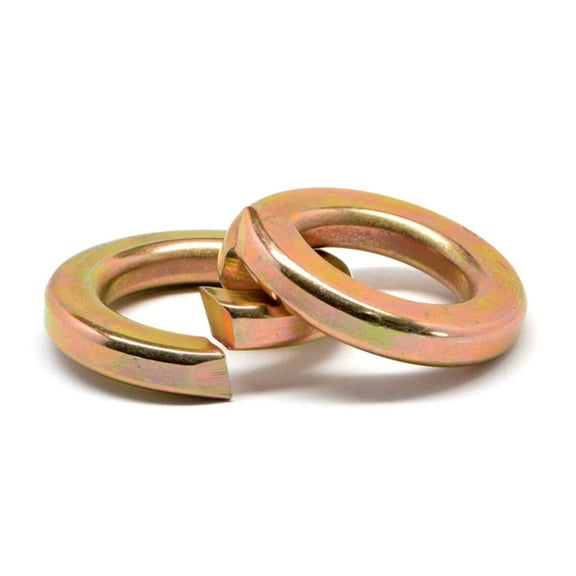
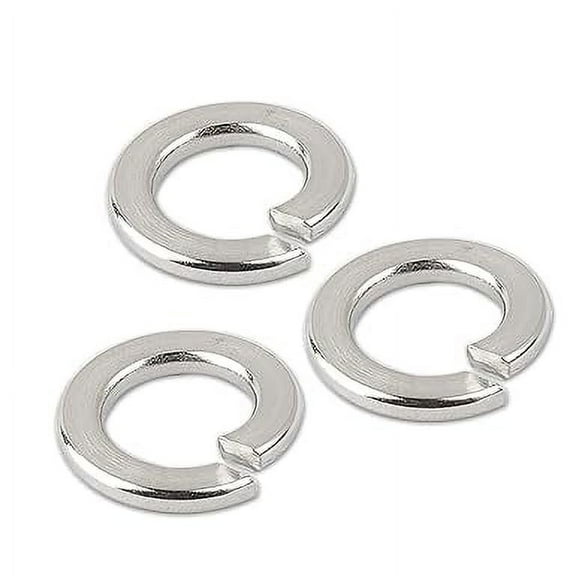
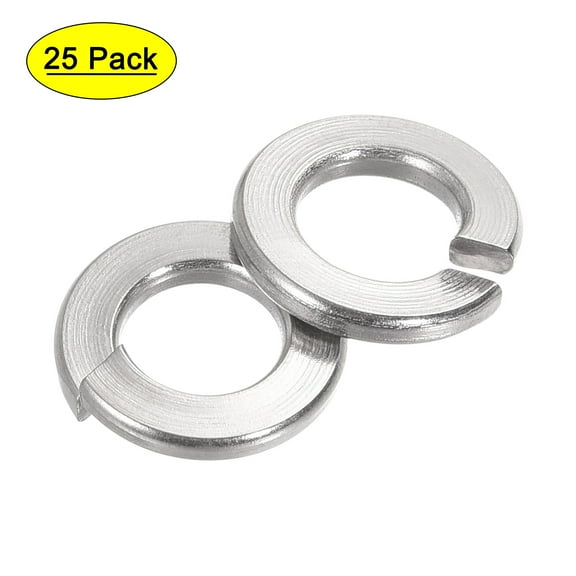
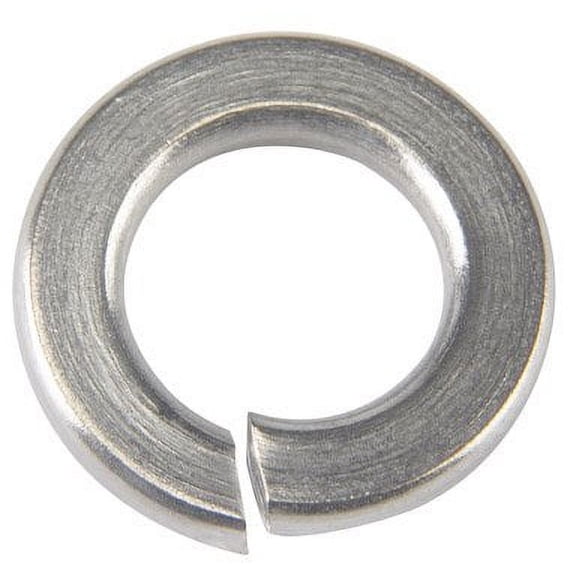
You should start with type, because each design creates grip in a different way. You can use split lock washers when you want spring tension under a bolt head.
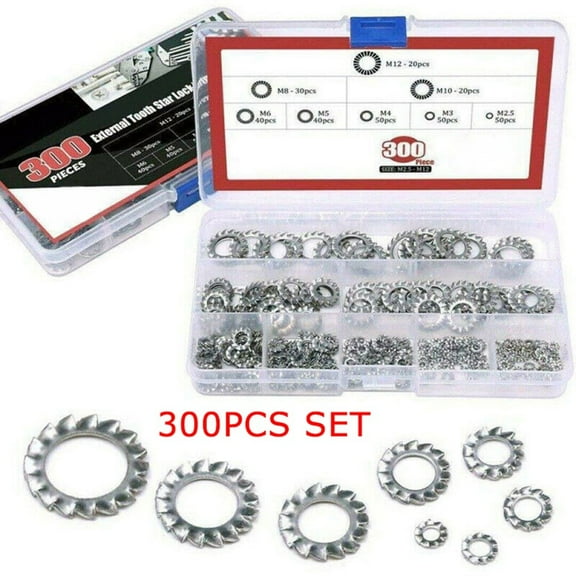
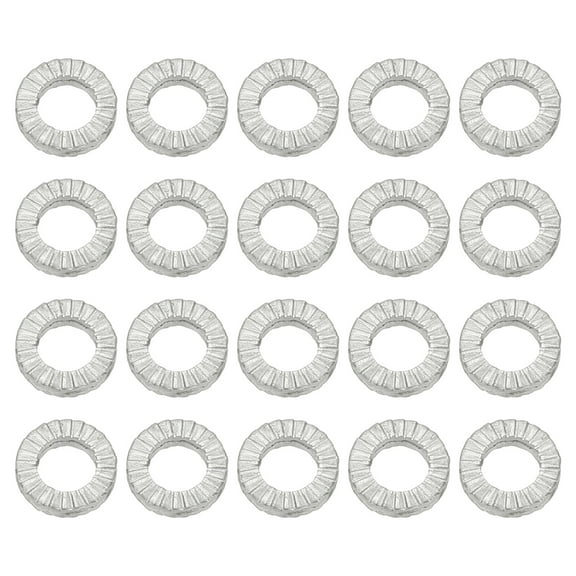
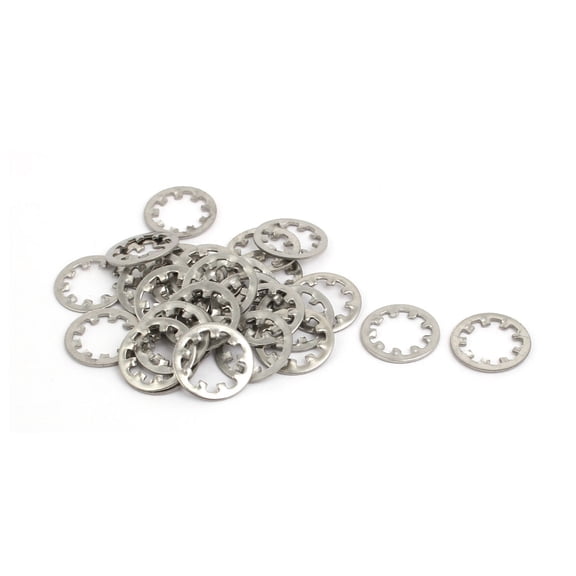
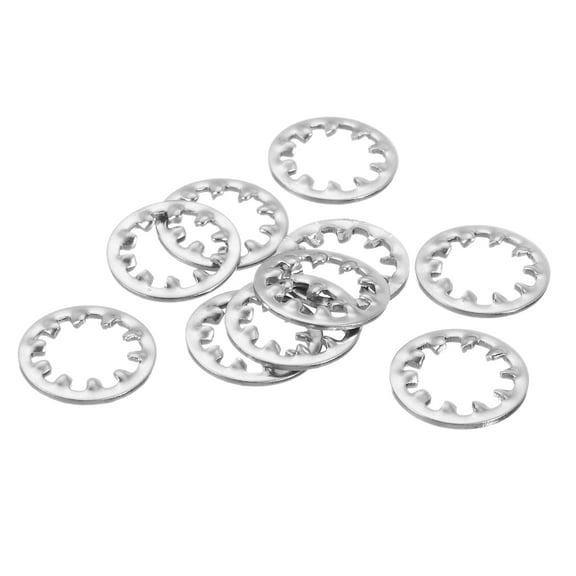
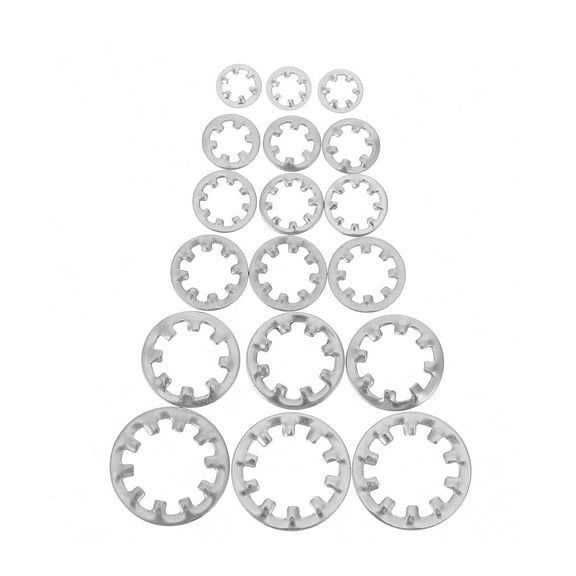
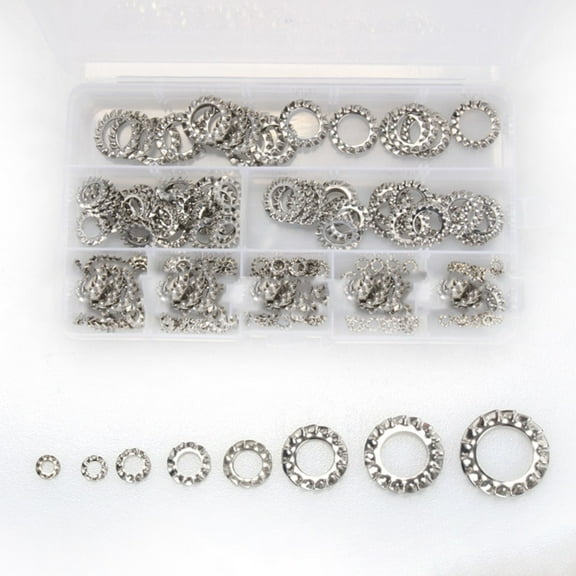
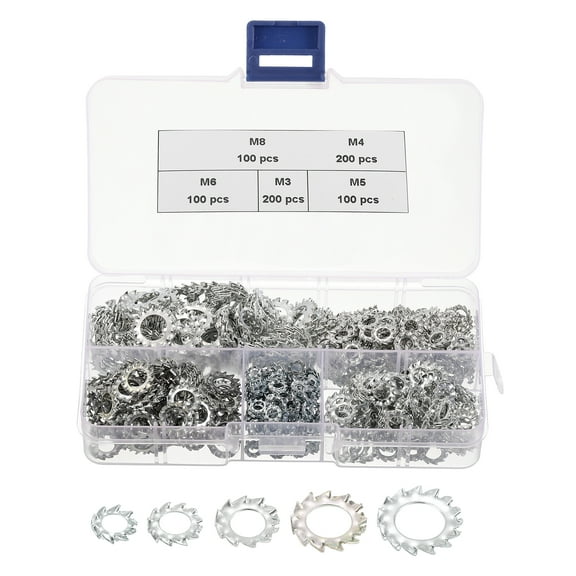
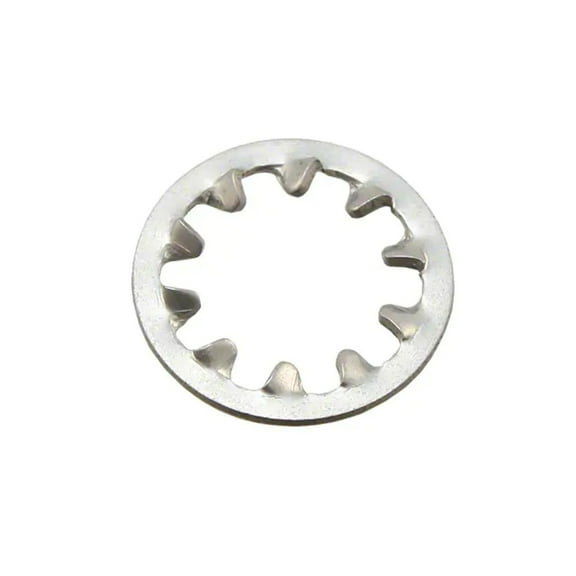
If your project needs extra surface contact, you can compare internal and external tooth styles. You’ll notice tooth lock washers use pointed edges that grip the mating surface.
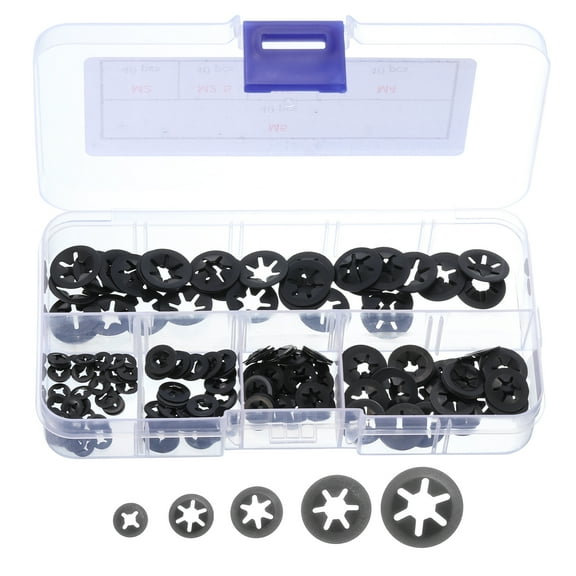
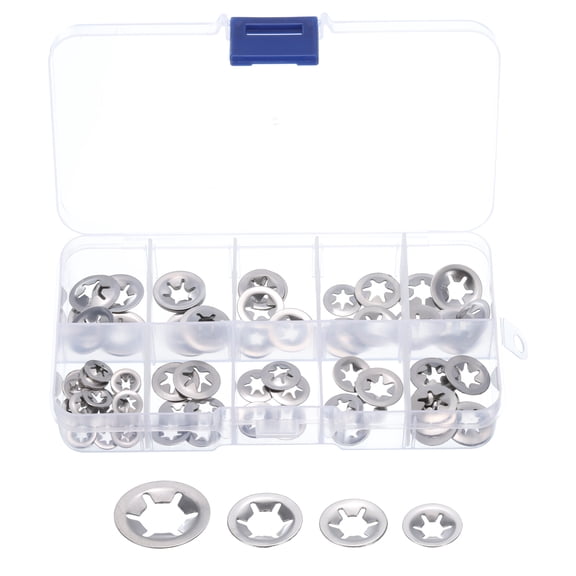
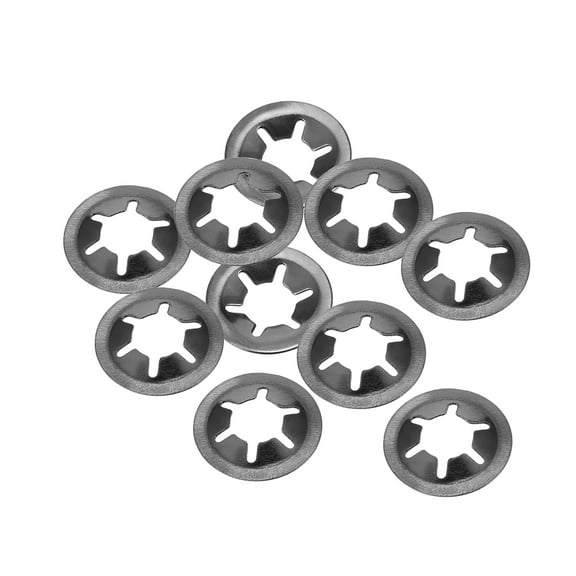
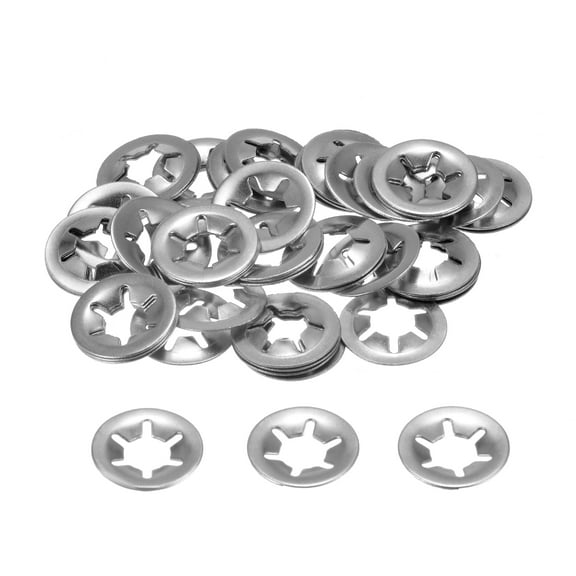
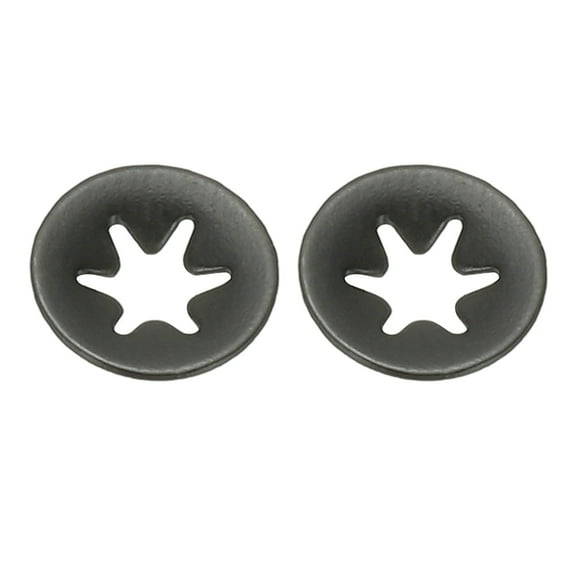
When your assembly uses smaller screw heads, you can check high-collar options for added support. You may also choose star lock washers when you want strong contact in panels and housings.
- You can choose split lock washers for spring tension in general fastening jobs.
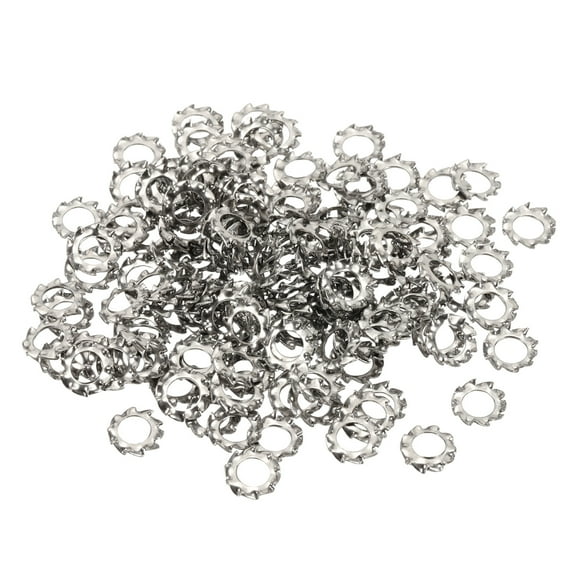
- You can choose external tooth washers when you want visible teeth and strong surface contact.
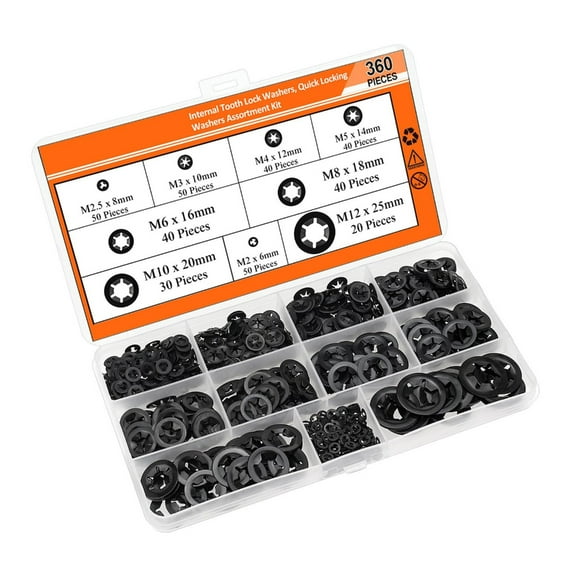
- You can choose internal tooth washers when you need tooth contact inside the outer edge.
- You can choose high-collar washers when you want support around smaller fasteners.
You can use these designs to help hold hardware in equipment, brackets, and shop fixtures. You’ll make a cleaner choice when the washer style matches the movement and surface.
Comparing stainless steel lock washers and materials
You should match your washer material to your bolt and nut for proper material compatibility. You can also reduce galvanic corrosion when you avoid mixing metals without checking.
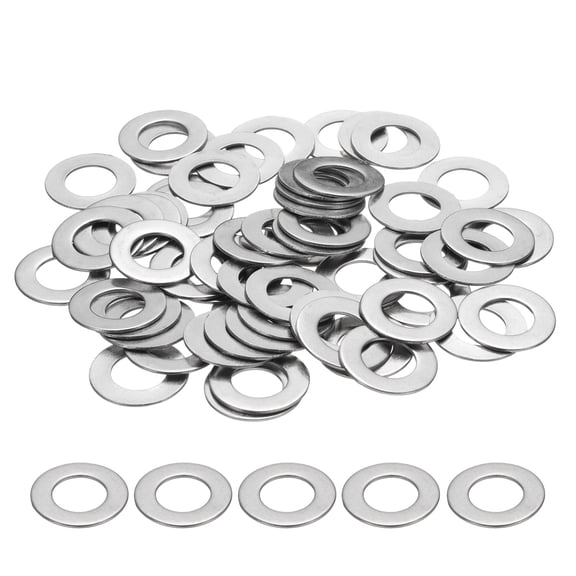
If your project faces moisture, weather, or washdowns, you may want stainless steel lock washers. You’ll often choose zinc-plated carbon steel for indoor hardware, shop fixtures, and routine repairs.
For specialized hardware, you can also consider silicon bronze when you need a nonferrous option. You should compare the full fastener stack, because your washer works with every connected part.
When your project stays outdoors, you should check finish and metal pairing before installation. If your project stays indoors, you can focus on grip style, fit, and finish match.
Matching size and pack options
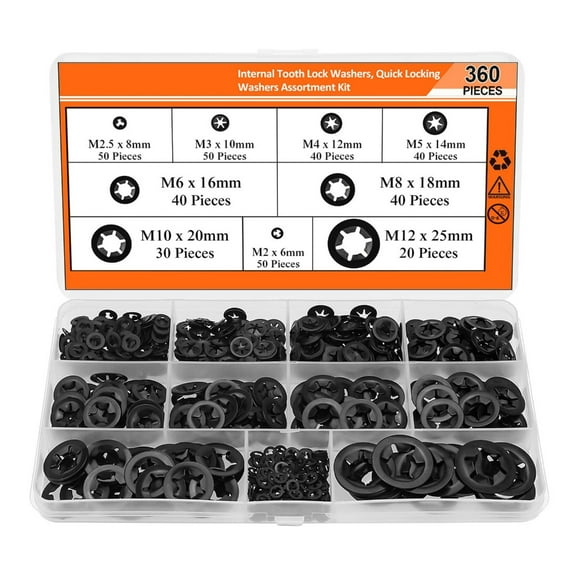
You need the inner diameter to match your fastener size exactly for proper seating. You can shop common sizes like #10, 1/4 inch, 3/8 inch, 1/2 inch, M6, and M8.
If your washer fits loosely, you may notice uneven contact during tightening. If your washer is too small, you won’t get it over the bolt or screw.
You should also check outer diameter and thickness when space is tight around brackets. You can avoid installation issues when your washer fits both the fastener and the mounting surface.
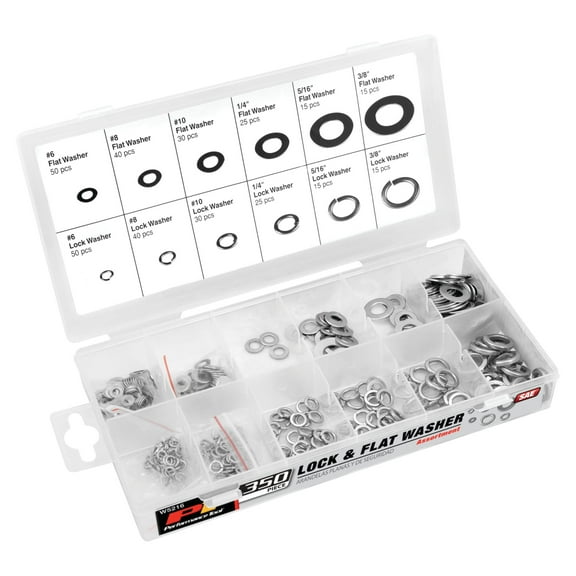
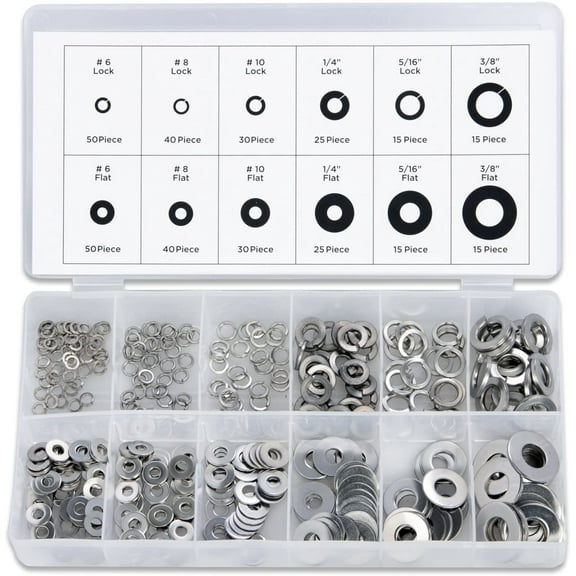
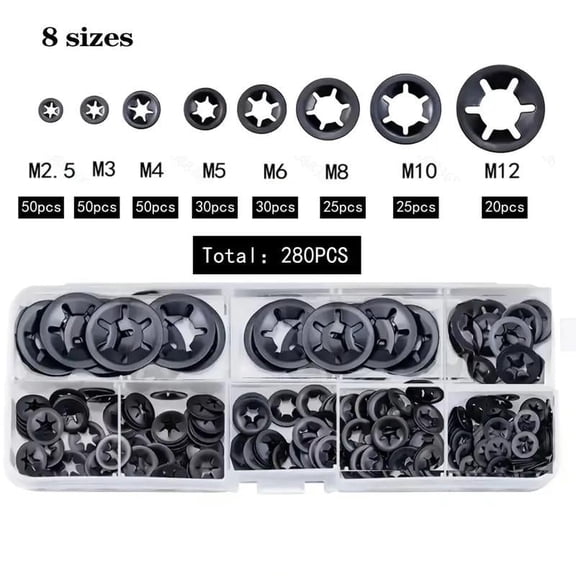
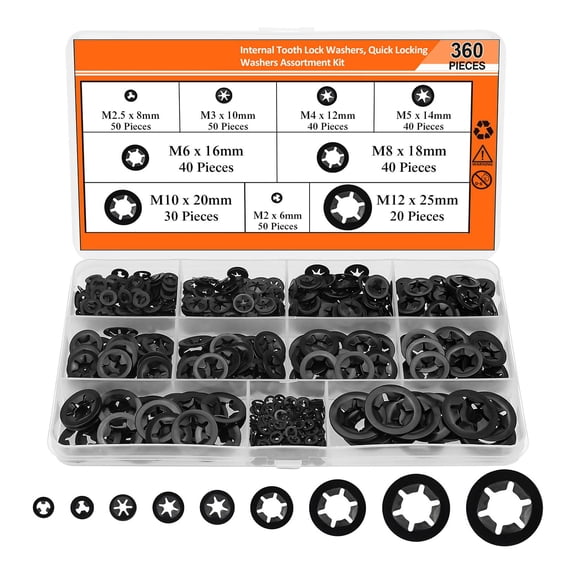
When you compare inch and metric hardware, you’ll want to confirm the exact size callout. You can also choose a lock washer assortment when your bench handles several common sizes.
For a quick repair, you may pick a small pack with the exact count you need. For repeated jobs, you can keep a bulk pack nearby for steady shop use.
Using lock washers in common projects
You can use lock washers on tool mounts, mower parts, utility trailers, and machinery guards. You’ll often need them anywhere repeated motion can loosen standard fasteners over time.
For metal brackets and enclosures, you may choose split styles with common nuts and bolts. For panels or electrical housings, you might choose tooth lock washers for direct surface grip.
If your project stays outside, you should consider stainless steel with matching fasteners and hardware. If your project stays inside, you may choose zinc-plated options for general assembly work.
You can also use these washers in repair kits, maintenance carts, and workshop bins. You’ll keep jobs moving when your sizes and materials are organized before installation starts.
What to look for before you choose lock washers
You should confirm four details before choosing: type, material, size, and pack count. You can make a cleaner hardware choice when each detail matches your fastener setup and environment.
With the right lock washers, you can build a tighter assembly for vibration-prone jobs. You’ll get dependable grip when your washer type and material fit the task from the start.