


Find auto parts that fit
Let’s search for parts that fit your vehicle.Light Bar Brackets in Light Bars




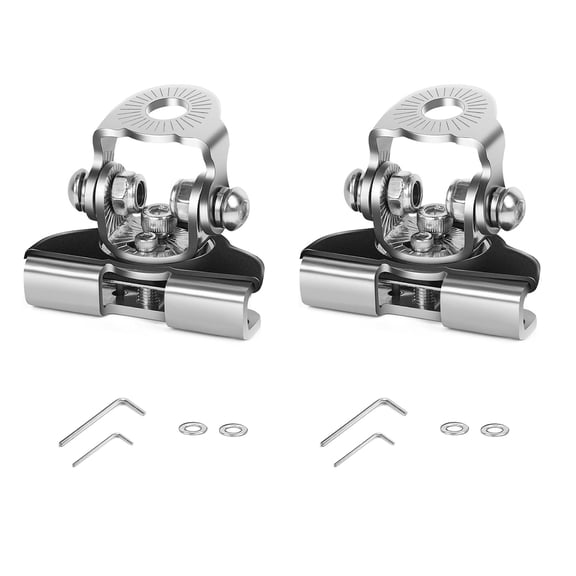
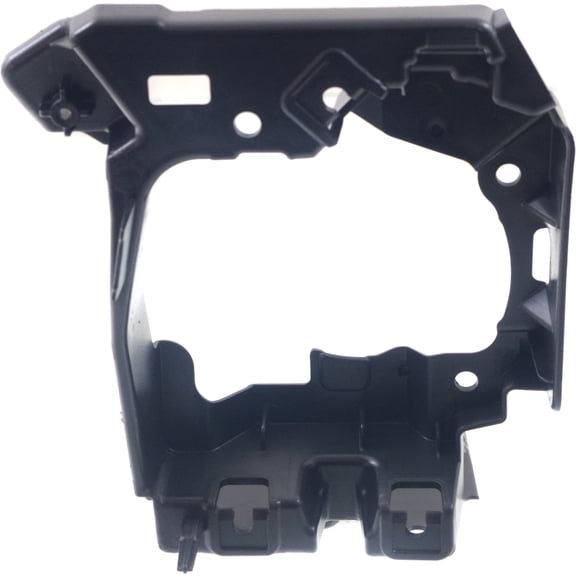
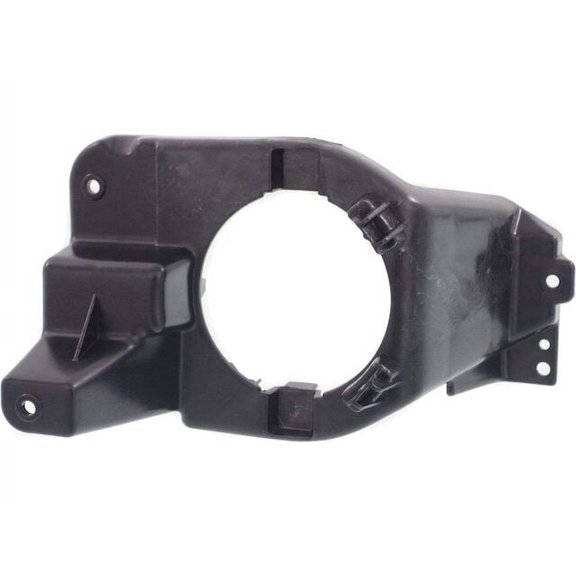

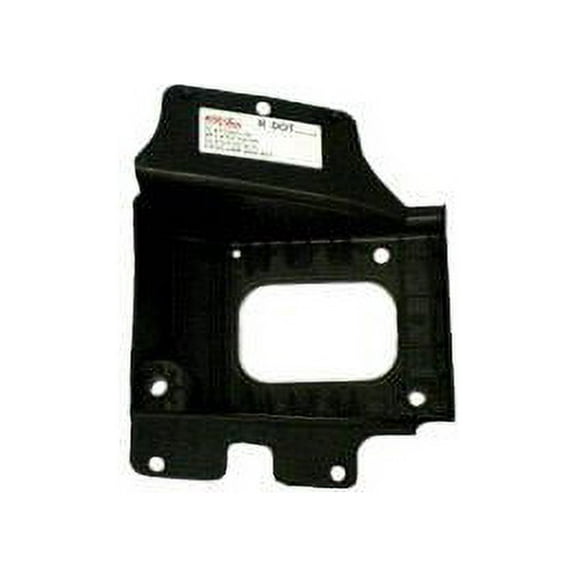














About Light Bar Brackets in Light Bars - Walmart.com
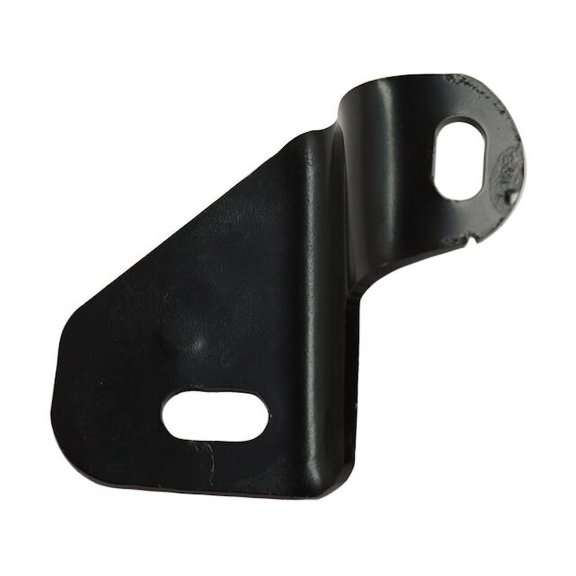
Light bar brackets help you mount auxiliary lighting securely on your truck or SUV. You can compare fitment, mounting location, and bracket material to match your vehicle and your light bar.
If you drive off-road, work before sunrise, or want a cleaner install, you need the right mounting hardware. You’ll find options for universal light bar brackets, windshield light bar mounts, and bumper light bar brackets.
How to choose light bar brackets
Start with your vehicle’s make, model, and year before you compare bracket styles. You should also check your factory mounting points, because your install method depends on your vehicle layout.
Next, measure your light bar length in inches and confirm whether your bar is straight or curved. You’ll want bracket spacing and shape that match your housing for a stable fit.
Mounting location changes how your setup looks and how your hardware attaches. You can choose windshield, bumper, roof, hood, or A-pillar positions based on your vehicle and your lighting goals.
- You can use windshield light bar mounts when your vehicle has compatible upper mounting points.
- You can choose bumper light bar brackets when you want a lower profile and easier front-end access.
- You can consider A-pillar light brackets when you want compact side placement near your windshield frame.
- You can look at roof and hood mounting options when your vehicle setup allows extra clearance.
Choosing universal light bar brackets and fitment type
Fitment type tells you how closely the hardware matches your vehicle and your light bar. You can compare universal, vehicle-specific, and custom fit designs before you commit.
Universal light bar brackets give you wider compatibility across many trucks and SUVs. You may need to confirm hole spacing, clamp range, and mounting surface dimensions before installation.
Vehicle-specific brackets help you line up with known mounting points on select models. You can often get a cleaner look when your hardware follows your body lines and trim.
Custom fit options focus on exact placement for a narrower range of vehicles or bar sizes. You should check make, model, year, and mounting notes closely for the intended fit.
Installation style matters just as much as fitment type. You can compare bolt-on designs with drilling-required setups, depending on your tools and your preferred install process.
Bolt-on hardware can simplify your project when your vehicle already has usable attachment points. If drilling is required, you should verify panel access and bracket placement before you start.
Comparing materials and light bar compatibility
Bracket material affects strength, finish, and long-term outdoor use. You can compare steel, aluminum, and alloy options based on your vehicle weight limits and your driving conditions.
Steel light bar brackets usually appeal to you when you want a sturdy feel and solid support. You should look for coated finishes that help your hardware handle road grime and wet weather.
Aluminum brackets can suit you when you want a lighter setup with solid corrosion resistance. Alloy options may give you a balance of weight and strength, depending on the design.
Light bar compatibility is another key decision point for your setup. You need bracket geometry that matches straight bars, curved light bar mounts, single row housings, or double row housings.
Straight bars usually need even bracket spacing across a flat mounting plane. Curved light bar mounts need angles that follow the arc of your housing for a cleaner alignment.
Single row bars can work well when you want a slimmer profile around your bumper or roofline. Double row bars may need more clearance, so you should measure depth and surrounding trim.
Matching mounting location to your vehicle and use
Your mounting location affects visibility, styling, and installation access. You should choose a position that fits your vehicle shape and your preferred wiring route.
Windshield light bar mounts can work for you when your vehicle supports upper brackets near the windshield frame. You should confirm mirror clearance, door clearance, and bar width before choosing this style.
Bumper light bar brackets can fit your setup when you want lighting close to the grille or lower fascia. You may prefer this option when your truck has space around tow hook or bumper mounting points.
Roof mounting can suit you when you want a raised position for broader forward coverage. You should measure overall height and check how your bar sits with roof racks or crossbars.
Hood and A-pillar placements can help you keep a compact setup near your sightline. You’ll want to confirm bracket shape, windshield angle, and attachment hardware before installation.
If you switch between trails, job sites, and daily driving, your bracket choice should reflect that mix. You can use durable materials, exact measurements, and the right mount style for a more secure setup.
When you compare make-and-model fitment, bar shape, mounting location, and hardware style, you can narrow your choice with confidence. You’ll get a setup that looks cleaner, installs more smoothly, and supports your light bar securely.