

Lesson Planner in School Supplies















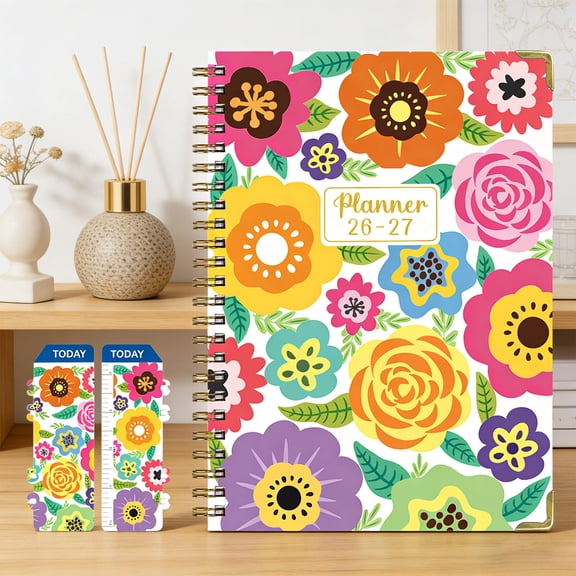
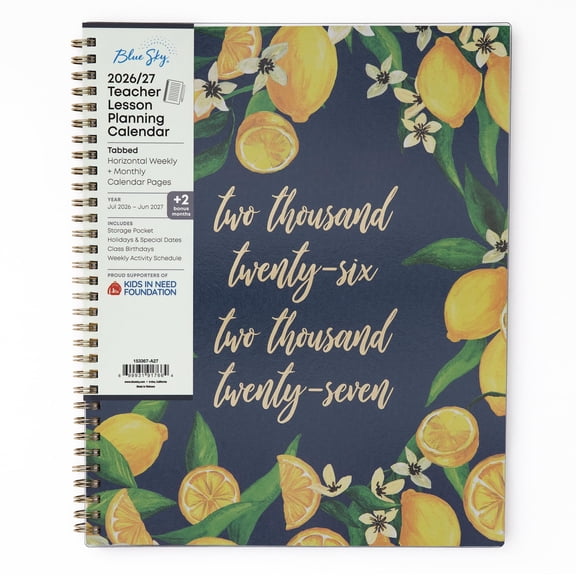


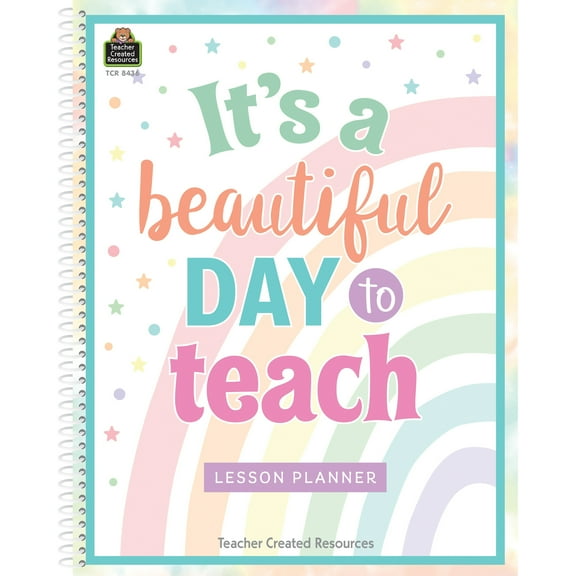
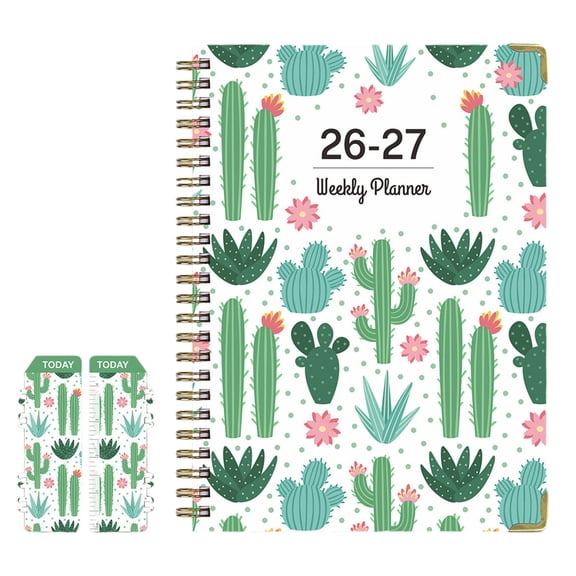




About Lesson Planner in School Supplies - Walmart.com
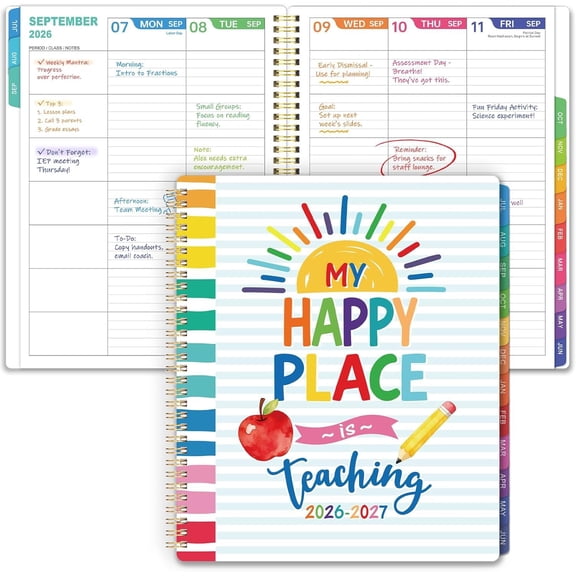
You can organize your school year with a lesson planner that matches your schedule, class load, and planning style. You’ll find formats built for weekly pacing, monthly overviews, and daily teaching details.
When you compare planner layouts before the term starts, you can keep lessons, rosters, and due dates in one place. You’ll also have a clearer view of pacing across grading periods, holidays, and conferences.
Choosing the right lesson planner
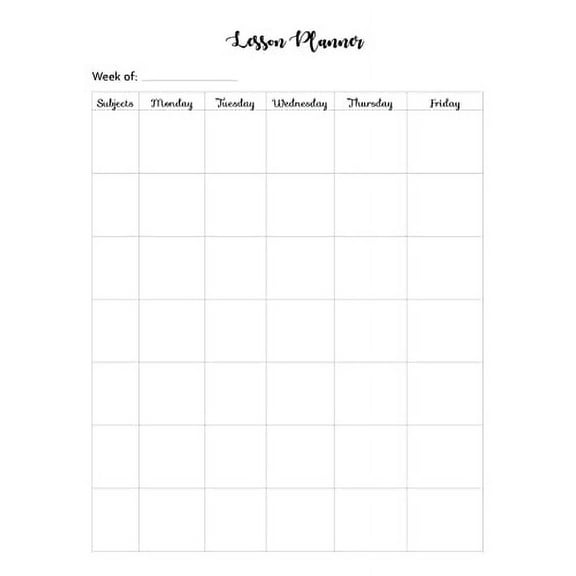
You should start with layout format because it shapes how you track instruction across each week and month. You may prefer weekly spreads for lesson pacing, while monthly pages help your long-range calendar stay visible.
If you teach several subjects, you may want a weekly monthly lesson planner with room for objectives and materials. If your schedule shifts often, an undated lesson planner lets you begin anytime.
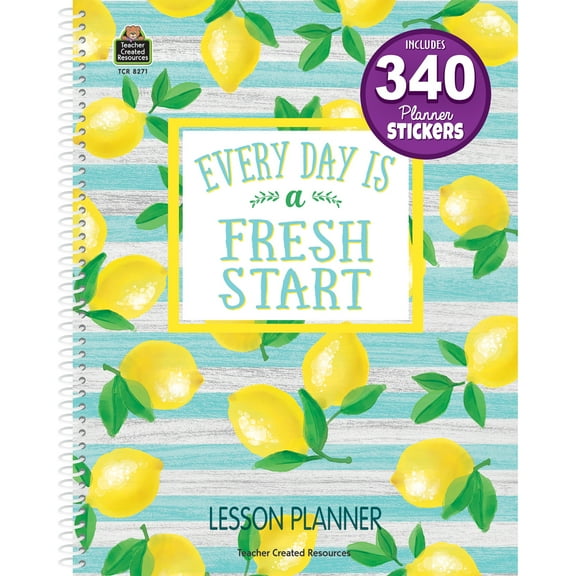
You can also compare target users before you choose your format and page design. You may want a teacher lesson planner for class periods, or an academic planner for assignments and term milestones.
- You can use weekly layouts to map subjects, activities, and homework across each teaching day.
- You can use monthly calendars to track holidays, deadlines, meetings, and unit pacing at a glance.
- You can use daily pages when your schedule needs more room for notes, standards, or materials.
- You can choose undated formats when you want flexibility for semesters, tutoring, or homeschool schedules.
What to look for in a teacher lesson planner
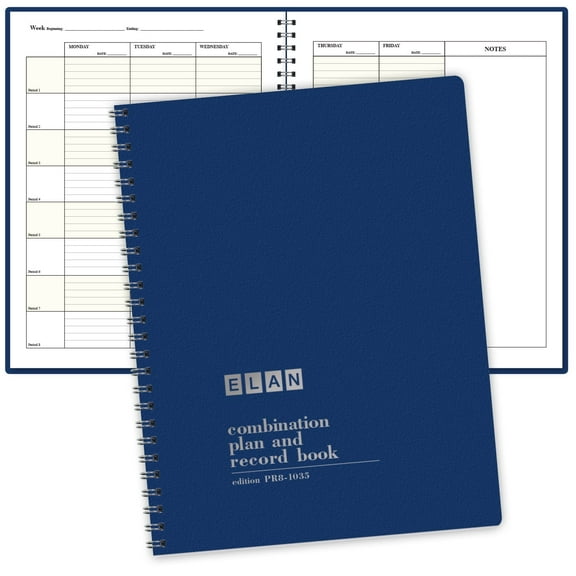
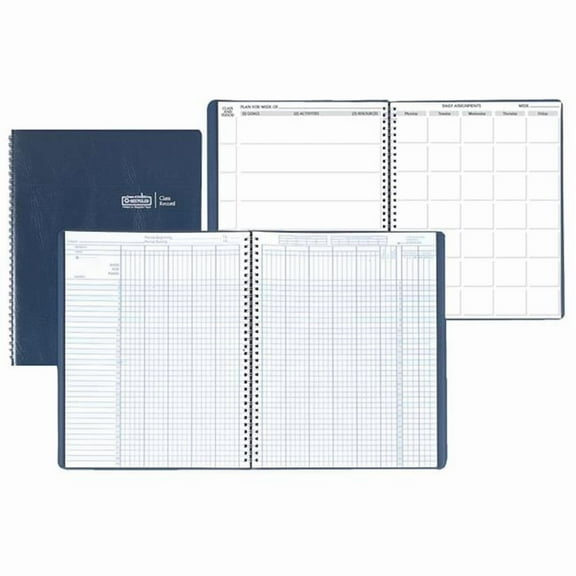
You should check for classroom-specific pages that support daily teaching tasks beyond a simple calendar. You may want grading sheets, student rosters, seating charts, and parent contact logs.
Those added pages help you keep class details close to your lesson plans during busy school weeks. You can move from attendance notes to unit planning without juggling separate notebooks.
You should also compare paper weight or GSM when you want cleaner writing with less show-through. You’ll usually notice heavier paper feels sturdier and handles repeated page turns through the school year.
If you write with gel pens or markers, you may want paper designed for stronger ink resistance. You can also look for thicker pages when your planner doubles as a classroom planner and record book.
Comparing binding types and sizes
You should measure how you’ll carry and use your planner before choosing a binding type. You may like spiral bound styles for flat writing, discbound options for page changes, or hardcover covers for structure.
Spiral bound formats can help you turn pages quickly during class transitions and lesson changes. Discbound formats can help you rearrange sections when your grading period or subject order changes.
You should also compare size because writing space and portability affect daily use. You may want 8.5 x 11 pages for full lesson blocks, while 7 x 9 or A5 sizes travel easily.
If you plan at your desk, you may prefer a larger format with wider columns and more note space. If you move between classrooms, you may want a smaller planner that fits your tote.
Matching layouts to your school year
You can match planner features to your routine when you know how your day actually runs. You may want monthly pages for curriculum pacing and weekly sections for assignments, labs, or reading groups.
If you teach elementary grades, you may want room for centers, specials, and parent notes on each spread. If you teach secondary classes, you may need separate blocks for multiple periods and rotating schedules.
You can also choose an academic planner for college coursework, internships, or campus deadlines across a semester. If you homeschool, you may want flexible daily or undated pages for customized pacing.
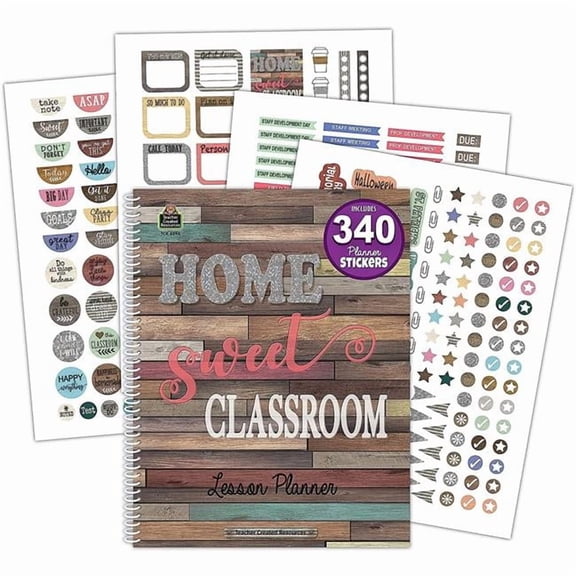
During back-to-school season, you may compare a school year planner with durable covers and strong binding for daily use. Throughout the term, you’ll appreciate layouts that keep tests, projects, and meetings easy to spot.
How a lesson planner supports everyday organization
You can keep teaching notes, timelines, and classroom records together when your pages match your workload. You’ll spend less time flipping between loose sheets when your planner includes purpose-built planning sections.
With the right lesson planner, you can map lessons clearly, track classroom details, and keep your school year moving with fewer planning gaps. You’ll feel more prepared when each week starts with a layout that fits your routine.