

LEGO in Shop by Movie






















About LEGO in Shop by Movie - Walmart.com
You'll find lego sets that match your builder's age, interests, and time for play. You can compare themes, piece counts, and product styles to choose a set that fits your shelf or playroom.
If you're shopping for a first build or a detailed model, you can use this page as a practical guide. You'll see options for younger builders, older kids, teens, and adults who want hands-on projects.
How to choose lego sets by age range
You should start with age range because it shapes the build experience. You'll want simpler steps and larger elements for toddlers, while older builders can handle longer builds.
For kids six to eight, you can look for clear instructions and familiar themes. For teens and adults, you may prefer advanced details, layered techniques, and display-ready finishes.
You can use age guidance to match attention span and building confidence. You'll avoid sets that feel too easy or too involved for the person opening the box.
Choosing themes in lego building toys
You can narrow your options fast by starting with a favorite theme. You'll often see Star Wars, City, Technic, Ninjago, and Friends as strong starting points.
If you enjoy movie-inspired builds, you may lean toward space scenes, ships, or character-based models. If you prefer everyday action, you can choose city vehicles, buildings, and service sets.
Technic styles can suit you when you want moving parts and mechanical details. Friends and Ninjago can suit you when you want colorful settings or action-focused storytelling.
- You can choose Star Wars themes for ships, scenes, and character builds.
- You can pick City themes for vehicles, stations, and everyday adventures.
- You can select Technic themes for gears, functions, and engineering-style builds.
- You can explore Ninjago themes for dragons, temples, and battle-inspired play.
- You can consider Friends themes for detailed rooms, shops, and social storytelling.
Comparing piece count in lego building kits
You should check piece count before you choose a set. You'll get a quick sense of build length, sorting time, and overall complexity.
If you want a short activity, you can start with under 100 pieces. If you want a weekend project, you may prefer 500 to 1000 pieces or even more.
You can use 100 to 500 pieces for growing builders who want more challenge. You can move to 1000 plus pieces when your goal includes intricate detail and display appeal.
Piece count also affects where and how you build. You'll need less table space for smaller projects, while larger builds may call for longer setup time.
What to look for in product type and lego bricks
You can also compare product type to match how your builder will use the set. You'll usually see classic bricks, themed playsets, and display models across this category.
If you want open-ended creativity, you can choose classic bricks with broad shape variety. If you want guided storytelling, you may prefer themed playsets with characters, vehicles, or locations.
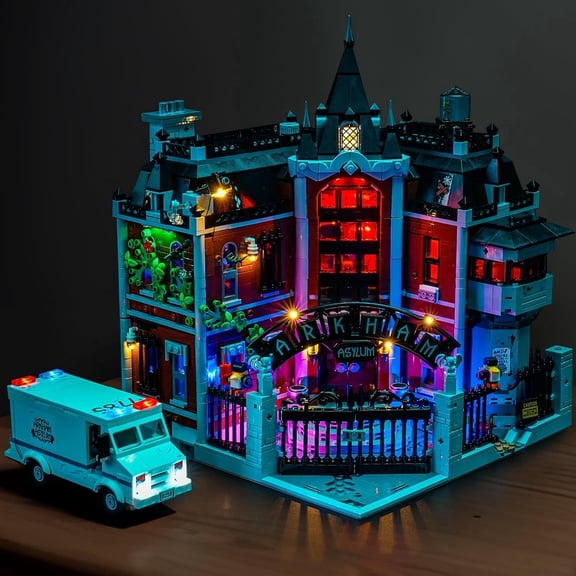
Display models can work for you when you want a finished piece for a desk or shelf. You'll often notice these sets focus on appearance, detail, and longer building sessions.
You may also care about compatibility with existing lego bricks at home. You can build onto familiar collections more easily when the set works within the standard brick system.
Using lego sets for real shopping scenarios
You can match smaller sets to party gifts, travel activities, or quick after-school builds. You'll get manageable projects that fit shorter attention spans and smaller spaces.
If you're planning family build time, you can choose medium piece counts and recognizable themes. You'll have enough complexity to stay engaged without turning the project into an all-day task.
For collectors or older builders, you can focus on display models and larger counts. You may enjoy detailed vehicles, structures, or themed scenes that stay out after the build ends.
You can also use lego building toys for rotating seasonal traditions. You'll find holiday-inspired options, including lego holiday sets and a lego advent calendar, during key shopping periods.
If you already own toy building blocks, you can compare new sets with your current collection. You'll make smarter choices when the theme, scale, and complexity fit what you already enjoy building.
Key differences that help you decide
You should compare four things first: age range, theme, piece count, and product type. You'll narrow the page faster when you treat each one as a clear decision point.
If your goal is free building, you can start with classic bricks. If your goal is a scene, vehicle, or shelf piece, you can move toward playsets or display-focused builds.
You can shop this category with more confidence when those details line up. You'll end up with a set that fits your builder, your space, and your building time.