

Kegerators in Refrigerators




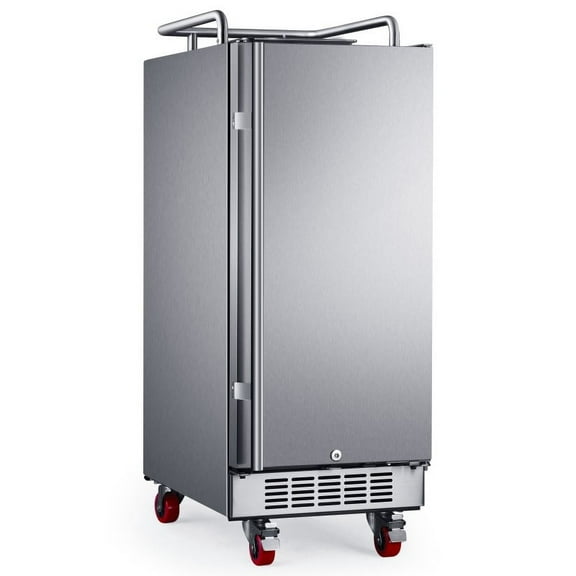
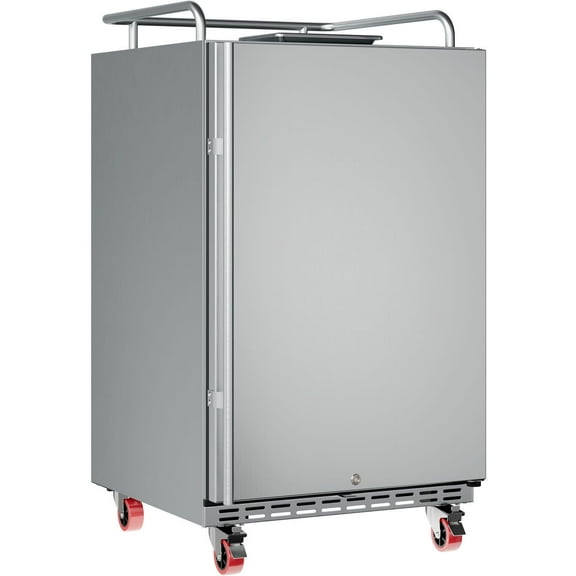
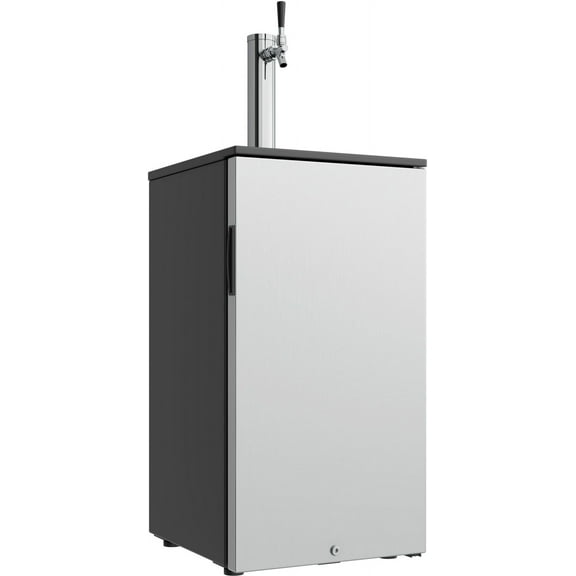
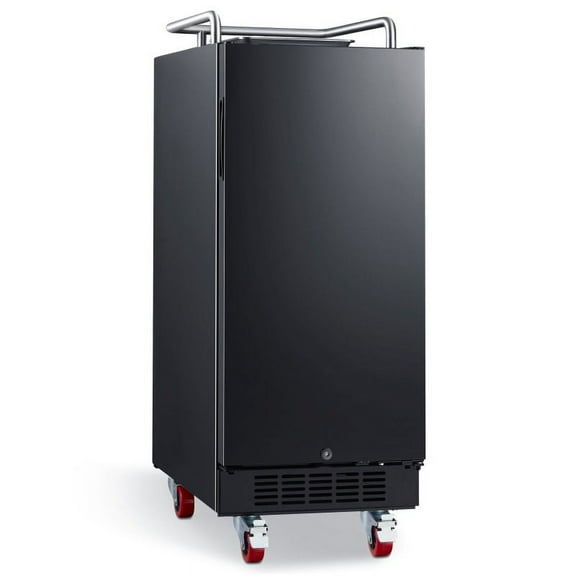


About Kegerators in Refrigerators - Walmart.com
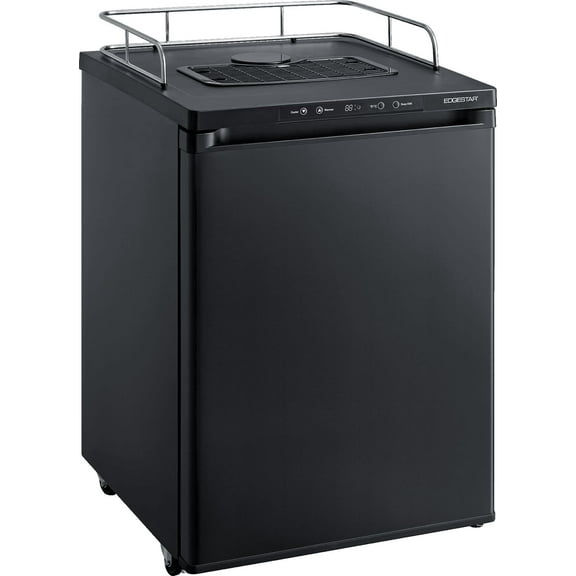
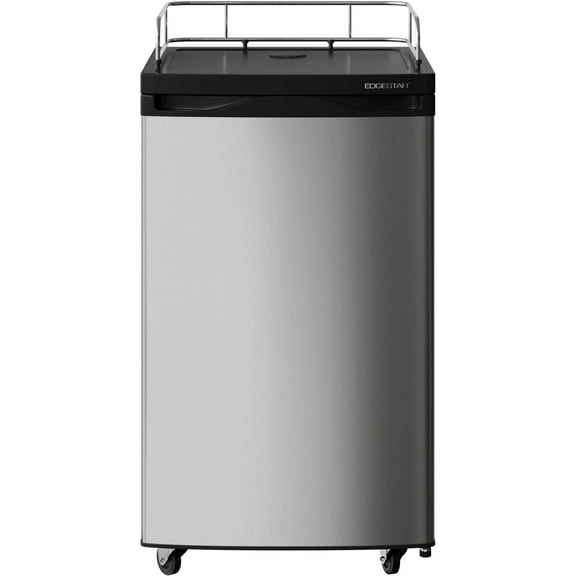
Kegerators help you pour cold draft beer at home with cleaner setup, steady temperature control, and tap options that fit your space. You can compare home kegerators by tap count, installation type, keg capacity, and cooling system before you choose a setup for your bar area.
How to choose kegerators for your space
You should start by deciding where your unit lives and how often you pour. You may prefer freestanding models for flexible placement or built-in designs for a finished undercounter look.
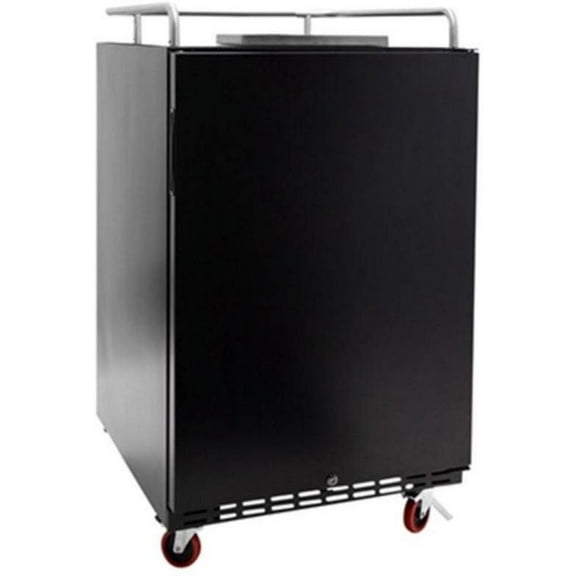
If you want a seamless island or bar layout, you should check whether the cabinet uses front venting. You should leave proper clearance around rear-vented units so your system can perform as intended.
Outdoor kegerators fit patios, covered entertaining zones, and backyard bar setups where you want draft access nearby. You should compare exterior finishes, weather-ready construction, and door design for your open-air layout.
What tap count means for your kegerators setup
You can narrow your options quickly by deciding how many beverages you want ready to pour. You may choose single tap models for one keg, dual tap kegerators for variety, or triple tap units for larger gatherings.
- You get simpler line management with a single tap setup.
- You can pour two styles at once with dual tap kegerators.
- You can support larger entertaining setups with three faucets.
- You may reduce keg swaps when your system holds multiple connections.
You should also consider how often you host and how quickly each keg empties. You may find extra taps useful when you rotate lagers, ales, or nonalcoholic draft beverages.
When you compare beer dispensers, you should look at tower style, faucet placement, and drip tray size. You can keep your serving area neater when those parts match your pouring habits.
Choosing keg size compatibility and capacity
You should confirm keg size compatibility before you focus on finish or appearance. You may need room for a 1/2 barrel, 1/4 barrel, 1/6 barrel, or smaller format, depending on your routine.
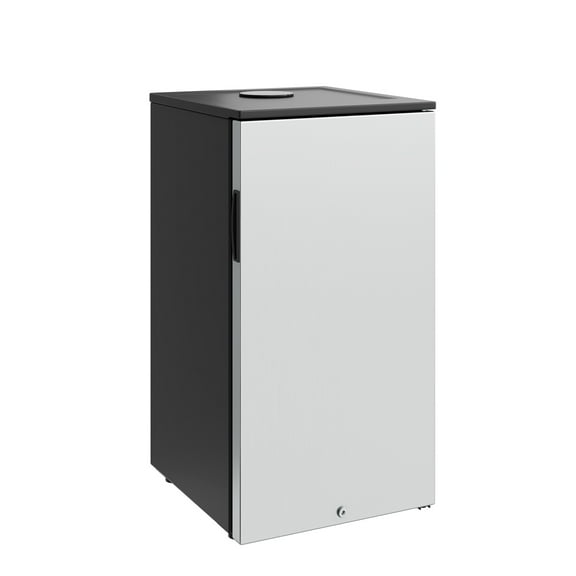
Full size units usually give you space for larger kegs and longer serving runs. Mini kegerators suit tighter counters, game rooms, or apartments where you want draft convenience without a full cabinet footprint.
You should also compare coupler compatibility because keg coupler types affect which keg connections fit your system. You can avoid setup frustration when your coupler, keg format, and tap hardware align.
If you enjoy trying new brews often, you may lean toward 1/6 barrel compatibility for easier rotation. If you host bigger groups, you may prefer larger capacity for fewer keg changes.
Comparing installation type and ventilation needs
You should treat installation type as a key buying decision, not an afterthought. You can protect fit and airflow by measuring width, height, door swing, and vent placement before you order.
Freestanding draft beer dispensers give you placement flexibility in rec rooms, garages, and home bars. Built-in and undercounter kegerators help you create a more integrated cabinet line when you plan your space around appliances.
You should check whether your model vents from the front or the rear. You can place front-vented units in tighter cutouts, while rear-vented units need open breathing room.
Outdoor draft beer dispensers work well when you entertain outside and want fewer trips indoors. You should compare placement details carefully so your unit suits your patio layout and serving flow.
Understanding cooling systems and temperature control
You can compare compressor cooling and thermoelectric systems based on room conditions and cabinet size. Compressor cooling often suits full size units, while thermoelectric designs may appear in smaller beverage-focused formats.
You should look for temperature controls that let you adjust settings with precision. You can fine-tune digital thermostat settings more easily when you serve different beer styles at specific temperatures.
If your room temperature changes often, you may want a system designed for consistent cooling performance. You should also compare interior layout, insulation, and control location for easier everyday use.
You may appreciate clear displays, adjustable shelves, or conversion features in some home kegerators. You can choose those details when they support your keg format and serving routine.
Matching home kegerators to real use cases
You might want a single tap unit for a den, loft, or first home bar where simplicity matters. You can keep one favorite draft ready without giving up much floor space.
If you host watch parties or weekend get-togethers, you may prefer dual tap kegerators for serving two beverages side by side. You can cover different tastes at once when you pour two options from one unit.
You may choose outdoor kegerators for patios, pool areas, and backyard kitchens with regular entertaining. You can keep pours closer to your guests and maintain a cleaner hosting flow.
For apartment corners or smaller rooms, mini kegerators can make more sense than full size cabinets. You should measure carefully so your door swing, tap tower height, and floor area all work together.
You can also compare draft beer dispensers for mixed-use spaces that pair with beverage centers, mini fridges, or home bar furniture. You may create a more organized serving zone when your appliances fit the same footprint plan.
When you choose kegerators with the right tap count, fit, and keg compatibility, you get a setup that matches how you actually serve. You can enjoy smoother pours, easier hosting, and a cleaner home bar experience.