


Find auto parts that fit
Let’s search for parts that fit your vehicle.Jack Accessories in Automotive Stands and Supports


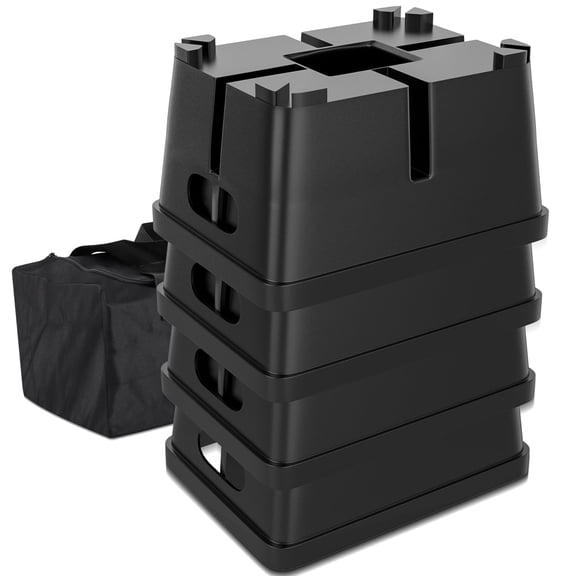
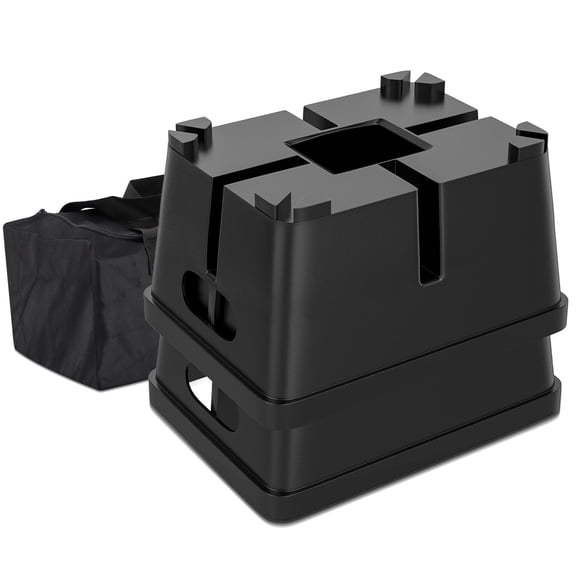
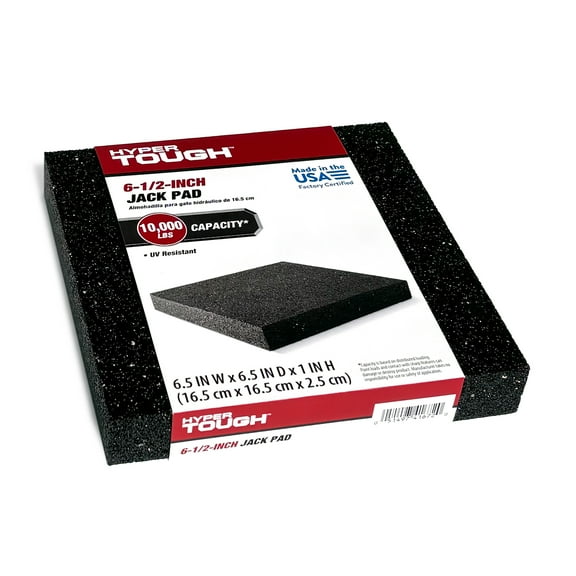
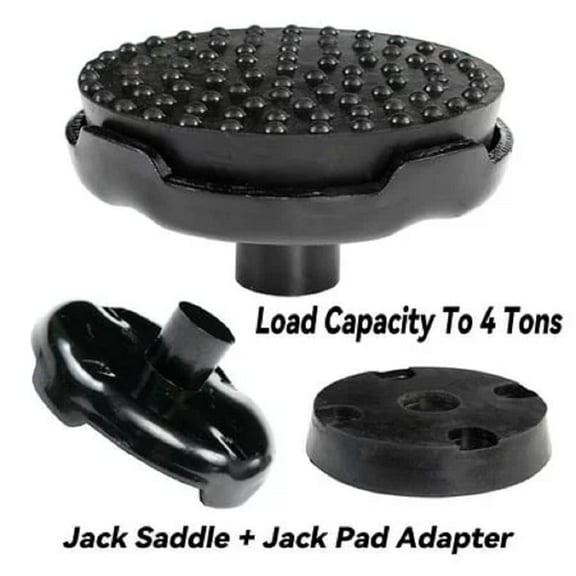












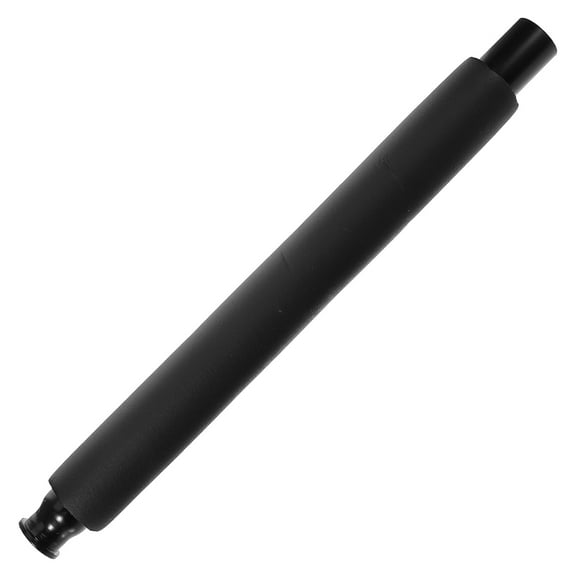
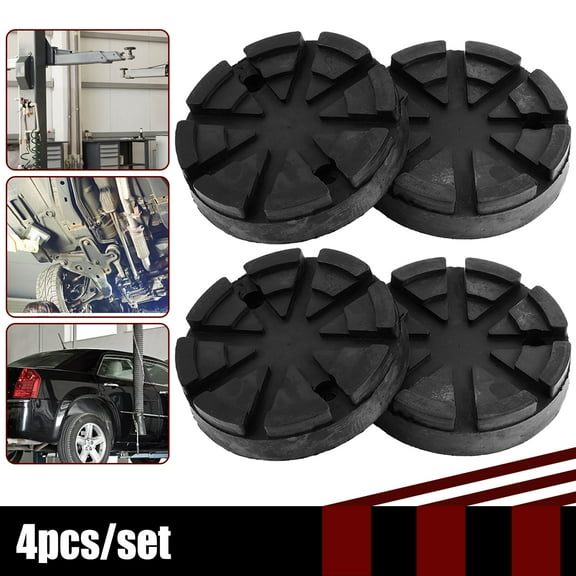

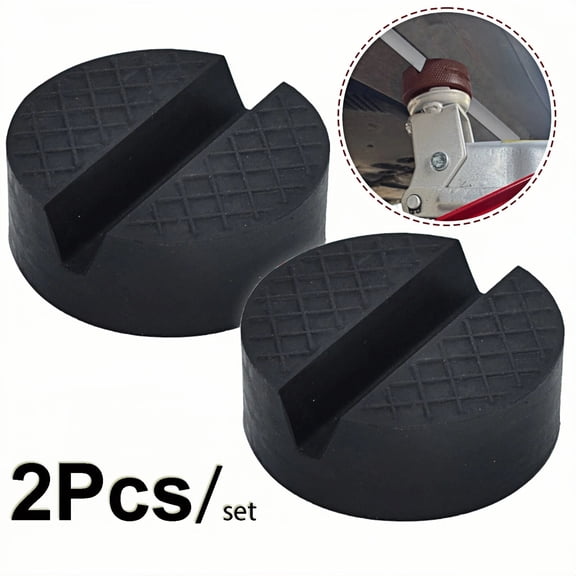
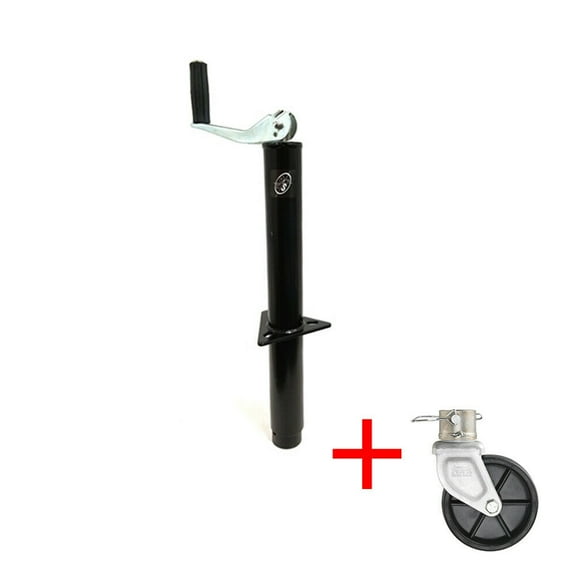

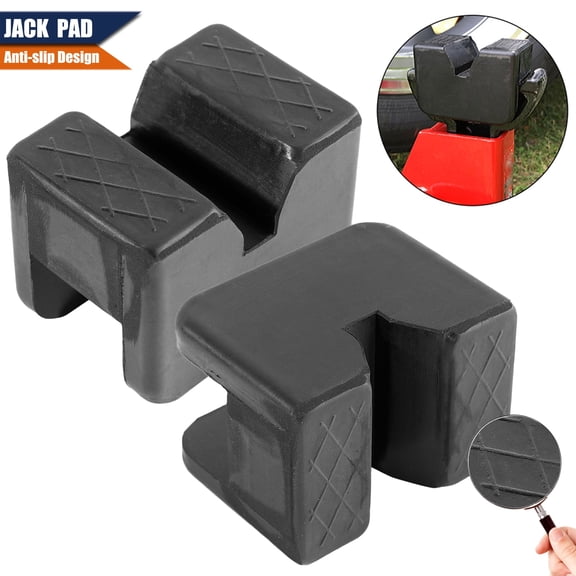

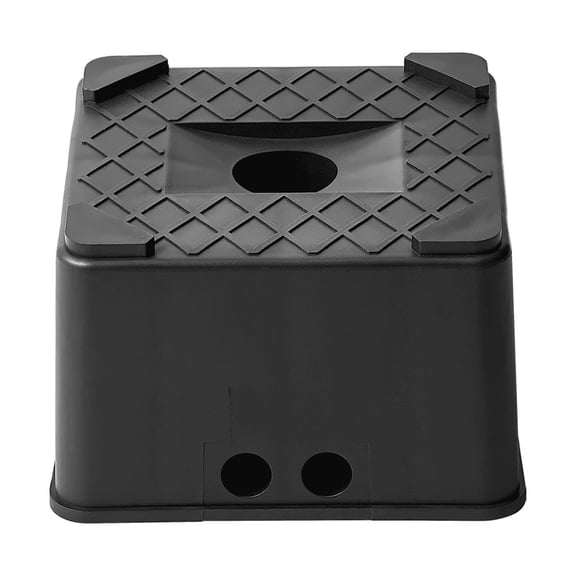
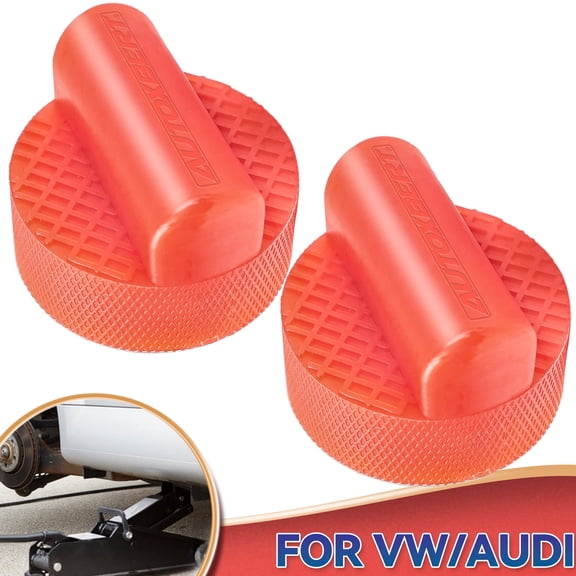
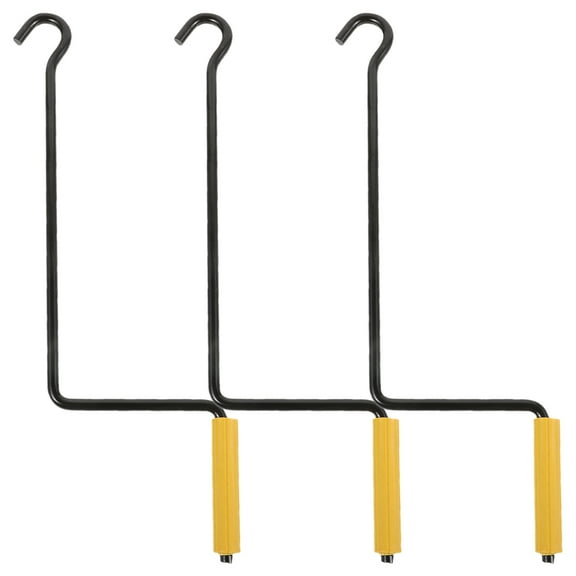

About Jack Accessories in Automotive Stands and Supports - Walmart.com
Jack accessories help you lift with more control and protect contact points on your vehicle. You can compare pads, adapters, extensions, and saddles to match your jack and frame style.
If you use a floor jack or jack stands often, you need the right fit at the saddle. You’ll notice the right accessory helps your setup contact lifting points more cleanly.
How to choose jack accessories
You should start with accessory type because each option handles a different lifting task. You can use pads for cushioning, adapters for fit, extensions for reach, and saddles for contact shape.
When you compare jack accessories, you should also check your jack style and your vehicle frame. You can narrow choices faster when you match the accessory to the lift point.
You may want these practical benefits before you choose a part for your setup. You can use this checklist to compare common accessory goals.
- You can protect pinch weld edges with shaped adapters that cradle narrow lift seams.
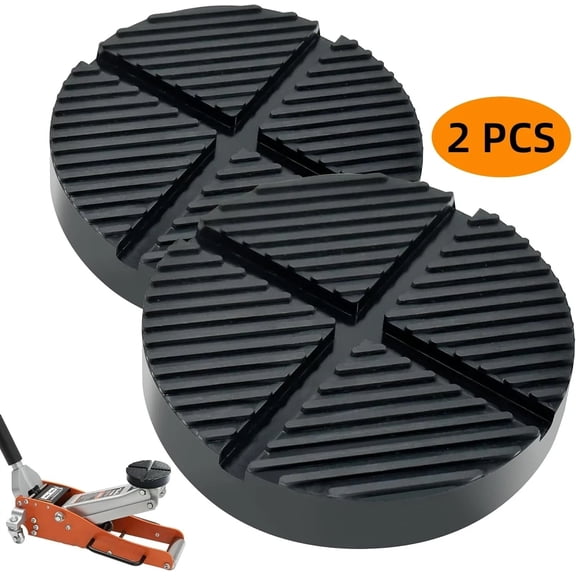
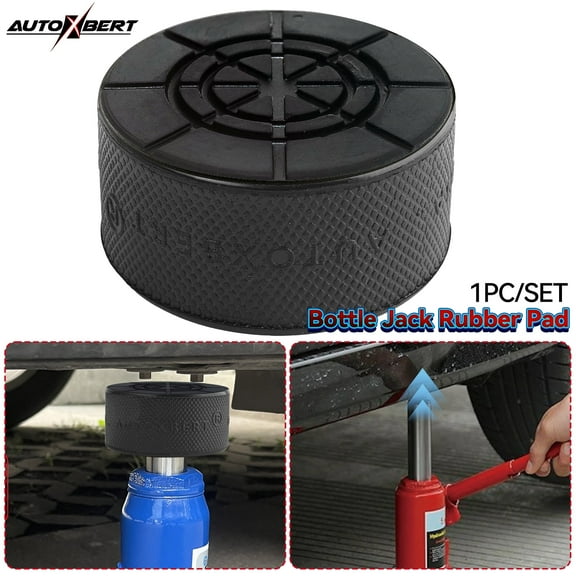
- You can reduce direct metal contact with rubber or polyurethane pads at the saddle.
- You can improve jack-to-vehicle fit when your current saddle shape feels too flat or too wide.
- You can add height or change contact shape with extensions and replacement saddles.
- You can match some accessories to jack stands when your support points need added surface protection.
You’ll find these details matter because lift points vary across unibody cars, trucks, and crossovers. You can avoid guesswork when you compare frame type, saddle size, and material together.
Choosing floor jack accessories by compatibility
You should check compatibility first because not every accessory fits every lifting tool. You can compare floor jacks, bottle jacks, scissor jacks, and jack stands before you choose.
For floor jack accessories, you should measure saddle diameter and pin size if the part mounts into the cup. You can get a more secure fit when your adapter matches those dimensions.
If you use a bottle jack, you may need a different contact shape than a floor jack uses. You should look for accessories designed for the smaller top surface and vertical lift point.
When you use scissor jacks, you should confirm the accessory works with the jack head shape. You can prevent a loose fit by checking the contact groove or pad profile.
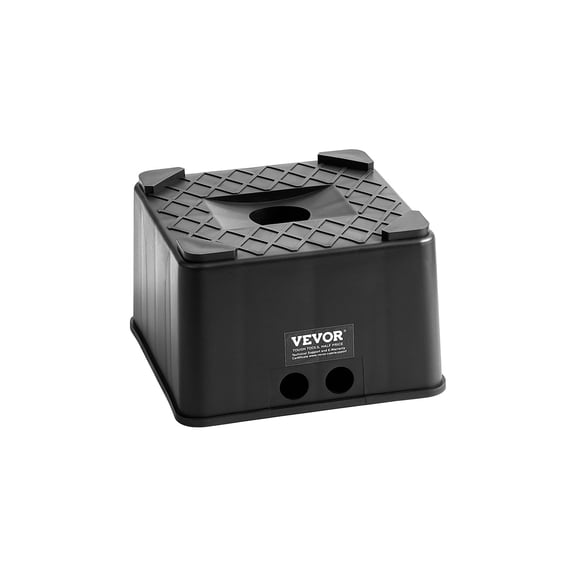
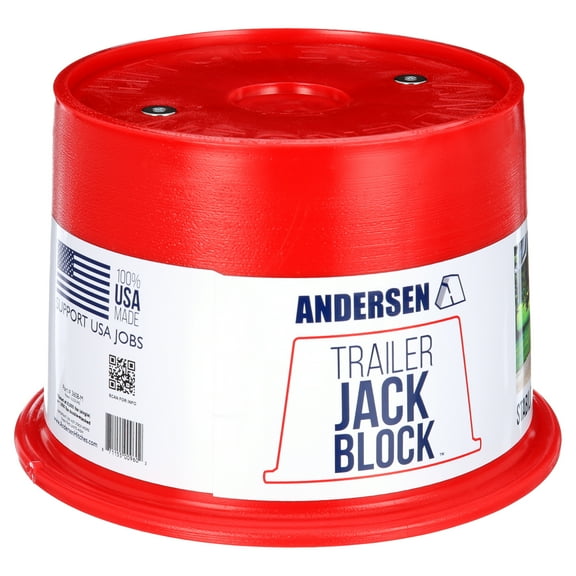
You may also want to know whether an accessory works with jack stands or only with a hydraulic jack. You should compare the top shape of the stand and the width of the support area.
What to look for in jack stand pads and materials
Jack stand pads help you add a buffer between the stand and your vehicle contact point. You can compare heavy-duty rubber, polyurethane, cast iron, and steel based on your lifting setup.
If you want surface protection, you’ll usually look toward a floor jack rubber pad or a similar cushioning insert. You can get a grippier contact surface while helping reduce direct metal-on-metal pressure.
Heavy-duty rubber can suit repeated garage use when you want some flex at the contact point. You should check the pad thickness and groove shape for your lift seam.
Polyurethane can feel firmer than softer rubber in some designs. You can compare it when you want shape retention and a defined slot for a pinch weld.
Cast iron and steel parts can make sense when you need a rigid adapter or replacement saddle. You should confirm the contact profile matches your frame and your jack hardware.
You’ll also want to check the load description and overall construction for routine lifting tasks. You can compare denser materials and reinforced shapes when durability matters to your garage setup.
Deciding between flat pads and a pinch weld jack adapter
You should choose by vehicle frame type because lift points aren’t all shaped the same. You can use flat pads for broad contact areas and shaped adapters for narrow seams.
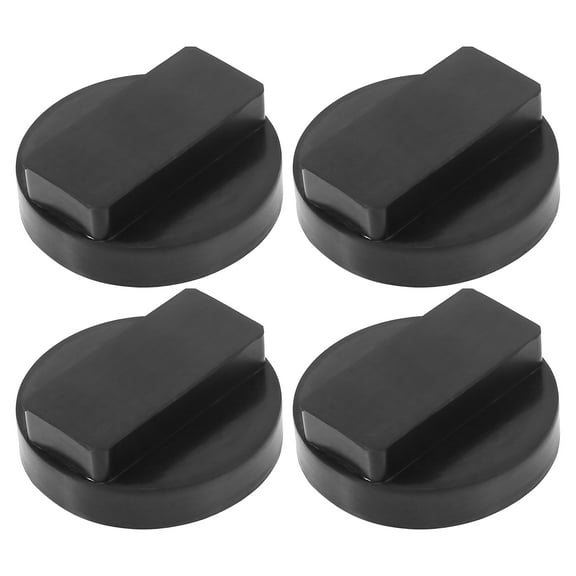
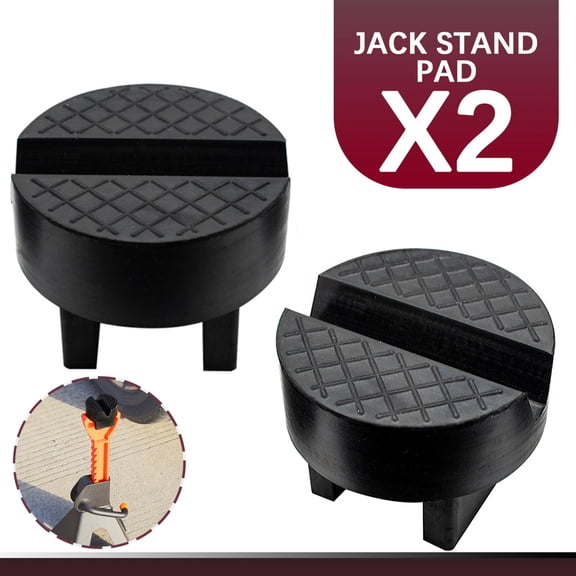
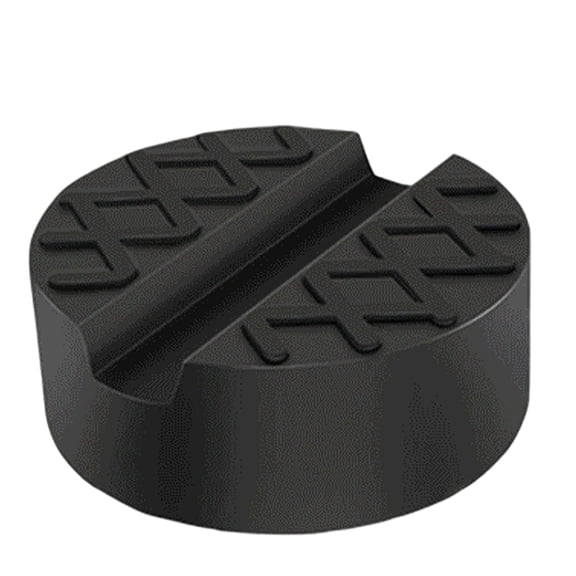
If your vehicle has a unibody design, you may need a pinch weld jack adapter with a center slot. You can position the seam inside that groove for more precise contact.
For a flat frame or broad lifting point, you may prefer a flat pad or saddle cover. You can spread contact across a wider area when the lift point allows it.
You should inspect your owner guidance and your visible lift points before choosing an accessory style. You can compare pinch weld, flat frame, unibody, and designated lifting point designs more confidently.
Some drivers keep both a slotted adapter and a flat pad in the garage. You can switch based on the vehicle you’re lifting and the contact point you’re using.
Using jack accessories in real garage situations
If you rotate tires at home, you may want floor jack accessories that match your jack saddle and your vehicle seam. You can lift with a more tailored contact point during routine wheel changes.
When you work on brakes or suspension parts, you may place the vehicle on stands after lifting. You should compare jack stand pads if you want added protection at the support point.
If you service more than one vehicle, you may need different adapter shapes for each frame style. You can keep a flat pad for one car and a pinch weld jack adapter for another.
You may also use extensions when extra clearance helps you reach a lift point cleanly. You should confirm the added height still matches your jack’s design and hardware connection.
For a home garage, you’ll benefit from checking dimensions before the accessory arrives. You can compare saddle diameter, slot width, and pad thickness to improve fit the first time.
With the right combination, you can match your jack accessories to your tools and your vehicle structure. You’ll get a setup that supports cleaner contact and more consistent positioning.