

Incontinence in Caregiver
















About Incontinence in Caregiver - Walmart.com
You can compare incontinence options more easily when you know how absorbency, fit, and product type affect daily comfort. You’ll find category guidance here that explains pads, liners, protective underwear, and underpads in plain language.
How to choose incontinence supplies
You should start with the amount of leakage you expect during the day or overnight. Your routine matters too, because a quick trip out needs different coverage than sleep or longer wear.
When you compare incontinence supplies, you’ll want the right balance of coverage, discretion, and ease of changing. You can also narrow choices faster by checking product type, size range, and whether the fit is men's, women's, or unisex.
You may notice that absorbency labels use terms like light, moderate, heavy, and overnight. Your selection usually feels simpler when you match those terms to your typical needs instead of guessing.
- You can use light options for occasional drips and smaller coverage needs.
- You may prefer moderate absorbency when your day includes longer errands or work shifts.
- You’ll likely need heavy or overnight coverage when your routine includes extended wear or bedtime use.
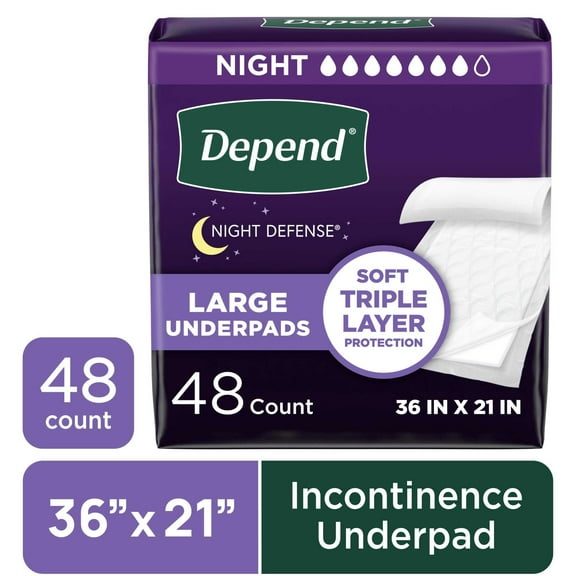
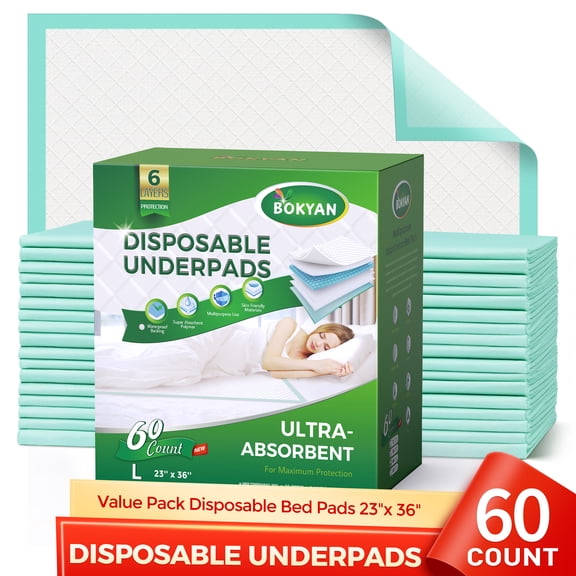
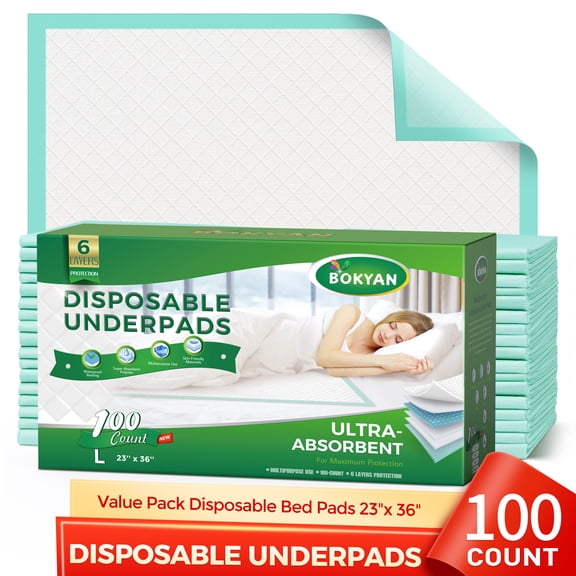
- You can choose underpads when your bedding, chairs, or other surfaces need an added layer.
Choosing the right incontinence pads and liners
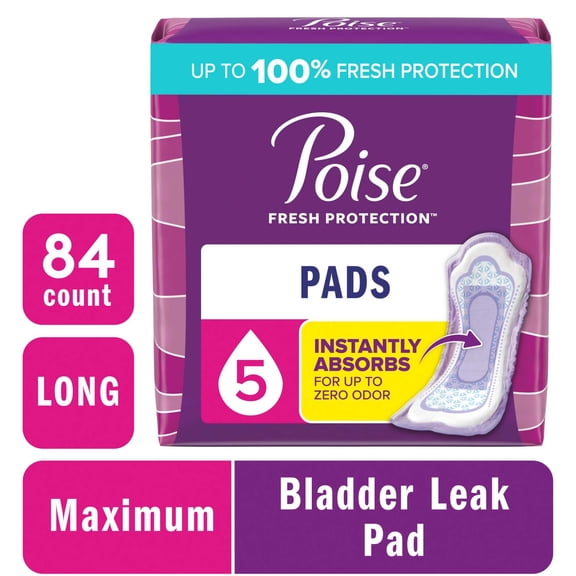
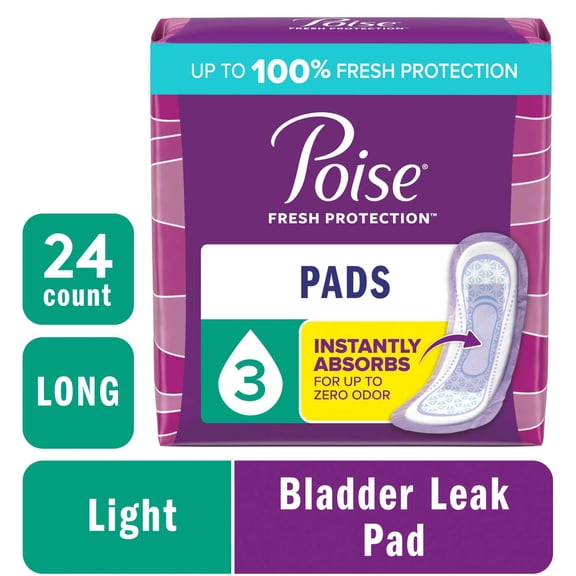
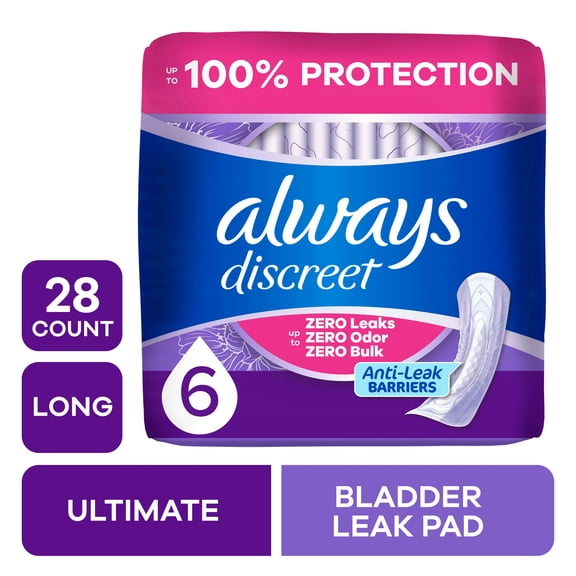
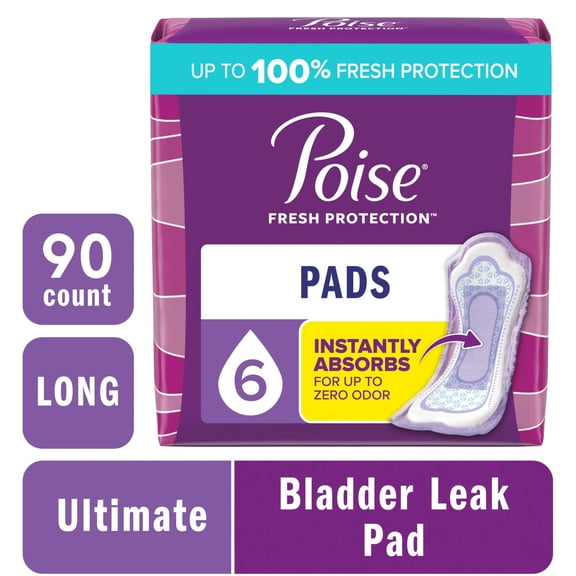
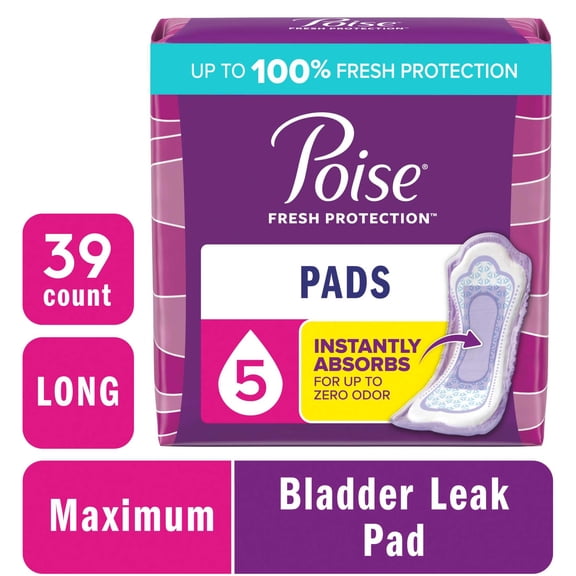
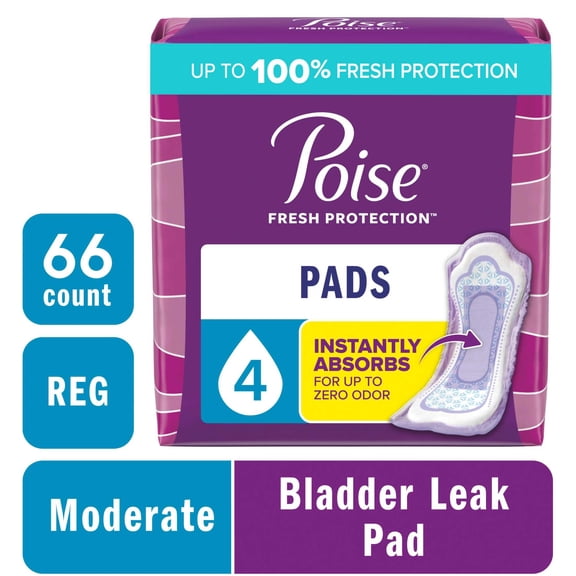
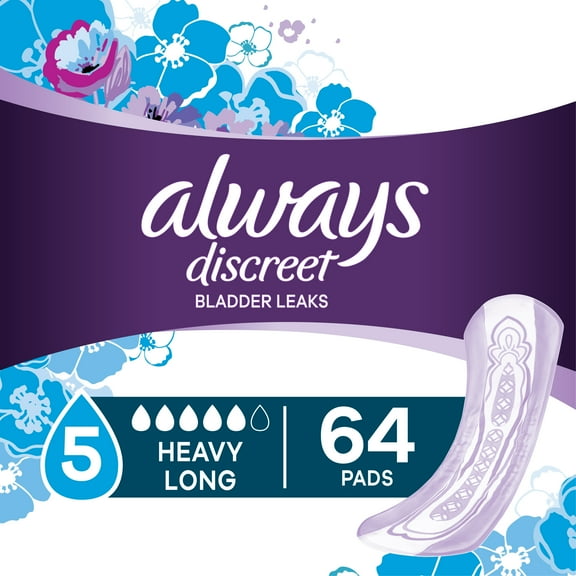
You can look at incontinence pads and incontinence liners first if you want a lower-profile option under everyday clothing. Your outfit may feel less bulky because these styles sit inside regular underwear.
You should compare length, shape, and adhesive placement before choosing a pad or liner. Your comfort often improves when the product stays centered and matches your body shape.
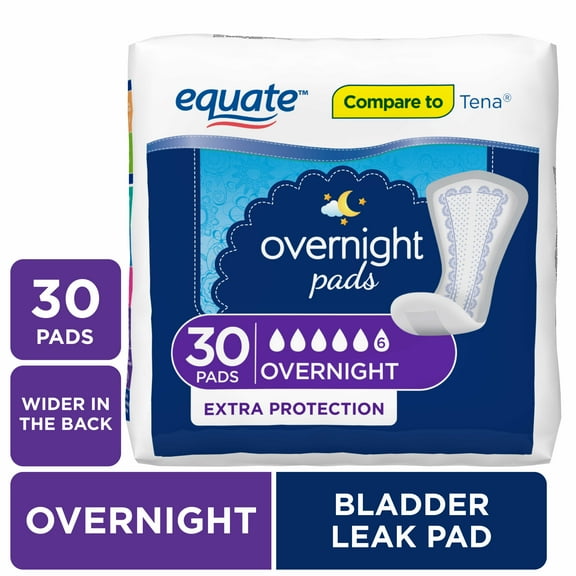
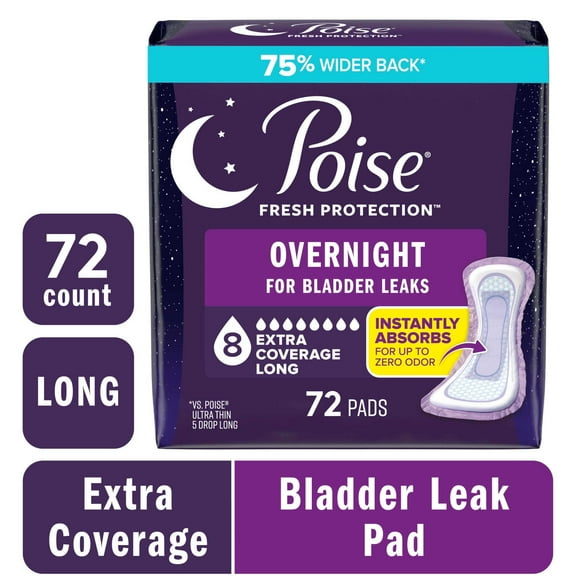
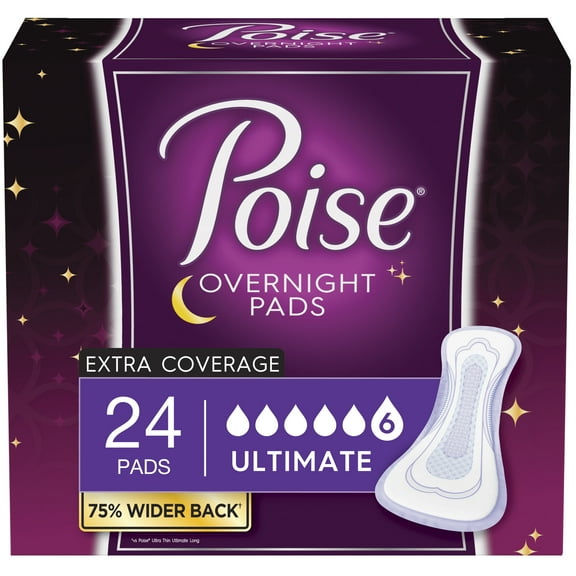
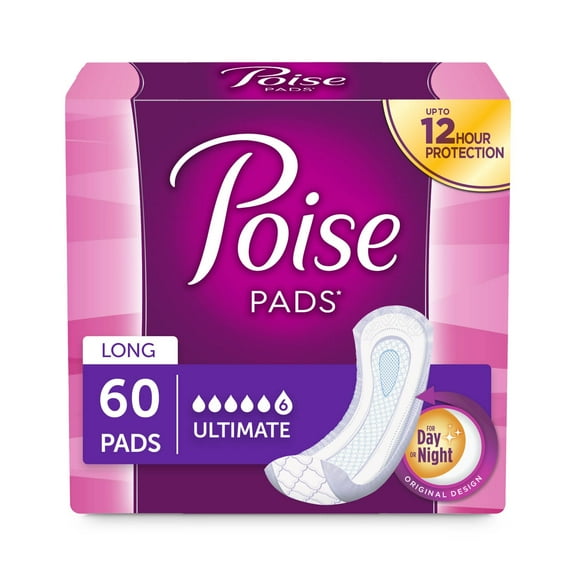
If you need more coverage, you may move from liners to larger incontinence pads with wider protection zones. You’ll usually notice that overnight incontinence pads offer added length for time spent lying down.
You can also compare absorbency by checking the package for light, moderate, heavy, or overnight language. Your decision becomes easier when you match daytime movement and sleep habits to that absorbency label.
Comparing adult incontinence underwear and tab briefs
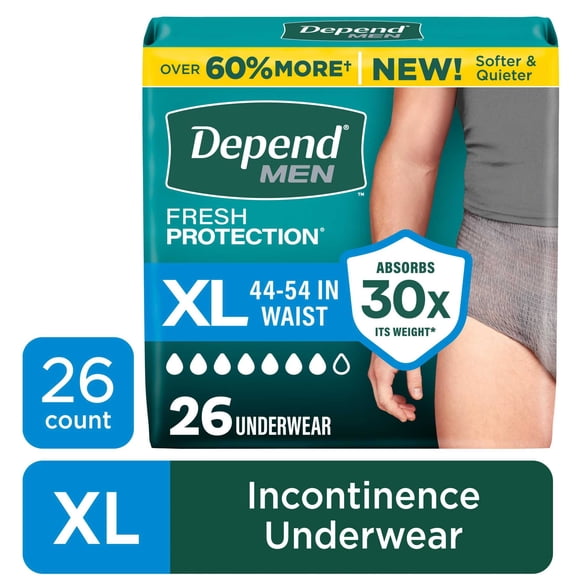
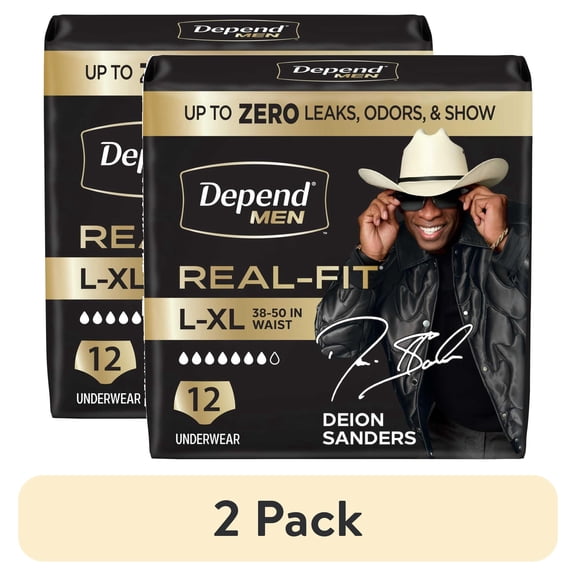
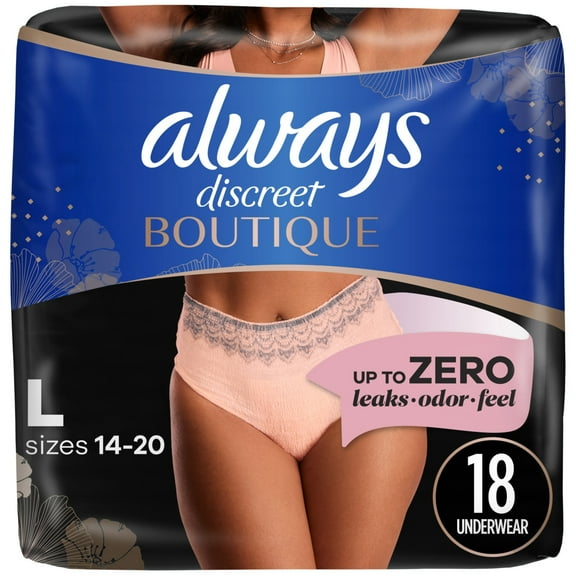
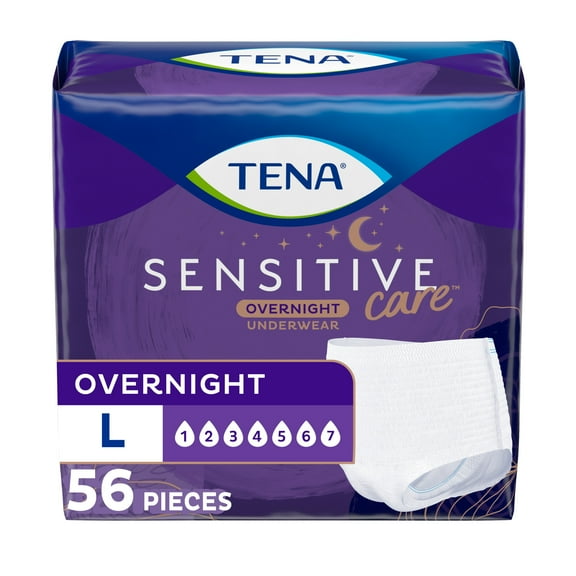
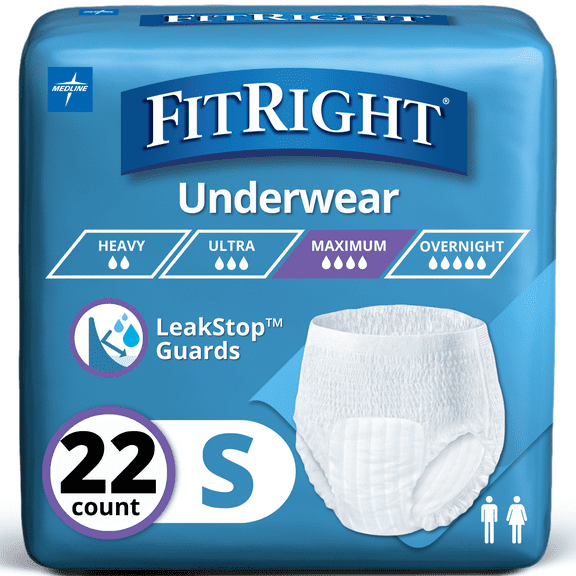
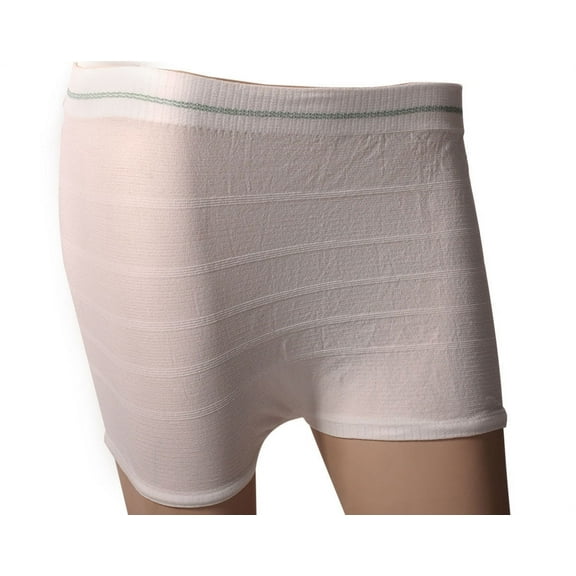
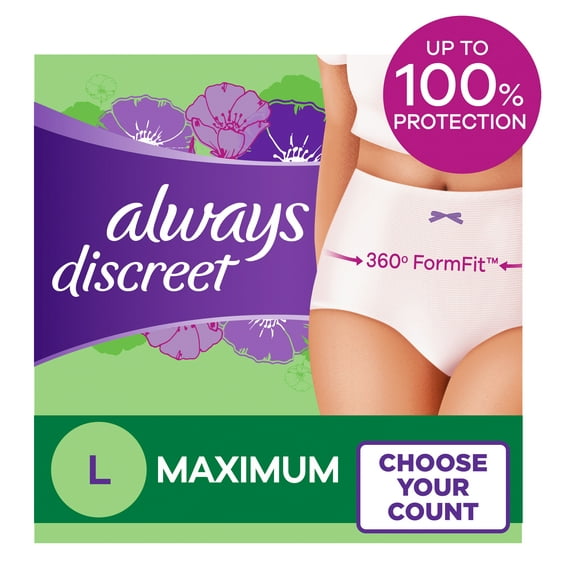
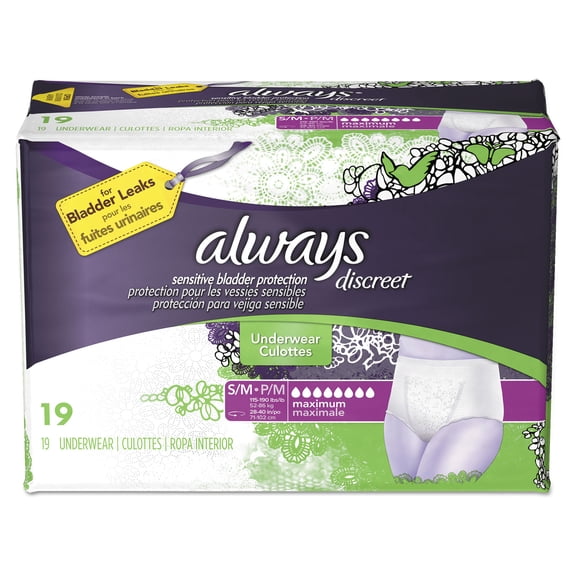
You may prefer adult incontinence underwear if you want a pull-on style that feels familiar. Your dressing routine can stay simple because you step in and pull it up like regular underwear.
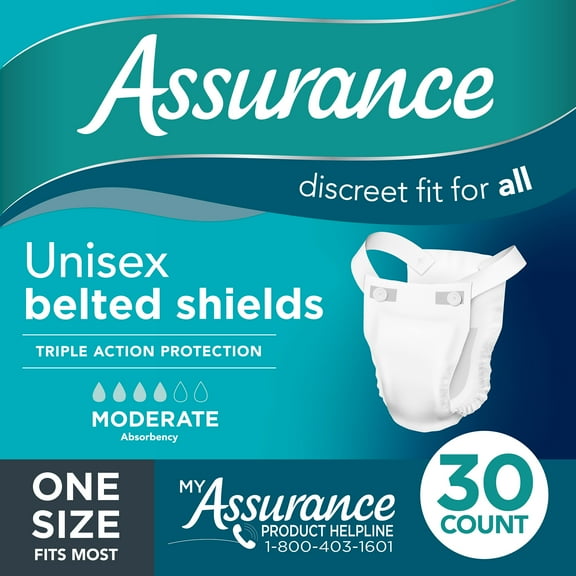
You should consider briefs with tabs when changing position or mobility affects your routine. Your caregiver may also find tab closures easier to adjust without a full clothing change.
When you compare protective underwear with tab styles, you’ll want to think about discretion under clothing. Your pants or lounge wear may look smoother with a fabric-like pull-up silhouette.
You can use bladder control products in different ways depending on the time of day. Your daytime setup may focus on a slimmer profile, while your nighttime setup may need fuller side and back coverage.
Checking absorbency levels and overnight coverage
You should treat absorbency level as a decision point, not a small detail. Your comfort and confidence often depend on choosing enough capacity for your routine.
Some packages may list ounces or milliliter capacity along with plain-language labels. You can use those numbers as a comparison tool when your needs sit between moderate and heavy coverage.
You may want light absorbency for occasional leaks during short outings. Your schedule may call for moderate or heavy protection when you’ll be away from a restroom longer.
For sleep, you should look for overnight options with extra back coverage and longer length. Your bedding and sleepwear may stay cleaner when the design matches time spent lying down.
Finding the right size and fit
You should check your waist and hip measurements before choosing any size range. Your fit can affect comfort, coverage, and how securely the product stays in place.
When you compare small and medium, large, XL, or XXL, you’ll want to use the package chart instead of your usual clothing size. Your measurements give you a more accurate starting point.
You can also compare men's, women's, and unisex fits based on cut and coverage placement. Your body shape may feel more comfortable in a style designed for your preferred fit profile.
If you’re choosing men's incontinence underwear or a unisex pull-up, you should check leg openings and waistband stretch. Your product may feel less noticeable when the fit is snug without feeling restrictive.
Using underpads and building a daily routine
You can add underpads when you want an extra layer for beds, chairs, or car seats. Your setup may feel more complete when surface protection supports your wearable product.
Many shoppers combine underpads with pads, liners, or underwear for different parts of the day. Your morning routine may call for a slimmer product, while your evening routine may include more absorbent coverage.
You may also keep different product types on hand for workdays, travel, and bedtime. Your routine often runs smoother when you match product design to activity level and changing needs.
With the right incontinence selection, you can focus on fit, absorbency, and discretion instead of trial and error. Your everyday routine becomes easier when each product type matches how you move, dress, and rest.