


Find auto parts that fit
Let’s search for parts that fit your vehicle.Ignition Modules in Ignition System Parts








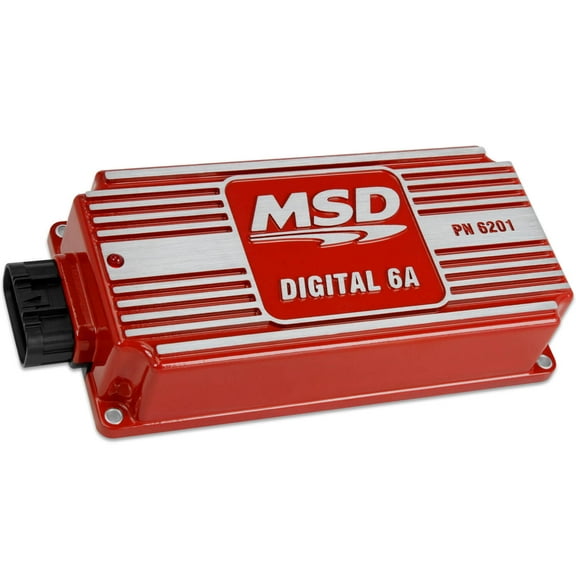
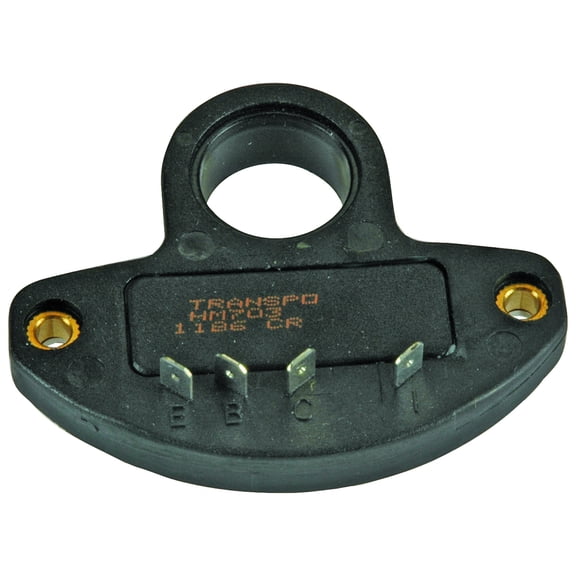
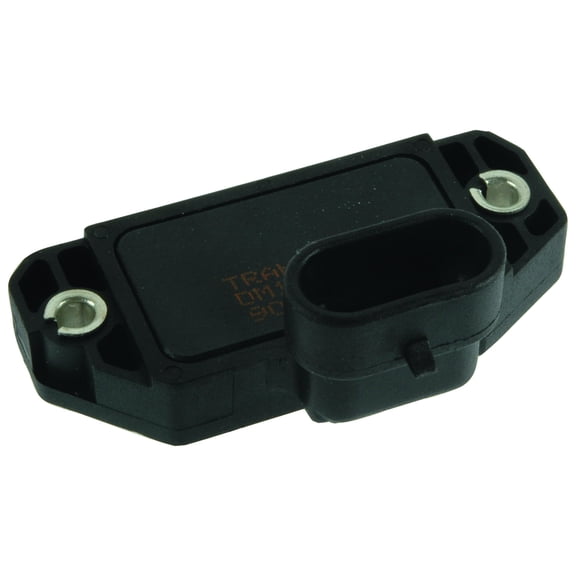
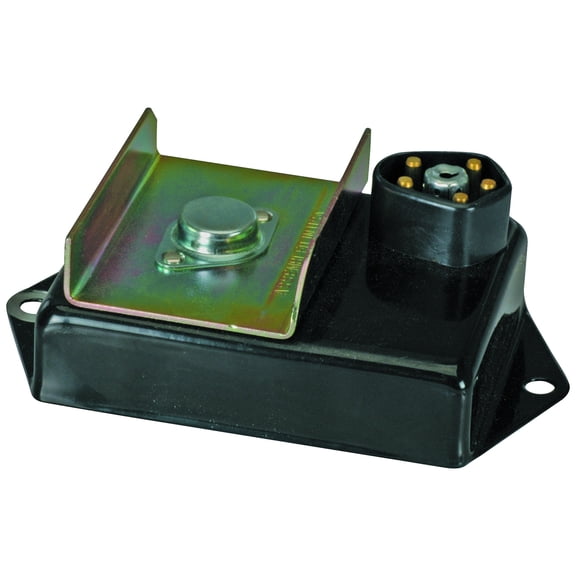
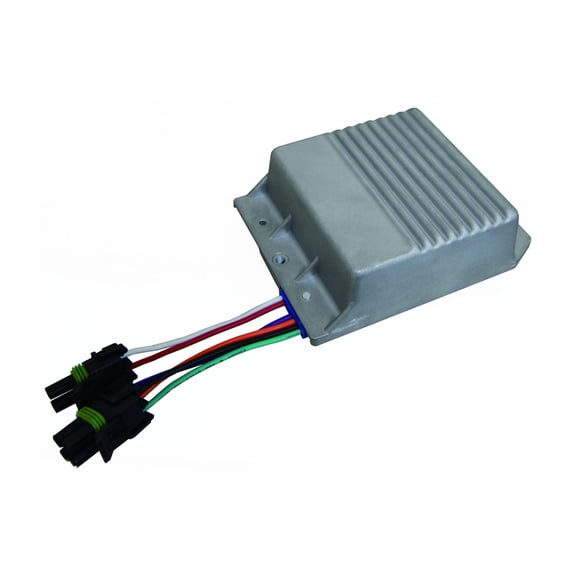


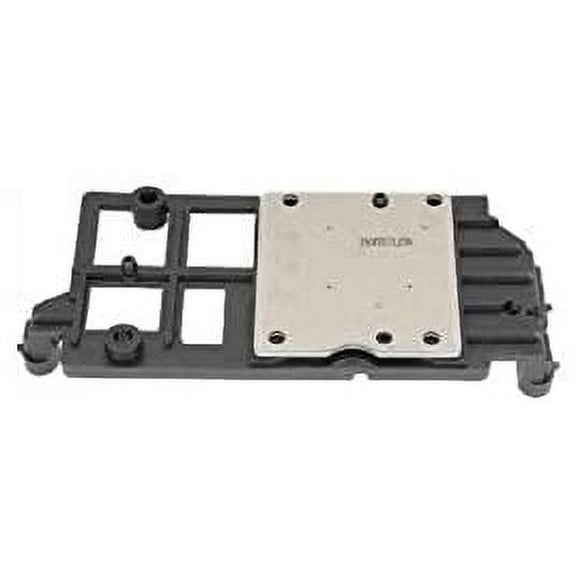

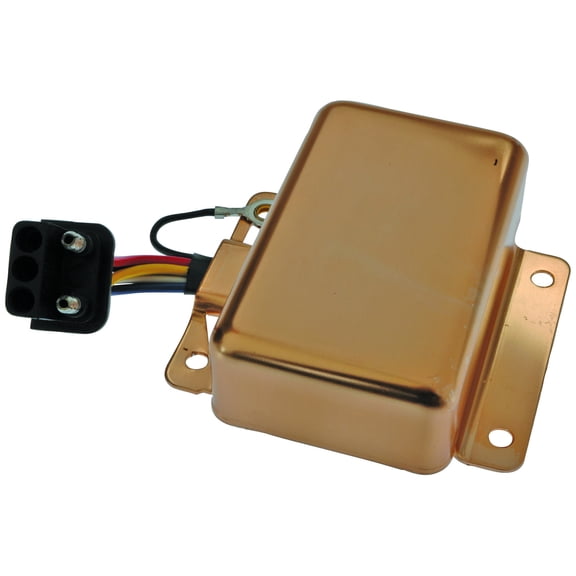

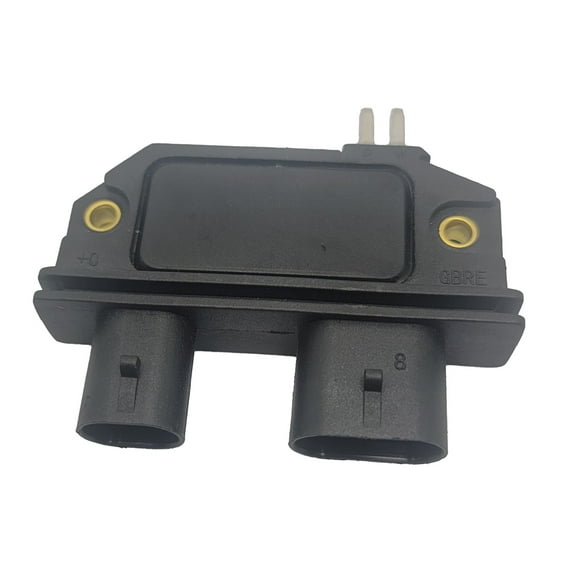





About Ignition Modules in Ignition System Parts - Walmart.com
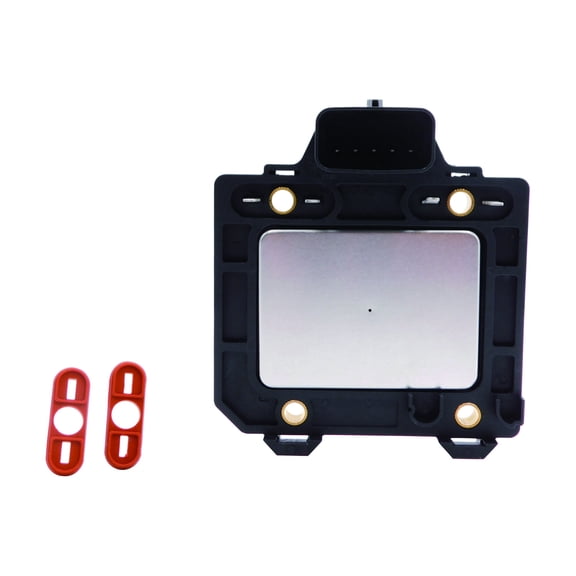
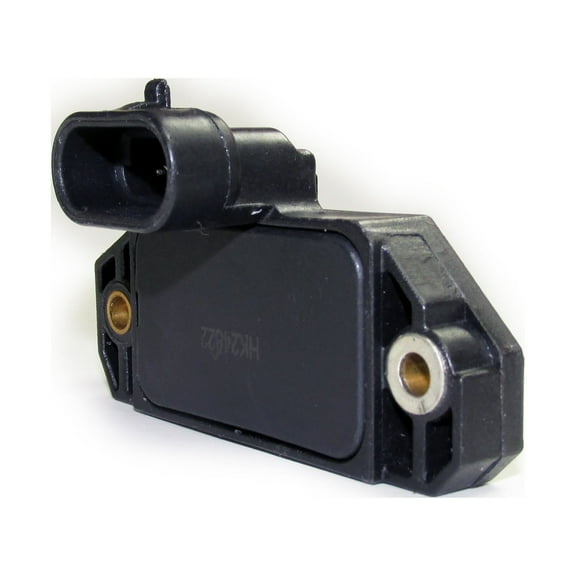
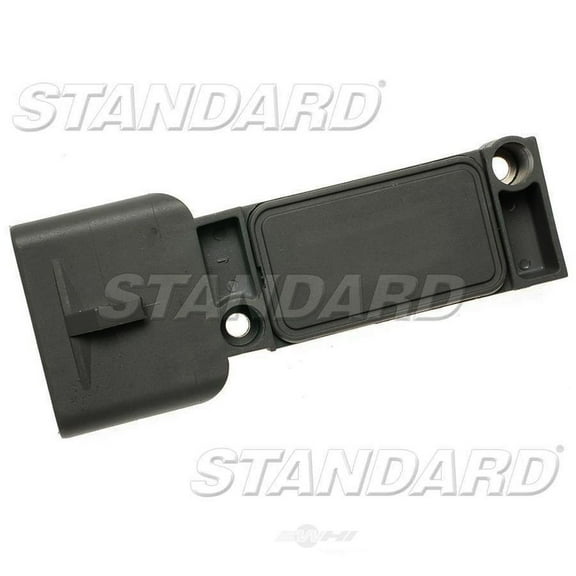
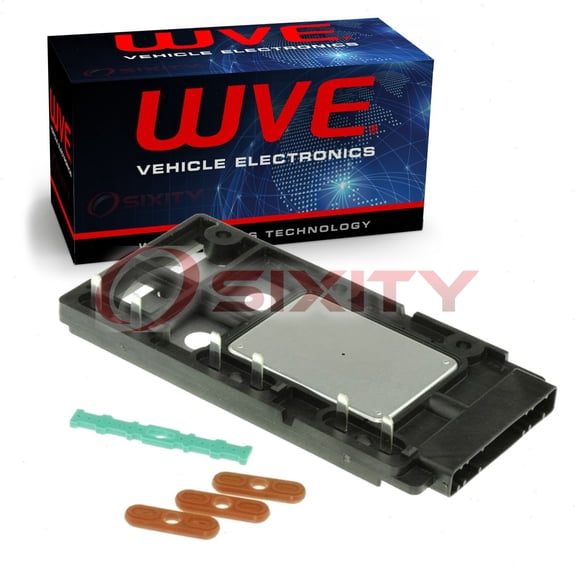
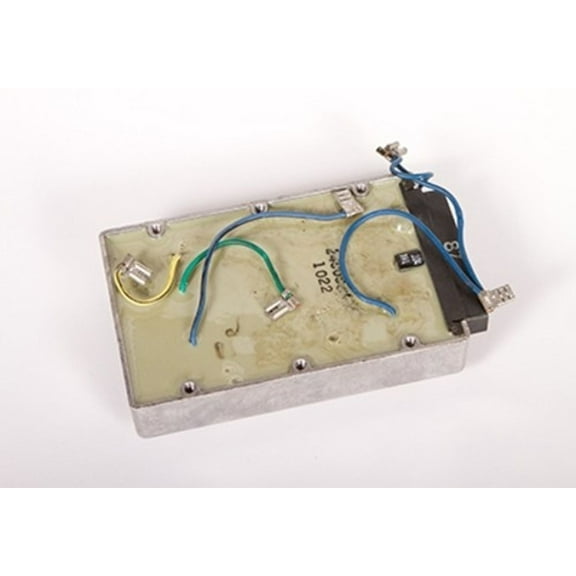
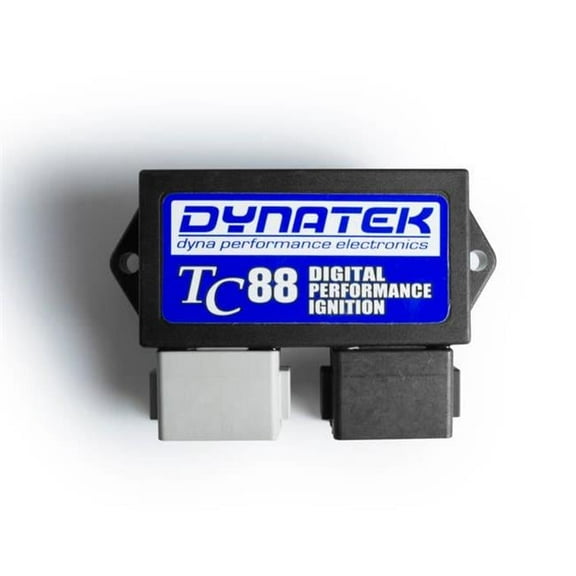
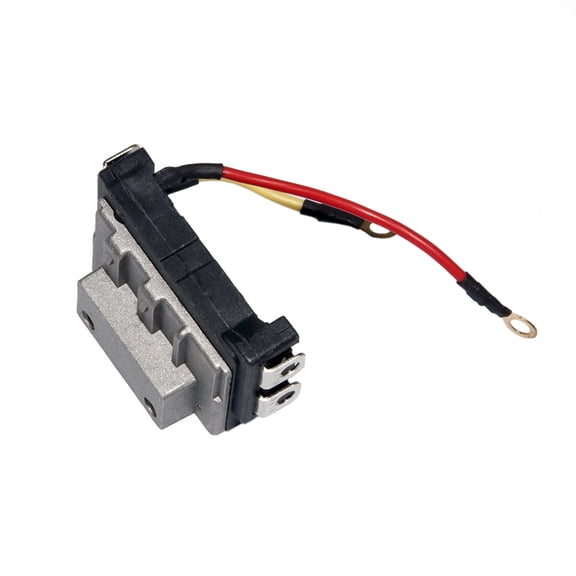
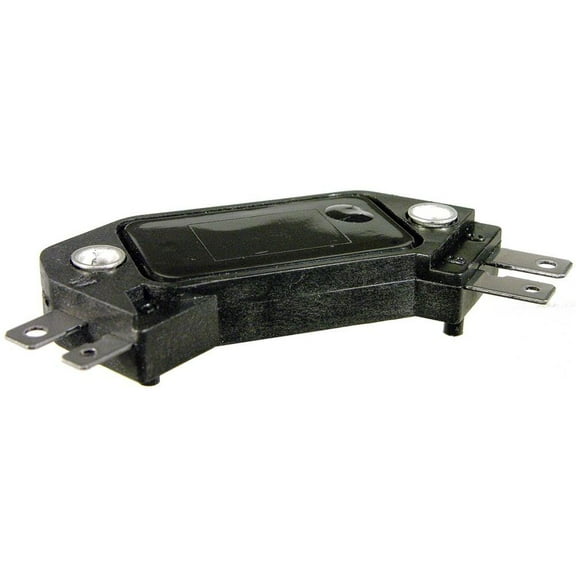
Ignition modules help you match your repair to your vehicle, wiring layout, and ignition system. You can compare fitment, pin count, and heat-handling details before you choose.
How to choose ignition modules for your vehicle
When you compare ignition modules, you should start with your vehicle’s year, make, model, and engine size. You can avoid wiring conflicts and connector mismatches when you verify fitment first.
If you’re replacing an ignition control module, you should also compare the original part number and plug shape. You can confirm whether your setup uses a distributor, coil pack, or electronic control unit.
Many shoppers compare Ford, Chevy, Honda, and Toyota applications on the same page. You should check engine family notes, because trim changes and engine updates can affect compatibility.
Before you move forward, you should measure the mounting area and inspect your current connector. You can compare photos and fitment notes to support an accurate replacement choice.
What to look for in an ignition control module
An ignition control module helps your system trigger spark at the right time. You’ll notice this matters when you’re replacing a worn unit in a distributor or related ignition setup.
You can use the right replacement ignition module to restore clean connections and proper signal handling. You’ll simplify installation planning when you match the connector style before ordering.
- You can compare fitment details before purchase, which helps you select the correct application.
- You can match the terminal layout to your existing harness, which supports a smoother installation.
- You can choose a housing material that fits your driving conditions and mounting location.
- You can look for thermal grease inclusion, which helps move heat away from the mounting surface.
If you’re shopping for an electronic ignition module, you should verify your distributor or control setup first. You can compare standard electronic and distributorless systems before choosing a part.
Choosing the right electronic ignition module features
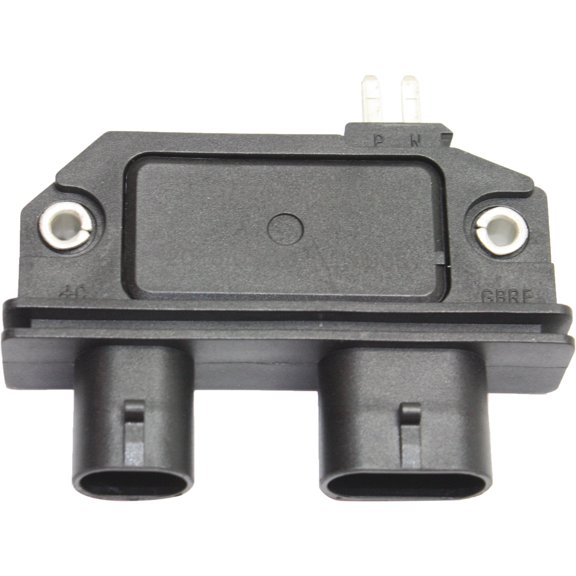
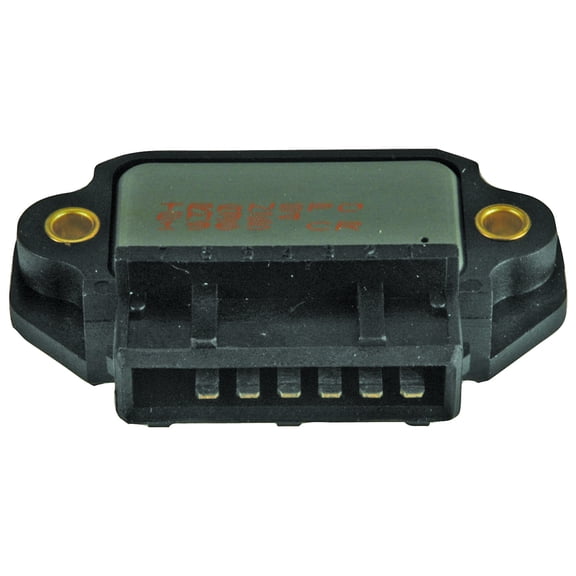
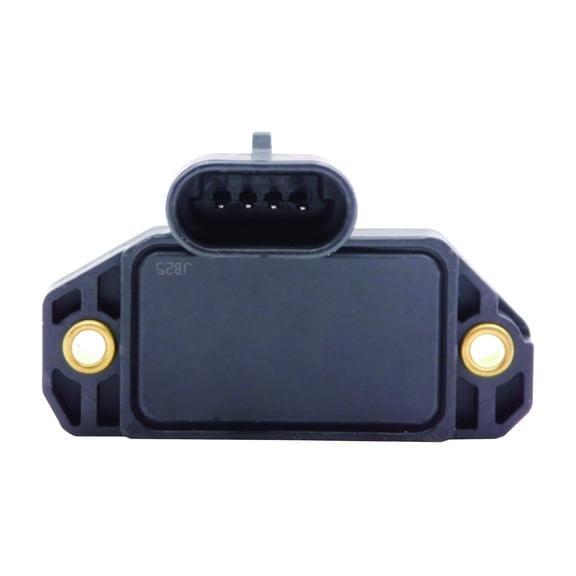
You should compare terminal pin count right after fitment. A 4 pin ignition module won’t match every harness, and you may also need six-pin, seven-pin, or eight-pin layouts.
When you check pin count, you should compare the exact plug layout instead of the label alone. You’ll reduce guesswork when you match the original connector pattern and mounting points.
System type is another key decision. You should look for HEI, DIS, or standard electronic compatibility, because each setup uses different trigger and control arrangements.
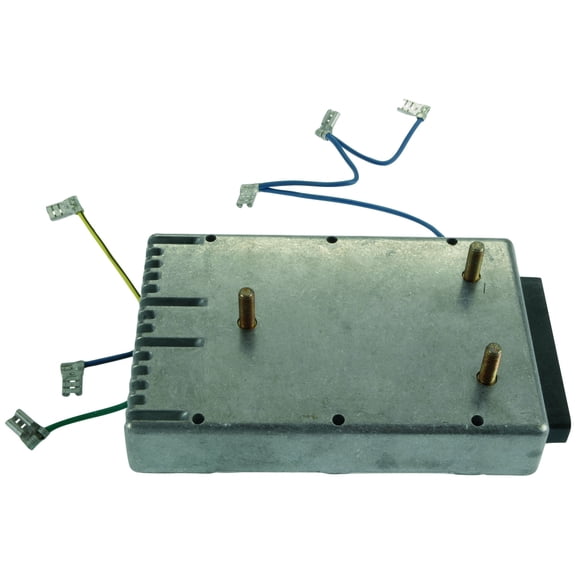
Housing material also affects how you evaluate options. You may prefer thermoplastic for lightweight assemblies, cast aluminum for heat transfer, or heavy-duty composite for demanding mounting areas.
Thermal grease is a small detail that deserves your attention. You should check whether it’s included, because it helps transfer heat from the module to the mounting surface.
If you’re reviewing an ignition control module for a daily driver, you should compare connection style and mounting base together. You’ll get a clear picture of what fits your existing bracket.
Matching ignition modules to repair scenarios
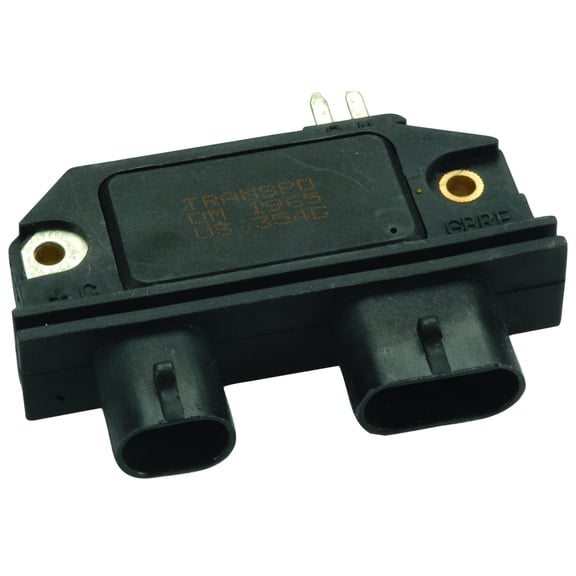
If your project involves an older distributor setup, you may be searching for an electronic ignition module with a specific pin layout. You should compare four-pin and HEI styles carefully before you replace anything.
For a Chevy application, you may focus on distributor-based systems and connector position. You should confirm the module style and mounting plate, especially when your engine uses HEI components.
If you’re working on a Ford, Honda, or Toyota application, you may need to verify a distributorless or standard electronic setup. You should compare year-specific notes, because connectors can change across generations.
You may also shop this category when you’re replacing a module during a tune-up. You should compare related parts like ignition coils, spark plugs, and distributors to keep your repair plan organized.
When you’re handling a garage project, you should inspect the old unit’s terminals and base shape first. You can then compare photos, descriptions, and compatibility notes with more confidence.
If you’re choosing between multiple ignition modules, you should prioritize exact fitment over general similarity. You’ll make an accurate selection when the pin count, system type, and mounting surface all align.
What to look for before installation
You should review whether your replacement includes hardware, grease, or installation notes. You can avoid delays when you confirm those details before your part arrives.
Before installation, you should clean the mounting surface and compare the old and new connectors side by side. You’ll experience a smoother process when the module sits flush and the harness matches cleanly.
You should also check whether your repair calls for a specific ignition control module or a broader electronic ignition module design. You can narrow the list quickly when you use both fitment and connector details.
With ignition modules, you’ll get high confidence from a part that matches your vehicle, wiring, and ignition system exactly. You can move forward with a clear repair plan and a precise fit.
Popular in Ignition Modules in Ignition System Parts - Walmart.com
- Automotive Replacement Ignition Distributors Parts
- Flame Ignition Engine
- Chevrolet Spark Voltage Regulator
- Liberty Transmission 5 Speed
- Car Flame Thrower
- True Tech Ignition
- Zenoah Engine
- Pertronix Ignition Additional Auto Replacement Parts
- Chevrolet Spark Carburetor Repair Kit
- International 1210 Ignition Contact Set
- Mercedes-benz Cl Ignition Control Module