


Find auto parts that fit
Let’s search for parts that fit your vehicle.
Hurst Manual Transmission Parts and Accessories





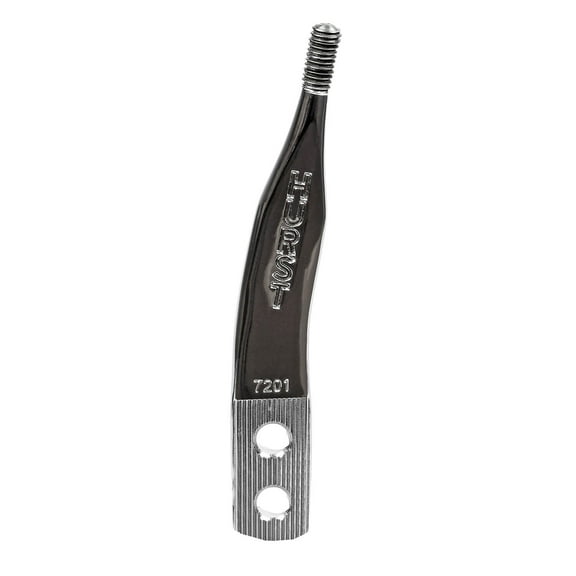
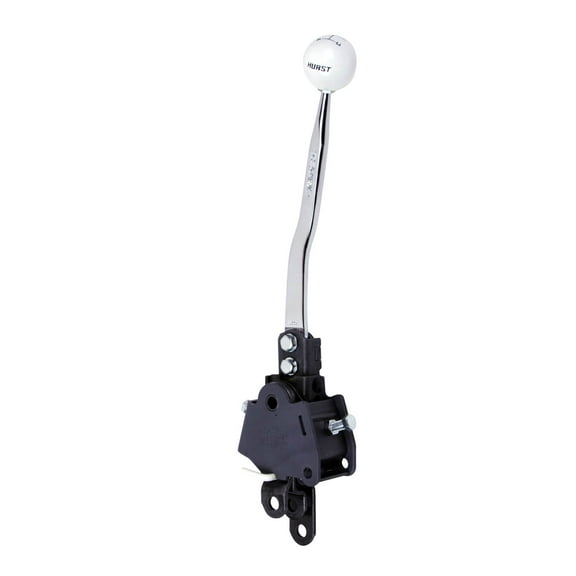
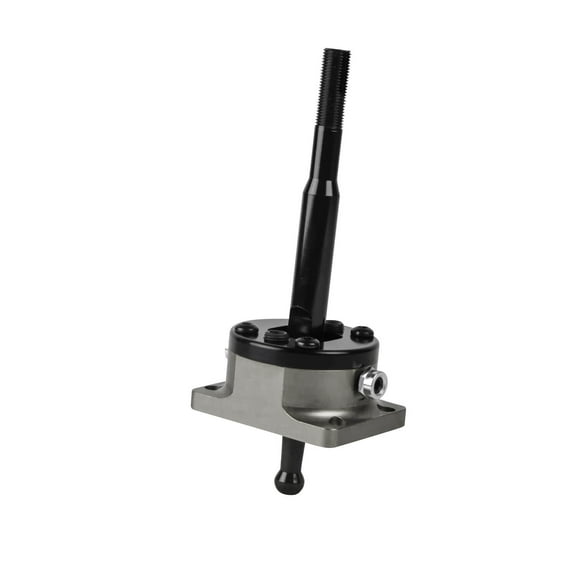

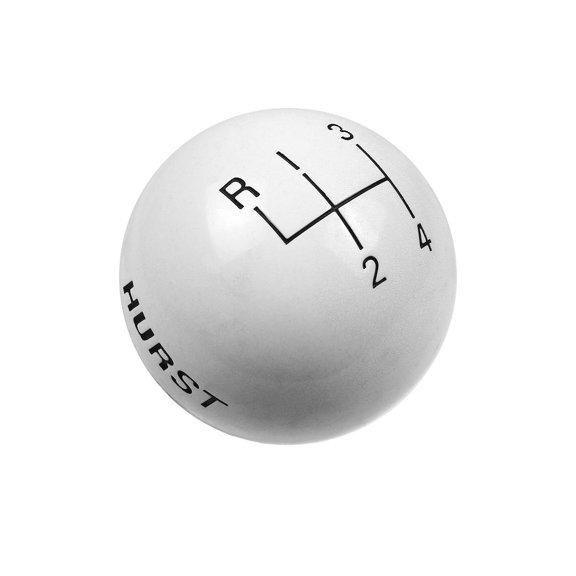





About Hurst Manual Transmission Parts and Accessories - Walmart.com
Hurst shifters give your build a classic performance feel while helping you choose parts that match your transmission, fitment, and driving style. You can use this guide to compare component types, understand installation needs, and narrow down the right setup for your car or truck.
How to choose Hurst shifters by component type
When you compare Hurst performance parts, you'll want to start with the component type you actually need. You may be replacing a full shifter, updating your grip, correcting linkage, or pairing your setup with a transmission pan.
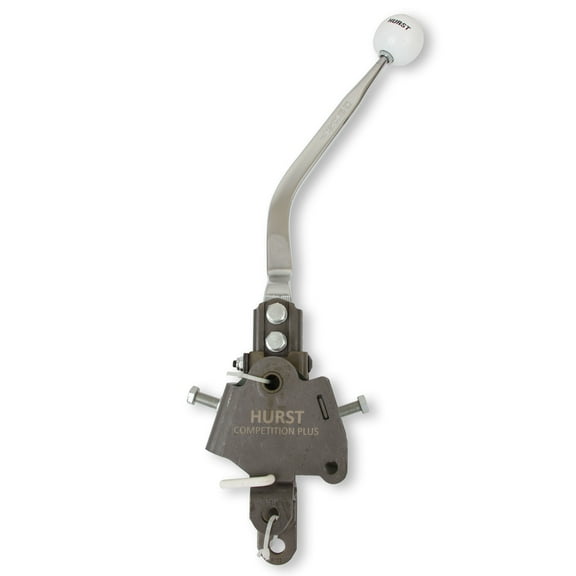
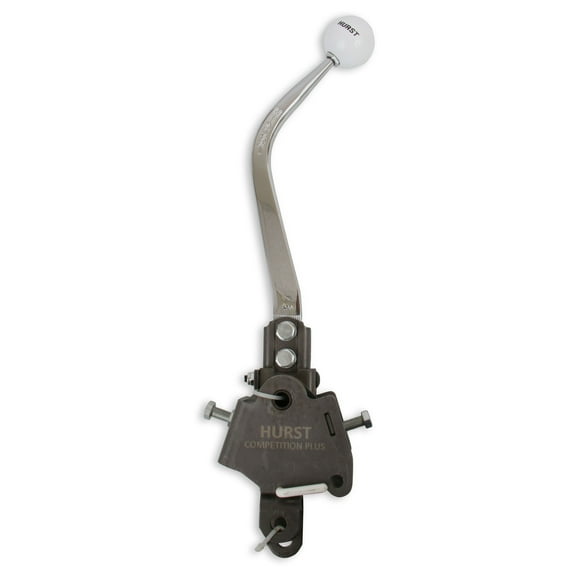
A full shifter assembly can change how your gear changes feel at the handle and at the transmission. A shift knob lets you update hand feel and style without changing the whole mechanism.
Linkage kits matter when you need the shifter and transmission to work together with the correct motion. Transmission pans fit a different need, because you may want a matching upgrade within your transmission setup.
- You can choose a full shifter when your current unit feels loose or outdated.
- You can choose shift knobs when your focus is grip, style, or a period-correct interior look.
- You can choose linkage kits when your setup needs the right rod length and connection points.
- You can compare transmission pans when your build includes broader transmission upgrades.
Choosing between Hurst manual shifters and automatic setups
Transmission type is your first major decision, because your shifter needs to match how your vehicle changes gears. You should check whether your build uses a manual or automatic transmission before comparing styles.
With Hurst manual shifters, you'll usually focus on shift pattern feel, handle position, and transmission linkage alignment. You may also compare throw feel and whether the shifter matches your console layout.
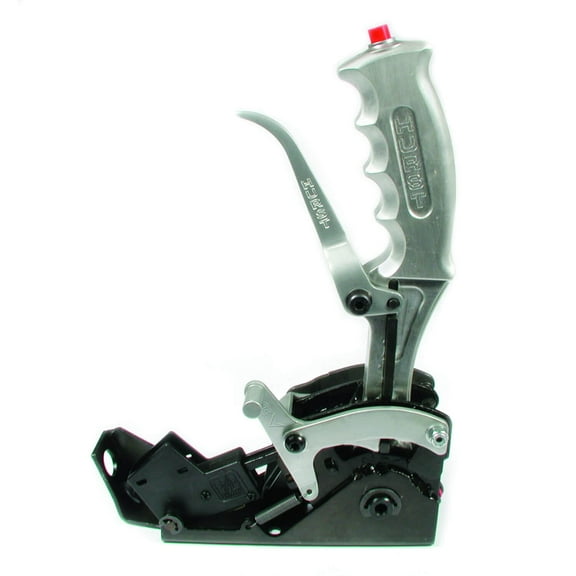
With automatic setups, you may look for gate or ratchet style operation depending on how controlled you want each shift to feel. You should confirm that your automatic shifter works with your transmission type and mounting space.
Gate style designs can help you move through gear positions in a defined path. Ratchet style designs can suit builds where you want one gear change at a time with a mechanical feel.
You should also check whether your installation needs extra brackets, linkage pieces, or hardware. That step can help you avoid mismatched parts when you upgrade your transmission controls.
What to look for in vehicle fitment and linkage
Vehicle fitment shapes nearly every shifter decision, especially when you compare classic muscle cars, modern trucks, and universal fit options. You should measure your space before choosing a setup with a specific handle height or base shape.
Classic muscle cars often need attention to console clearance and factory-style placement. You may want classic Hurst shifters that match the era of your interior and the layout around the transmission tunnel.
Modern trucks can call for a different approach because cabin space, seat position, and floor shape can change handle comfort. You should compare mounting dimensions so your shifter works cleanly within your cab.
Universal fit options give you flexibility, but you'll still need to verify the details. You should check linkage rod length, mounting points, and handle clearance before you finalize your choice.
Hurst transmission linkage matters because small fitment differences can affect how your shifter connects and moves. You can avoid guesswork when you compare rod length and hardware requirements against your vehicle setup.
Comparing Hurst shifter knobs and handle styles
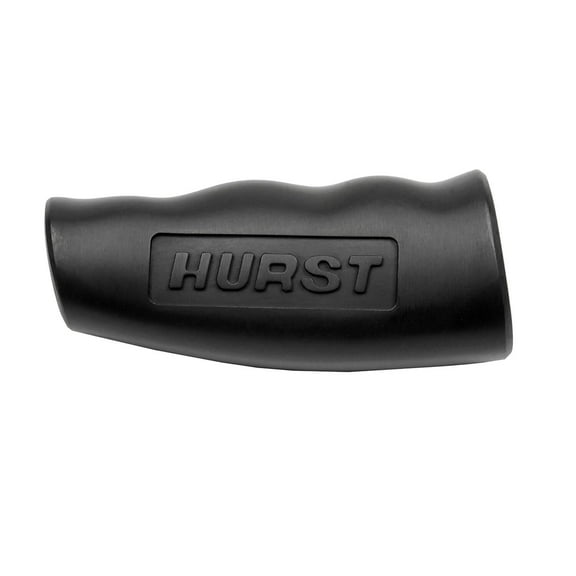
Shifter style changes how your interior looks and how your hand meets the handle during every shift. You may prefer a pistol grip, round ball, or t-handle based on comfort, reach, and period style.
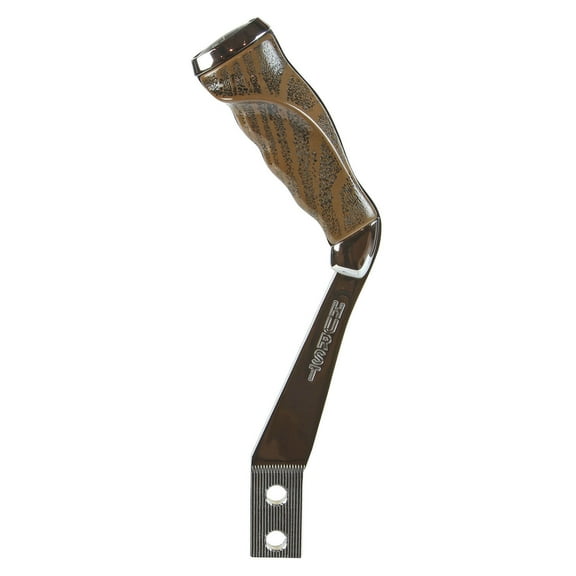
A pistol grip style can suit muscle car builds where you want a bold, driver-focused feel. You may like that shape when you want a more formed hand position during manual gear changes.
A round ball style supports a classic look that many restoration shoppers want in older interiors. You can use it when your goal is a familiar shape with a traditional appearance.
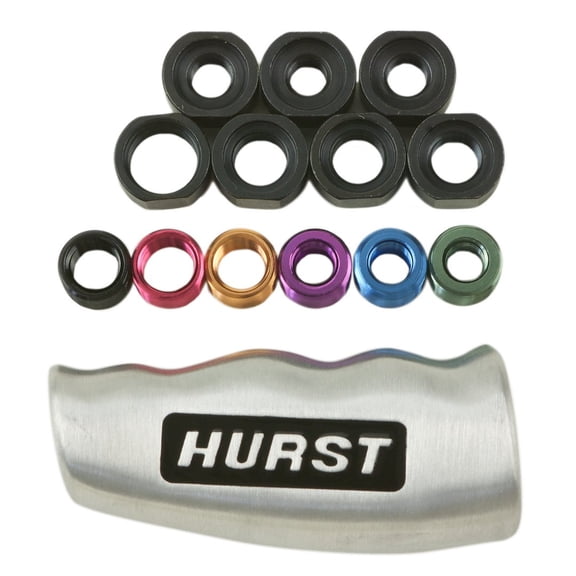
A t-handle can give you a different grip angle and a distinct cabin look. You should compare each style with your seating position so your shifts feel natural from first to last gear.
When you compare Hurst shifter knobs, you'll also want to think about thread fit and overall handle compatibility. You can narrow your options faster when you match the knob style to your current shifter design.
Using Hurst shifters for builds, restorations, and upgrades
You may be restoring a classic coupe, updating a street machine, or refining a truck interior with a more deliberate shift feel. Hurst shifters fit those goals when you match the component to your transmission type and cabin layout.
For a restoration, you may focus on classic styling cues like a white ball knob or pistol grip handle. You can preserve the era of your build while checking fitment details that matter under the console.
For a performance-minded project, you may want defined movement through the gears and a handle style that suits aggressive driving. You should compare manual and automatic designs based on how you want each shift to feel.
For a partial upgrade, you may only need a knob or linkage kit instead of a full assembly. You can make targeted changes when your current setup works in some areas but needs correction in others.
Installation planning matters for every project, because some builds need extra mounting hardware or adjustment parts. You should review hardware needs early so your Hurst shifters fit your vehicle and your upgrade plan.
By comparing Hurst shifters with attention to transmission type, fitment, and handle style, you can build a setup that feels right. You can end with a more precise connection between your hand, your transmission, and your driving experience.