




Hoverboards










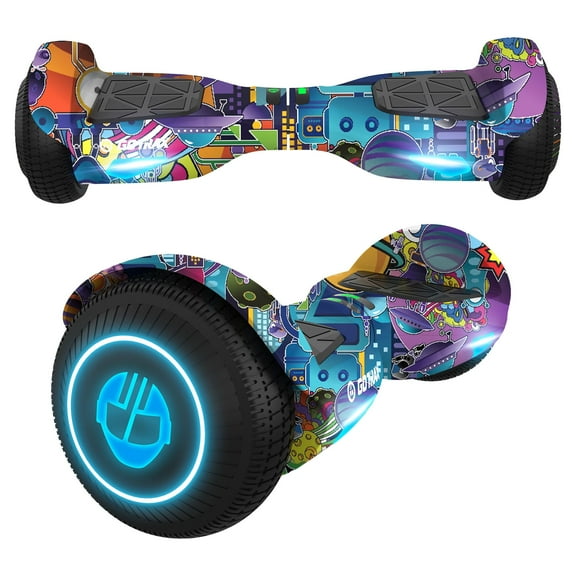


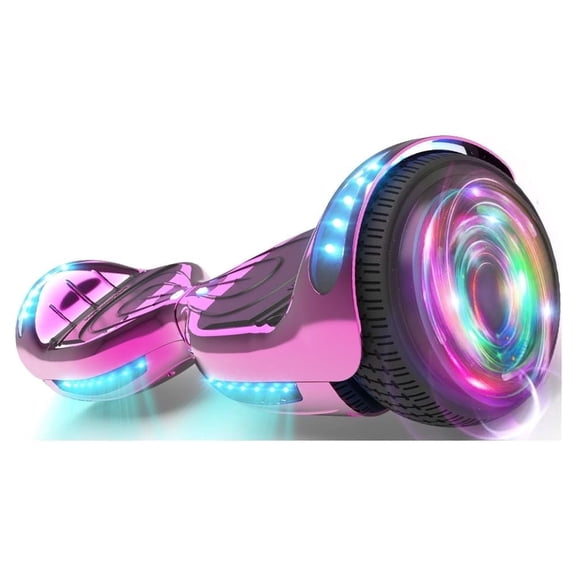


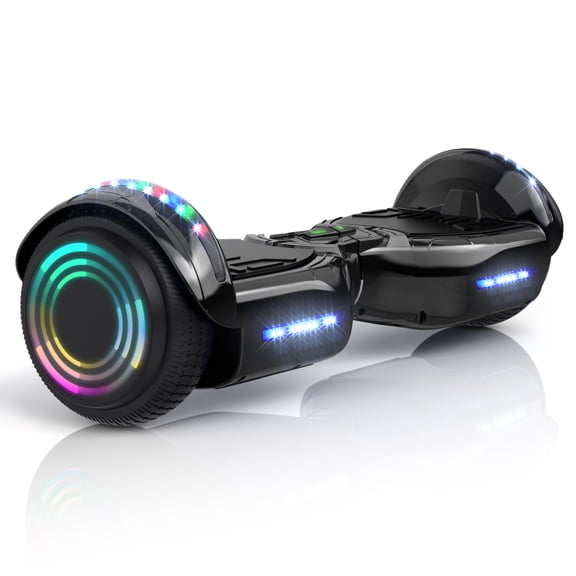


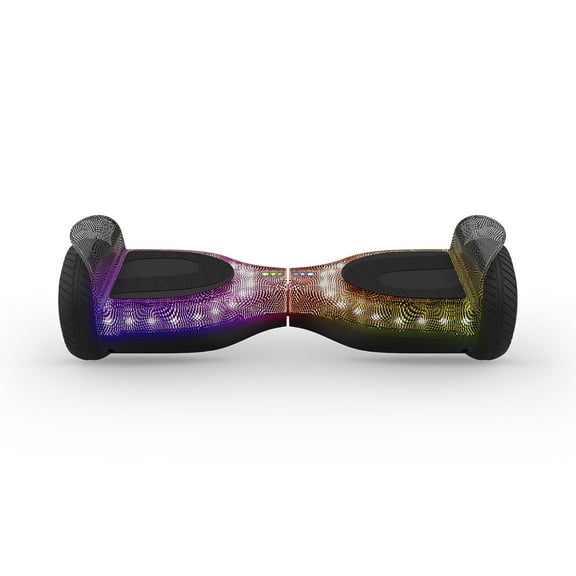



















About Hoverboards - Walmart.com
Hoverboards help you compare rider fit, terrain use, and tech features in one place. You’ll also find guidance on UL 2272 certification, wheel size, and battery basics for everyday rides.
How to choose hoverboards for your rider
When you compare hoverboards, you should start with rider age and weight capacity. You’ll want a model sized for kids, teens, or adults, because that fit affects balance, comfort, and control.
If you’re shopping hoverboards for kids, you should check the listed rider range before anything else. You’ll get a stable feel when your rider fits the intended size instead of stretching a smaller board.
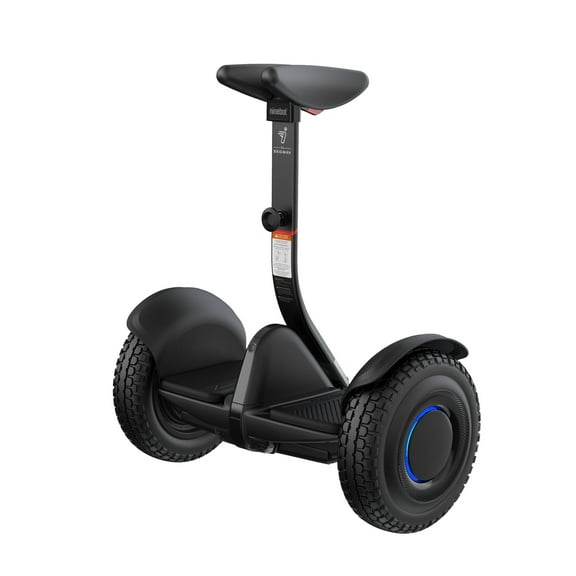
For teens and adults, you may want extra foot space and a strong frame feel. You should also compare handle-free balance style, because self balancing scooters respond differently depending on rider confidence.
- You should match the rider category to the listed weight capacity.
- You should check UL 2272 certification before comparing extra features.
- You should consider wheel size based on where your rider plans to roll.
- You should compare speed, range, and charging time for your routine.
What to look for in electric hoverboards
Electric hoverboards often vary significantly in speed, range, and charging time. You’ll want those details to match your ride length, because short driveway laps need different performance than longer neighborhood use.
If you’re choosing between up to six, nine, or 12 mph options, you should think about rider experience first. You’ll usually want a gentler pace for younger riders and responsive speed for older riders.
Range matters when you want fewer charging breaks during the day. You should compare how long a full charge lasts, and you should also check how long recharging typically takes.
UL 2272 certification is a key checkpoint when you compare models. You’ll know the electrical system meets a recognized safety standard, which gives you a clear way to narrow your options.
Choosing terrain type and wheel size
Terrain type changes how your ride feels, so you should compare pavement, street, and rougher ground separately. You’ll usually want a different setup for smooth sidewalks than for grass, gravel, or uneven paths.
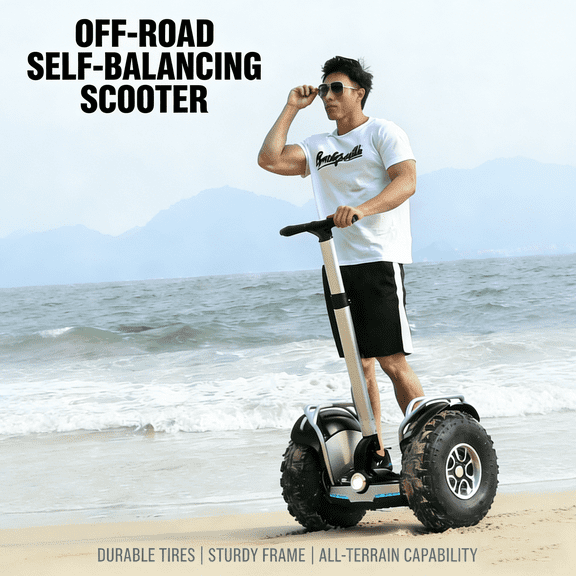
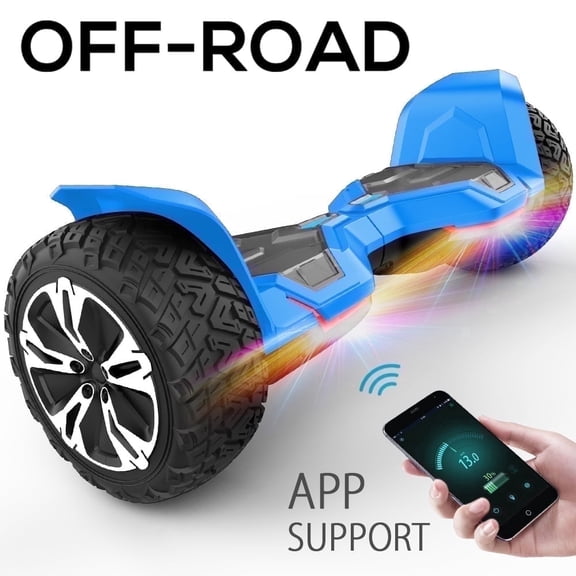
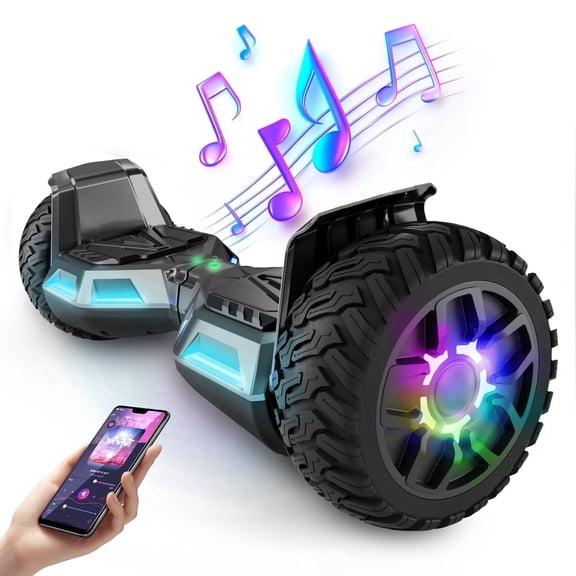
If you’re considering off road hoverboards or an all terrain hoverboard, you should look closely at wheel size. You’ll often find that 8 inch or 10 inch wheels handle bumps and mixed surfaces comfortably.
For smoother pavement and tighter indoor turns, you may prefer 6.5 inch wheels. You’ll likely notice quicker handling in smaller spaces, especially when your rider is still learning basic movement.
Street-focused models can work well for neighborhood laps, driveways, and other even surfaces. You should compare tread style and wheel diameter together, because that combination shapes how steady your ride feels.
Comparing connectivity and fun features
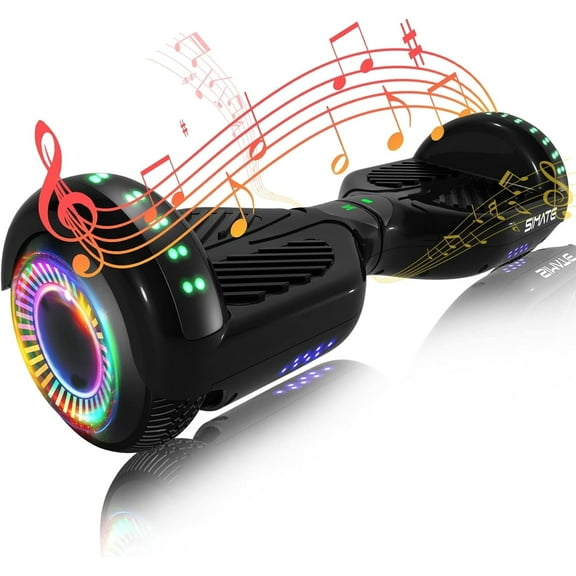
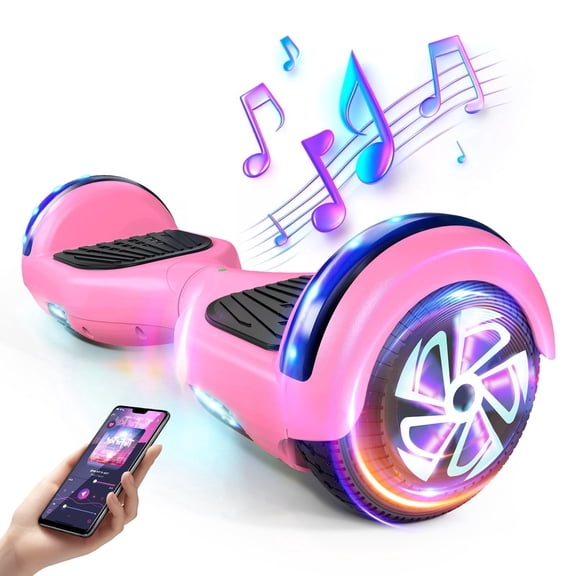
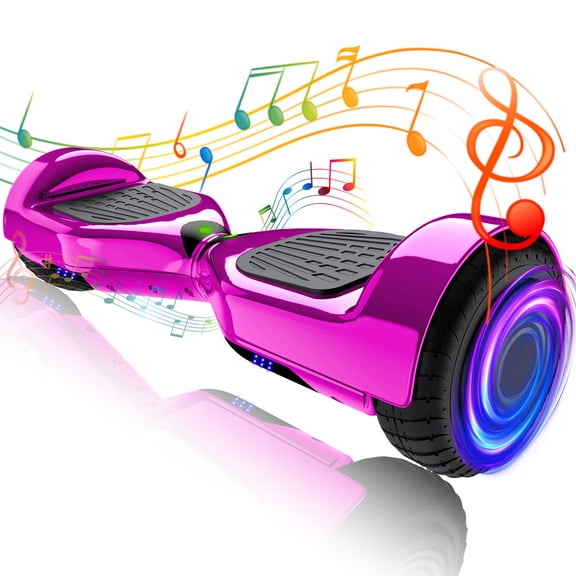
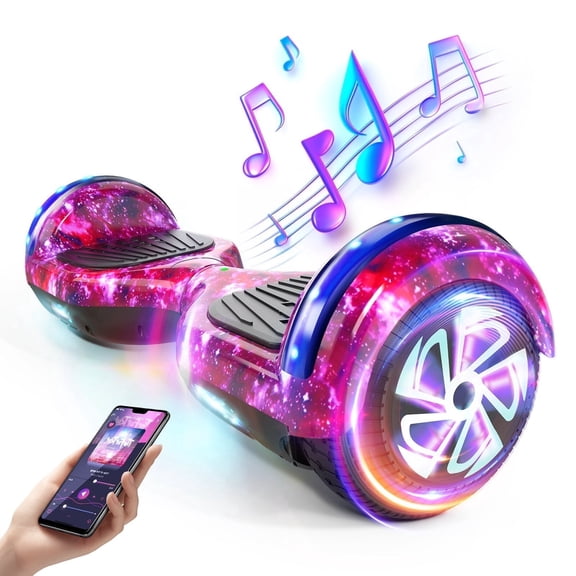
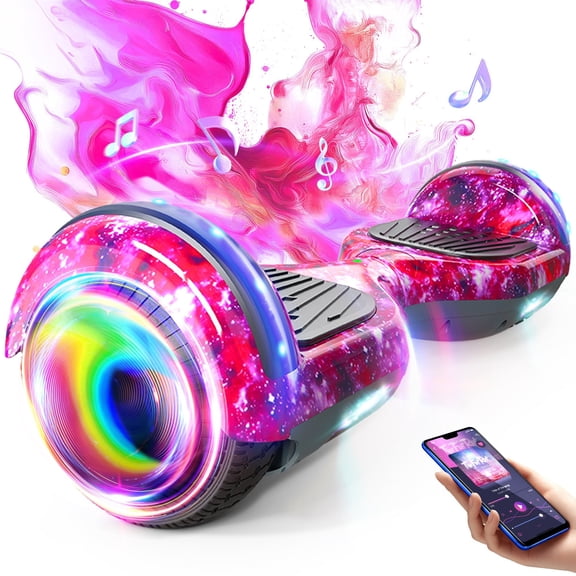
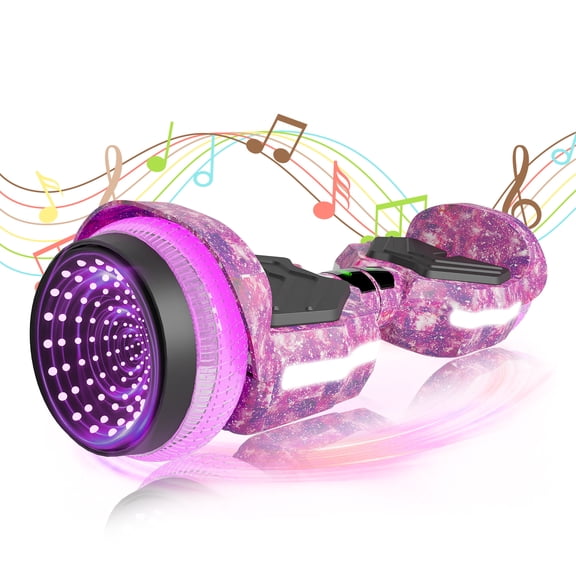
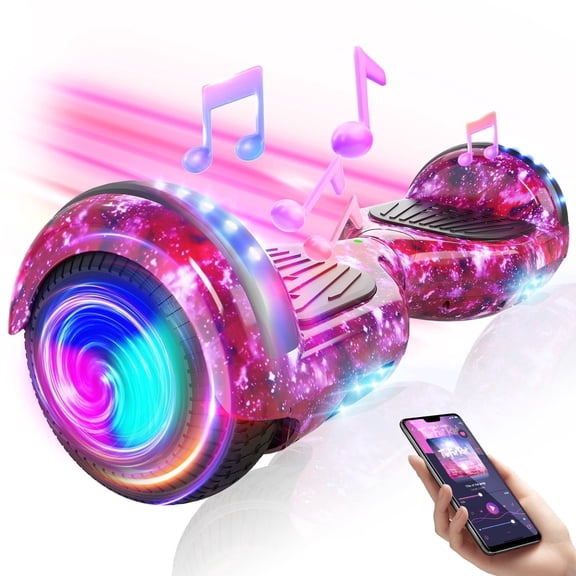
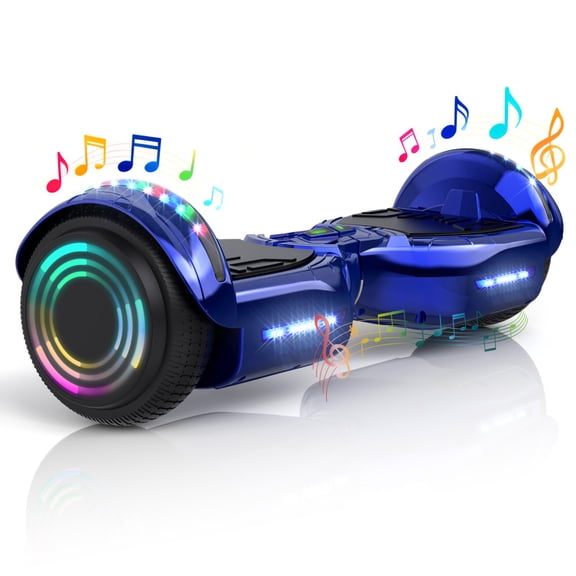
Connectivity features can make your ride feel more personal, and you should choose them based on how you plan to use the board. You’ll often see hoverboards with bluetooth, LED lights, and app-enabled controls.
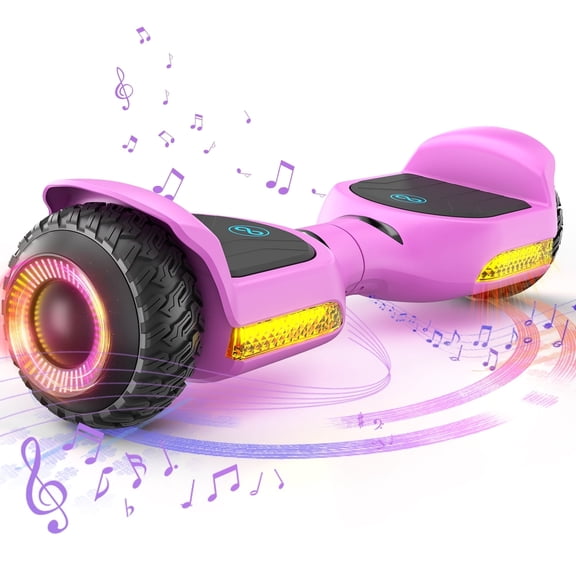
Bluetooth speakers can add music during casual rides, especially when you want an entertaining setup. You should confirm how those speakers connect, and you should keep battery use in mind.
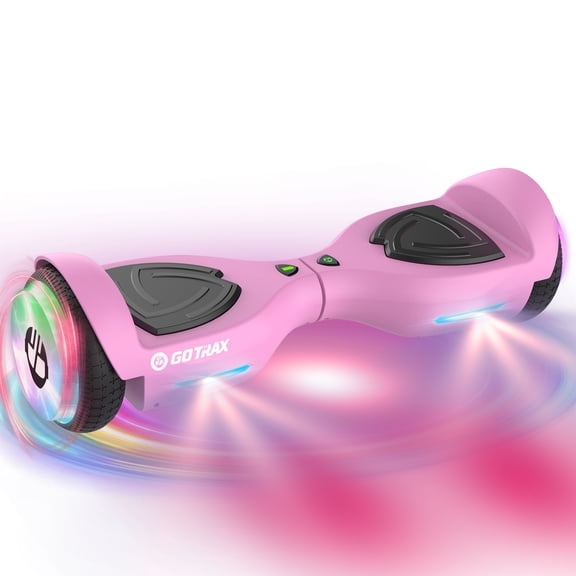
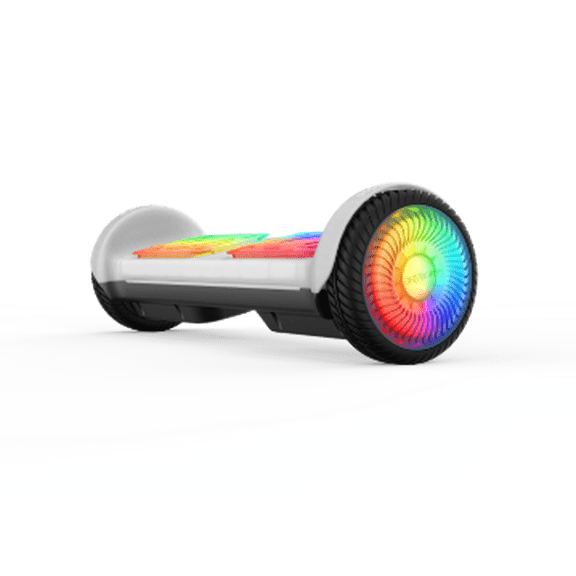
LED lights can help you track the board’s look and direction in lower light. You’ll also notice that light patterns often add style for kids and teens who want an expressive ride.
With app-enabled models, you may be able to check ride data or adjust settings. You should look for clear controls and simple pairing, so your setup stays easy from the first ride.
Using hoverboards for everyday riding
You can use hoverboards for driveway practice, neighborhood cruising, and short recreational trips around paved areas. You’ll want a board that matches your rider’s confidence, because comfort helps each session feel smoother.
If your rider is younger, you may focus on moderate speed, manageable size, and bright lights. You’ll often find that hoverboards for kids work well for learning turns, starts, and stops on even ground.
For teen riders, you might compare longer range and stronger terrain capability. You’ll get added flexibility when your board handles both street paths and occasional rough patches without feeling bulky.
Adults may prefer broader platforms, higher weight capacity, and practical battery performance for repeated use. You should also compare whether extra features, like speakers or app controls, matter for your routine.
When your route includes gravel, packed dirt, or uneven pavement, you should consider larger wheels and off-road styling. You’ll be well prepared for mixed surfaces when you choose a board designed for that use.
Hoverboard safety details worth checking
You should treat UL 2272 certification as a starting point, not a small extra. You’ll make an informed choice when you confirm the board’s electrical system meets that recognized standard.
Weight limits deserve close attention, because you want the board to match the actual rider. You should compare the listed capacity with your rider’s size, gear, and how your rider will use the board.
Battery details also shape daily convenience, especially when you plan several rides in one day. You’ll want a charging time and expected range that fit your schedule instead of interrupting it.
When you compare these decision points together, your shortlist becomes much clearer. You’ll end up with hoverboards that fit your rider, your terrain, and your preferred features for steady, enjoyable riding.