



Hiking Electronics in Hiking Gear


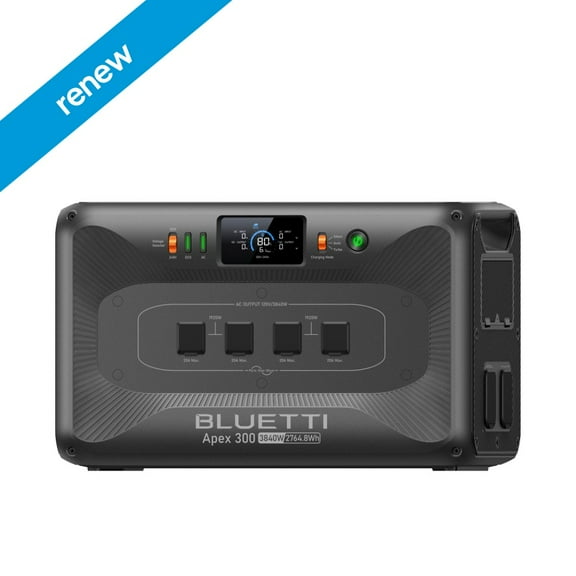
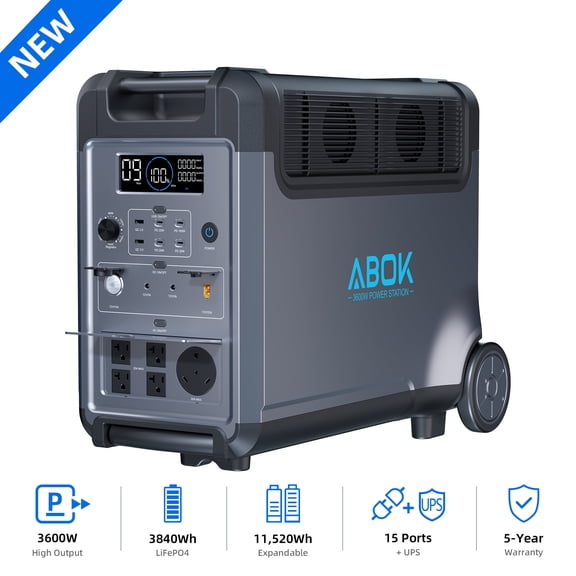
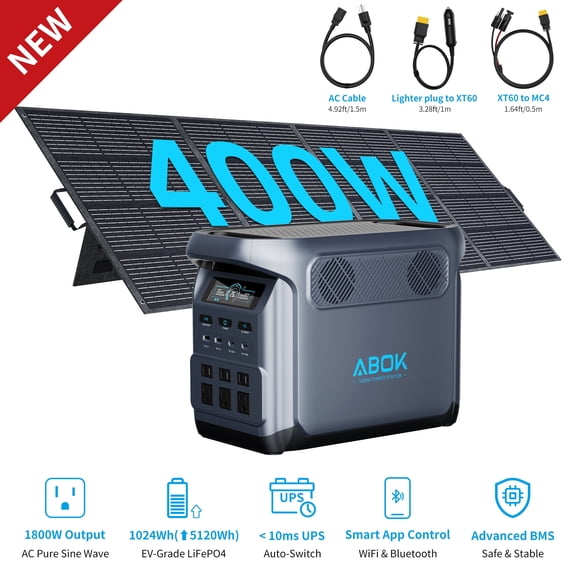

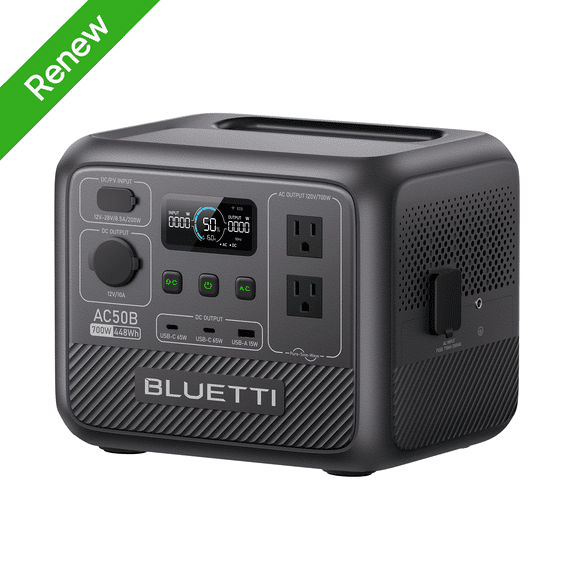

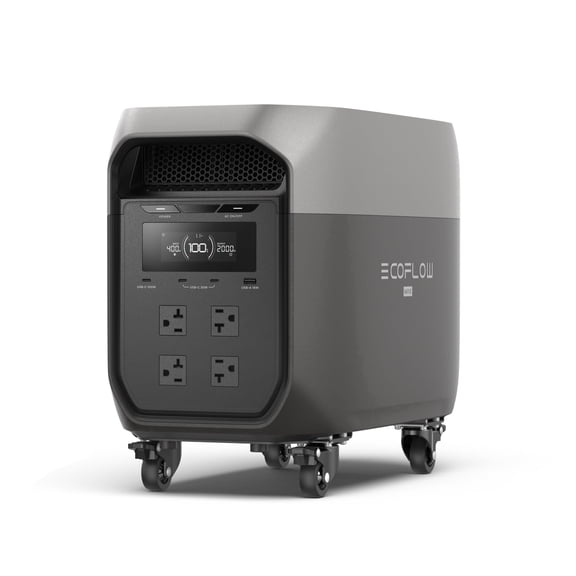

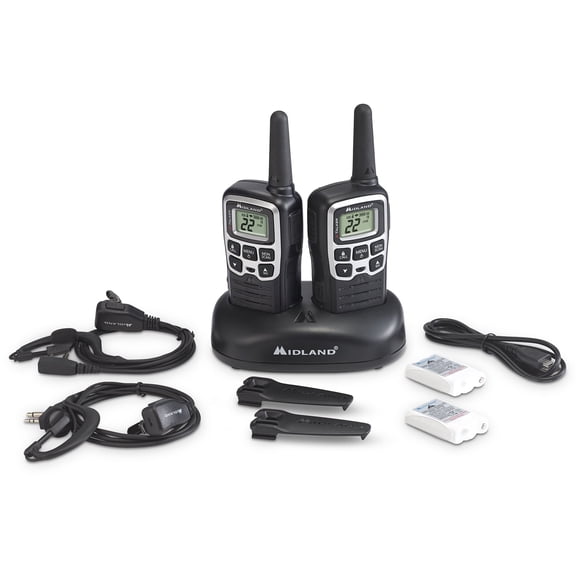
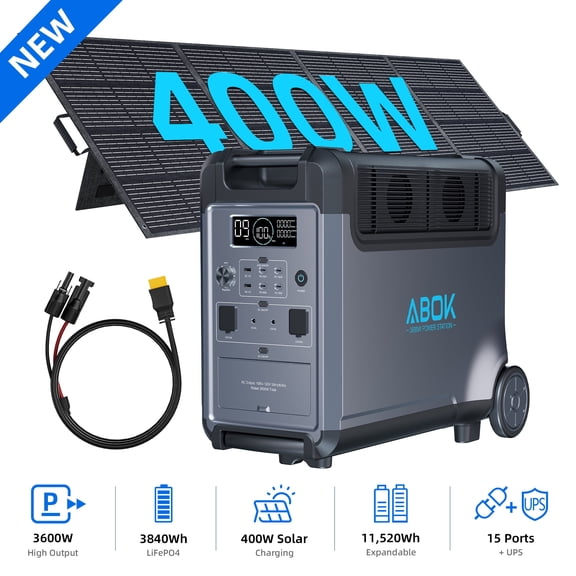
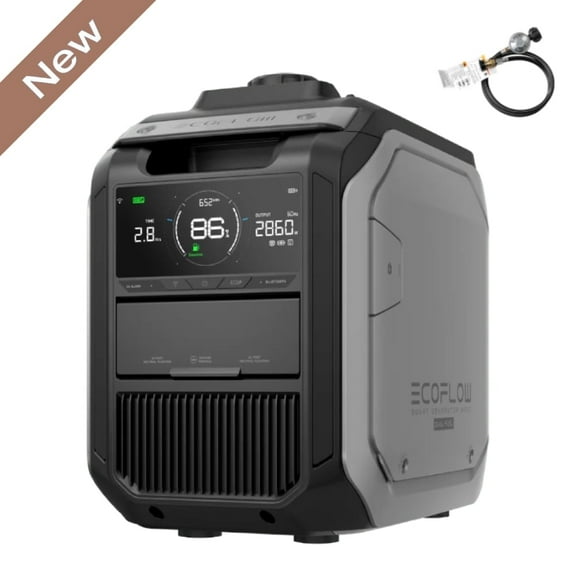



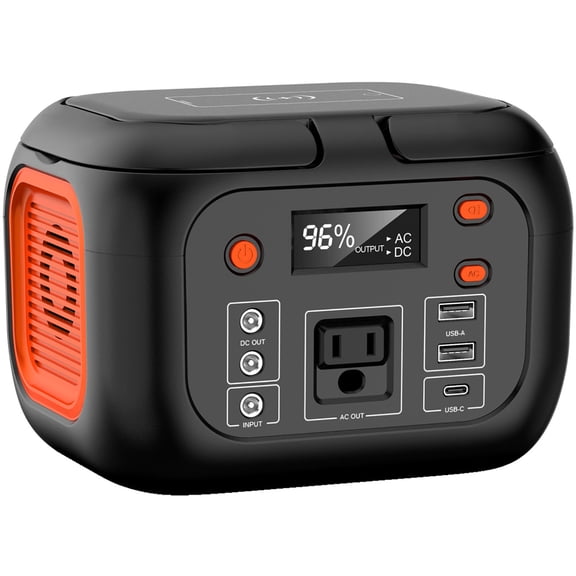


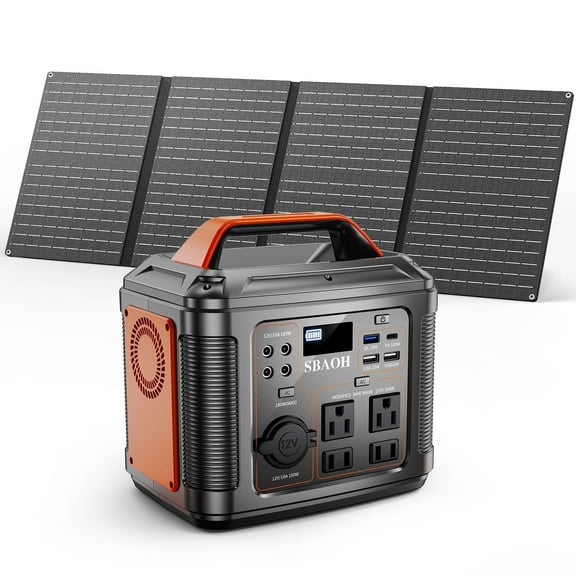


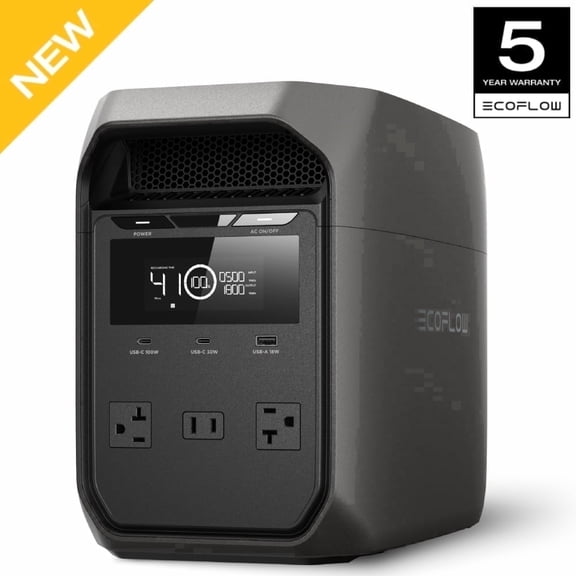

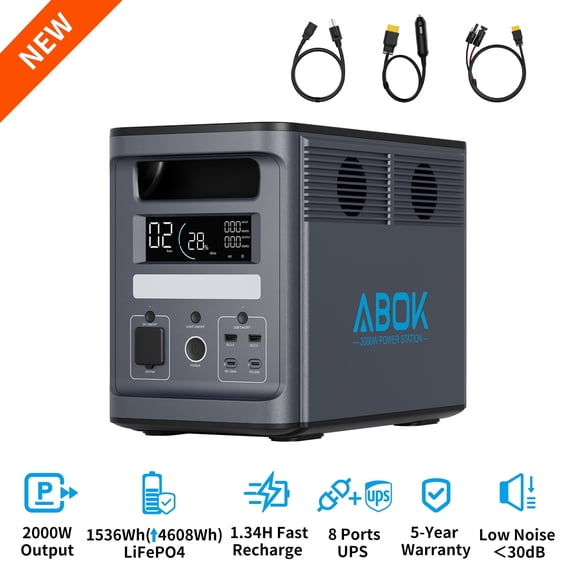
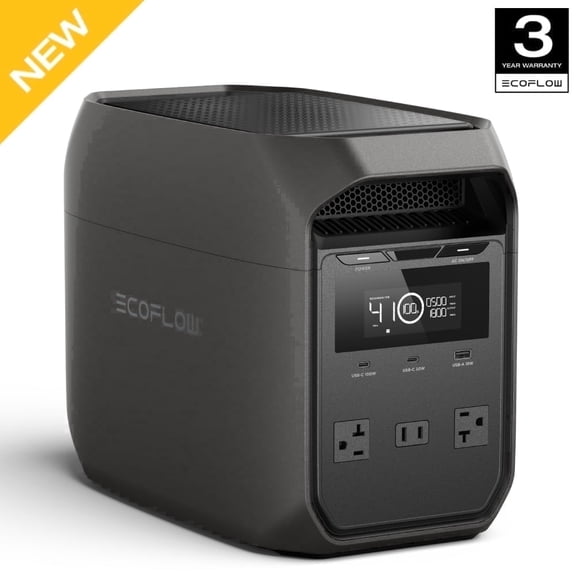


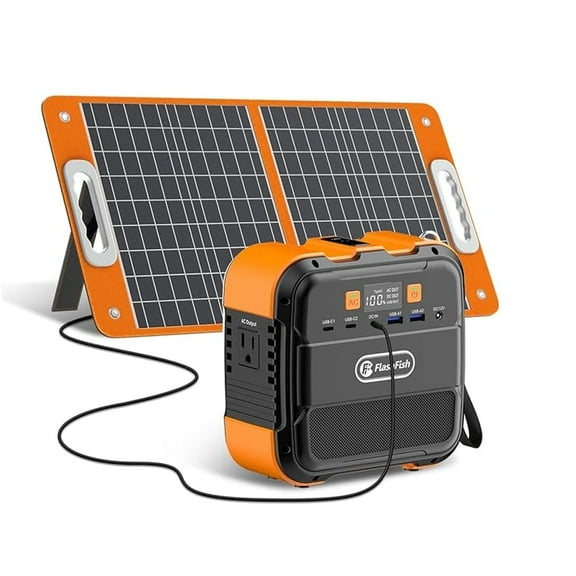
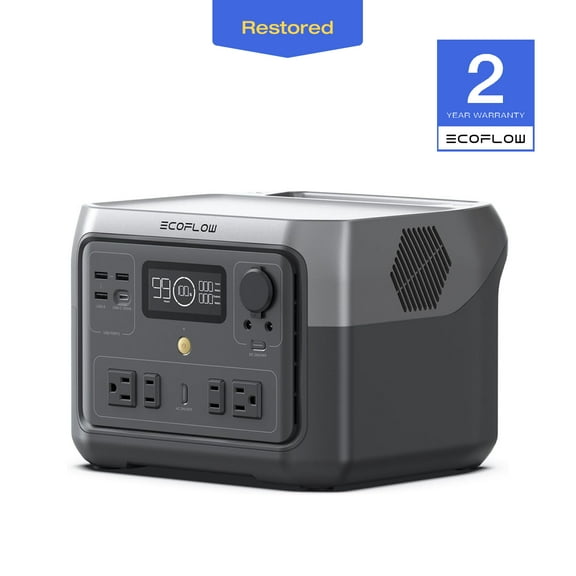




About Hiking Electronics in Hiking Gear - Walmart.com
Hiking accessories electric options help you stay powered, oriented, and connected on the trail. You can compare compact devices built for long miles, changing weather, and limited pack space.
How to choose hiking accessories electric for your trip
You should start with device type, because each tool solves a different trail need. You may carry GPS units for routing, power banks for charging, walkie talkies for contact, and solar chargers for off-grid power.
When you compare these categories, you can match your gear to distance and terrain. You can keep your load focused by choosing electronics that support navigation, charging, or communication without wasting space.
You should also consider how often you'll recharge during a trip. If your route includes multi-day stretches, you may want a larger battery or a solar backup.
Choosing power sources and battery capacity
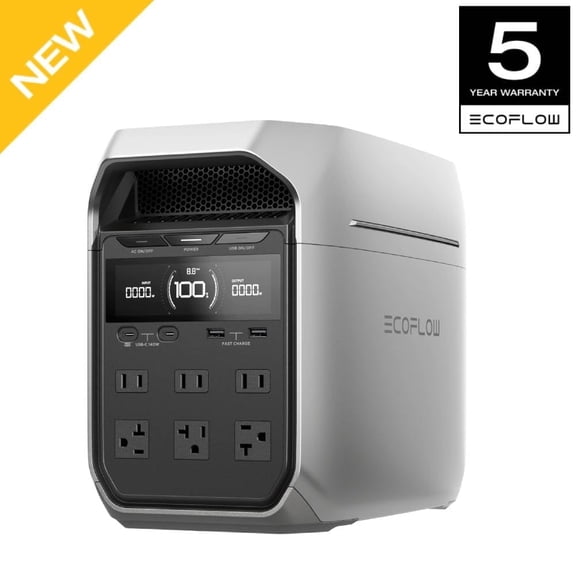
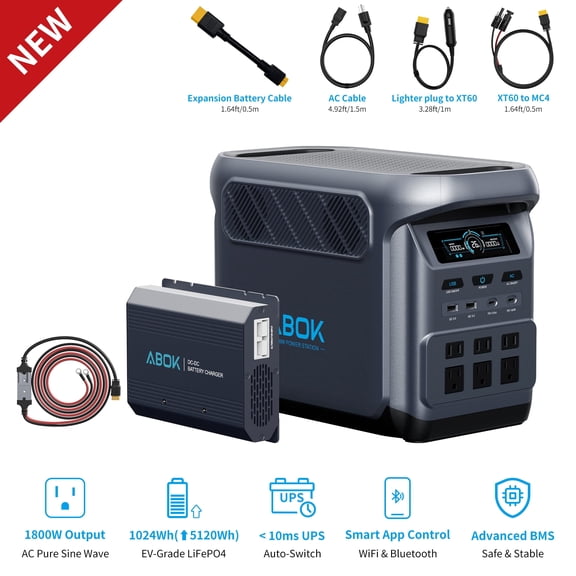
You can narrow your options by checking power source first. You may choose battery-powered models for grab-and-go use, rechargeable designs for repeat trips, USB charging for convenience, or solar support for remote camps.
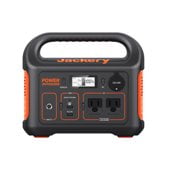
Battery capacity matters because you need enough stored power for phones, lights, or navigation tools. When you compare mAh ratings, you can estimate how many partial or full charges your device may deliver.
You should look for a balance between capacity and carry weight. A higher mAh number can give you longer runtime, but you may notice added ounces in your pack.
- You can use a power bank when you need steady backup power during long hikes.
- You can choose a solar charger when you expect sun exposure and limited outlet access.
- You can pick USB-rechargeable gear when you want simple charging from a vehicle or wall adapter.
- You can compare battery capacity and weight together, so your gear stays useful and packable.
Solar conversion efficiency also deserves a close look when you compare chargers. Higher efficiency can help you collect usable power faster during daylight breaks.
What to look for in hiking electronics weather protection
You should check water resistance before you head into wet trails, stream crossings, or sudden storms. IPX4 can suit light splashes, while IPX7 can fit deeper water exposure expectations.
If you need broader outdoor protection, you may look for waterproof and dustproof construction. Rugged housings can help your electronics handle muddy paths, rocky stops, and repeated packing.
Durability ratings matter because trail gear gets bumped, dropped, and stuffed into tight pockets. You can compare shockproof, rugged, and dustproof designs to match rough terrain and dry, windy conditions.
You should treat these ratings as decision tools, not just labels. When you match protection levels to your route, you can avoid carrying electronics that feel too delicate outdoors.
Comparing weight, size, and packability
You may want hiking electronics that fit side pockets, hip belts, or small accessory pouches. Compact shapes help you keep charging gear and navigation tools close without crowding food or layers.
Weight matters when you hike all day with every ounce on your back. You can compare ounces or grams to see which devices support your trip without adding bulk.
Some hikers may prefer one multipurpose device to reduce clutter. You might choose a GPS with communication features or a slim power bank that fits beside a phone.
You should also check cable needs and charging ports before you pack. A simpler setup can help you carry fewer extras and organize your kit faster at camp.
Using hiking electronics for navigation and communication
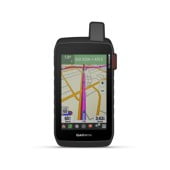
You can use hiking electronics to track routes, confirm position, and stay in touch across longer distances. GPS devices can help you follow planned paths when trail markers become sparse.
When you compare GPS models, you should check frequency bands and satellite network compatibility. Those details can affect how reliably you receive location data in forests, canyons, or open ridgelines.
You may also compare connectivity types based on where you'll hike. Satellite options can suit remote areas, Bluetooth can pair with your phone, and radio frequency can support direct group communication.
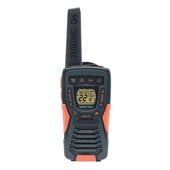
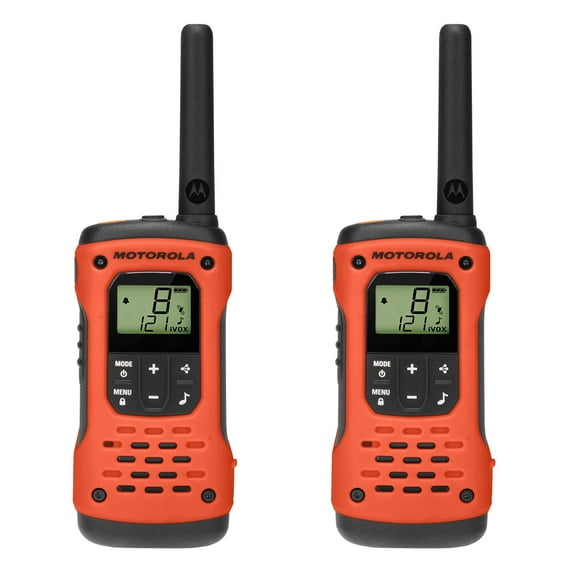
Cellular-connected devices may work well when your route stays near service coverage. Walkie talkies can help you coordinate pace, breaks, and camp setup across a spread-out group.
You should choose communication tools based on trip length, group size, and terrain complexity. That approach helps you carry electronics that match real hiking needs instead of generic outdoor gear.
Matching device types to real trail scenarios
If you plan a day hike, you may want a lightweight GPS and a small USB power bank. That setup can support navigation and phone charging without taking over your pack.
For a weekend route, you might carry a rugged power bank with higher mAh capacity. You can pair it with an IPX7-rated device when you expect creek crossings or unstable weather.
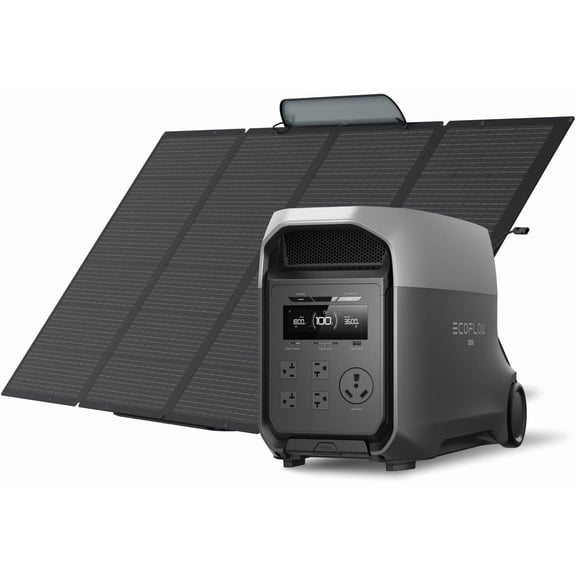
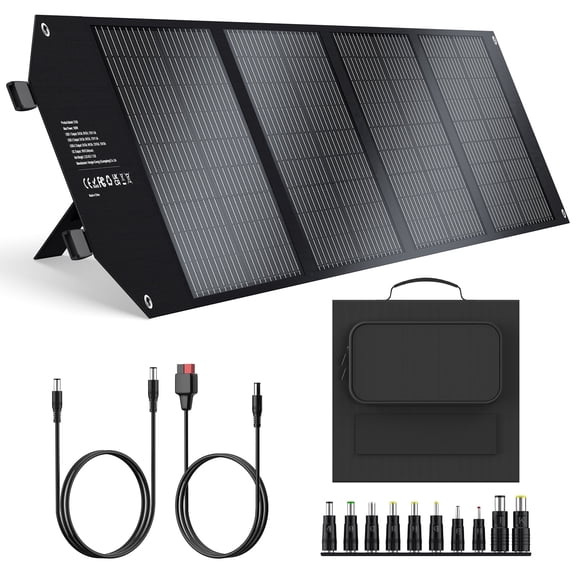
On sunny multi-day trips, you may compare solar chargers with foldable panels and compact storage. You can use them during rest stops when you need extra charging support away from outlets.
If you hike with a partner or group, you may prefer walkie talkies with radio frequency connectivity. You can keep communication simple when your pace separates on switchbacks or wooded trails.
You may also want hiking accessories electric gear that supports camp use after sunset. A reliable charging plan can keep navigation devices, phones, and small trail electronics ready for the next day.
With the right hiking electronics, you can build a trail kit that stays light, weather-ready, and dependable. You can compare power, protection, connectivity, and packability to carry gear that fits your route.