


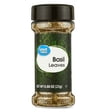
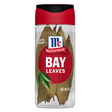
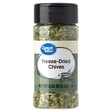
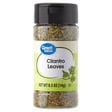






Herbs in Herbs, spices & seasoning mixes
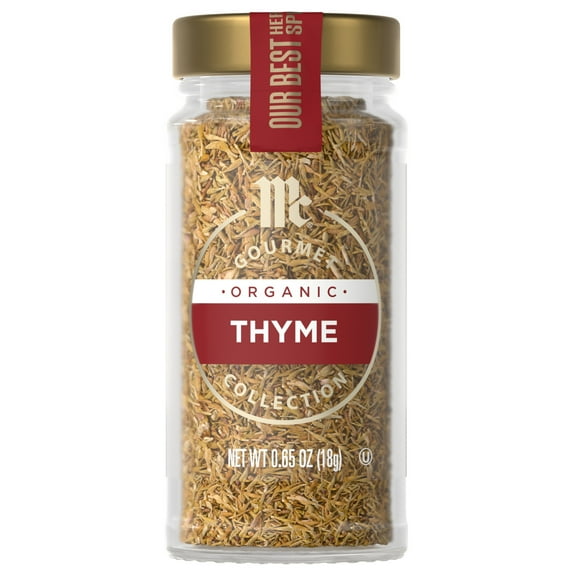


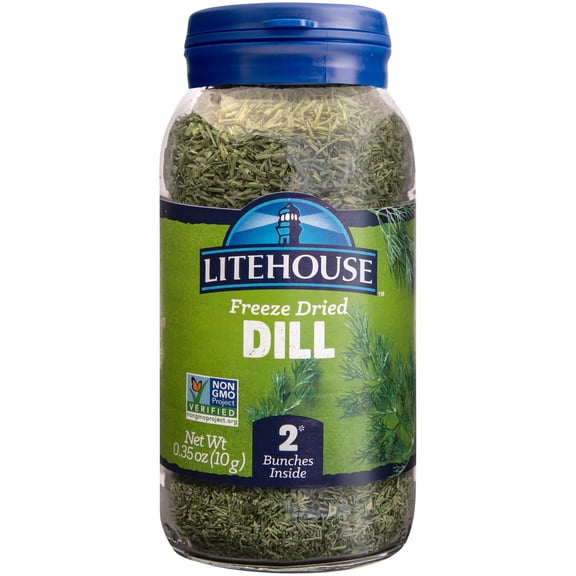
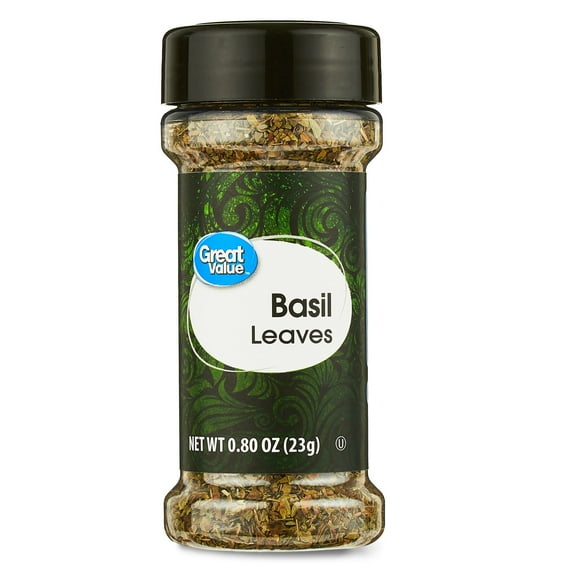
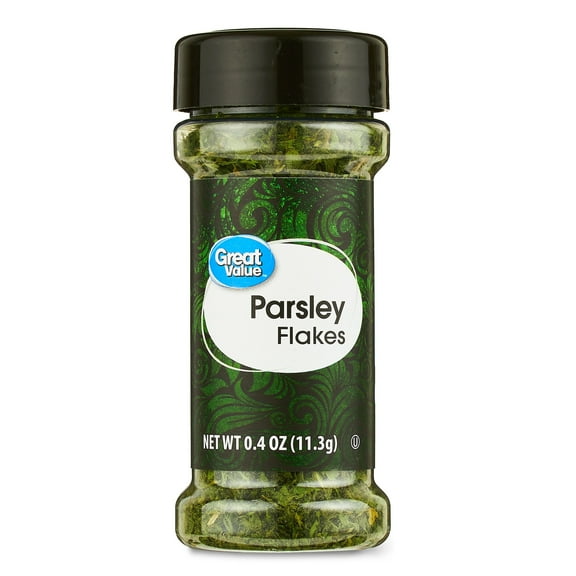





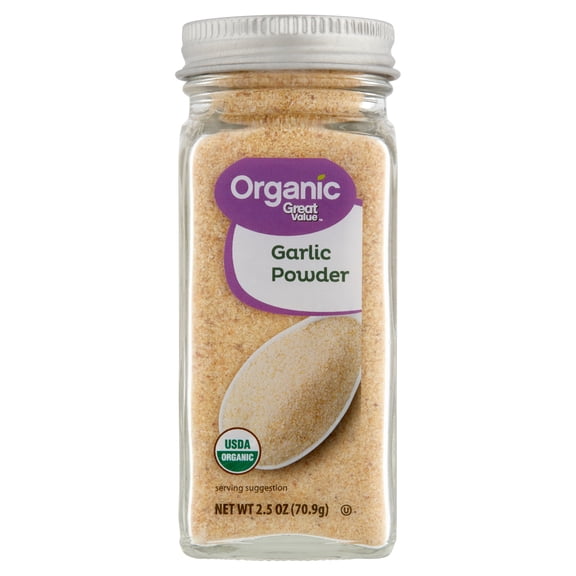
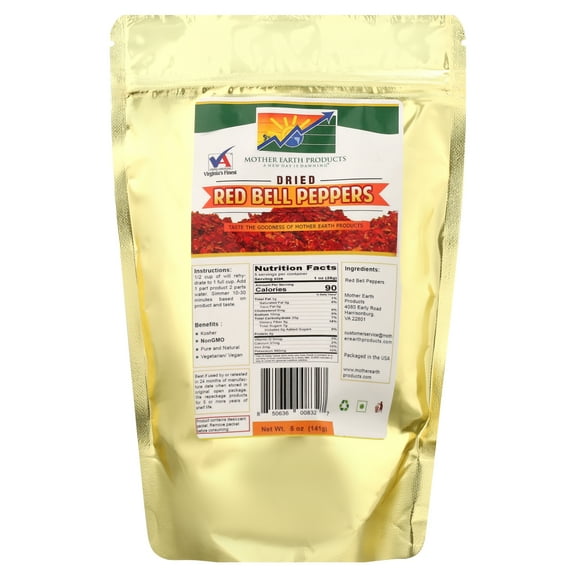
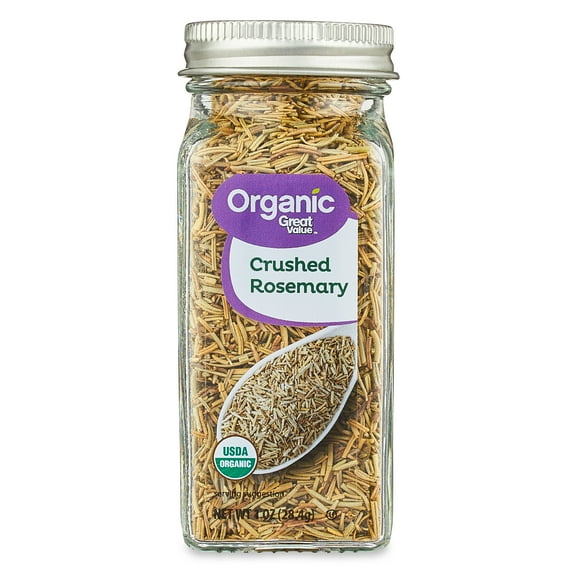
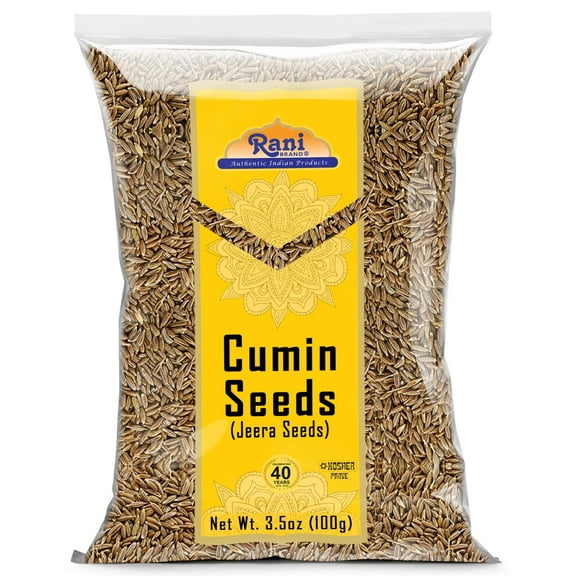





About Herbs in Herbs, spices & seasoning mixes - Walmart.com
Herbs help you build deeper flavor in everyday meals, sauces, soups, and baked dishes. You can compare dried herbs, organic herbs, and pantry-friendly packaging to match how you cook.
If you keep a busy kitchen, you’ll appreciate options that fit quick weeknight dinners and longer recipe projects. You can also choose forms and quantities that suit occasional use or frequent seasoning.
Choosing the right herbs for your pantry
When you choose herbs, you’re really choosing flavor strength, texture, and storage style. You can pick dried, fresh, ground, or whole forms based on how you prep meals.
Dried herbs work well when you want longer pantry storage and easy measuring. Fresh herbs give you brighter flavor at the start, so you may prefer them for finishing dishes.
Ground options blend quickly into sauces, rubs, and marinades without leaving larger leaves behind. Whole leaves give you a more visible texture, which you may want in soups and roasted dishes.
How dried herbs support everyday cooking
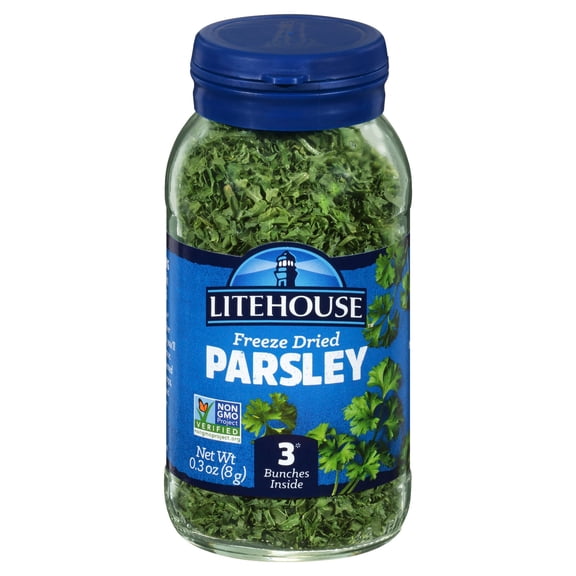
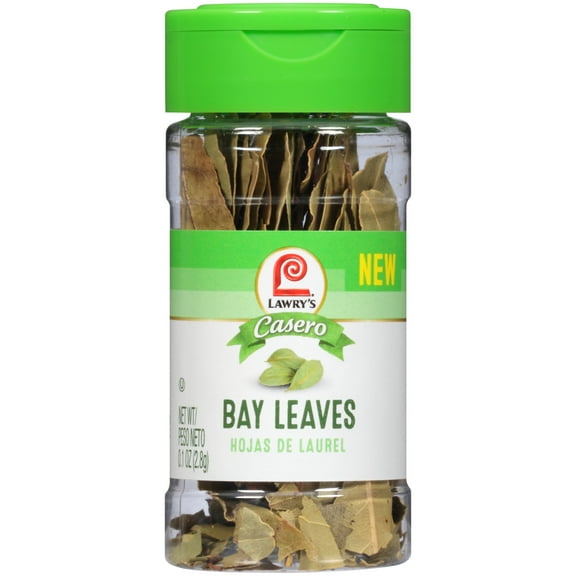
Dried herbs fit easily into your routine because you can keep them on hand for many recipes. You can reach for dried basil, thyme, parsley, or rosemary without extra prep.
If you cook often, you’ll notice dried herbs help you season tomato sauce, pasta, roasted vegetables, and chicken with steady flavor. You can also mix them into dressings, dips, and bread dough.
- You can keep dried herbs ready for quick weeknight meals.
- You can measure small amounts for balanced seasoning.
- You can choose jars, shakers, or bags that match your storage space.
- You can stock bulk herbs when you season large batches often.
Because dried leaves are concentrated, you can start with a smaller amount and adjust as you cook. You’ll often find this especially useful in slow-cooked soups and stews.
Comparing organic herbs and conventional options
When you compare organic herbs with conventional choices, you’re deciding how you want to stock your pantry. You can select either option based on your cooking habits and ingredient preferences.
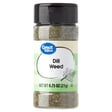
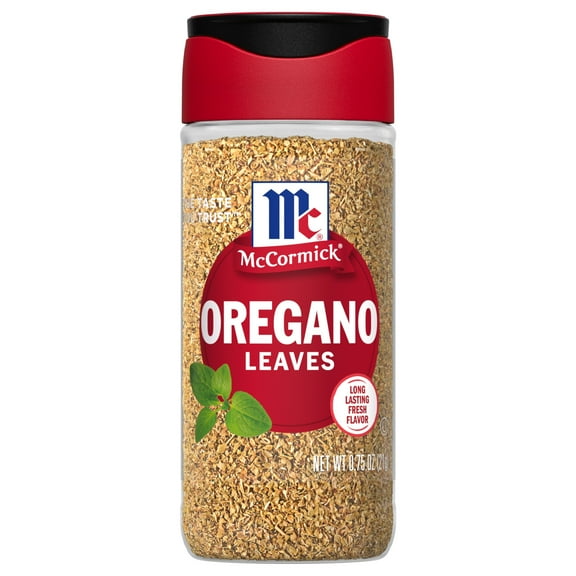
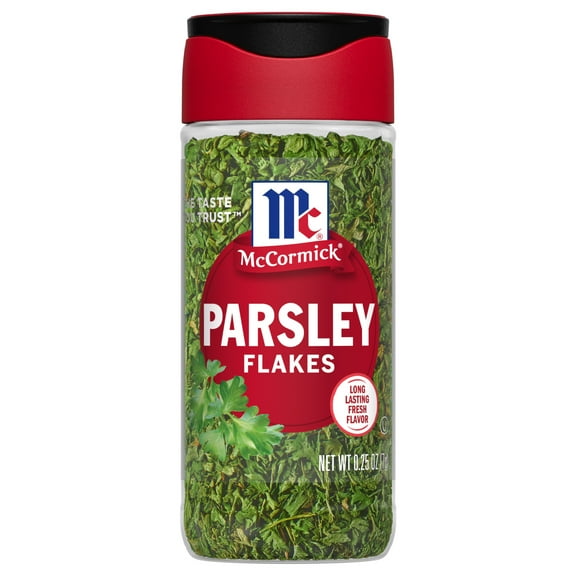
If you use herbs daily, you may want to compare your favorite types across both options. You can look for dried basil, oregano, dill, and parsley in formats that fit your routine.
Organic herbs may appeal to you when you want that specific pantry choice for everyday meals. Conventional options may suit you when you want familiar staples across many cuisines.
What to look for in packaging and quantity
Packaging affects how you store, pour, and refill your seasonings at home. You can choose a jar, bag, shaker, or bulk format based on how often you cook.
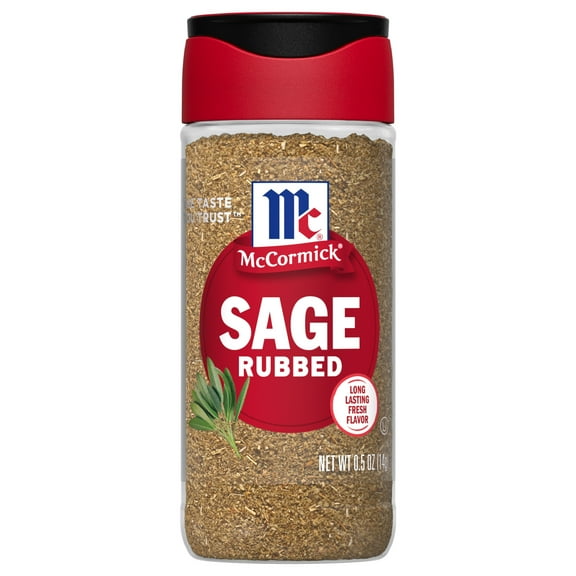
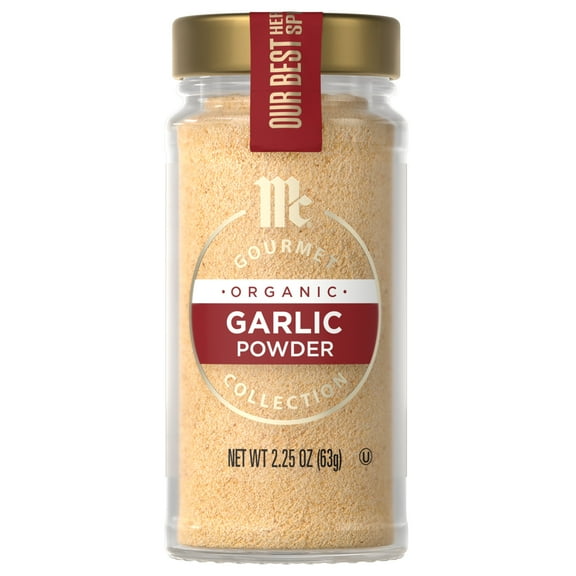
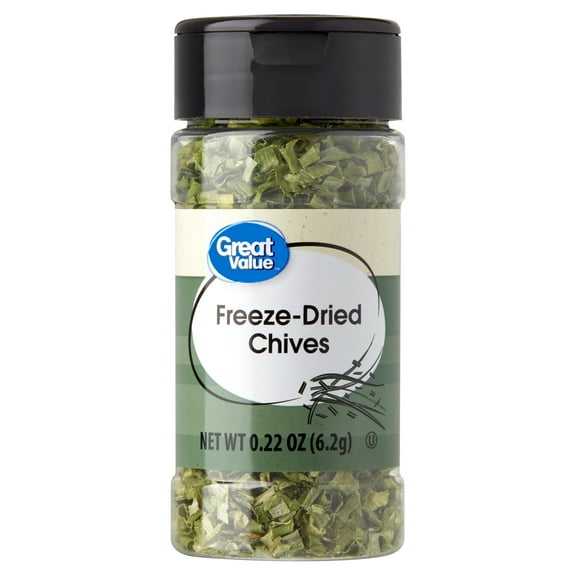
Jars work well when you want a tidy shelf and easy label visibility. Shakers help you sprinkle herbs quickly over pizza, eggs, vegetables, and garlic bread.
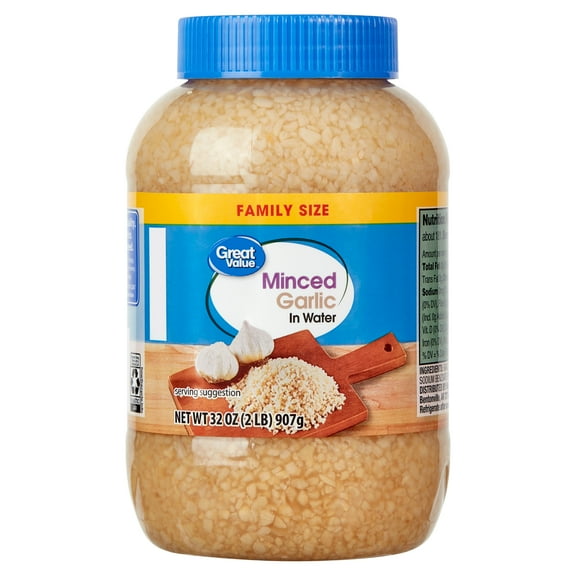
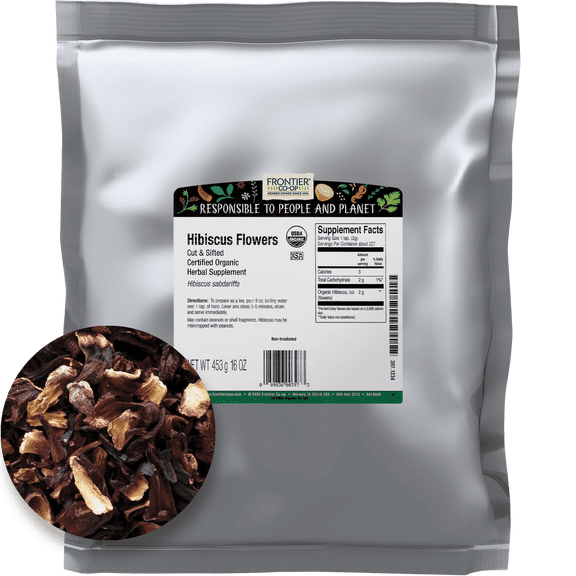
Bags can make sense when you refill existing containers or organize a larger spice drawer. Bulk herbs fit your needs when you prep family meals often or make larger recipe batches.
If you only use certain herbs once in a while, you may prefer smaller containers. If you cook from scratch often, you may want larger sizes to reduce frequent replacements.
Matching culinary herbs to your recipes
Culinary herbs work differently across Italian, Mexican, baking, and everyday cooking styles. You can choose flavor profiles that match your main ingredients and cooking method.
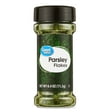
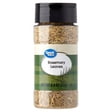
For Italian dishes, you may reach for dried basil, oregano, parsley, and rosemary. You can add them to pasta sauce, pizza, roasted vegetables, and herb bread.
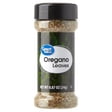
For Mexican-inspired meals, you might use oregano and cilantro styles depending on the recipe direction. You can season beans, rice, tacos, and slow-cooked meats with balanced herbal notes.
In baking, you may use herbs like rosemary or lavender in select doughs and savory breads. You can also pair herbs with butter, olive oil, or citrus for simple finishes.
For everyday cooking, you’ll want flexible staples that move across many meals. Ground oregano, parsley, thyme, and basil can help you season eggs, potatoes, soups, and sauces.
Using herbs with confidence in real kitchens
If you’re stocking a first pantry, you can start with versatile cooking herbs in small jars. You’ll usually get the most use from basil, oregano, parsley, and thyme.
When you meal prep often, you may prefer bulk herbs or refill bags for common favorites. You can keep larger amounts ready for marinades, sheet pan dinners, and batch cooking.
If you like finishing dishes with brighter texture, you can combine pantry staples with fresh herbs. You’ll get convenience during cooking and a fresher look right before serving.
When you want cleaner organization, you can sort herbs and spices by cuisine or meal type. You can group Italian blends, taco night staples, and baking picks for faster planning.
Herbs give you practical ways to shape flavor, portion seasoning, and keep recipes consistent. You can build a pantry that supports quick meals, weekend cooking, and repeat favorites with less guesswork.