


Headboards












































About Headboards - Walmart.com
Full headboards help you define a full bed with the right width, style, and mounting setup. You can compare materials, storage designs, and height details that fit your bedroom layout.
If you're refreshing a guest room or your main bedroom, you can update the bed without replacing every piece. You can narrow your choice faster when you compare upholstery, wood grain, metal lines, and shelf-ready designs.
How to choose full headboards by material
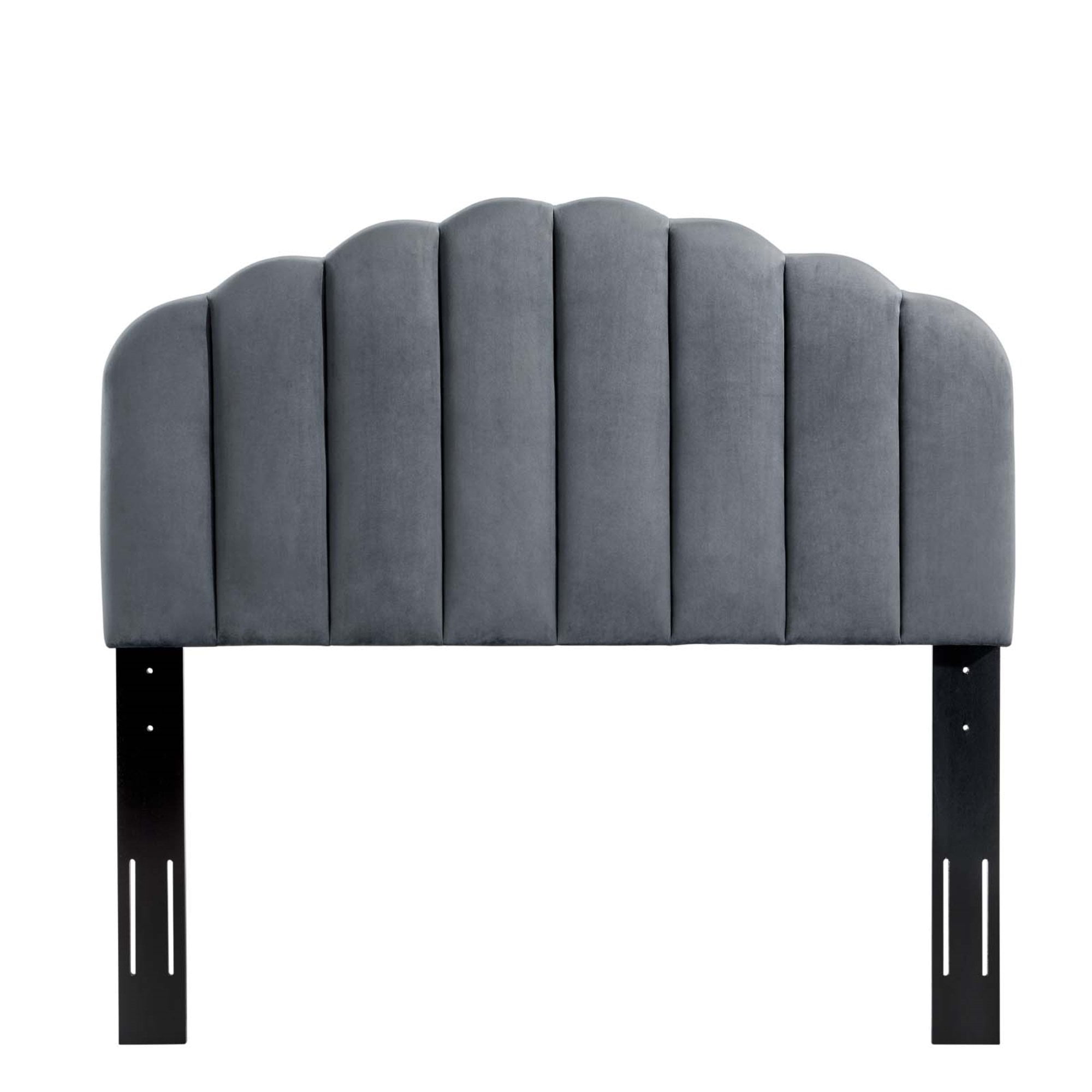
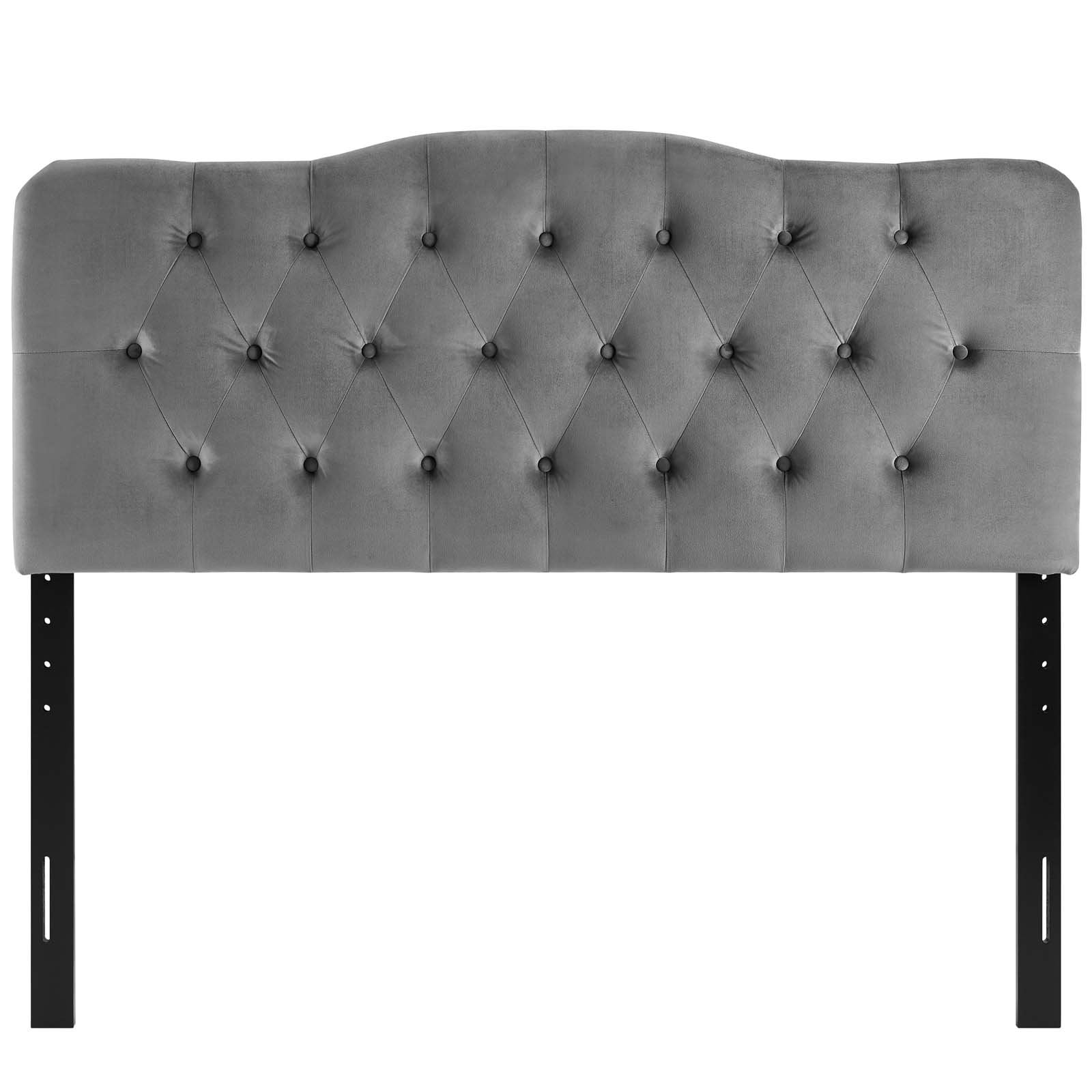
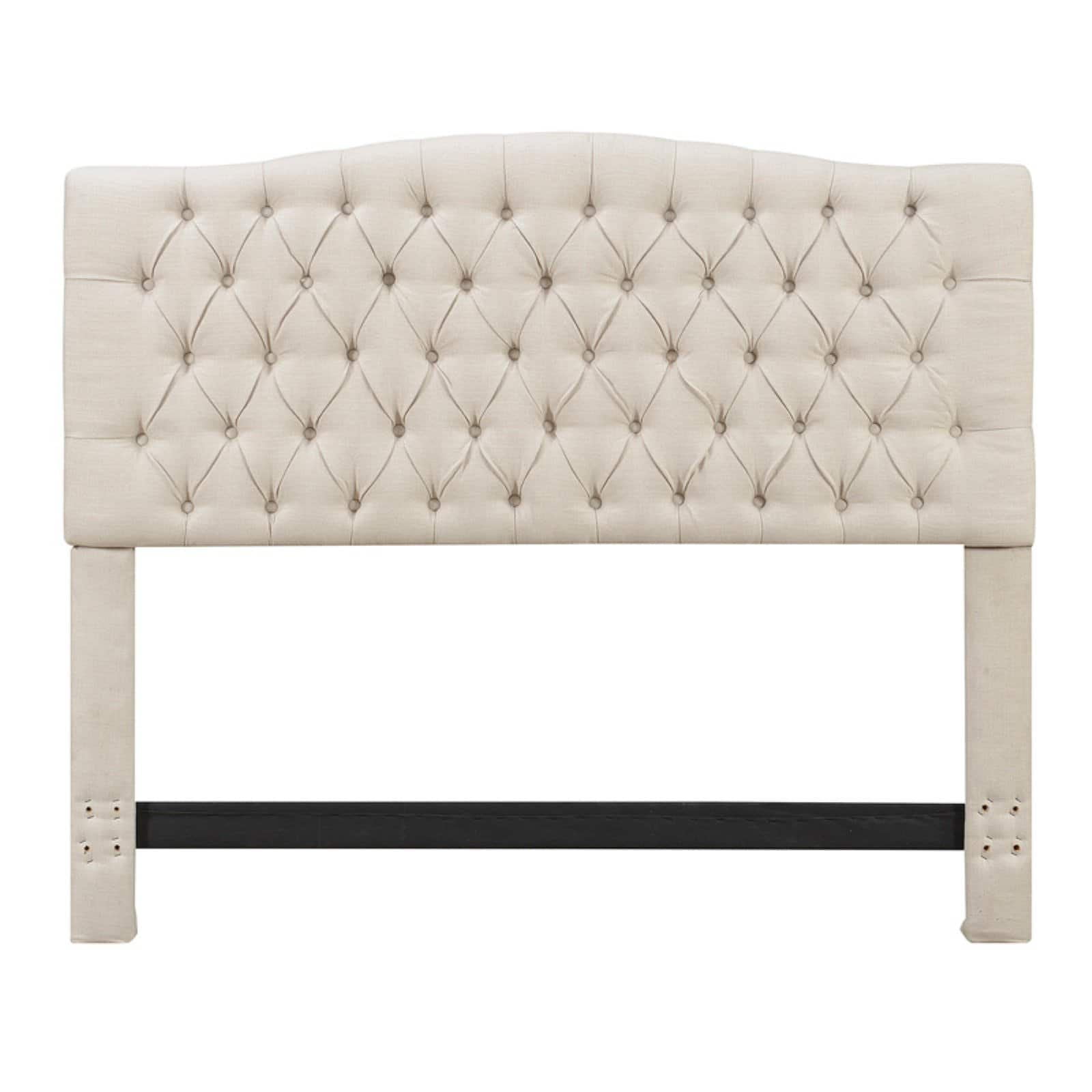
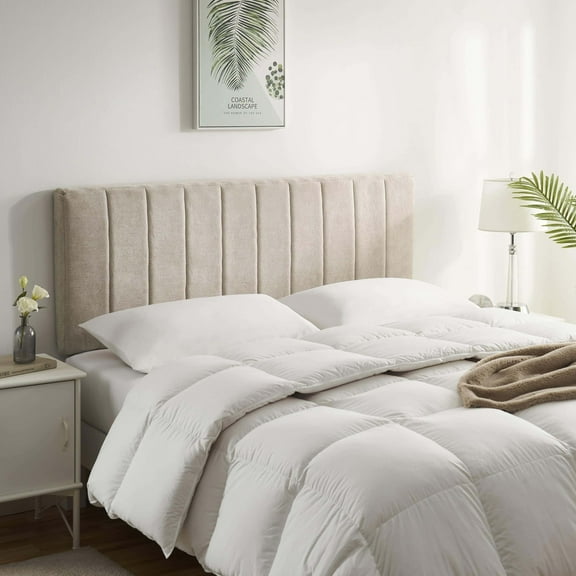
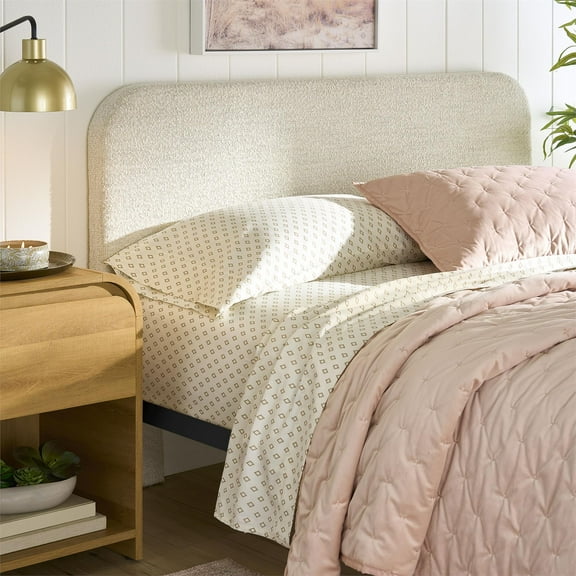
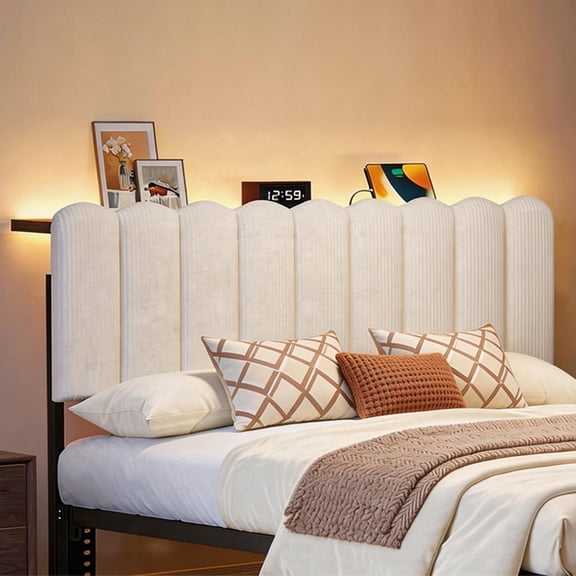
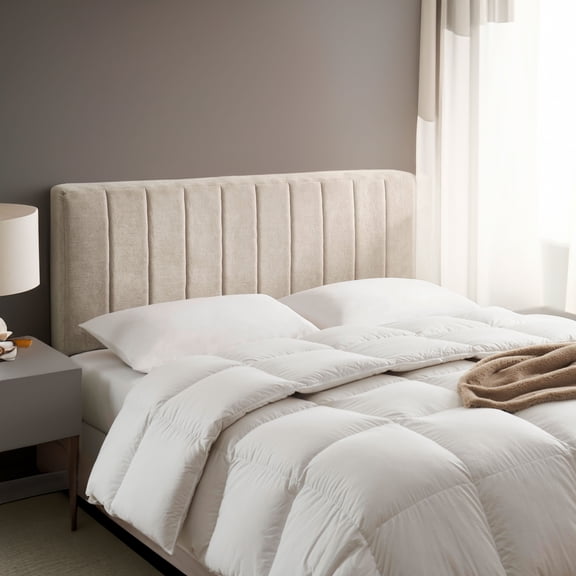
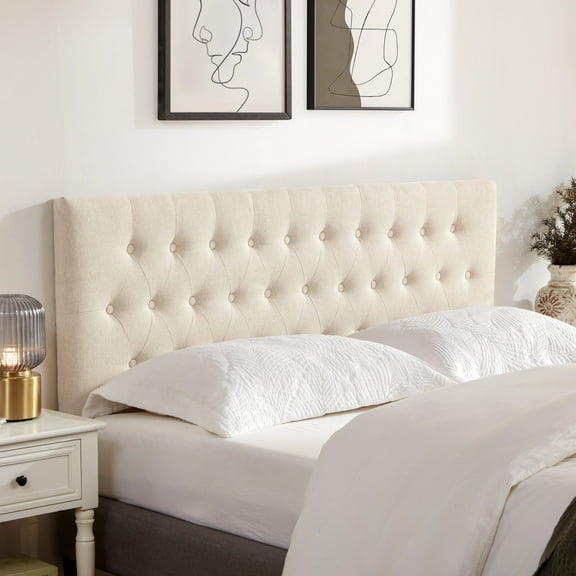
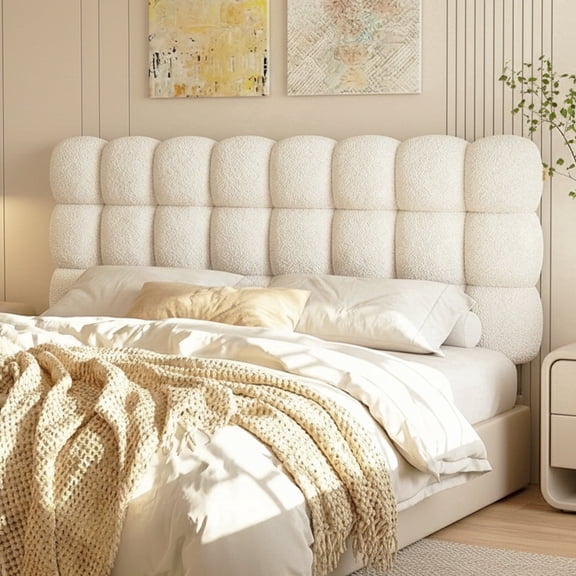
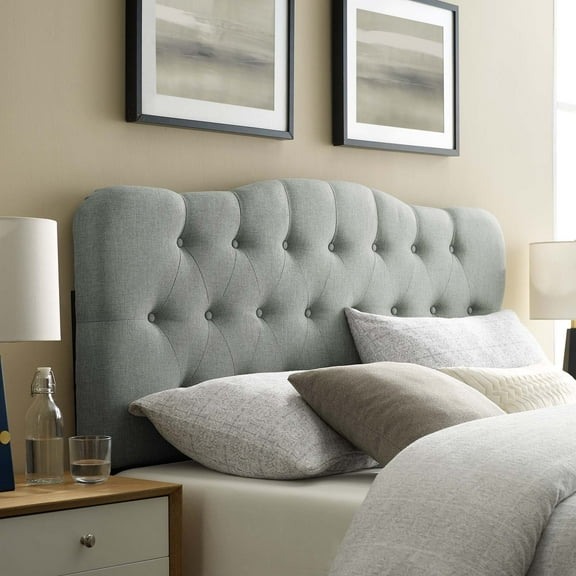
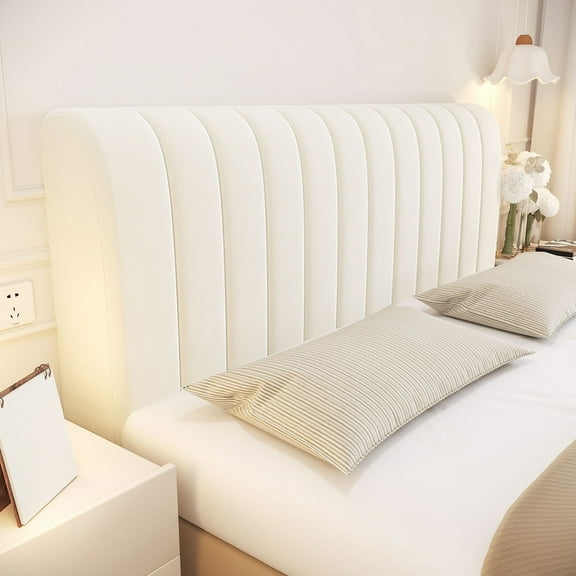
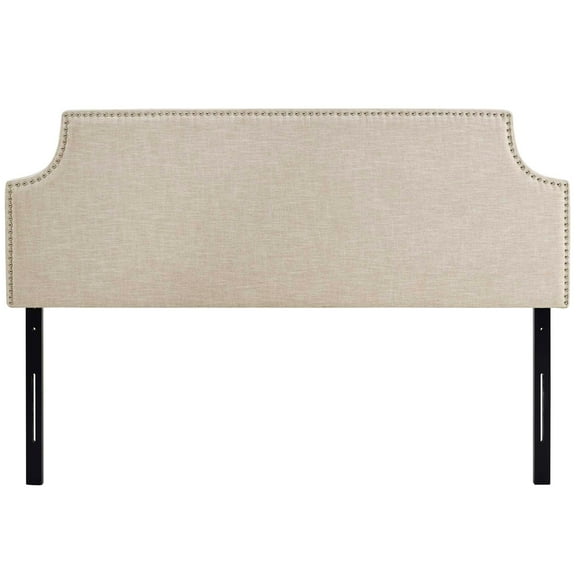
You should start with material because it affects comfort, upkeep, and the look around your bedding. You may prefer an upholstered full headboard when you want a softer surface behind stacked pillows.
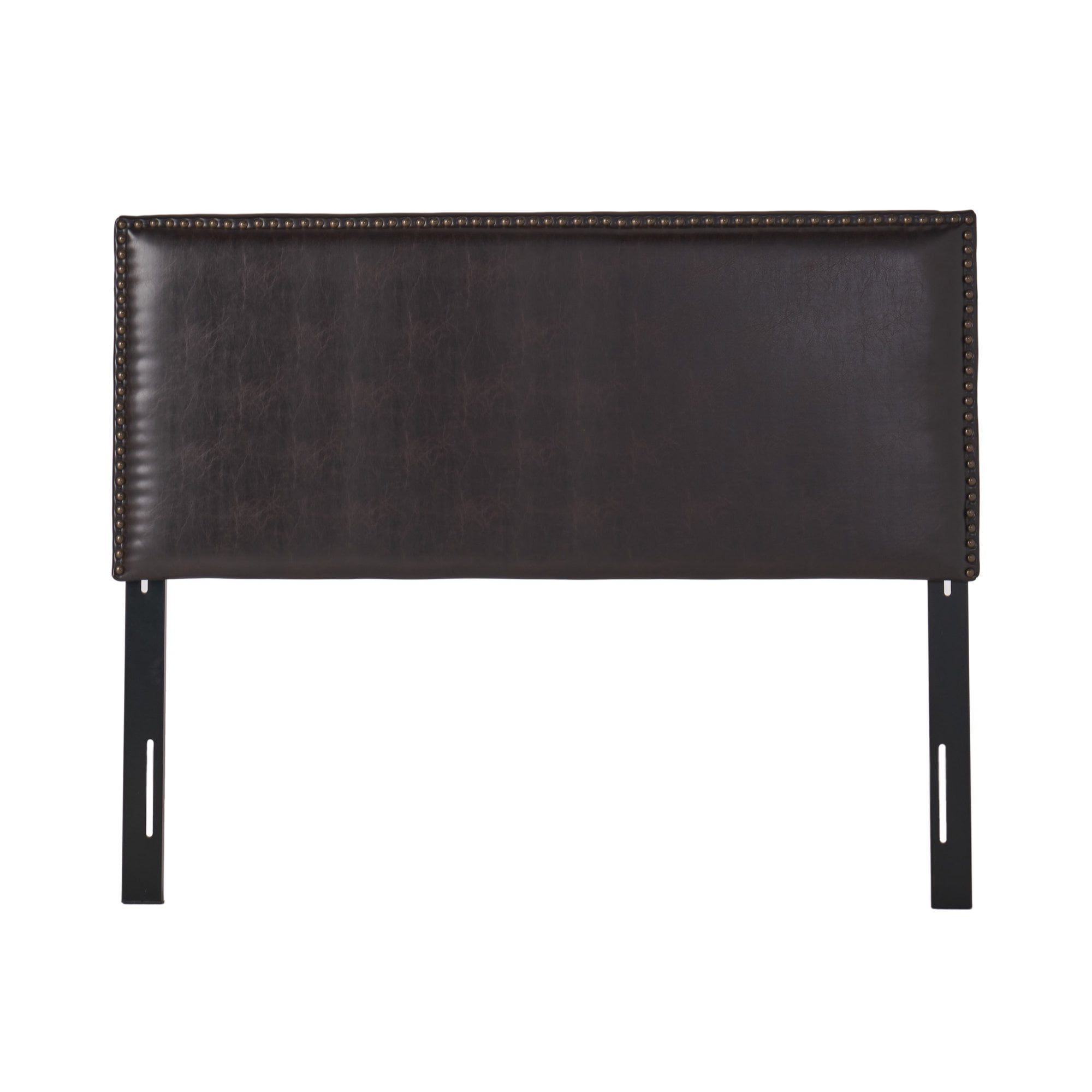
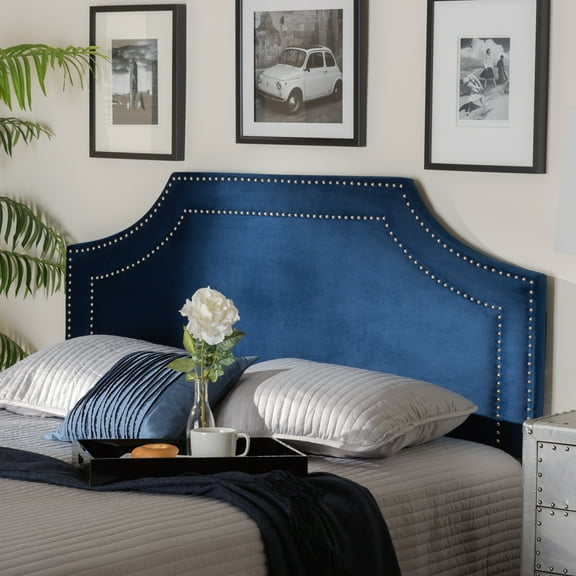
When you compare fabric and velvet options, you should look for texture, seam details, and color coordination. If your room needs cleaner lines, you may choose a wood full headboard or metal style.
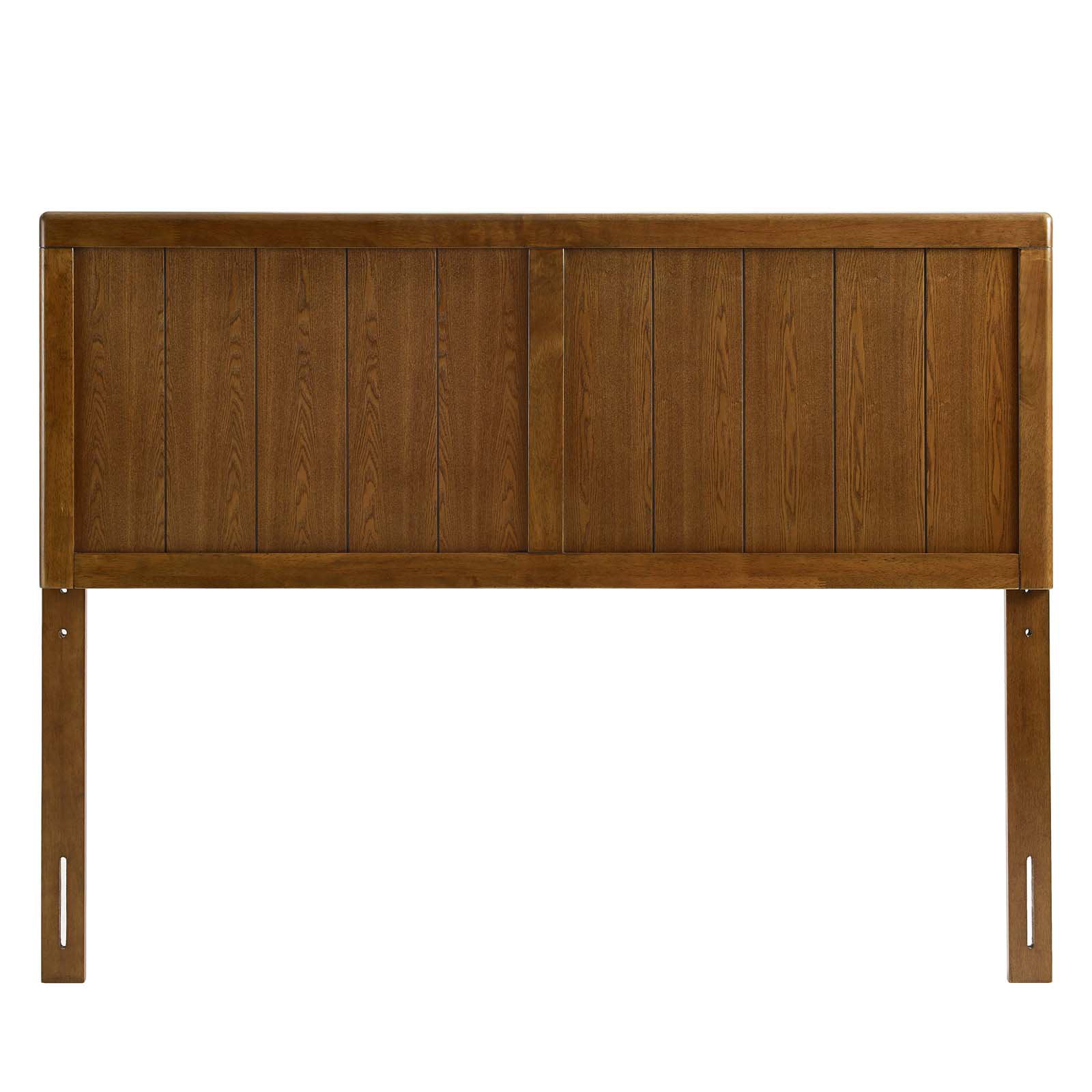
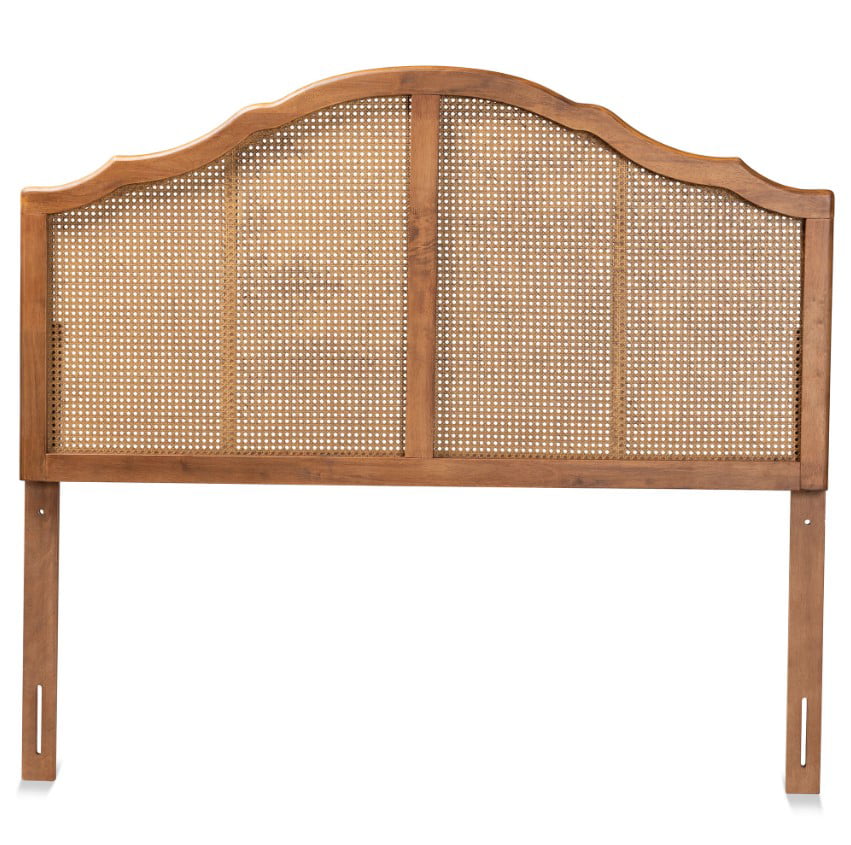
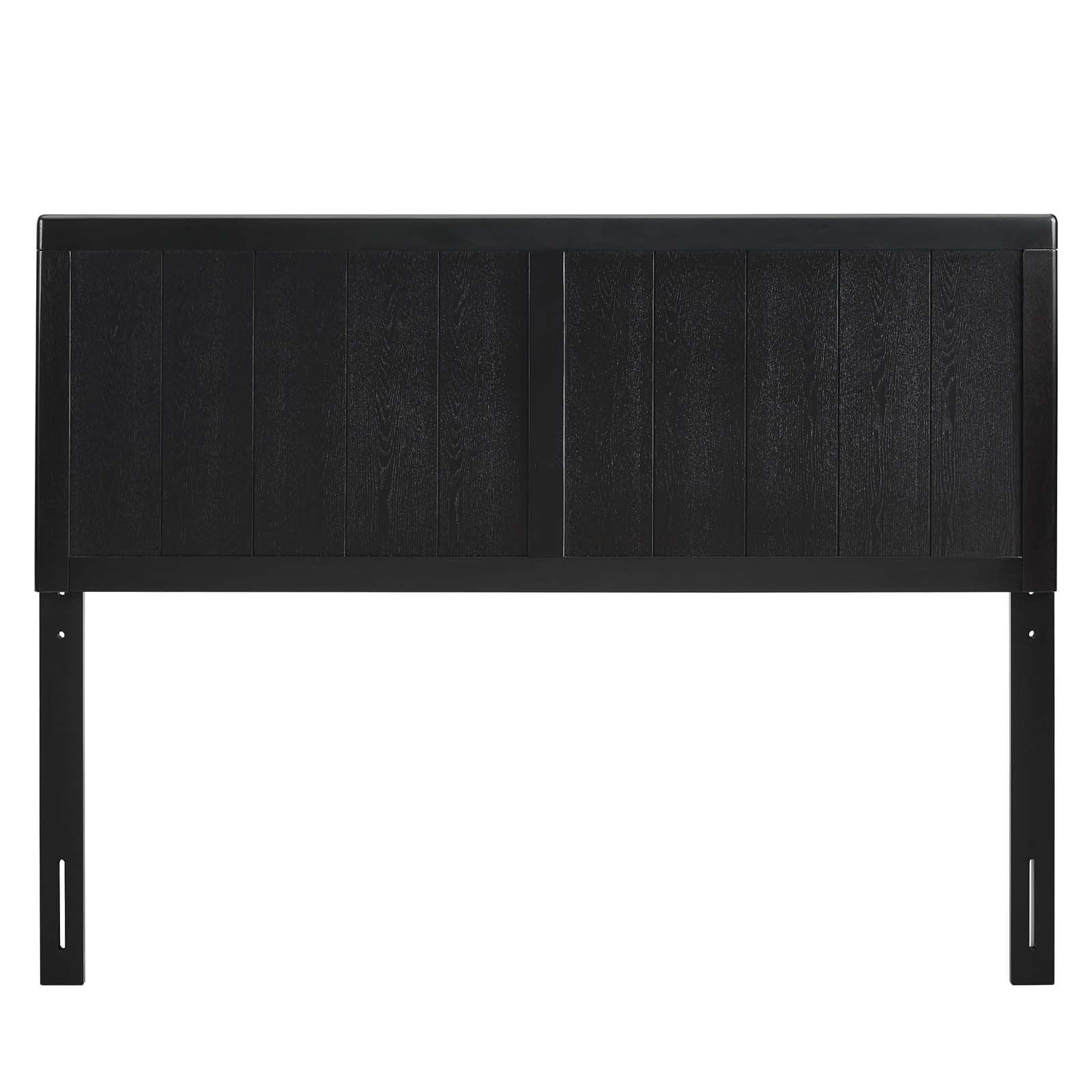
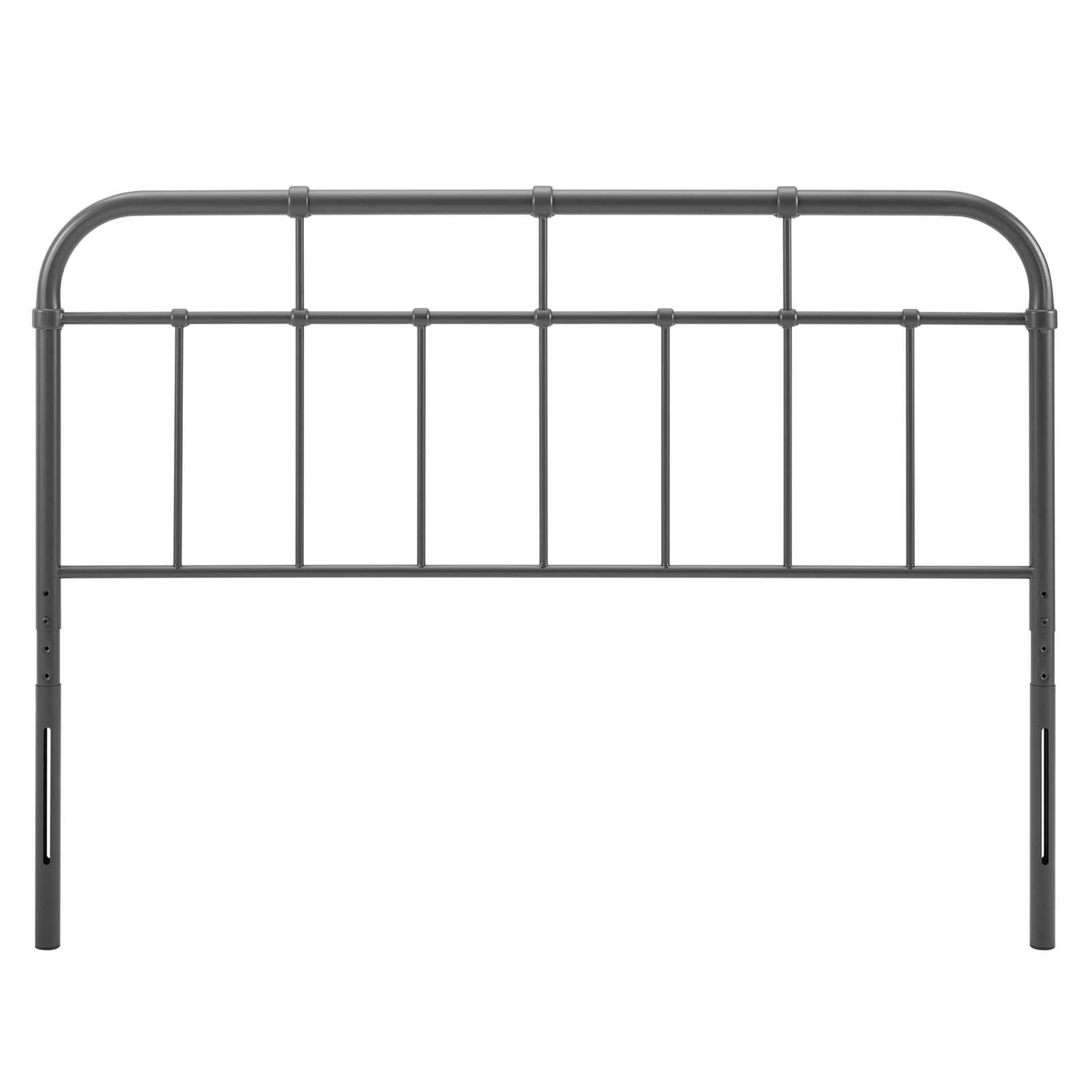
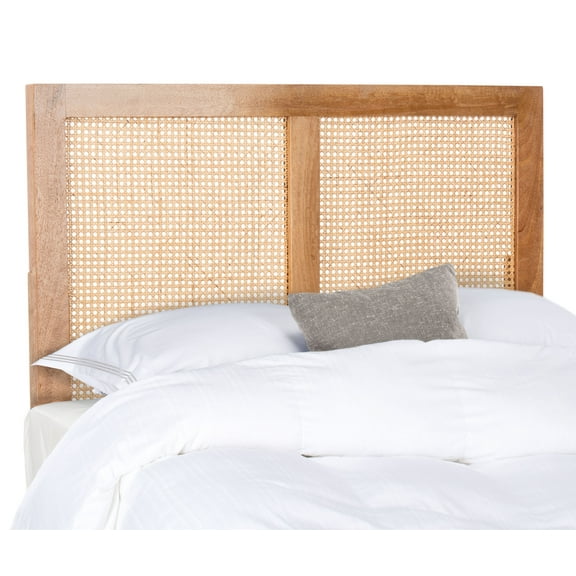
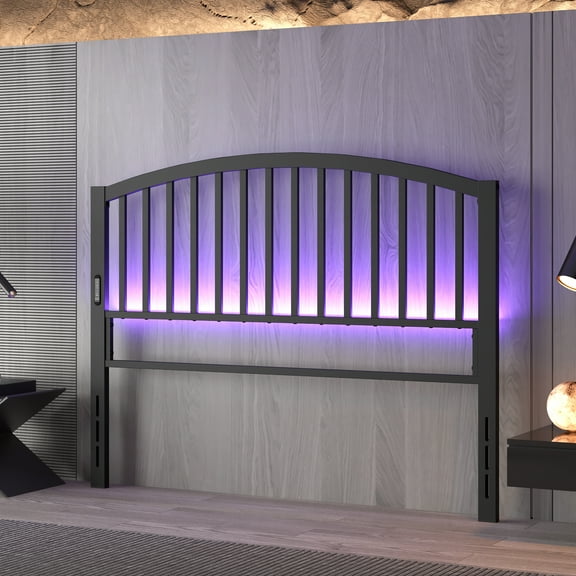
You can use wood for a warmer furniture look that pairs with dressers and nightstands. You can use metal when you want an open profile that keeps a smaller room feeling airy.
- You can choose upholstered styles for a cushioned backrest and a tailored bedroom look.
- You can choose wood styles when you want visible grain, paneled detail, or a rustic look.
- You can choose metal styles if you want slim lines and an open frame around your bed.
- You can compare velvet textures when you want a softer visual finish in gray, beige, black, or white.
Choosing a full size headboard by style
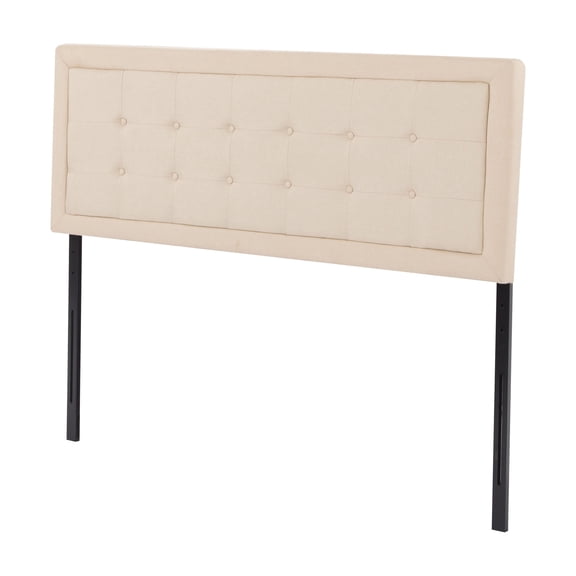
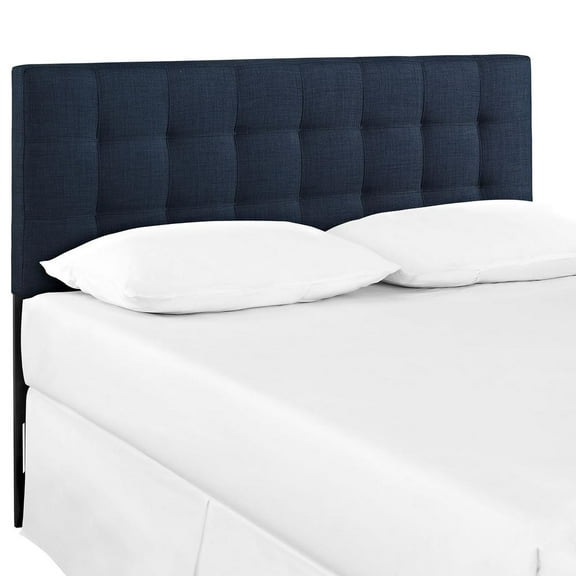
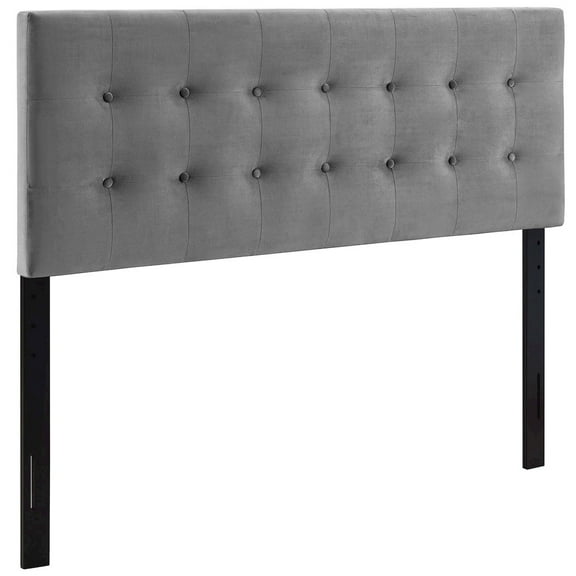
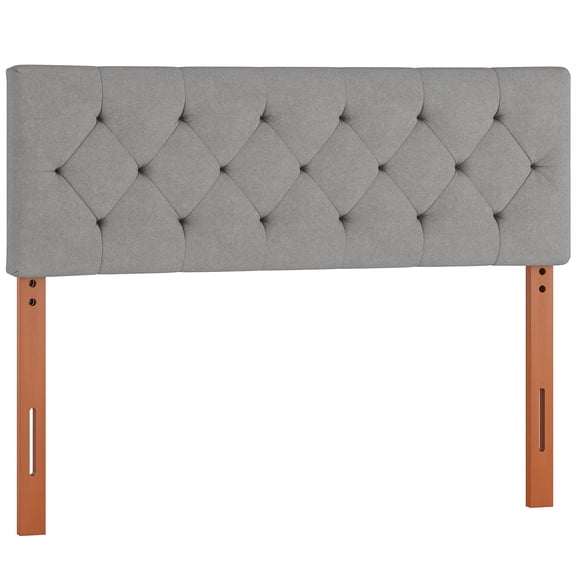
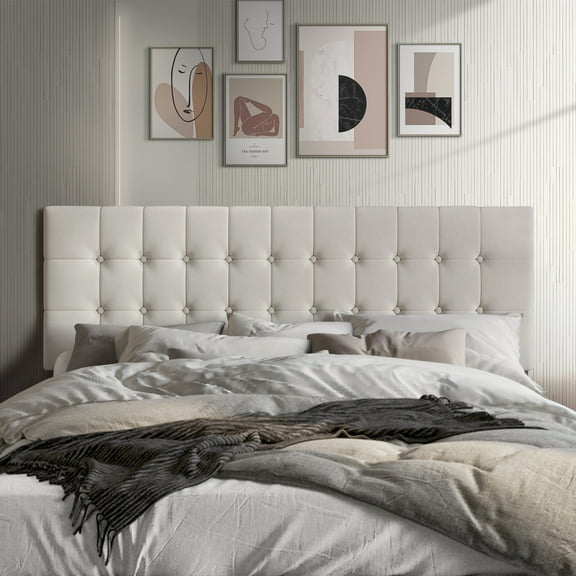
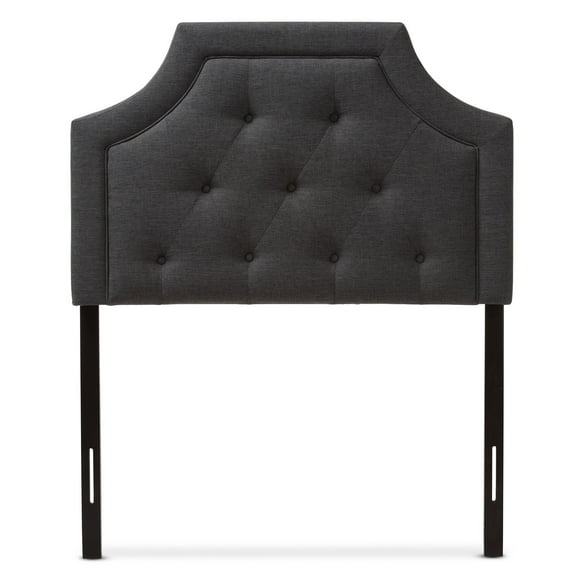
You should compare style details next because shape and surface treatment change the room's overall look. You may want a tufted full headboard if you like button detail and a more dressed bed.
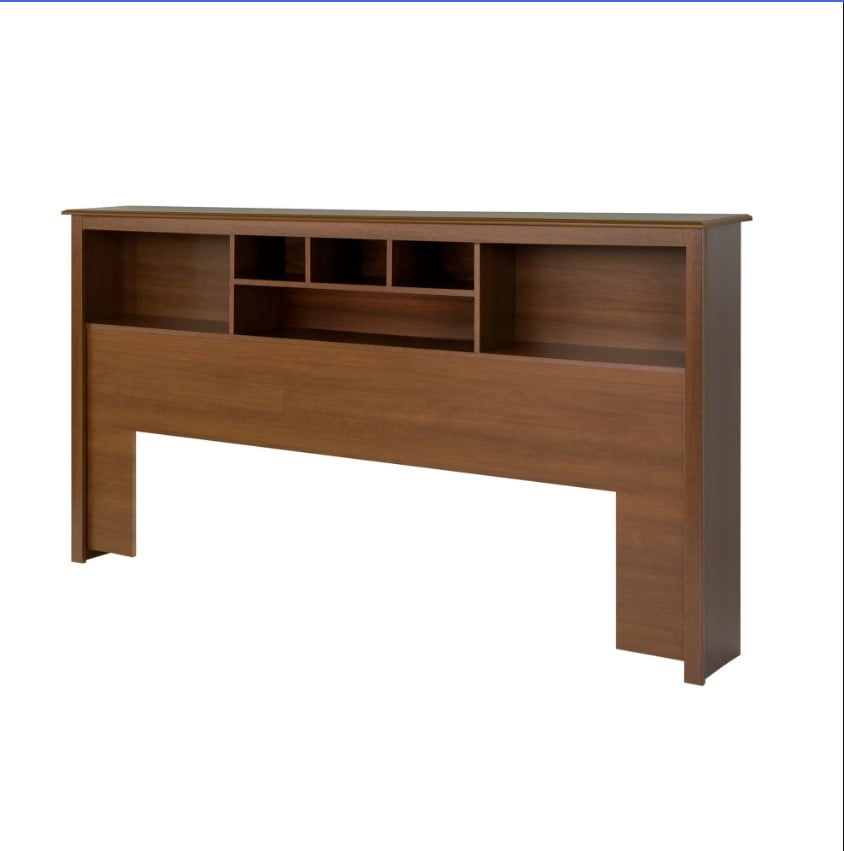
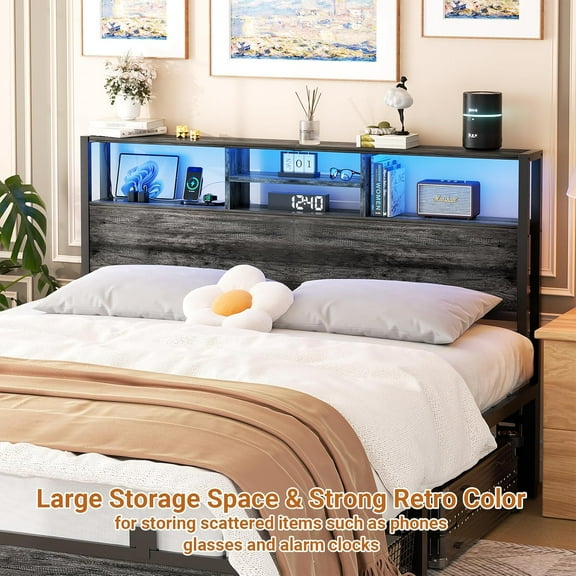
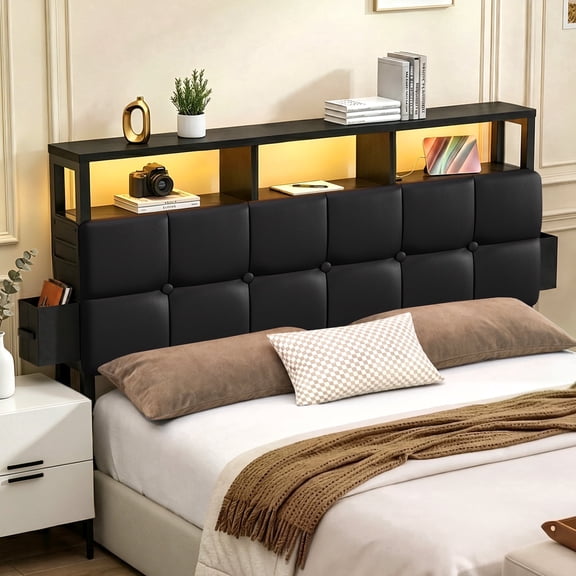
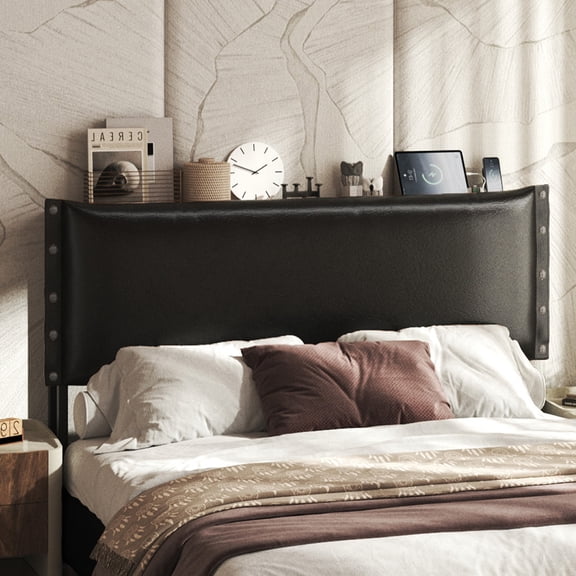
If you need extra function, you can consider a bookcase headboard full design with shelves for books and small decor. If you want a simpler outline, you can compare modern panels with clean edges.
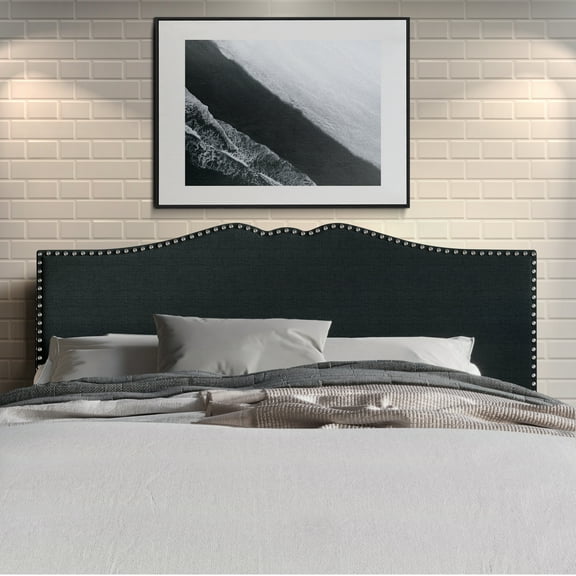
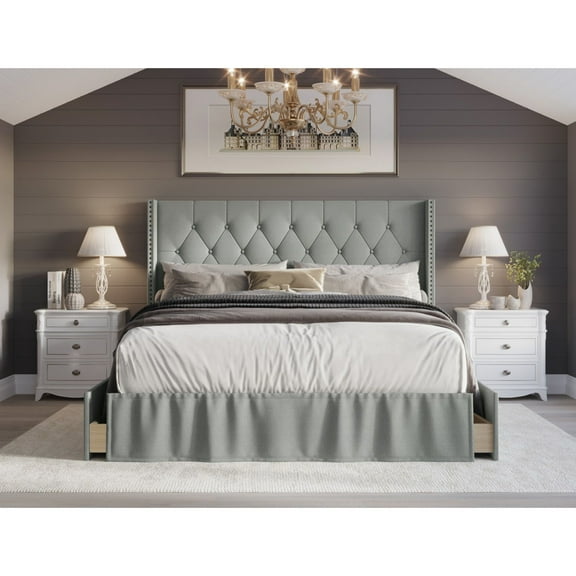
You may also notice wingback shapes that frame your mattress with taller side panels and added structure. You can match those details to your bedding, wall color, and nearby furniture scale.
What to look for in mounting and compatibility
You should check mount type before choosing style because your bed setup needs the right connection. You can compare bed-frame mounted, wall-mounted, and freestanding options based on your layout.
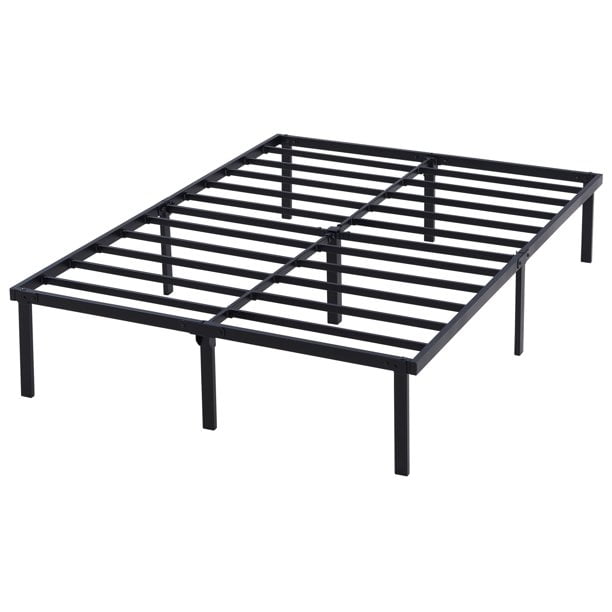
For a bed-frame mounted design, you should compare bracket alignment and bolt patterns with your existing frame. You can make fit checks easier when you measure the attachment spacing before ordering.
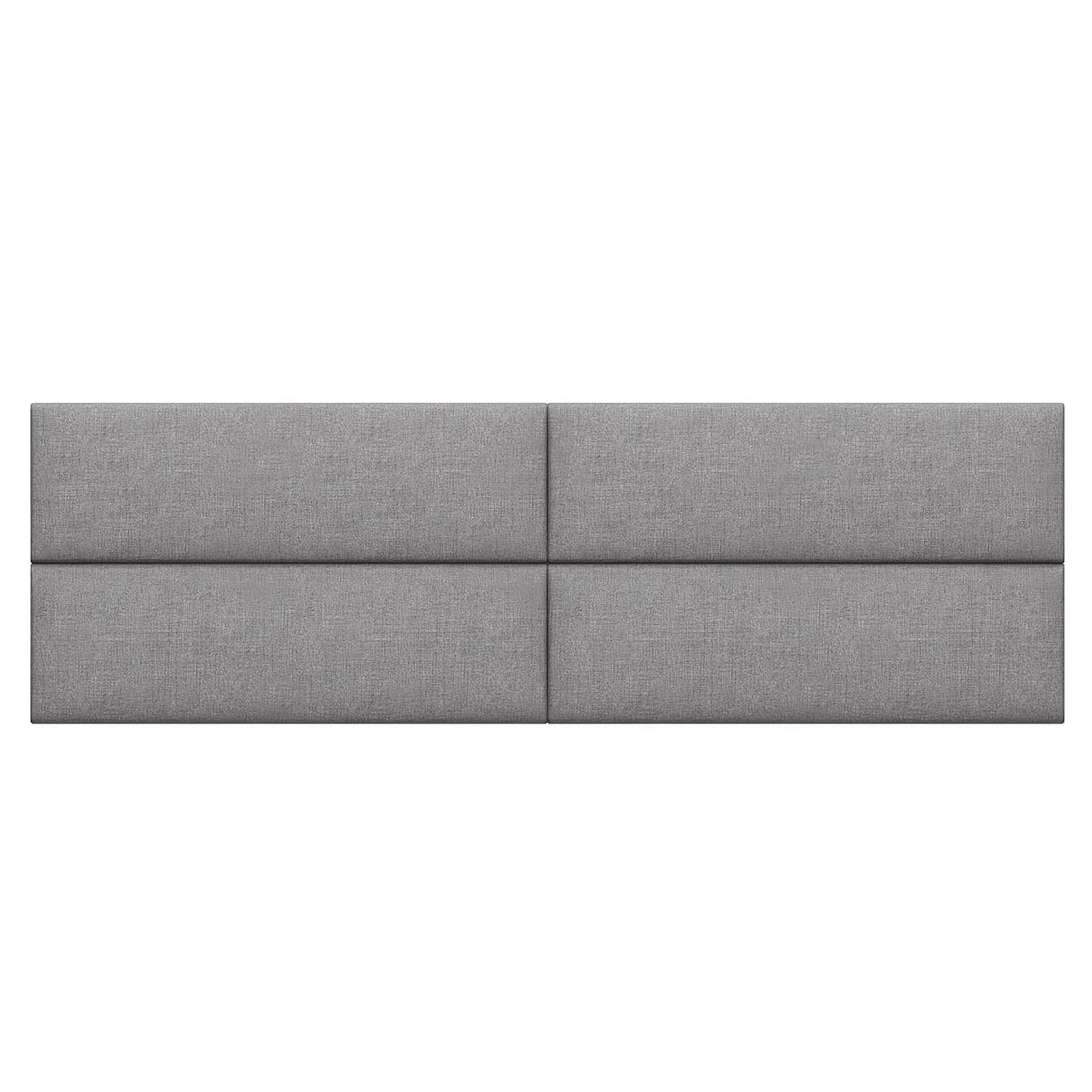
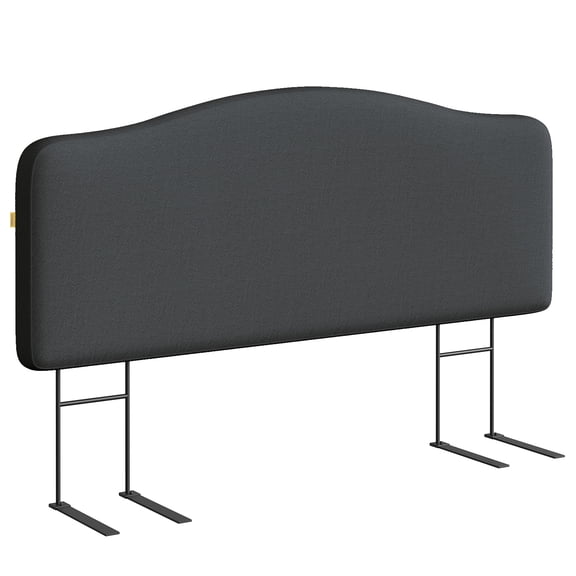
If you prefer a wall mounted full headboard, you should measure bed placement and the width behind your mattress. You can create a floating look that works when your frame has limited attachment points.
With freestanding designs, you should check how the headboard sits behind the bed and how much floor space it uses. You can use this style when you want flexibility during room updates or furniture rearranging.
You should also compare height adjustability with your mattress and box spring thickness. You can get a balanced look when the visible headboard height works with your bedding stack.
Comparing storage, dimensions, and everyday use
You should think about daily habits before deciding between decorative panels and storage styles. If you read in bed or keep devices nearby, you may prefer shelf space over a flat surface.
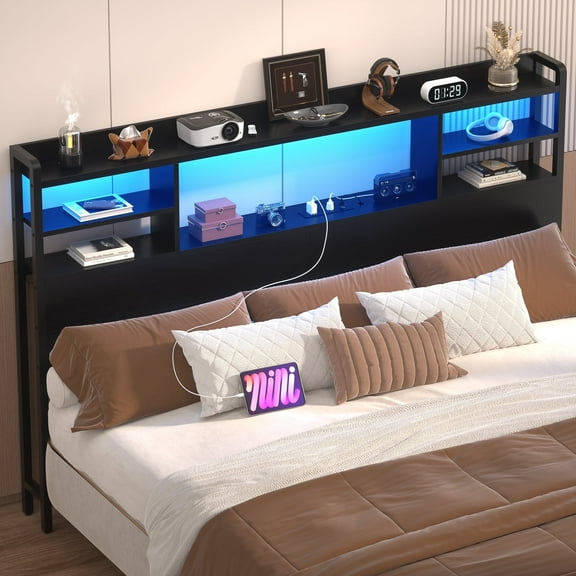
A bookcase headboard full option can give you cubbies or ledges for books, glasses, chargers, and small accents. You can keep essentials close without adding another bedside piece in tighter spaces.
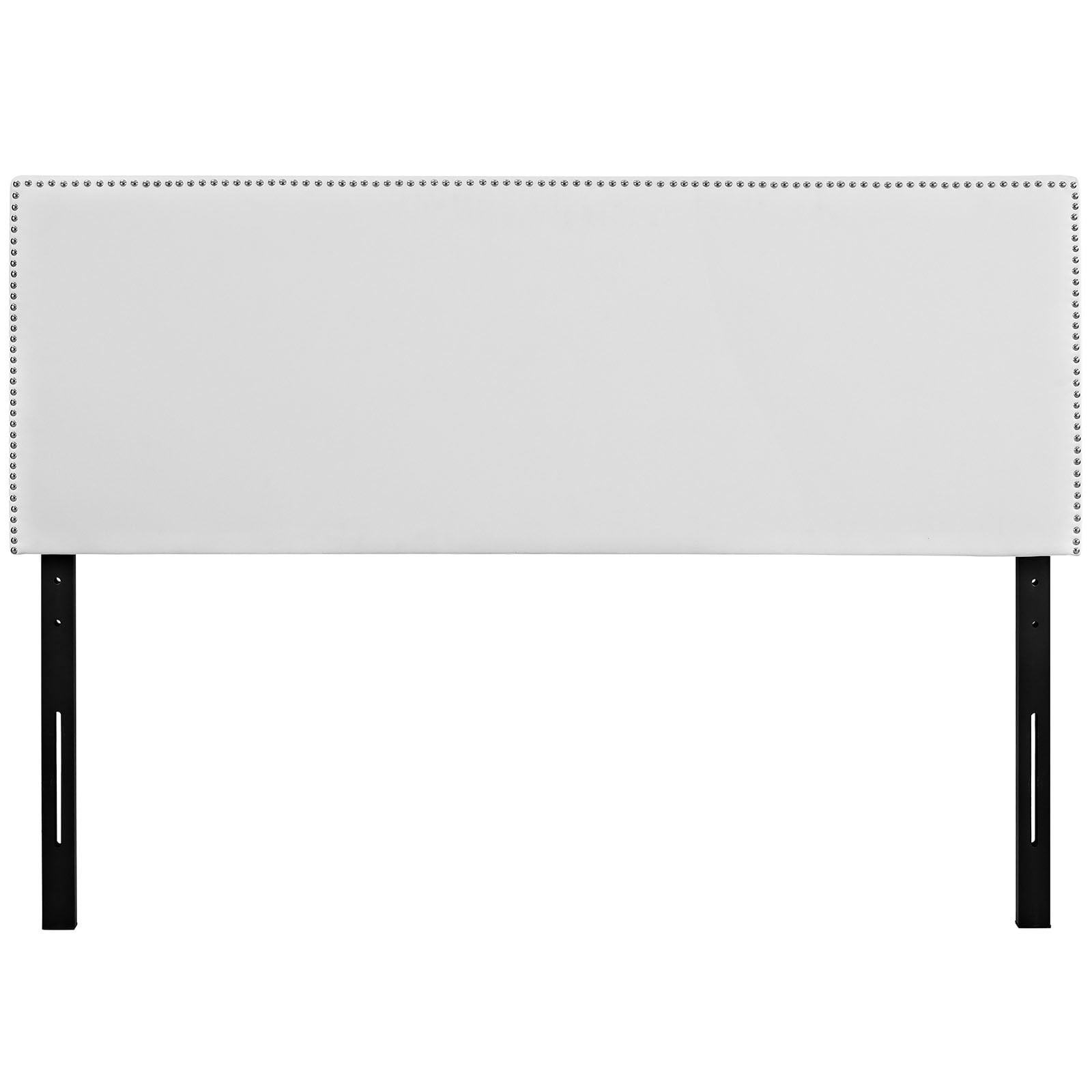
If you want a cleaner wall line, you can choose a simple panel design with fewer visual breaks. You can make patterned bedding stand out more when your headboard shape stays streamlined.
You should measure width carefully because a full size headboard needs to align with a standard full bed footprint. You can also check overall height and depth so your piece fits under windows, art, or sconces.
Color matters too, so you should compare gray, white, black, and beige against your flooring and bedding. You can use darker tones for contrast or lighter shades for a softer bedroom palette.
How full headboards fit different rooms
You can use full headboards in guest rooms, teen rooms, apartments, and smaller primary bedrooms. You should match the design to how the room works each day, not only to color.
For shared spaces, you may want a metal headboard full style that keeps the footprint visually light. For cozier setups, you can choose an upholstered full headboard that softens the wall behind the bed.
In multipurpose rooms, you can use bookcase storage to hold books, speakers, or bedtime essentials without extra clutter. In design-led spaces, you can use a tufted full headboard to add texture and stronger bed definition.
If your room has bold dressers or patterned rugs, you should consider a simpler headboard silhouette. If your room feels plain, you can add depth with wood panels, wingback edges, or textured upholstery.
You can make a more confident choice when you compare mount type, material, style, and dimensions together. Your finished bed can feel more complete when your headboard fits your frame, clearance, and routine.