

Head and Shoulders

New Head & Shoulders


All you need
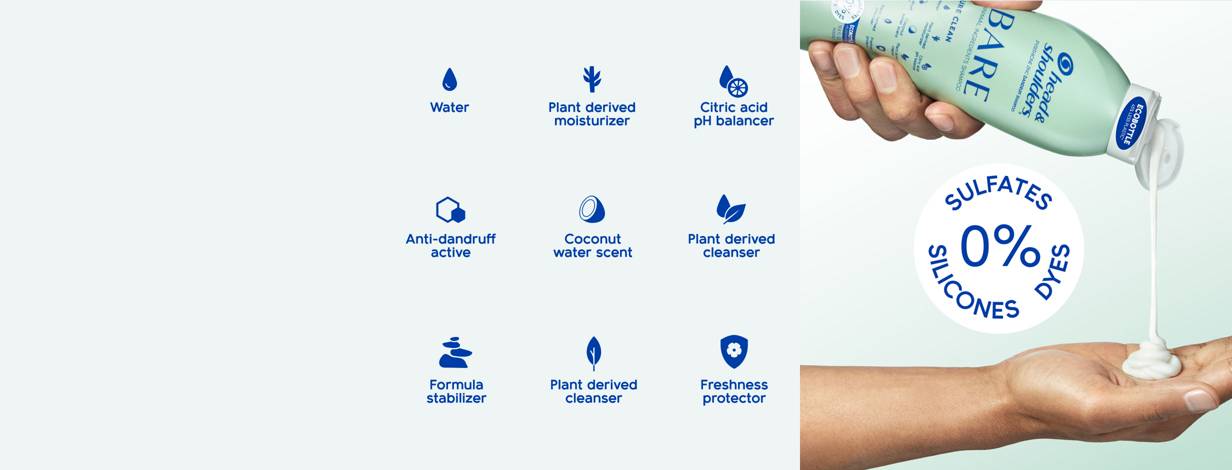
Nothing you don't.Formulated with an anti-dandruff active to protect from dandruff.

New ecobottle
45% less plastic*; easy to squeeze for every last drop.FAQ
About Head and Shoulders - Walmart.com
Head and shoulders products help you choose targeted hair care for flakes, dryness, and daily cleansing in one brand-focused destination. You can compare shampoos, conditioners, and treatments by hair type, scalp concern, and formula style.
If you're replacing a routine that feels inconsistent, you can use this guide to narrow your options faster. You'll see how classic cleansing, dry scalp formulas, and stronger targeted options fit different needs.
How to choose head and shoulders products
You should start with your main scalp concern, because that choice shapes the kind of formula you need. If your focus is dandruff shampoo, you can compare daily-use options with stronger targeted formulas.
For everyday maintenance, you may look for pyrithione zinc, which many shoppers recognize in regular-use formulas. For more intensive care, you may compare selenium sulfide options when you want a more targeted routine.
You should also check your hair type before you pick a bottle. If your hair feels dry, oily, normal, or color-treated, you'll want a formula that matches that texture and finish.
- You can choose dry scalp formulas when your hair feels tight or lacks moisture after washing.
- You can pick oil control options when your roots look slick faster and you want a cleaner feel.
- You can compare color-treated formulas when you want scalp care shampoo that fits into your color routine.
- You can select daily cleansing formulas when you want a familiar wash schedule with less guesswork.
Choosing the right head and shoulders shampoo
You may notice that head and shoulders shampoo comes in several formats, and each one supports a different routine. If you want one simple step, you can compare a shampoo and conditioner formula with separate bottles.
When you're in a hurry, a two-in-one formula can simplify your shower routine and reduce bottle clutter. If you like more control, you can pair shampoo with a separate conditioner for a more customized finish.
You can also compare scalp treatment options when you want something beyond your regular wash. These formulas often fit well when you want a focused step alongside your usual cleansing routine.
If ingredient labels matter to you, you should check active ingredients and their intended use. You'll often see pyrithione zinc, selenium sulfide, or tea tree oil listed across different collections.
You can think of pyrithione zinc as a common choice for routine dandruff care in many wash schedules. You may view selenium sulfide as a stronger option when you want a more focused product type.
Tea tree oil formulas can appeal to you when you want a refreshed feel and a different sensory experience. You should compare ingredient callouts with your preferred format before you decide.
Comparing hair type, scalp concern, and format
If your hair is dry, you should look for formulas that balance cleansing with a smoother feel. You'll usually want conditioner support or a two-in-one formula that keeps your routine straightforward.
If your hair gets oily, you may prefer a lighter-feeling wash that helps you feel fresher between showers. You can compare oil control shampoos with classic clean options to see which routine suits you.
For normal hair, you can focus on your scalp concern first and your preferred format second. That approach helps you avoid overcomplicating a routine that already works for your hair texture.
If your hair is color-treated, you should read product details closely and compare compatibility notes. You'll want a scalp care shampoo that fits into your current wash and conditioning schedule.
You may also sort by concern, such as dandruff, itchy-feeling scalp, dry scalp, or oil control. That filter helps you quickly move past general bottles and toward more relevant formulas.
When to choose head and shoulders 2 in 1
You might prefer head & shoulders 2 in 1 when your mornings move fast and you want fewer steps. It can work well when you want cleansing and conditioning in one bottle.
If you travel often, you may appreciate having one bottle in your gym bag or suitcase. You'll also like how a combined formula can keep your shower shelf less crowded.
You may want separate shampoo and conditioner when your hair needs more tailored care after washing. That setup gives you flexibility if your scalp and hair lengths need different attention.
Scalp treatments can make sense when you want to add a focused product to your weekly routine. You can pair them with your regular wash schedule instead of replacing every step.
Using this guide for daily routines
If you're building a daily routine, you should compare maintenance formulas first and stronger options second. That order helps you match your routine to how often you wash your hair.
You can keep one formula in your main shower and another in your travel bag for convenience. That setup works well when you want consistency at home and simplicity on the go.
For family bathrooms, you may compare bottle sizes, formats, and concerns before you choose. You'll make a clearer pick when you know whether you need dry scalp care, oil control, or a two-in-one.
With head and shoulders products, you can narrow your choices by concern, hair type, and active ingredient without guessing. You'll end up with a routine that feels easier to follow and easier to maintain.