


Hand Exercisers in Physical Therapy
































About Hand Exercisers in Physical Therapy - Walmart.com
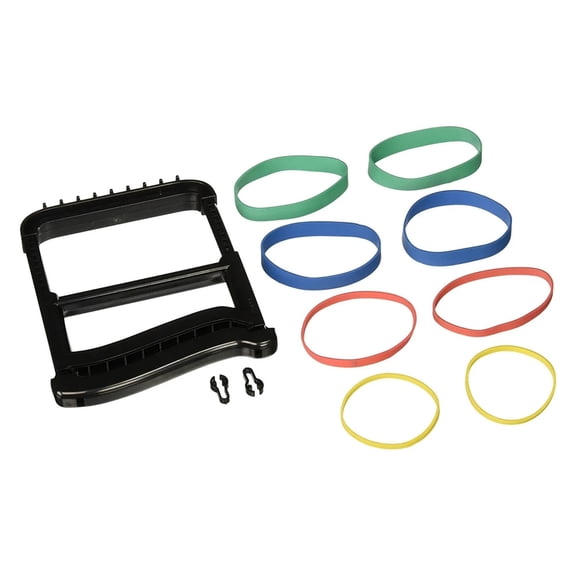
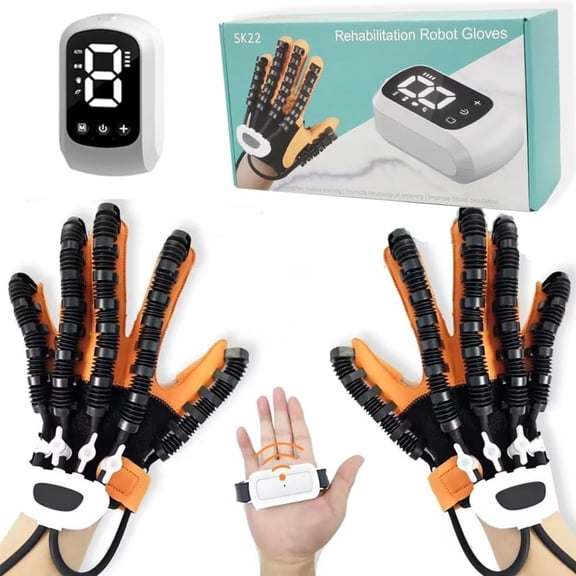
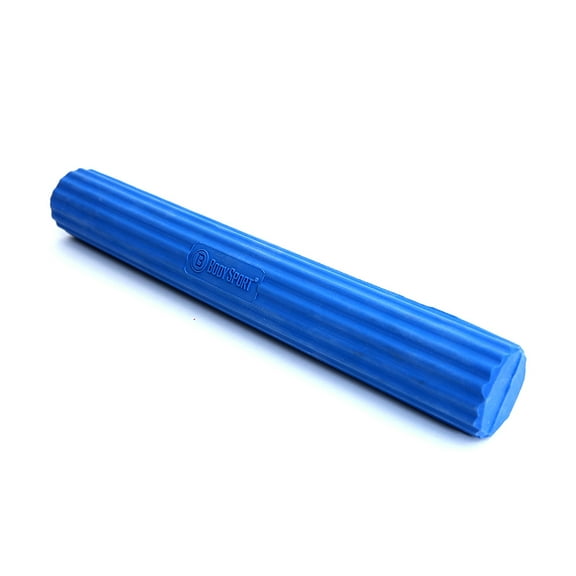
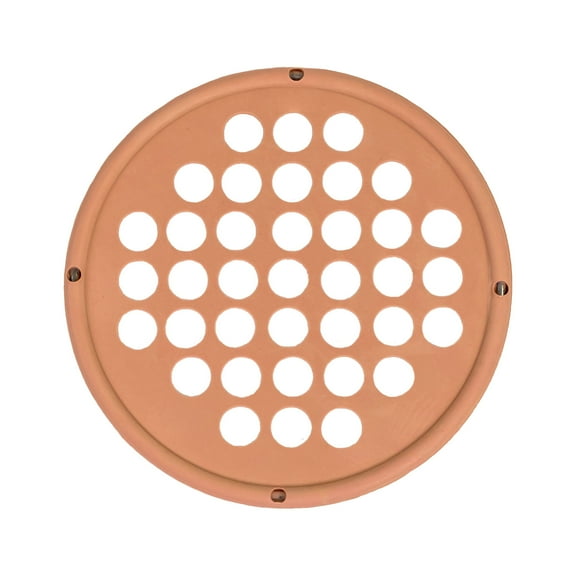
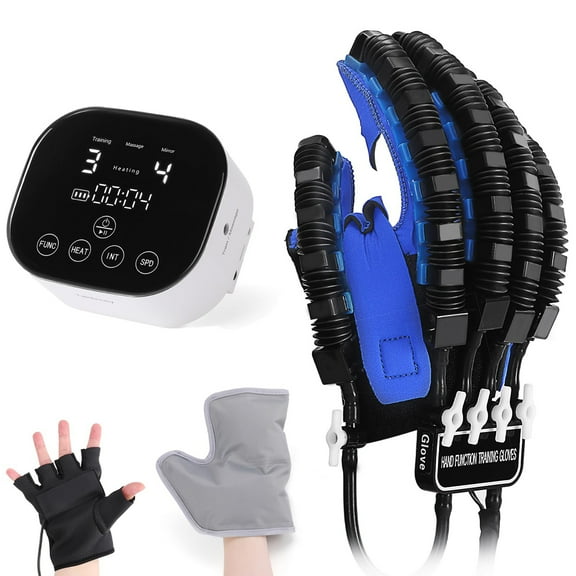
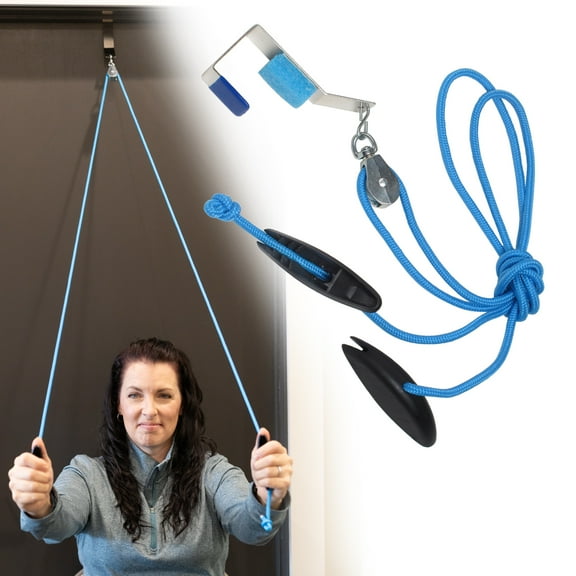
You can compare hand exercisers by resistance, grip feel, and target area, so your training or recovery routine stays focused and comfortable. You’ll also find designs that support finger movement, wrist work, and forearm practice in one compact category.
How to choose hand exercisers for your routine
When you choose hand exercisers, you should start with your main goal and your current comfort level. You may want lighter tension for steady practice or adjustable settings for gradual progression.
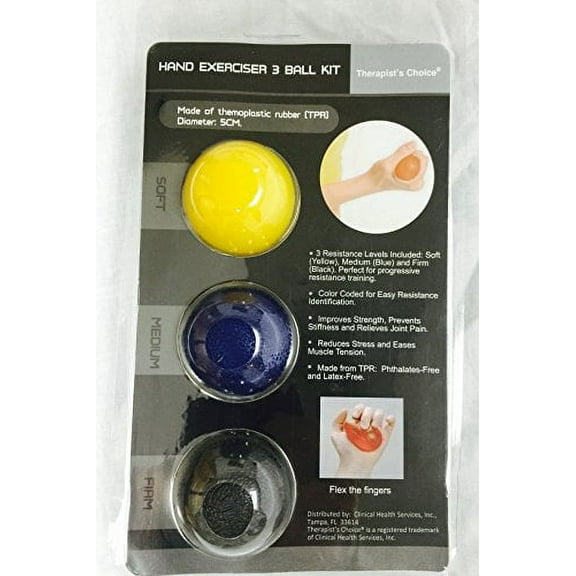
If your routine changes over time, you should compare adjustable, light, medium, and heavy resistance levels. You’ll get clearer control when your tool matches your grip strength instead of forcing one fixed setting.
For physical therapy hand exercisers, you may prefer lighter resistance that lets your hand move with smooth, repeatable motion. For training sessions, you might choose medium or heavy tension that challenges your grip longer.
Choosing the right hand grip strengthener resistance
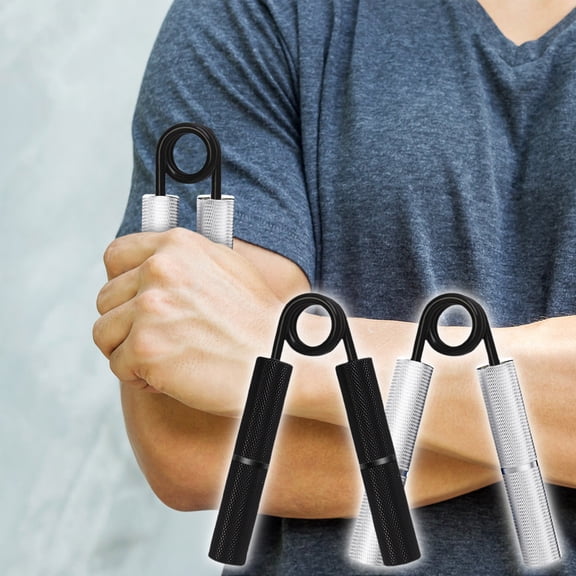
A hand grip strengthener should match how often you’ll use it and how long you want each squeeze to feel. You can begin with light resistance for short sessions, then move upward as your control improves.
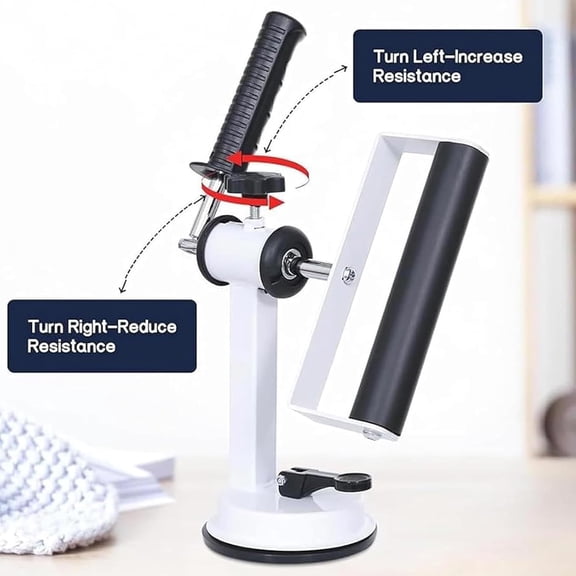
Adjustable hand exercisers can make progression simpler because you won’t need a different tool for every stage. You can increase tension in small steps and keep your routine consistent at home or on the go.
- You can use light resistance for gentle daily practice and shorter squeeze cycles.
- You can choose medium resistance when you want balanced grip work across your hand and wrist.
- You can select heavy resistance when your training focuses on stronger closing force and longer holds.
- You can compare adjustable models when you want one tool for changing needs and shared use.
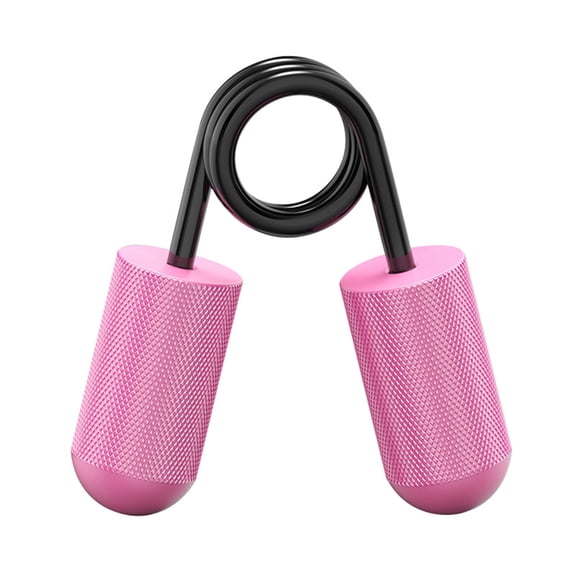
If you’re comparing a grip strength trainer with a hand squeeze gripper, you should check how each handle closes. You’ll usually notice that a smoother motion feels easier to repeat during focused sets.
What to look for in grip materials and handle comfort
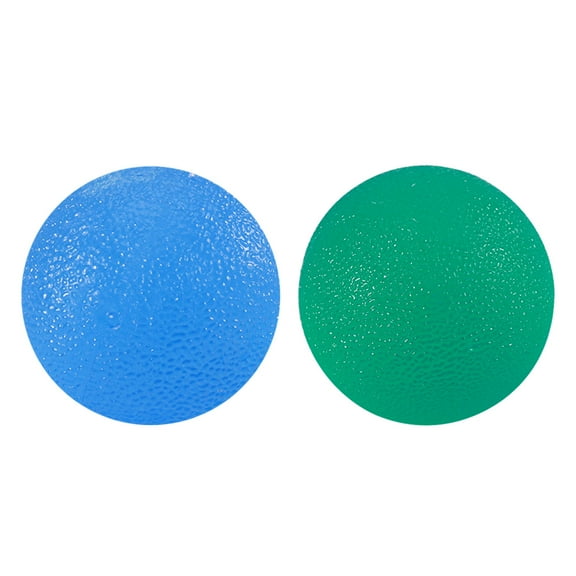
Your grip material affects how secure each squeeze feels, especially during repeated reps. You should compare foam, silicone, rubber, and plastic surfaces based on texture, firmness, and hand feel.
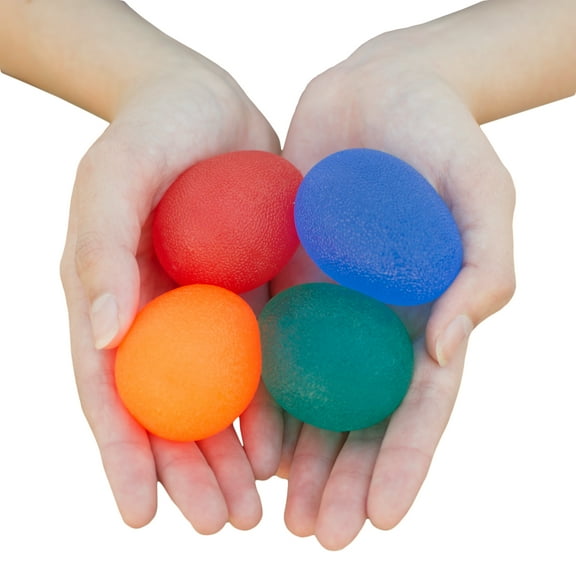
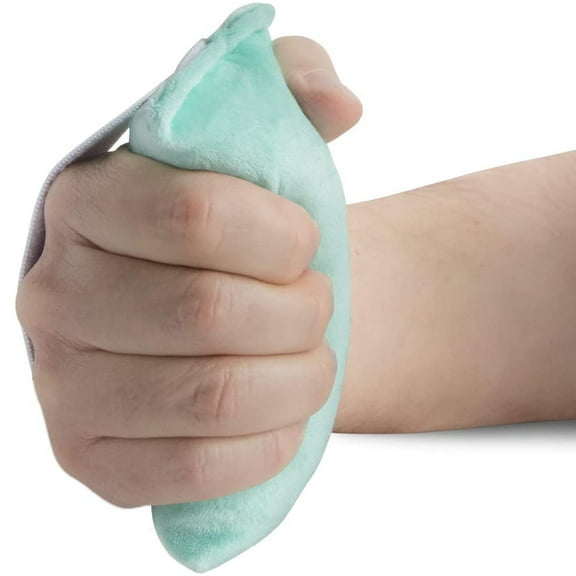
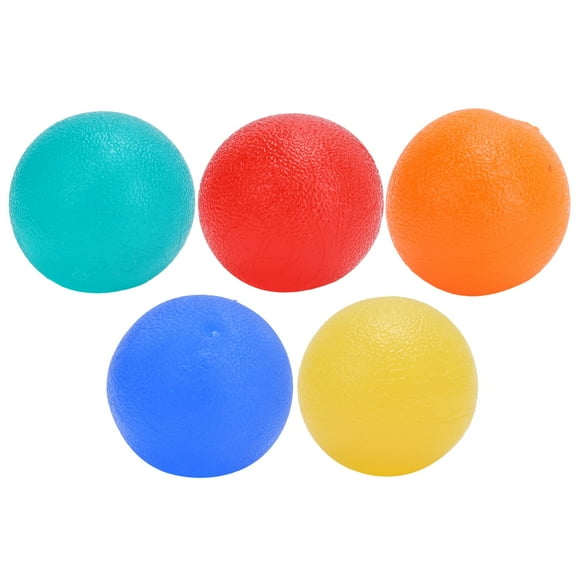
Foam handles can feel softer in your palm and may suit longer sessions with repeated presses. Silicone surfaces can feel smooth yet steady, while rubber often gives your hand extra traction.
Plastic handles can feel firmer and more direct, which may help if you prefer a simple, structured hold. You should also check handle width, because your fingers need enough room to close naturally.
If your hands vary in size, you should compare shape as closely as material. You’ll often find that curved or ergonomic handles help your grip stay aligned through each repetition.
Comparing finger exerciser, wrist strengthener, and forearm exerciser options
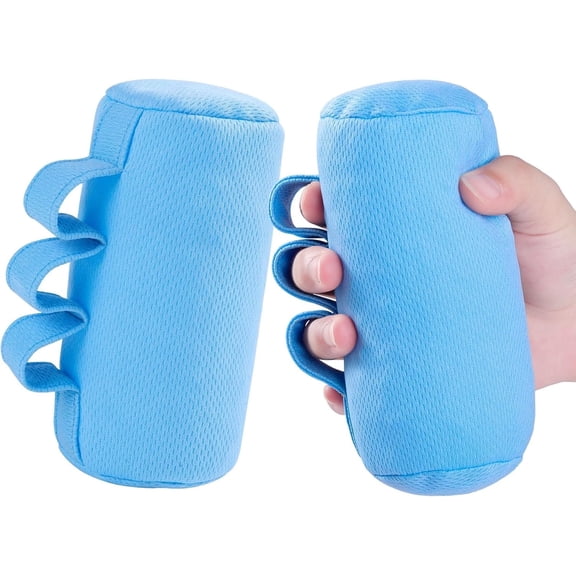
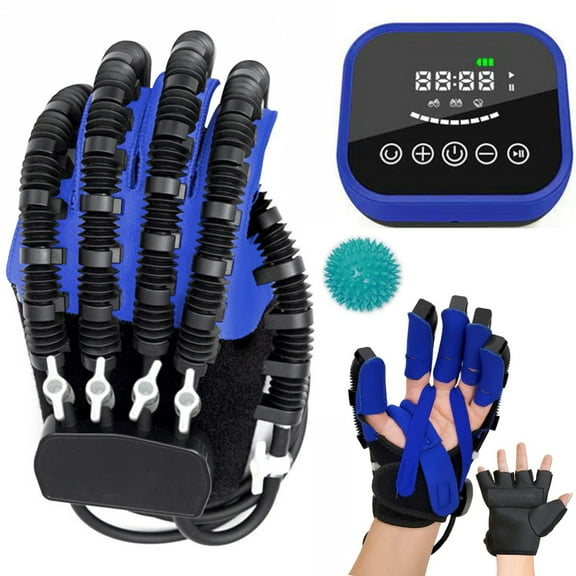
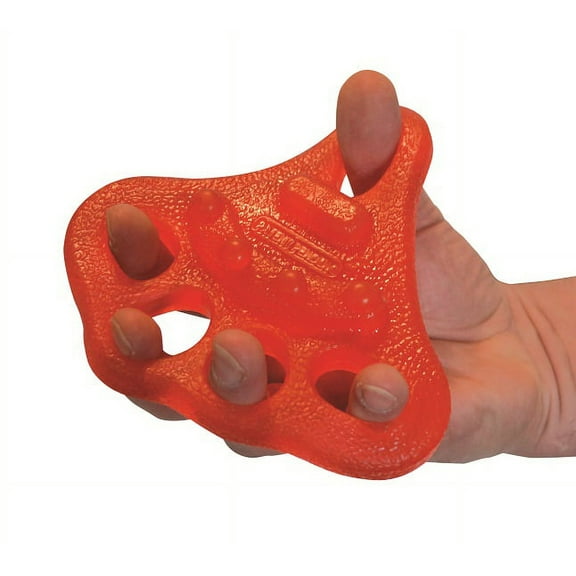
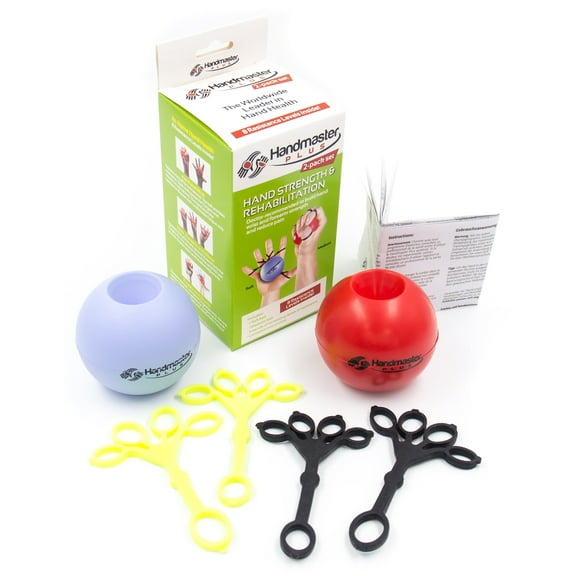
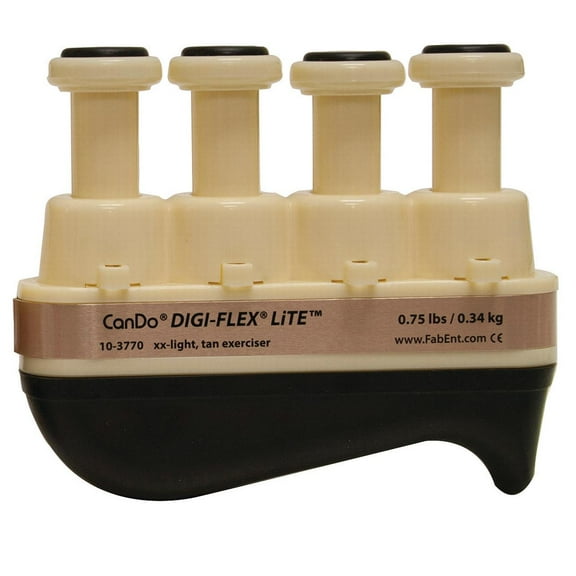
Your target area should guide the design you choose, because different tools focus pressure in different places. You can use a finger exerciser for isolated finger movement and more detailed control.
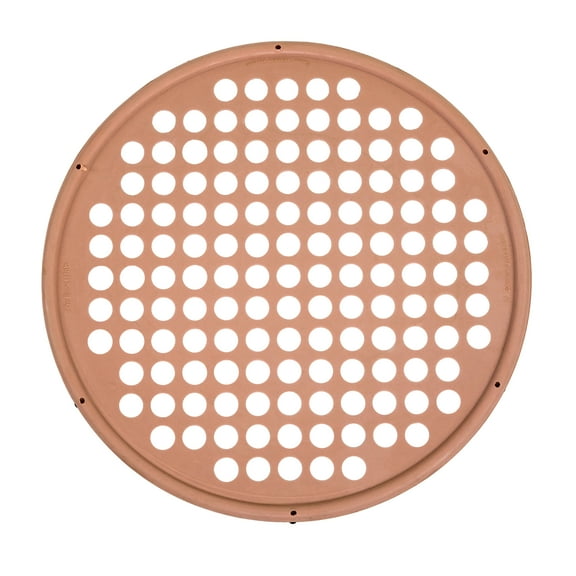
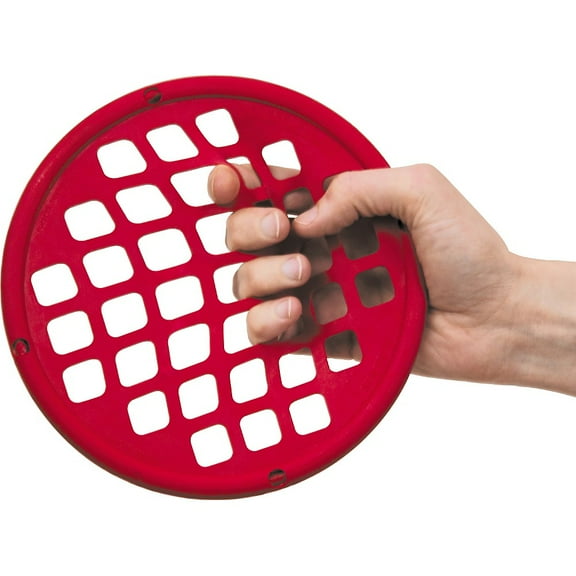
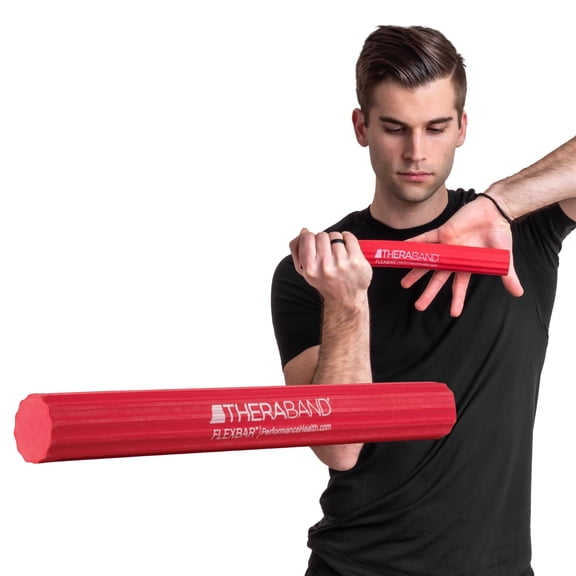
If you want broader training, you may choose a wrist strengthener or forearm exerciser with a fuller grip pattern. You’ll usually get a more whole-hand squeeze when the design spreads pressure across your palm.
A grip strength trainer can suit general hand work, while finger-focused designs support more separated finger action. You should compare spring tension, band layout, or squeeze shape based on how specific your practice feels.
For mixed routines, you may want a hand grip strengthener that works during warmups, desk breaks, and training blocks. You can keep one compact tool nearby when you want quick, repeatable reps.
Matching use cases to the right hand exercisers
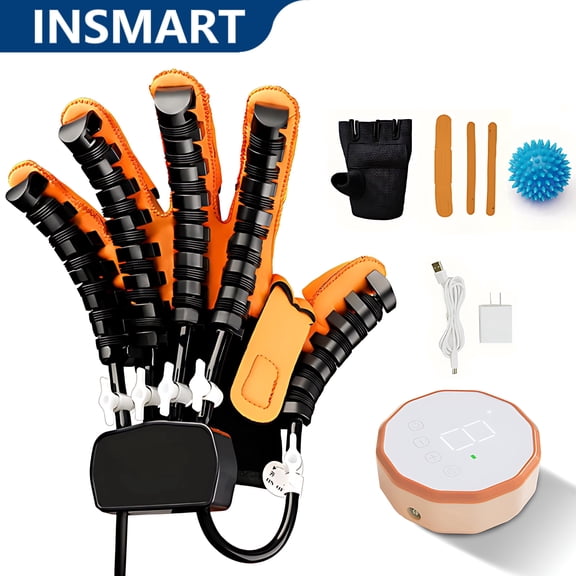
If your focus is rehabilitation, you should look for manageable resistance and easy-to-hold materials. You’ll benefit from a design that supports regular sessions without complicated setup.
For physical therapy use, you may want simple progression from light to medium tension over time. You can build a more structured routine when your tool supports controlled, repeatable squeezing.
If you train for rock climbing, you might prefer a grip strength trainer with firmer resistance and dependable traction. You’ll likely want a shape that feels steady during repeated holds and quick squeeze sets.
For stress relief, you may choose softer materials and a compact shape that fits easily in your hand. You can keep your routine discreet at a desk, in a bag, or during travel.
When you switch between fingers, wrist, and forearm work, you should compare designs that match each movement pattern. You’ll make clearer choices when your tool supports the exact area you want to practice.
You can shop hand exercisers with more confidence when you understand resistance, grip material, target area, and use case. You’ll end up with a tool that fits your hand, your routine, and your progression.