










Shop Hammocks and Outdoor Seating Stands




































About Shop Hammocks and Outdoor Seating Stands - Walmart.com
Hammocks give you an easy way to relax outdoors, whether you want backyard comfort or a portable setup for weekends away. You can compare support types, materials, and sizes to choose a setup that fits your space and routine.
If you're narrowing options on a busy category page, you likely want quick guidance that matches how you'll actually use your hammock. You'll find that stand compatibility, fabric feel, and packed size matter more here than on other outdoor seating.
How to choose hammocks for your space
When you compare hammocks, start with where you'll hang them and how much room you have. You should measure your patio, yard, or campsite before you choose a length or support style.
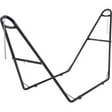
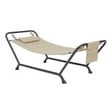
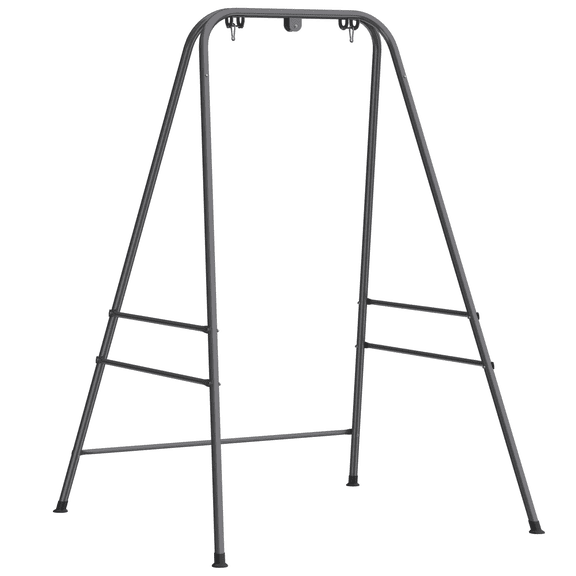
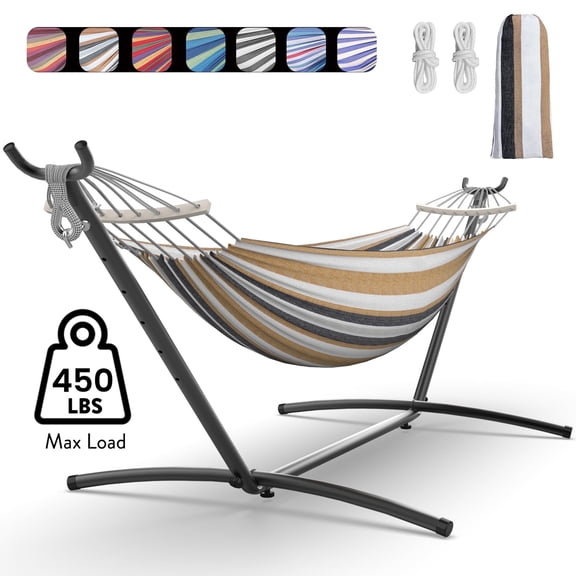
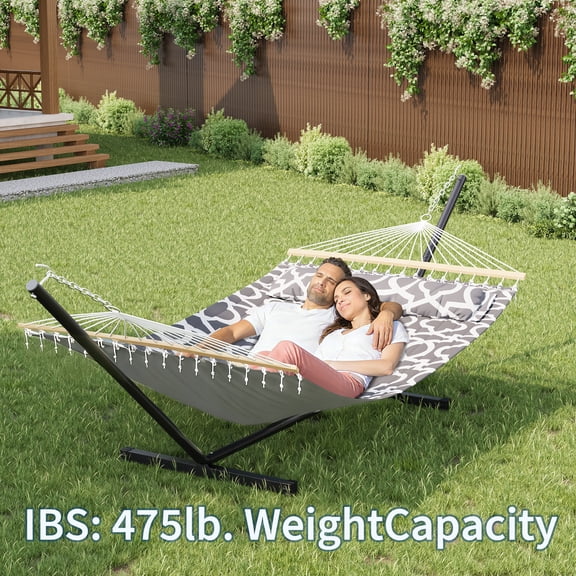
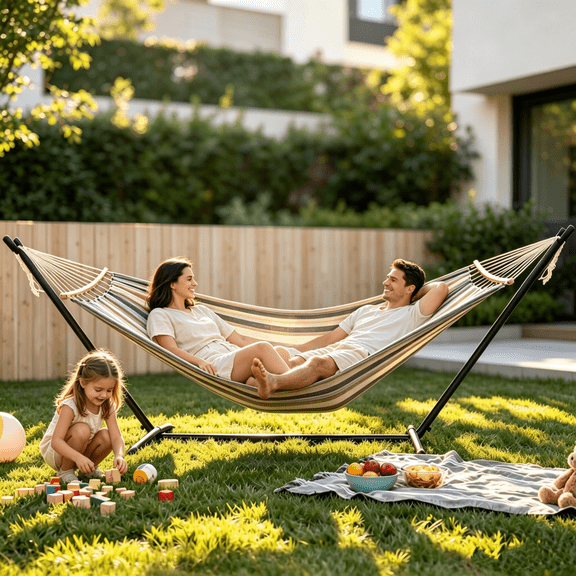
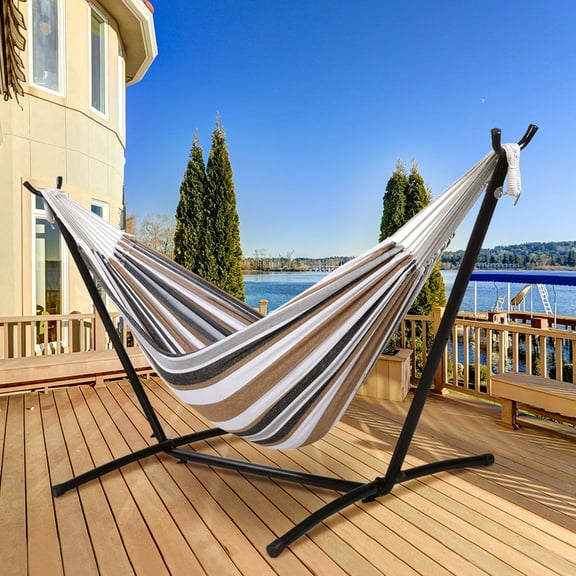
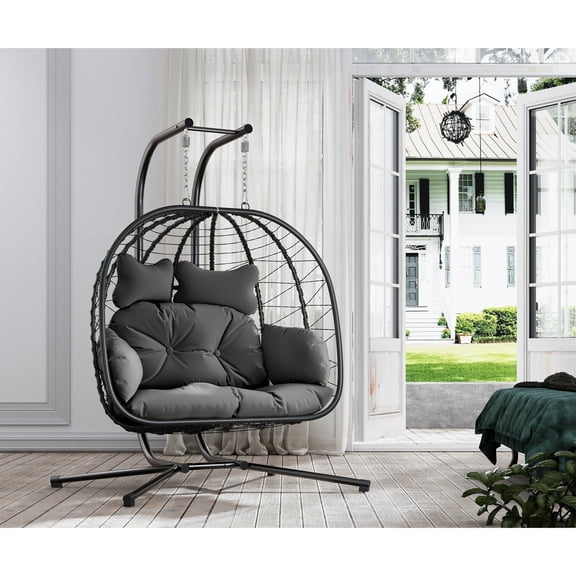
A hammock with stand works well when you don't want to rely on trees or ceiling mounts. You can place it on grass, a deck, or a poolside area with less setup guesswork.
If you already have strong anchor points, tree straps or hanging chains may fit your setup. You should check strap length and hanging distance so your hammock sits at a comfortable height.
- You can choose a stand setup when you want flexible placement in your yard or patio.
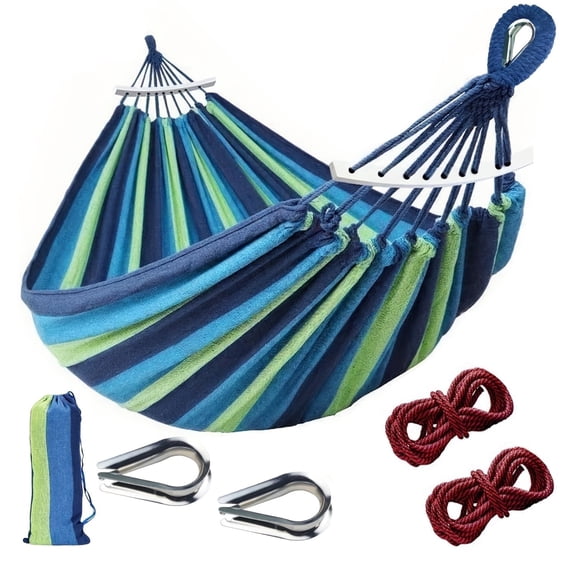
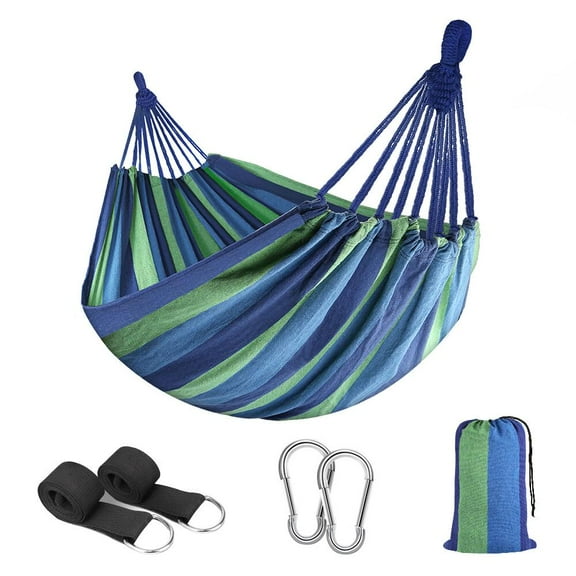
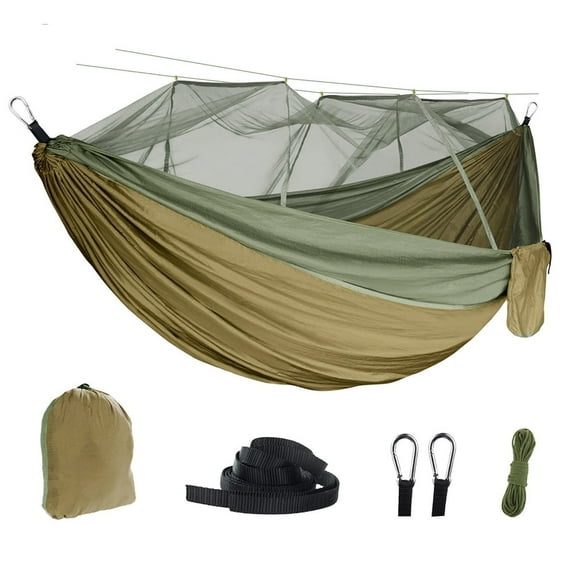
- You can choose tree straps when you want a camping hammock that packs small and sets up fast.
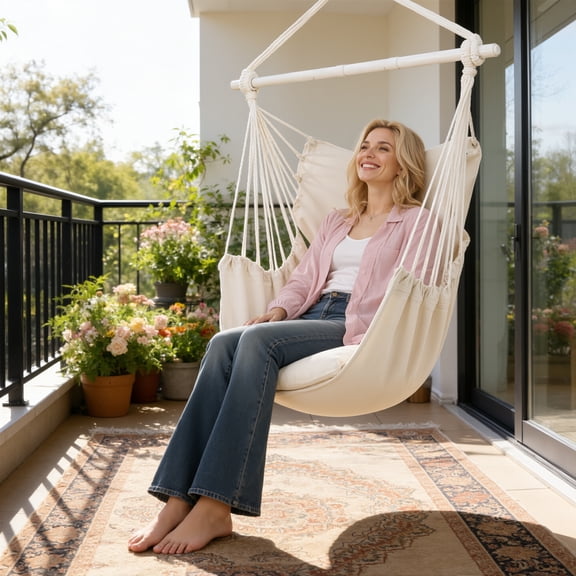
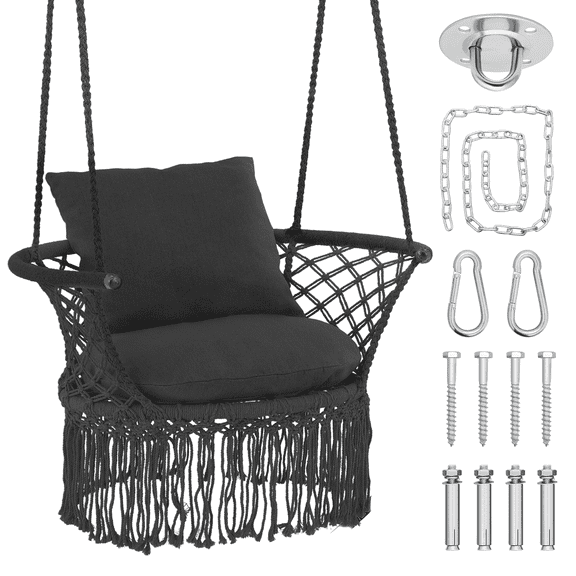
- You can choose hanging chains when you want an adjustable fit for a porch or fixed frame.
- You can compare single, double, and family sizes based on how much shoulder room you want.
Choosing a hammock with stand or suspension
Your support type affects setup time, placement, and the overall feel once you lie down. You should compare weight capacity, strap length, and hardware ratings before you choose a suspension system.
If you want simple placement, a hammock with stand helps you avoid searching for correctly spaced trees. You can move the setup as your shade and seating plans change.
For campsites and travel, tree straps and carabiners support a more portable hammock setup. You should check carabiner rating and strap adjustability so your hang angle feels stable and easy to fine-tune.
Hanging chains suit fixed locations where you want a more permanent look. You can use chain links for small height changes when your porch or frame needs a precise fit.
Comparing materials for comfort and outdoor use
Your material choice changes how the hammock feels, dries, and handles frequent outdoor use. You should match fabric type to whether you want backyard lounging, patio use, or camping and backpacking.
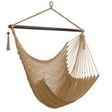
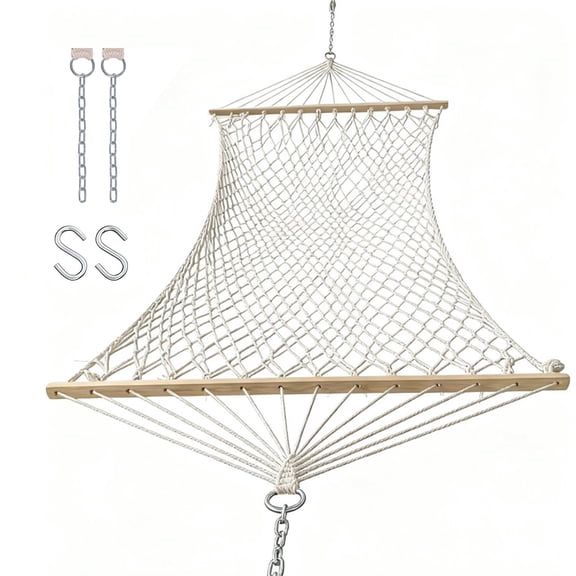
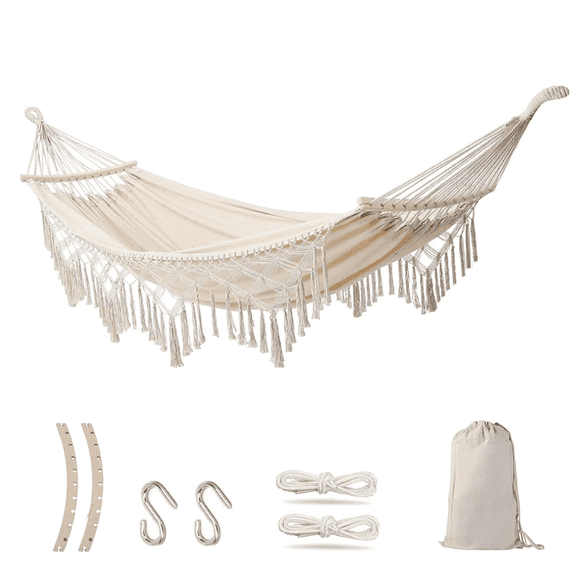
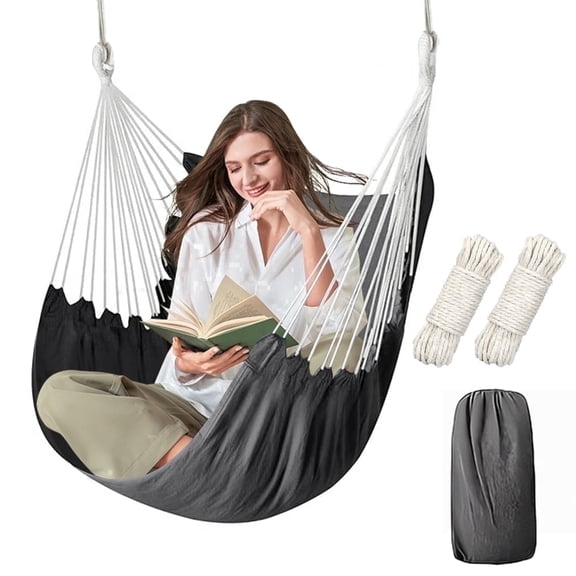
Cotton rope gives you an open, airy feel that suits warm afternoons and classic backyard style. You may prefer a rope hammock when breathability and a laid-back look matter most.
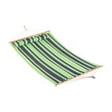
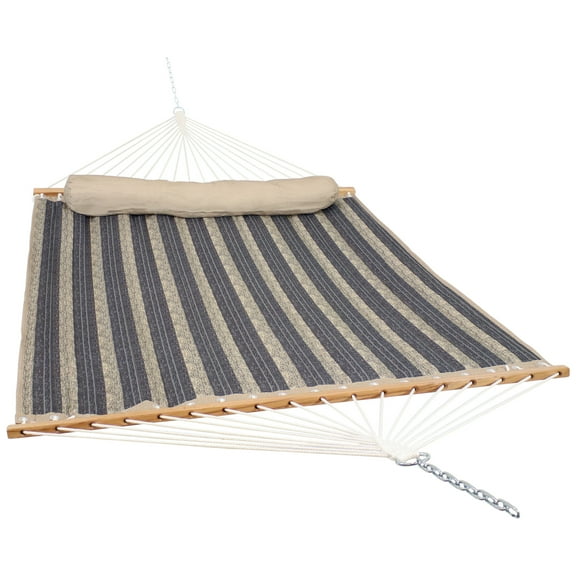
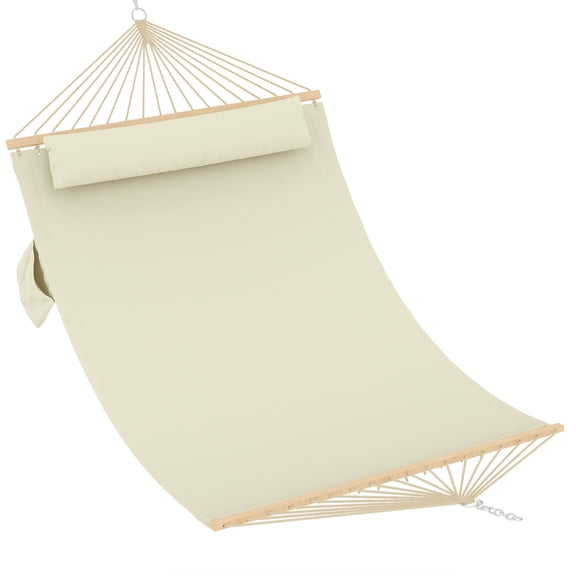
Quilted fabric adds a cushioned feel and a flatter surface for extended lounging. You can place quilted styles on patios or near the pool when you want comfort that feels closer to a padded lounger.
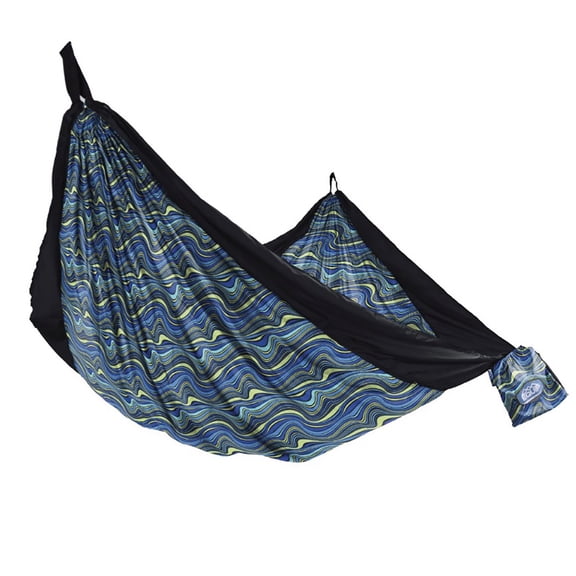
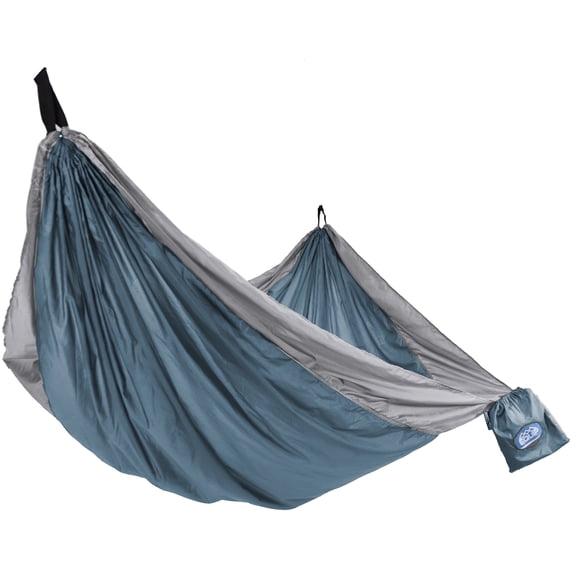
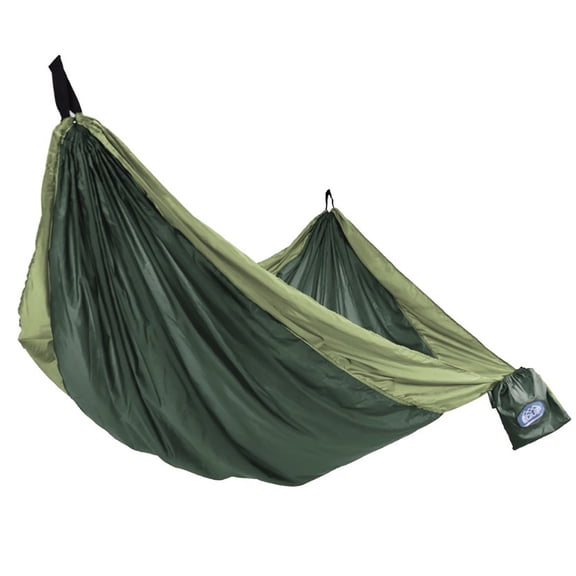
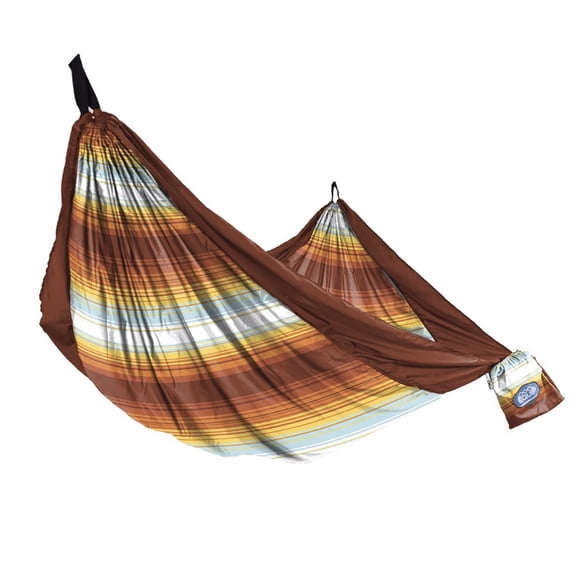
Parachute nylon works well when you need a camping hammock that dries quickly and packs down small. You should compare denier rating and packed dimensions if you're carrying gear on foot.
Canvas offers a sturdy feel with more structure than rope or lightweight nylon. You may like canvas when you want a balanced option for backyard use and occasional travel.
Choosing capacity and size
Your hammock size affects comfort, spread, and how much room you have to shift positions. You should compare body length, bed width, and stated capacity before you settle on a format.
Single styles suit solo lounging and smaller spaces where you want a compact footprint. You can use them on narrower patios, smaller stands, or campsites with tighter anchor spacing.
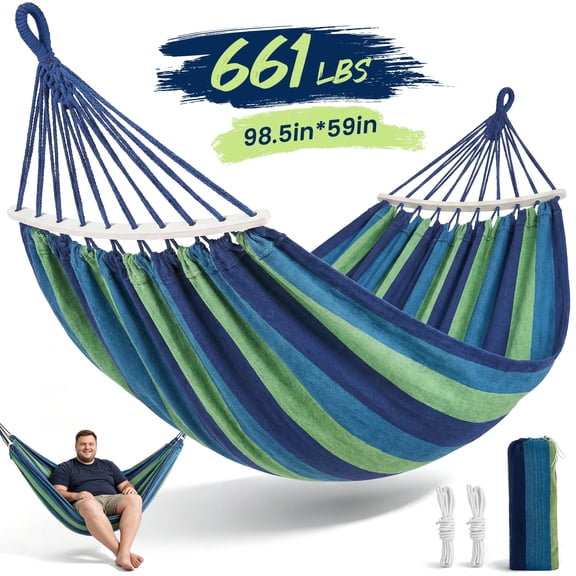
A double hammock gives you extra width, which can feel roomier even when you're relaxing alone. You may prefer that added fabric if you like to angle yourself diagonally for a flatter lay.
Family sizes offer more lounging space for larger setups and wider outdoor areas. You should confirm stand compatibility and total weight capacity because larger beds need matching support.
Using camping hammock and portable hammock options
Your use case should guide your final choice more than appearance alone. You should think about whether you'll leave the hammock in one spot or carry it from trip to trip.
For backyard lounging, you may want quilted fabric, cotton rope, or canvas with a stand. You can create a ready-to-use relaxation spot near a pergola, garden edge, or patio seating area.
For camping and backpacking, a portable hammock with parachute nylon usually makes more sense. You should compare packed weight, denier rating, and stuff-sack size when every inch of pack space counts.
Travel setups work well when you want quick assembly at parks, cabins, or weekend rentals. You can choose lightweight straps and compact hardware to keep your setup simple to carry and store.
Patio setups often call for looks that match your cushions, umbrellas, and outdoor tables. You may want neutral fabric tones or a rope style that blends with other outdoor seating pieces.
When you match support type, material, and capacity to your routine, your hammock feels easier to use from day one. You can enjoy a setup that fits your space, packs the way you need, and supports longer outdoor downtime.