









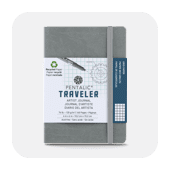
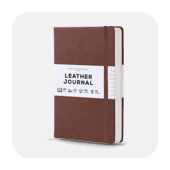
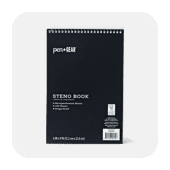
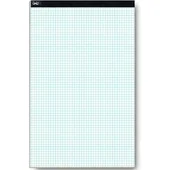
Grid Notebook in Notebooks & Pads
































About Grid Notebook in Notebooks & Pads - Walmart.com
You can compare grid notebook options clearly when you know how grid spacing, paper weight, and binding shape your writing experience. You’ll also find page sizes and cover materials that fit class notes, bullet journaling, drafting, and daily planning.
Choosing the right grid notebook
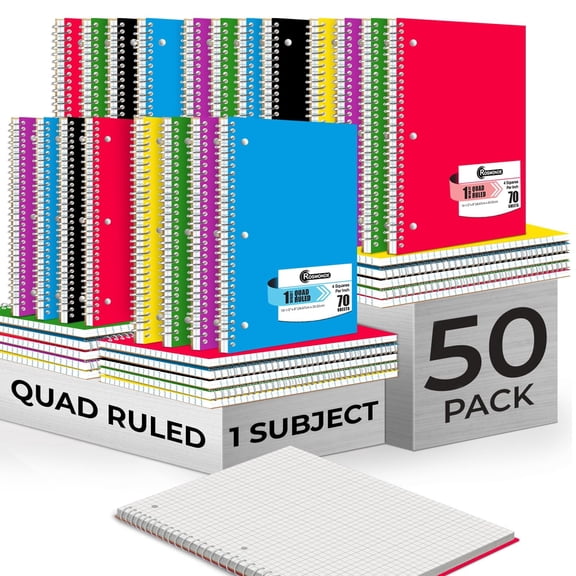
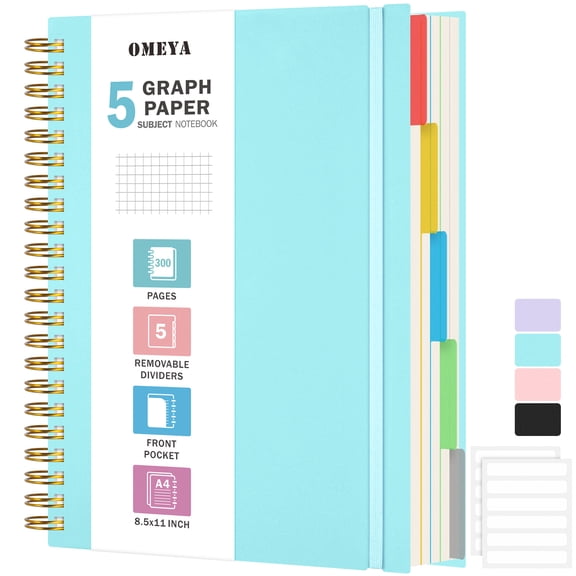
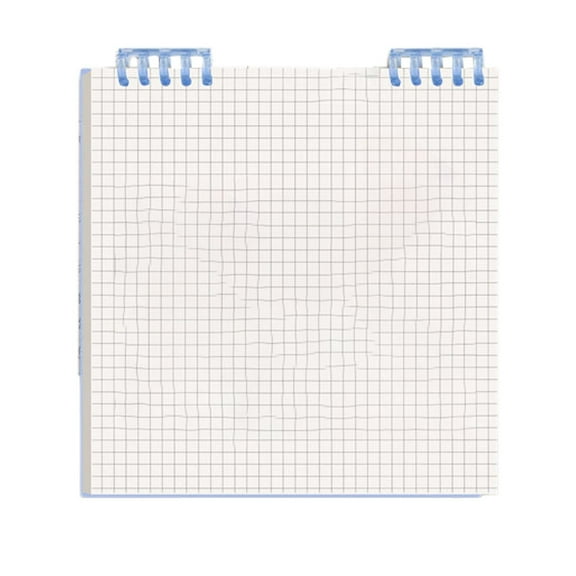
Start with grid size, because your page layout changes with every square. You’ll usually see 5x5, 4x4, 0.5cm, or dot grid formats across this category.
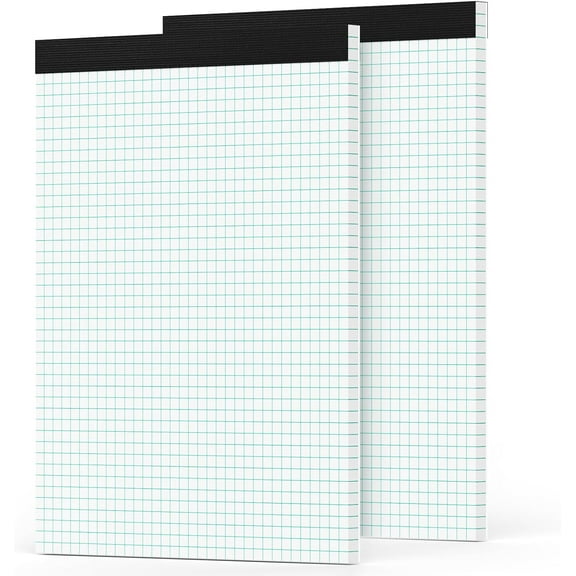
If you write math steps or chart data, you may prefer 5x5 grids per inch. You’ll get smaller squares that help you align numbers, graphs, and measured sketches.
If you draw diagrams or want roomier writing, you may lean toward 4x4 pages. You’ll notice larger boxes can feel easier for quick notes and classroom work.
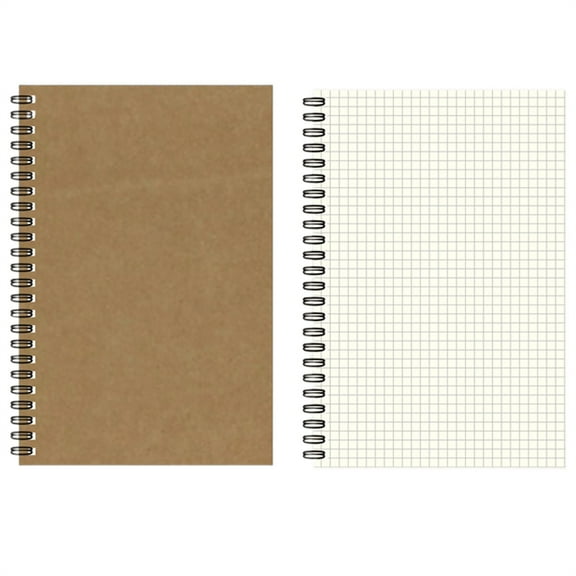
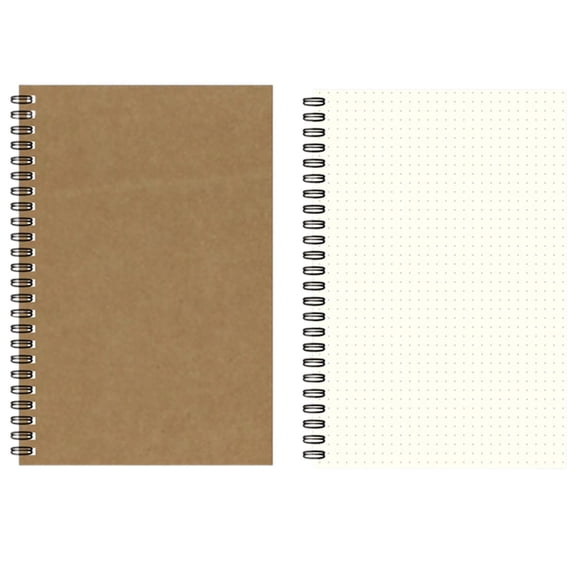
When you want flexible planning pages, you can consider a dot grid or 0.5cm layout. You’ll get gentle structure for bullet journaling, habit tracking, and neat lettering.
A graph paper notebook can also help you keep margins, charts, and spacing consistent. You’ll spend less time redrawing lines when your page already supports tidy layouts.
What to look for in grid paper notebook features
Paper weight matters when you use gel pens, markers, or fountain pens. You’ll often compare 80 GSM, 100 GSM, and 120 GSM pages to understand how sturdy each sheet feels.
If you want lighter pages for everyday notes, you may choose 80 GSM. You’ll get a familiar notebook feel that works well for pencils, ballpoint pens, and routine writing.
If you use wetter inks, you can look at 100 GSM paper for more support. You’ll often notice cleaner pages and a smoother feel during longer writing sessions.
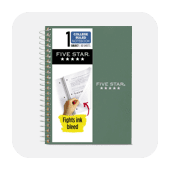
When page appearance is a key priority, you may prefer 120 GSM bleed-resistant options. You’ll have more confidence using darker pens for journals, planners, and design notes.
- You can use smaller grids for precise graphs, equations, and measured diagrams.
- You can pick thicker paper when your pens lay down heavier ink.
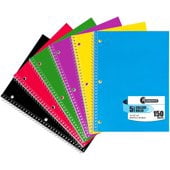
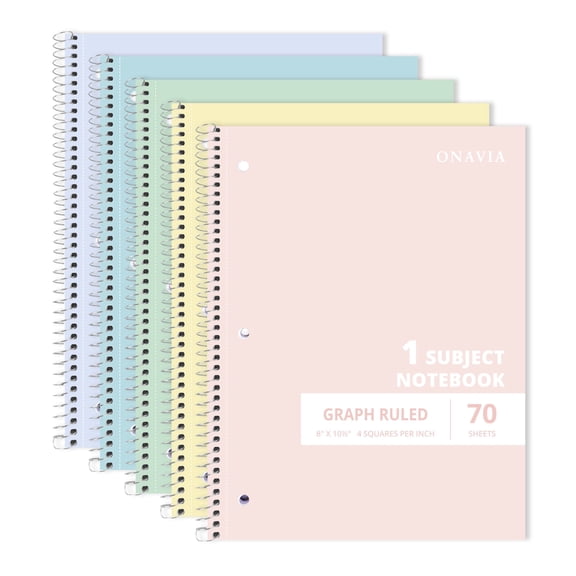
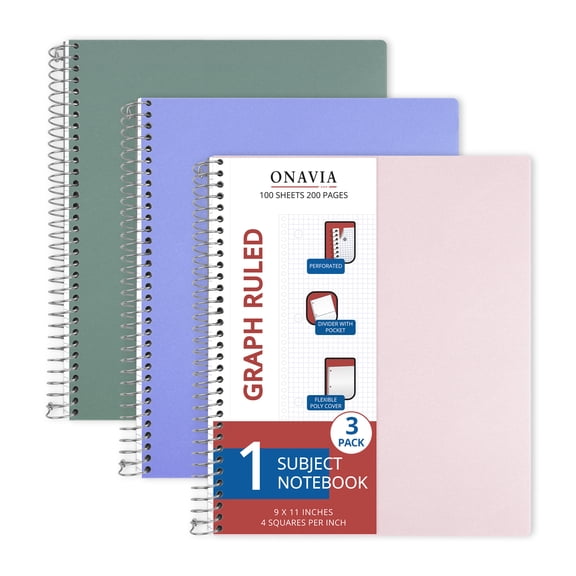
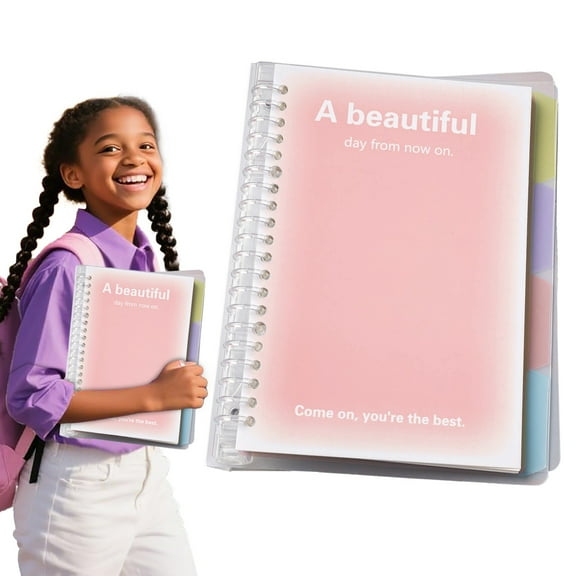
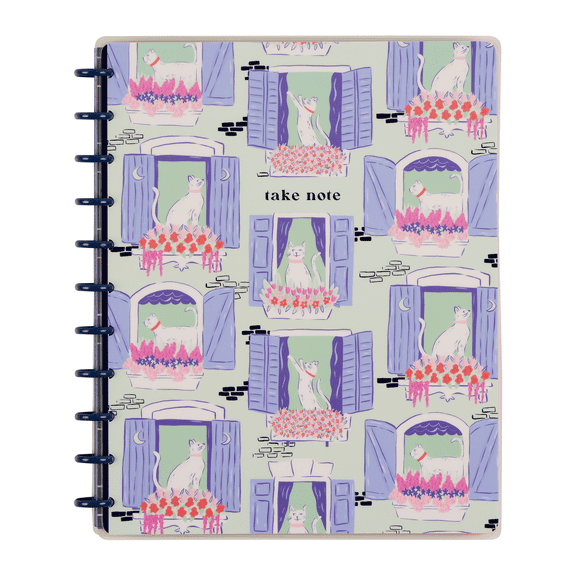
- You can choose a spiral grid notebook when you want pages to fold back easily.
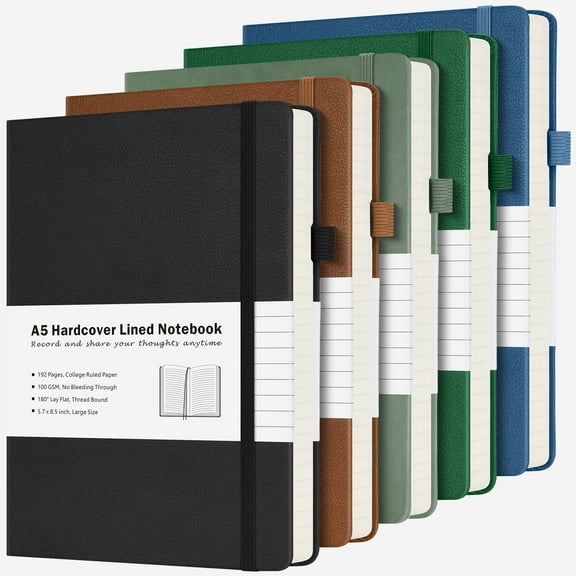
- You can select sewn or hardcover styles when you want a more book-like writing surface.
- You can compare A5, letter, and pocket sizes based on portability and workspace.
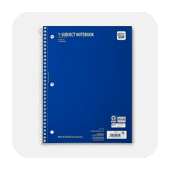
Binding type also changes how comfortably you write across a full page. You may prefer spiral bound notebooks when you want fast page turns and fold-back convenience.
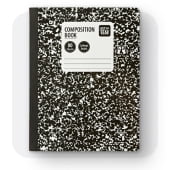
If you want a steadier notebook spine, you can compare composition or sewn binding. You’ll often get a cleaner, lay-flat feel that suits journaling and continuous note taking.
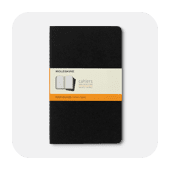
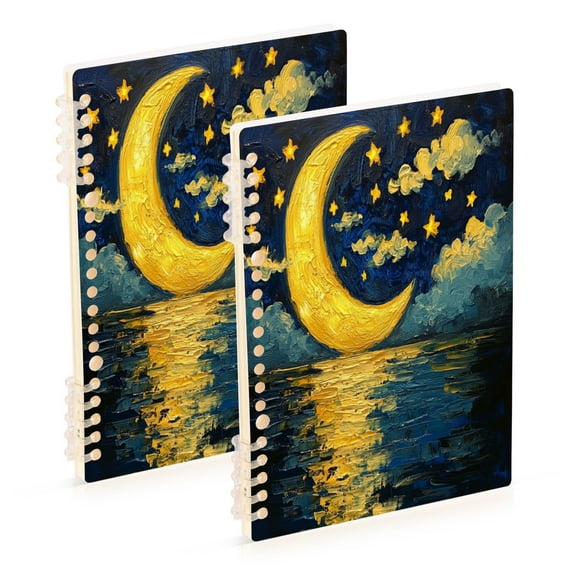
A hardcover bound or poly cover style can also shape daily use. You’ll get extra structure for backpacks, desks, and commutes where covers take frequent handling.
Comparing grid journal sizes and formats
Page size affects how much detail you can fit on each sheet. You’ll often choose between A5, 8.5 x 11 letter, and pocket formats in this category.
If you carry your notebook all day, you may prefer an A5 grid notebook. You’ll get a balance of portability and writing space for meetings, class, and travel.
When you need more room for charts, drafting, or multi-step work, letter size can help. You’ll have wider pages for diagrams, tables, and larger handwriting.
If you want a notebook for quick lists or field notes, pocket size can fit easily. You’ll be able to tuck it into a bag, drawer, or jacket pocket.
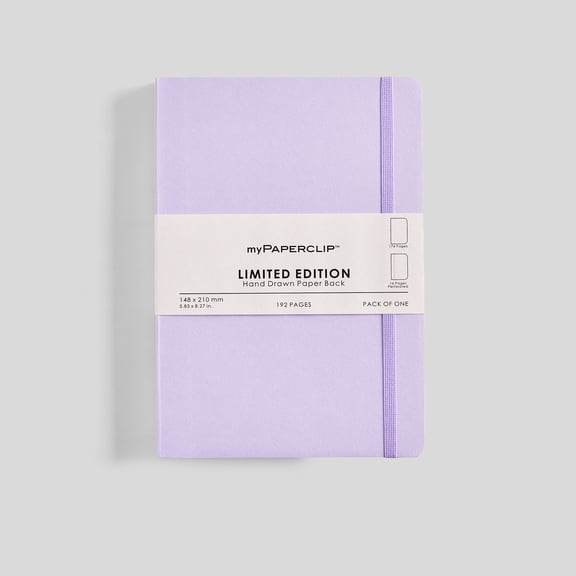
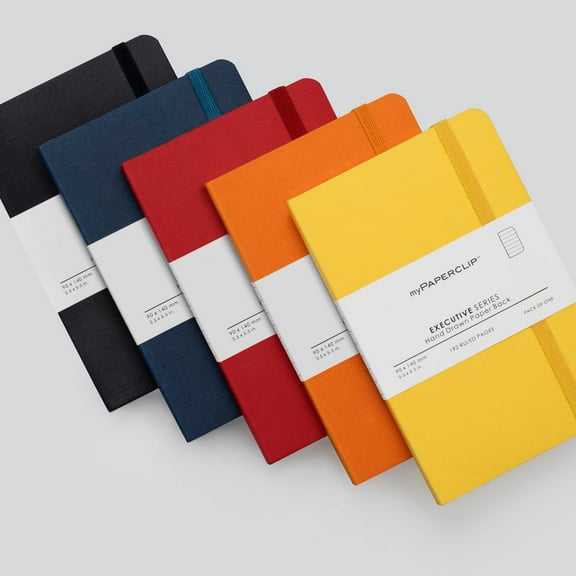
A squared notebook with the right cover can make daily use simpler. You can compare softcover options for lighter carry or hardcover styles for firmer support.
Matching your notebook to how you write
Your writing tools and routines should guide your final choice rather than appearance alone. You’ll want to compare grid spacing, page weight, and binding together before deciding.
If you build bullet journal spreads, you may want dot grid or 0.5cm pages. You’ll also likely appreciate thicker paper and a cover that holds up in daily use.
For engineering notes or technical classes, you may prefer a graph paper notebook with smaller squares. You’ll have clearer alignment for formulas, scaled sketches, and organized calculations.
If you sketch room layouts, charts, or concept diagrams, you can consider letter-size pages. You’ll gain more drawing area without piecing ideas across several sheets.
When your notebook stays in a backpack, you may look for a plastic or poly cover. You’ll get a surface that handles frequent carrying and everyday campus routines well.
If you journal at a desk, a hardcover grid journal may feel steadier under your hand. You’ll often appreciate that extra support when you write without a table pad.
A grid notebook can also fit school supply lists during the back-to-school season. You’ll be able to compare formats for math class, lab notes, and study planning.
With the right combination of grid size, paper weight, binding, and cover, you can choose pages that match how you write every day. You’ll get cleaner notes, steadier layouts, and a notebook that feels easier to use.