

Grey Tape & Gray Adhesive Tape | Heavy Duty - Walmart


















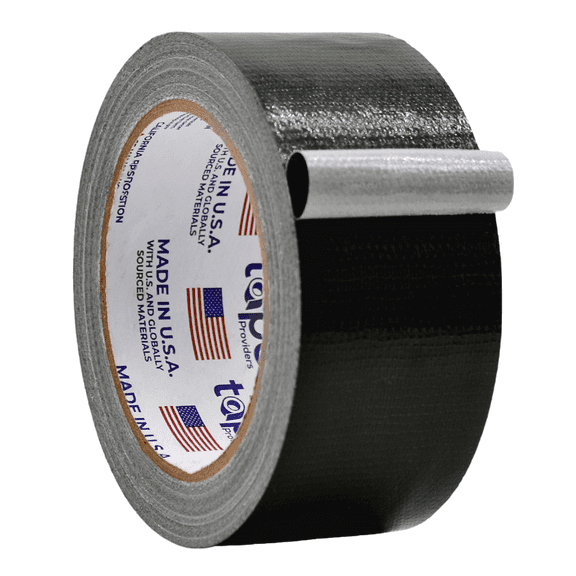


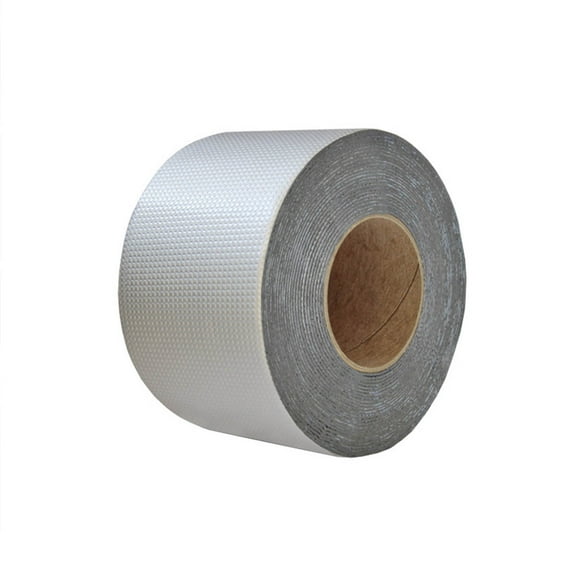


About Grey Tape & Gray Adhesive Tape | Heavy Duty - Walmart - Walmart.com
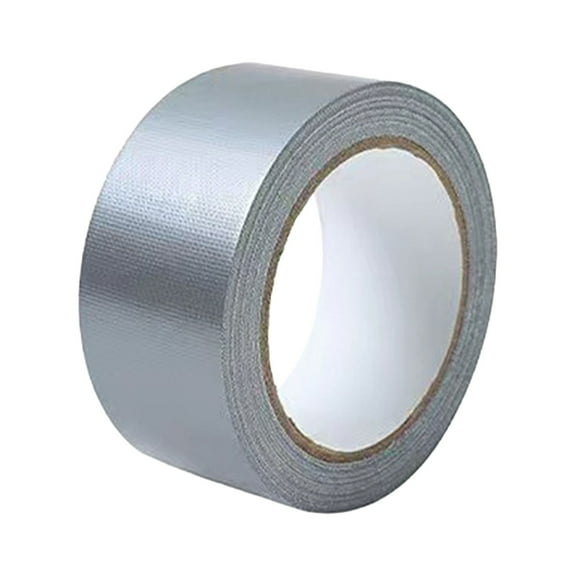
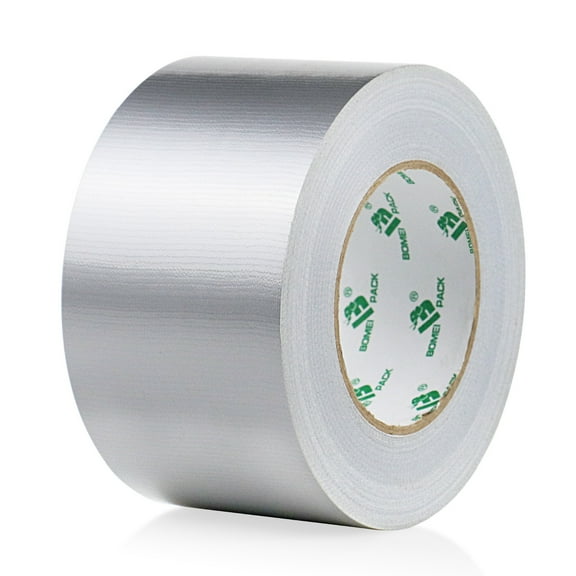
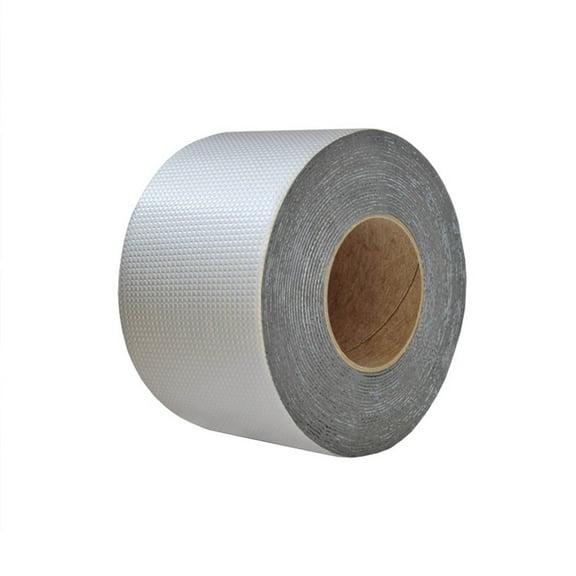
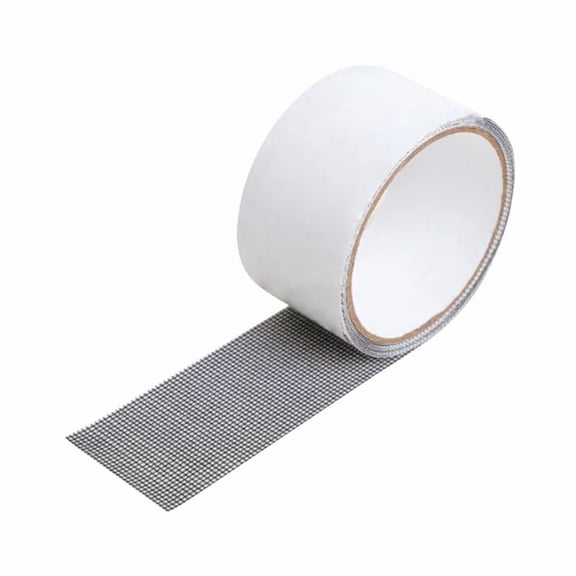
You can use grey tape to handle repairs, bundling, sealing, and color-matched fixes across your home, garage, or jobsite. You’ll also find shades and strengths that blend with gray surfaces better than bright silver or black options.
When you compare rolls in this category, you should focus on adhesive strength, tape type, shade, thickness, and brand. You’ll make a cleaner choice when you match each detail to the surface, task, and finish you need.
How to choose grey tape for your project
You should start with the task, because light bundling needs a different hold than patching a duct run. You’ll usually want standard adhesive for quick fixes and heavy duty or extra strong options for rougher surfaces.
If you’re comparing strong grey tape, you should check how firmly it grips steel, plastic, fabric, or painted surfaces. You’ll get more useful guidance when you pair technical strength terms with the material you plan to tape.
- You can use standard strength for labeling, wrapping cords, and light household fixes.
- You should consider heavy duty rolls when your project includes sealing, patching, or holding uneven materials together.
- You may want industrial or extra strong options when your task needs thicker backing and a firmer bond.
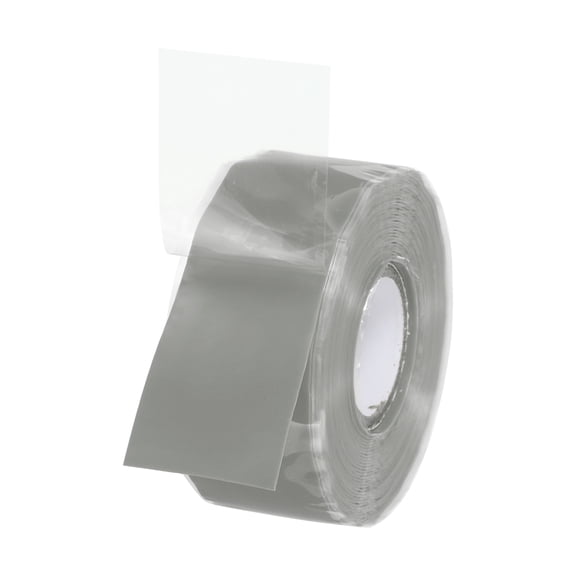
- You can choose dark grey tape when you want a closer visual match on gray equipment, bins, or trim.
Choosing tape type, thickness, and width
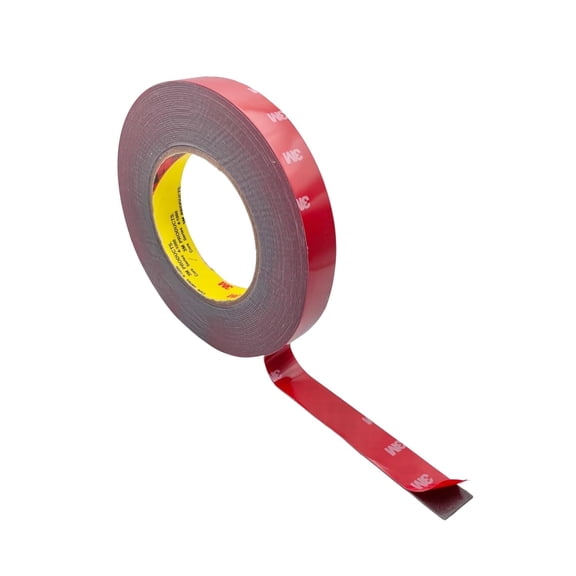
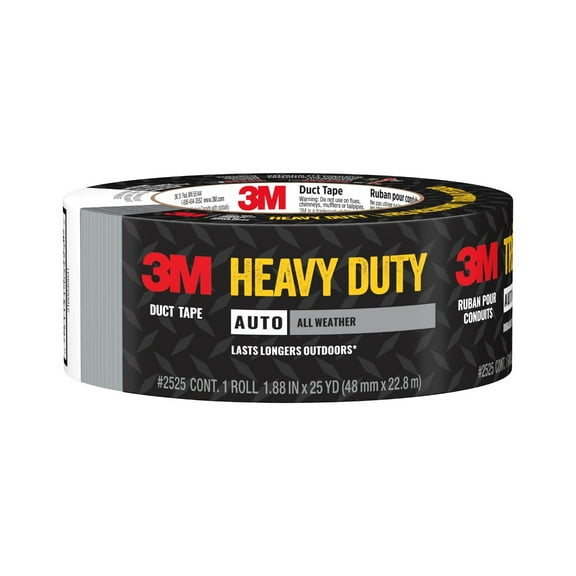
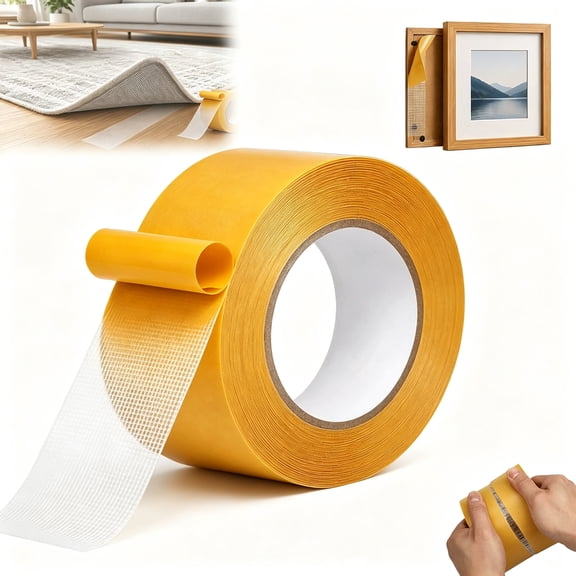
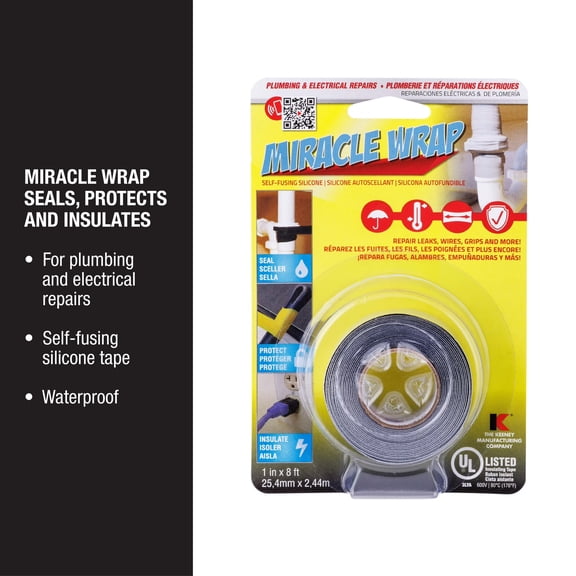
You’ll notice that tape type changes how the roll performs in real projects. You can pick duct tape for flexible patching, adhesive tape for general sticking, double-sided tape for hidden mounting, and utility tape for mixed jobs.
When you compare thickness, you should think about surface texture and wear. You’ll often prefer thick grey tape on rough areas, because the backing feels sturdier and the edges stay flatter.
You should also measure width and length before you choose a roll. You’ll cover seams faster with wider tape, while longer rolls make sense for larger repair sessions or repeated tasks.
If you’re choosing tape gray for shelves, bins, vents, or cable bundles, you should match the roll size to the job. You’ll avoid awkward overlaps when your width fits the surface from the start.
Understanding shade, finish, and surface match
You may care about color more than you expect, especially when tape stays visible after the job is done. You’ll usually see options in light gray, dark grey, silver, and slate across this category.
When you want a low-contrast repair, you should compare the shade against metal, painted walls, storage totes, or appliance panels. You’ll get a neater result when the tape blends instead of standing out.
If your project involves outdoor gear or utility areas, you should check whether the tape is described for weather exposure or UV conditions. You’ll want that detail when your repair sits in sun, wind, or changing temperatures.
You should also think about removal if your surface matters. You’ll want to check product details for cleaner lift, especially when you’re taping temporary labels, cords, or seasonal setups.
Comparing brands and common search terms for grey tape
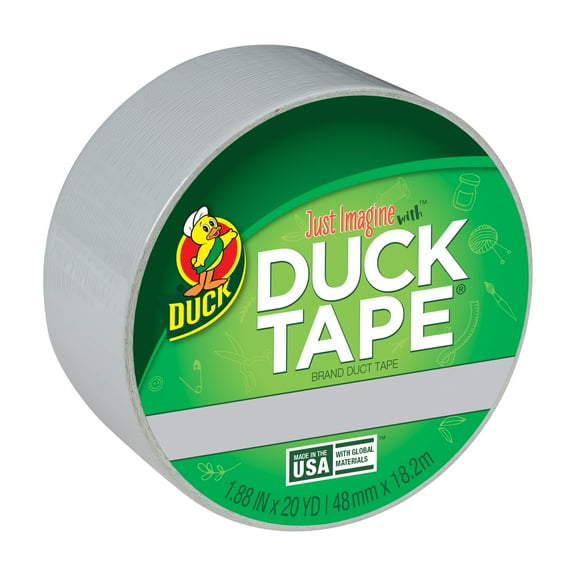
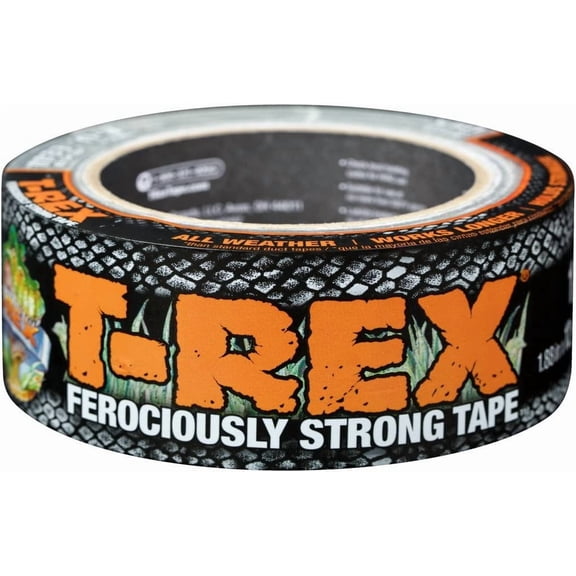
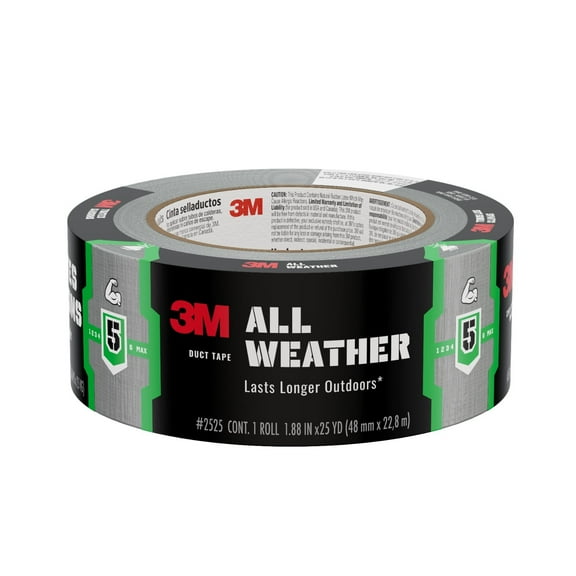
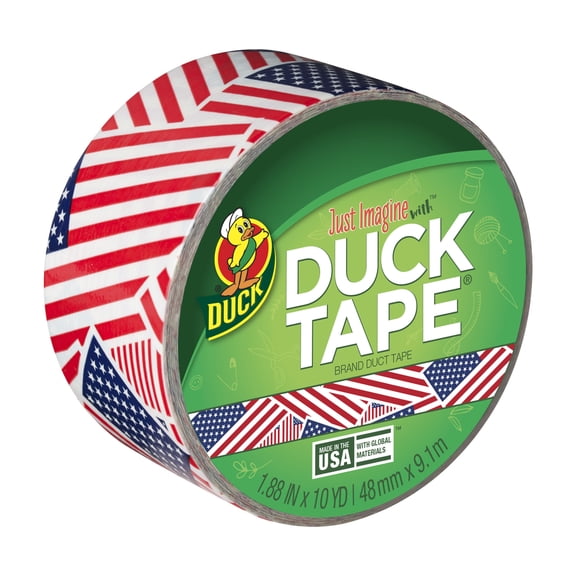
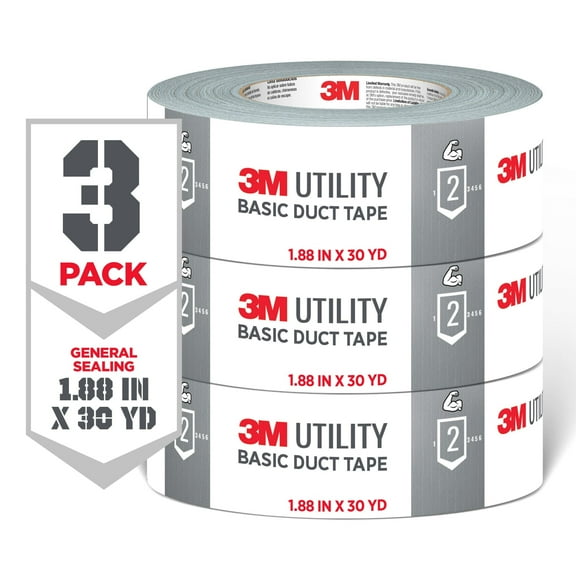
You may search by brand when you already know the feel or backing you prefer. You’ll often see shoppers compare 3M tape, Scotch duct tape, Gorilla, and Duck Brand for different project styles.
When you compare brands, you should focus on the job instead of the label alone. You’ll want to check whether a roll is built for utility use, stronger hold, thicker backing, or cleaner surface contact.
You may also search using terms like gray adhesive tape, tape gray, or dark grey tape. You’ll still reach the same category decision, which is matching hold, finish, and roll size to your task.
If you use bilingual searches such as tape gris or teipe gris, you should still compare the same core details. You’ll want the right shade, adhesive strength, and tape type for the surface in front of you.
Matching grey tape to real jobs
You can use grey tape for sealing a loose vent edge, bundling garage cords, marking storage, or patching utility items. You’ll get a more dependable result when you choose the tape around texture, exposure, and how long it should stay put.
For indoor jobs, you should think about appearance and cleanup as much as hold. You’ll often want gray adhesive tape or double-sided styles when you need a tidier finish on shelves, décor, or cable runs.
For workshop and garage use, you may prefer grey heavy duty tape with a thicker backing. You’ll appreciate that construction when you’re wrapping handles, reinforcing containers, or covering worn spots.
If you’re handling a larger repair, you should compare roll length before anything else. You’ll finish faster when one roll covers the full seam, patch, or bundle without frequent restarts.
You can make a confident choice when you compare strength, tape type, shade, thickness, and brand together. You’ll end up with grey tape that fits your surface, blends with your project, and holds the way you expect.