




Golf Tech in Golf Equipment




















About Golf Tech in Golf Equipment - Walmart.com
Golf tech helps you read distance faster, compare hazards clearly, and choose tools that fit your round and routine. You can narrow golf electronics by device type, measurement method, and power setup before you commit.
How to choose golf tech by device type
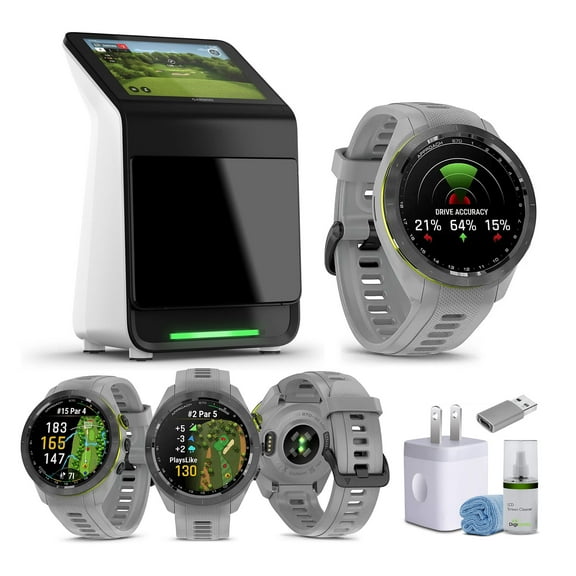
You should start with the device type that matches how you play and where you keep your gear. You may prefer a rangefinder, GPS watch, handheld GPS, launch monitor, or swing analyzer.
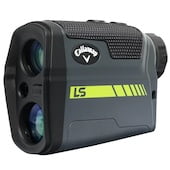
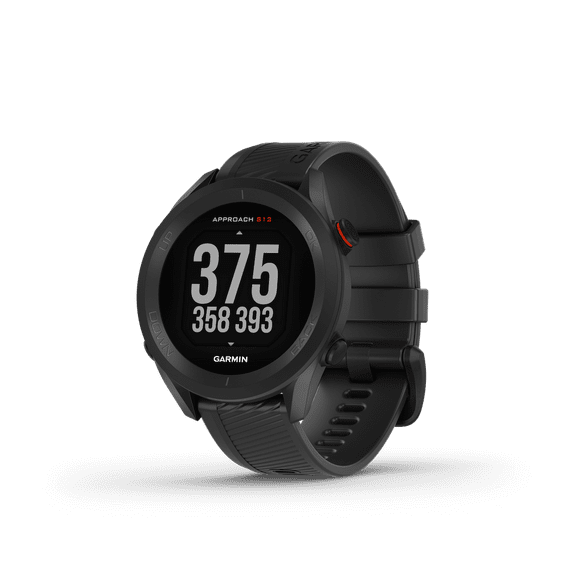
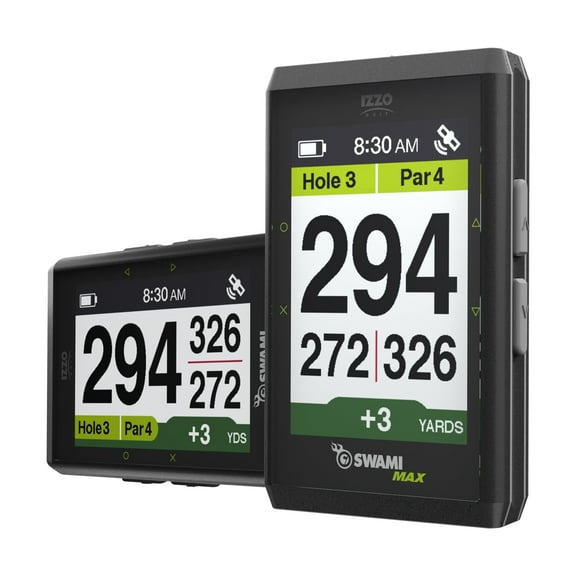
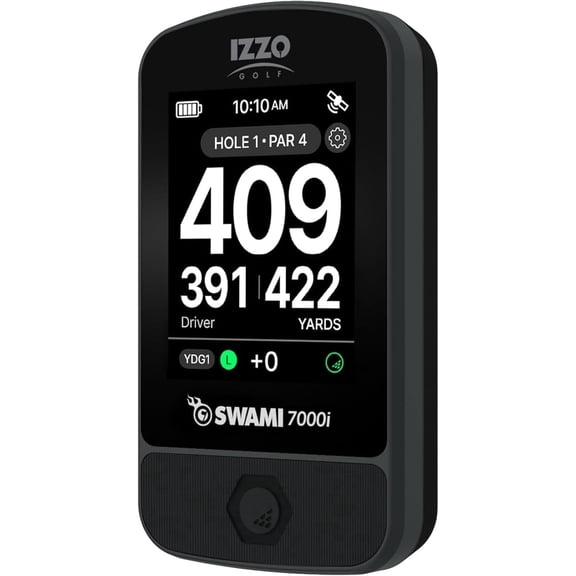
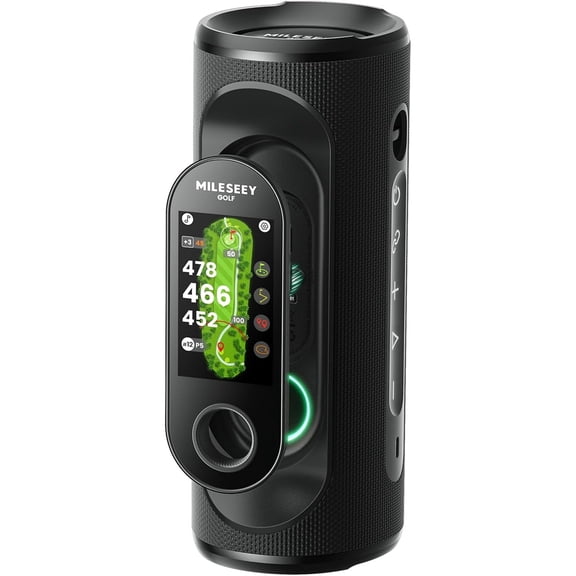
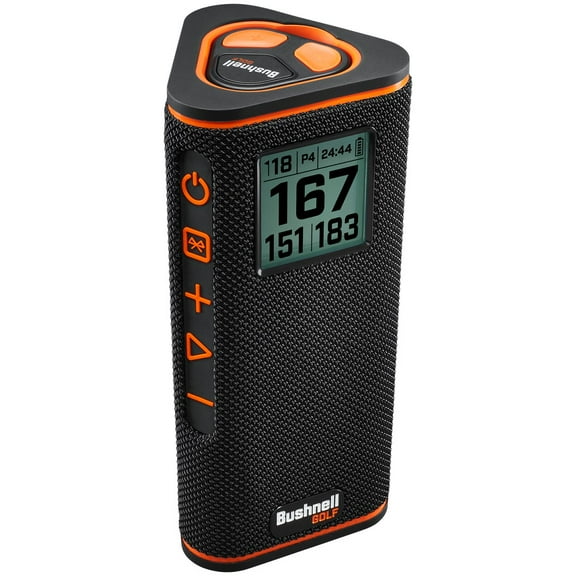
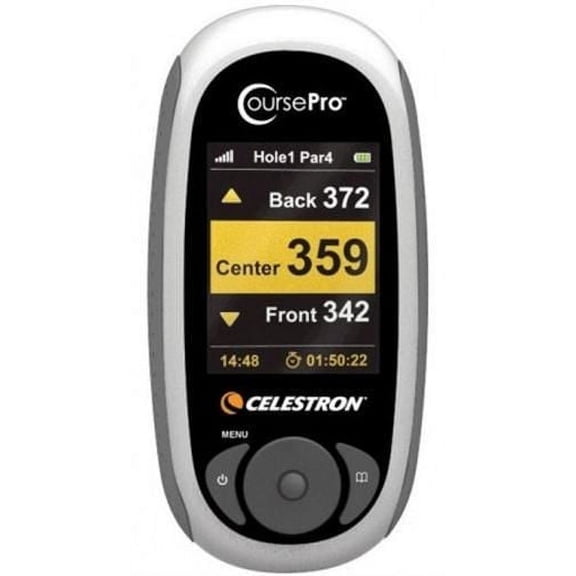
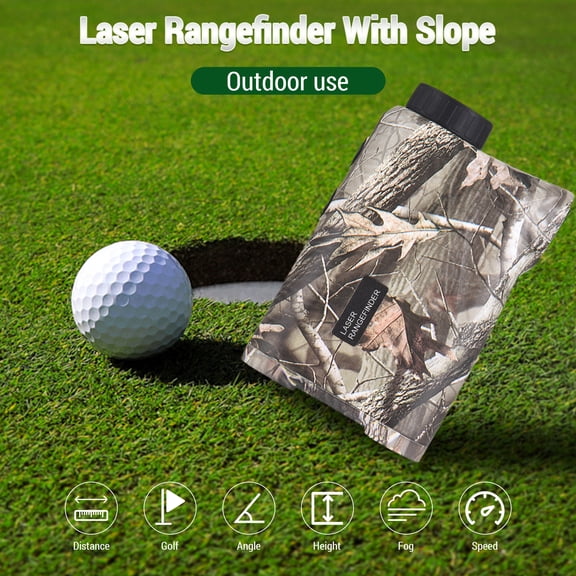
If you want line-of-sight yardage, you should compare golf rangefinders with laser measurement and pin lock support. If you want front, middle, and back distances, you should compare golf GPS devices with hazard mapping.
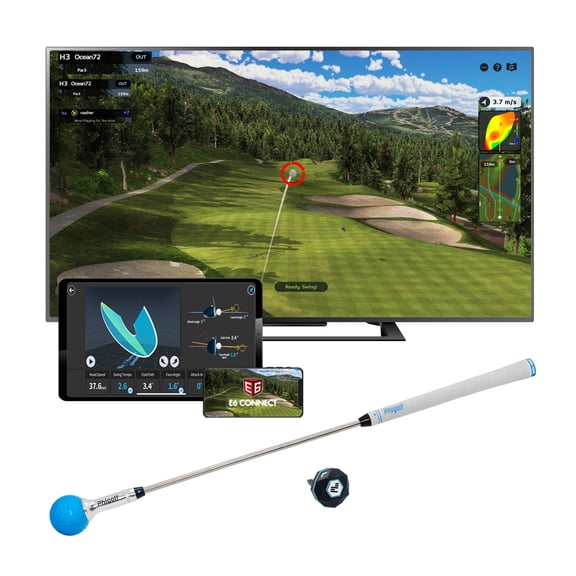
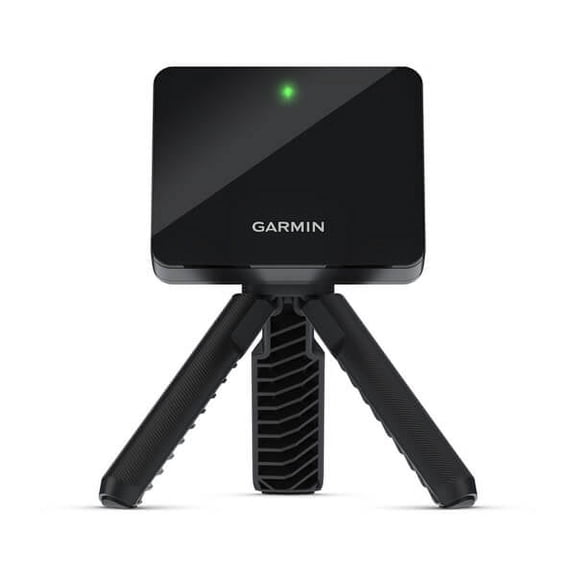
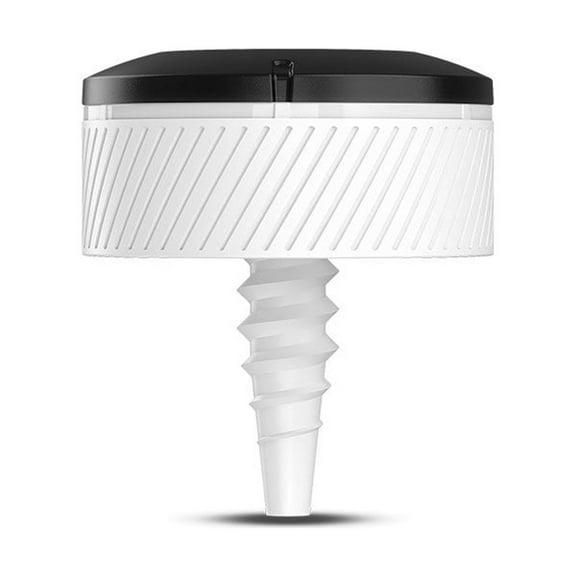
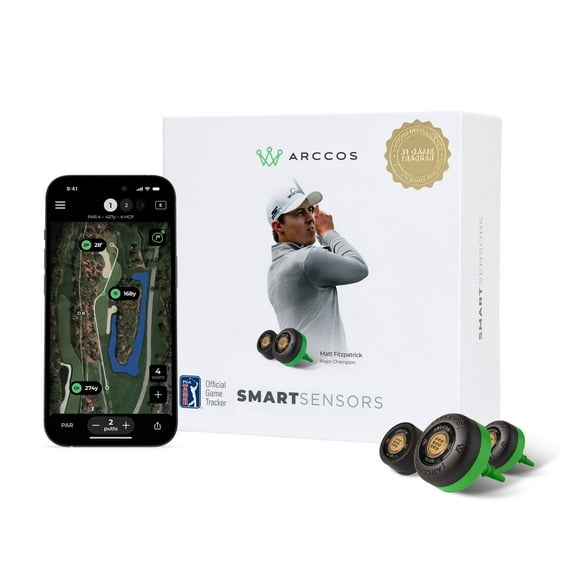
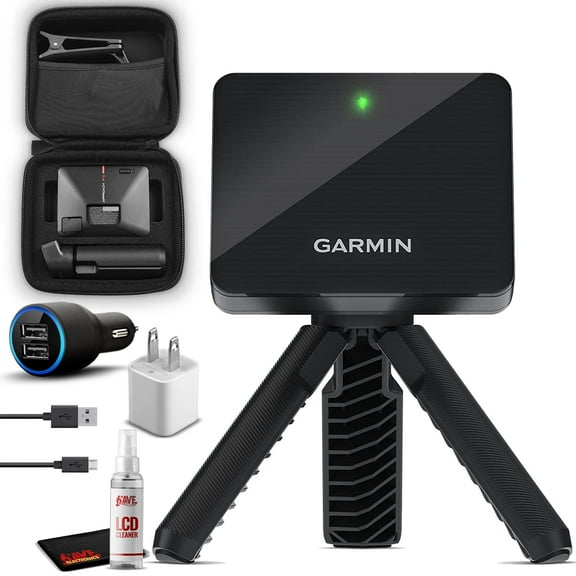
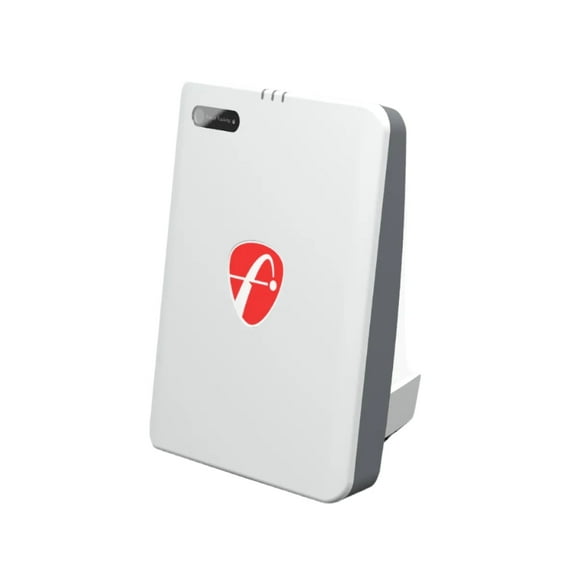
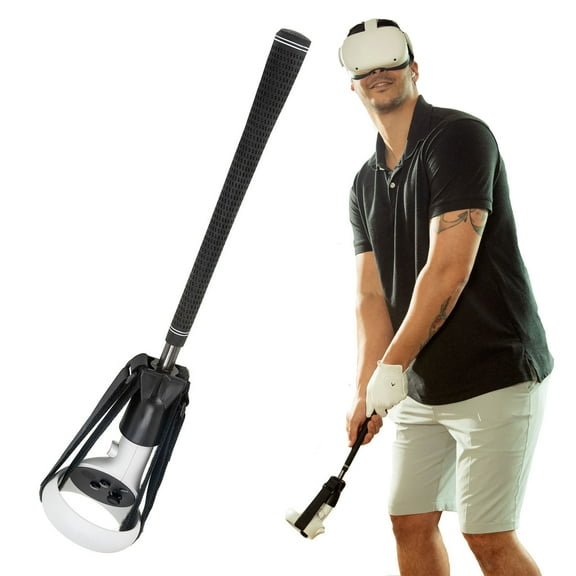
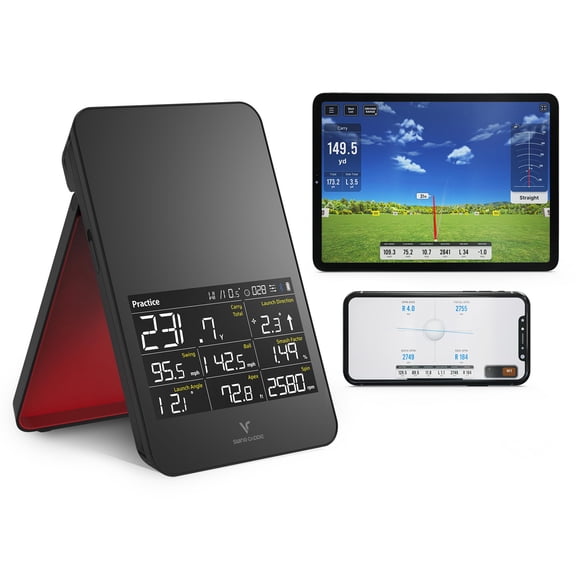
When you practice at home or on the range, you should consider golf launch monitors and golf swing analyzers. You can use radar or sensor-based data to review club speed, ball speed, launch, and swing path.
- You can get exact flag distance with a laser rangefinder when you have a clear target.
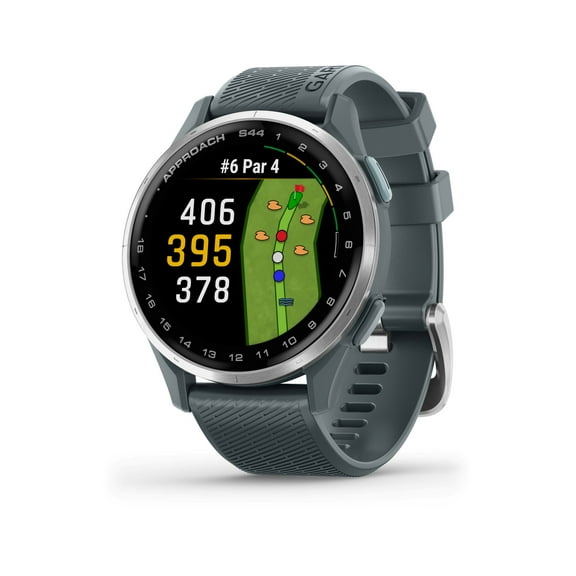
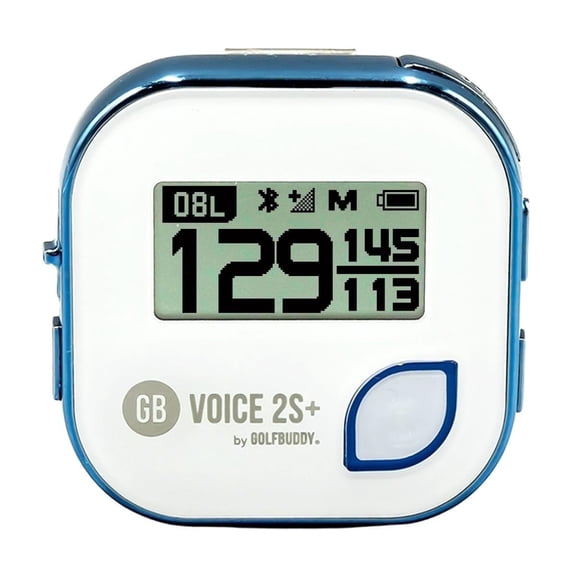
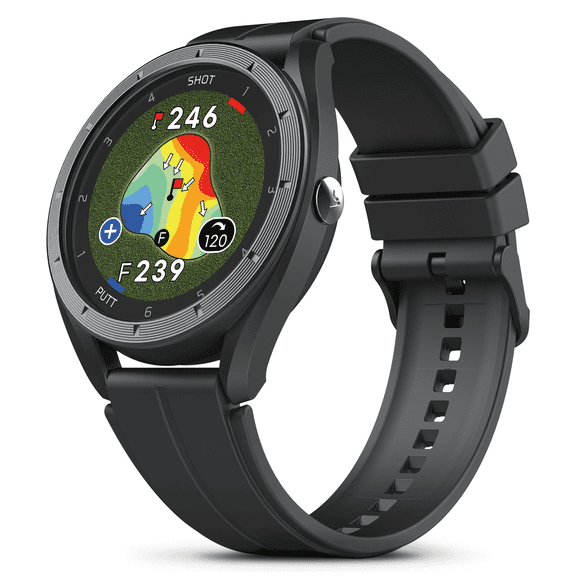
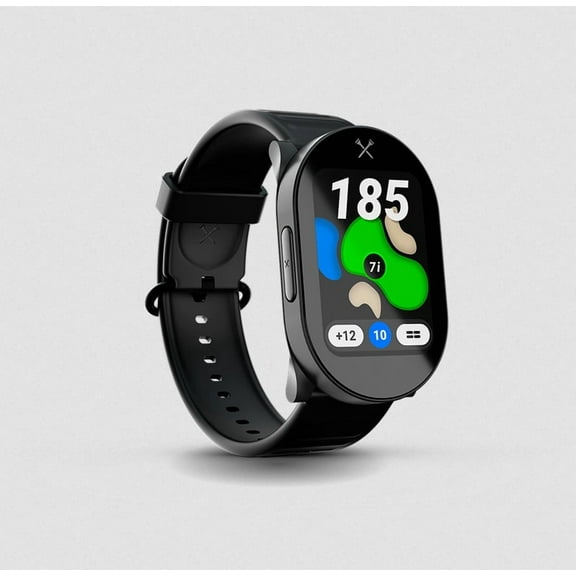
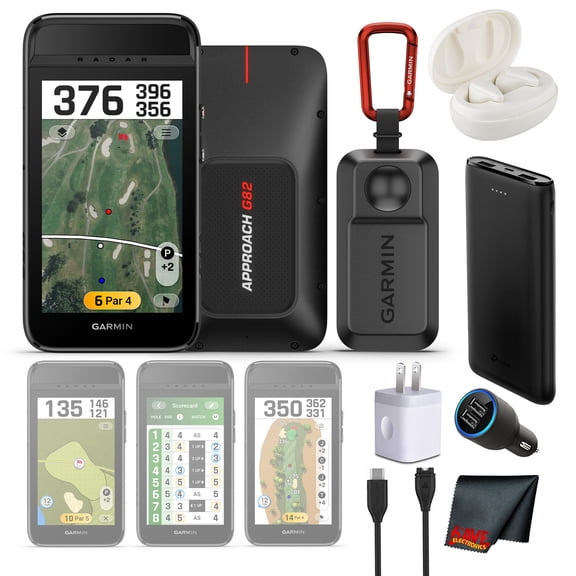
- You can view hole layout and hazard locations with a GPS watch or handheld unit.
- You can review shot and swing data with launch monitors and analyzer tools during practice sessions.
- You can choose wearable, pocket-sized, or cart-mounted options based on how you like to move.
Choosing between golf rangefinders and golf GPS devices
You should compare measurement technology first because it changes how information appears during play. You can use laser for direct flag distance, or you can use GPS for mapped yardages across the hole.
With laser models, you usually aim at the flag and confirm distance through pin lock feedback. With GPS models, you usually check the screen for green depth, layup numbers, and hazard placement.
You may want both styles of smart golf tech if you play many course layouts each season. You can use GPS for strategy on unfamiliar holes and laser for precise approach distances.
What to look for in golf electronics features
You should compare slope adjustment, pin lock, hazard mapping, color screens, and bluetooth sync before you decide. You can match those features to how often you play, practice, and update your device.
If you play events with rules limits, you should check for a slope-switch mechanism. You can turn slope compensation off for Rule 4.3a situations and keep your display aligned with event requirements.
You may prefer pin lock if you want clearer confirmation on crowded backgrounds or uneven terrain. You may prefer hazard mapping if you want quick carry and layup numbers without aiming.
When you compare screens, you should check whether you want a simple readout or a color display. You can read maps faster on a larger screen, especially on unfamiliar courses.
You should also check whether bluetooth sync is included for course updates, shot tracking, or app pairing. You can avoid surprises by reviewing whether updates or memberships require added fees.
Comparing power, portability, and mounting
You should compare battery type because it affects charging habits and round-to-round convenience. You may choose a rechargeable battery, a replaceable CR2 battery, or a solar-assisted watch design.
If you play often, you may prefer rechargeable units that fit your regular charging routine. If you want quick swaps before tee time, you may prefer a replaceable battery design.
You should also compare where the device sits during your round. You may like a GPS watch on your wrist, a handheld GPS in your pocket, or a magnetic cart mount on the frame.
That choice can change how often you check yardages and how quickly you move between shots. You can keep your setup simple by matching the device to your normal pace and bag layout.
Using golf launch monitors and swing analyzers for practice
You should focus on practice goals when you compare golf launch monitors and golf swing analyzers. You can choose radar-based tracking for ball data or sensor-based tools for motion feedback.
If you want carry distance and launch numbers, you should look for radar measurement with clear app displays. If you want swing path and tempo feedback, you should look for gyroscopic sensors.
You can use golf tracking systems to create more repeatable sessions at the range or in your garage. You can review trends over time instead of guessing after each swing.
For indoor practice, you should measure your available space and confirm setup needs before choosing. For outdoor sessions, you should compare screen visibility, battery life, and sync options.
How to match golf tech to your routine
You should choose laser distance tools if you care most about exact flag numbers on approach shots. You should choose mapped GPS tools if you want a broader view of bunkers, water, and doglegs.
If you walk most rounds, you may prefer a watch that keeps distance on your wrist. If you ride often, you may prefer a cart-mounted rangefinder or handheld display.
You should compare update policies, subscription details, and included course access before you decide. You can avoid extra steps later when your device fits your playing habits from the start.
With the right golf tech, you can spend less time estimating yardage and more time choosing confident shots. You can also practice with clearer feedback that supports smarter club selection and steadier course management.