

Goggles in Swimming








































About Goggles in Swimming - Walmart.com
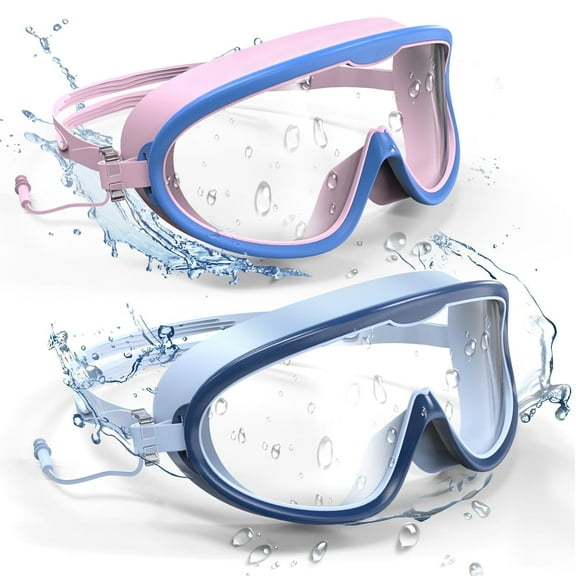
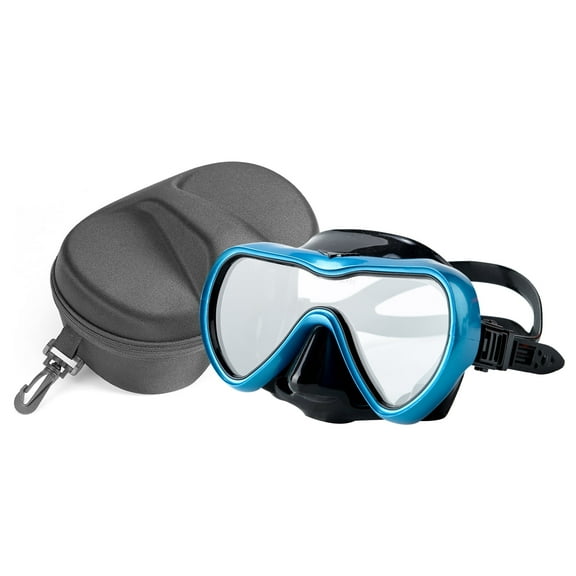
Swim goggles help you see clearly in the water while supporting a comfortable seal for laps, lessons, and open-water sessions. You can compare lens tints, fit details, and age-specific sizing to narrow choices that match your swim environment.
If you’re shopping for daily pool practice or family swim time, you’ll want details that affect comfort right away. You can use this guide to compare lens type, fit, anti-fog care, and strap design with less guesswork.
Choosing the right swim goggles
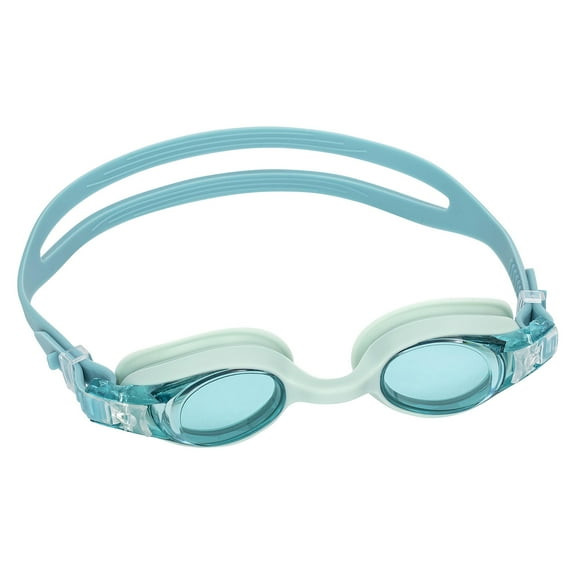
When you compare goggles for swimming, you’ll usually start with fit because a steady seal shapes your whole swim. You’ll want soft gaskets, flexible frames, and nose bridge options that match your face width.
A close seal helps you focus on strokes instead of stopping to empty water. You’ll often notice that silicone gaskets feel smooth around your eyes and adapt well during repeated pool sessions.
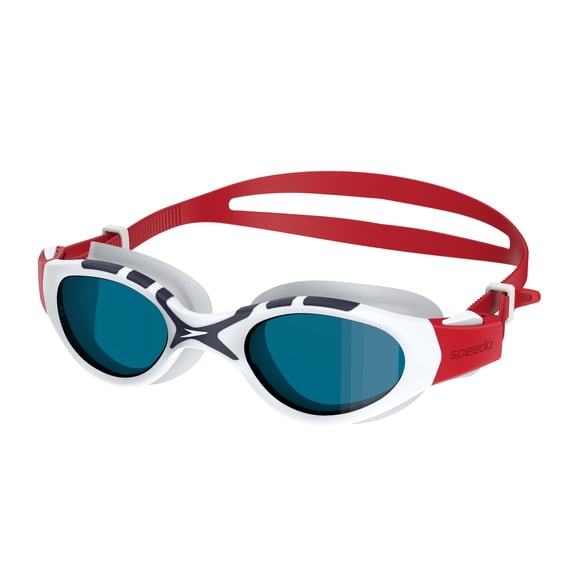
Strap design also changes how your goggles feel before you even dive in. You may prefer double straps for steadier placement, while your routine may suit single straps for faster adjustments.
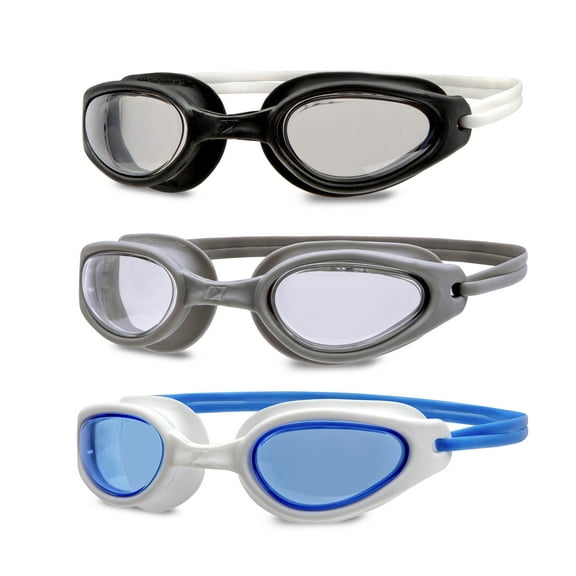
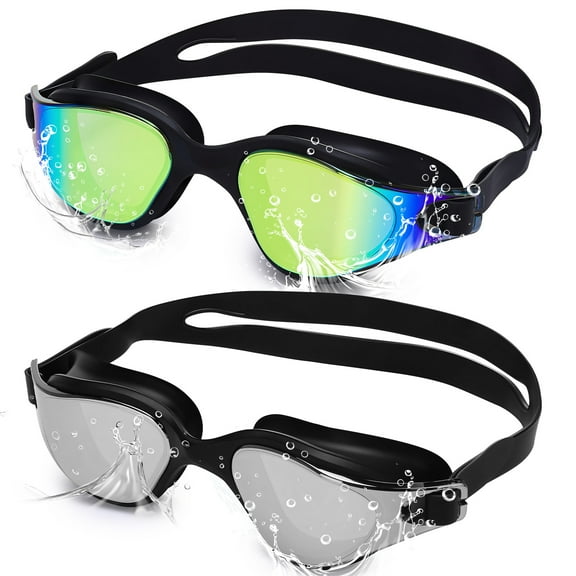
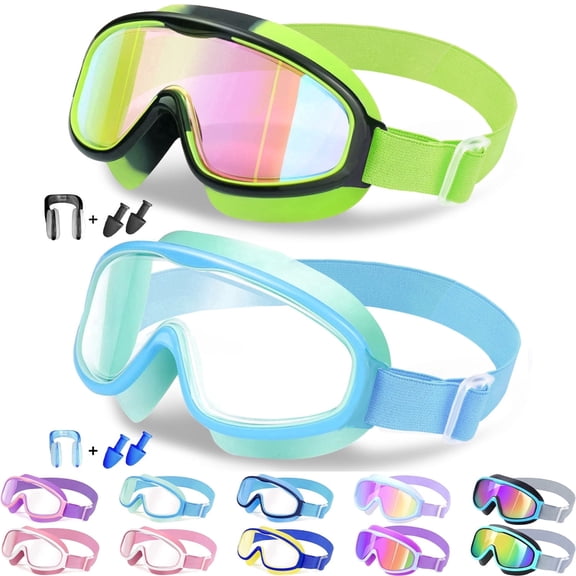
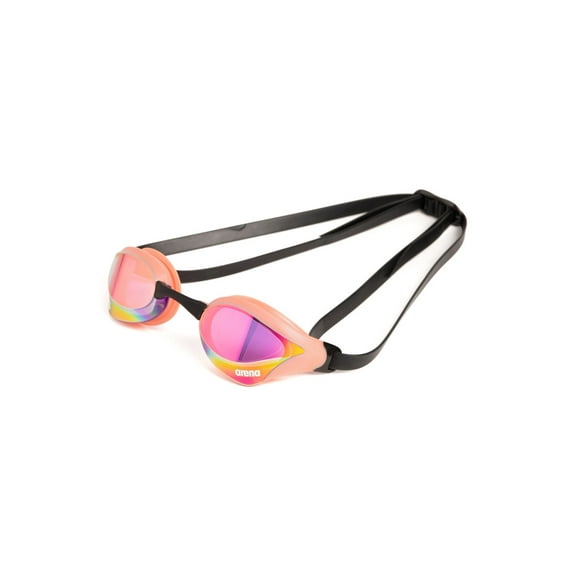
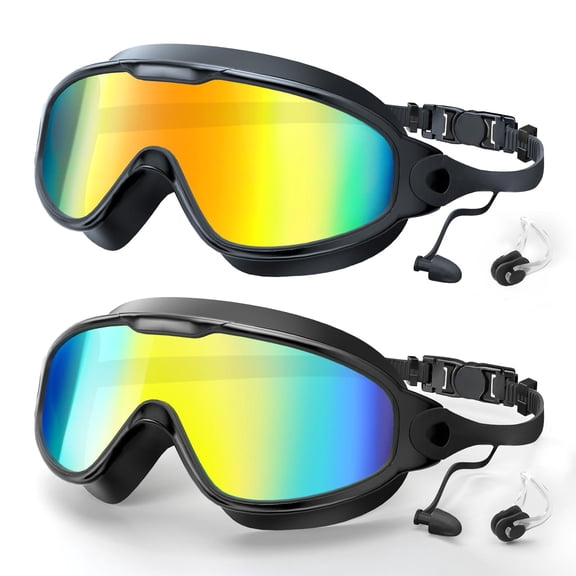
- You can choose mirrored lenses when you swim outside in bright sun.
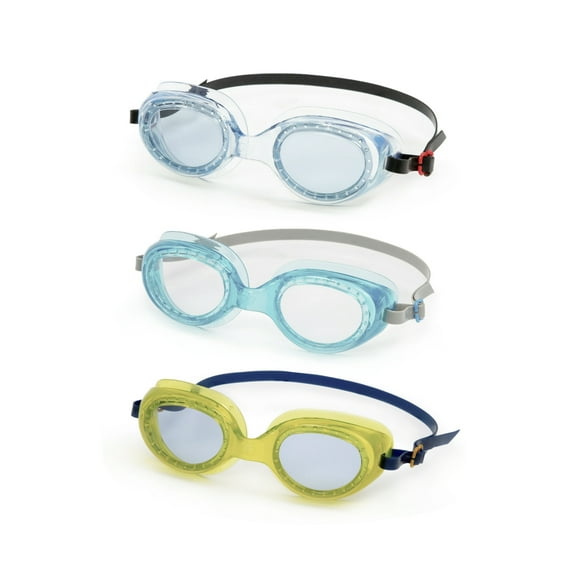
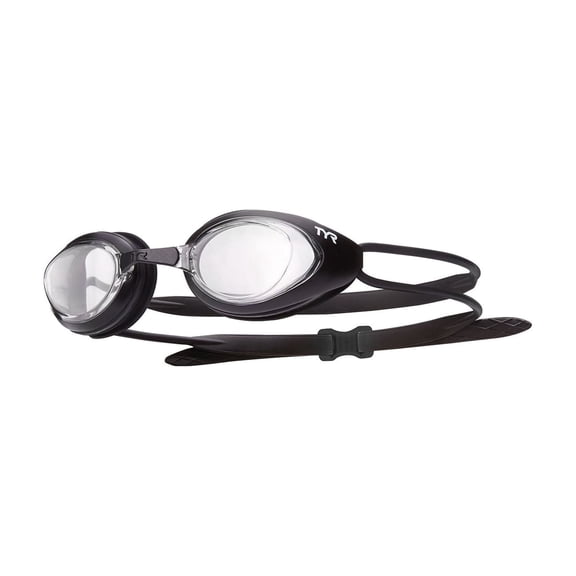
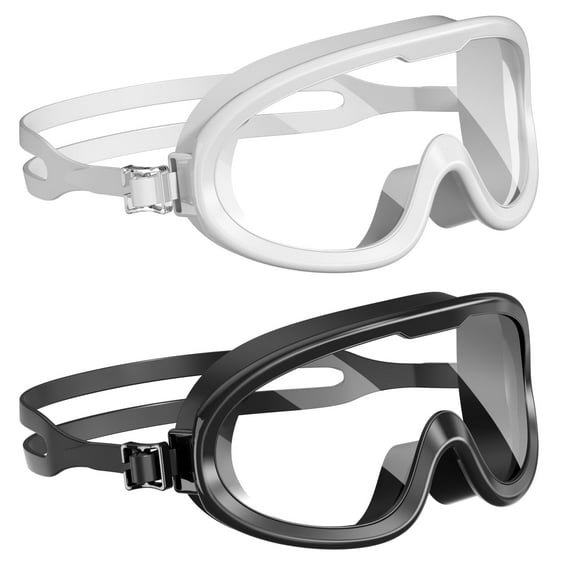
- You can choose clear lenses when you practice in indoor pools or lower light.
- You can look for tinted lenses when you want moderate light filtering.
- You can consider polarized options when glare from open water affects visibility.
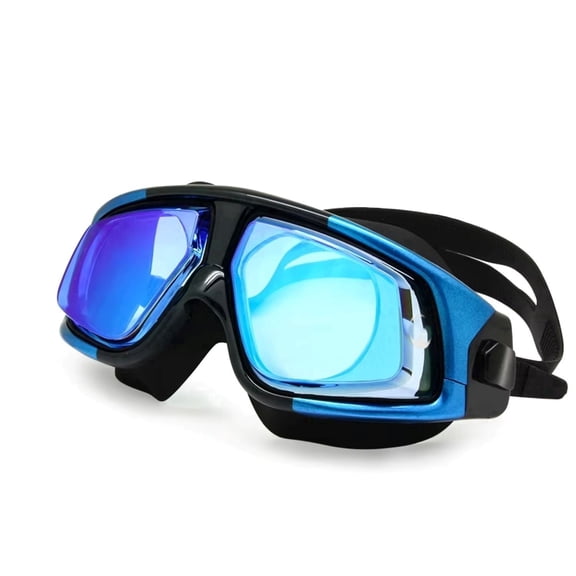
- You can compare adjustable nose bridges and soft gaskets for a more secure seal.
How to choose lens type for goggles for swimming
Lens tint matters because you’ll swim in different light conditions throughout the season. You can match mirrored swim goggles to bright outdoor pools, while clear lenses often suit indoor lanes.
If you split time between shaded and sunny conditions, you may prefer tinted lenses for balanced visibility. You can also compare polarized lenses when your swims include lakes, beaches, or triathlon training.
Clear lenses usually keep your view bright in early lessons and indoor practice. Mirrored styles can reduce harsh surface glare, which may help you stay focused during outdoor sets.
Polarized options are often useful when you want to cut reflected glare on open water. You should also check whether your preferred swimming goggles include UV protection for regular outdoor use.
Comparing kids swim goggles and adult swim goggles
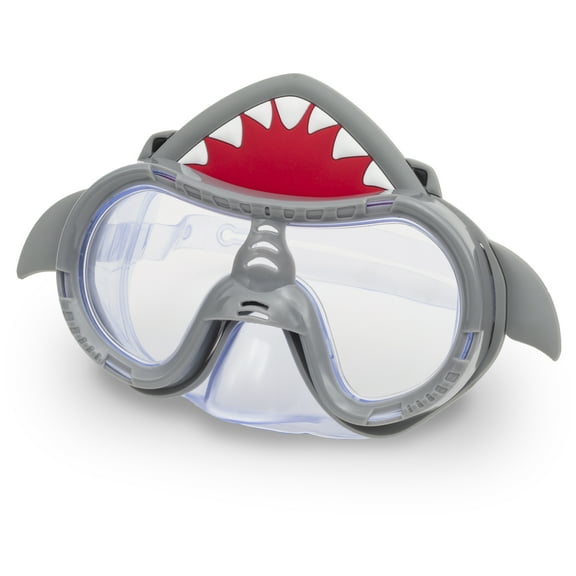
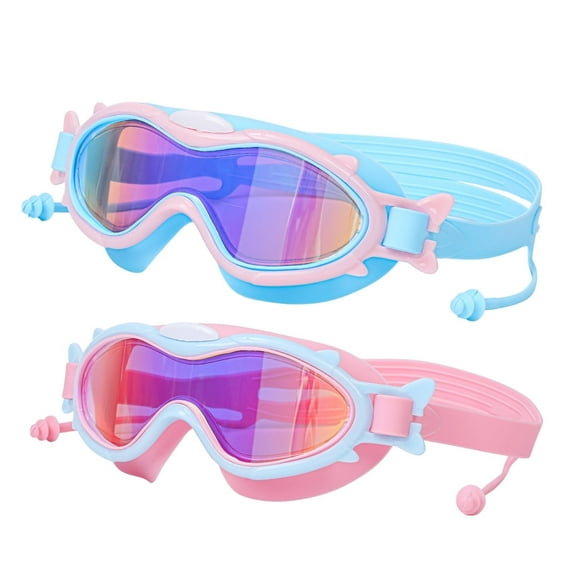
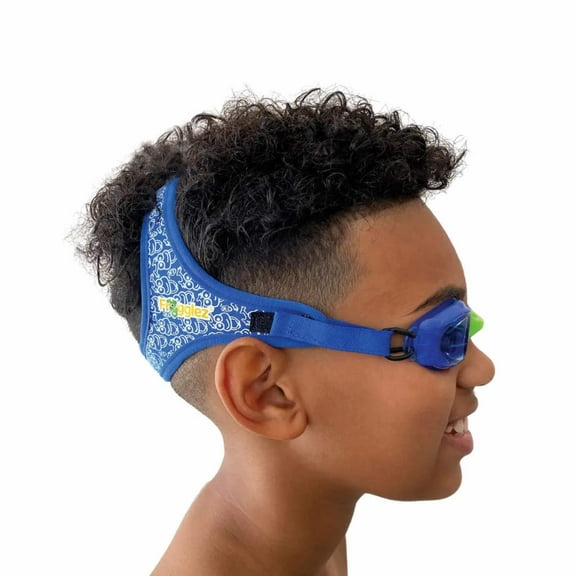
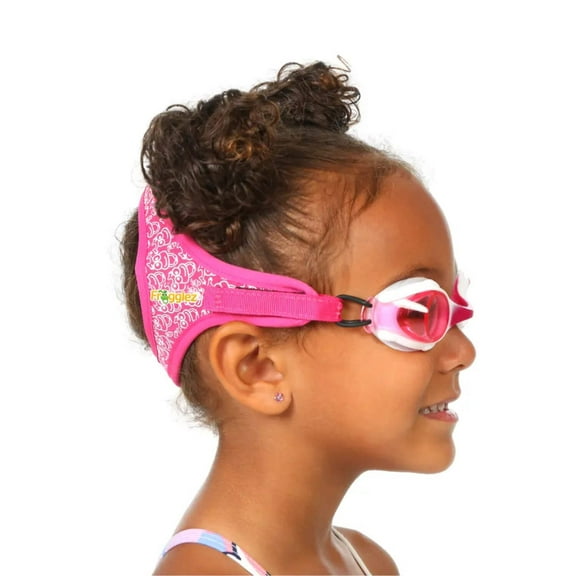
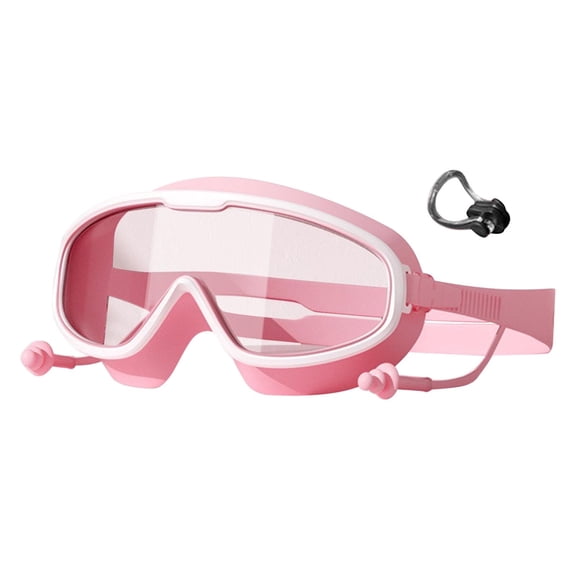
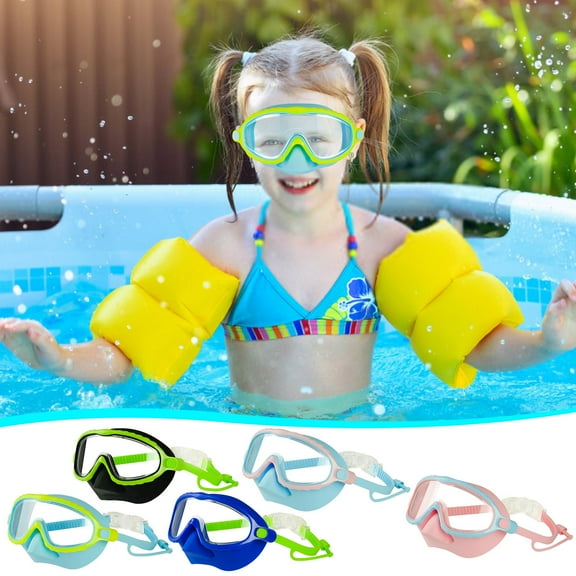
Age group matters because your fit needs change with face size, strap placement, and adjustment range. You can compare kids swim goggles, toddler sizes, and adult swim goggles to find a seal that feels steady.
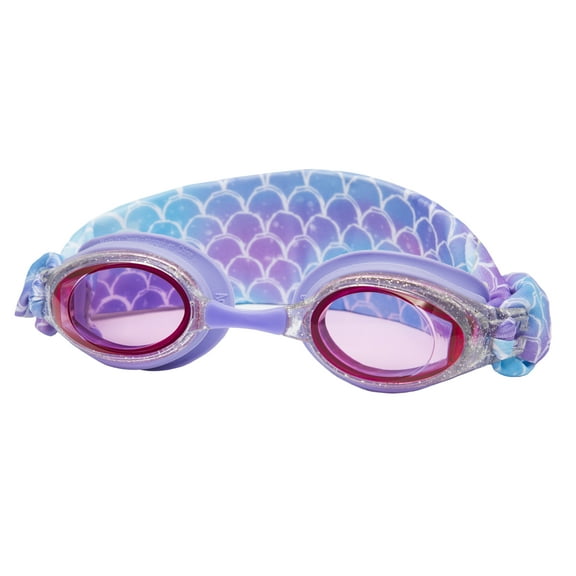
For younger swimmers, you may want simple buckle systems that adjust without a long setup. You can also look for soft frames and smaller eye cups that sit comfortably during lessons.
If you’re shopping for adults, you may want wider fit options or nose bridge adjustments for training sessions. You can compare pool goggles with streamlined shapes when your routine includes regular lap swimming.
For family shopping, you can narrow choices by age group first and lens type second. That approach helps your household match indoor practice, summer pool days, and swim class needs more easily.
What to look for in anti fog swim goggles
Anti fog swim goggles can help you maintain a clearer view during lessons, drills, and longer sets. You should know that the coating can wear down over time, especially with frequent rubbing.
To help your lenses last longer, you can rinse them with fresh water after swimming. You should let them air dry and avoid wiping the inside lens surface with rough fabric.
Simple care matters because your anti-fog layer sits on the inner lens surface. You can keep your swimming goggles performing more consistently when you store them in a case between swims.
If you swim several times each week, you may want more than one pair in rotation. You can use one pair for indoor practice and another pair for bright outdoor sessions.
Matching use case to recreational, racing, and open-water swims
Your swim setting affects the features you’ll care about most during each session. You can compare recreational, racing, open-water, and triathlon styles based on lens tint, fit, and strap stability.
For casual pool time, you may want comfort-focused pool goggles with soft seals and easy buckles. You can keep things simple with clear or lightly tinted lenses for general swimming use.
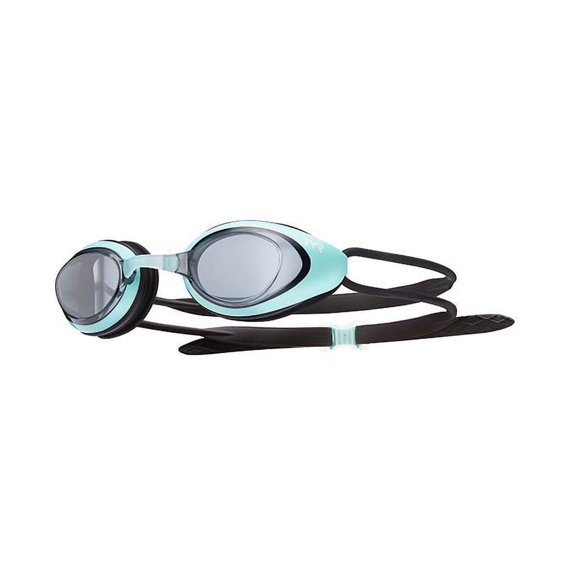
For racing or lap training, you may prefer a lower-profile shape that feels secure off the wall. You can look for stable double straps and nose bridge options that stay put during turns.
For open water or triathlon practice, you may need glare control and a dependable seal over longer distances. You can compare mirrored or polarized lenses when sunlight reflects strongly from the water surface.
Frequently asked questions about swim goggles
You may wonder why some goggles leak even when the straps feel tight. You’ll usually get a better seal from the right gasket shape and nose bridge fit than from overtightening.
You may also ask how tight your straps should feel before a swim. You should aim for a secure hold that stays in place without pressing too hard around your eyes.
If you’re choosing between mirrored and clear lenses, you can base that decision on where you swim most often. You’ll usually want clear lenses indoors and mirrored lenses in bright outdoor conditions.
When you want dependable swim goggles, you can focus on fit, lens tint, anti-fog care, and age-specific sizing. You’ll end up with clearer underwater vision and a steadier seal through every swim.