









Generators for Reliable Power Solutions(1000+)
ABOK Ark2500 2500W Portable Power Station, 2160Wh LiFePO4 Solar Ready Battery Backup, Expandable to 10.8kWh, 1200W Solar Input, 1800W AC Fast Charging, UPS, USB-C for Home, RV & Camping, Price Now $799.00 Was $899.00 Options from $799.00 – $3989.00

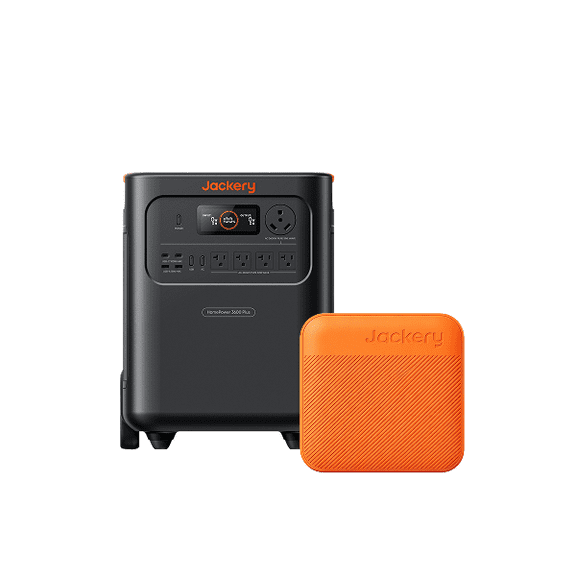
Jackery HP 3600AC Plus Portable Power Station Kit with 102W Fast Charger, 3574Wh LiFePO4, 3600W AC Output, Expandable to 21kWh for Home, Price $1749.00
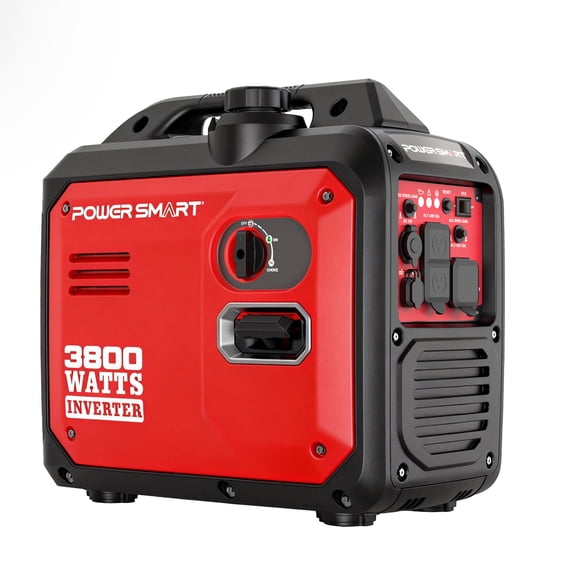
Deal , PowerSmart 3800-Watt Portable Inverter Generator, Super Quiet 59dB Gas Powered Engine (143cc), Price Now $359.99 Was $559.99

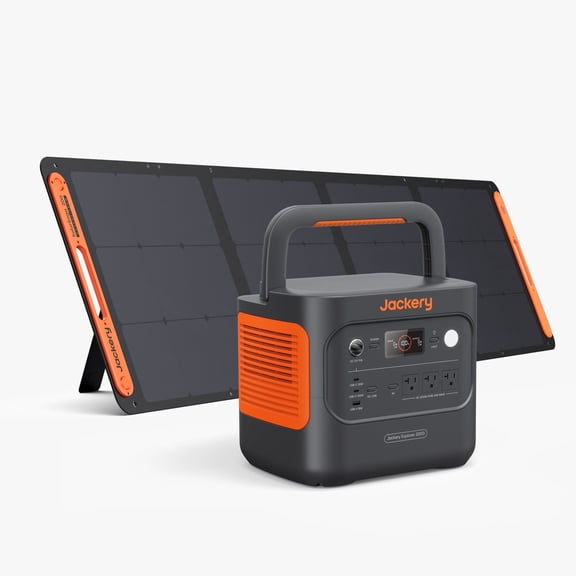
Best seller, Jackery Solar Generator 2000 V2 Power Station & 200W Solar Panel, 2036Wh LiFePO4 Home Backup Battery, 2200W Solar Generator, USB-C PD 100W Fast Charging for Outdoors Camping, Travel Hunting, Blackout, Price Now $1099.00 Was $1349.00 Options from $1069.00
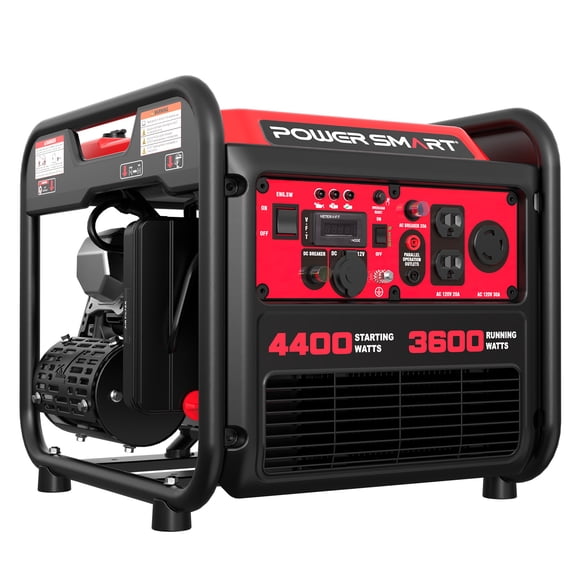
Overall pick, PowerSmart 4400-Watt Powered for Outdoor and Home Use, EPA Compliant Gas Portable Inverter Generator, Price Now $309.99 Was $509.99
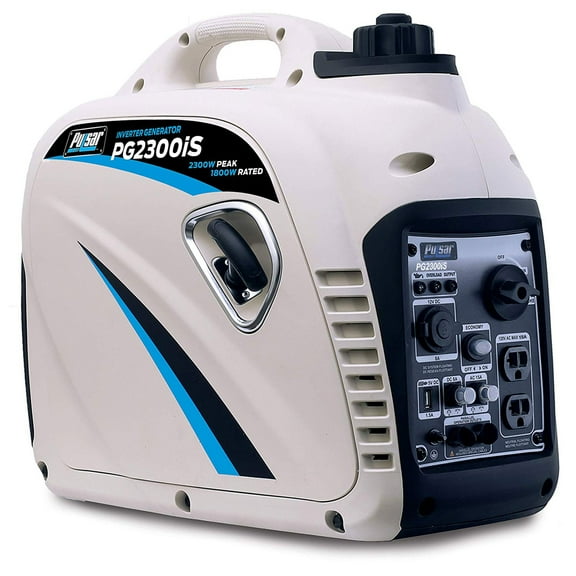
Pulsar 2300-Watt Super Quiet Gasoline Powered Inverter Generator with USB, Price $398.00
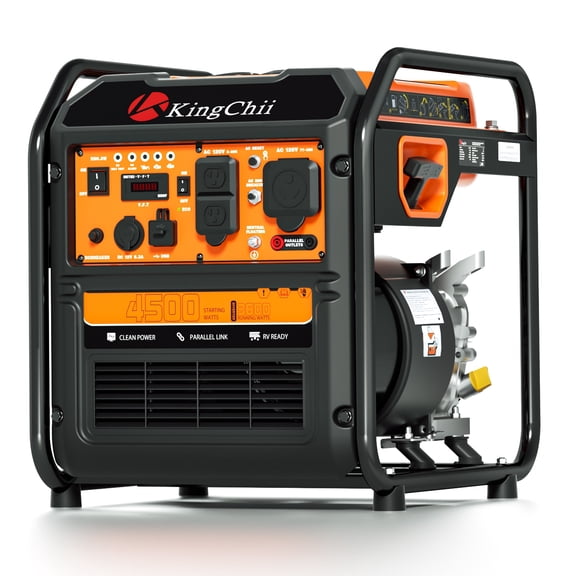
Reduced price, KingChii 4500W Inverter Generator Gas Powered, CO Sensor, ECO Mode, 30A RV Ready Outlet, Portable Outdoor Power Equipment for Camping & Home Backup, EPA Compliant, Price Now $288.49 Was $556.99
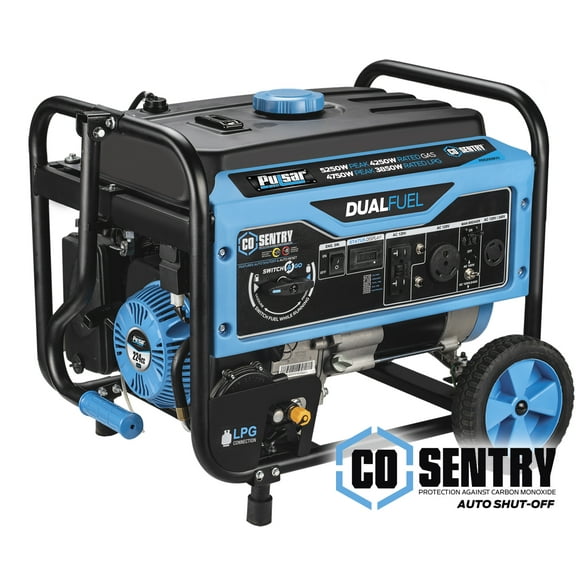
Best seller, Pulsar Products Inc Dual Fuel Portable Power Generator 5250 Peak Watts 224cc Engine, Price $524.00
Best seller, Jackery Explorer 300v2 Auto Kit 300W Continuous/600W Peak Portable Power Station with 12V Battery Charging Cable, Price $198.00

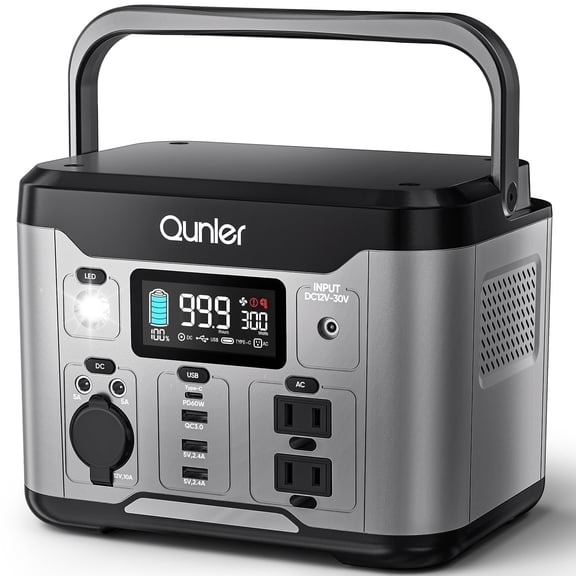
Qunler Portable Power Station 300W, 296Wh 80000mAh Lithium Battery Power Solar Generator with 60W USB-C PD Output, 120V AC Outlet for Outdoors Camping Travel Hunting Home Blackout No Solar Panel, Price Now $139.99 Was $169.99
Jackery E1000AC 1060Wh Portable Power Station with 200W Solar Panel & 5m Extension Cable, 1500W Solar Kit for RV, Camping & Backup, Price $789.00

Overall pick, PowerSmart 4400-Watt Powered for Outdoor and Home Use, EPA Compliant Gas Portable Inverter Generator, Price Now $309.99 Was $509.99
Deal , PowerSmart 3800-Watt Portable Inverter Generator, Super Quiet 59dB Gas Powered Engine (143cc), Price Now $359.99 Was $559.99
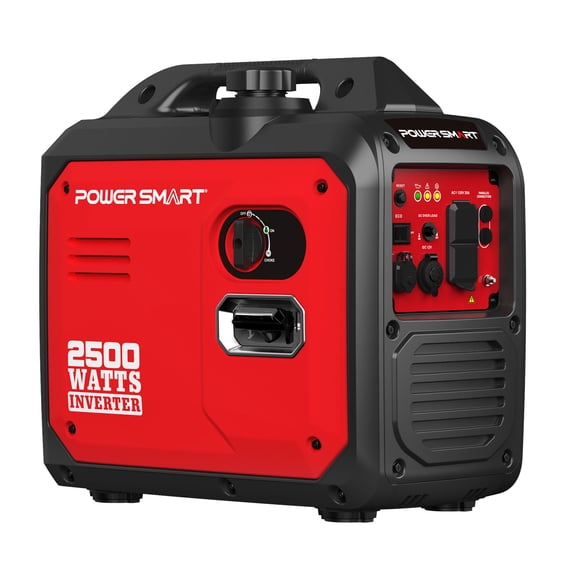
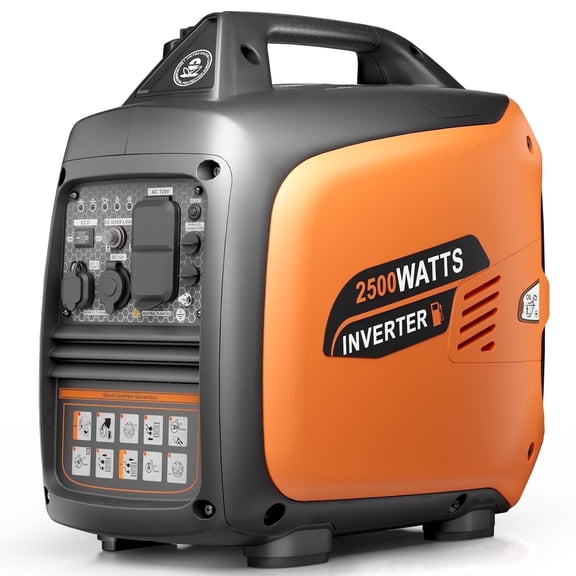
In 200+ people's carts, PowerSmart 2500W Portable Inverter Gas Generator Super Quiet Low Oil Shutdown Low Noise for Camping, Price Now $309.99 Was $489.99
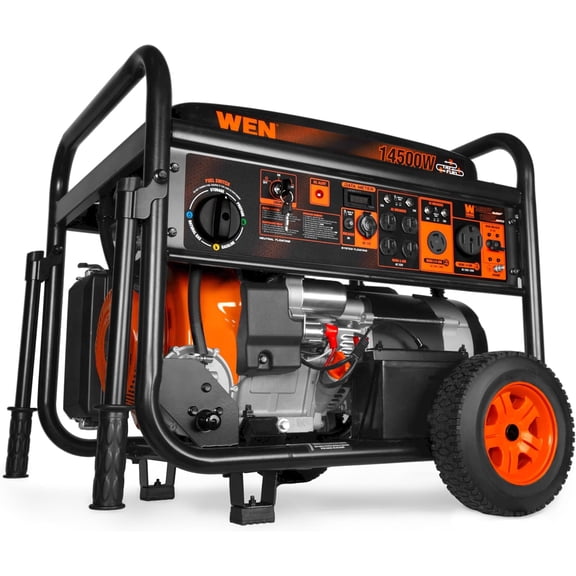
WEN 14,500-Watt 120V/240V Tri-Fuel Generator for Gas, Propane, and Natural Gas, Transfer-Switch Ready with Electric Start and Wheel Kit (TF-1450), Price $1049.99
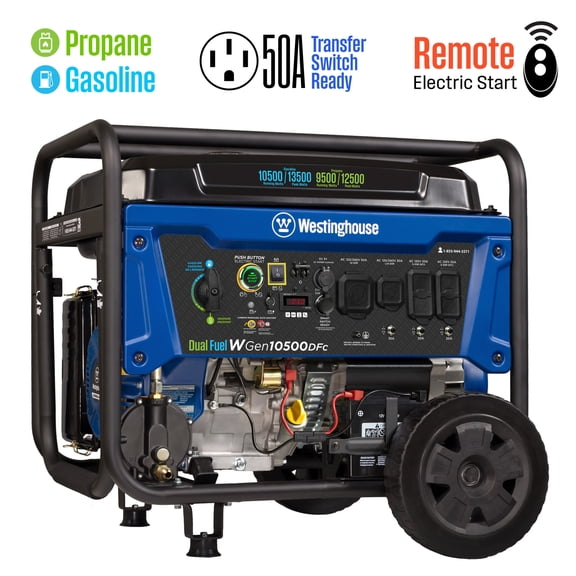
Westinghouse 13,500 Peak Watt Dual Fuel Portable Generator, Home Backup, CO Sensor, Price $1099.00
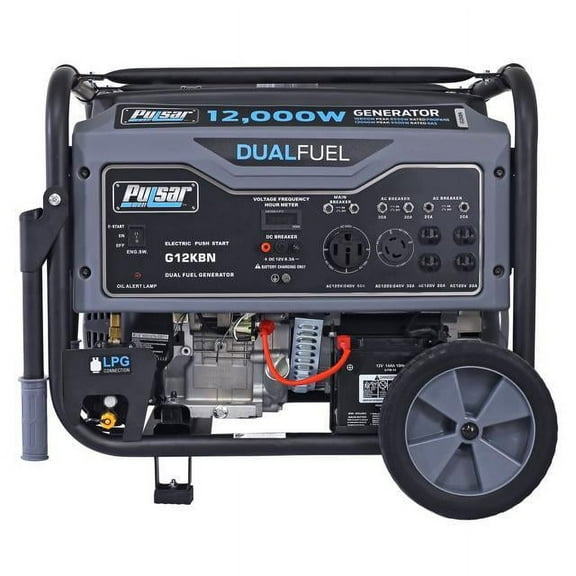
Best seller, Pulsar 12,000W Dual Fuel Portable Generator in Space Gray with Electric Start, G12KBN, Price $929.99 Options from $929.99 – $1299.00
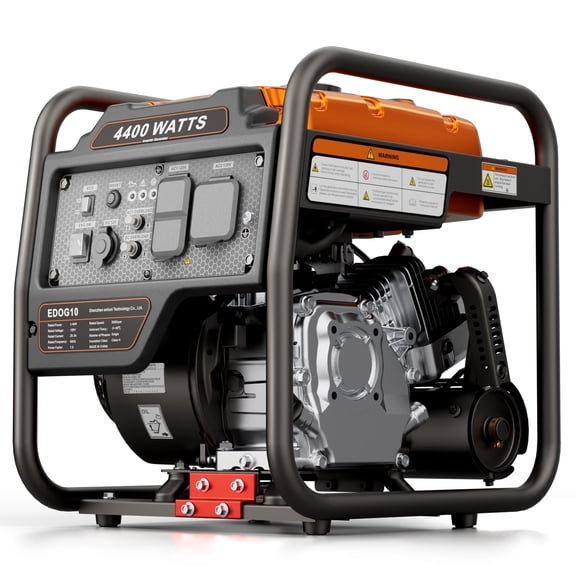
In 100+ people's carts, Efurden 4400-Watt Portable Inverter Generator, Gas Powered Generator for Emergency Home Backup, Outdoor Camping, RV Ready, EPA Compliant, Price Now $284.98 Was $529.99
Qunler 300W 296Wh Portable Power Station, Pure Sine Wave 120V AC Outlet, 60W USB-C PD Backup Power Supply for Camping & Emergency,Green, Price Now $179.99 Was $329.99

Reduced price, Efurden 4400W Inverter Generator Gas Powered, Portable Gas Generator for Home and Outdoor Use, Leightweight and ECO Mode, Price Now $261.55 Was $529.99

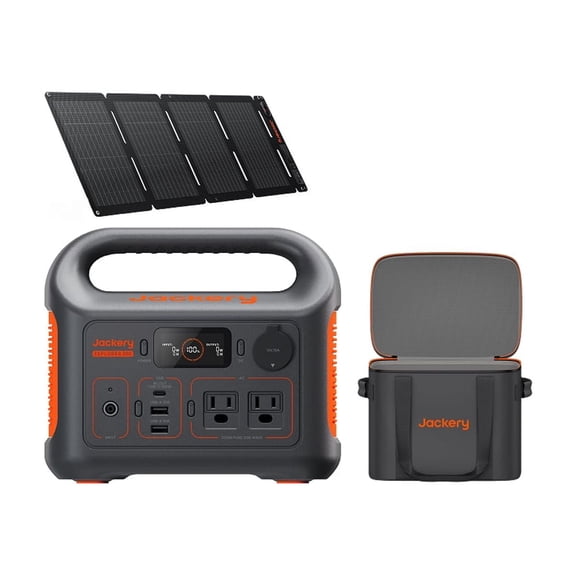
Jackery E300New 290Wh Portable Power Station with 40W Solar Panel & S Size Carrying Case, 300W Solar Kit for Camping, Travel & Backup, Price $339.00
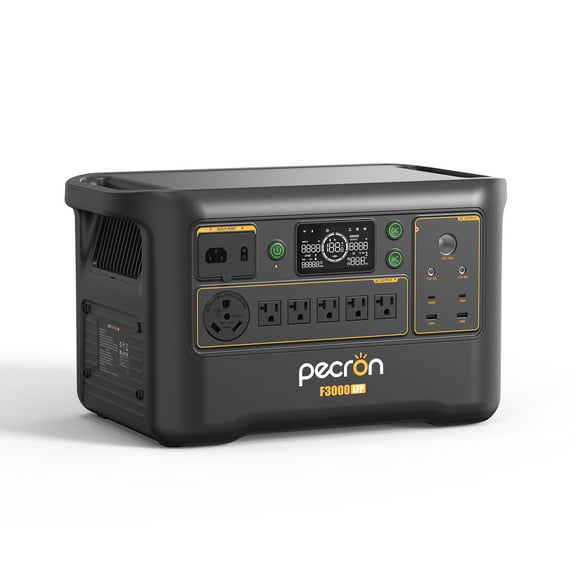
PECRON F3000LFP 3072Wh/3600W Portable Power Station, Surge 4500W, 13 Versatile Outputs, BMS, UPS, Fast Charging, APP Control, LiFePO4 Battery Solar Generator, Power Backup for Camping, Home Use, RV, Price $899.00
Reduced price, DFITO Solar Powered Generator, 12V 5A Portable Solar Generator Power Station with 10W Solar Panels, Price Now $69.99 Was $119.99
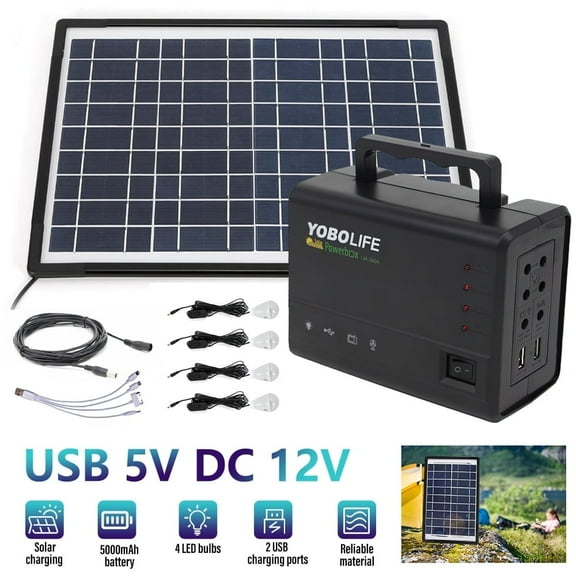
Aceup Energy 4500W Portable Inverter Generator, 3600W Rated, 4-Stroke Gas, for Hurricane, Heatwave & Emergency Backup, Price $275.00

Reduced price, PowerSmart Portable Powered 3600W,Usb Output, Low Noise Quiet for Home Gas Inverter Generator EPA Compliant, Price Now $369.99 Was $529.99

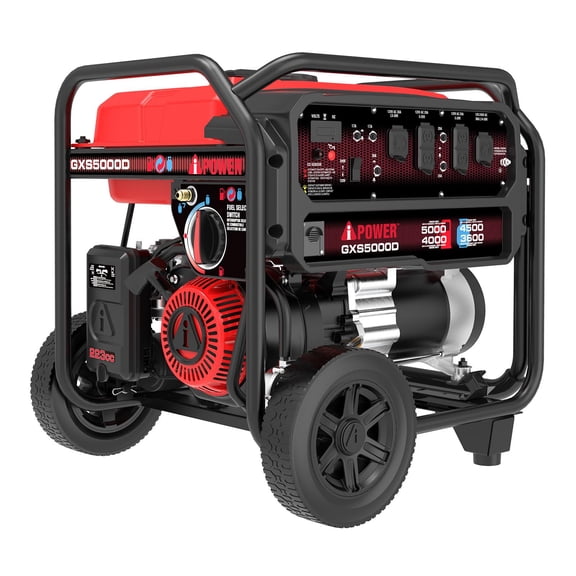
A-iPower 5000 Watts Recoil Start Dual Fuel Portable Generator with CO Sensor, 120/240V, Wheel & Handle kits, Price $549.99
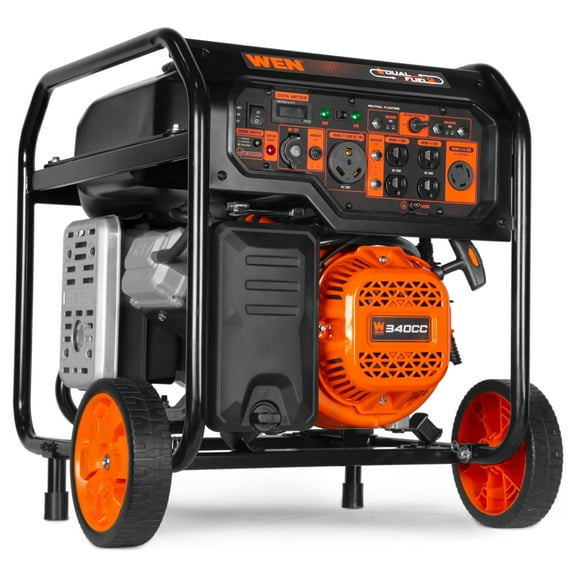
WEN 8000-Watt 120V/240V Dual Fuel Portable Generator, Electric Start, 340cc, Transfer-Switch and RV-Ready with CO Watchdog (DF8000X), Price $623.17
ABOK Ark2500 2500W Portable Power Station, 2160Wh LiFePO4 Solar Ready Battery Backup, Expandable to 10.8kWh, 1200W Solar Input, 1800W AC Fast Charging, UPS, USB-C for Home, RV & Camping, Price Now $799.00 Was $899.00 Options from $799.00 – $3989.00
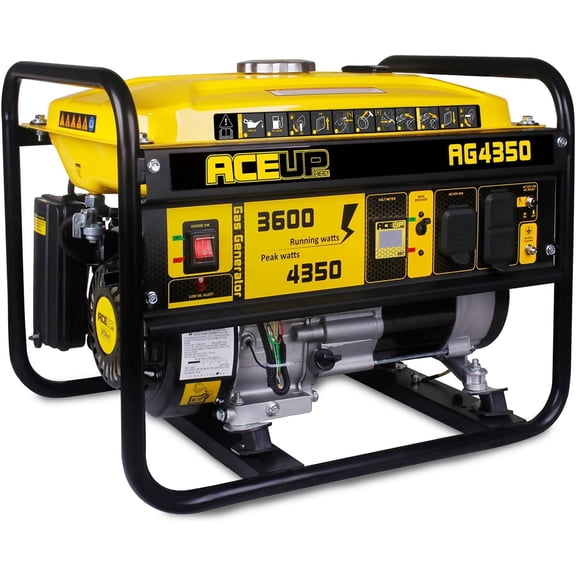
Aceup Energy 4350W Portable Gas Generator, 3600W Running, 30A Outlet & 4 Gal Tank, Pull Start for Home, Job Site & Camping, EPA & CARB Compliant, Price Now $359.99 Was $459.99
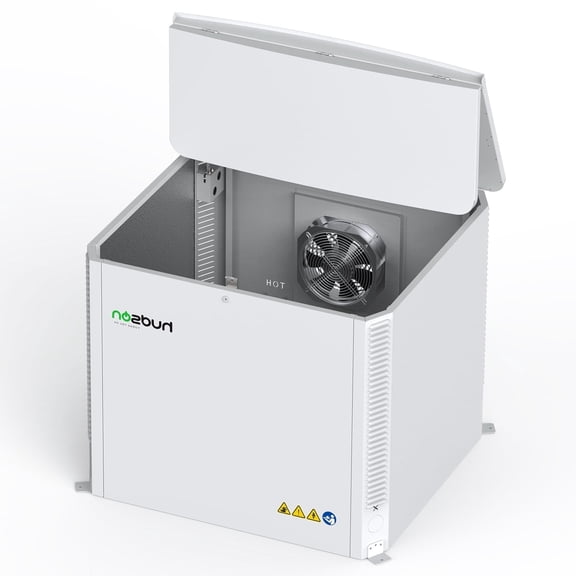
HUDSON Generator Box SD Aluminum Silence Box for Generator,Generator Cover for Accommodates the Maximum Size of the Unit:39.4x32x31.7, Price Now $1199.99 Was $1799.99
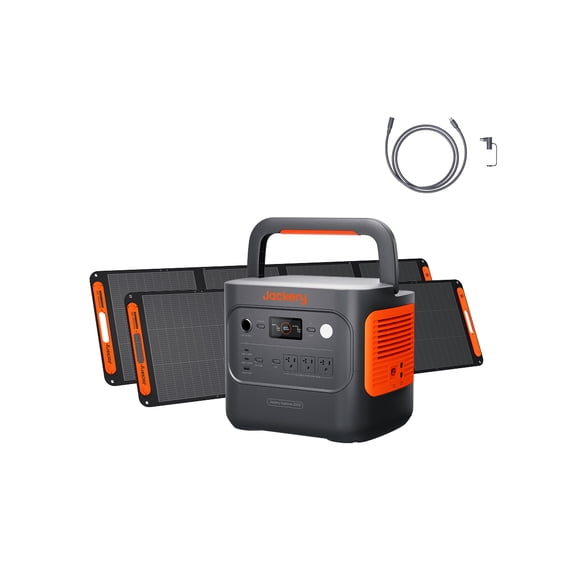
Jackery Solar Generator E2000AC Kit with 2x200W Solar Panels & 5m Extension Cable, 2032Wh LiFePO4, 2200W AC Output, 100W Fast Type-C Port for Camping, Price Now $1399.00 Was $1649.00
In 200+ people's carts, PowerSmart 2500W Portable Inverter Gas Generator Super Quiet Low Oil Shutdown Low Noise for Camping, Price Now $309.99 Was $489.99
Anker - SOLIX S2000 Portable Power Station w/200W Bifacial Solar Panel,Peak 3000W Solar Generator for Emrgency&Home Backup (2010 Wh Capacity)
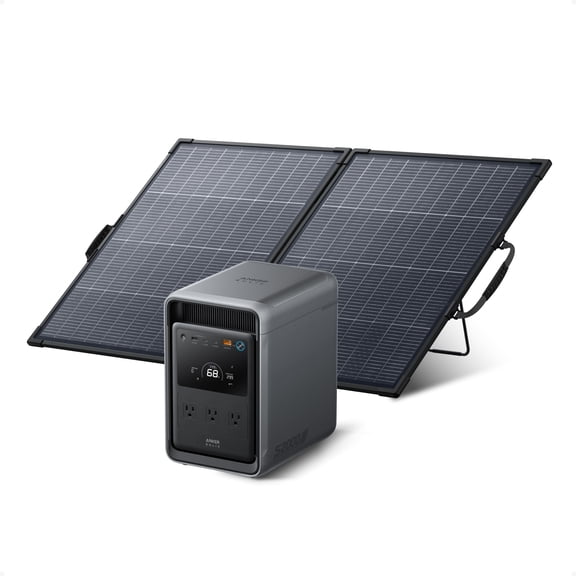
CTOLITY AP1000 1800W Portable Power Station with 200W Foldable Solar Panel 1024Wh LiFePO4 Battery Solar Generator for Camping & Home Backup RV Outages, Price Now $499.99 Was $548.99
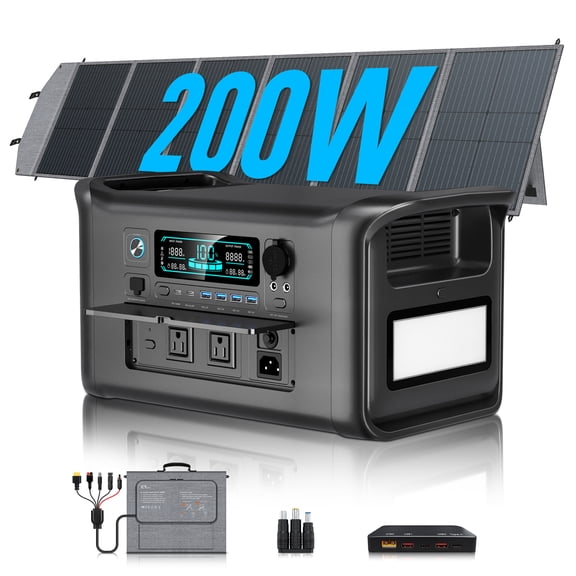
Portable Generator Gas Powered, Home Backup Generator Low Noise, 71CC Powerful Generator Portable w/Handle, 38.5lbs Light Weight Generator 2-stroke Engine, Price Now $119.99 Was $229.99 + $59.99 shipping Options from $119.99 – $149.99

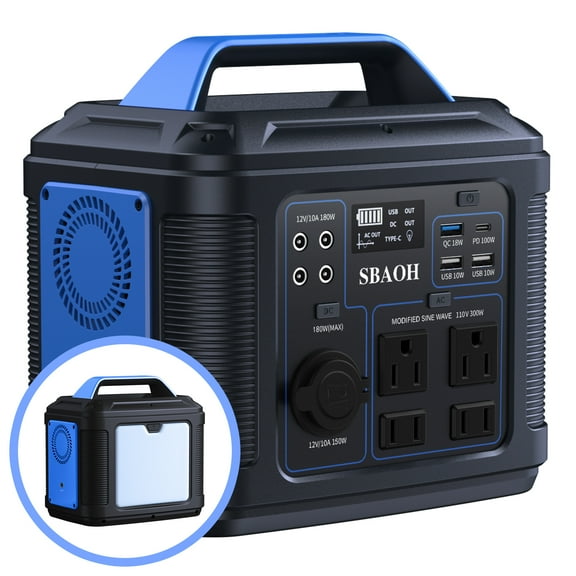
Best seller, SBAOH Portable Power Station, 300w 296wh Solar Generator 80000mah Lithium Battery Solar Power Banks Generator Power Source for Camping, Price $119.99
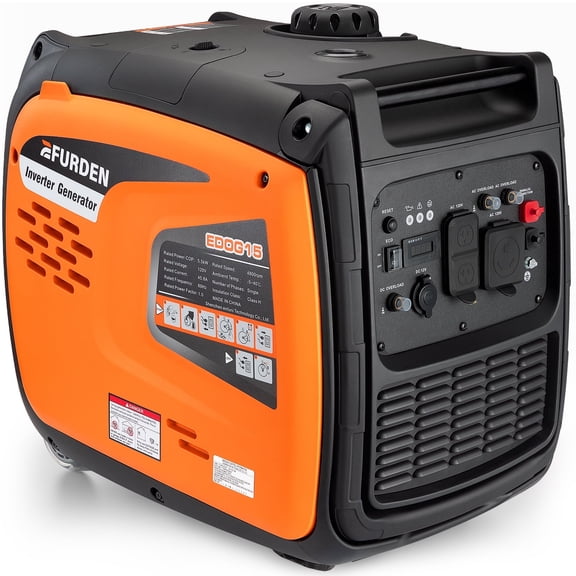
Efurden 7000W Quiet Inverter Generator, Gas Powered Generator for Home Backup and Outdoor Camping, 30A RV Ready, Portable with Wheels, Price Now $699.99 Was $1299.99
NEXPOW 2250W Portable Inverter Generator, Gasoline Power Quiet Lightweight for Backup Home & Camping, Eco-Mode Feature, Parallel Capability, EPA Compliant, Price Now $324.99 Was $578.99

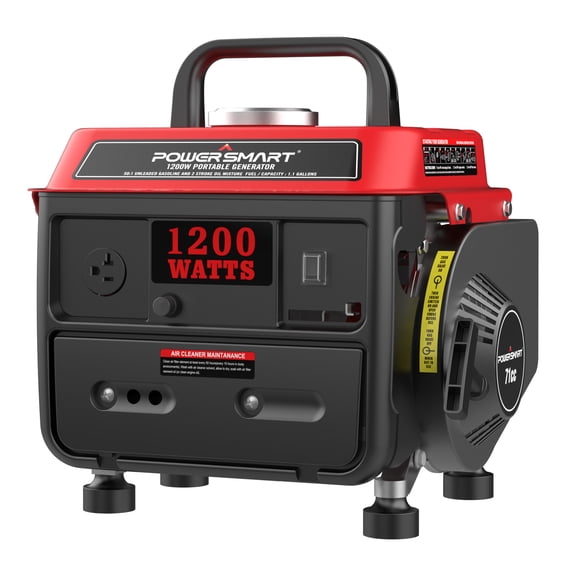
PowerSmart 1200W 2-Stroke Gas Generator Portable for Camping Outdoor, Low Noise with AC Outlet, Price Now $142.99 Was $199.99
OUKITEL P5000pro 5120Wh Portable Power Station, 3600W High Output, LiFePO4 Battery, 7200W Surge, Multi-Device Charging, Fast AC/Solar/Car Recharge, Home Backup & RV Ready, Price $1799.00 Options from $1699.00

CTOLITY AP400 500w Portable Power Station,346wh LiFePO4 Battery,150W Fast Charging Solar Generator for Power Outages Emergencies Camping RVs Travel Home Use, Price $159.99
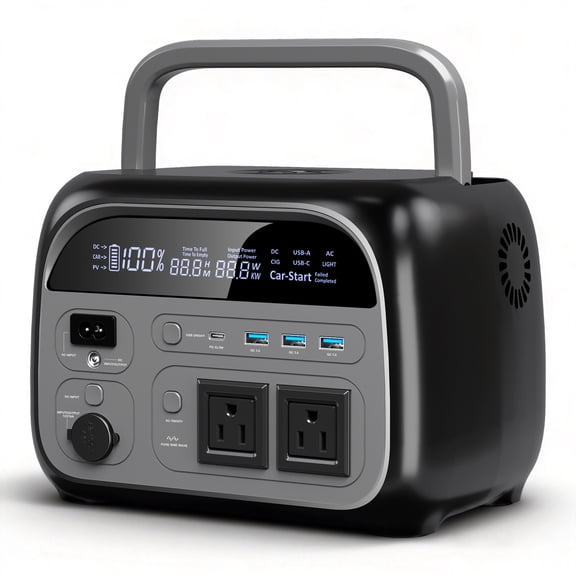
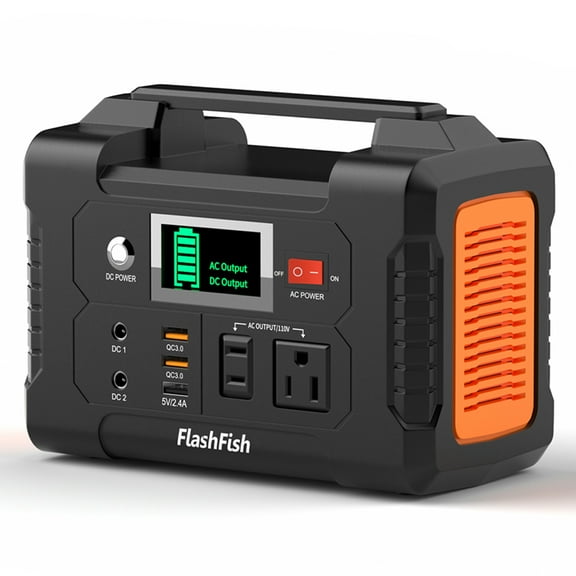
Flashfish 200W Portable Power Station, 40800mAh Solar Generator, Portable Generator for Camping Travel Emergency, Price $99.99 Options from $99.99 – $188.99


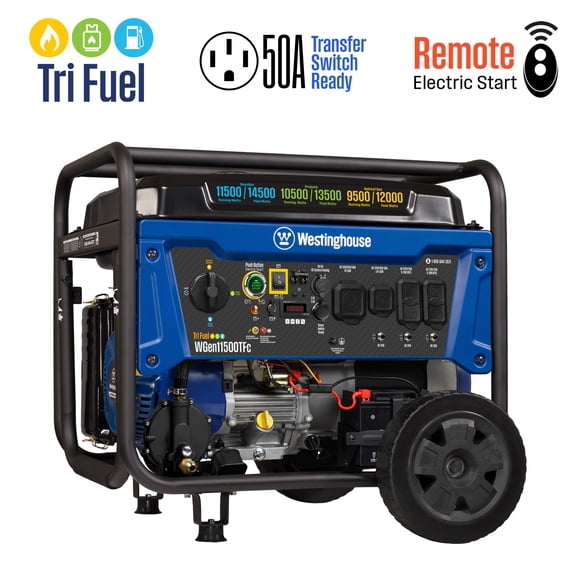
Westinghouse 12,500 Peak Watt Dual Fuel Portable Generator, Electric Start, Transfer Switch Ready, Price $999.00

Efurden 2500-Watt Portable Inverter Generator Gas Powered, EPA Compliant, Parallel Capability, CO Shutdown, Low Noise for Camping and Home Use, Price Now $279.98 Was $499.99 Options from $279.98 – $299.99
Westinghouse 14,500 Watt Tri-Fuel Portable Generator with CO Sensor, Price Now $1499.00 Was $1699.00
OUPES Mega 1 Lite Portable Power Station, 1800W(4500W Surge) 1024Wh LiFePO4 Battery, 140W USB-C Output, 46Min Fast Charge, 20ms UPS, Solar Generator for Camping, Emergency, RV, Off-Grid Living, Price Now $419.00 Was $489.00 Options from $419.00 – $829.00

Anker SOLIX C1000X Gen 2 Portable Power Station(1,024Wh)-Dark Grey, Price Now $549.99 Was $799.99

CTOLITY 1800W 1024Wh Portable Power Station, LiFePO4 Solar Generator, Home Backup Battery Pack with 110V AC Outlets for Camping RV Emergency Off-Grid, Price Now $379.99 Was $399.99

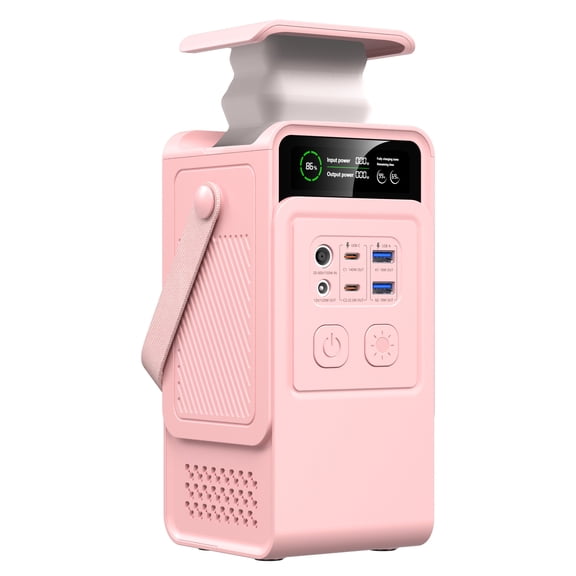
CTOLITY AP200 Pink Portable Power Station, 192Wh 60000mAh Portable Charger with 140W USB-C Fast Charging, 150W Solar Input for Camping, Travel and Emergency Backup, Price $79.99
Mutaomay 4400W Gas Powered Portable Inverter Generator with ECO Mode, RV Ready Outlet, Quiet Operation for Home Backup and Camping, Price $279.99

About Generators for Reliable Power Solutions - Walmart.com
Stay ready for any power situation with portable generators designed for versatility and peace of mind. Whether you’re prepping for a storm, powering your next outdoor adventure, or keeping your tools running on the jobsite, these generators offer dependable solutions for every need.
- Flexible Fuel Options: Easily switch between gasoline, propane, or natural gas to keep your generator running—no matter what’s available.
- Quiet Performance: Enjoy reliable backup power with models built for low-noise operation, so you can maintain comfort at home, in your RV, or at your campsite.
- Long Runtime: Designed for extended use, these generators help you get through outages or long workdays without constant refueling.
- Convenient Portability: Lightweight, compact designs and user-friendly handles make it simple to bring power wherever you need it.
- Multiple Use Cases: Ideal for emergency backup, outdoor recreation, travel, and powering essentials when off-grid.
Discover a range of portable generators at Walmart that deliver the reliable power you need, when and where you need it most—so you can feel confident before, during, and after every use.
Popular in Generators for Reliable Power Solutions - Walmart.com
FAQ
What size generator do I need for my house?
Choosing the right generator size depends on the appliances and systems you want to power during an outage. Start by listing essential items—like refrigerators, lights, heating/cooling, and medical devices. Add up their wattage requirements, then look for a generator with a running wattage that meets or exceeds your total. For whole-house backup, larger generators are often needed, while smaller models can handle basics.
- Check product specs for running and starting watts
- Consider future needs or upgrades
- Consult a licensed electrician for complex setups
What’s the 80% rule for generators?
The 80% rule suggests you should use only up to 80% of a generator’s rated capacity to avoid overloading and extend its lifespan. For example, if your generator is rated at 5,000 watts, aim to use no more than 4,000 watts at a time.
- Helps prevent overheating
- Allows for safe operation
- Leaves room for power surges
Where can I find affordable generators?
You can shop for affordable generators right here at Walmart, both online and in stores.
- Browse a wide selection by wattage, fuel type, and features
- Look for seasonal savings and special deals
- Check out restored generators for extra value
What should I avoid plugging into a generator?
Some devices and appliances shouldn’t be plugged directly into generators due to safety risks or potential damage.
- Never connect a generator directly to your home’s wiring unless you have a transfer switch installed by a professional
- Avoid plugging in sensitive electronics unless your generator has inverter technology
- Don’t overload the generator—stick to the recommended wattage
How do I maintain a portable generator?
Regular maintenance helps keep your generator running smoothly and safely.
- Check oil levels and change oil as recommended
- Inspect air filters and replace if dirty
- Run the generator periodically, even when not in use
- Store fuel properly and use fresh gasoline
- Keep the generator clean and dry