

Outdoor Power Equipment
OPE by category






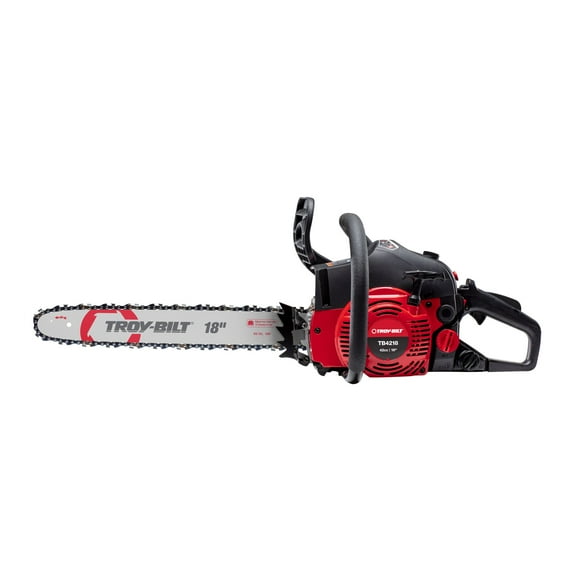

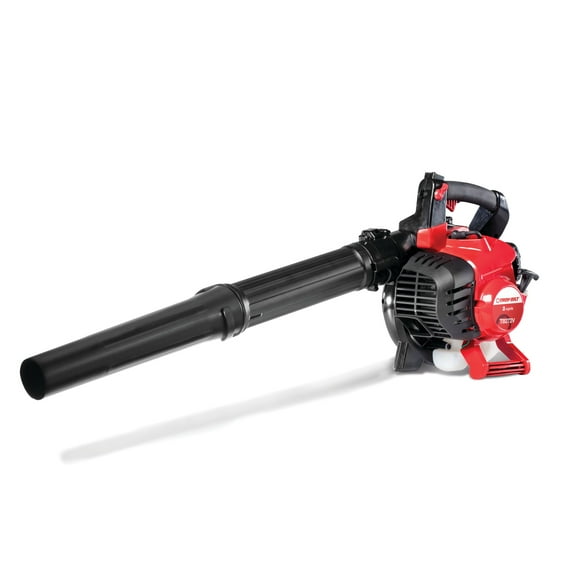
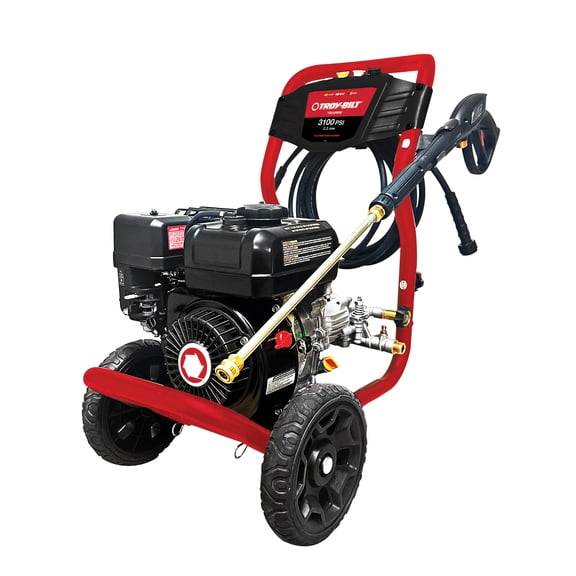
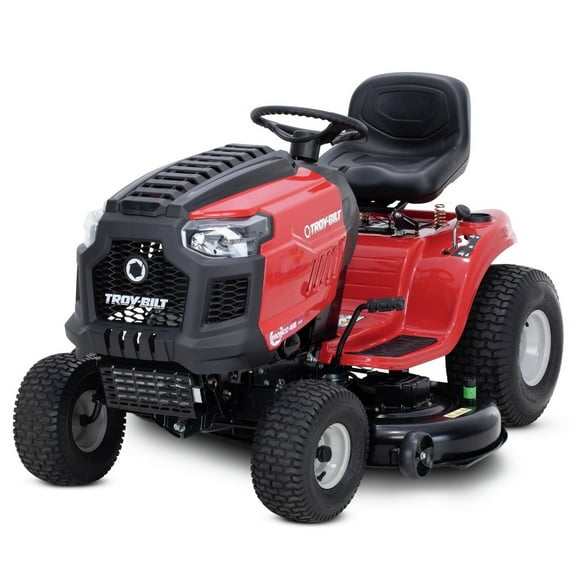





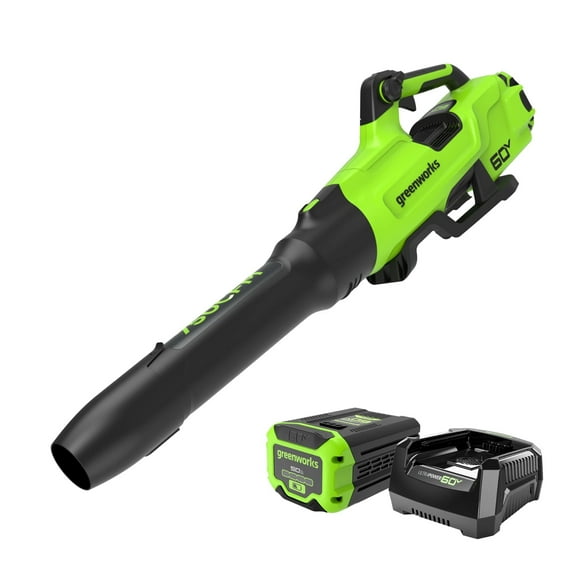

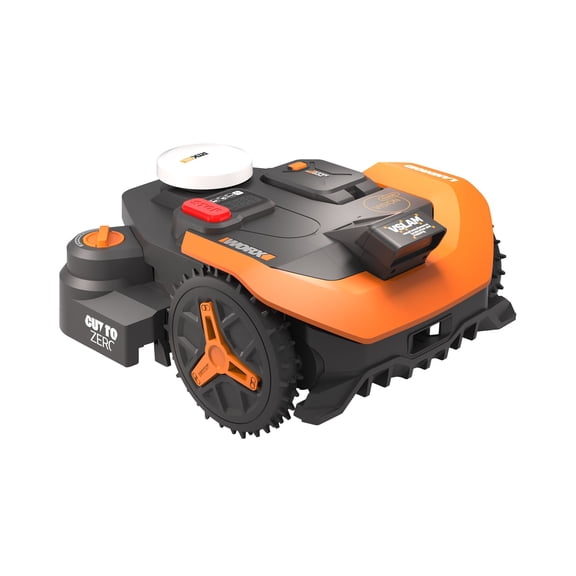
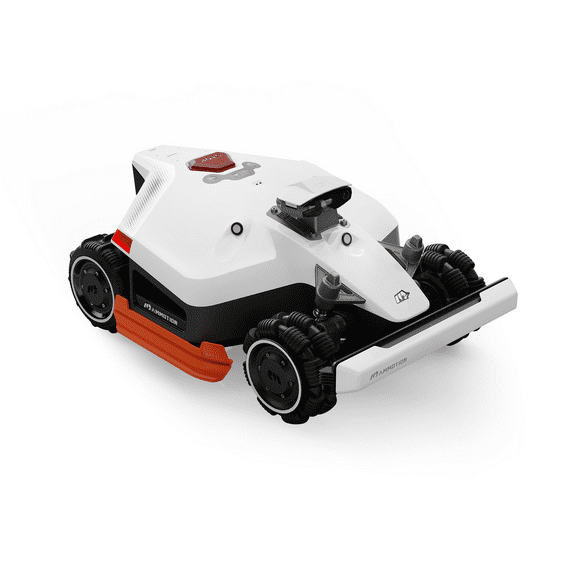
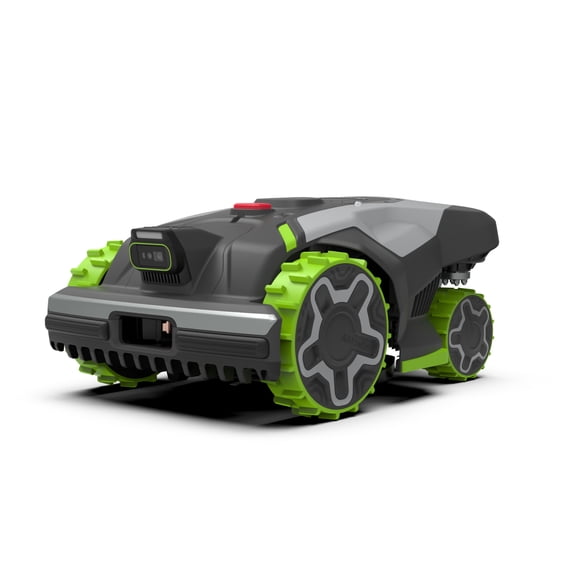
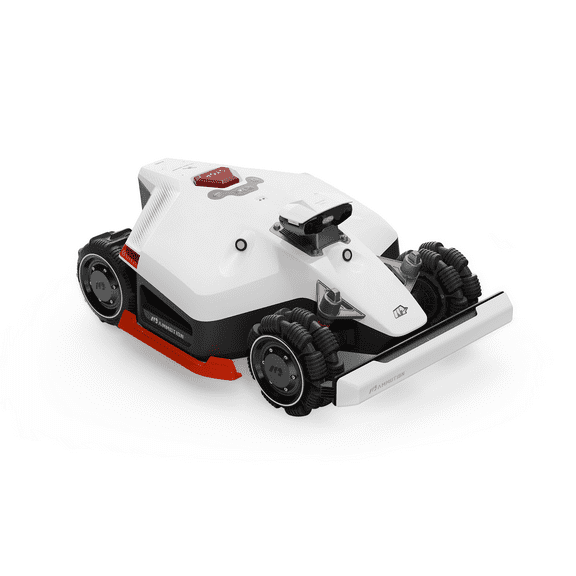
Robotic mowers save time
Easy upgrades are all here!
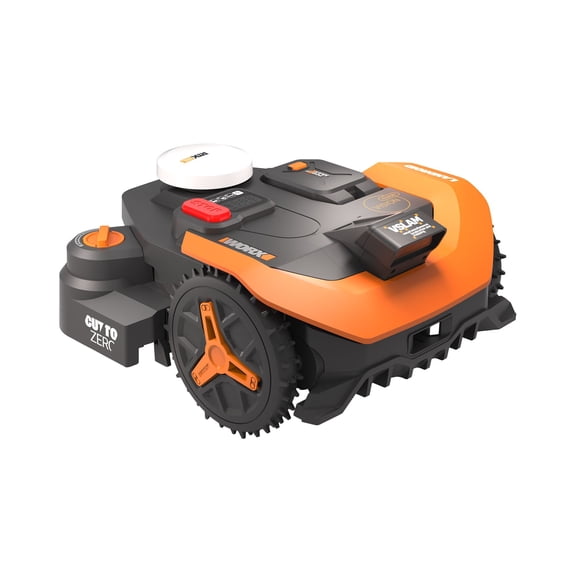
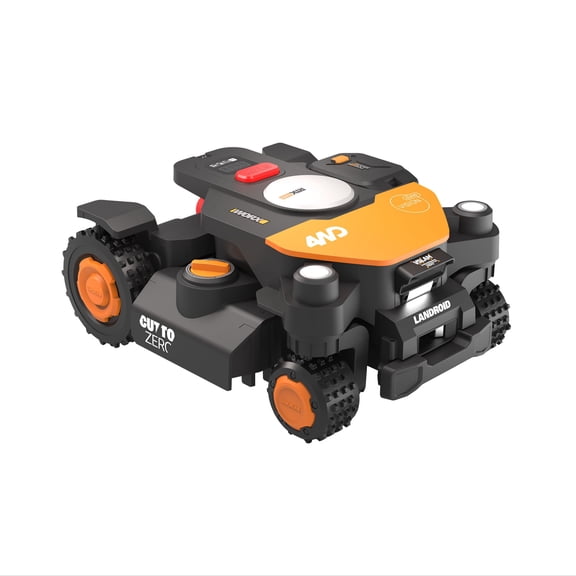
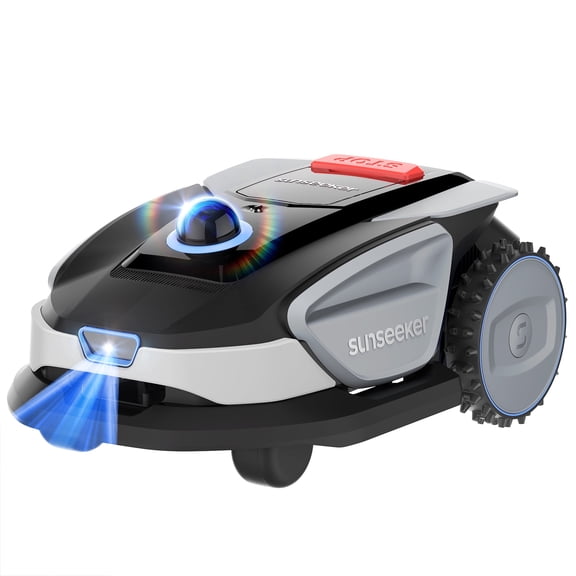



Brands we love










FAQ
About Outdoor Power Equipment - Walmart.com
You can compare outdoor power equipment more easily when you match power, mobility, and workload to your yard. You’ll find lawn mowers, string trimmers, leaf blowers, chainsaws, and generators built for very different outdoor jobs.
If you’re maintaining a small lawn or a large property, you’ll want guidance that goes beyond simple product names. You can narrow your choice faster when you compare power source, equipment type, usage intensity, and machine style.
Choosing outdoor power equipment by power source
You’ll usually start with power source because it affects runtime, upkeep, storage, and starting style. You can often choose between gas, corded electric, and battery or cordless options.
If you have a large yard, you may prefer gas models for longer run time and strong cutting power. If you want simpler startup and storage, you may prefer battery tools for routine lawn care.
For smaller spaces, you may like corded electric equipment when you have a nearby outlet and steady access to power. You’ll want to check cord reach first, especially when you’re trimming edges or clearing patios.
- You can use gas equipment when your yard size calls for longer sessions and fewer charging pauses.
- You can choose cordless models when your routine favors quieter startup, simpler storage, and fewer maintenance steps.
- You can consider corded tools when your work area stays close to home and outlet access stays easy.
- You can compare lawn power equipment by runtime, startup style, and how much upkeep fits your routine.
What to look for in lawn power equipment specs
You’ll make a smarter choice when you compare technical specs in plain language. You can use battery voltage or engine displacement to match the machine to your workload.
If you’re choosing battery models, you’ll often see 20V, 40V, 60V, or 80V platforms. You can think of higher voltage as a stronger option for thicker grass, larger yards, and longer sessions.
If you’re looking at gas machines, you’ll often compare engine cc for tasks like cutting, trimming, or blowing. You can use higher cc for tougher material and more demanding outdoor cleanup.
You’ll also want to compare deck width, cutting swath, bar length, or air speed by equipment type. You can cover more ground faster when those measurements match your property layout.
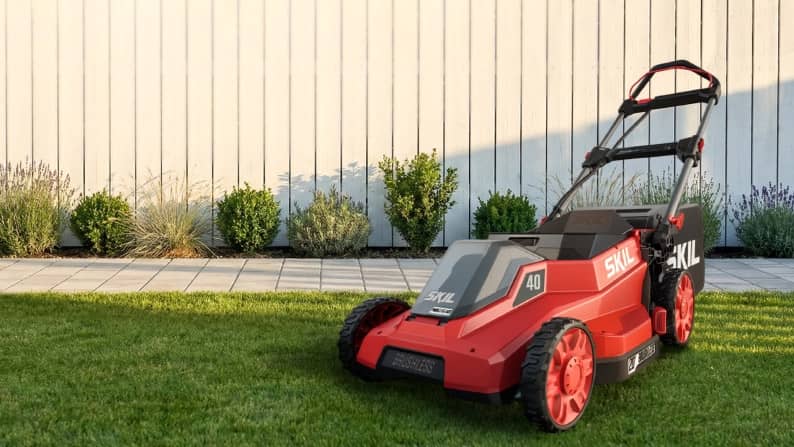
When you compare lawn mowers, you’ll want to check cutting width, bagging options, and height adjustment. You can move through open lawns more efficiently when the deck fits your mowing path.
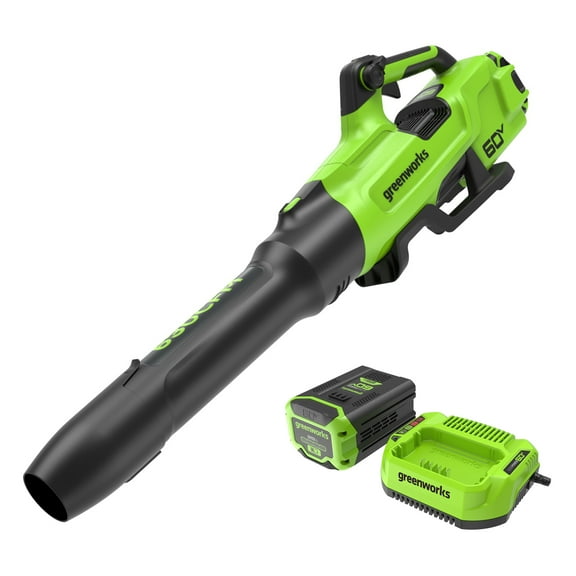
For string trimmers and leaf blowers, you’ll want to compare weight, shaft style, and trigger comfort. You can work longer with less interruption when handheld tools feel balanced in your hands.
How to match equipment type and mobility to your yard
You can narrow outdoor power and equipment choices quickly by thinking about the job first. You’ll want different tools for mowing grass, edging borders, clearing leaves, cutting limbs, or backing up home power.
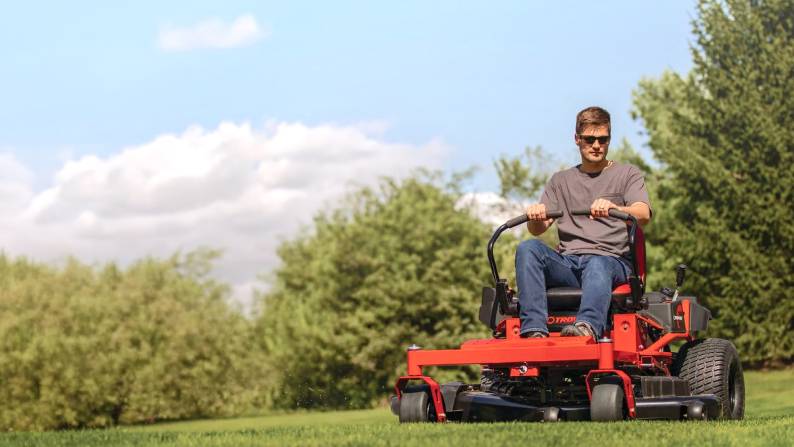
If you’re deciding between walk-behind and riding mowers, you’ll want to consider yard size and slope. You can manage compact lawns with walk-behind models, while larger areas may call for riding options.
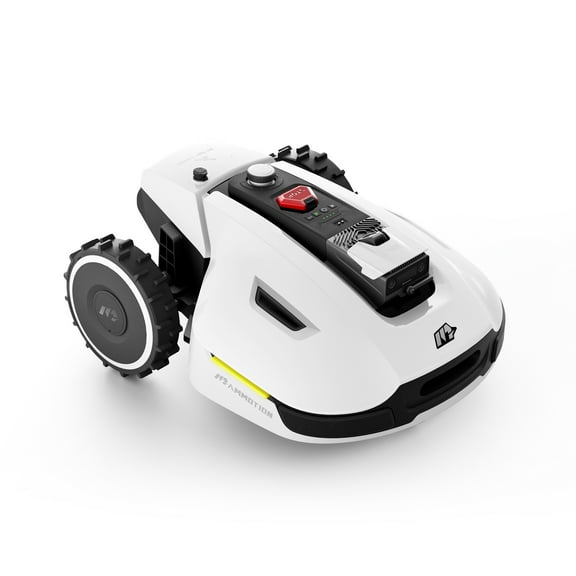
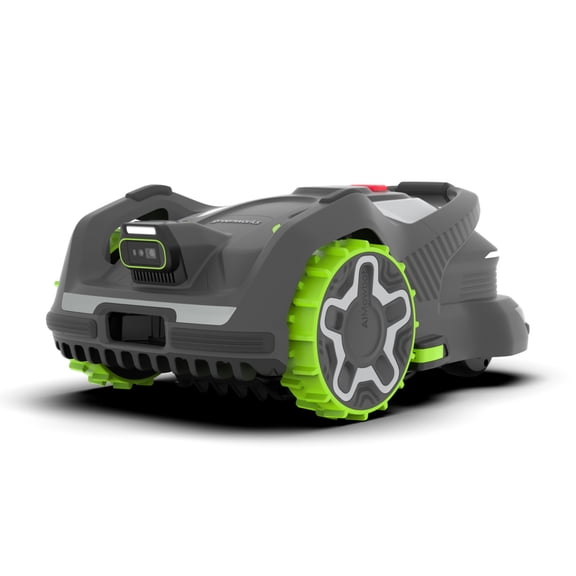
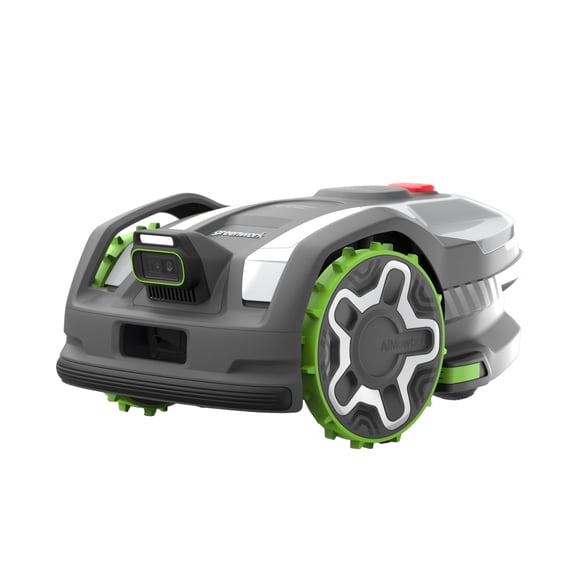
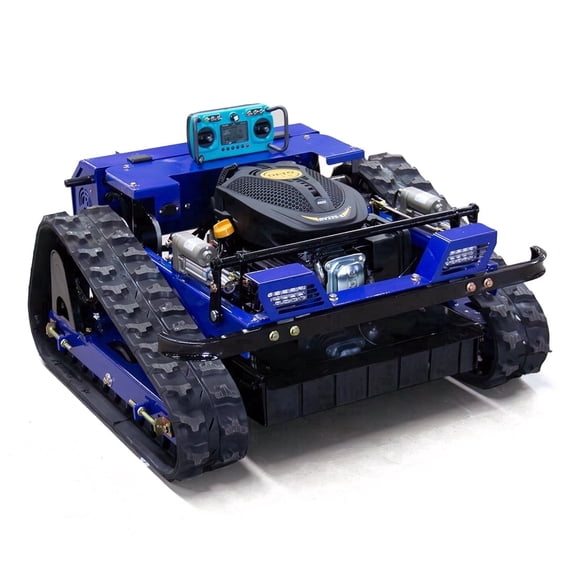
You may also compare handheld, walk-behind, riding, and robotic designs based on how you move around obstacles. You can use robotic mowers for routine cutting schedules when your lawn layout supports automated paths.
For detailed trimming, you’ll usually want handheld tools that let you move around beds, fences, and trees. You can reach tight spots more easily with compact garden power equipment built for controlled movement.
If you’re maintaining long driveways, broad lawns, or storm cleanup areas, you may need larger machines. You can cover more space with riding or wider walk-behind equipment that reduces repeated passes.
Comparing usage intensity, assembly, and upkeep
You’ll want equipment that matches how often you work and how demanding your tasks feel. You can choose residential, prosumer, or commercial-heavy-duty categories based on property size and routine frequency.
If you handle occasional mowing and seasonal cleanup, you may only need light-duty lawn care tools. If you work on larger lots often, you may want stronger components and longer runtime support.
You’ll also want to check assembly details before you decide on larger machines. You can look for clear setup steps, foldable handles, and tool-free adjustments that simplify first use.
When storage matters, you’ll want to compare handle design, footprint, and battery removal. You can fit some machines more easily in a garage, shed, or utility area between uses.
For upkeep, you can compare charging routines, blade access, and seasonal prep requirements. You’ll usually spend more time on fuel and engine maintenance than you will on cordless platform care.
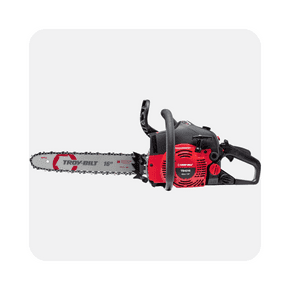
If you use generators or chainsaws, you’ll want to review operating format, size, and handling features carefully. You can choose options that fit your outdoor tasks without taking on more machine than you need.
Outdoor power equipment for real yard scenarios
If you have a smaller suburban yard, you may prefer a cordless mower and matching trimmer. You can keep charging simple when your tools share one battery platform.
If your property includes thicker grass, fence lines, and leaf buildup, you may want a stronger setup. You can pair a gas mower with a blower or trimmer when your routine stretches across more acreage.
For frequent cleanup after trimming trees, you may need a chainsaw and blower with solid run time. You can move from cutting branches to clearing debris without switching tool categories.
If you manage mixed terrain, you’ll want to consider wheel size, machine weight, and turning space. You can navigate slopes and narrow paths more confidently when the equipment matches your layout.
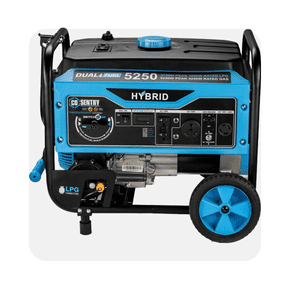
When backup power matters, you may also compare generators within the broader outdoor power equipment category. You can choose output and portability based on whether you need home backup or jobsite support.
You’ll feel more prepared when your equipment matches your yard size, task list, and maintenance preference. You can choose with more confidence when you compare power source, specs, mobility, and workload together.
Related Links
- All Lawn Mowers
- Push Mowers
- Riding Lawn Mowers
- Self Propelled Mowers
- Reel Lawn Mowers
- Gas Lawn Mowers
- Electric Lawn Mowers
- Cordless Electric Lawn Mowers
- Zero Turn Riding Lawn Mowers
- Greenworks Riding Mowers
- Greenworks Lawn Mowers
- HART Lawn Mowers
- Sun Joe Lawn Mowers
- EGO Lawn Mowers
- Yard Machines Lawn Mowers
- PowerSmart Lawn Mowers
- Troy-Blit Lawn Mowers
- Toro Lawn Mowers
- All Trimmers and Edgers
- Hedge Trimmers
- Edgers
- String Trimmers
- Gas String Trimmers
- Cordless Electric String Trimmers
- Corded Electric String Trimmers
- Greenworks String Trimmers
- HART String Trimmers
- BLACK+DECKER String Trimmers
- WORX String Trimmers
- EGO String Trimmers
- Hyper Tough String Trimmers
- Ryobi String Trimmers
- Black Max String Trimmers
- All Leaf Blowers
- Leaf Vacuums
- Electric Leaf Blowers
- Gas Leaf Blowers
- Battery Powered Leaf Blowers
- Cordless Leaf Blowers
- Backpack Leaf Blowers
- 20v Leaf Blowers
- 40v Leaf Blowers
- 80v Leaf Blowers
- Greenworks Leaf Blowers
- HART Leaf Blowers
- WORX Leaf Blowers
- Ego Leaf Blowers
- Ryobi Leaf Blowers
- Dewalt Leaf Blowers
- Toro Leaf Blowers
- Husqvarna Leaf Blowers
- Black Max Leaf Blowers
- All Pressure Washers
- Electric Pressure Washers
- Gas Pressure Washers
- PSI Pressure Washers
- GPM Pressure Washers
- Commercial Power Washers
- Heavy Duty Power Washers
- Medium Duty Power Washers
- Light Duty Power Washers
- Cordless Pressure Washers
- Craftsman Power Washers
- Dewalt Pressure Washers
- Greenworks Power Washers
- Hot Water Power Washers
- Karcher Pressure Washers
- Pressure Washer Guns
- Pressure Washer Wands
- Simpson Pressure Washers
- Sun Joe Pressure Washers
- Driveway Pressure Washers
- Portable Pressure Washers
- All Generators
- Portable Generators
- Solar Generators
- Inverter Generators
- Standby Generators
- Dual Fuel Generators
- Propane Generators
- RV Generators
- 10,000 Watt Generators
- 4,000 Watt Generators
- 2,000 Watt Generators
- Jackery Generators
- EcoFlow Generators
- Champion Generators
- Westinghouse Generators
- Duromax Generators
- Honda Generators
- Firman Generators
- Generac Generators
- Pulsar Generators
- Yamaha Generators