



Generators by Type in Generators












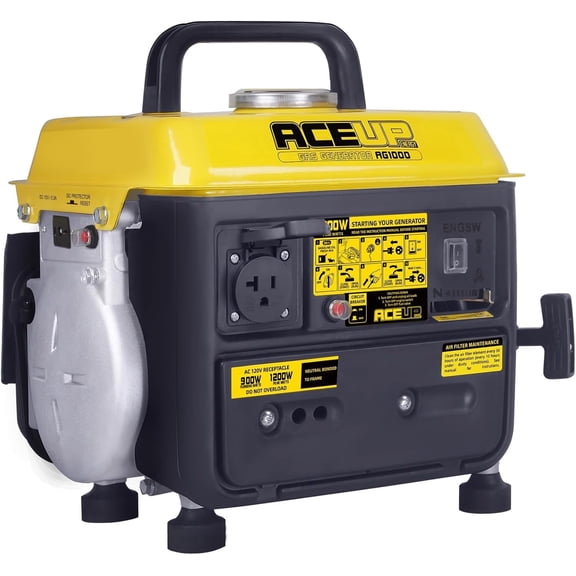
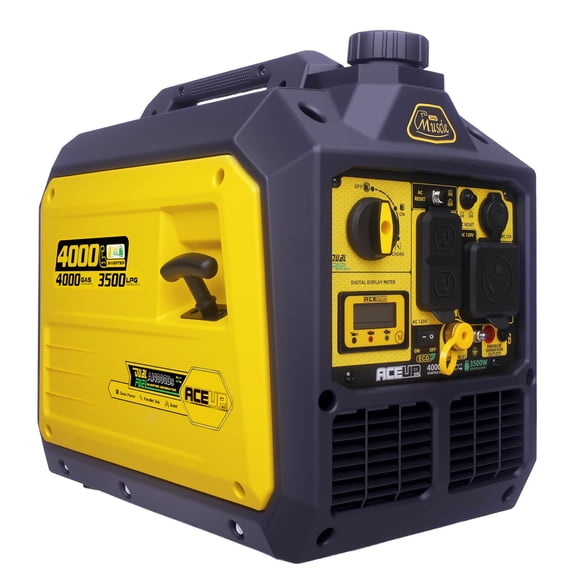
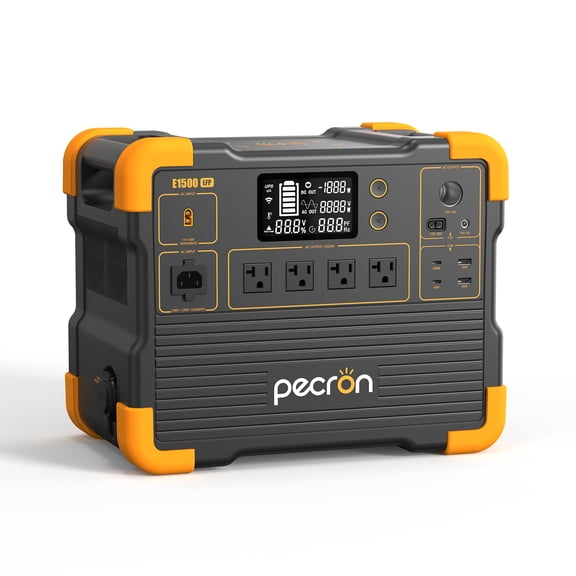
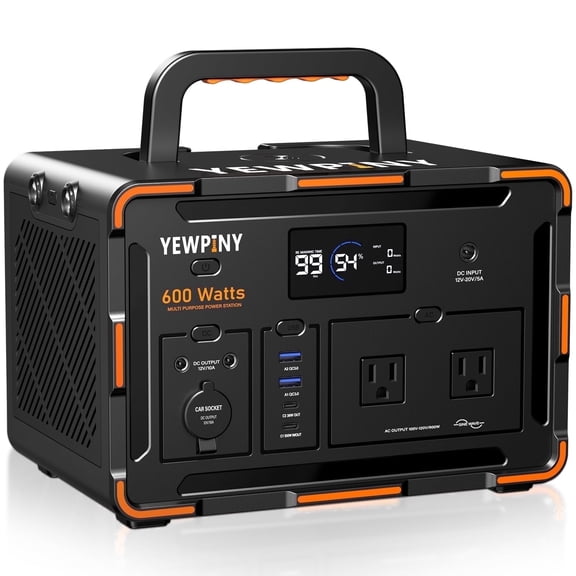




About Generators by Type in Generators - Walmart.com
Generators help you compare power setups for home backup, RV travel, and outdoor projects with less guesswork. You can narrow options faster when you organize your search by generator type, fuel source, wattage, and start style.
If you're planning for outages or portable power, you should compare runtime, noise, and setup before choosing. You'll also want to match your generator to appliances, tools, or electronics without adding unnecessary complexity.
How to choose generators by type
You should start with the four common generator types because each one fits a different routine. You can compare portable generators, inverter generators, dual fuel generators, and standby generators based on mobility and backup goals.
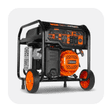
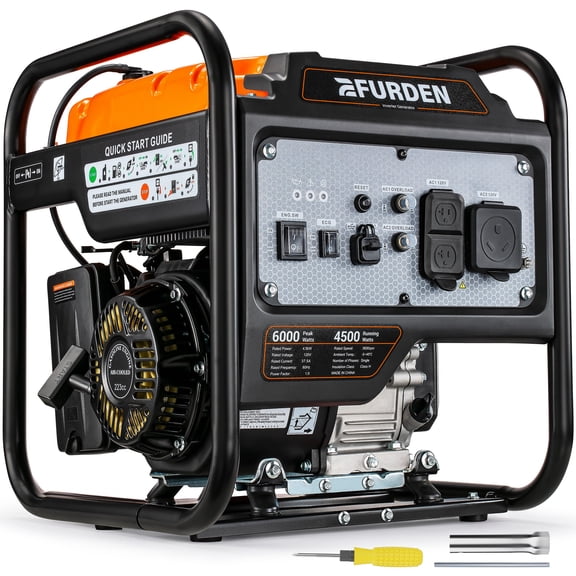
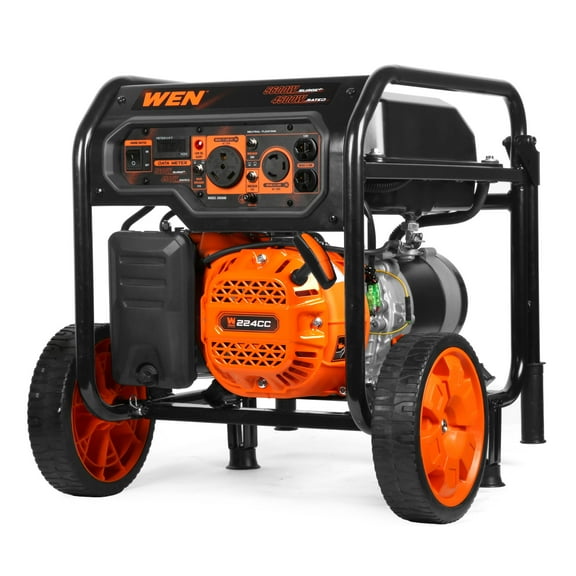
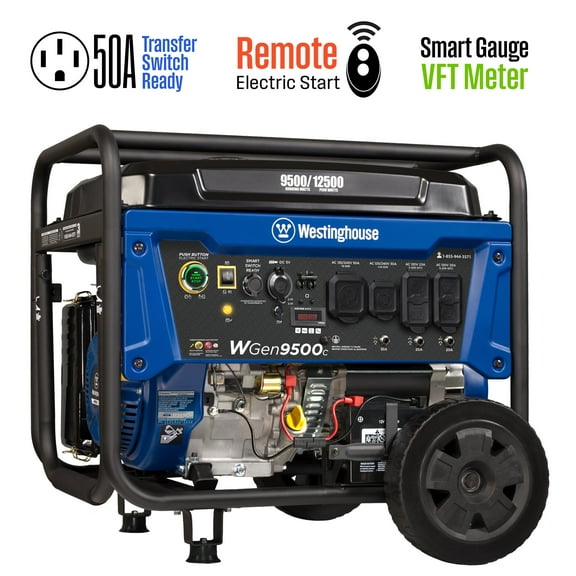
Portable generators give you flexible power that you can move where you need it. You can use wheeled frames for driveway backup power, outdoor projects, or events that need temporary electricity.
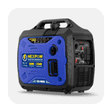
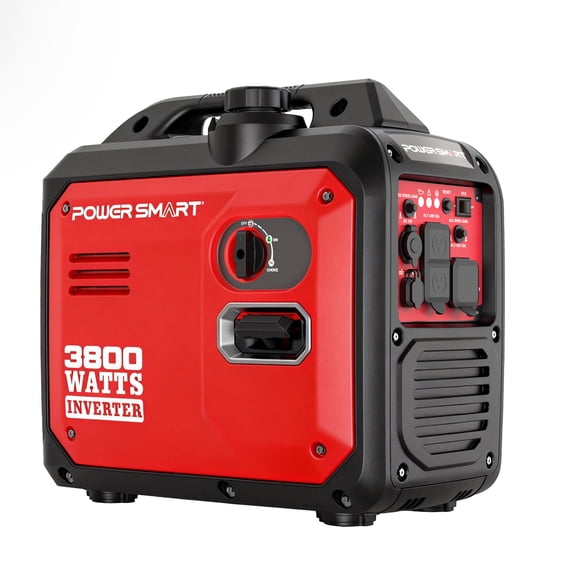
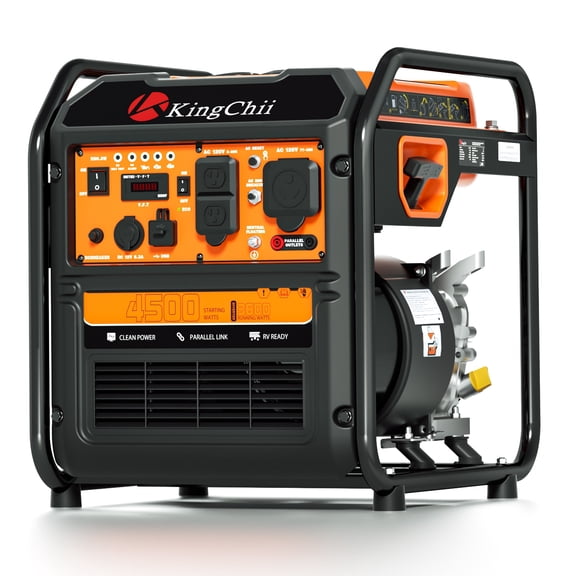
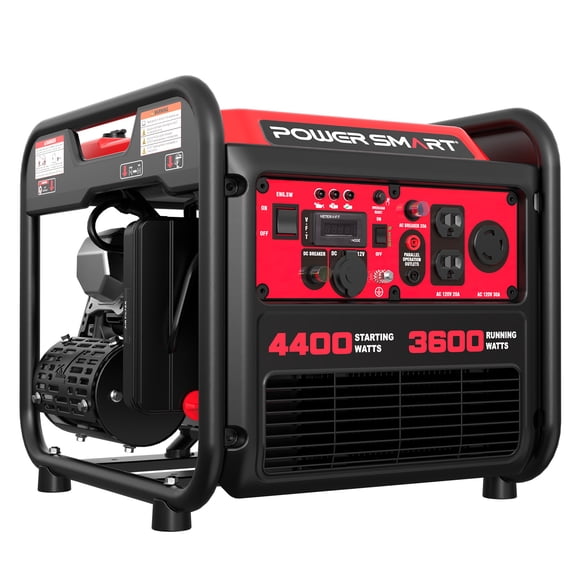
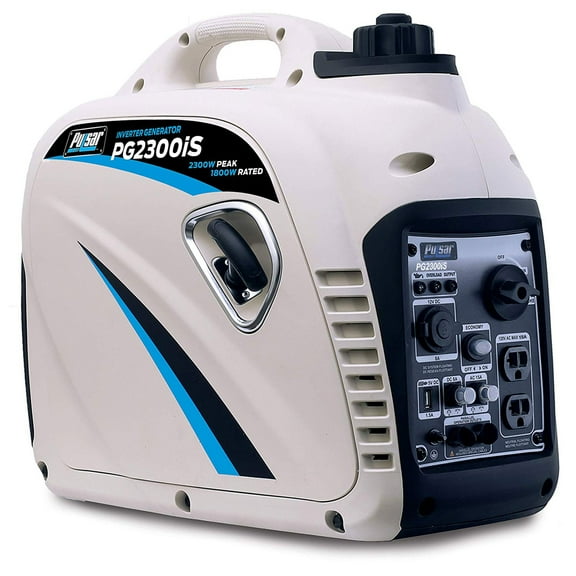
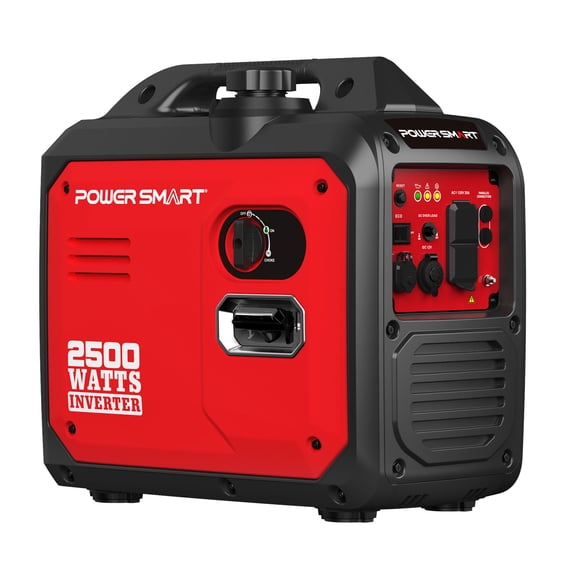
Inverter generators focus on quiet performance and steady output for electronics. You can use them for camping, tailgates, and RV setups where lower decibel ratings matter.
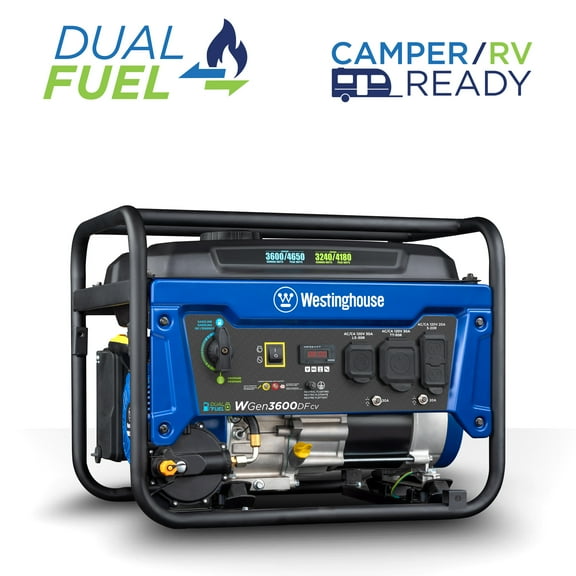
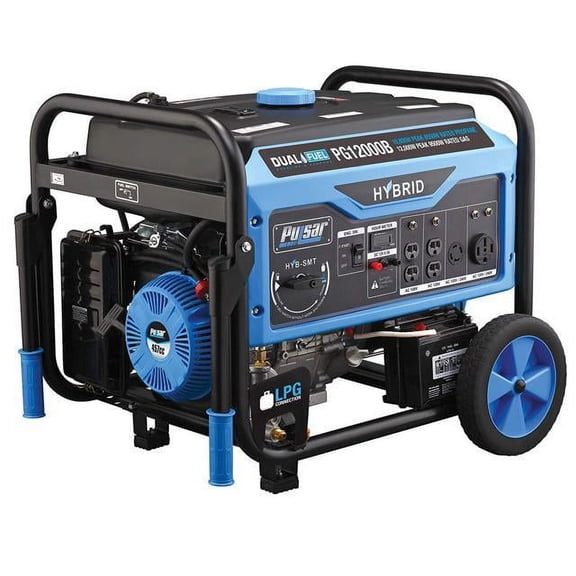
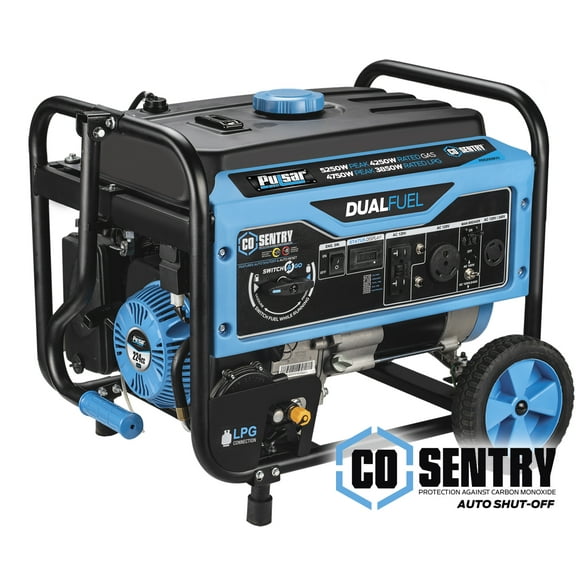
Dual fuel generators let you switch between gasoline and propane based on availability and storage preferences. You get additional planning flexibility when weather or outages affect your usual fuel source.
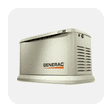
Standby generators stay in a fixed location and connect to your home's electrical system. You may prefer that setup when you want automatic transfer during outages and a permanent backup solution.
Choosing fuel type and portability
You should compare fuel type first because it shapes storage, refueling, and where you plan to use power. You can choose gasoline, propane, dual fuel, solar, or diesel based on runtime expectations and convenience.
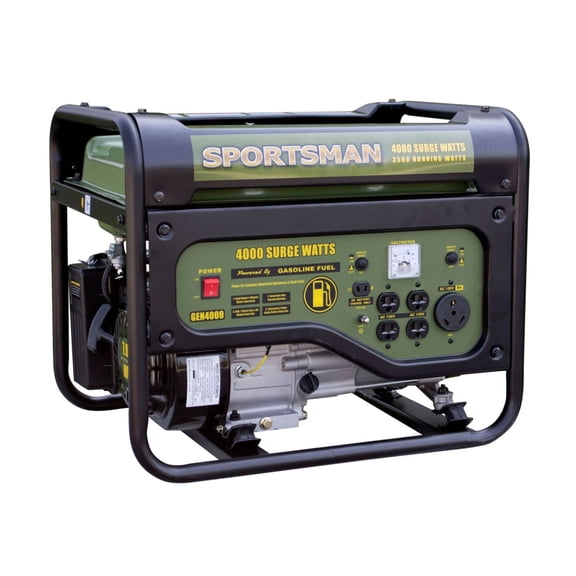
Gas generators can suit occasional backup and outdoor equipment needs when you want familiar refueling. Propane options may appeal to you if you prefer clean storage and simple fuel rotation.
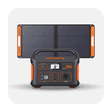
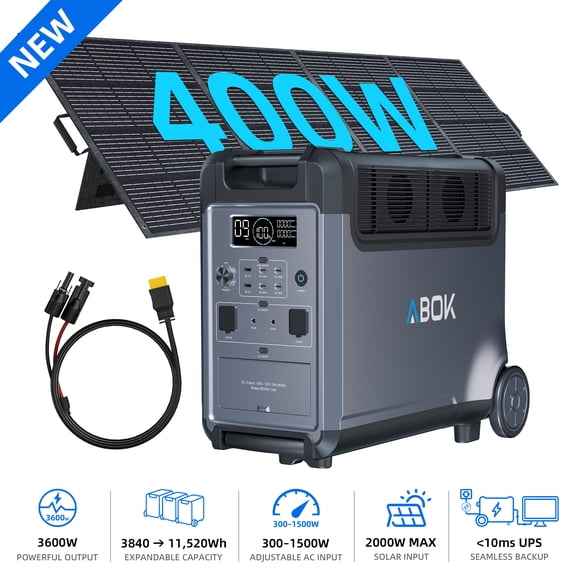
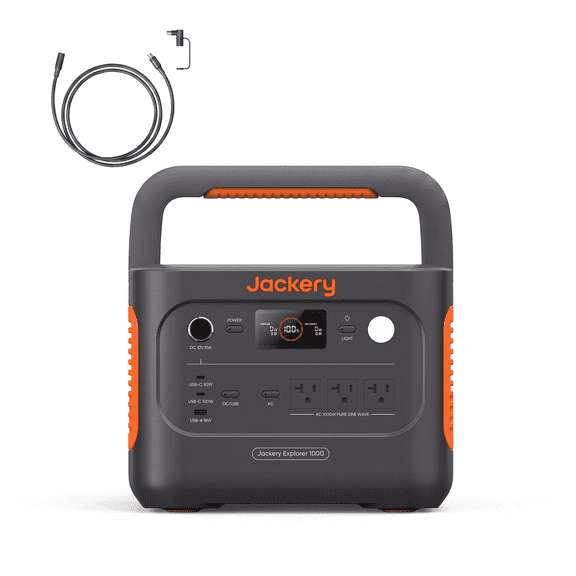
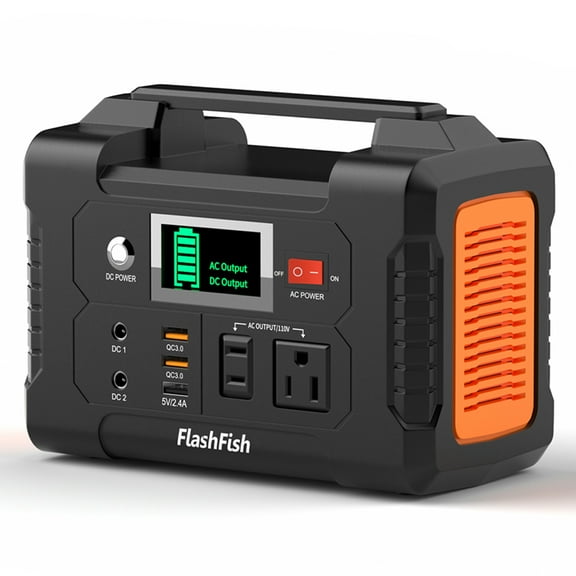
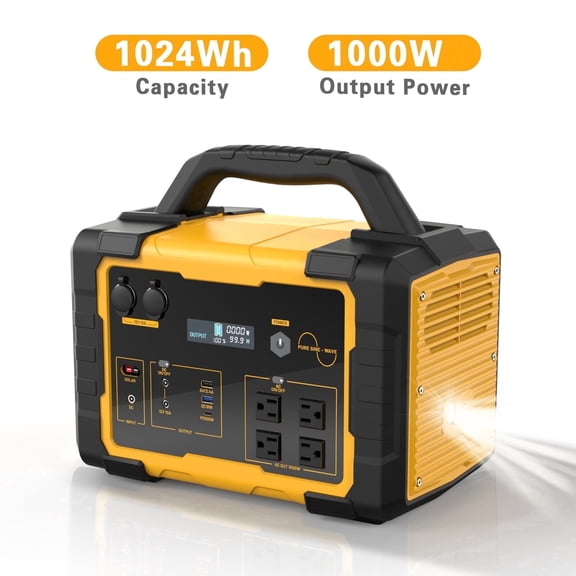
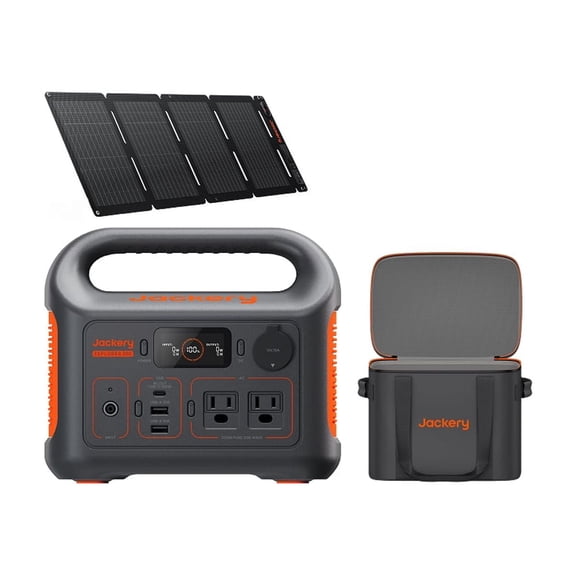
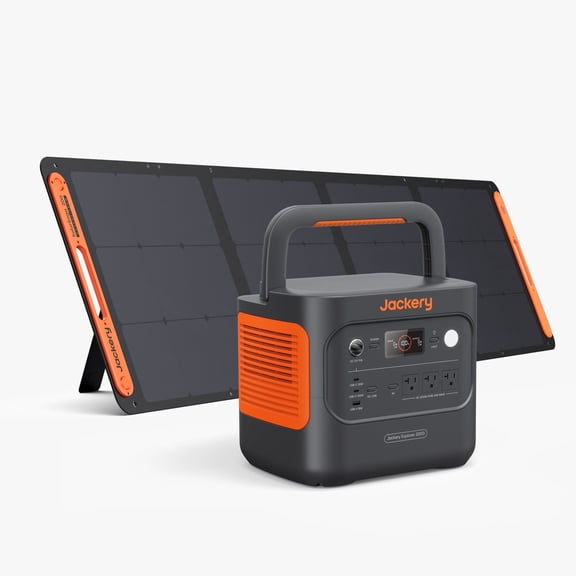
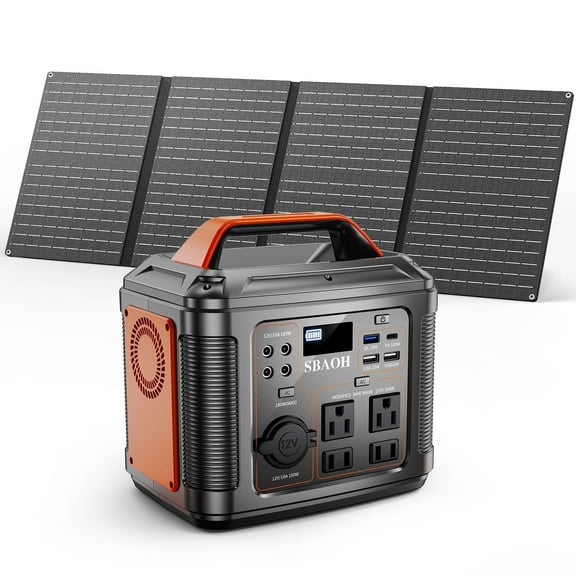
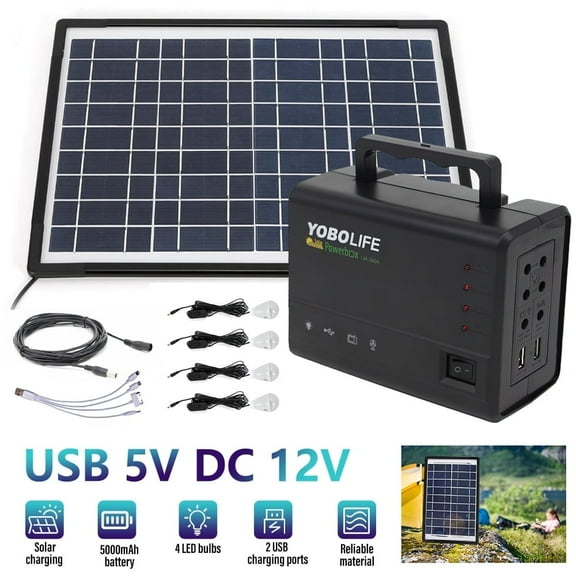
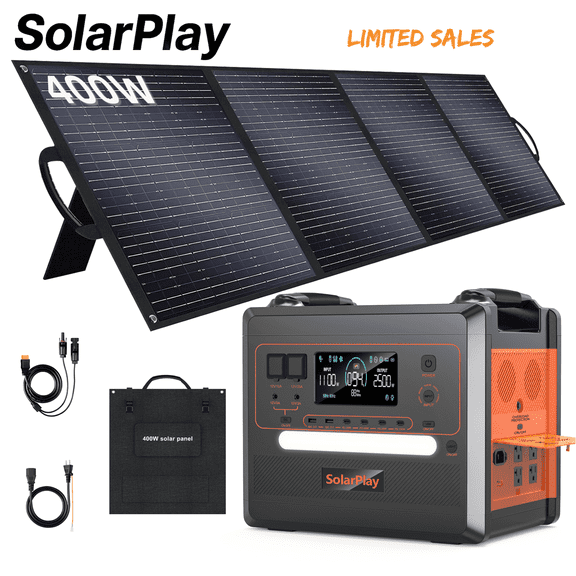
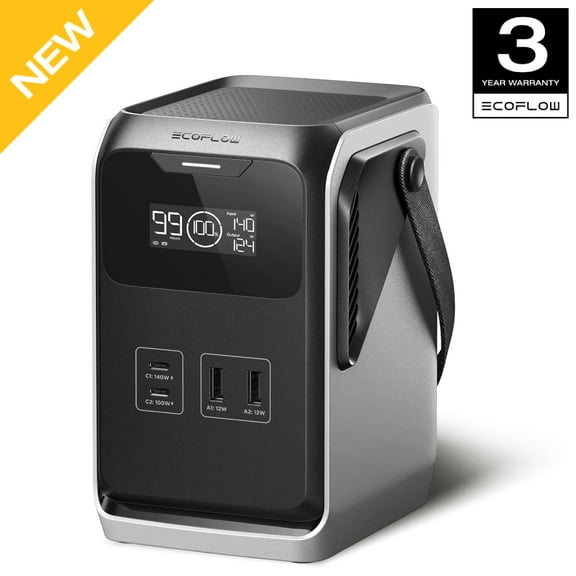
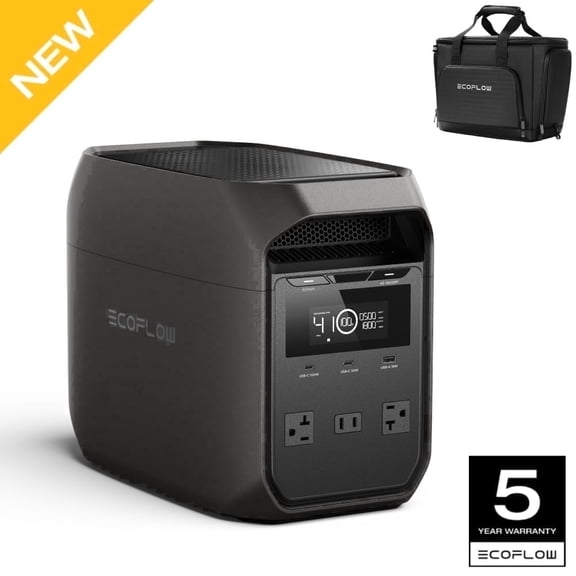
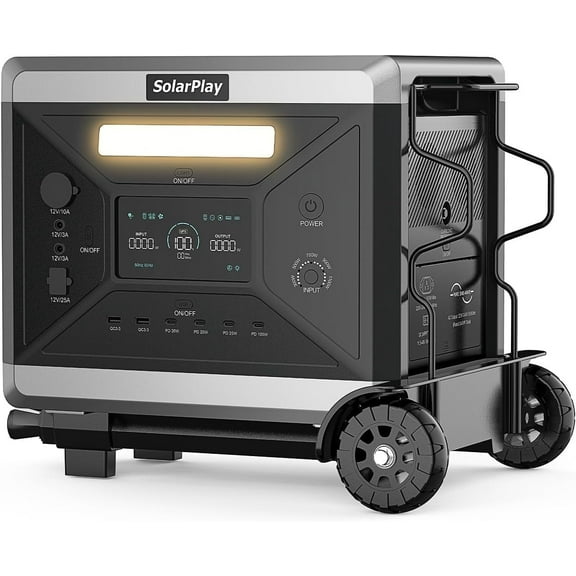
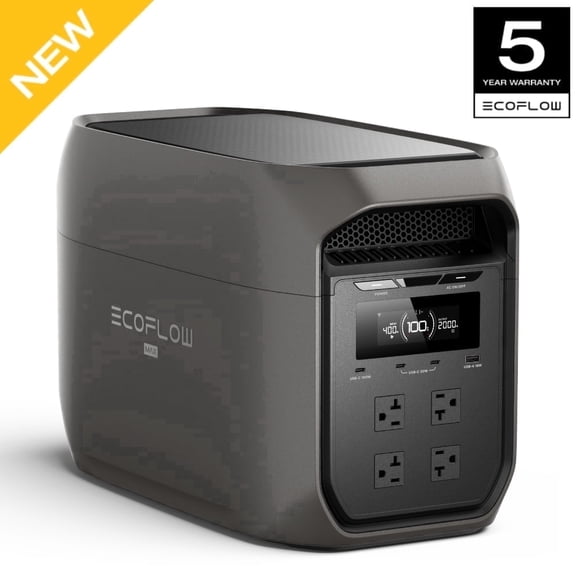
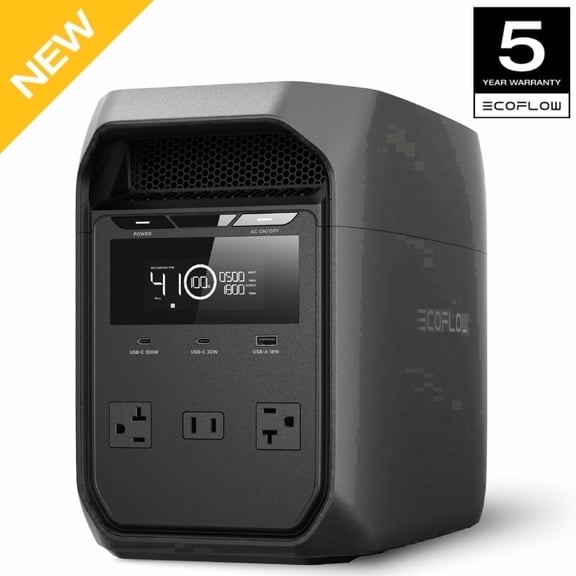
If you want flexibility, dual fuel generators let you adapt to changing conditions without switching machines. Solar generators can fit lighter charging needs when you want battery-based power for small devices.
Portability matters just as much because you may need power in several places. You can choose hand-carried units for light loads, wheeled frames for easier movement, or stationary standby setups for home backup.
- You can move portable generators between the house, campsite, and work area.
- You can choose inverter generators when your electronics need steady, clean output.
- You can pick standby generators when your priority is automatic home backup.
- You can compare fuel options based on storage habits, refill access, and runtime goals.
Choosing wattage for portable generators and standby generators
Wattage is a key decision because you need enough power for startup and steady use. You should compare running watts and starting watts before choosing a generator size.
Running watts describe the power your items need after they start normally. Starting watts describe the extra burst your refrigerator, pump, or air conditioner may need at startup.
If you only need lights, phone charging, or a few small devices, under 2,000 watts may fit. If you want to support an RV air conditioner or several essentials, you may need 2,000 to 5,000 watts.
For refrigerators, sump pumps, and several household circuits, you may look at 5,000 to 10,000 watts. If you're planning for whole house generators, you may need over 10,000 watts and a stationary standby design.
You can estimate your needs with a simple checklist before you compare models. A refrigerator may need about 800 watts, while an air conditioner may need about 1,500 watts.
If you plan to start multiple items together, you should leave room for startup demand. You can avoid frustrating power limits when you size for both steady use and initial surges.
Comparing inverter generators, noise, and start type
You should check noise levels carefully when you need power near campsites, RVs, or shared outdoor spaces. You can compare decibel ratings at 25% load because that number reflects quiet everyday operation.
Quiet generators often use inverter technology to deliver stable output with less engine strain at lighter loads. You may notice that inverter generators are a practical choice for laptops, phones, and other sensitive electronics.
Standard generator designs can make sense when you need straightforward power for tools and larger loads. You can focus on output and runtime if low-noise operation isn't your first priority.
Start type also shapes how convenient your setup feels during bad weather or early mornings. You can choose recoil pull start, electric push button, remote start, or automatic transfer based on how hands-on you want to be.
If you want quick manual operation, electric push button systems can simplify startup. If you want a built-in home backup routine, standby generators with automatic transfer can restore power with less manual effort.
Matching generators to home backup, RV, and outdoor power
You should match the generator type to the way you'll actually use it. A portable unit can fit outdoor generators needs, while a standby system can fit longer household outages.
For RV trips and campgrounds, you may prefer inverter generators with lower decibel output and manageable weight. You can keep essentials powered without the loud feel of larger open-frame units.
For storm prep and emergency power generators, you may prefer higher wattage and longer runtime. You can power a refrigerator, lights, and select appliances when you plan your wattage list carefully.
If you're comparing standby generators to portable options, installation is a key difference. You should check whether your setup needs a professional transfer switch or a permanent connection to your electrical system.
For tools and outdoor projects, gas generators and wheeled frames can support mobility and strong output. You can move power closer to saws, compressors, or jobsite lighting when extension cords cannot reach.
When you compare these generator types with clear decision points, you can narrow choices without second-guessing wattage, fuel, or setup. This helps you find a generator that fits your space, your routine, and your backup plan.