

Generac in Shop By Pro Tools Brand












About Generac in Shop By Pro Tools Brand - Walmart.com
Generac power pro equipment helps you prepare for outages, cleanup, and jobsite power with clearer buying guidance. You can compare standby units, portable options, pressure washers, and replacement parts in one place.
How to choose generac power pro equipment
You should start with the job you need to handle at home, outdoors, or on a worksite. Your choice often comes down to equipment type, power output, fuel source, and installation needs.
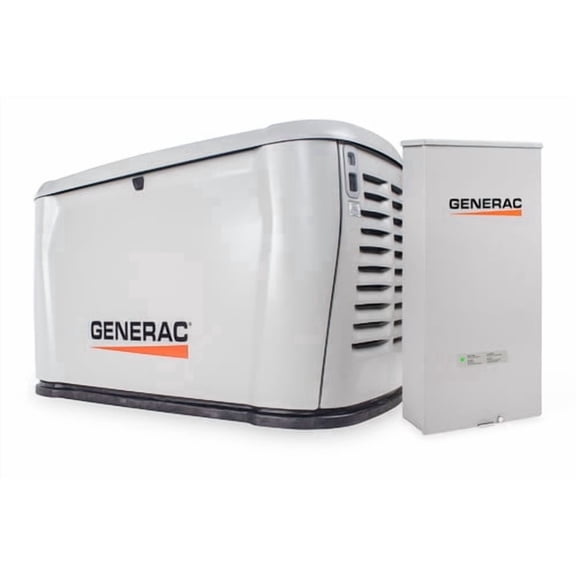
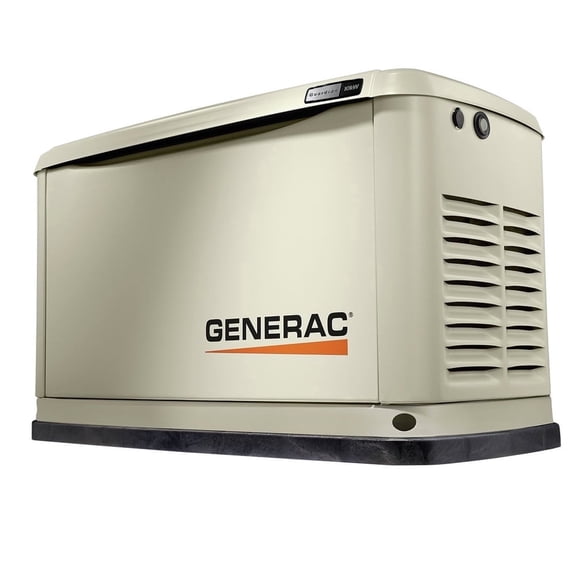
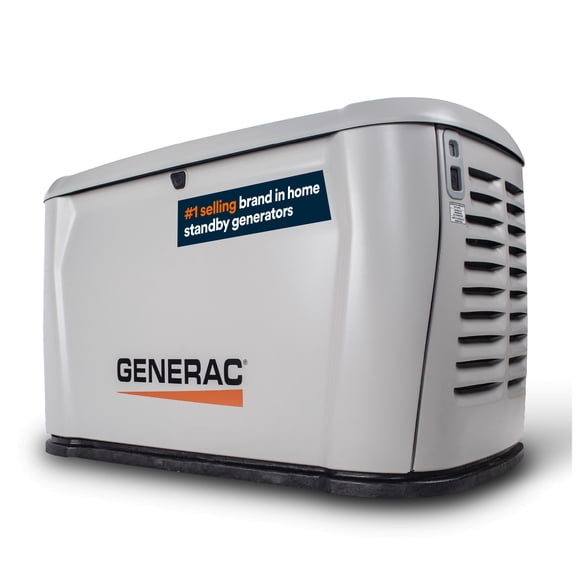
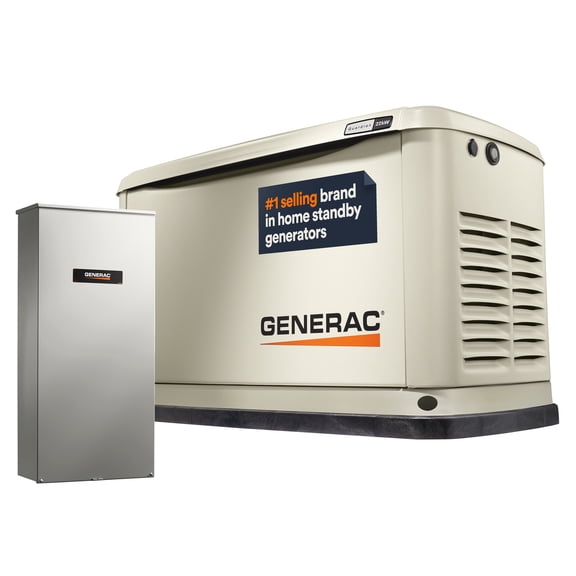
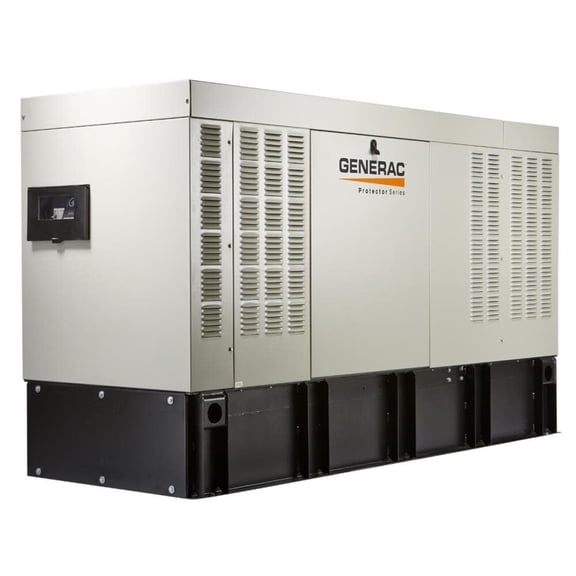
If you want whole house backup, you should compare home standby generators with your household power demands. If you need flexible power, you may prefer portable generators for emergency use, recreation, or temporary work.
Pressure washers fit a different need, so you should focus on cleaning tasks instead of wattage. Replacement parts matter when you want your existing equipment to keep matching its original setup.
Key benefits you can expect
You can keep important appliances, tools, or outdoor equipment running when utility power isn't available. You also get a clearer path to matching output levels with the spaces and tasks you need covered.
With the right setup, you can choose fuel options that align with your home's connections or your portable refueling routine. You can also keep equipment performing consistently by selecting parts made for compatible systems.
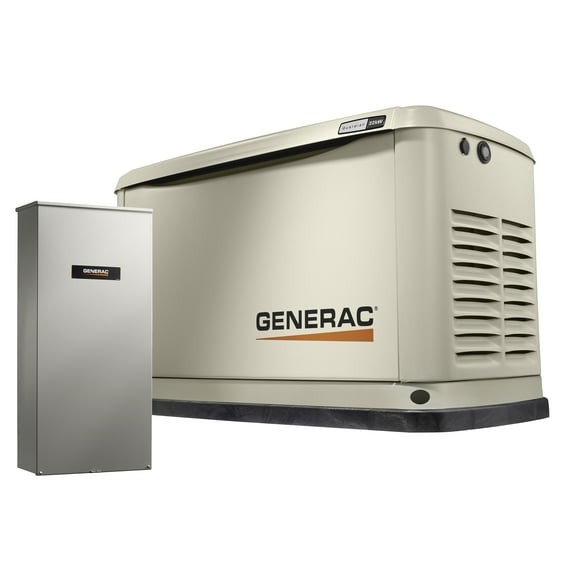
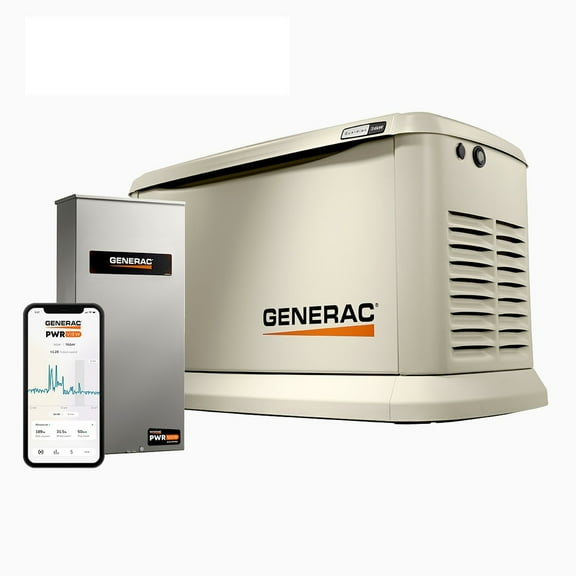
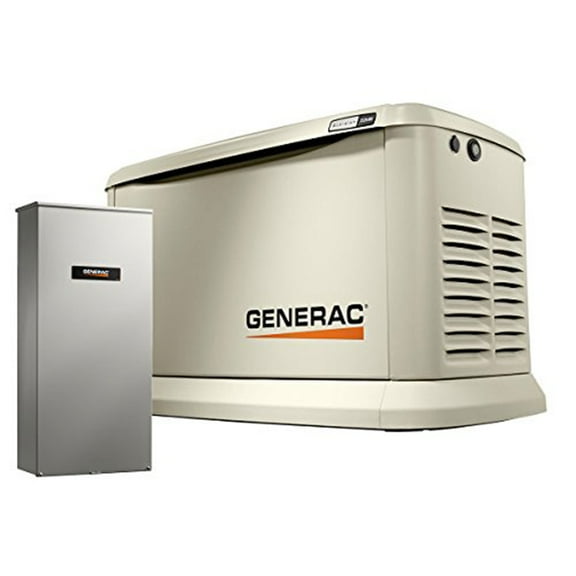
- You can support whole house backup with standby models in sizes like 22kW or 24kW.
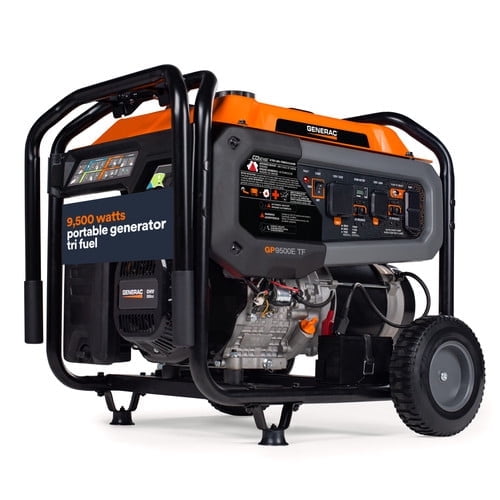
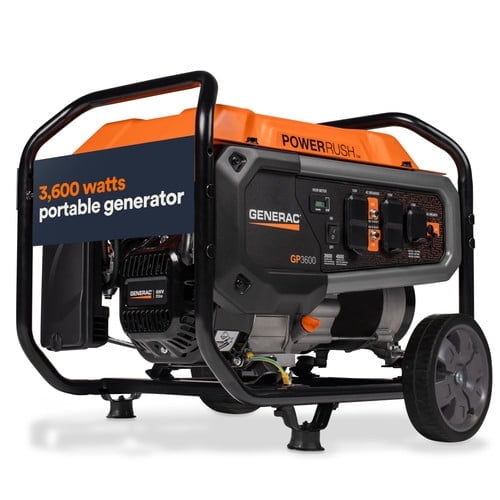
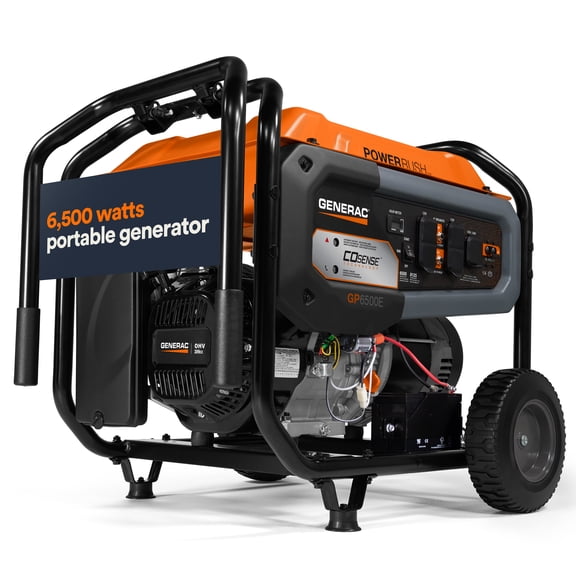
- You can handle temporary power needs with portable generators around 8000W or 10kW.
- You can clean driveways, siding, and equipment with pressure washers built for outdoor tasks.
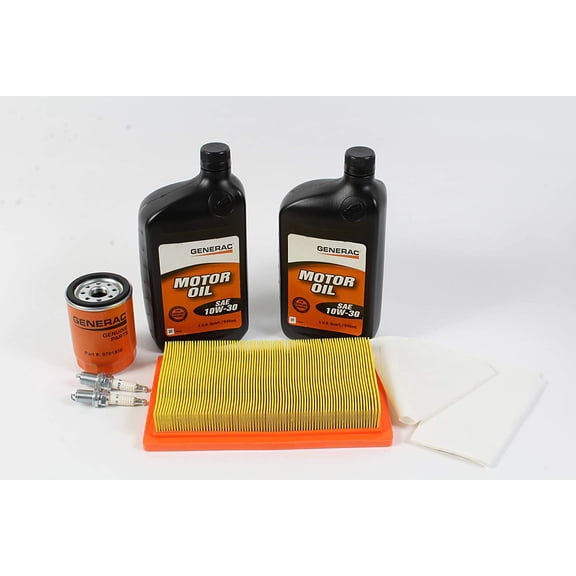
- You can maintain compatibility by checking replacement parts against your existing model requirements.
You may also appreciate that each equipment type solves a specific problem instead of forcing a one-size-fits-all choice. That makes it easier for you to compare backup power, mobility, and maintenance needs.
Choosing equipment type, output, and fuel
You should compare standby and portable generators by convenience first. Standby models stay connected to your home, while portable units let you move power where you need it.
When you compare output, you should look at running watts and starting watts for portable generators. Running watts cover steady use, while starting watts help you handle motor-driven equipment at startup.
For standby models, you should match 22kW or 24kW options to the size of the backup load you want covered. Smaller output needs may point you toward portable 8000W or 10kW units instead.
You should also compare fuel type based on what your property or routine already supports. Natural gas and liquid propane often suit standby setups, while gasoline often fits portable generator use.
If you already have a gas line, you may prefer natural gas for fixed placement and consistent supply. If your setup relies on stored fuel, liquid propane can fit planned backup arrangements.
For portable models, you should consider how often you'll move the unit and refuel it. Gasoline can make sense when you want temporary power for recreation, storm response, or a jobsite.
Using generac power pro for real situations
If you want whole house backup, you should check which circuits and appliances you want powered first. That list helps you estimate whether a 22kW or 24kW standby model fits your household plan.
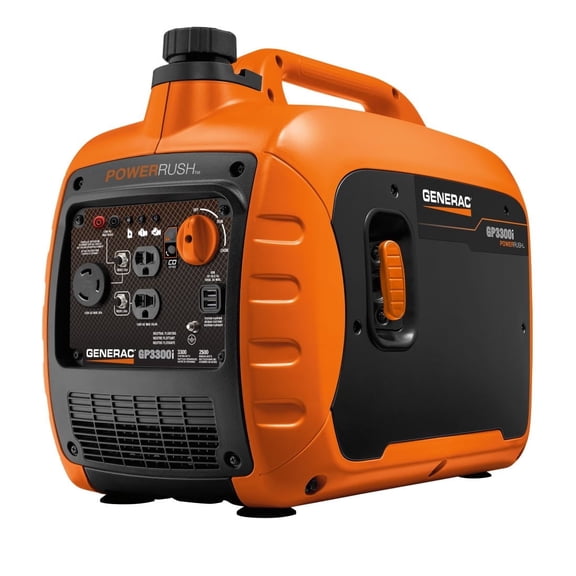
When you need emergency power for a few essentials, you may choose a portable generator instead of a fixed system. That approach can suit refrigerators, lights, or select tools during short outages.
If your focus is recreational use, you should compare portability, output, and fuel handling before anything else. Your setup may need enough wattage for small devices, campsite equipment, or temporary outdoor use.
On a jobsite, you should pay close attention to starting watts for saws, compressors, or other motor-driven tools. Your equipment may need extra startup capacity even when steady power needs look modest.
For cleaning projects, you should shift your attention from watts to washer performance and intended surfaces. You can use pressure washers for decks, siding, concrete, and equipment cleanup around active households.
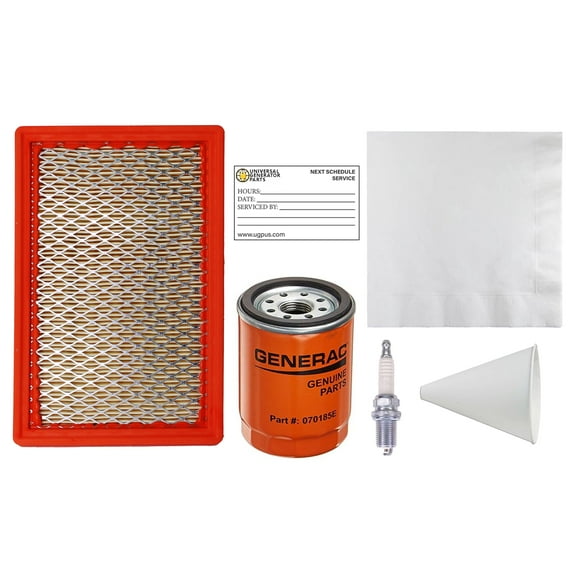
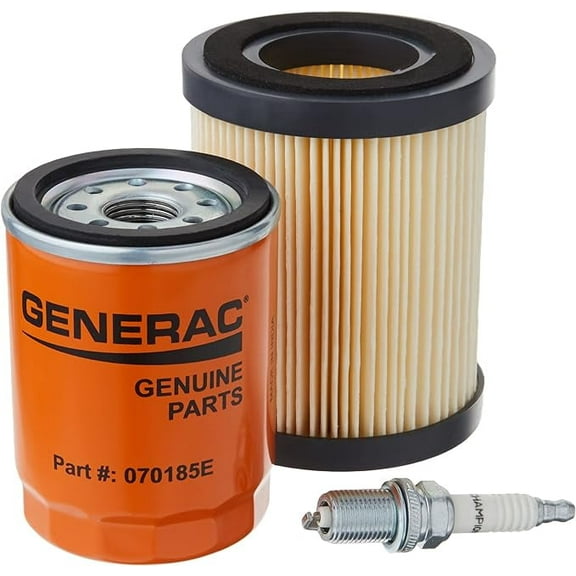
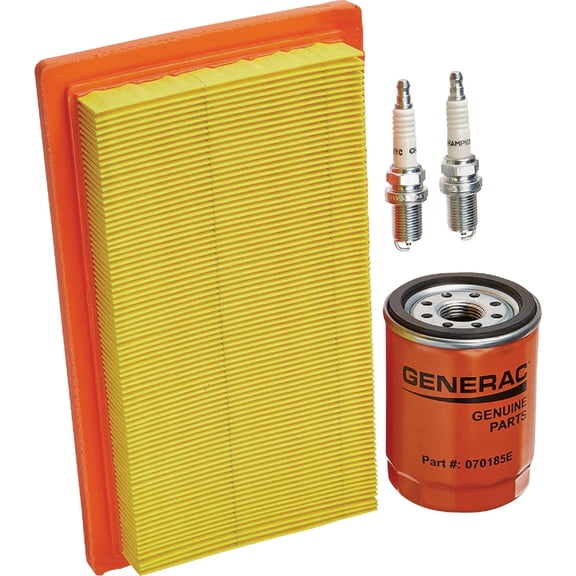
If you need replacement parts, you should check model compatibility before choosing filters, maintenance items, or other components. That step helps you keep your equipment aligned with its original specifications.
What to look for before installation and maintenance
You should expect home standby generators to involve a more planned setup than portable units. Your purchase decision should include placement, fuel connection, and professional installation requirements.
Portable equipment usually gives you more flexibility, so you can focus on storage, transport, and task-based power needs. Your maintenance plan should still include routine checks and correct replacement parts.
Before you choose, you should measure the role each machine will play in your home or work routine. That comparison helps you land on equipment that fits your power demands and upkeep expectations.
With generac power pro options, you can narrow your decision by output, fuel, application, and parts compatibility. You end up with equipment that fits your space, your tasks, and your backup plan.