


Find auto parts that fit
Let’s search for parts that fit your vehicle.Fuel Lines in Fuel Filters and Fuel Lines


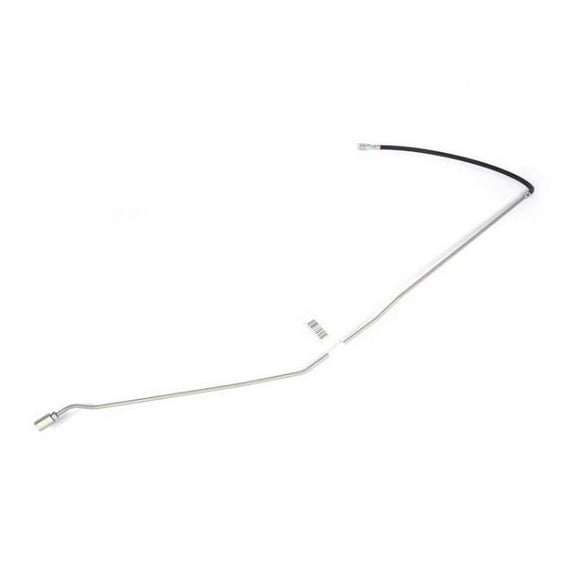


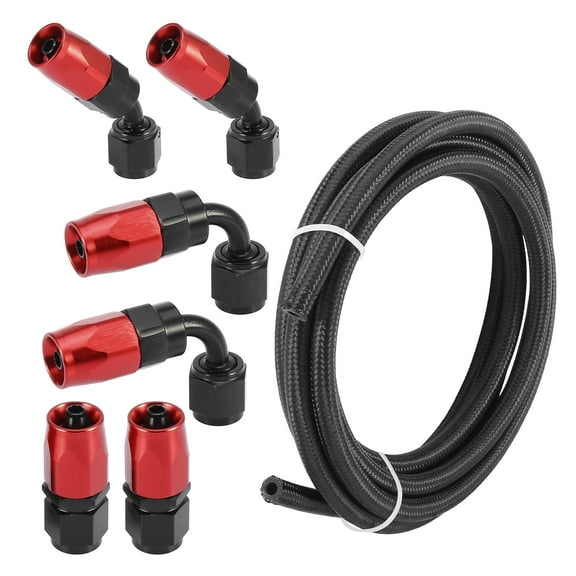
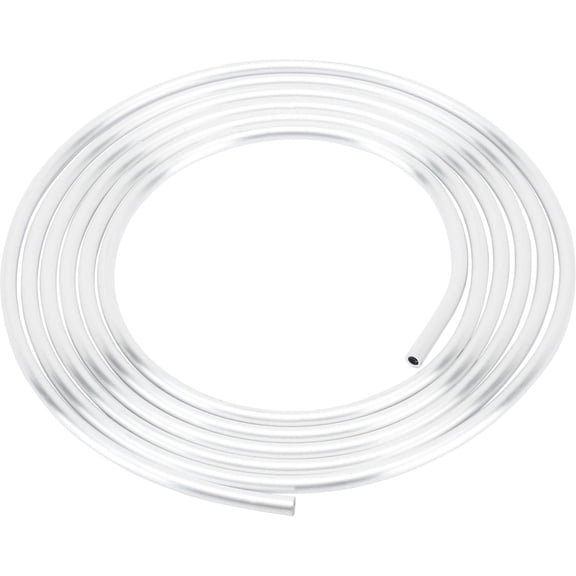
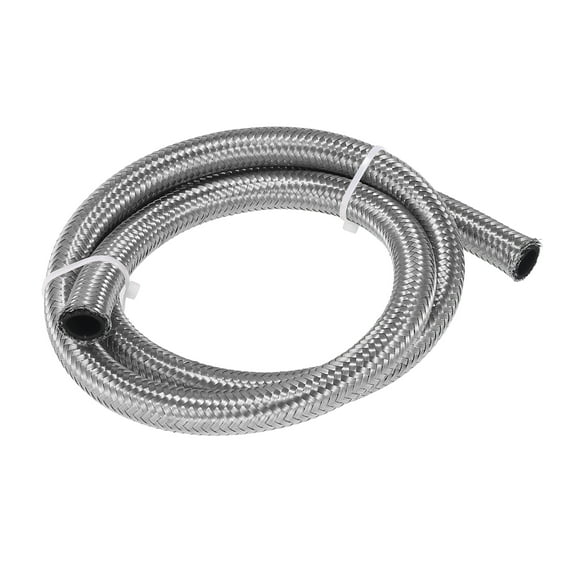

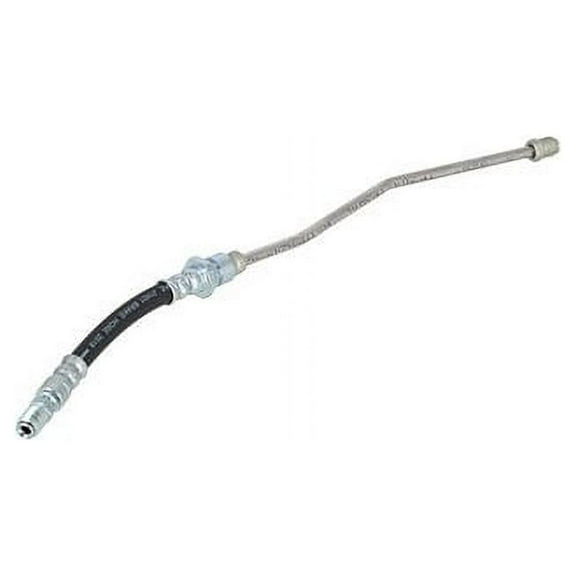



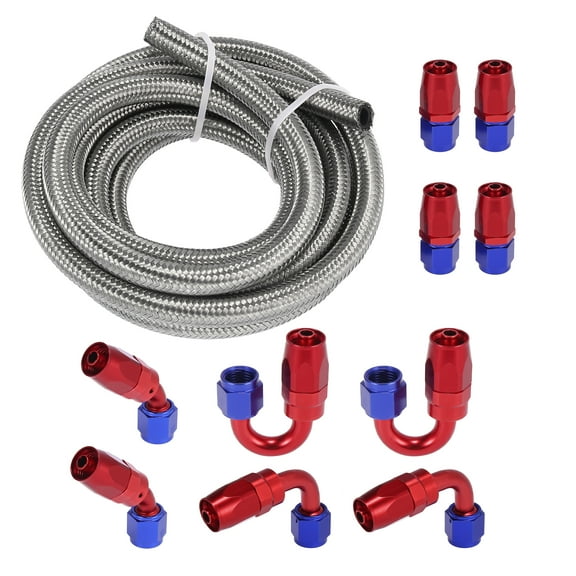
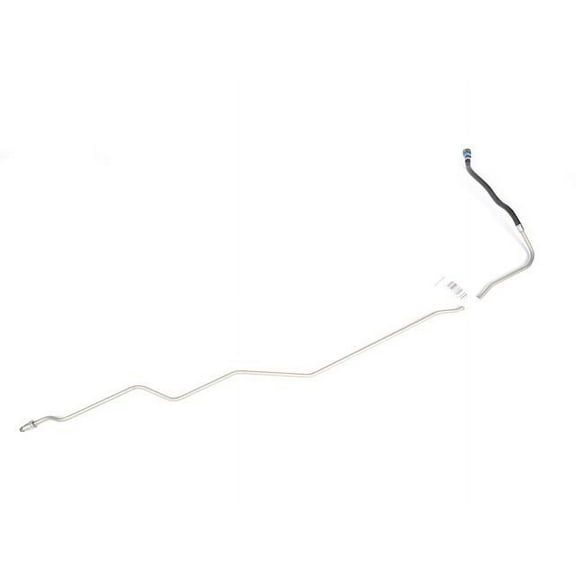







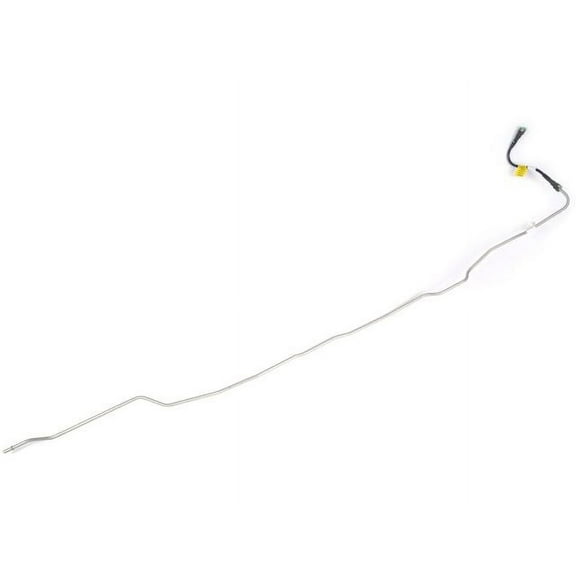
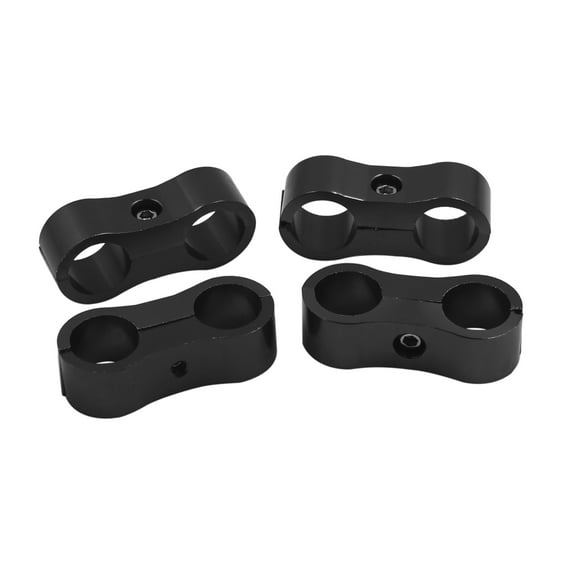
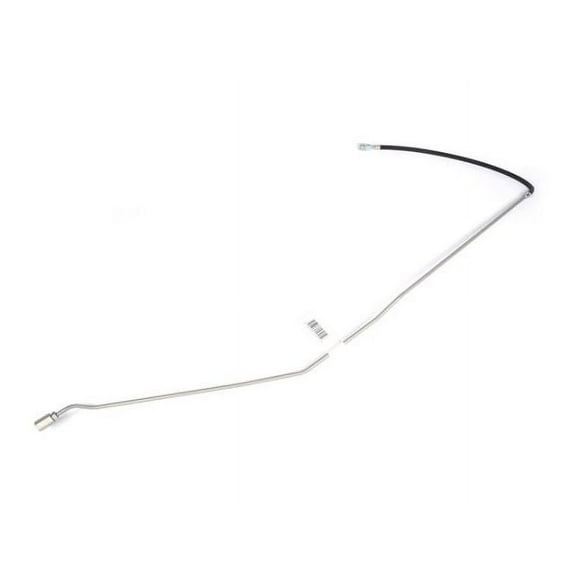

About Fuel Lines in Fuel Filters and Fuel Lines - Walmart.com
Fuel lines help you match your replacement hose to your engine, fuel type, and routing path with less guesswork. On this page, you can compare material, inner diameter, pressure rating, and application before fuel line replacement.
Because this category covers automotive, marine, and small engine setups, your decision needs application-specific guidance. You get clearer direction when your hose choice matches gasoline, diesel, ethanol blends, or biodiesel from the start.
How to choose fuel lines by material
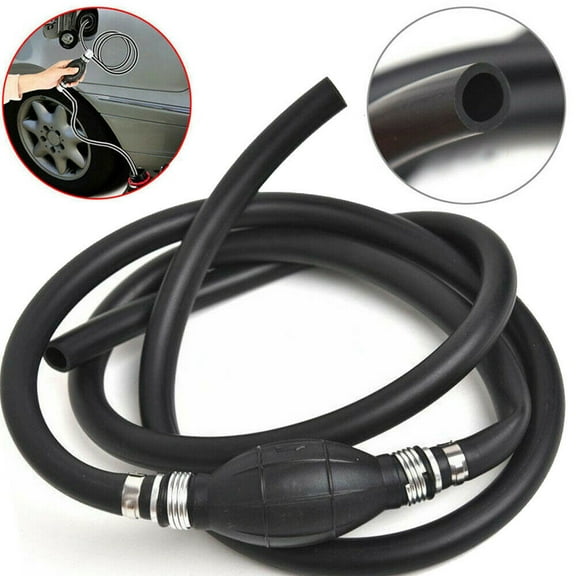
Material shapes how your hose bends, routes, and handles exposed mounting areas during everyday use. As you compare fuel lines, you’ll usually see rubber, nylon, braided stainless steel, and PTFE options.
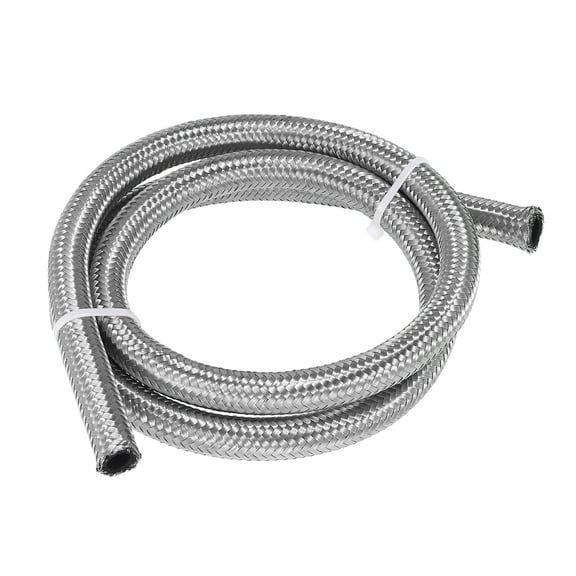
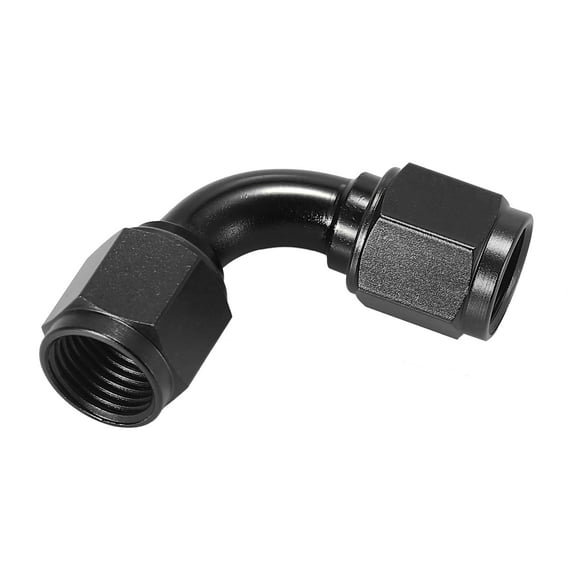
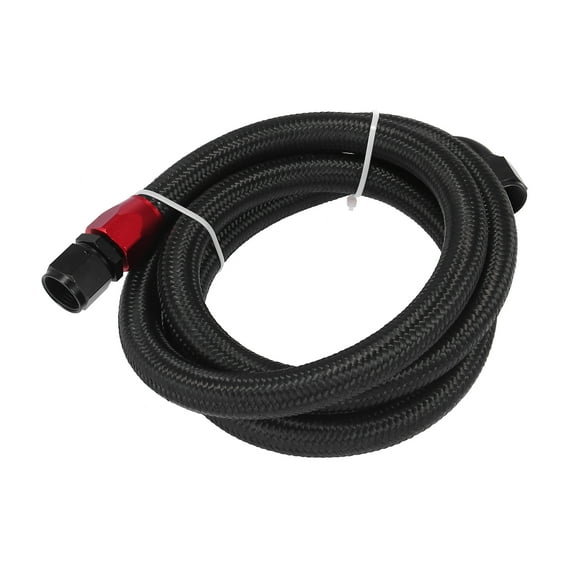
For tight spaces, your setup may call for a rubber fuel line that bends around brackets and compact engine parts. In exposed areas, your routing may benefit from braided stainless steel that adds outer coverage.
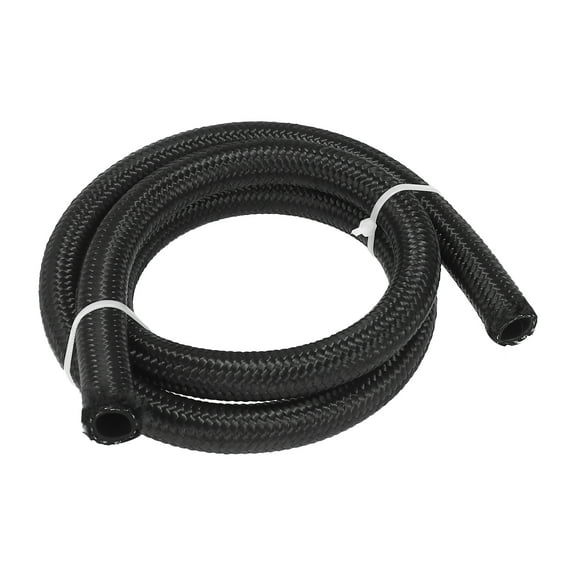
Nylon often fits longer, cleaner runs where your layout needs a firmer line shape along the frame. PTFE may suit projects where your system needs broad fuel compatibility and a structured hose design.
- Your rubber fuel line may suit tighter bends and shorter connections in compact engine bays.
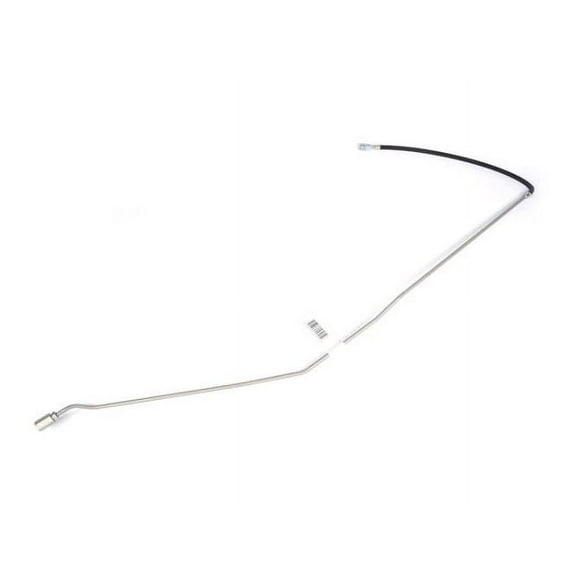
- Your nylon option may fit projects where your route calls for straighter runs along the body.
- Your braided line may work for exposed routing where your setup needs added outer coverage.
- Your PTFE choice may fit systems that use modern fuel blends and need wider compatibility.
Choosing fuel lines by size and pressure
Size matters because your hose must match your fittings, flow needs, and available space. When you review a fuel line hose, you’ll often compare 1/4 inch, 5/16 inch, 3/8 inch, and 1/2 inch options.
An exact inner diameter helps your installation line up with clamps, connectors, and the path already built into your vehicle. If your hose size misses that match, your routing can become harder to complete cleanly.
Pressure rating is another decision point because carbureted and fuel-injected systems place different demands on a hose. In fuel injection setups, your line usually needs a higher PSI rating than a basic carbureted application.
Before you choose, check whether your hose specs match your engine requirements instead of relying only on the old part. You’ll want to confirm fitting size, line length, and pressure range together for a cleaner install.
Checking fuel compatibility before fuel line replacement
Fuel compatibility belongs at the front of your checklist because hose materials can vary by gasoline, diesel, ethanol blends, and biodiesel use. When you plan fuel line replacement, you’ll want the listing to match the fuel already running through your system.
If your engine uses ethanol or E85, check whether your selected hose supports that blend in its product details. Where specifications appear, you can also review EPA permeation ratings for applications that require them.
A marine fuel line deserves extra attention because your boat setup may involve different routing paths and approved-use details. You’ll want to match the hose to your fuel type, connector style, and onboard layout.
Diesel and biodiesel applications also call for close reading of the listed compatibility information. With the right match, your hose choice aligns with your fuel, liner material, and engine design from the beginning.
Matching application type to your setup
Application type shapes your decision because a car, boat, generator, or mower can route fuel very differently. As you narrow your options, compare your engine layout, hose length, and available clearance.
In automotive projects, your route may include longer runs, tighter turns, or higher pressure requirements. With marine projects, your focus may shift toward marine fuel line listings, compact rigging paths, and fuel-specific compatibility notes.
Small engine repairs often call for shorter lengths that you can trim to fit generators and other compact equipment. Around lawn mower housings, your flexible fuel line may need to bend neatly through narrow spaces.
It also helps to plan the full job before you choose a hose for replacement. Along with your line, you may need clamps, fittings, fuel filters, or fuel pumps that match your system.
What to look for before you finish your selection
Before you settle on a hose, measure your route and check how the line will connect at each end. That extra step helps your project stay aligned with your fittings, bend radius, and available space.
Clear size markings and application notes can make your decision easier when several listings appear similar. As you compare a fuel line hose, a marine fuel line, or a rubber fuel line, your exact specs are critical.
Appearance alone won’t tell you whether a hose fits your engine’s demands, so your checklist should stay practical. When your material, pressure rating, fuel compatibility, and diameter line up, your replacement path becomes straightforward.
With the right fuel lines, your repair can match your engine layout, fuel type, and routing needs without unnecessary guesswork. That fit helps you move forward with parts chosen for your exact application.