

Fram in Auto & Tires Shop By Brand















About Fram in Auto & Tires Shop By Brand - Walmart.com
FRAM filters help you match your vehicle, driving habits, and maintenance routine with the right oil, engine air, cabin air, or fuel filter. You can use this guide to compare filter types, product lines, fitment details, and dirt-trapping levels before you choose.
How to choose FRAM filters by filter type
You should start with the filter type your vehicle needs, because each one supports a different part of your drive. You may be replacing engine oil filtration, airflow filtration, cabin airflow filtration, or fuel system filtration.
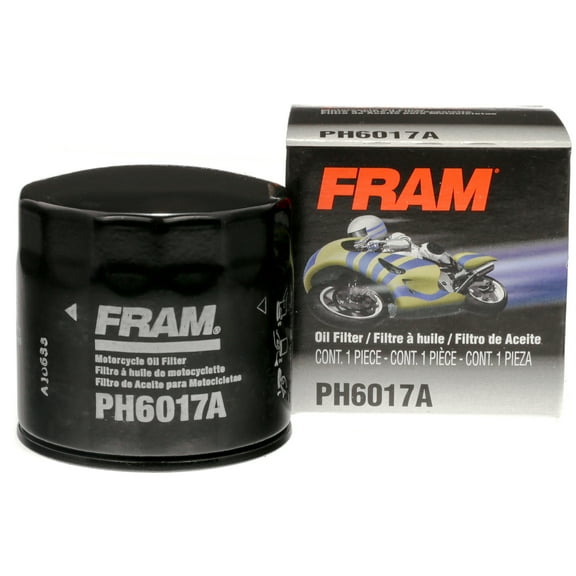
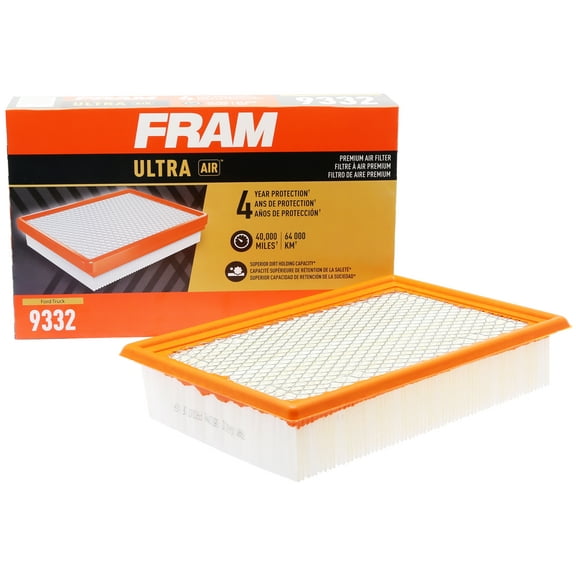
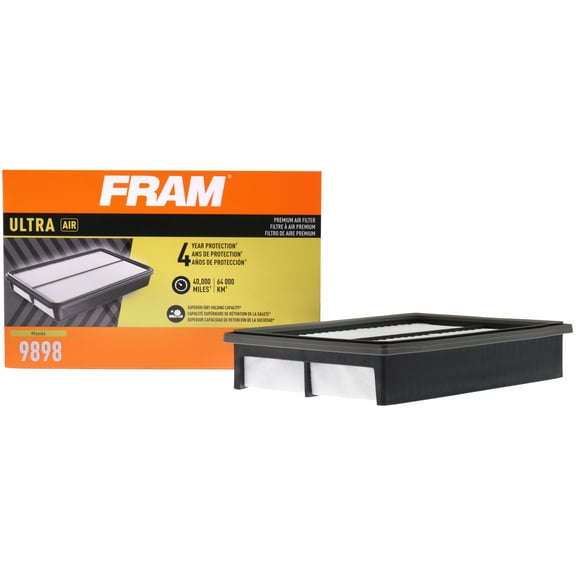
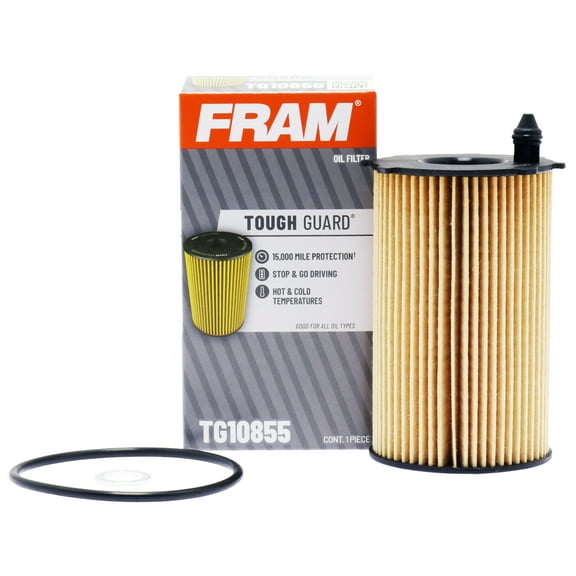
FRAM oil filters help you capture debris in circulating oil, so you can match your filter to oil type and service interval. FRAM air filters help you maintain steady engine airflow, while a FRAM cabin air filter supports cleaner air moving through your cabin vents.
If you drive a passenger car, SUV, or light duty truck, you should check the exact application before you replace anything. You can narrow choices faster when you compare oil filter, engine air filter, cabin air filter, and fuel filter pages separately.
- You can choose an oil filter when your oil change interval and engine fitment matter most.
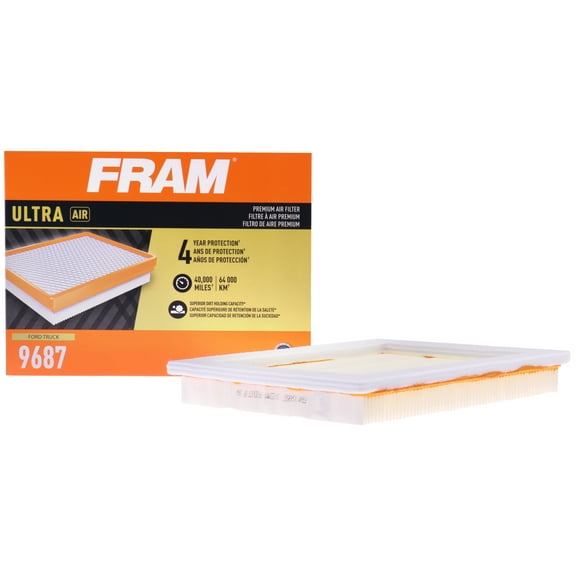
- You can choose an engine air filter when you want consistent airflow and a straightforward under-hood replacement.
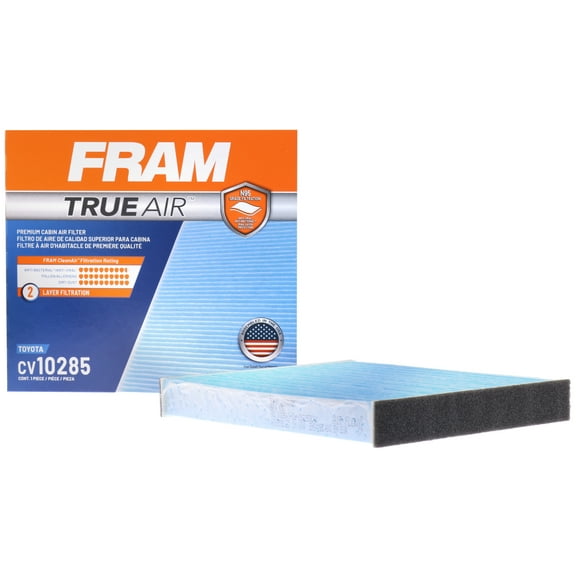
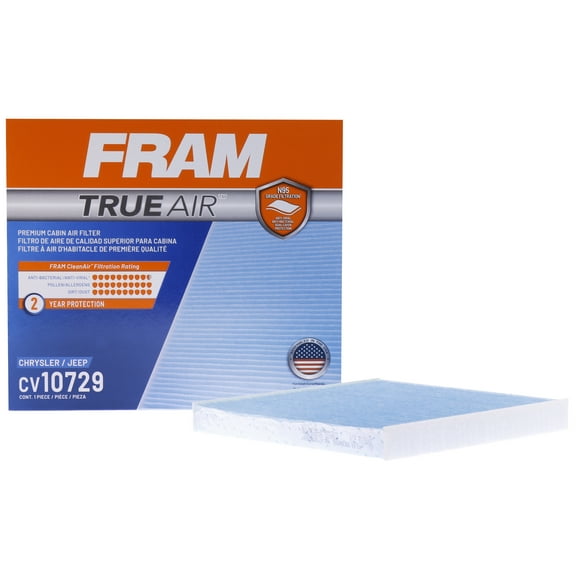
- You can choose a cabin air filter replacement when seasonal dust and pollen make fresh vent airflow more important.
- You can choose a fuel filter when your vehicle application specifically calls for that service part.
Choosing the right FRAM oil filters and product lines
You should compare product lines by your oil type, target mileage, and driving routine. You can often narrow the choice quickly between fram extra guard, Tough Guard, and fram ultra synthetic.
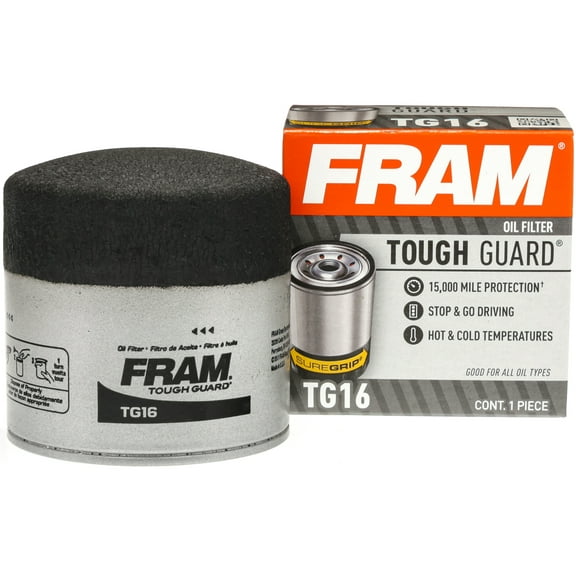
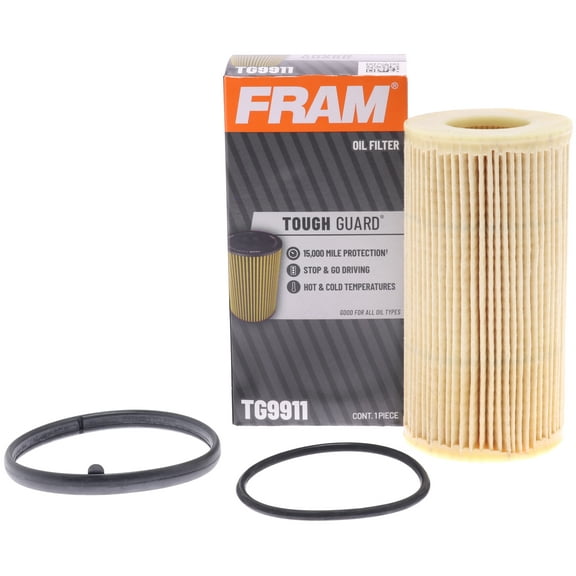
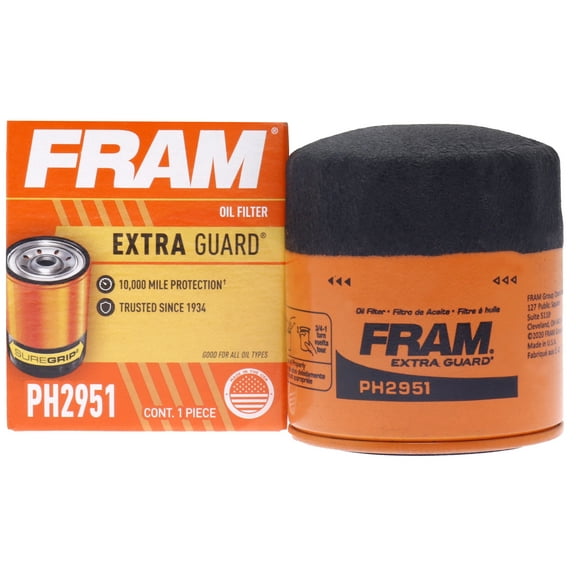
FRAM Extra Guard fits many routine oil changes, so you can choose it for standard driving and common maintenance schedules. Tough Guard can suit longer intervals and tougher driving patterns, which helps when your vehicle sees heavier daily use.
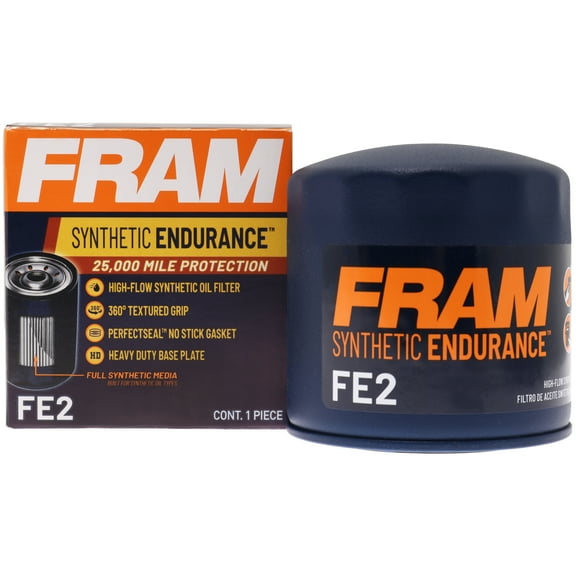
FRAM Ultra Synthetic is the line many shoppers compare when they use synthetic oil and longer intervals. You can use that comparison to weigh standard 10,000-mile service targets against 20,000-mile synthetic-focused targets.
You should also check filtration efficiency when you compare tiers, because the percentages reflect how much debris the media is designed to trap. You may see options around 95%, 99%, and 99.9%, which helps you match the filter to your maintenance goals.
What to look for in vehicle compatibility
You should verify fitment before anything else, because small specification differences can change whether a filter installs correctly. You can use your vehicle year, make, model, and engine details to narrow the right match.
For oil filters, you should compare thread size, bypass valve pressure, and gasket diameter. You can think of these as the connection details that determine how the filter seats and functions on your engine.
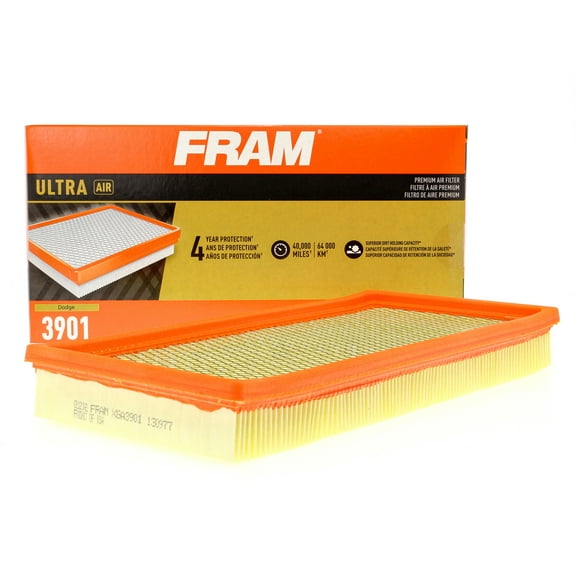
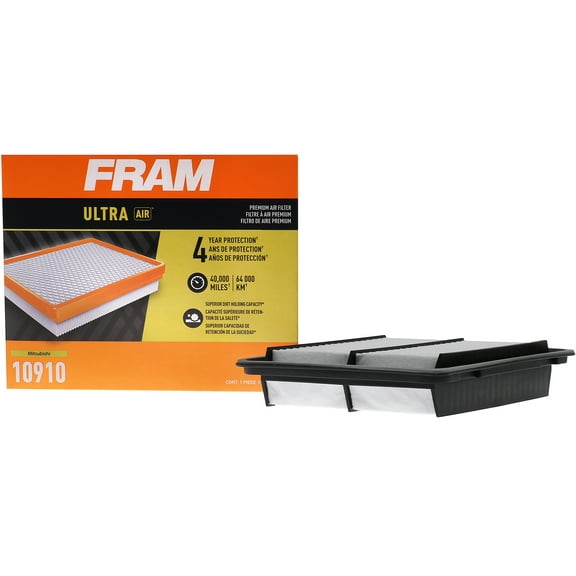
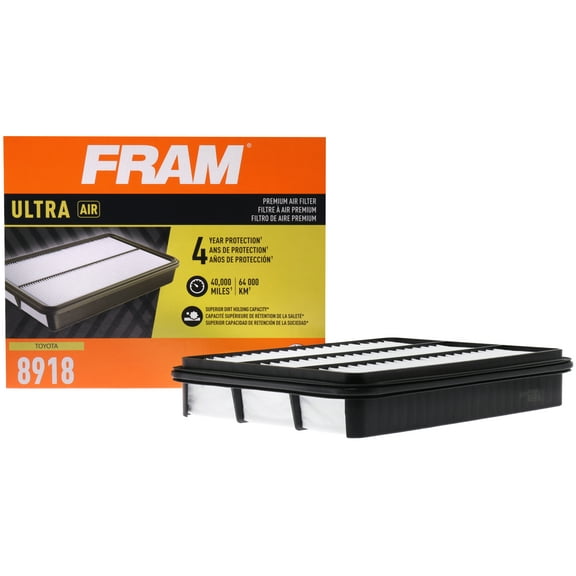
For engine air filter and cabin air filter choices, you should check shape, length, width, and depth. You can avoid guesswork when you match those dimensions to the housing in your vehicle.
If you maintain more than one vehicle, you should confirm fitment for each passenger car, SUV, or light duty truck separately. You can see similar filter names across applications, but your exact vehicle match still matters.
FRAM air filters and cabin air filter replacement decisions
You should compare fram air filters and cabin options by where the filter sits and what it handles every day. You can use that difference to decide whether your engine performance focus or cabin comfort focus comes first.
An engine air filter sits in the intake path, so you can use it to support steady airflow to the engine. A cabin air filter sits in the ventilation system, so you can use it when you want cleaner air through your vents.
Cabin air filter replacement often becomes more noticeable during spring and early summer driving. You may check this filter sooner when changing weather means more debris moving through your vehicle's ventilation system.
If your commute includes stop-and-go traffic, highway miles, or dusty roads, you should inspect both filters regularly. You can keep maintenance simpler when you pair visual checks with your normal service calendar.
How to match filtration efficiency and driving use
You should treat dirt-trapping percentages as a practical comparison tool, not just a number on the package. You can use 95%, 99%, and 99.9% ratings to compare how closely a filter aligns with your priorities.
If you want a straightforward replacement for routine driving, you may focus on fitment first and service interval second. If you use synthetic oil or longer intervals, you may put more weight on line tier and filtration efficiency.
You should also consider where and how you drive, because daily commutes and heavier use can shape your maintenance pattern. You can match your filter choice to city driving, highway travel, or mixed family vehicle use.
With FRAM filters, you can compare filter type, product line, vehicle fitment, and efficiency in one place. You can make a more confident replacement choice when those details line up with your vehicle and service plan.