

Forms & Recordkeeping in Retail Essentials




















About Forms & Recordkeeping in Retail Essentials - Walmart.com
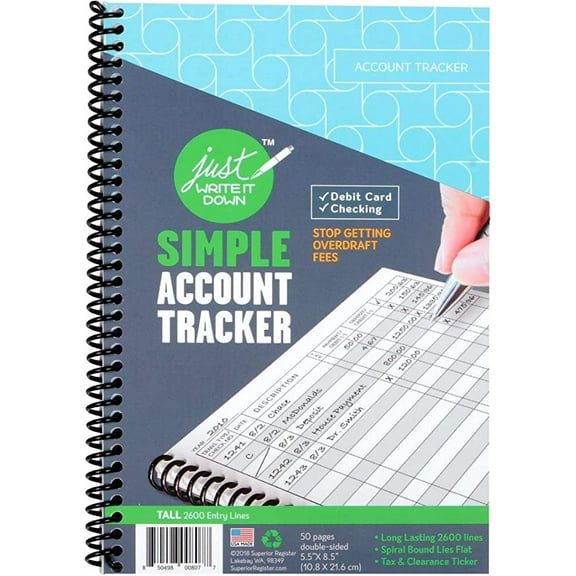
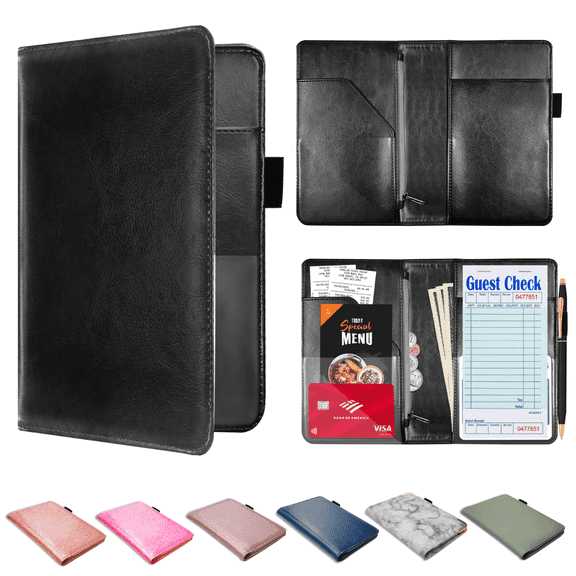
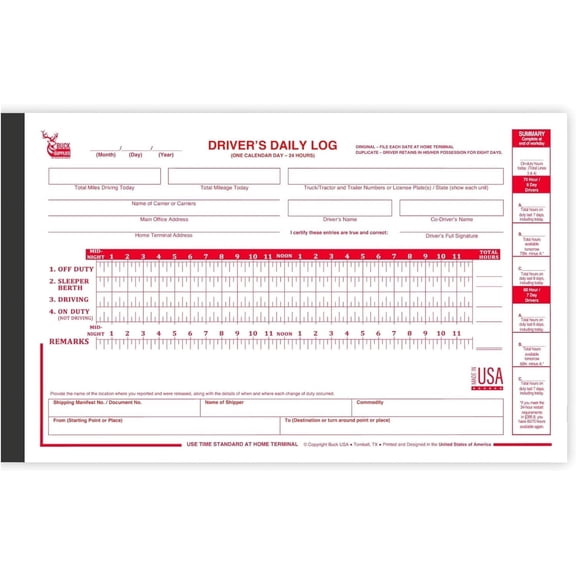
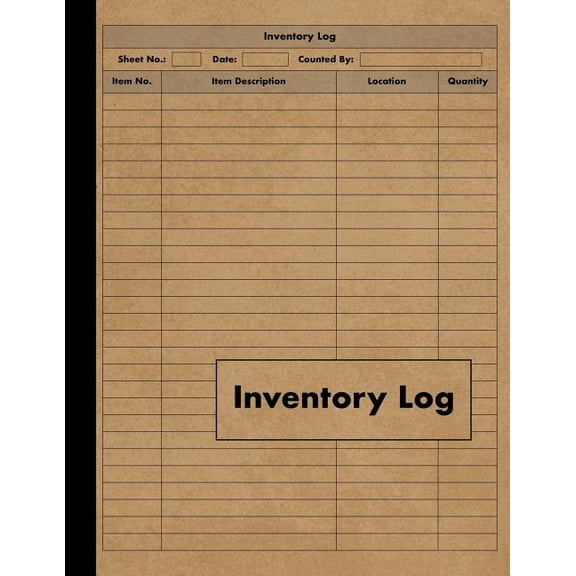
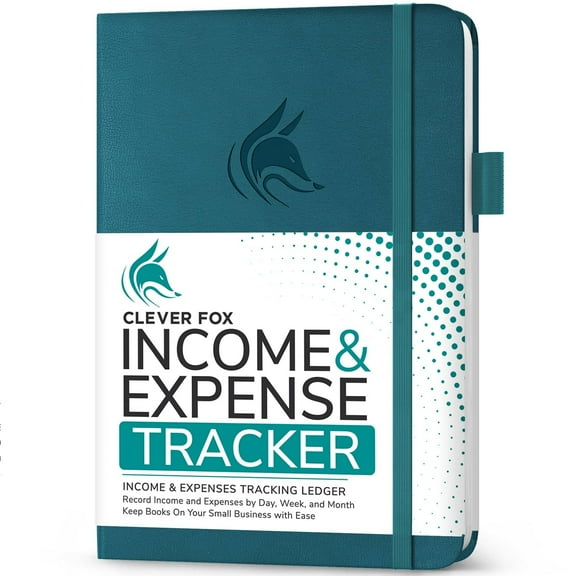
With forms, recordkeeping & money handling supplies, you can organize transactions, document activity, and keep paper trails clear for daily business tasks. You can compare ledger books, receipt pads, invoice forms, and bookkeeping records in formats that match your workspace and filing routine.
How to choose forms, recordkeeping & money handling supplies
When you choose record keeping supplies, you should start with the form type you use most often. You may need a ledger for ongoing entries, receipts for payments, invoices for billing, or bookkeeping forms for routine tracking.
Your format matters just as much as the form itself. You can pick a book for all-in-one storage, a pad for tear-away pages, loose-leaf sheets for sorting, or a binder setup for flexible filing.
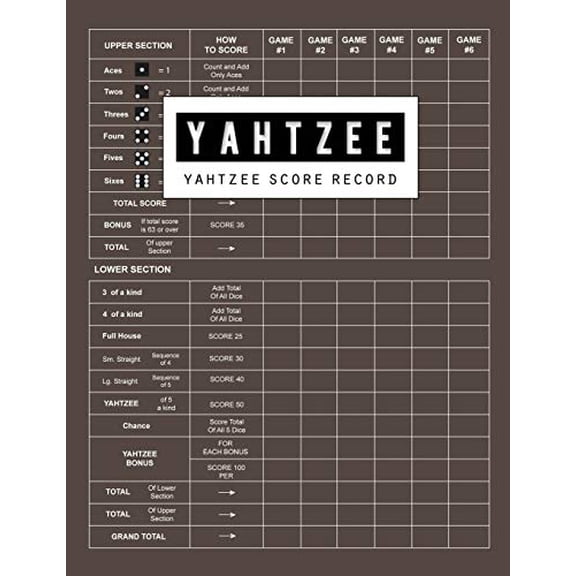
Your layout also shapes how quickly you can enter details and review totals. You may prefer columnar pages for line-by-line figures, single-entry formats for simple records, double-entry pages for accounting workflows, or grid layouts for custom notes.
- You can keep receipts, invoices, and payment records easier to review.
- You can match page layouts to accounting, tax preparation, and money handling tasks.
- You can choose portable pads or desktop books based on where you work.
- You can file loose pages in binders when your records need regular sorting.
Choosing record keeping supplies by format and binding
If you handle forms every day, you should compare how each binding style feels during repeated use. You may like bound books when you want pages kept together, or loose-leaf sheets when you need to reorder sections.
Your daily routine can guide this choice. You can turn pages quickly in a spiral style during counter work, while binder-ready sheets help you separate monthly logs, receipts, and invoices.
Paper quality also matters when you write across several lines or columns. You'll want pages that stay readable with pen entries, stamps, and repeated handling throughout your workday.
Size affects where and how you record information. You may keep a large desktop ledger at a workstation, while a smaller receipt book or pad fits in a drawer, bag, or service counter.
What to look for in a ledger or bookkeeping form
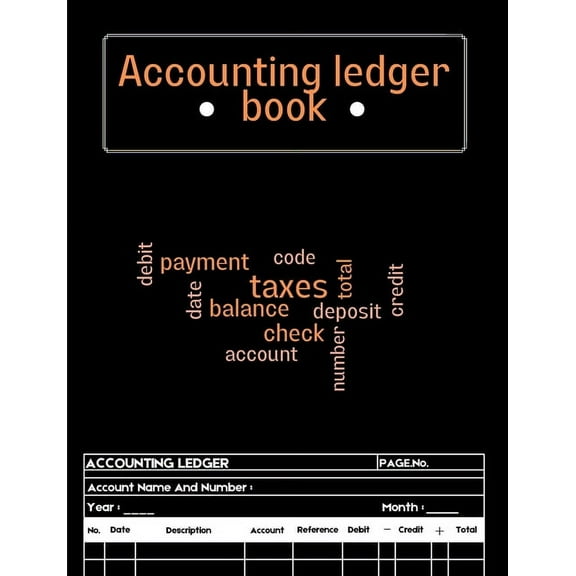
If you're comparing a ledger or bookkeeping form, you should check the number of columns first. You may need extra columns for dates, account names, payment methods, running balances, or category notes.
Your entry method can also narrow the field. You can use single-entry pages for straightforward tracking, while double-entry formats support records that need separate debit and credit lines.
Layout spacing helps you work with fewer interruptions. You'll appreciate wider rows when you write by hand, and you'll like tighter grids when you need more entries on each page.
Organization gets easier when your form matches your filing habits. You can keep permanent records in a book, or you can move loose pages into a binder by week, client, or account.
Matching form types to accounting and money handling tasks
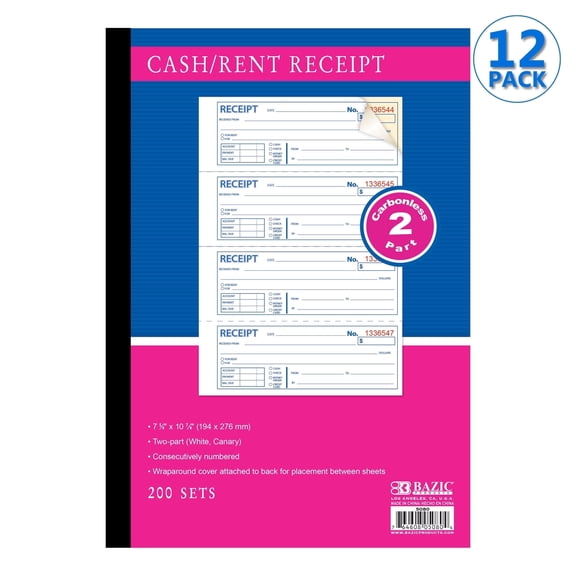
Your use case should guide the form type you choose. You can use receipt books for payment records, invoice forms for customer billing, ledgers for ongoing balances, and bookkeeping pages for daily entries.
If you manage cash drawers or payment logs, you may want money handling forms with structured lines and clear spaces. You'll find that organized layouts help you review totals, dates, and notes without extra guesswork.
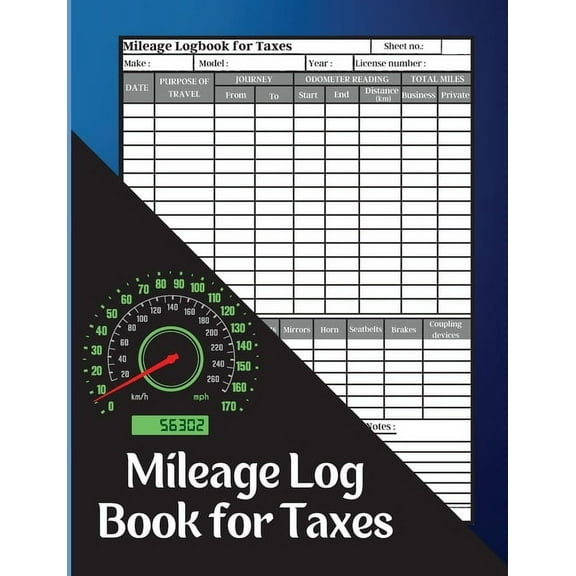
For tax preparation, you may prefer forms that separate categories clearly across the page. You can sort expenses, payments, and account details faster when your columns match the information you track each season.
If you move between desks, front counters, or job sites, you should think about portability. You can carry a slim pad for quick receipts, while a full-size ledger works well when your records stay in one place.
Using forms and recordkeeping tools in daily workflows
Your office setup often determines which combination works smoothly. You can pair ledger books with binders, pens, and filing folders when you maintain long-running records across departments or clients.
Small business tasks often call for several formats at once. You may use invoice forms for billing, receipt pads for payments, and a ledger book for month-by-month tracking in one paper system.
If you support accounting teams, you should compare column count, page format, and storage method together. You can reduce rework when your forms align with how you file, review, and reference each entry.
Consistency matters when you record information by hand every day. You'll work with fewer interruptions when your pages turn smoothly, your lines stay clear, and your format fits the task from the start.
With the right forms, recordkeeping & money handling setup, you can keep records orderly, readable, and ready for review. You can choose layouts, bindings, and sizes that support accurate entries and smoother paperwork every day.