

Foreign Language Study & Reference Books in Books
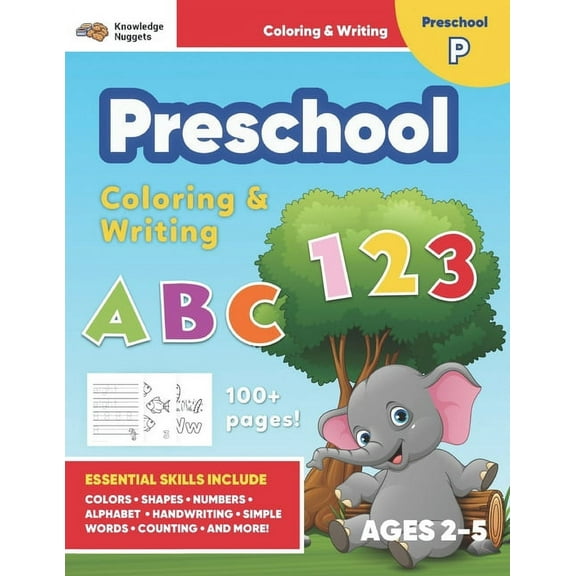


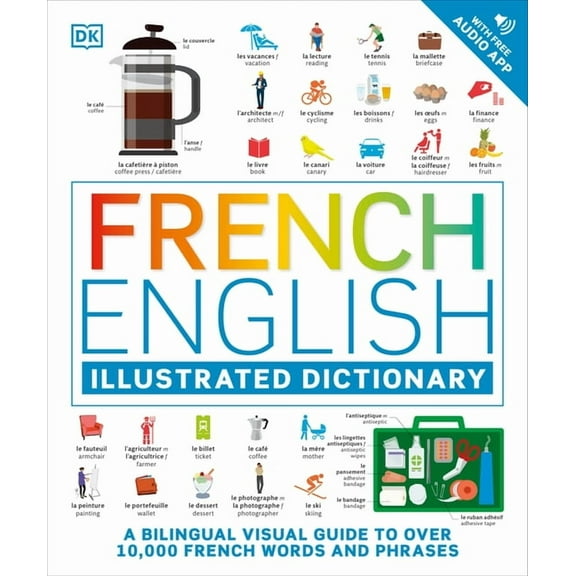
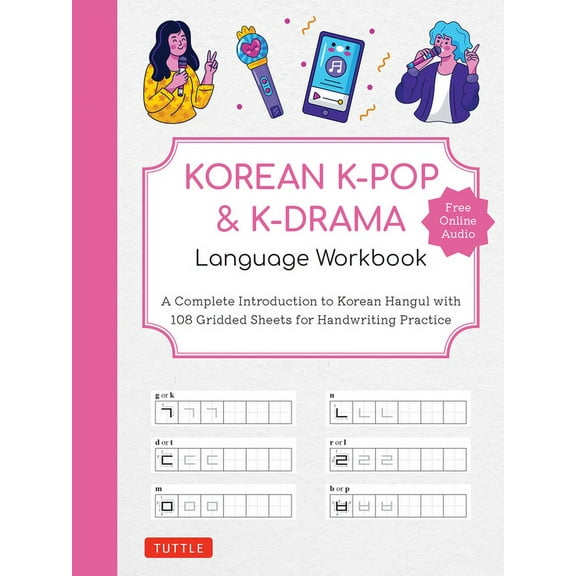


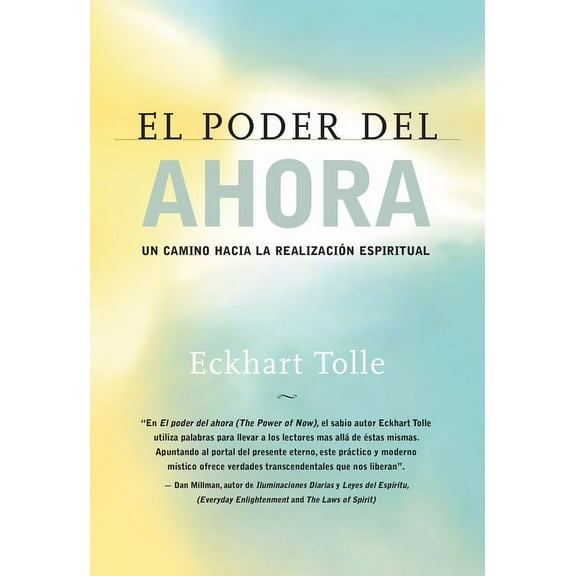


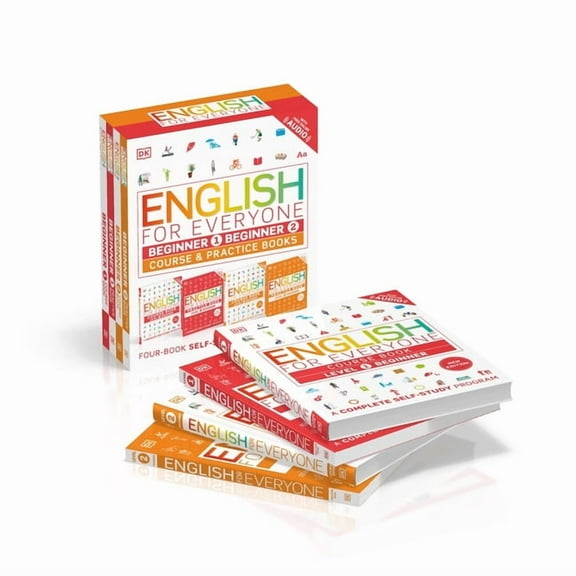
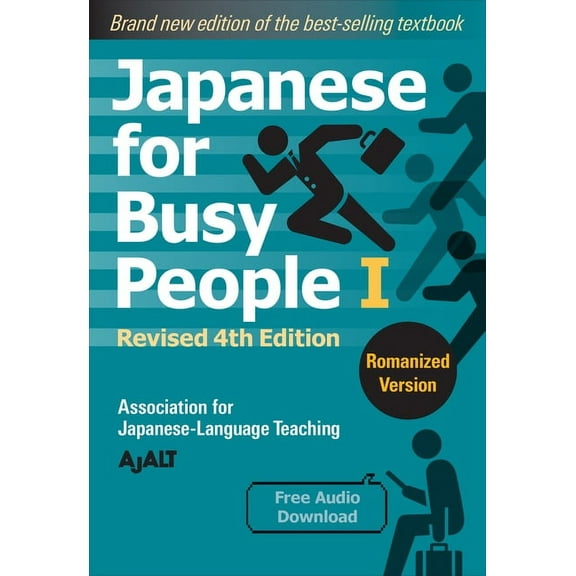
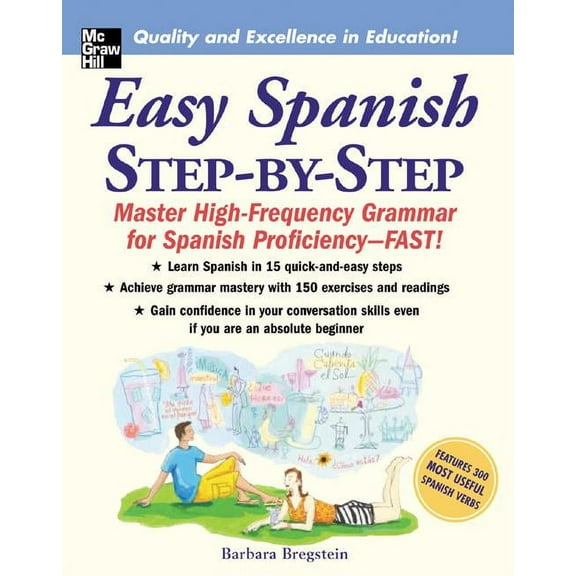



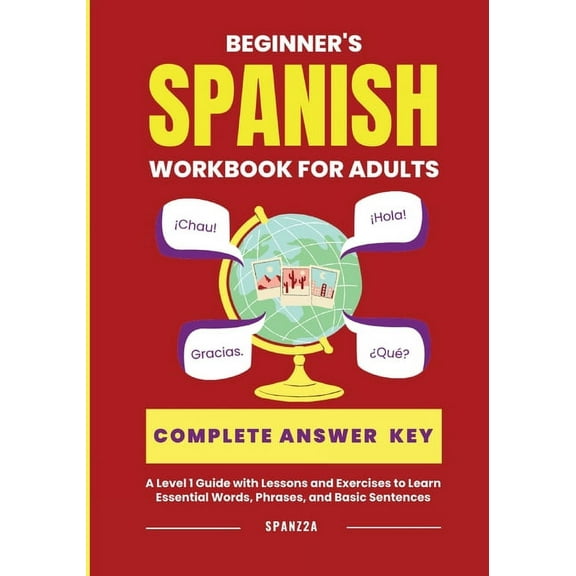

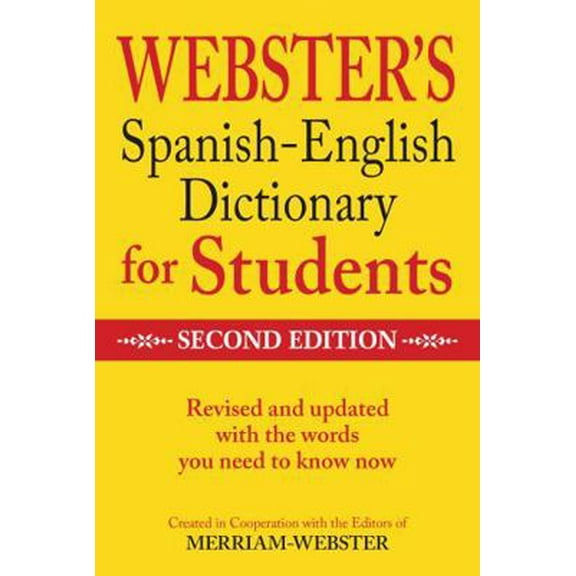
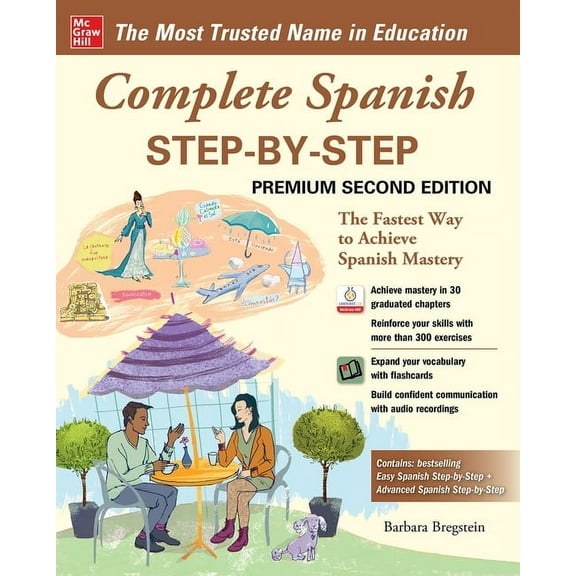

About Foreign Language Study & Reference Books in Books - Walmart.com
You can compare a spanish to english book and other study titles by language, method, and skill level. You’ll find category guidance here that helps you choose books with clearer translation support, practical exercises, and study formats that match your routine.
If you’re building a home study shelf, you may want more than one type of guide. You can combine dictionaries, workbooks, grammar guides, and phrasebooks to support reading, speaking, and review.
How to choose a spanish to english book
You should start with your target language and the way you plan to use it. You may need Spanish for travel, English study, classroom support, or daily conversation practice.
When you compare Spanish titles, you should check whether the book uses Castilian or Latin American Spanish. You’ll notice those regional differences in vocabulary, spelling, and common expressions.
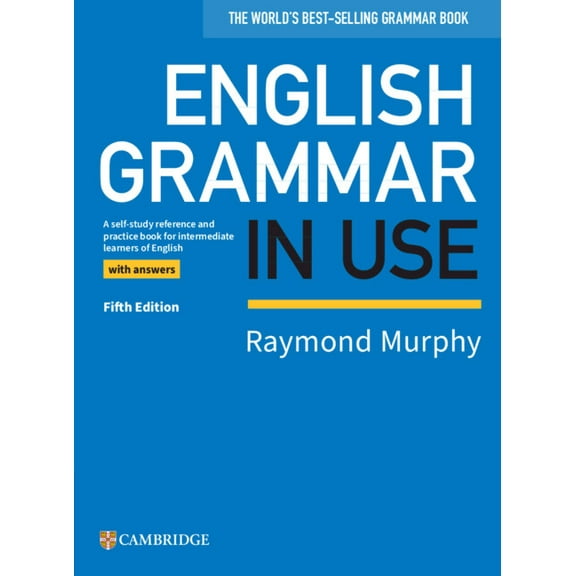
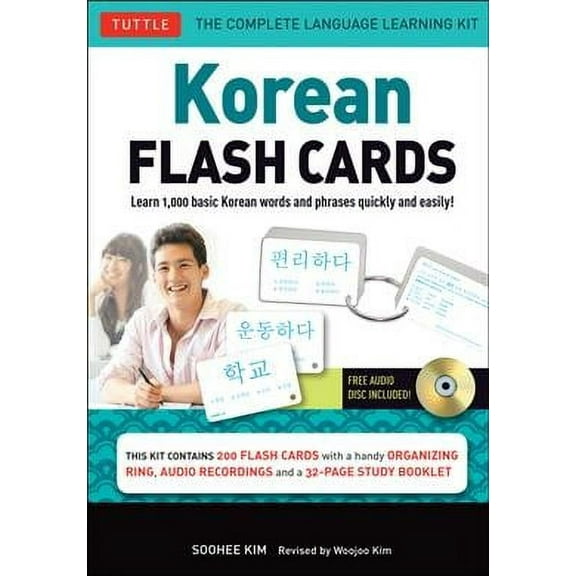
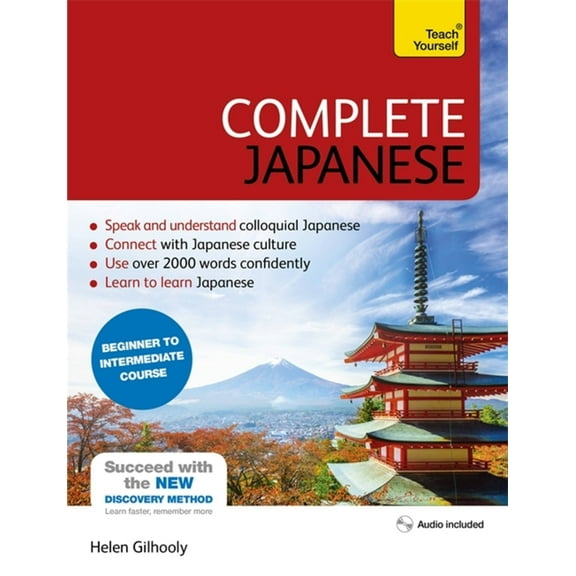
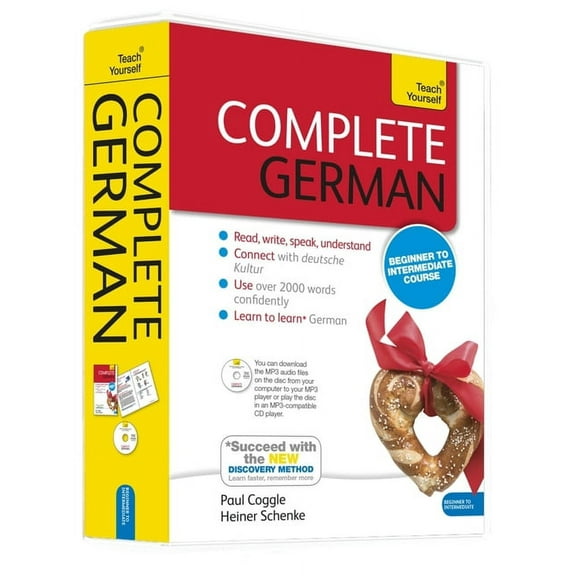
You can also compare other target languages, including French, German, Japanese, and English. You’ll get more useful practice when your book matches the language you actually want to read or speak.
- You can use bilingual translation books when you want side-by-side meaning support.
- You can choose phrasebooks when you want quick travel expressions and short conversational prompts.
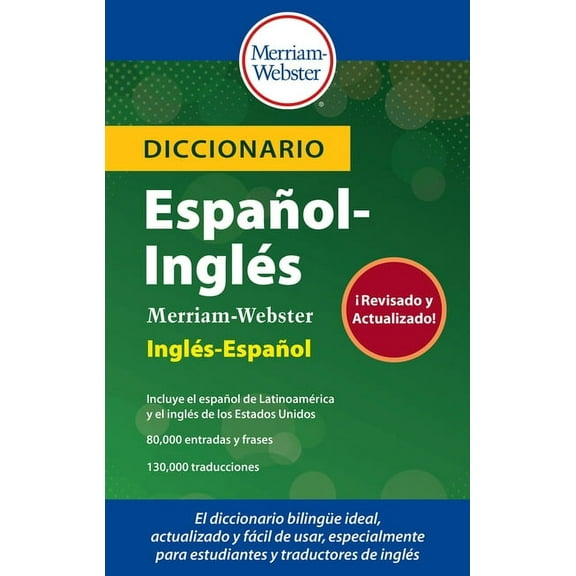
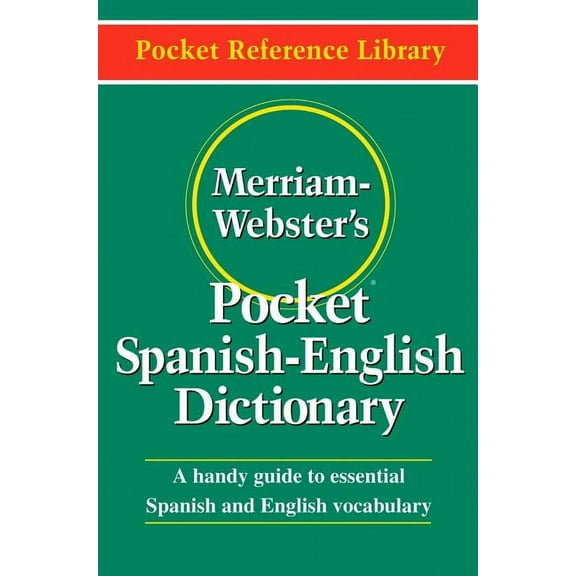
- You can pick dictionaries and grammar guides when you want reference help during study sessions.
- You can add workbooks when you want written exercises that reinforce lessons.
Choosing foreign language study & reference by resource type
You should match the resource type to the kind of help you need most. You may want a textbook for structured lessons or a dictionary for quick word checks.
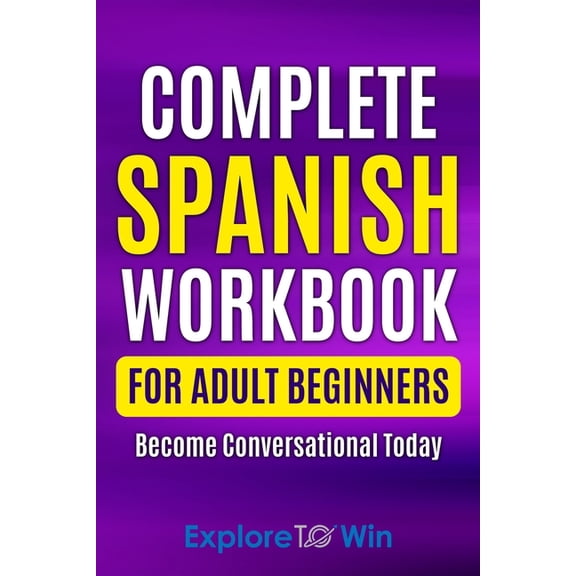
If you’re starting from scratch, you’ll usually benefit from textbooks and beginner workbooks. You can move into grammar guides and advanced references as your reading confidence grows.
You may prefer a phrasebook when you want useful sentences instead of long explanations. You can keep one nearby for greetings, directions, menus, and everyday questions.
For deeper study, you should compare indexes, answer sections, and example sentences. You’ll learn faster when your reference book explains usage instead of listing isolated words.
Comparing learning methods, including fluent forever approaches
You should choose a learning method that fits how you remember new material. You may prefer immersion, bilingual translation, spaced repetition, or grammar-based instruction.
If you like direct understanding, you can use immersion-style books with pictures, context, and target-language examples. You’ll spend less time translating every line into your first language.
If you want strong recall, you should look for fluent forever style methods and spaced repetition support. You can review vocabulary in short sessions that repeat key words over time.
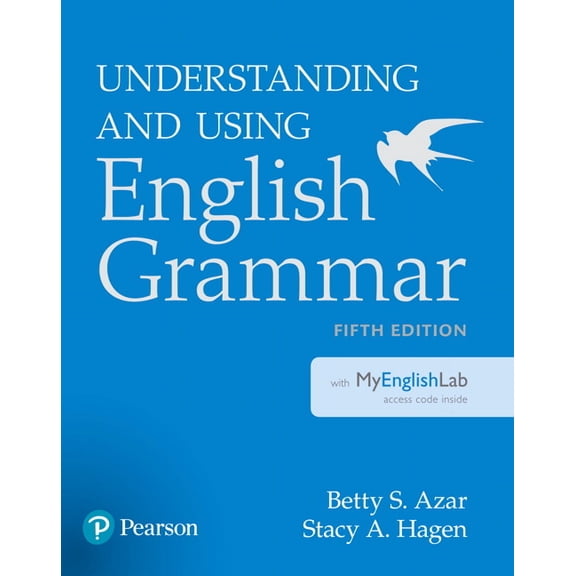
When you want clear rules, you can choose grammar-based books with verb charts and sentence structure examples. You’ll get a more organized path through tenses, agreement, and usage patterns.
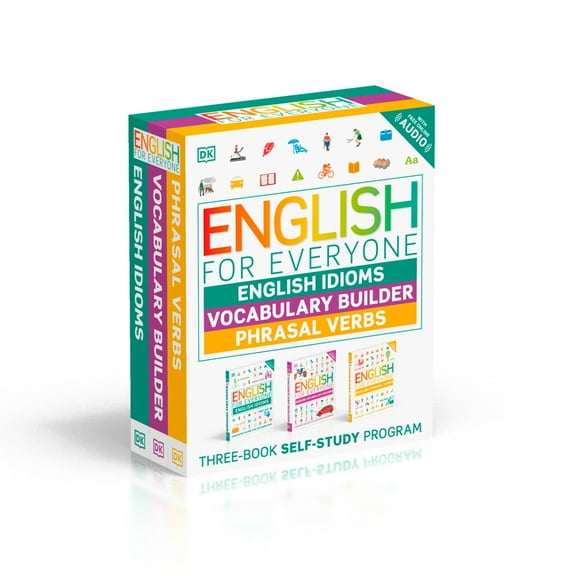
You should also check for audio or digital extras before you choose. You can use CDs, MP3 downloads, or app integration to hear pronunciation and repeat lessons away from your desk.
Matching proficiency level to your current skills
You should compare the listed level with what you can already understand. You may need beginner content for alphabet basics, or advanced content for essays and nuanced grammar.
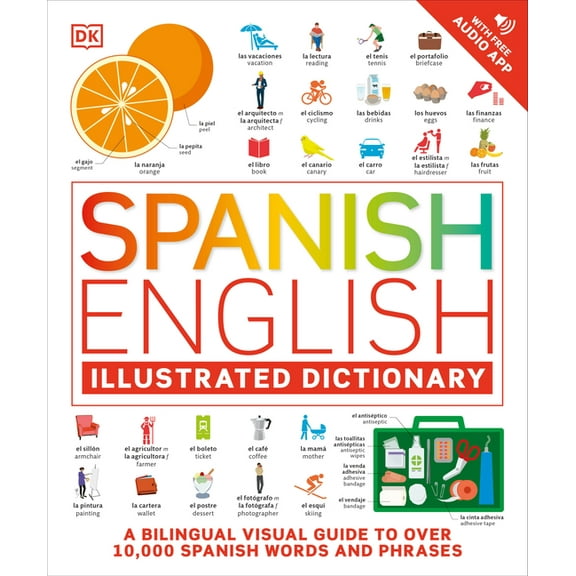
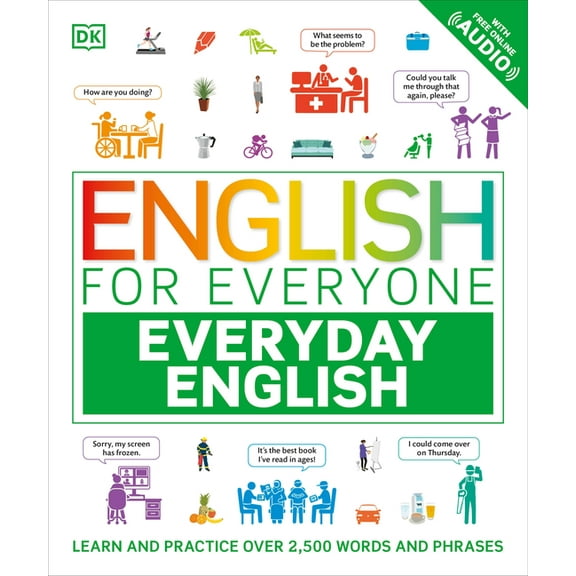
If you’re a beginner, you should look for short lessons, translation support, and labeled visuals. You’ll usually feel less overwhelmed with controlled vocabulary and guided practice.
If you’re intermediate, you can handle longer dialogues, writing prompts, and more detailed grammar notes. You should look for books that build conversation and reading accuracy together.
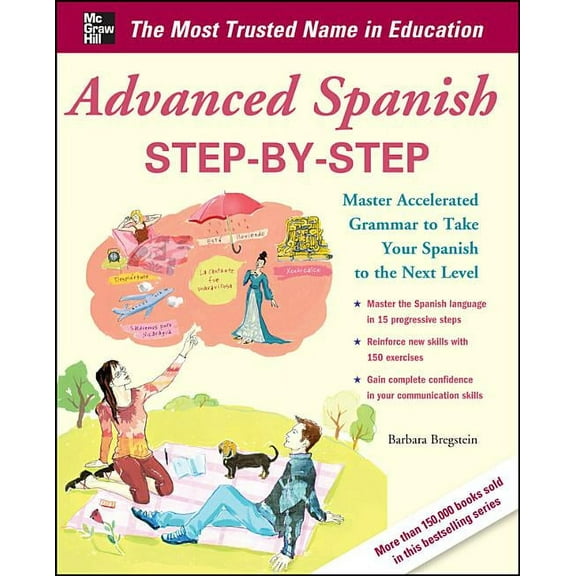
If you’re advanced, you may want reference tools with idioms, regional usage, and complex sentence examples. You can refine tone, word choice, and comprehension with more specialized materials.
Conversational learners often need something different from academic learners. You should compare books built for speaking practice against titles designed for test prep or classroom assignments.
Use cases for study, travel, classwork, and independent practice
You can use a spanish to english book for homework support, translation checks, or daily vocabulary review. You’ll also find it useful when you need side-by-side meaning during reading practice.
For travel planning, you can pair a phrasebook with a compact dictionary or workbook. You’ll have quick expressions for common situations and extra room for follow-up study later.
If you’re teaching yourself, you should combine one method book with one reference title. You can study lessons in order, then confirm word meaning, verb forms, and sentence patterns.
Students often need books that align with courses, but you should still compare format and method carefully. You’ll get more from assignments when your support book explains concepts in plain language.
When your routine is busy, you should check whether a title includes audio or app-based review. You can listen during commutes and keep practice moving between formal study sessions.
You may also want books for family learning across different ages and levels. You can choose beginner-friendly bilingual guides for shared practice and add advanced references as skills grow.
Why this category helps you choose with more confidence
You can use foreign language study & reference books to build a study plan that fits your language, level, and learning style. You’ll make steadier progress when your materials match your dialect needs, review habits, and everyday goals.