

Ford Tractor Cooling Parts by Model




















About Ford Tractor Cooling Parts by Model - Walmart.com
Ford cooling parts help you restore steady engine temperatures and match the fit your vehicle needs. You can compare radiator, water pump, thermostat, fan, and hose options with Ford-specific decision points in mind.
How to choose Ford cooling parts by component type
You should start with the part causing the cooling issue in your system. You may need a replacement radiator, a Ford water pump, a Ford thermostat, an engine cooling fan, or a coolant reservoir part.
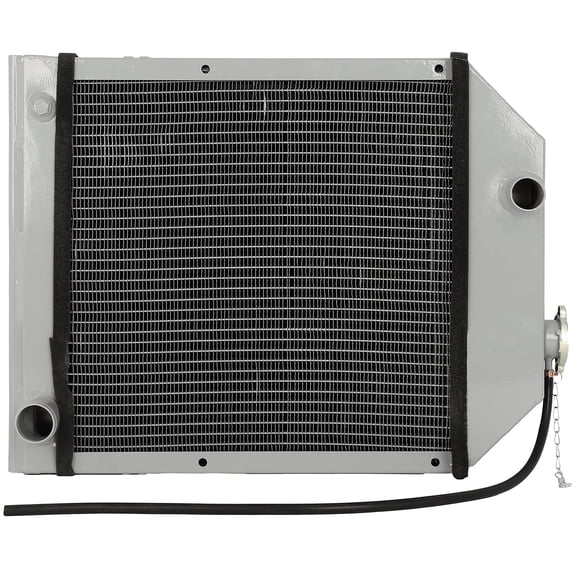
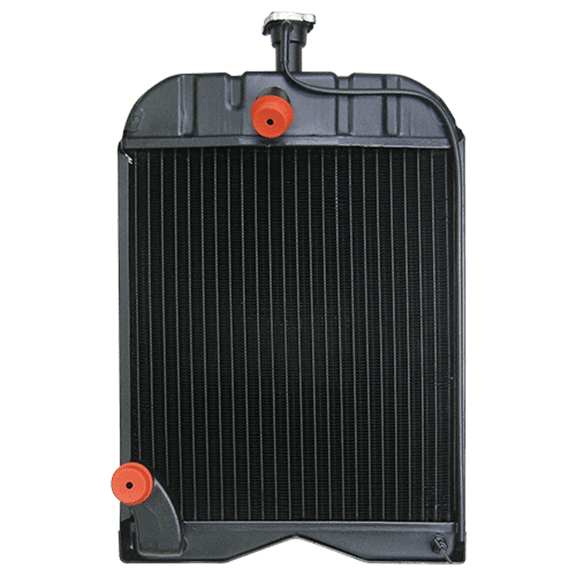
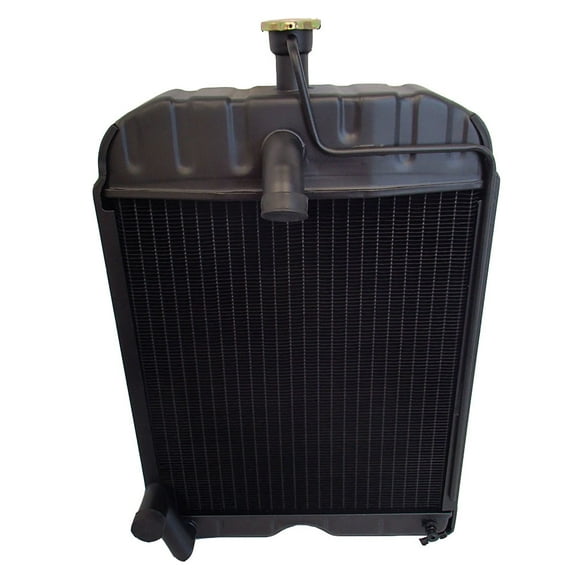
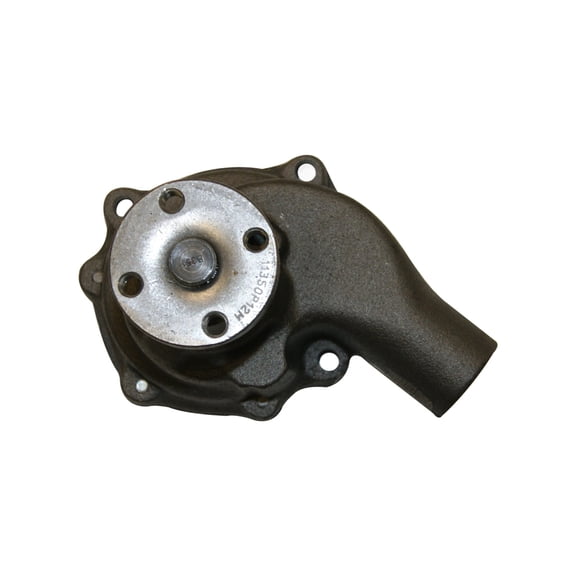
You can use a radiator to manage heat transfer across the core and tanks during daily driving. You can use a water pump to keep coolant moving, while a thermostat helps your engine reach the intended operating range.
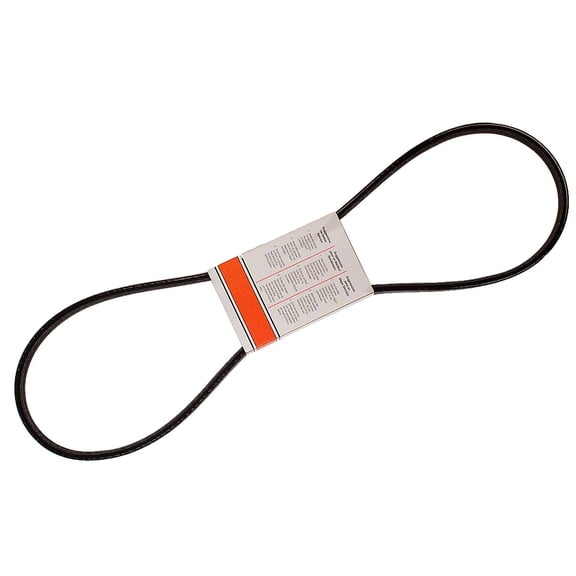
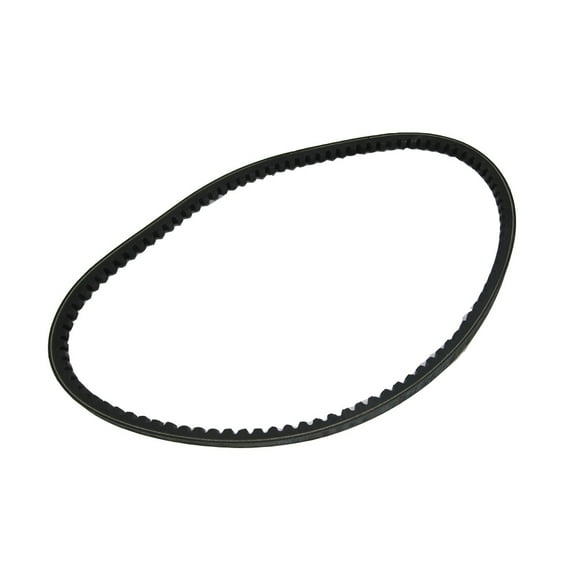
You can use a cooling fan to support airflow when traffic or idle time reduces natural air movement. You can use radiator hoses to connect major cooling components and maintain the intended coolant path.
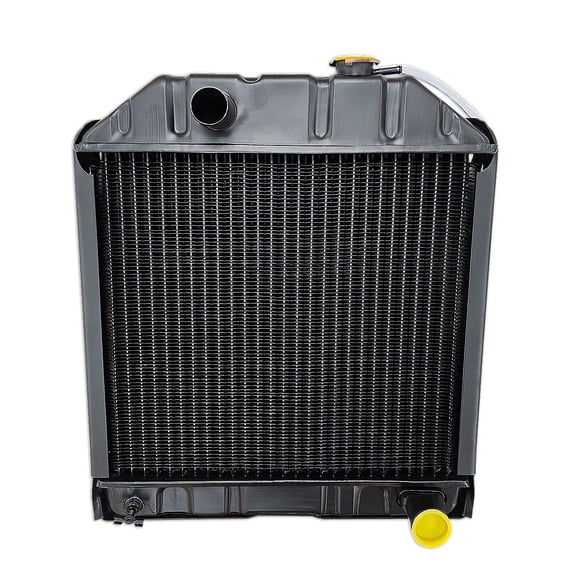
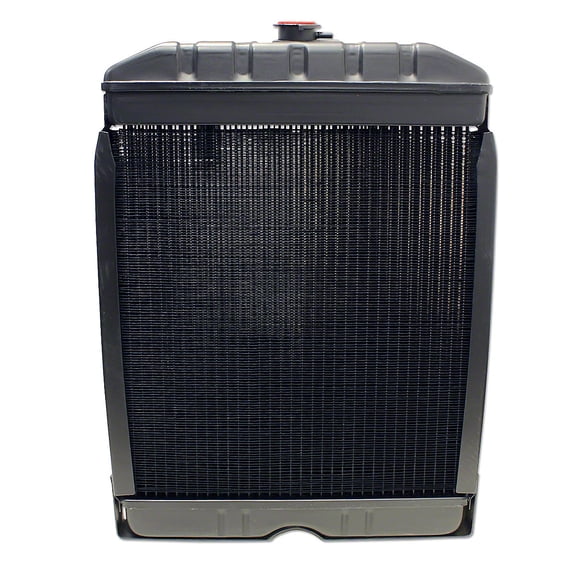
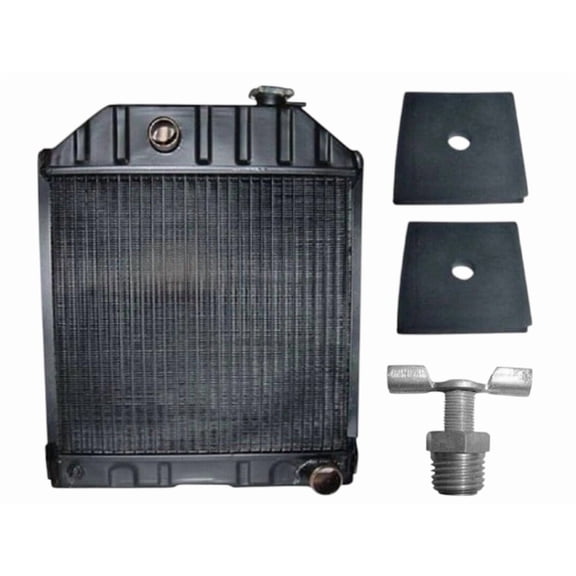
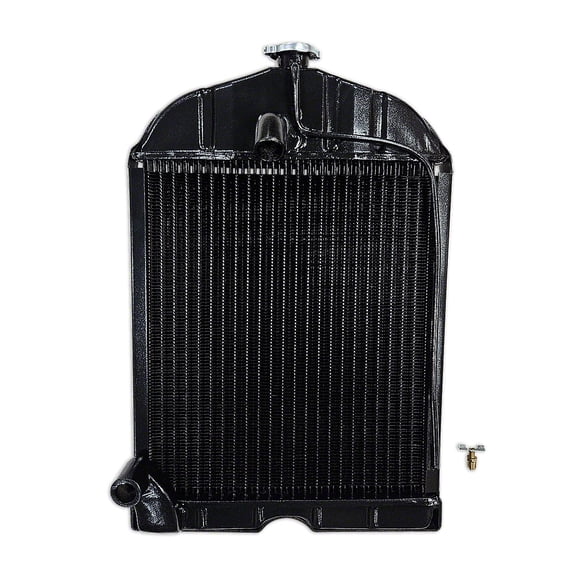
- You can compare radiators when you need core capacity, tank design, and inlet placement that match your Ford.
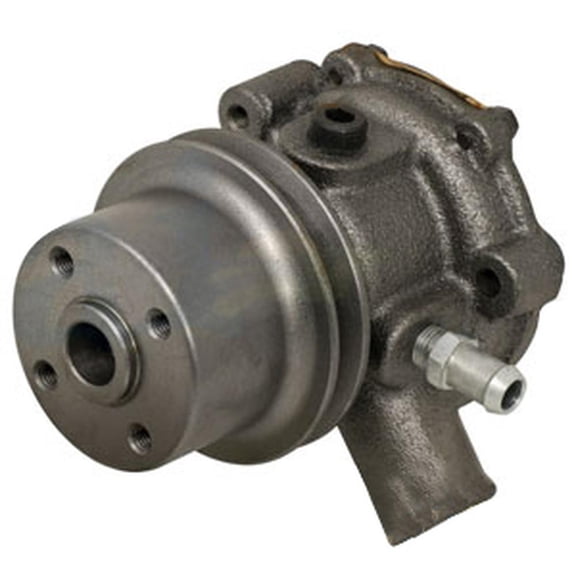
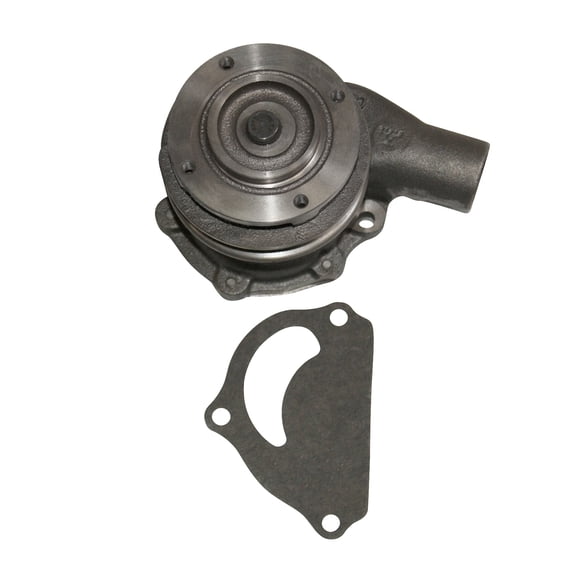
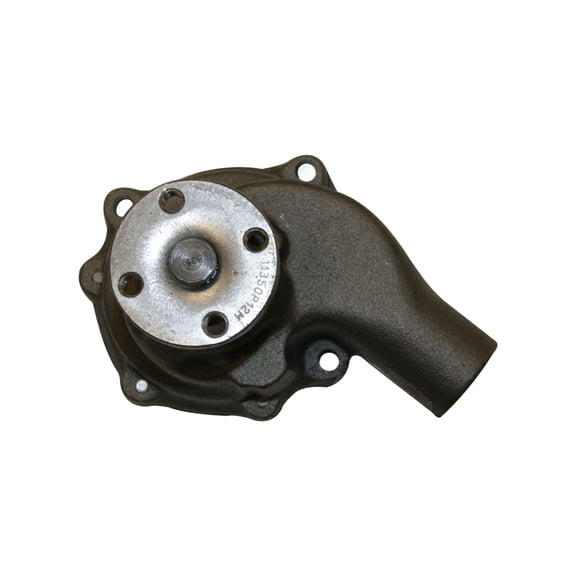
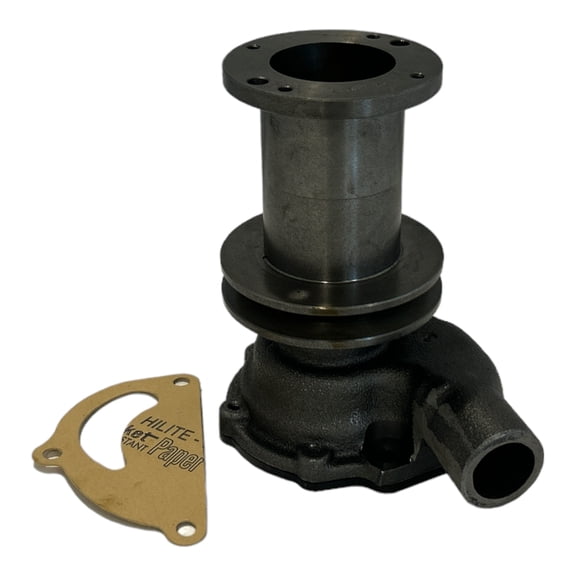
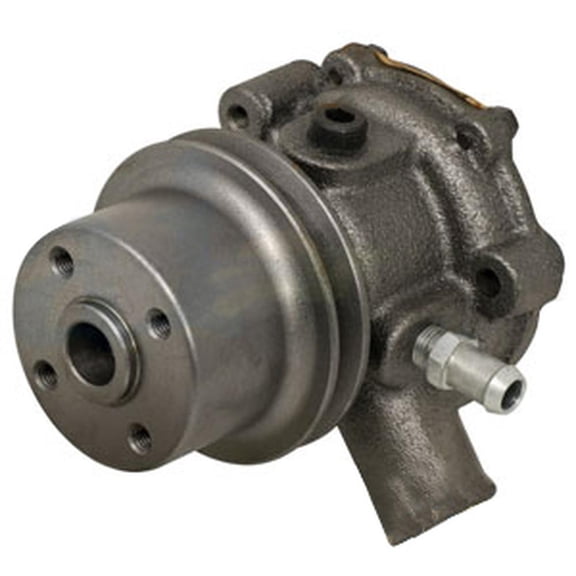
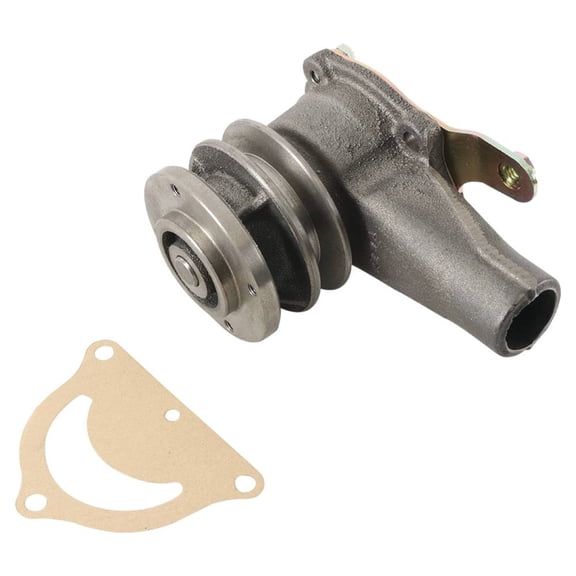
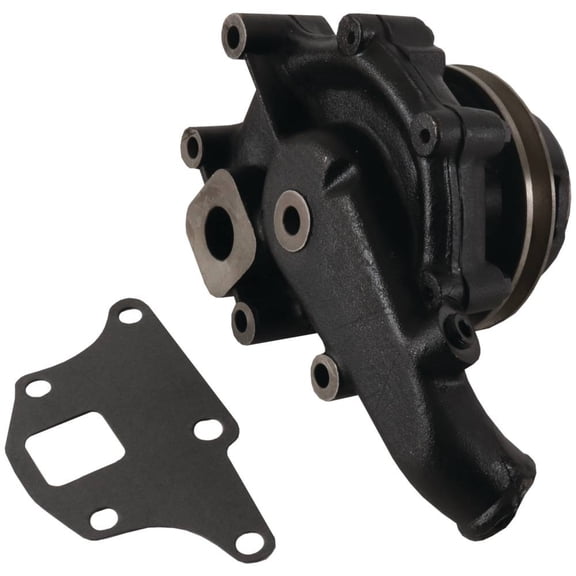
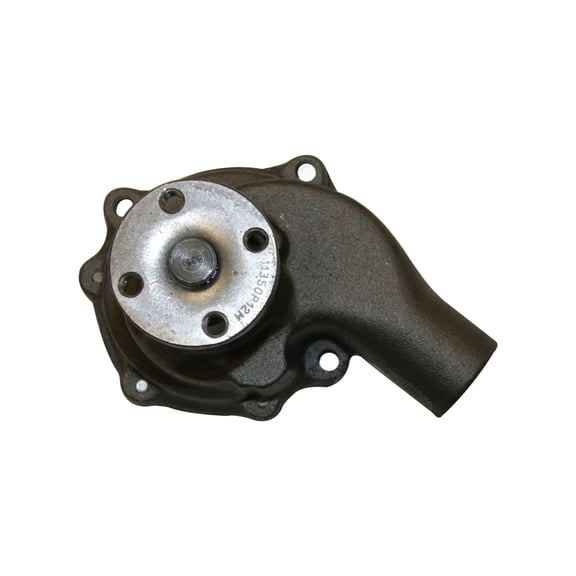
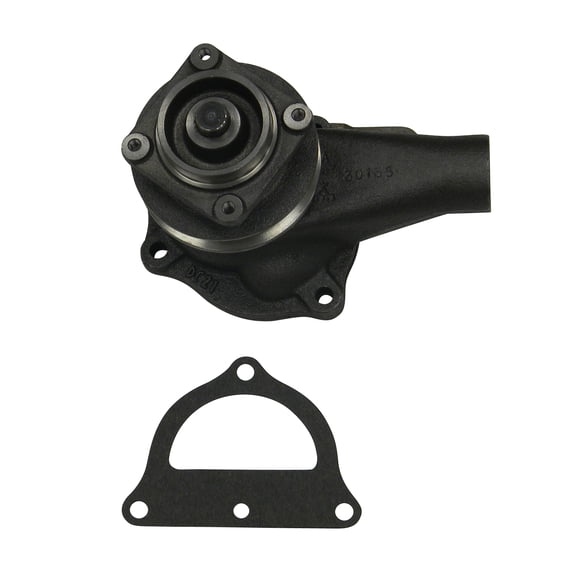
- You can compare water pumps by housing shape, pulley setup, impeller design, and included gasket hardware.
- You can compare thermostats by temperature rating, housing compatibility, and seal style for your application.
- You can compare cooling fans by blade count, shroud shape, connector type, and motor configuration.
- You can compare hoses by formed shape, diameter, clamp points, and route around nearby engine parts.
Choosing the right Ford cooling system fitment
You should verify year, model, trim, and engine before choosing any Ford cooling system component. You can avoid ordering mismatches when you check fitment for F-150, Mustang, Explorer, Focus, or Ranger applications.
You also need to match engine details like V8, V6, EcoBoost, or L4 layouts. You may find that hose routing, fan connectors, and water pump bolt patterns change across engines.
You can use Walmart's garage tool to narrow parts by vehicle and engine fitment. You should also compare OE part numbers when you want closer cross-referencing between original and replacement parts.
If you compare trim details carefully, you can reduce surprises during installation. You can also check whether your selected part includes gaskets, bolts, seals, or sensor ports.
What to look for in replacement radiator materials
You can compare material choices by balancing weight, durability, and construction style. You may see aluminum, plastic, or copper-brass designs across replacement radiator options for Ford vehicles.
You can choose an aluminum radiator when you want a lighter build and common fitment across many modern applications. You can choose a plastic tank design when you want factory-style assemblies and connector layouts.
You can consider a copper-brass radiator when you want a traditional construction style on certain older applications. You should always confirm dimensions, mounting points, and hose locations before choosing by material alone.
You can also check core thickness, transmission cooler connections, and filler neck placement when those details apply. You may notice these specs matter as much as material when you need a direct fit.
How to compare Ford water pump replacement details
You should review housing shape, pulley style, and impeller design before choosing a Ford water pump replacement. You can also confirm whether the pump uses the correct rotation direction for your engine setup.
You can use OE cross-referencing to compare aftermarket and factory-style specifications with more confidence. You should match the part number, mounting pattern, and gasket surface so your installation stays straightforward.
You can save time during installation when included hardware matches your application. You should check whether the pump includes gaskets, O-rings, backing plates, or bolts before you begin the job.
If you're replacing related parts together, you can pair a pump with a thermostat or radiator hose update. You may also compare fan components when your service access already exposes nearby cooling parts.
Using Ford cooling parts for common repair scenarios
You might choose a replacement radiator for an F-150 that tows and needs the correct tank and cooler connections. You might choose a water pump for a Mustang when pulley alignment and engine fitment are critical.
You might compare fan shroud shape and electrical connector style for an Explorer or Ranger application. You might prioritize compact dimensions and exact hose routing for a Focus with a tighter engine bay.
You can also build a more complete repair plan by replacing worn companion parts together. You may pair a Ford thermostat, radiator hose, and coolant reservoir component when you want matching fit across the same service area.
When you compare Ford cooling parts with fitment, materials, and hardware in mind, you can choose parts that align with your Ford's setup. You get a clearer path to a smoother install and more dependable engine cooling performance.