

Ford Tractor Parts in Tractor Parts by Make & Model

















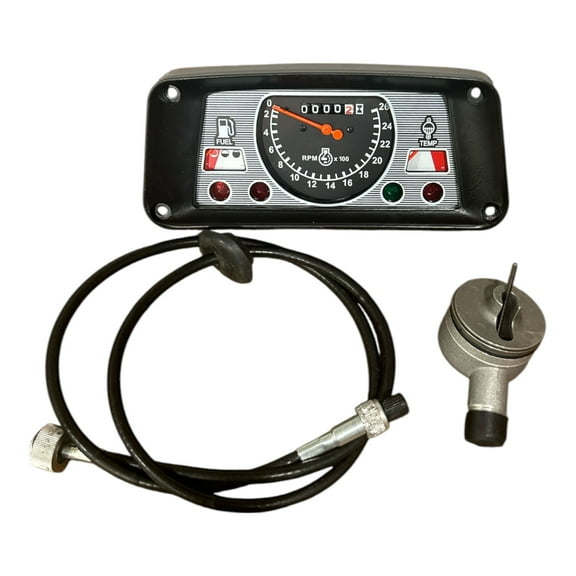
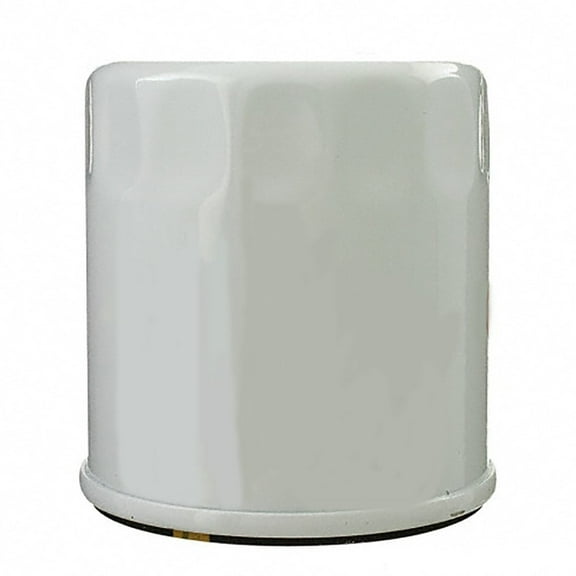
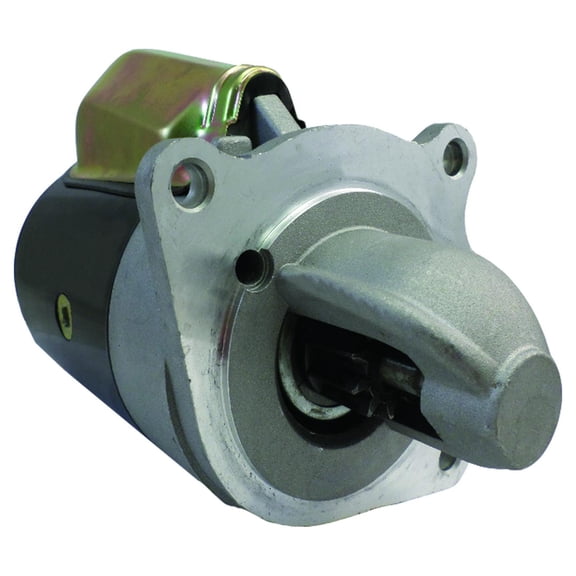
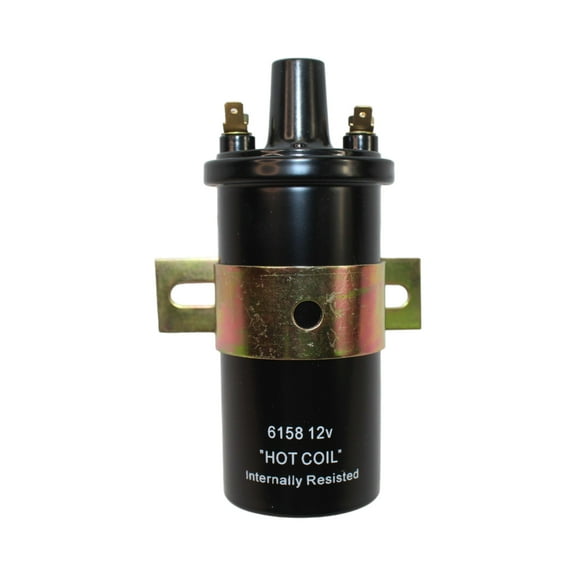



About Ford Tractor Parts in Tractor Parts by Make & Model - Walmart.com
Ford tractor parts help you keep vintage and working machines matched to the right model, voltage, and part category. You can compare fitment details for 8N, 9N, 2N, 3000, 4000, and 5000 tractors before you choose replacement components.
If you maintain older equipment, you need category guidance that reflects real tractor differences. You can use this page to narrow parts by compatibility, electrical setup, and hardware needs for restoration or routine upkeep.
How to choose ford tractor parts by model compatibility
You should start with your tractor model, production year, and serial number whenever possible. You’ll reduce guesswork when you confirm whether a part fits an 8N, 9N, 2N, 3000, 4000, or 5000 tractor.
Some ford compact tractor parts fit later compact machines, while older farm models use very different mounting points. You’ll want to compare casting style, bracket shape, and connector placement before you move forward.
When you shop parts for old Ford tractors, exact fit matters more than broad brand matching. You can avoid returns by checking cross-references, dimensions, and notes tied to your specific tractor platform.
What to look for in ford parts tractor categories
You can simplify your search when you sort by the system you’re repairing first. Electrical, engine, hydraulics, filters, and body parts each solve a different maintenance or restoration need.
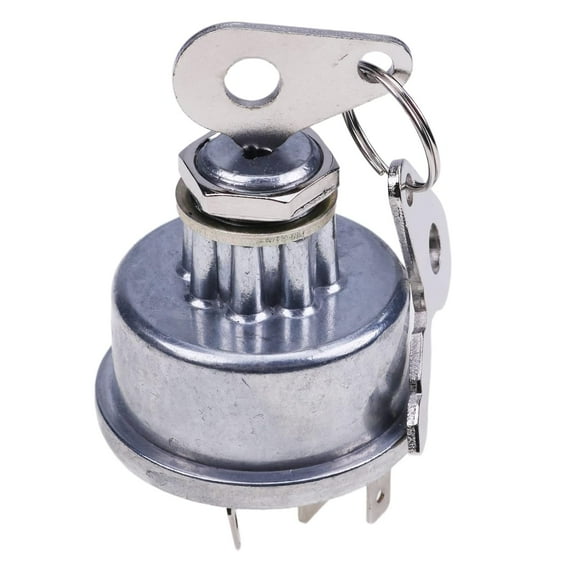
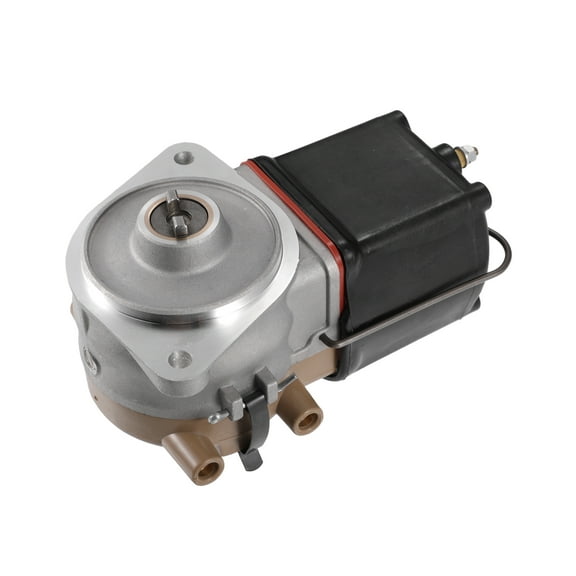
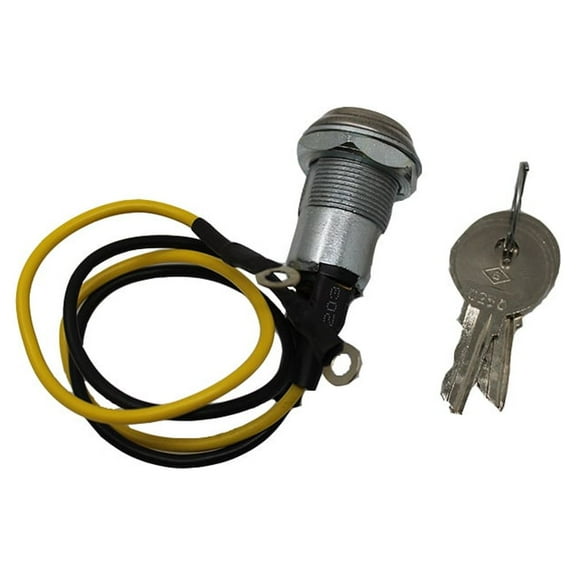
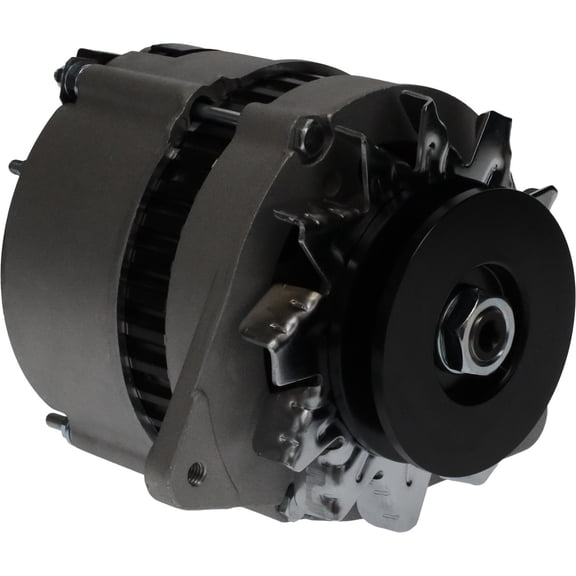
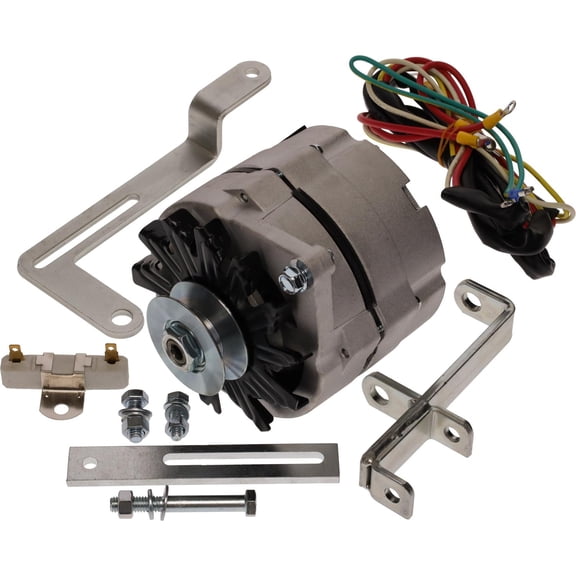
Electrical parts often include items like a 6 volt solenoid, switches, wiring components, and charging pieces. You should verify terminal layout and voltage because older tractors may keep original systems or use later conversions.
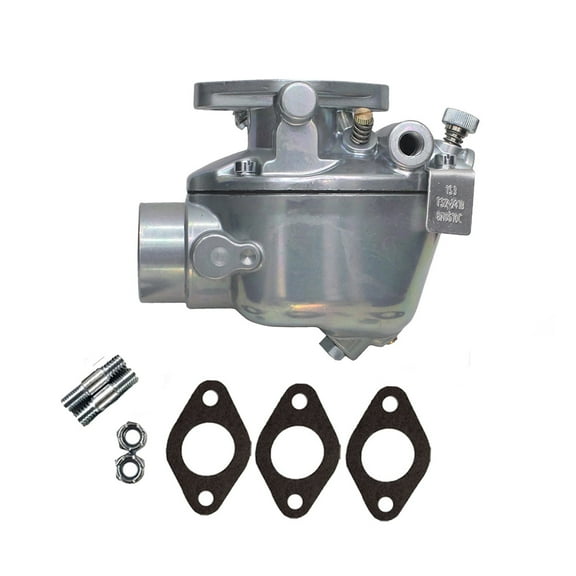
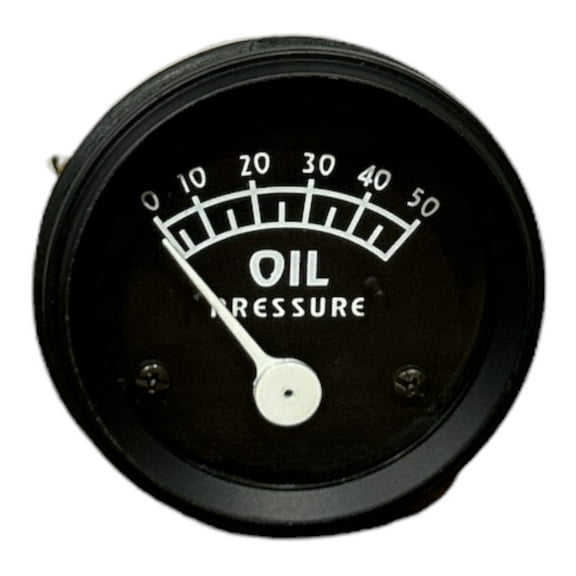
Engine parts can include gaskets, carburetor pieces, ignition components, and tune-up essentials for older workhorses. You’ll want to compare engine family details so your replacement part matches your tractor’s setup.
- You can use electrical parts to restore starting and charging functions on vintage tractors.
- You can choose engine components to support routine maintenance and model-specific repairs.
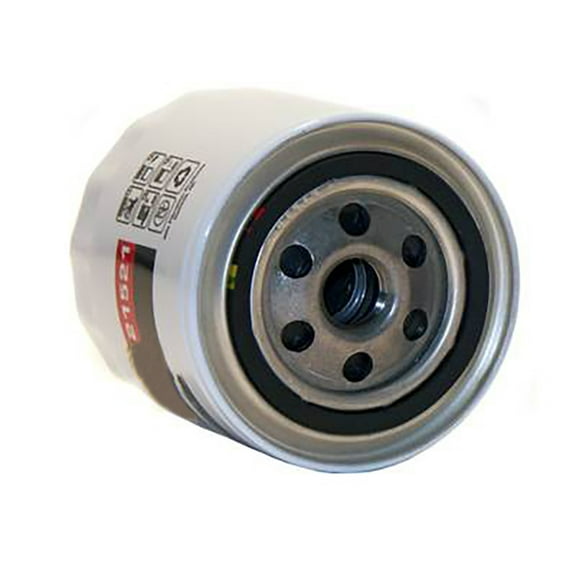
- You can compare hydraulic and filter parts to match fluid systems and service intervals.
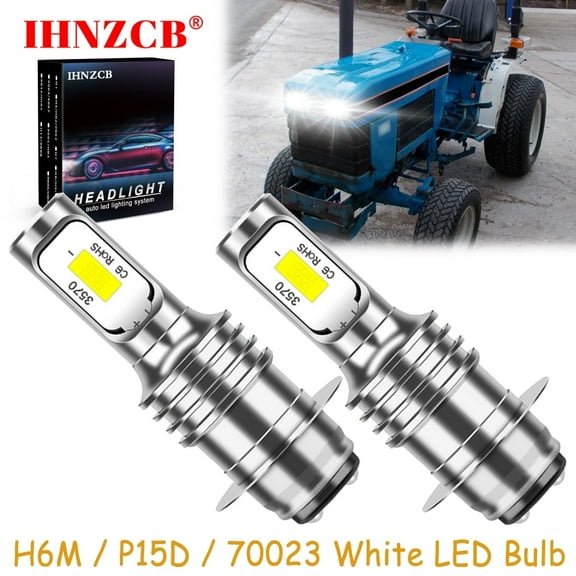
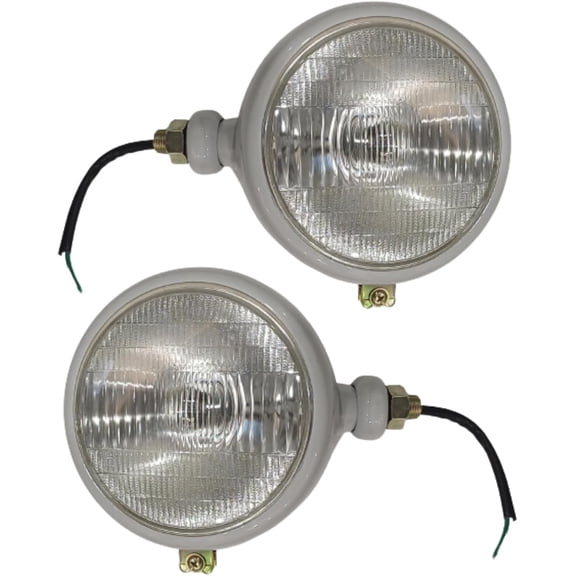
- You can select body parts when you’re refreshing sheet metal, lights, or exterior hardware.
Checking tractor ford parts for specs and cross-references
You should compare OEM and aftermarket specifications before selecting any replacement part. You’ll get a clearer match when you cross-reference part numbers, thread sizes, mounting holes, and connector styles.
Voltage is a decision-critical detail on older tractors, especially if a machine changed from 6 volt to 12 volt. You can prevent mismatch by confirming your current electrical system instead of assuming the original setup remains.
Installation details also matter when you’re replacing wear items or restoring a machine in stages. You should check whether your part includes gaskets, bolts, brackets, or other hardware you may need.
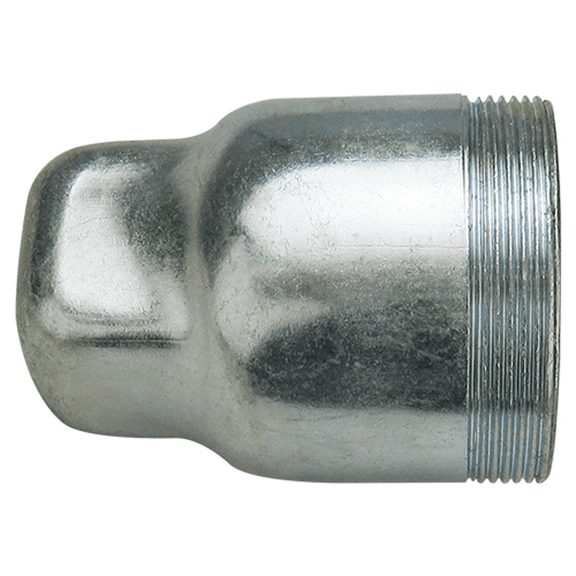
For hydraulic and filter components, you’ll want to review thread pattern, housing size, and fluid system notes. You can make a cleaner selection when the listing explains what the measurements mean for your tractor.
Matching ford farm tractor parts to how you use your machine
You may need ford farm tractor parts for field work, mowing, hauling, or seasonal maintenance. You can focus on utility and farm models when you need components that support regular use across larger tractor frames.
If you’re restoring a showpiece 8N or 9N, appearance and original-style fit may guide your search. You’ll likely compare body parts, electrical pieces, and engine details that suit a vintage tractor project.
For compact and utility tractors, you may prioritize service parts that keep routine jobs on schedule. You can look for filters, ignition components, and hydraulic pieces that align with your model and current configuration.
When you need ford tractor parts online, clear compatibility notes help you shop with fewer surprises. You can use model data, cross-reference numbers, and voltage details to narrow choices before installation begins.
Key decisions before you choose replacement components
You should measure your old part when your tractor has seen prior repairs or conversions. You’ll get more confidence when you compare dimensions, bolt spacing, and connector count with the replacement listing.
If your tractor uses mixed-era components, broad fit claims may not tell you enough. You can look for plain-language notes that explain whether a part suits compact, utility, vintage, or farm tractor applications.
You’ll make a stronger choice when your replacement part matches your model, voltage, and installation needs at the same time. That kind of fit helps you keep your Ford tractor working with fewer delays and less trial fitting.