








Foot Support in Braces and Supports


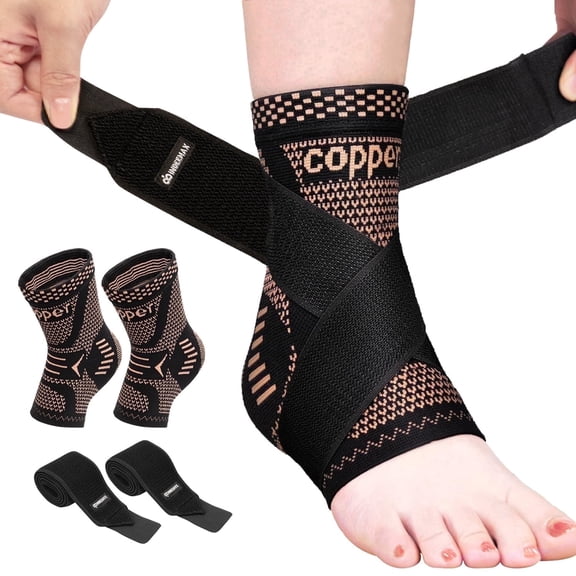
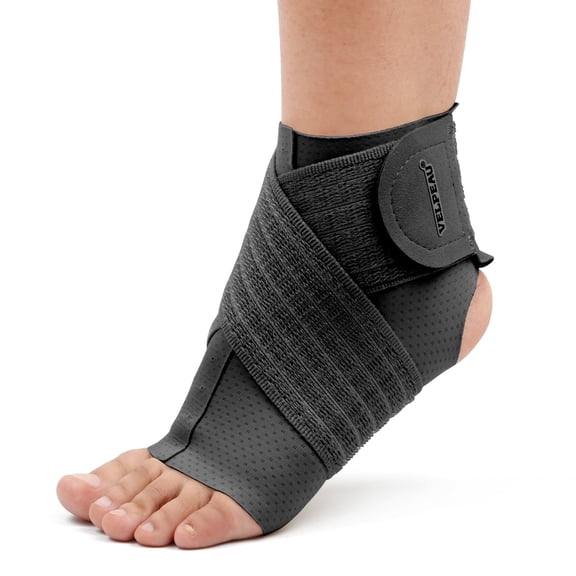
![Copper Ankle Brace, Plantar Fasciitis Relief Brace, Foot Pain Relief, Arthritis Foot Sleeve, Ankle Stabilization Brace [L]](https://i5.walmartimages.com/seo/Plantar-Fasciitis-Relief-Support-Foot-Pain-Relief-Tendonitis-Arthritis-Foot-Sleeve-Ankle-Stabilizer-Wrap_9141fd3b-4f5c-4f1e-998b-b9e12a83eb8f.84d60c9c1cbc584e3cc64ae849ea37b3.jpeg?odnHeight=576&odnWidth=576&odnBg=FFFFFF)



















About Foot Support in Braces and Supports - Walmart.com
Foot support helps you move through daily routines with steadier comfort and a more secure fit inside your shoes. You can compare sleeves, straps, braces, and inserts here, so your support matches your arch, heel, and activity needs.
If you want category guidance, you should start with how much structure your foot needs during walking, standing, or exercise. You can also narrow your choice by condition, material, and shoe compatibility, which matters for everyday wear.
Choosing foot support by support level
You should compare mild, moderate, and firm support before you pick a style for daily use. You’ll usually notice mild options feel flexible, while firm options feel more structured around your arch or heel.
For light daily wear, you may prefer soft compression or a flexible strap that fits under regular shoes. For longer shifts or repeated movement, you may want moderate or firm designs that give your foot a steadier feel.
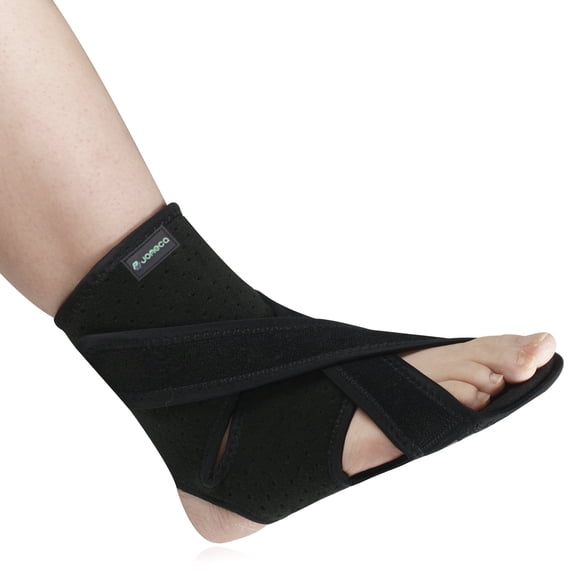
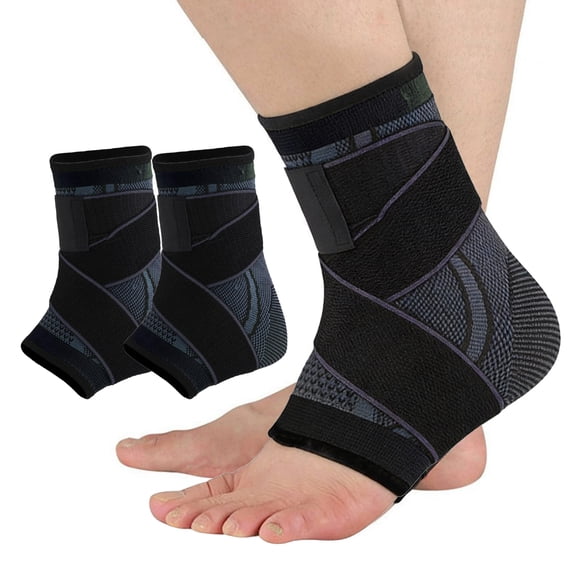
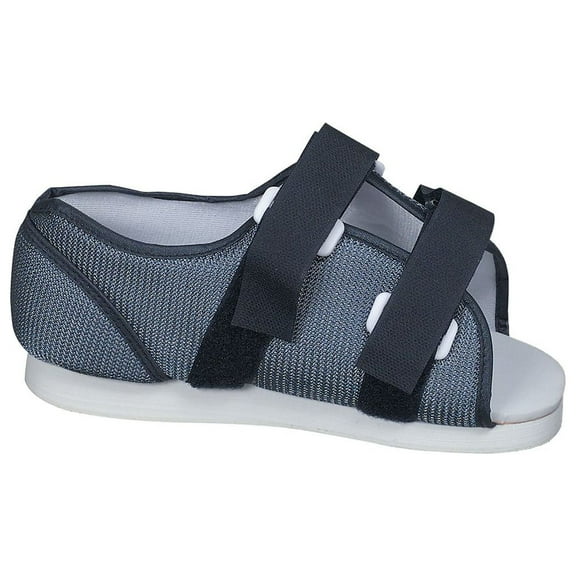
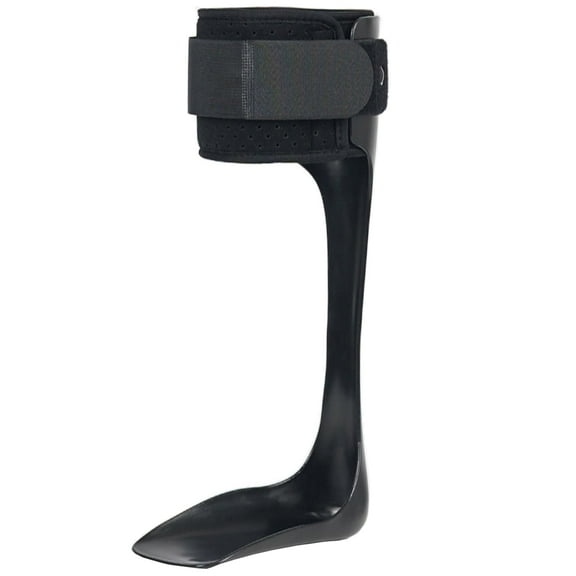
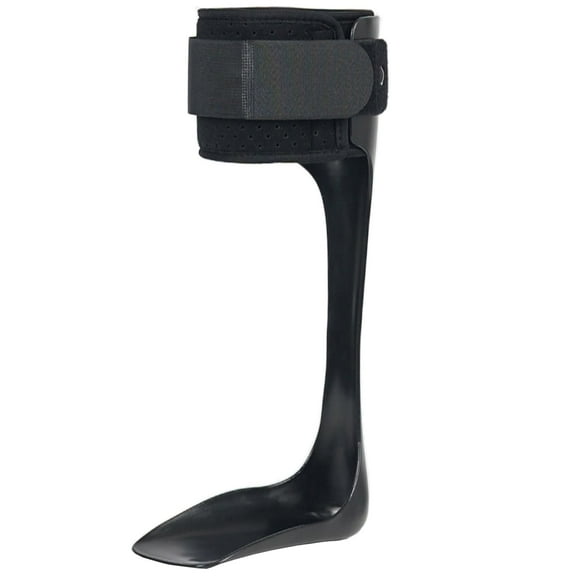
When you compare foot braces and supports, you should think about how much motion you want to keep. You may want a sleeve for stretch and easy layering, or a rigid brace for more controlled positioning.
- You can choose mild support for light walking, desk days, or casual shoes.
- You can choose moderate support when you want more structure during long periods on your feet.
- You can choose firm support when you want a more secure feel around the arch or heel.
- You can compare flexible and rigid designs based on movement, fit, and footwear.
Comparing product types and materials
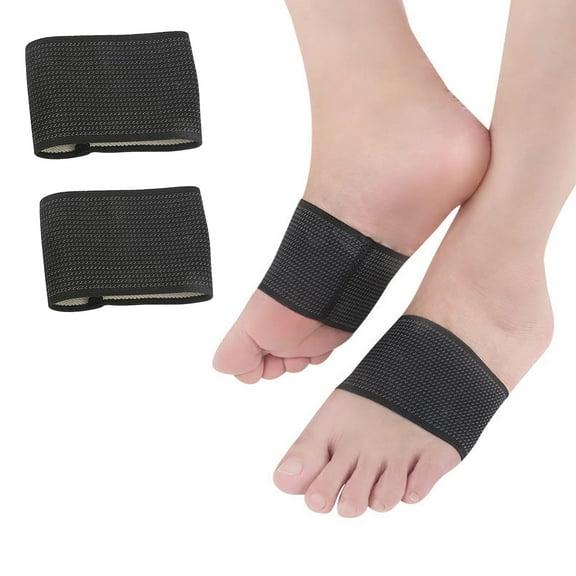
You’ll find that product type changes how foot support feels during daily wear. You can use a compression sleeve for close-fitting coverage, while an arch insert can change how your foot meets the inside of your shoe.
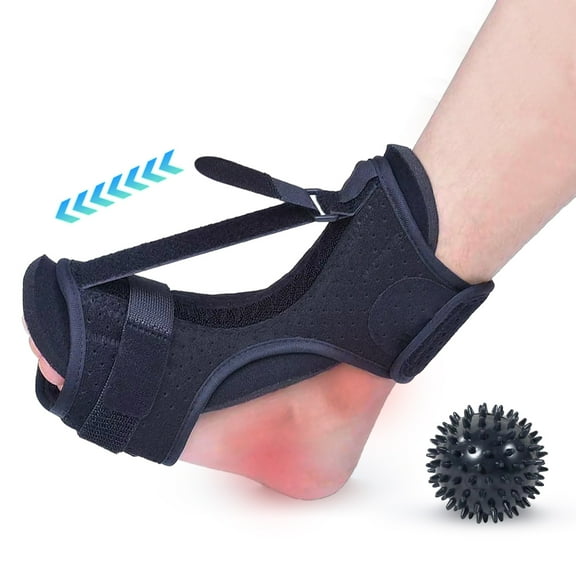
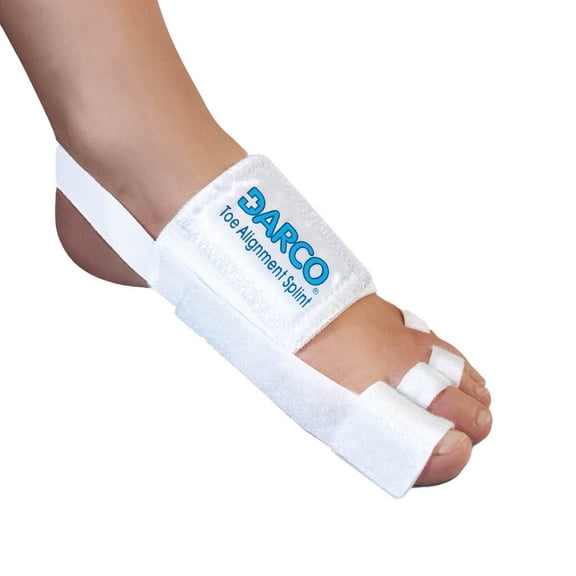
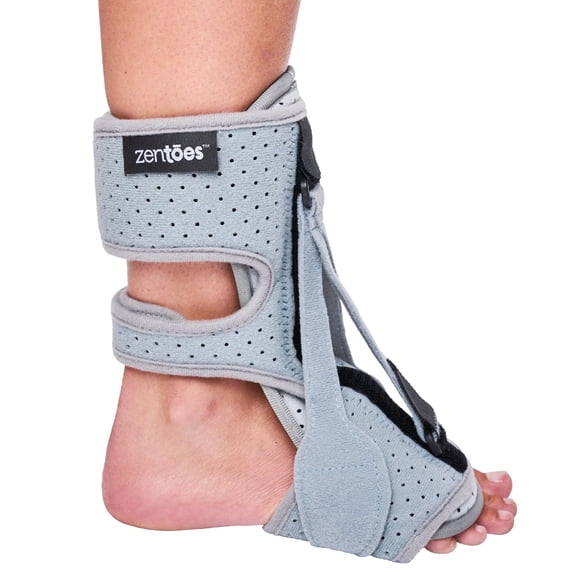
If you’re choosing between a strap and a rigid brace, you should check how much adjustability you want. You may like straps when you want targeted tightening, while rigid designs can feel more structured during repeated movement.
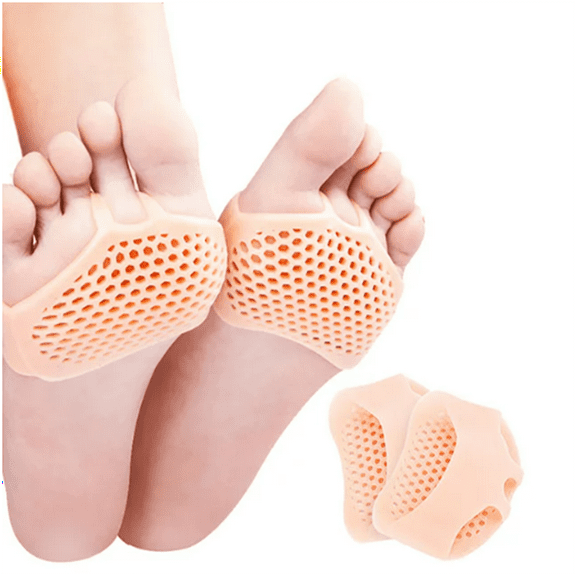
You should also compare materials because they affect stretch, cushioning, and how the support sits in your footwear. You’ll often see neoprene for a secure wrap, elastic knit for a closer fit, silicone for targeted contact, and foam for cushioned inserts.
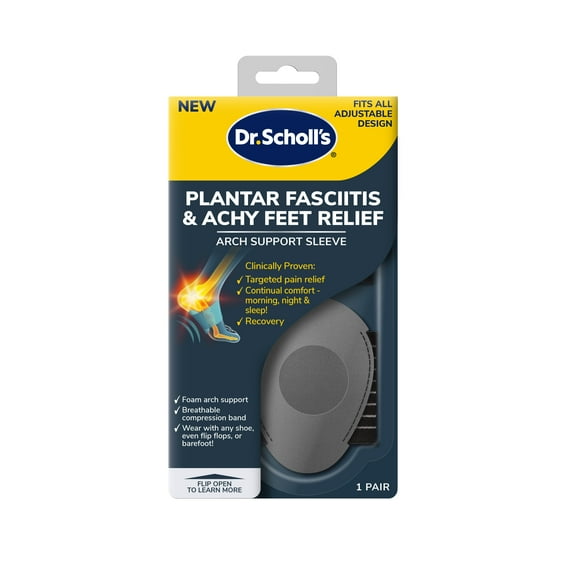
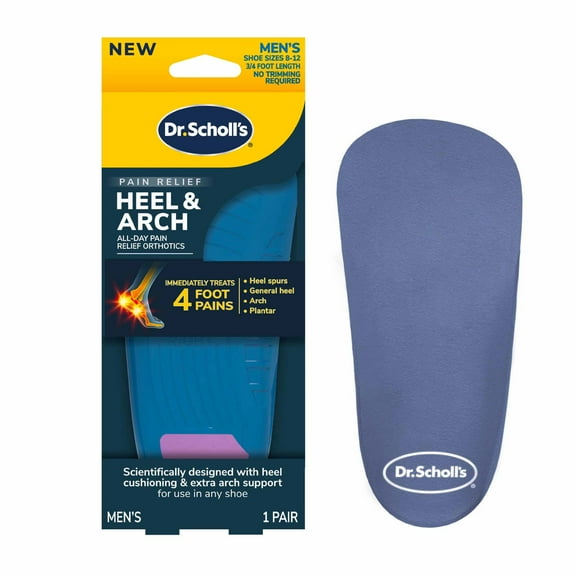
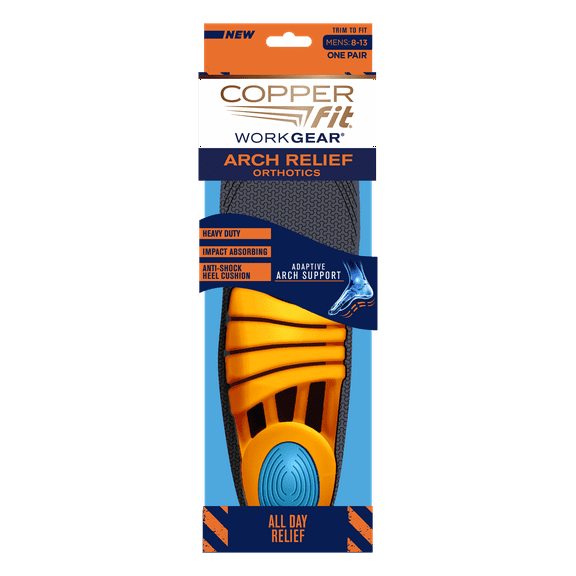
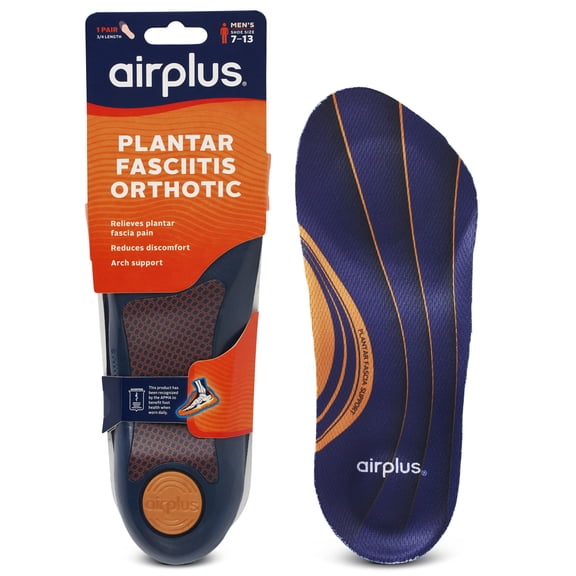
When you review arch support inserts, you should check thickness and shape before you choose a pair. You may want slimmer inserts for everyday sneakers, while thicker foam or silicone styles may suit roomier shoes.
Matching support to your foot condition
You should match your selection to the area of your foot that needs extra structure during the day. If your arch feels strained, you may focus on arch support inserts, while heel-focused needs may point you toward plantar fasciitis support styles.
For flat feet, you may look for support that helps create a steadier base inside your shoes. If your routine includes long standing periods, you may prefer moderate or firm options that keep a more stable feel.
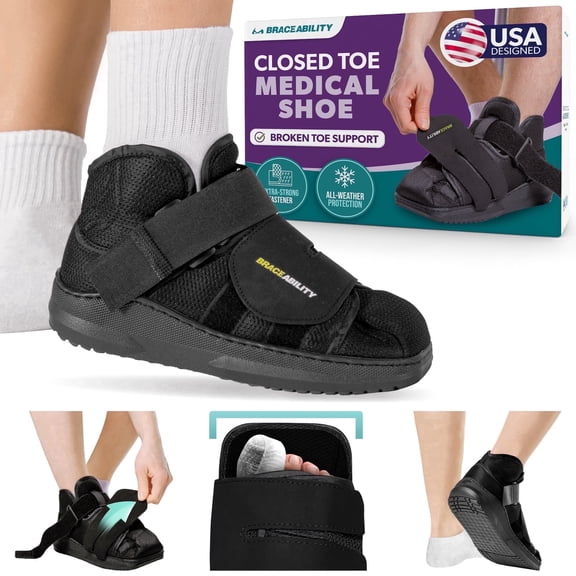
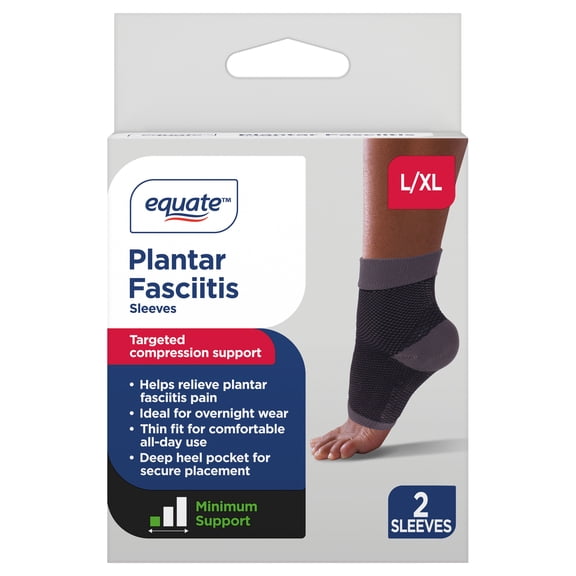
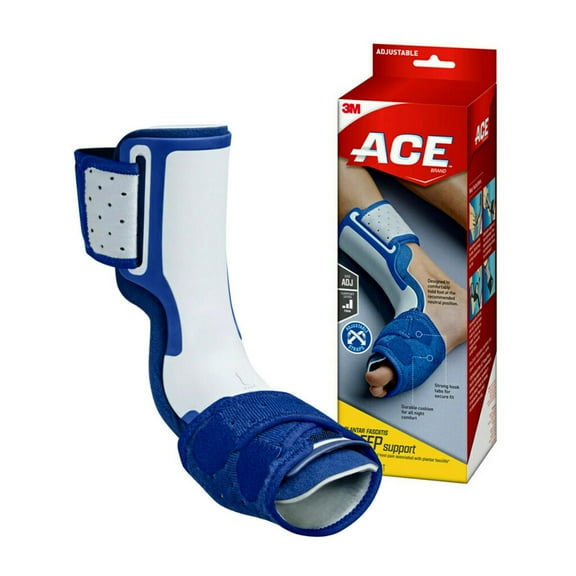
If you’re comparing plantar fasciitis support, you should look at where the design applies pressure or structure. You may notice sleeves and straps focus on close fit, while inserts can change underfoot contact through the length of your shoe.
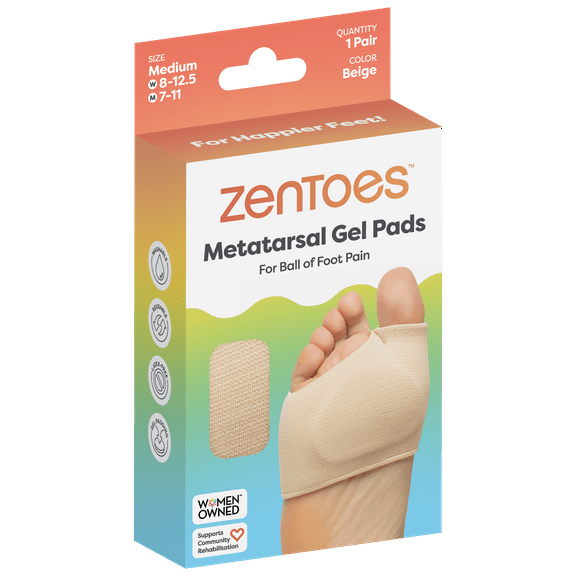
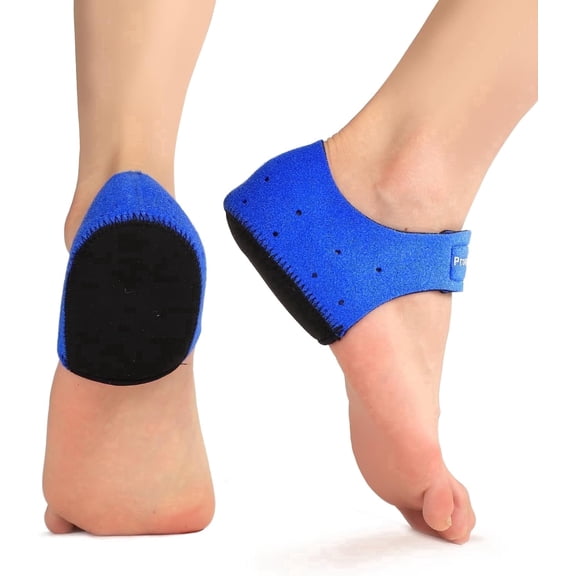
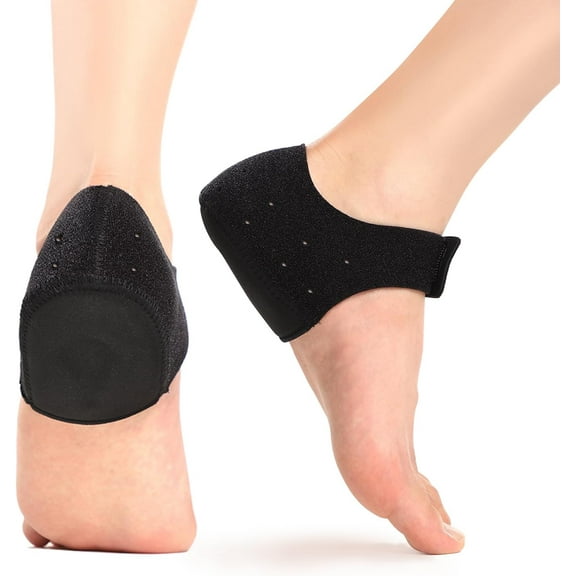
For heel spurs or arch pain, you should check whether the support targets the heel cup, midfoot, or full arch. You can narrow your options faster when you know whether your discomfort starts at the heel or through the arch.
Checking sizing, fit, and footwear compatibility
You should measure carefully because fit changes how secure and comfortable your support feels. You can check foot length, arch area, or circumference, depending on whether you’re choosing inserts, sleeves, or adjustable straps.
If you’re buying foot compression sleeves, you should compare size charts with your actual measurements instead of guessing. You’ll usually get a smoother fit when you measure around the widest part of your foot or the stated arch area.
You should also think about the shoes you wear most often during the week. Inserts usually need enough room inside sneakers or work shoes, while bulkier braces may pair more easily with wider footwear.
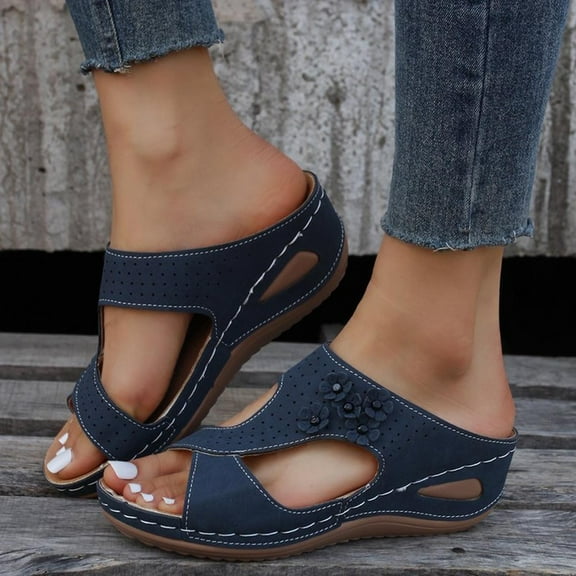
When you want support for everyday errands, you may prefer slim profiles that fit inside standard shoes. If you wear open-toe or roomier footwear, you may have more flexibility with straps, sleeves, or structured braces.
Using foot support for daily routines
You can choose different combinations of support level and product type for specific routines. A mild elastic knit sleeve may suit light walking, while a firm brace or shaped insert may fit longer standing periods.
If your day includes commuting, errands, and office wear, you may want a low-profile option that layers easily. You can often use slimmer arch inserts or close-fitting sleeves when you need support without changing your usual shoes.
For exercise or repeated movement, you should compare how securely the support stays in place during motion. You may prefer adjustable straps, ankle and foot supports, or more structured designs when your routine includes frequent steps.
If you rotate between work shoes, sneakers, and casual pairs, you should consider keeping more than one style on hand. You can use one insert for enclosed shoes and another strap or sleeve when your footwear changes through the week.
You’ll shop with more confidence when you compare support level, product type, target condition, and fit together. With the right foot support, you can create a steadier feel in your shoes and a more comfortable daily routine.