


Float Tubes in Fly Fishing













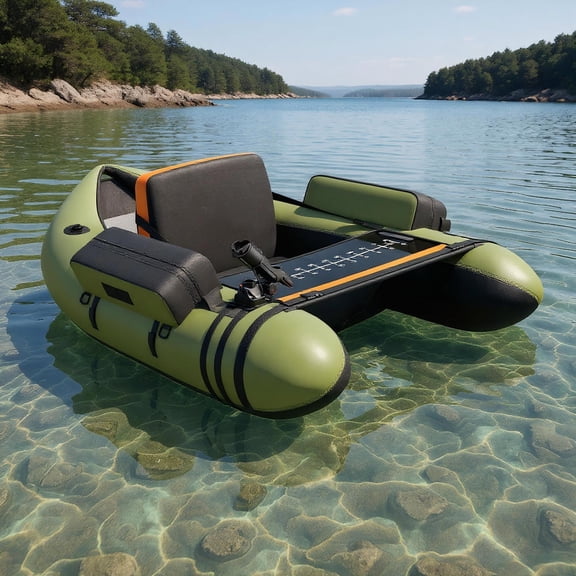
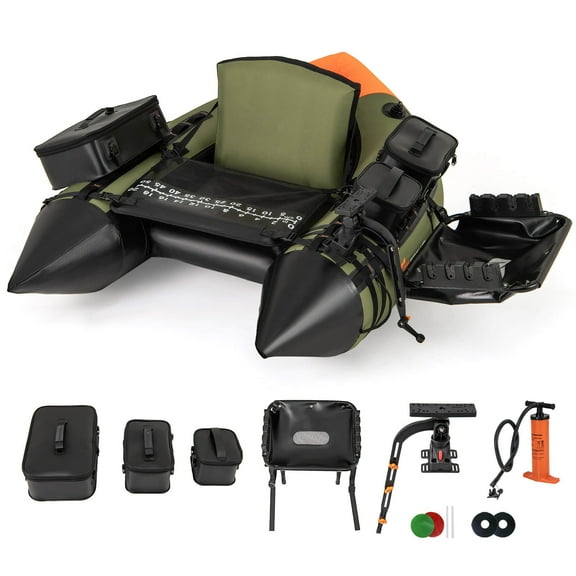
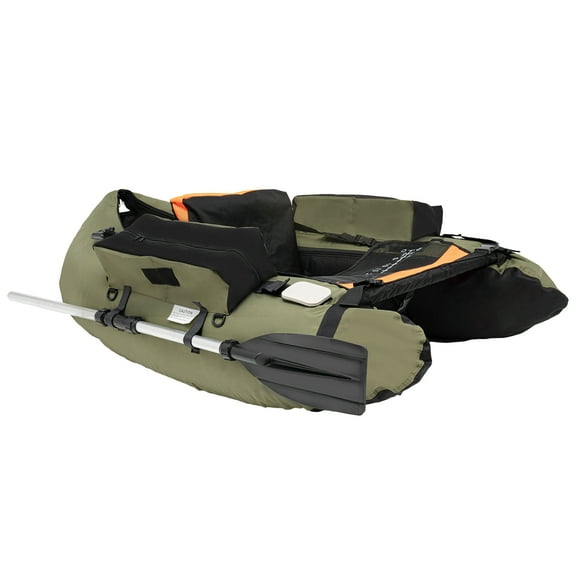
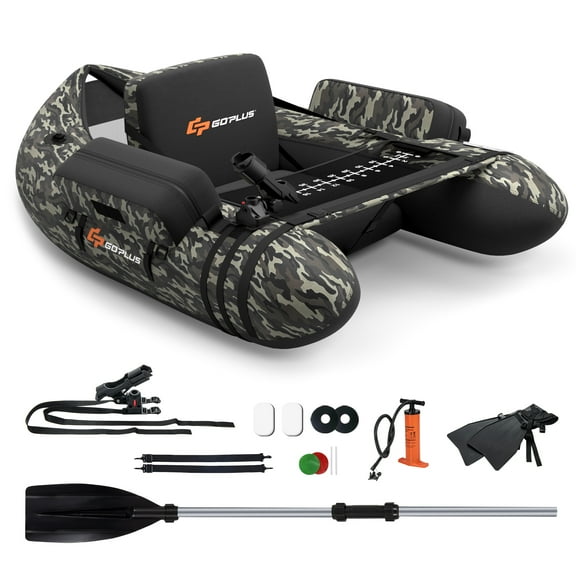




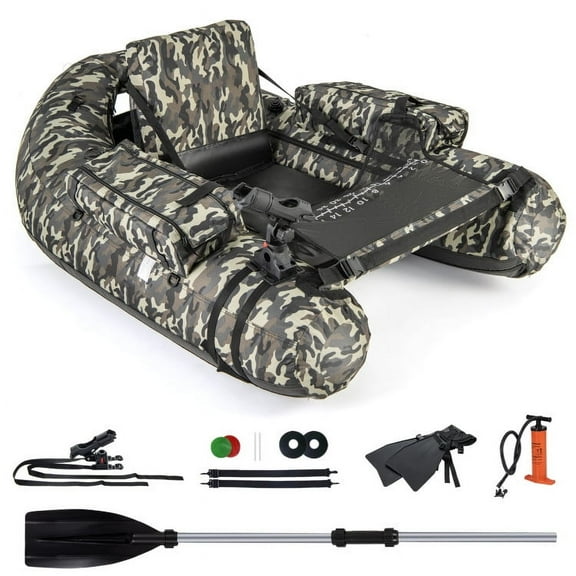


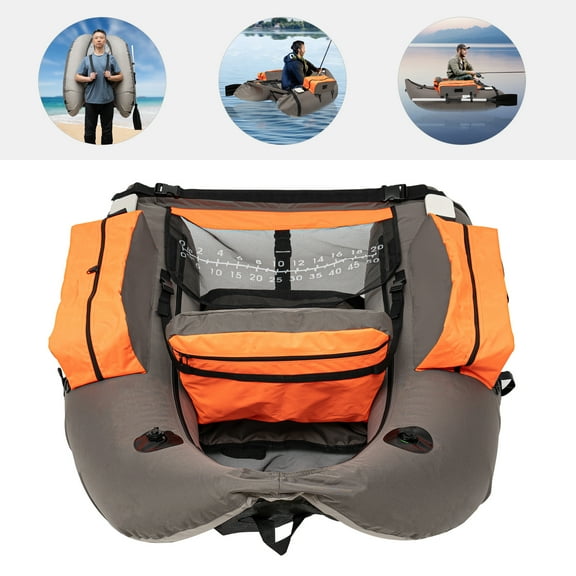
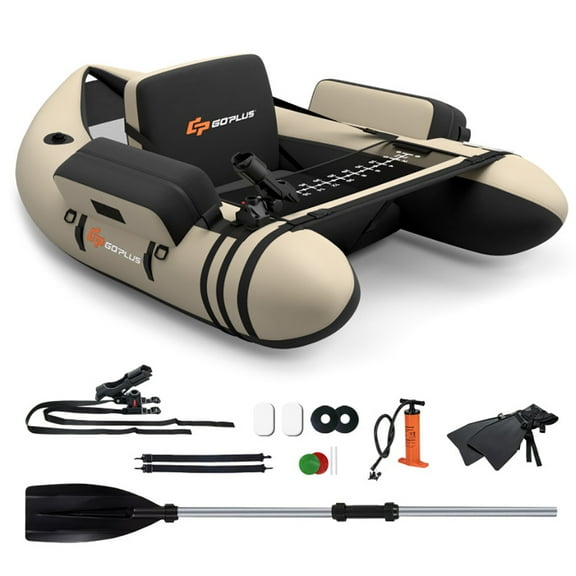


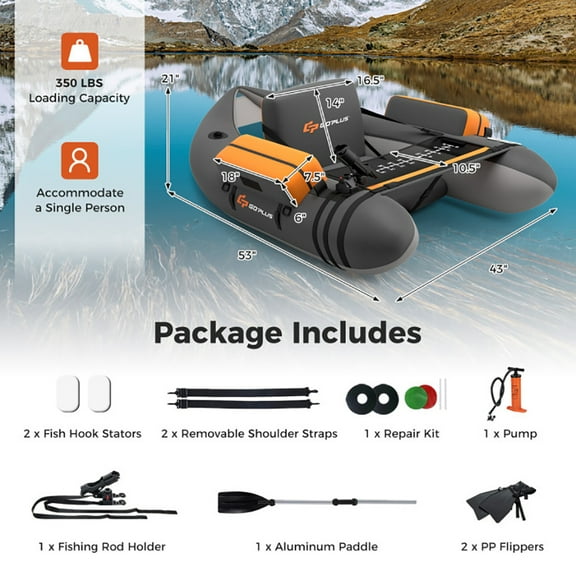
About Float Tubes in Fly Fishing - Walmart.com
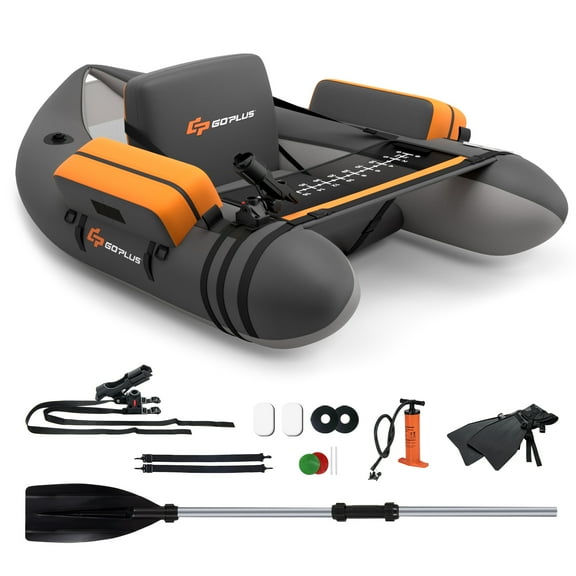
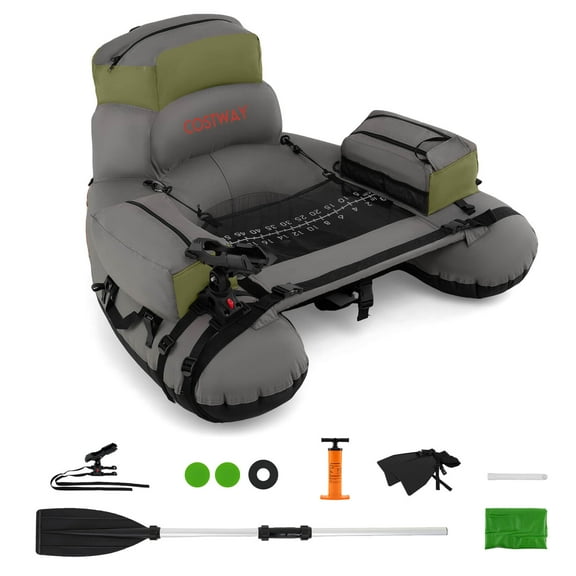
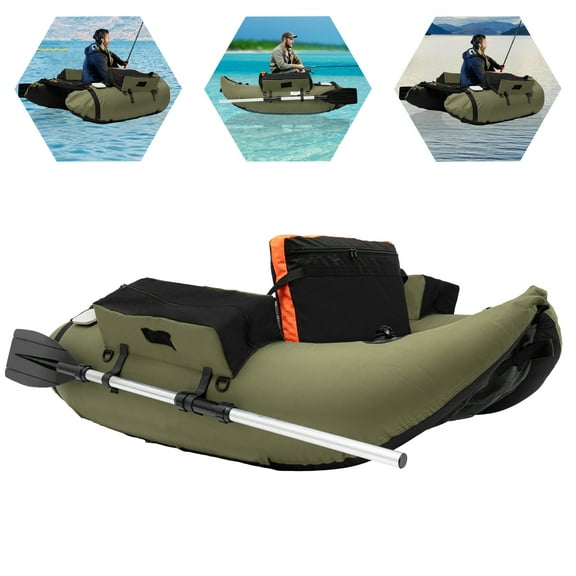
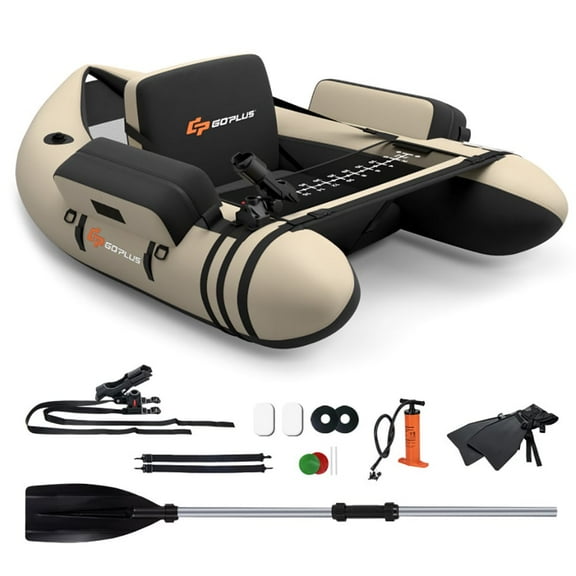
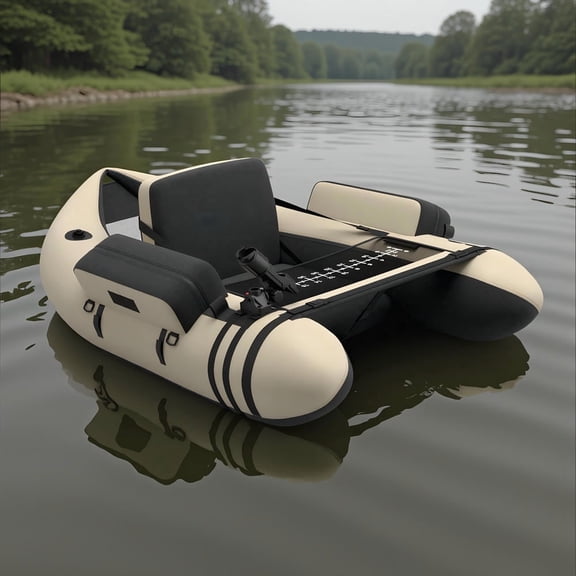
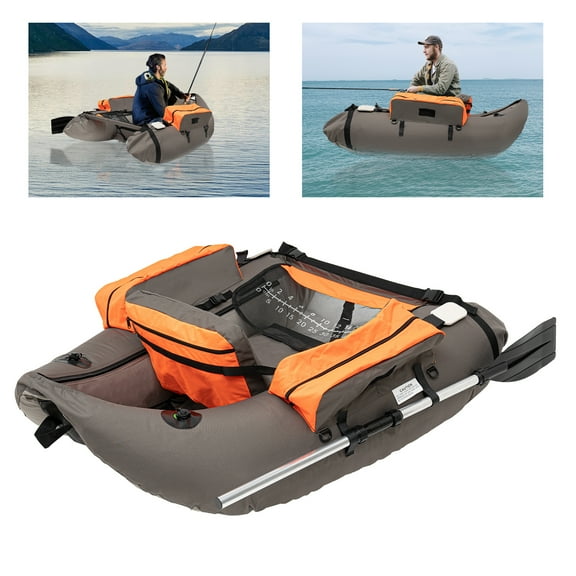
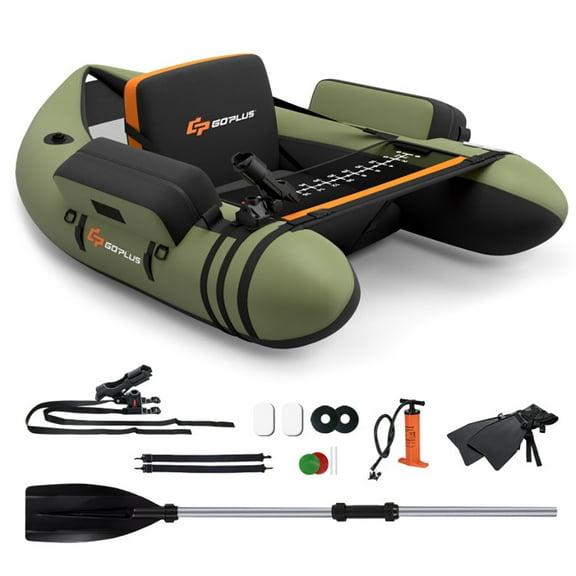
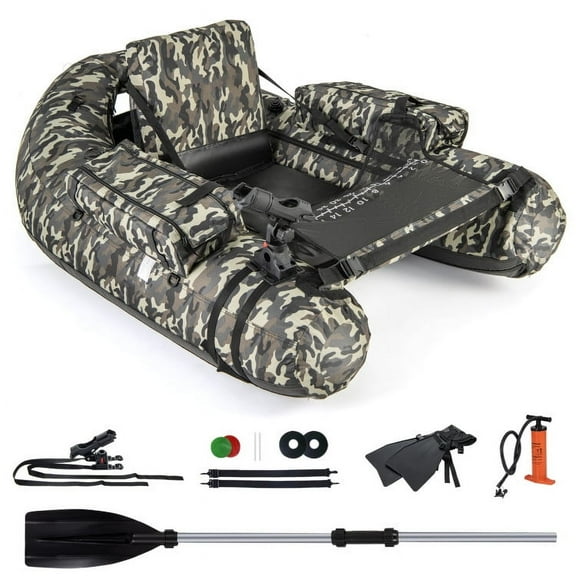
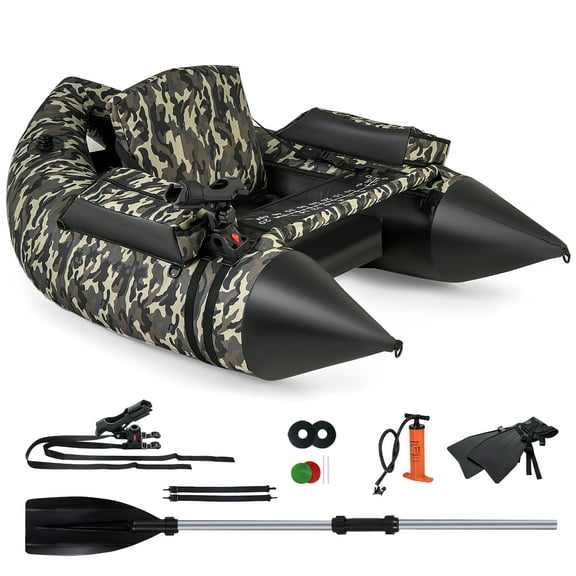
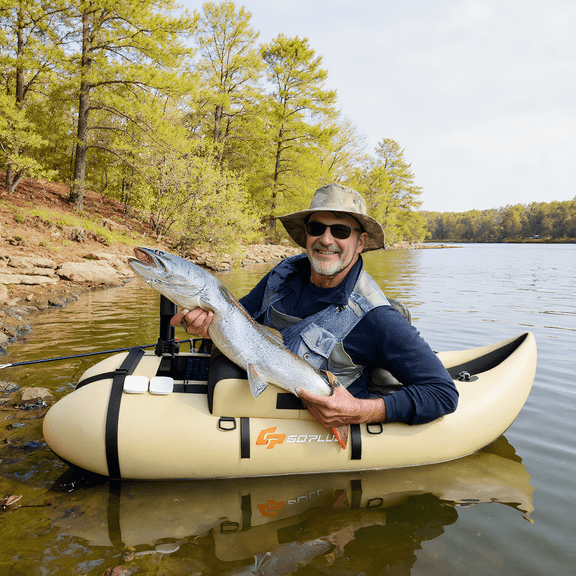
You can choose a float tube for fishing that matches your water, your gear, and your carry distance. You’ll notice this category focuses on seated control, compact transport, and easy access to tackle while you fish.
If you fish ponds, small lakes, or calm stillwater, you can use these tubes to reach water that shoreline casting misses. You’ll also find inflatable designs that pack down smaller than many rigid craft.
How to choose a float tube for fishing
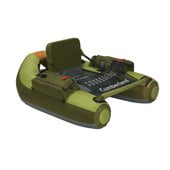
You should start with hull shape, because it changes how your tube moves across the water. You’ll usually compare V-shape, U-shape, and round designs before you narrow your options.
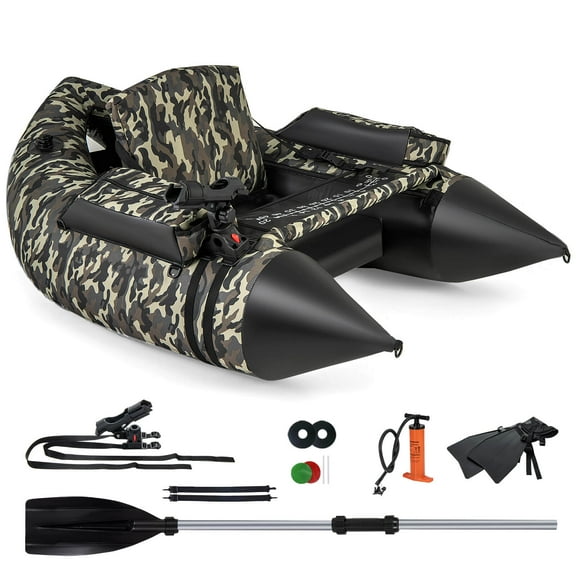
If you want easier forward tracking, you can consider a V-shape tube. If you want a familiar, balanced platform, you can compare U-shape and round styles for steadier positioning.
You should also check how your seat sits above the waterline. You’ll often prefer a higher seat when you want drier comfort and easier casting through longer sessions.
- You can use V-shape designs when you want smoother movement and easier directional control.
- You can choose U-shape tubes when you want a roomy layout and balanced handling.
- You can consider round models when your priority is a simple, stable platform on calm water.
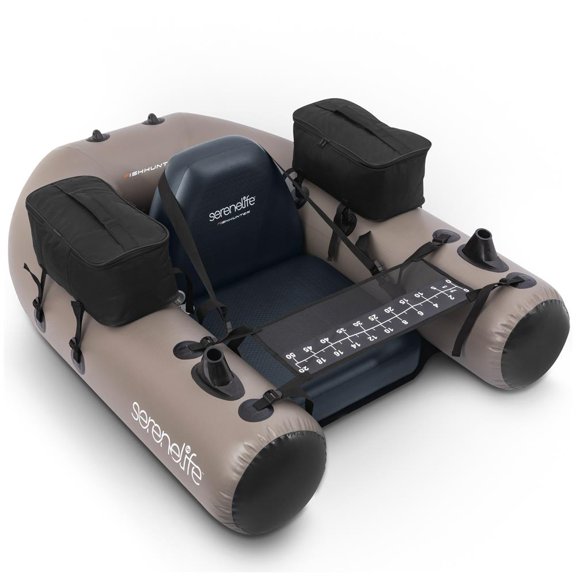
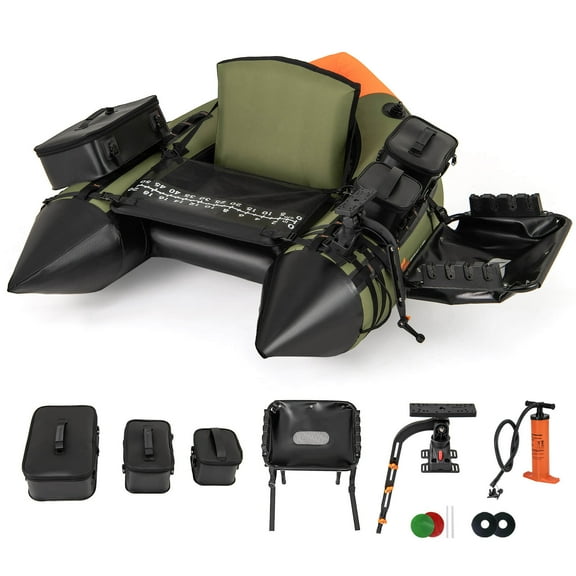
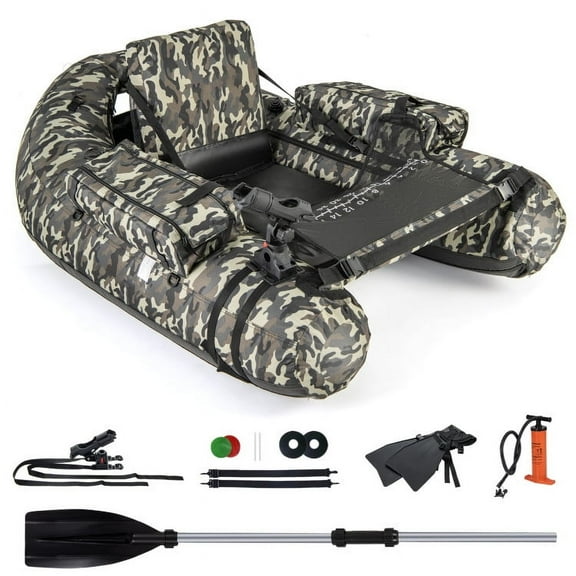
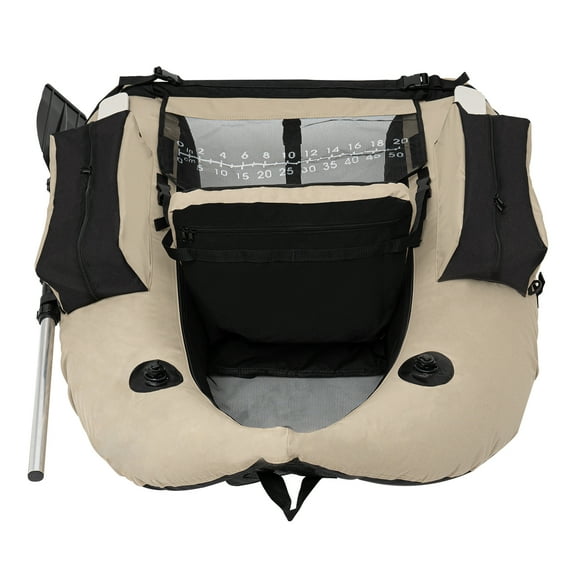
- You should check pocket placement so your flies, tools, and tackle stay within reach while seated.
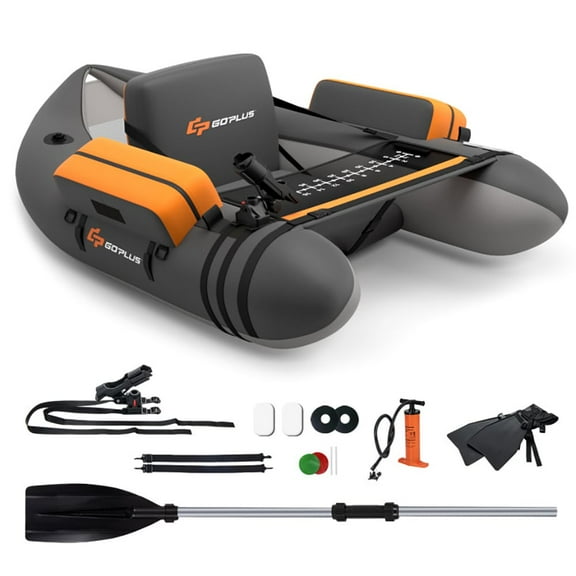
- You can look for backpack straps and inflatable construction when you hike into lakes or ponds.
Choosing hull shape and weight capacity
You should match hull shape to the way you fish and the water you cover. You’ll find V-shape tubes cut water faster, while round tubes feel slower but often feel steady.
If you kick across larger stillwater areas, you can compare shapes that hold a cleaner line. If you stay close to structure, you may prefer a shape that helps you pivot and hold position.
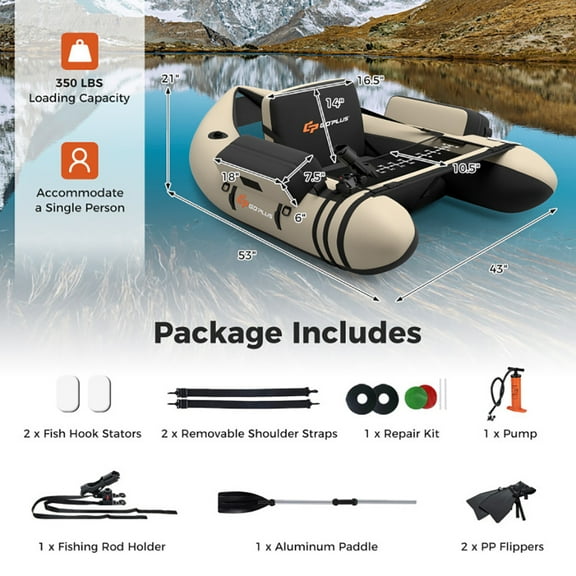
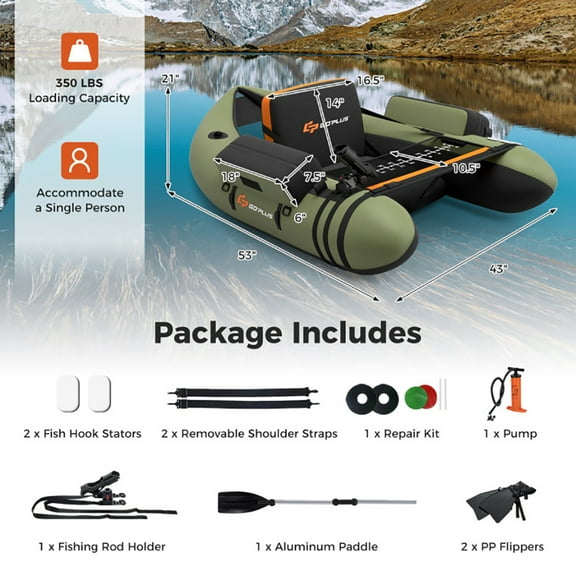
You also need to check weight capacity in pounds before you choose a fishing innertube style tube. You should add your body weight, your fins, and your tackle before you compare 250, 300, and 350 lb limits.
If your gear load stays light, you can often use a 250 lb capacity option. If you carry extra boxes, layers, or accessories, you may need 300 or 350 lb support.
You should measure capacity with your full fishing setup, not only your body weight. You’ll get a more useful fit when your tube supports your gear without crowding your seat and storage.
What to look for in an inflatable float tube
You can narrow an inflatable float tube by checking portability, inflation needs, and storage layout. You’ll want a design that carries easily and sets up without adding hassle at the launch point.
If you walk into backcountry ponds, you can look for backpack straps and lighter packed weight. If you drive close to the water, you may focus more on seat comfort and cargo room.
You should compare inflation methods before you head out. You’ll want valve styles that work with common pumps and chambers that inflate in a simple, predictable order.
You can also check how the pockets open while you’re seated in the tube. You’ll fish more smoothly when your pliers, fly box, and line tools stay easy to grab.
If you carry extra tackle, you can compare side storage, rear storage, and attachment points. You’ll appreciate layouts that keep your essentials close without interfering with your cast.
You should look at fins and oar compatibility based on your preferred movement style. You can use fins for hands-free positioning, while oars may suit slower repositioning on calm water.
Matching fishing float tubes to your use case
You can choose fishing float tubes by starting with where and how you fish most often. You’ll get a clearer fit when you match shape, capacity, and portability to a real outing.
If you focus on fly fishing, you can look for fly fishing tubes with accessible pockets and room for stripping line. You’ll want open front space and easy tool access while you manage repeated casts.
If you fish stillwater from dawn through midday, you can prioritize a supportive seat and stable platform. You may also want storage that keeps layers, snacks, and tackle organized through longer sessions.
When you head to a lake with a longer walk in, you can compare lightweight options with backpack straps. You’ll likely prefer an inflatable design that packs smaller in your vehicle and on your back.
If you cover more open water, you can consider a V-shape floating tube for fishing. If you stay in calm coves, you may prefer a round or U-shape model for relaxed positioning.
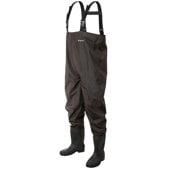
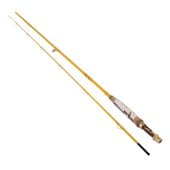
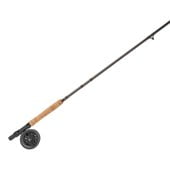
You can also build your setup around related gear that supports time on the water. You’ll often pair your tube with fishing waders, fly fishing rods, fins, pumps, and life jackets.
Key differences between float tube styles
You can compare a float tube, floating tubes for fishing, and similar terms as part of the same core category. You’ll usually find the real differences in hull shape, carry method, and storage design.
If you want compact transport, you can focus on inflatable styles that deflate for travel. If you want more organized gear access, you should check the number, size, and placement of pockets.
You can make a confident choice when you compare pounds of capacity, seat height, and water handling together. You’ll end up with a setup that fits your gear, your access point, and your fishing style.