




Fishing Gear
Gear to reel it in


On the water







More brands to love





FAQ
About Fishing Gear - Walmart.com
Tips for Choosing Fishing Gear
Like any other sport, having the right gear makes all the difference. What you pack in your tackle box could very well mean the difference between making your next big catch or going home without a nibble on the line. No matter if you're a hobbyist just getting started or you're a near-professional looking for some new rods, reels, and other accessories, you're sure to find something suitable for your next fishing trip.
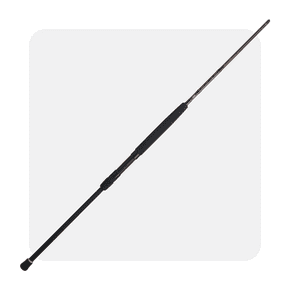
Choosing fishing reels and rods
You need a rod that matches your preferred fishing style. Shorter rods have less bend and a shorter casting length, making them ideal for close-quarters fishing in shallow water. Longer rods let you cover more water and fish deeper, putting you within reach of prize-winning catches. For an amateur, opting for a mid-length rod around 7 feet long is a good option, as it provides the highest level of versatility as you decide which type of fishing you most enjoy.
Material is another important consideration. Most rods have a graphite composition, which makes them rigid and more sensitive to the activities of fish on the line, but fiberglass is a reliable alternative, offering increased strength and weight. A composite option provides the most versatility for different fishing situations. Regardless of material and length, rods tend to fall into two main categories:
- Spinning rods: These rods are suited for use with spinning reels, which are good for novices. They're straightforward to use and have an anti-reverse mechanism to stop the line from spooling when you get a bite.
- Casting rods: These rods are suited for use with baitcasting reels, which are usually button controlled. Casting reels take greater skill to operate, but they work well when tackling larger, stronger fish, and they often have an enclosed design to reduce the effects of saltwater spray on the components. Casting rods are the preferred choice for professional anglers.
Rack 'em up
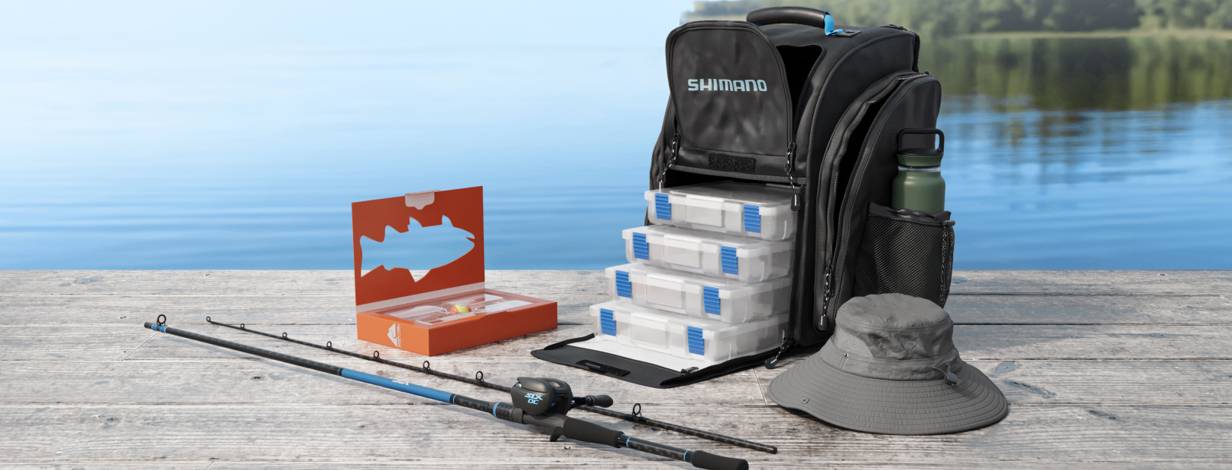
You don't need to go all out with tons of gear to go fishing, but if you plan to buy a few rods or you already have a few on hand, a fishing rod rack is essential for keeping your rods organized and safely stored. If you're looking for affordability and lightweight design, a plastic rack will get the job done. But for durability, your best bet is likely a lightweight but long-lasting rack made of aluminum or steel. For an attractive, furniture-quality look, consider buying a wood rack. Other notable features to consider include the number of rods it holds, whether it's wall-mounted or sits on the floor, and if it includes extras like bins for storing your hooks, bait, and accessories.
Choosing a tackle box
A good tackle box is another necessity for keeping all your hooks, sinkers, spinners, and extra line organized and within easy reach. To choose the best tackle box for your needs, consider the following features:
- Hard vs. soft: While hard boxes are classic, they can be heavy to carry around. Soft tackle boxes, or tackle bags, are an alternative. They're lightweight and waterproof with enough room to hold multiple plastic boxes with all your lures. If you want optimal durability and fold-out trays, a hard model might be a better bet.
- Size: If you're new to the sport or you're going fly-fishing, opting for a smaller tackle box makes solid sense. Otherwise, many experts will suggest choosing a box a little larger than you think you'll need to give yourself plenty of room to grow.
- Material: Once upon a time, metal was pretty standard. But it can dent. For hard boxes, look for molded plastic or resin. Durable nylon keeps soft tackle boxes in good shape for years to come.
Fishing for value
A rod and a reel are just the start. As you gain experience and seek new challenges, you may discover you need accessories such as waders, mounts, nets, and waterproof apparel. You may even need a kayak if you decide to take up kayak fishing. Fortunately, all of our fishing gear is available at everyday low prices, and it's possible to get even better value by using a Walmart credit card, which offers 3 percent cash back rewards on purchases online, 2 percent on Murphy USA and Walmart fuel, and 1 percent on purchases in-store and everywhere else. That means you don't have to wait for a seasonal special to get great value, and there's never a wrong time to take up this fascinating sport.