

Firearm Components in Sports Shooting & Supplies

















About Firearm Components in Sports Shooting & Supplies - Walmart.com
You can compare firearm components by fit, material, and build style, so your upgrade or replacement matches your platform and your shooting goals. You’ll find category-specific options like triggers, barrels, stocks, handguards, and grips that suit rifles, pistols, and platform-based builds.
How to choose firearm components
When you compare gun parts, you should start with platform compatibility before you look at finishes or styling. You’ll want to check your model, generation, and spec pattern, especially for AR-15, Glock, and 10/22 setups.
Some rifle components fit mil-spec dimensions, while others fit commercial patterns, so your match matters before installation. You can avoid guesswork when you confirm whether your part is platform-specific or designed for broader universal use.
Your component type shapes how your build feels and performs during setup and handling. You may prefer triggers for a cleaner pull, barrels for caliber-specific builds, stocks for fit, handguards for control, or grips for comfort.
- You can narrow choices faster when you match the part to your exact platform.
- You’ll get clearer expectations when you compare drop-in parts with gunsmith-required options.
- You can balance weight and strength by reviewing aluminum, polymer, steel, or carbon fiber construction.
- You’ll build with more confidence when you choose OEM replacements, custom upgrades, or parts kits by purpose.
Choosing gun parts by component type
Triggers can change how your setup feels at the break, reset, and pull weight, so you should review trigger style carefully. You’ll often see differences between drop-in trigger groups and designs that need more detailed fitting.
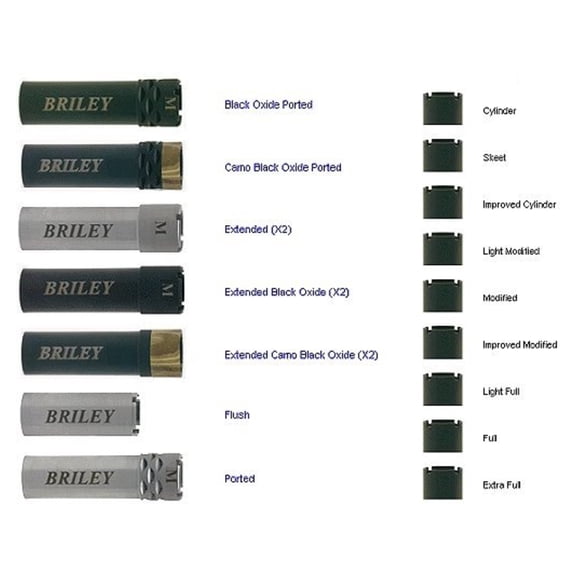
Barrels deserve close attention because your caliber, length, profile, and threading affect compatibility across your intended build. You can compare pistol parts and rifle components more accurately when you confirm chambering and platform-specific mounting details.
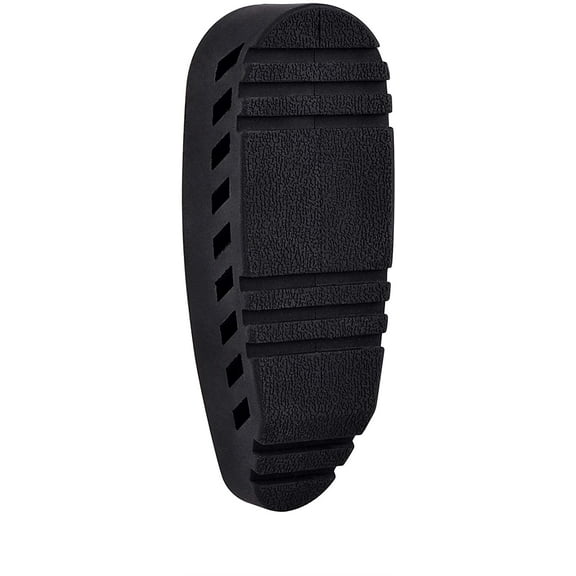
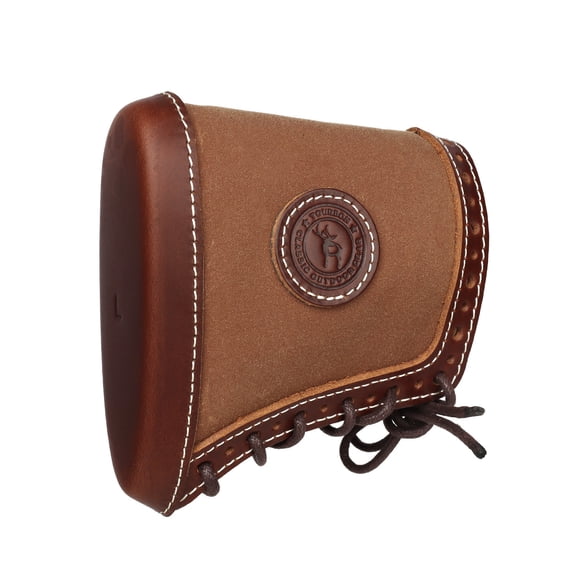
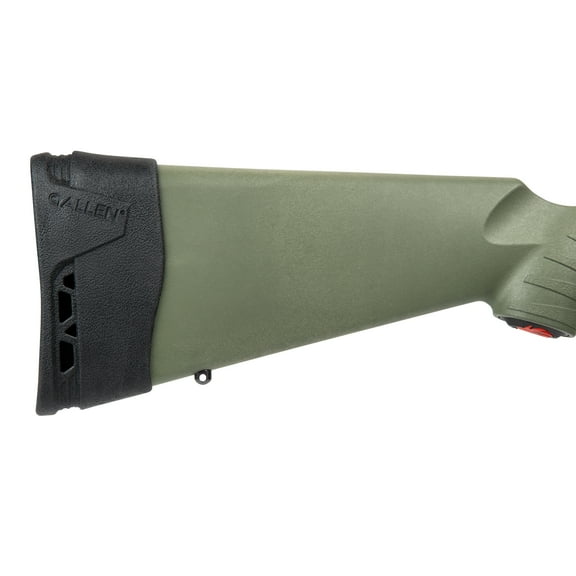
Stocks and handguards influence fit and control, so you should measure how you want your firearm to shoulder and handle. You may choose adjustable stocks for adaptable length, or free-float handguards for accessory space and a clean front-end layout.
Grips can shape your hand position and overall control, especially during longer range sessions or repeated drills. You’ll notice that angle, texture, and backstrap design matter when you want a more tailored hold.
What to look for in rifle components and pistol parts
Platform compatibility is the first checkpoint because even small spec differences can change whether your part installs correctly. You should confirm model fit, generation notes, and any mil-spec or commercial callouts before you compare finishes.
Material is another major decision because your setup may prioritize strength, lighter carry weight, or a certain feel. You’ll often see 6061-T6 aluminum in handguards and receiver-adjacent parts because it balances rigidity with manageable weight.
Steel remains common when your part needs added wear resistance or a more substantial feel during repeated use. You may prefer polymer when your build benefits from reduced weight in grips, stocks, or other handling-focused components.
Installation style helps you judge whether your project fits your skill level and your available tools. You can look for drop-in options when you want a simpler update, while more involved parts may need fitting by an experienced installer.
Build type also matters because your goal may differ from one project to the next. You might choose OEM replacements when you want original-style fit, custom gun components for personalization, or parts kits for a more complete starting point.
Matching firearm components to your use case
Your intended use can guide every decision, from material choice to component type and installation approach. You should compare tactical gun accessories and replacement firearm parts based on how your setup will actually be used.
For hunting setups, you may focus on balanced weight, practical grip texture, and stock fit that carries comfortably in the field. You’ll often want components that support steady handling without adding unnecessary bulk to your rifle.
For competitive shooting, you might prioritize faster controls, refined trigger feel, and handguards that support a repeatable support-hand position. You can also compare barrels and grips that suit consistent transitions and platform-specific tuning.
For defensive platform builds, you may look for dependable fit, straightforward installation, and controls that feel intuitive during urgent moments. You’ll benefit from confirming that each part aligns with your exact model and intended accessory setup.
If you’re refreshing an older setup, you can use replacement firearm parts to restore familiar handling and platform function. If you’re starting a custom build, you’ll likely compare rifle components and pistol parts by compatibility, weight, and finish continuity.
Key differences between materials and build styles
Aluminum parts can give your build a lighter profile, while steel components can add density where long-term wear matters most. You should compare those tradeoffs based on where the part sits and how your setup gets used.
Carbon fiber can appeal when you want lower front-end weight in selected rifle components without a bulky feel. You may prefer polymer when you want practical texture and reduced carry weight in grips or stock-related parts.
OEM replacements help you stay close to original fit and factory-style geometry across common platforms. Custom upgrades let you tune feel, appearance, and handling, while parts kits help you organize multiple build steps at once.
You can make smarter choices when you compare component type, platform fit, installation style, and material together instead of separately. You’ll end up with firearm components that align with your build plan and deliver a cleaner, more confident fit.