

Filtrete




Shop Elite Allergen



Shop Ultimate Allergen
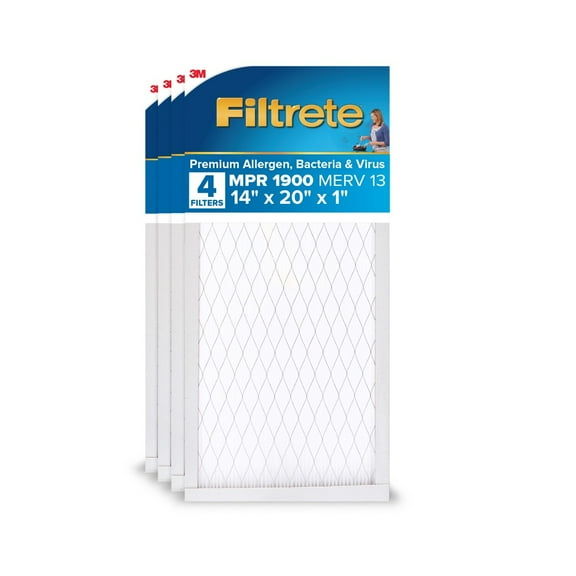

Shop Allergen Bacteria & Virus
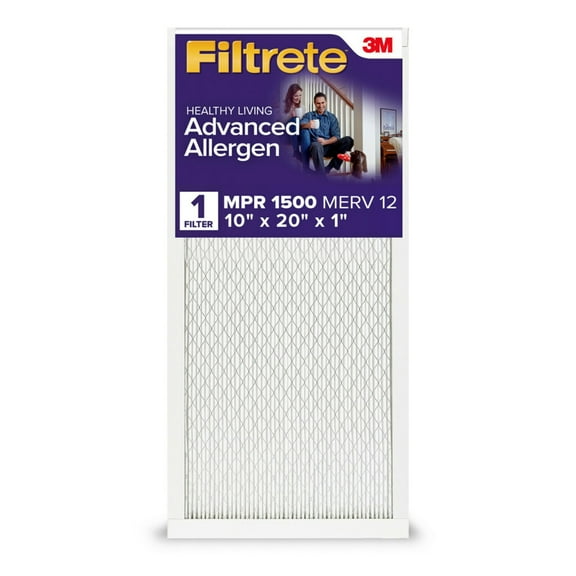
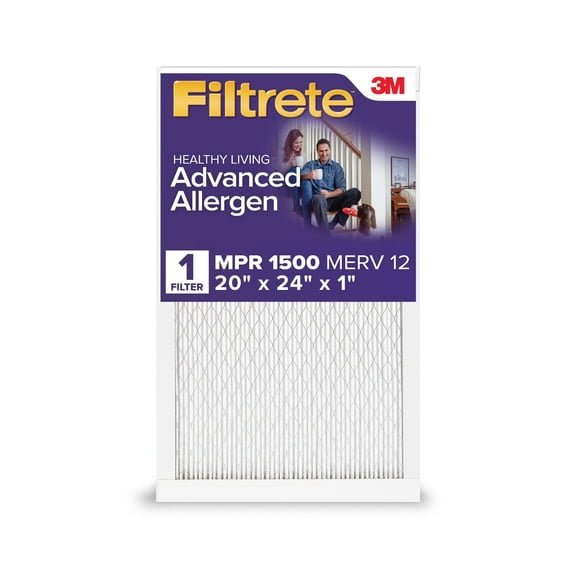



Shop Micro Particle Reduction






Shop Dust Reduction
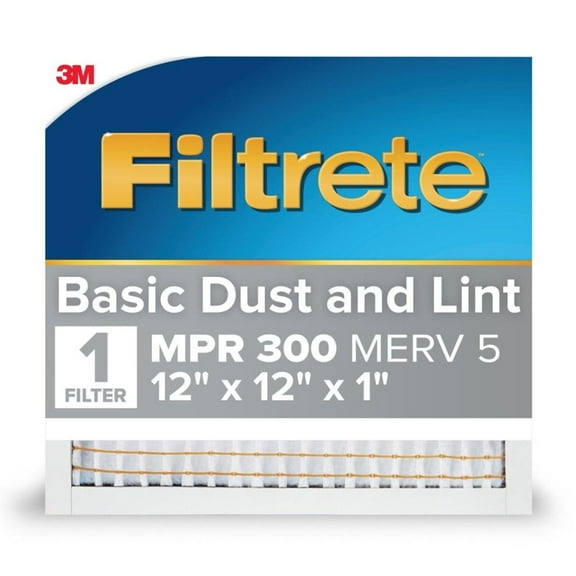
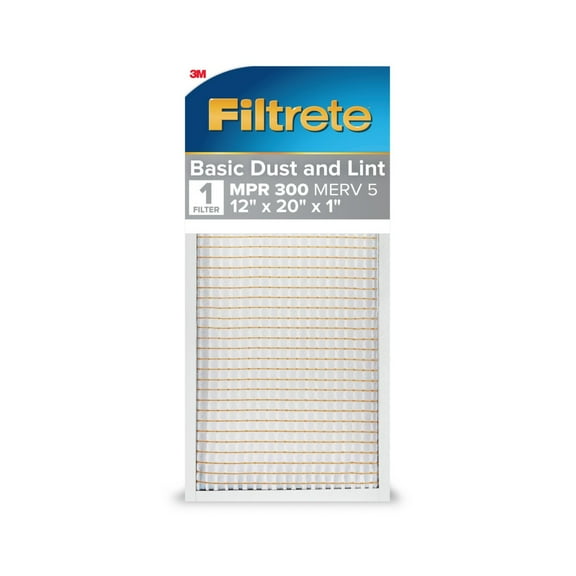
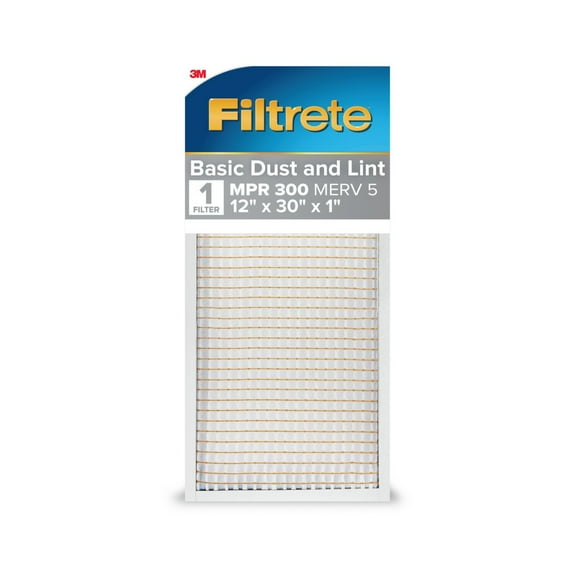

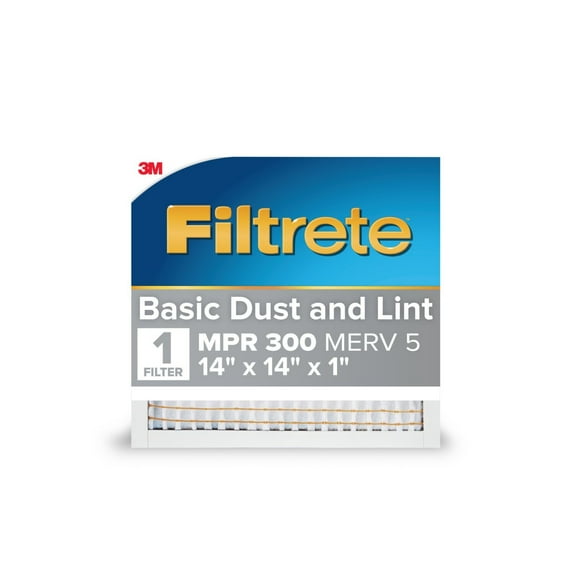
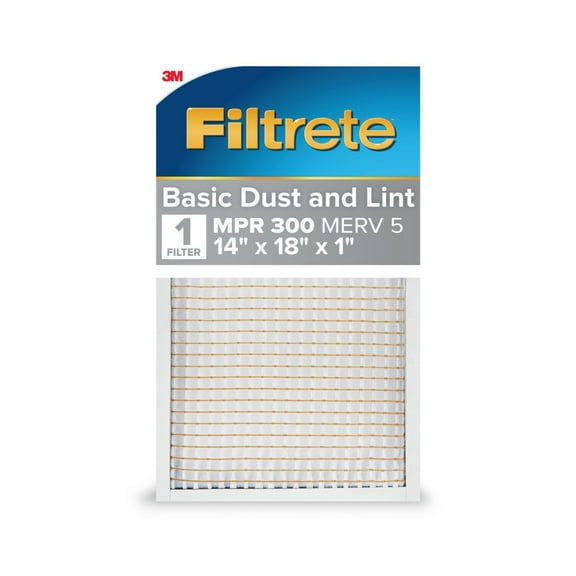




Shop Air Purification

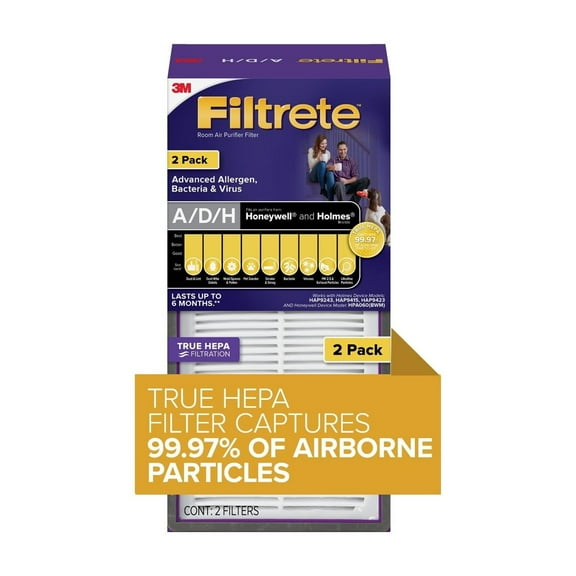

FAQ
About Filtrete - Walmart.com
Your filter choice affects fit, airflow, and routine upkeep, so this Filtrete store page helps you compare sizes, ratings, and filter types clearly. You can use this guide to narrow common HVAC options, including 12x30 sizes, furnace use, and pleated designs for everyday home systems.
How to choose a filter size that fits
You should start with the exact size printed on your current frame, because nominal and actual measurements can differ slightly. You can avoid loose edges and poor contact when your replacement matches your system's listed dimensions.
If you're comparing 12x30 and 30x12 air filter searches, you should check the order of the numbers before you buy. You may also need the depth, such as 12x30x1, because one inch matters for fit inside the slot.
You'll often see common choices like 12x30x1, 20x20x1, 16x25x1, and 14x20x1 across home systems. You can compare those sizes against your return grille or filter cabinet for a more accurate match.
- You should confirm length, width, and depth before replacing any furnace filter.
- You can use exact dimensions from the old frame instead of estimating by eye.
- You should check whether your system takes one filter or several filters.
- You can compare pack sizes when you plan routine replacements through the year.
Choosing 12x30 and 30x12 air filter options
You may search 12x30 when your system uses a tall return opening or a narrow wall grille. You should still verify whether your frame reads 12x30x1, since depth changes how the filter sits.
If your search says 30x12 air filter, you should treat it as a size-format question, not a different product type. You can match the printed dimensions on the old filter first, then compare airflow and rating options.
You'll find that accurate sizing helps your filter stay aligned during daily system use. You also get a cleaner install when the frame slides in without bending or forcing the edges.
What to look for in a 12x30x1 MERV 13 air filter
You should compare MERV and MPR ratings as a way to balance capture level and airflow. You can use MERV eight for lighter needs, while MERV 11, MERV 13, and MERV 14 raise filtration levels.
If you're considering a 12x30x1 MERV 13 air filter, you should check your system guidance first. You want a filter that supports your equipment's airflow needs while giving you finer particle capture than lower ratings.
You'll usually notice that higher ratings ask your system to push air through denser media. You should replace loaded filters on time, because buildup changes airflow and can affect day-to-day system performance.
You can use these rating differences as simple decision points when you compare options. You should think about room use, dust load, and how often your system runs each week.
Comparing pleated, electrostatic, smart, and washable filter types
You can use pleated filters when you want a common format that fits many household HVAC setups. You'll often get more surface area from pleats, which can support steadier airflow through the replacement cycle.
If you compare electrostatic designs, you should focus on how the media is built to capture airborne particles. You can pair that decision with your preferred size, rating, and replacement schedule.
You may consider a smart air filter option when you want connected tracking for replacement timing. You can also choose washable styles if your system supports them and you prefer a reusable format.
You'll want to check whether your filter is intended for a furnace, an air conditioner, or a full HVAC system. You can narrow choices faster when your application and frame size match from the start.
How pack size and replacement timing affect your routine
You can choose one-pack, two-pack, four-pack, or six-pack options based on how often you change filters. You'll keep your maintenance routine simpler when extras are ready before the next replacement date.
If you have pets, frequent system use, or heavy seasonal dust, you should inspect your filter more often. You can usually set a steadier schedule when you match pack size to your home's usage pattern.
You should also look at the frame each month for visible buildup and airflow changes. You can keep replacement timing practical when you combine visual checks with your usual calendar reminders.
Using this Filtrete store guide for everyday system decisions
You can use this Filtrete store guide to compare exact size, MERV level, filter type, and pack count in one place. You'll make a more confident choice when your filter matches your system dimensions and airflow needs.
Your home comfort depends on a filter that fits correctly, installs cleanly, and suits your equipment's routine use. You can feel more prepared when you understand 12x30 sizing, MERV differences, and replacement timing before checkout.