

Filing Products in Folders
























About Filing Products in Folders - Walmart.com
Filing products help you turn paper clutter into a clear system fast. You can sort invoices, school records, and project documents with options built for cabinets, desks, and portable files.
You may shop this category when your paperwork keeps piling up across rooms or drawers. You’ll find category choices that cover size, folder type, material, tab layout, and expansion capacity.
How to choose filing products for your space
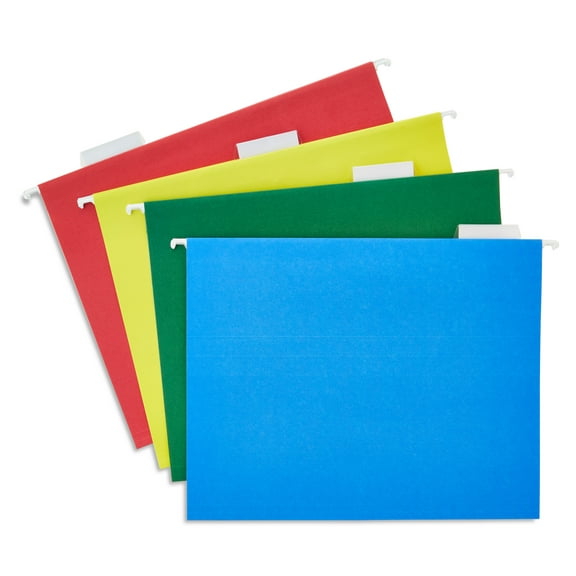
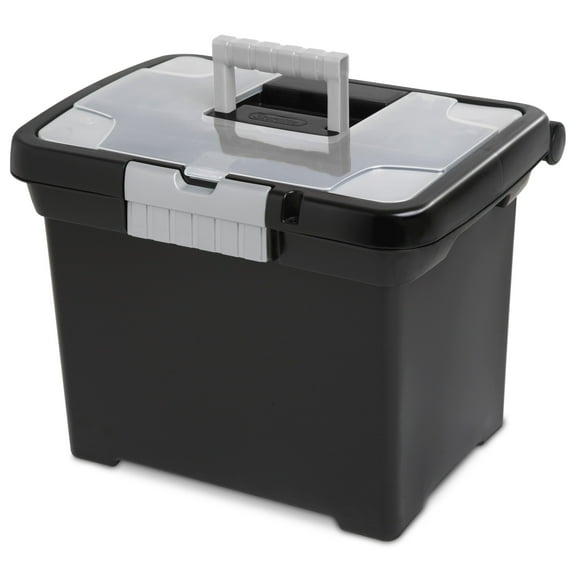
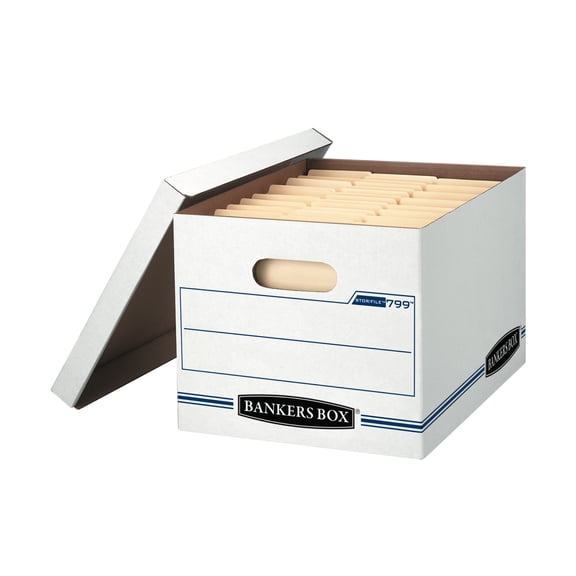
You should start by matching your filing setup to where your papers live. You’ll need hanging file folders for drawer frames, while standard file folders fit shelves, desktop sorters, and file boxes.
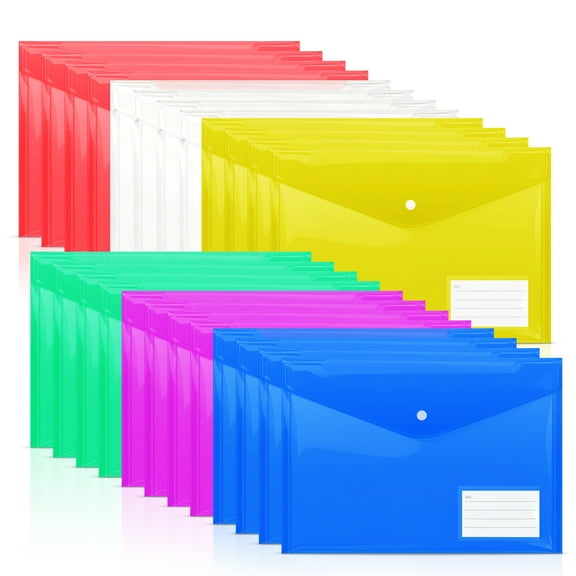
Another key choice is how often you handle each document set. You may want paperboard for routine sorting, polypropylene for wipe-clean flexibility, or pressboard for heavier stacks.
- You can separate active paperwork from archived records with folder types designed for different storage setups.
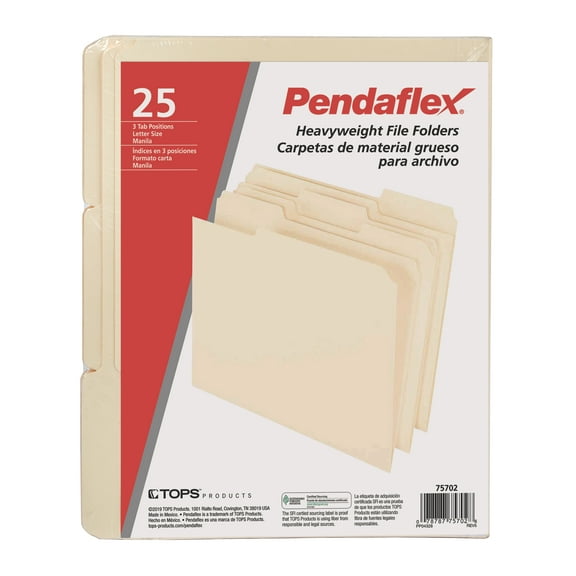
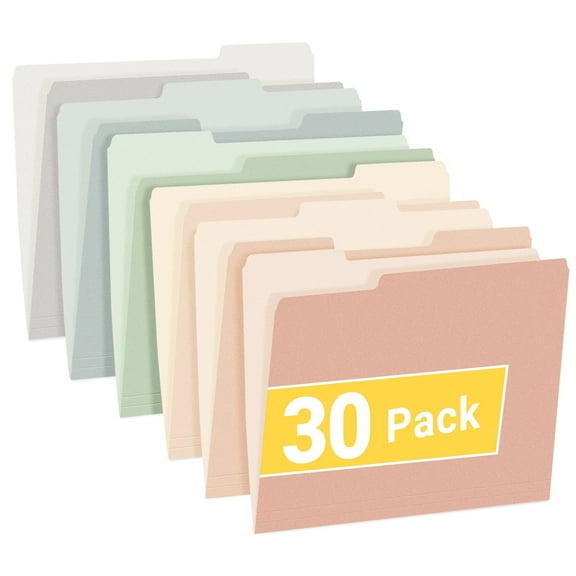
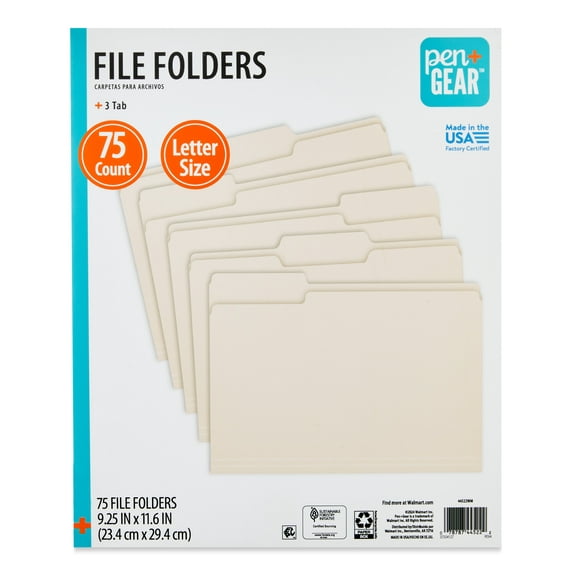
- You can keep labels easy to scan by comparing 1/3 cut, 1/5 cut, straight cut, and assorted tab positions.
- You can match expansion levels to thin daily files or thicker contract packets.
- You can choose letter size or legal size formats, so your papers fit without folding corners.
You’ll also notice that filing organization gets easier when each choice has a purpose. You can build a system that supports quick retrieval instead of crowded piles.
Choosing file folders by type and size
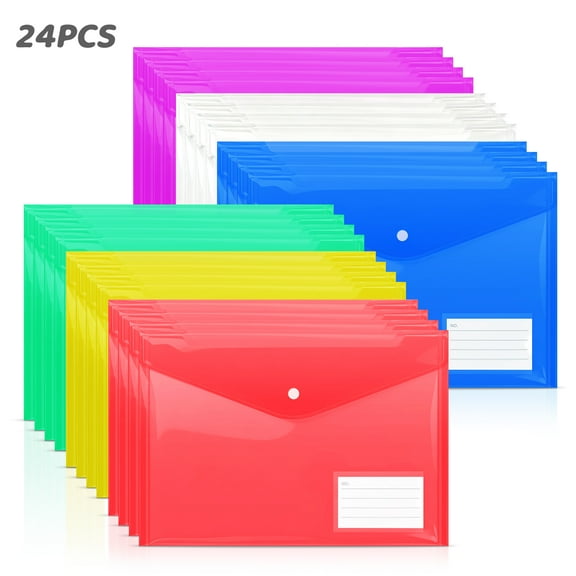
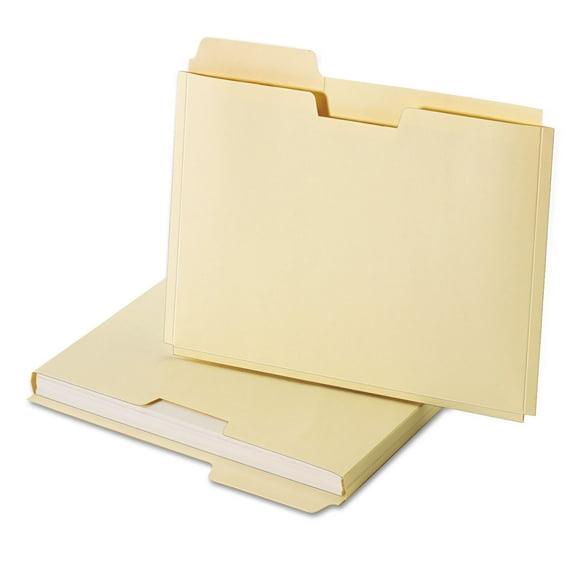
You should compare folder type first because it changes how you store and access documents. You can use manila folders for everyday categorizing, file pockets for loose sheets, and expanding files for grouped records.
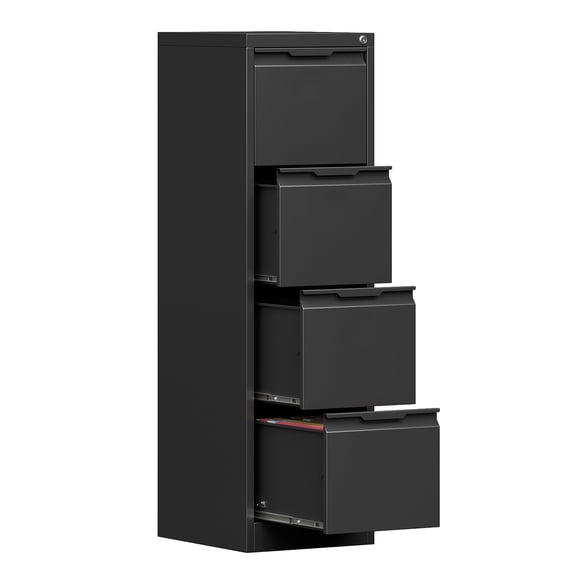
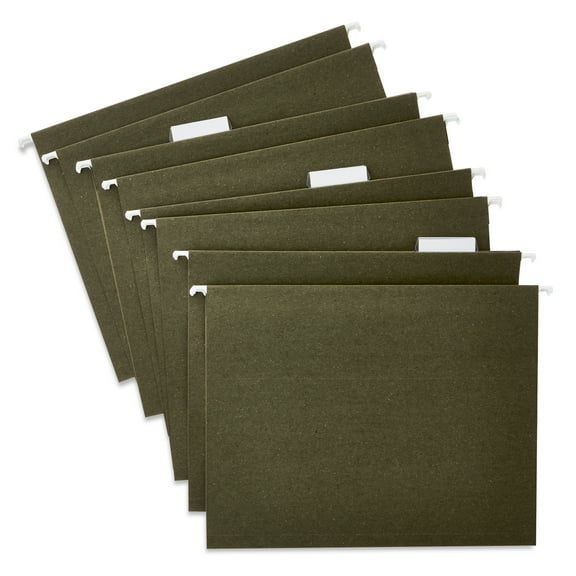
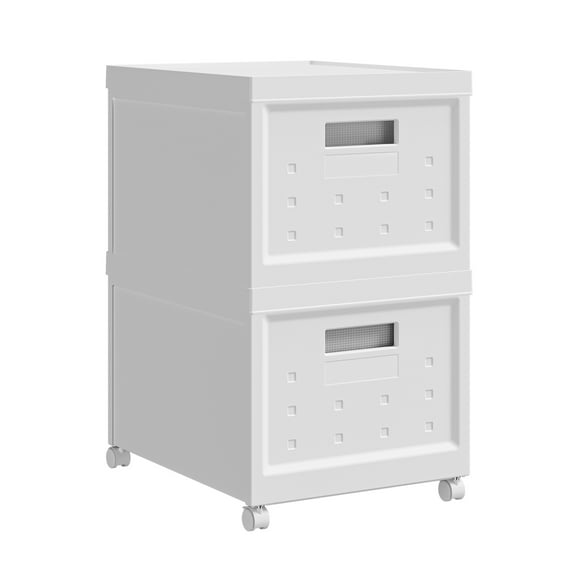
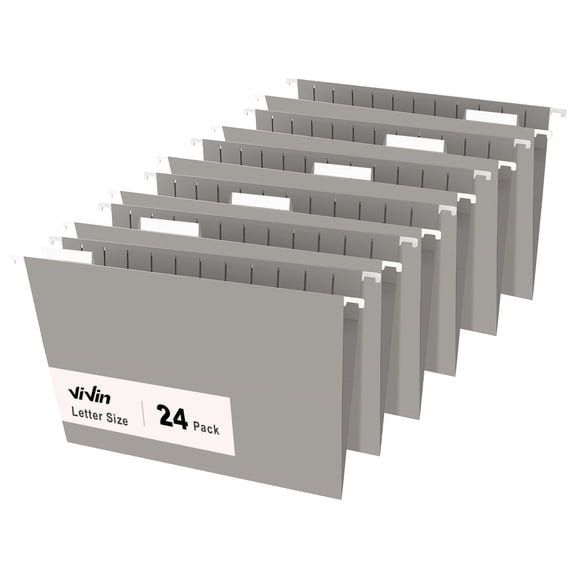
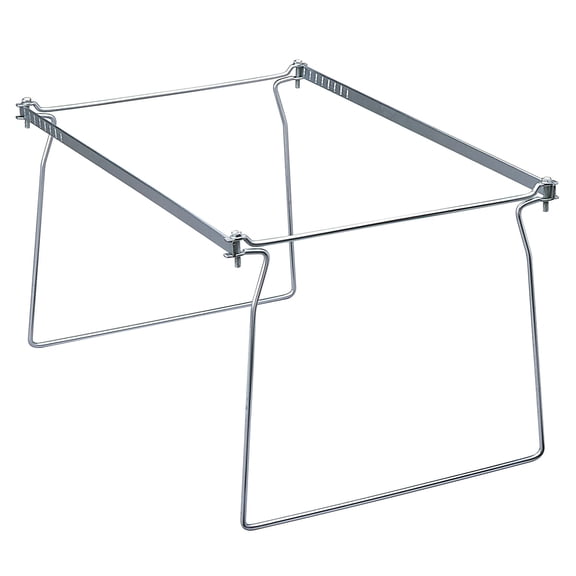
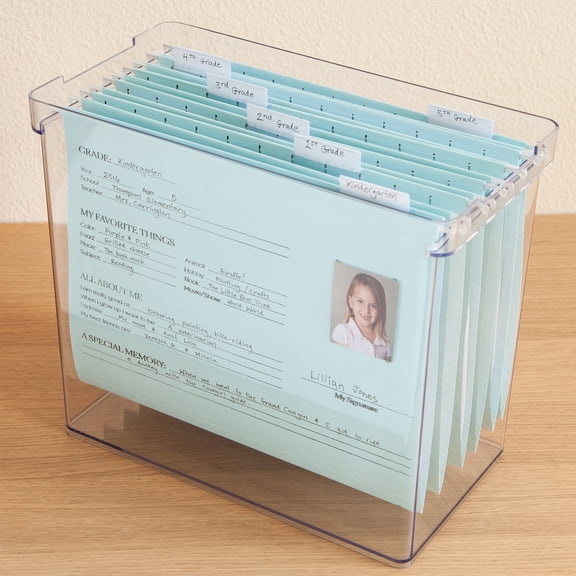
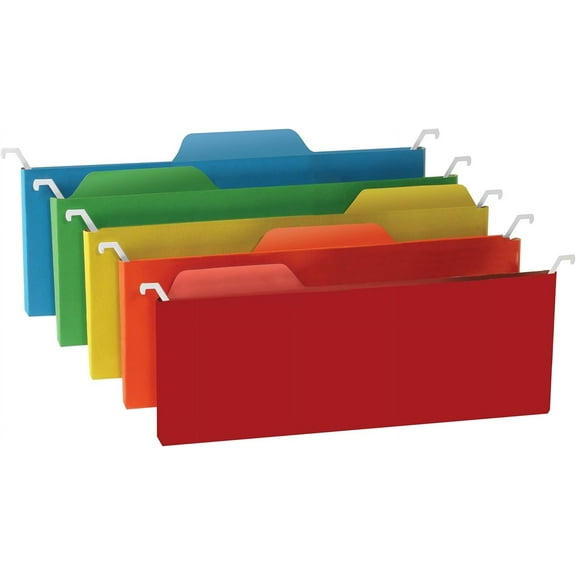
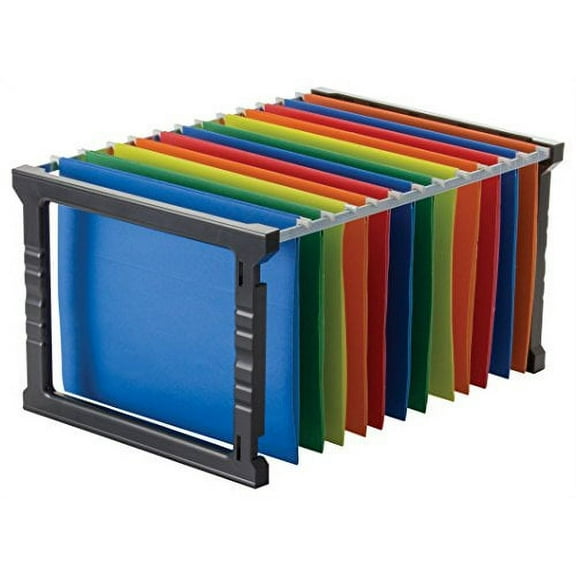
If your cabinet uses rails, you’ll want hanging folders that suspend neatly across the drawer. You can drop interior file folders inside them for subcategories like clients, months, or classes.
Size compatibility matters because letter size and legal size papers need different folder dimensions. You should measure your cabinet, file box, or shelf before choosing filing products for a tight space.
You’ll usually use letter size for standard office forms, school papers, and printed statements. You may need legal size when your contracts, property forms, or ledger sheets run longer.
What to look for in hanging file folders and materials
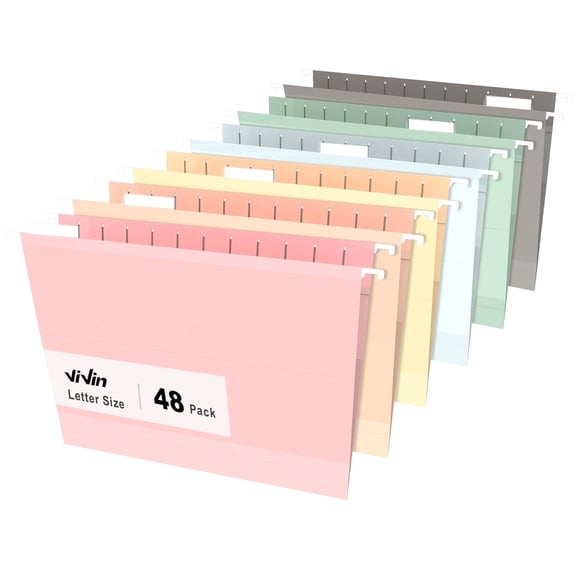
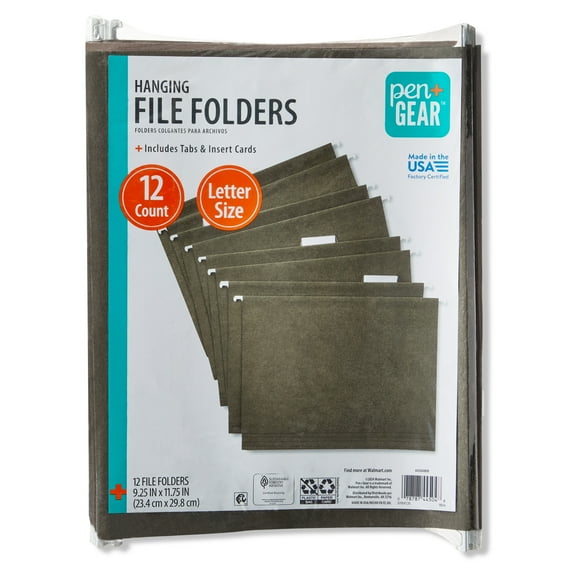
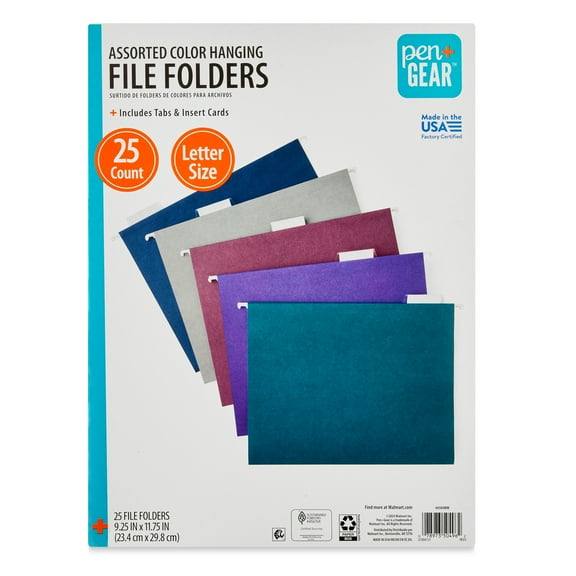
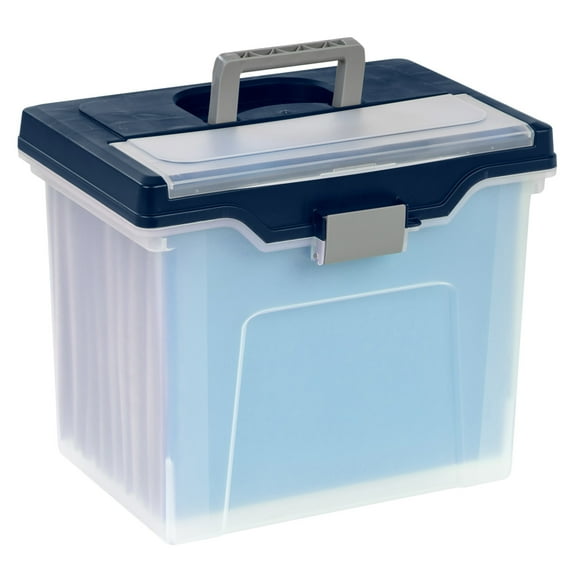
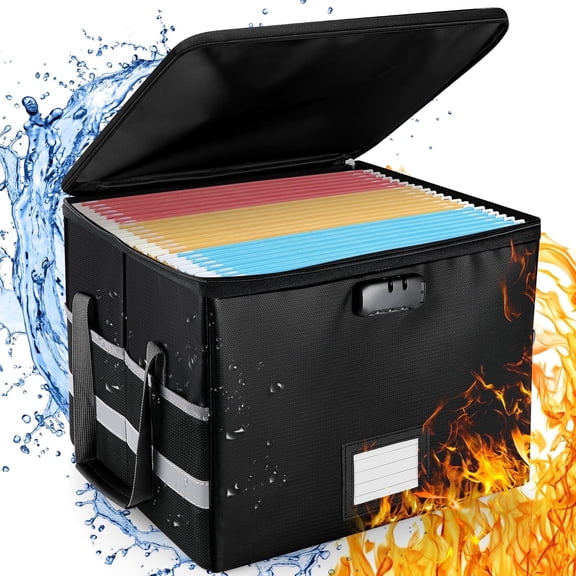
You should choose hanging file folders when your setup includes cabinet drawers or portable file frames. You’ll get a suspended structure that helps each folder slide, separate, and stay visible from tab to tab.
Material affects how your folders feel during daily use. You may prefer paperboard for lighter files, polypropylene for moisture-resistant flexibility, or pressboard when your stacks feel dense and frequent.
You’ll often notice polypropylene works well when your folders move between desks, meetings, and storage bins. You can count on pressboard when your documents need firmer sides and stronger fastener support.
Expansion capacity also changes how a folder performs once papers build up over time. You can choose 1 inch for lighter sets, 2 inch for moderate stacks, or 3.5 inch and box bottom styles for bulkier files.
Understanding tabs and filing organization
You should treat tab layout as a visibility tool, not a minor detail. You can label faster and scan rows more easily when the tab pattern matches your filing organization method.
A 1/3 cut tab gives you three label positions across the top edge. You may like that format when your drawers hold broad categories and you want clear spacing.
A 1/5 cut tab gives you five positions, which helps when you file many narrow categories side by side. You can use straight cut tabs when your inserts need a full-width label area.
Assorted tabs help you stagger labels, so fewer titles hide behind each other in a packed drawer. You’ll spend less time shifting folders when each heading stays visible at a glance.
How filing products fit real routines
You may need office filing supplies for home taxes, household records, and appliance paperwork. You can use file pockets for receipts, expanding files for annual records, and legal folders for longer forms.
At work, you might sort client packets, invoices, onboarding papers, or vendor agreements by department. You can pair hanging file folders with interior manila folders to create a simple nested system.
For school or study spaces, you may separate subjects, semesters, and handouts by color or tab position. You’ll keep syllabi, worksheets, and graded papers easier to track during a busy term.
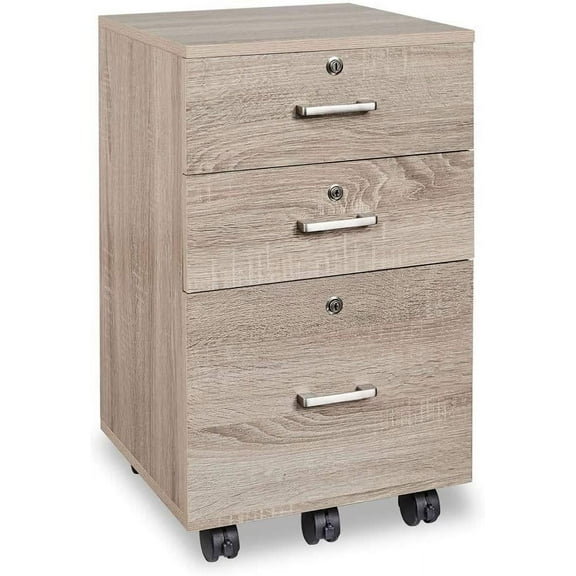
If you manage a shared office, you should compare drawer width, file volume, and label style before you restock. You can keep your workflow smoother when every folder matches the cabinet and document size.
You’ll get stronger results when your filing products match your storage format, paper size, and handling frequency. You can create a cleaner system that keeps everyday documents visible, sorted, and easier to retrieve.