


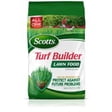

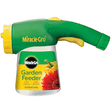



Fertilizers for Lawn Care and Garden Plants

















About Fertilizers for Lawn Care and Garden Plants - Walmart.com
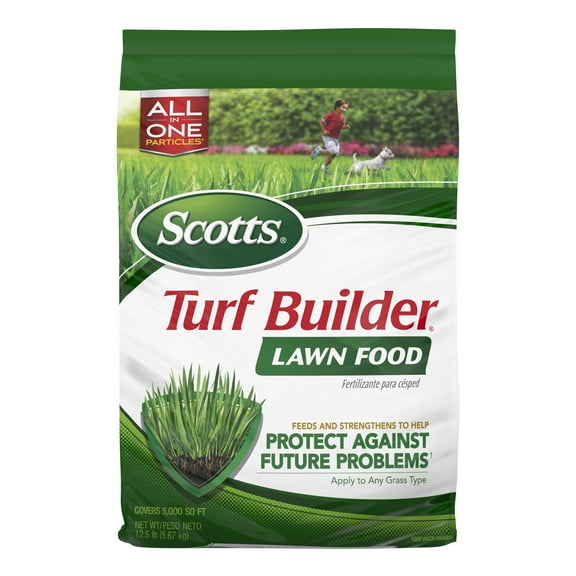
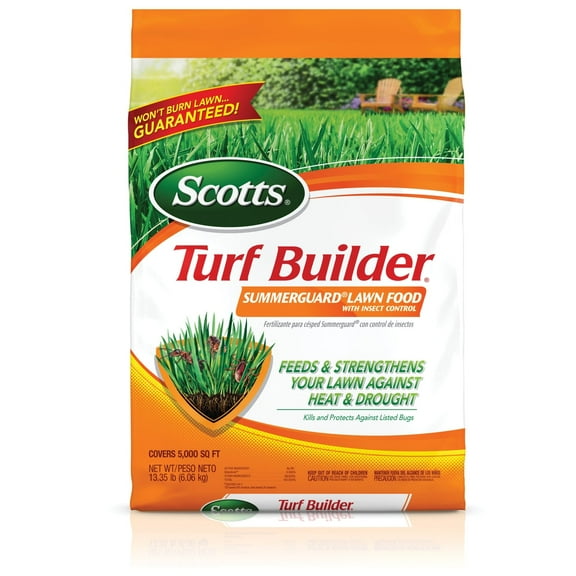
Lawn fertilizer helps you build thicker color, steadier growth, and stronger seasonal performance across your yard. You can compare formulas by grass type, application method, and timing, so your lawn care plan feels clearer.
Choosing the right lawn fertilizer for your grass type
Your grass species should guide your choice before you compare any bag, bottle, or spike. You’ll want fertilizer for grass that matches Bermuda, Fescue, St. Augustine, or Kentucky Bluegrass growth habits.
If you grow Bermuda, you may look for stronger nitrogen support during active warm-weather growth. If your yard has Fescue, you may prefer a formula that fits cooler-season feeding schedules.
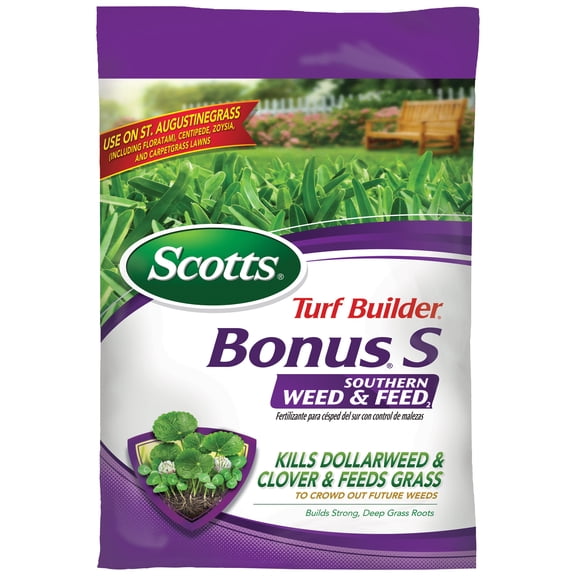
St. Augustine lawns often need options labeled for that dense, spreading growth pattern. Kentucky Bluegrass lawns usually respond well when you match feeding timing to spring and fall growth.
You can narrow your options faster when you check the label for grass compatibility first. You can avoid guesswork and choose a formula that fits your lawn’s actual growing cycle.
Comparing fertilizer types and formula goals
You usually choose between granular, liquid, and spikes based on how you want to apply nutrients. You can use spreaders with granular products, while liquid lawn fertilizer works well with spray applications.
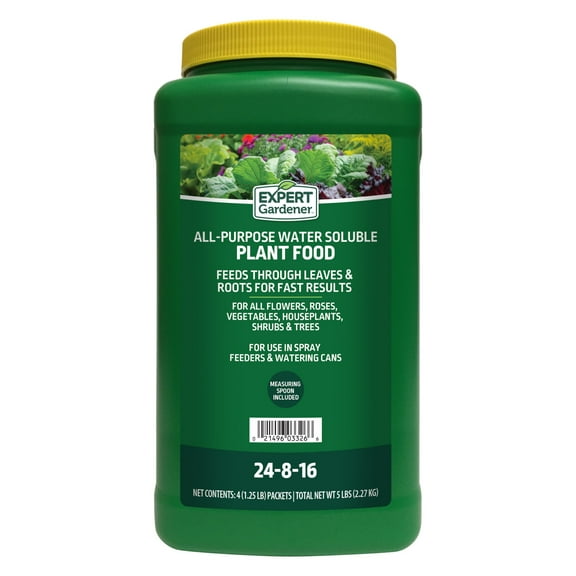
Granular formulas can help you cover broad yard areas with even distribution. Liquid lawn fertilizer may suit spot-focused routines when you want quick, visible coverage across thinner sections.
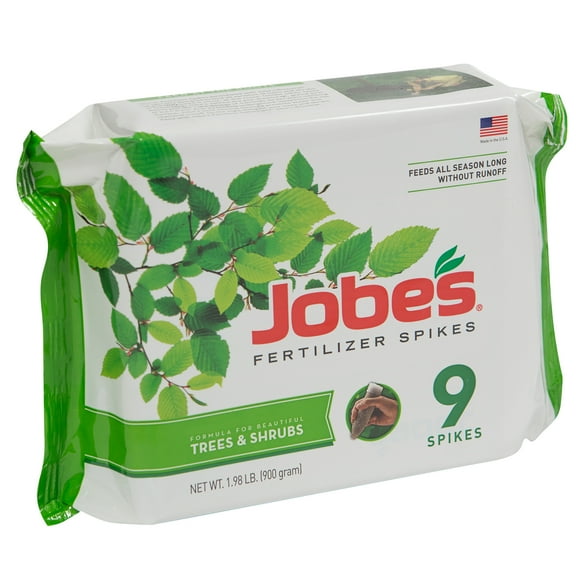
Spikes can make sense when you prefer a simple placement method in smaller lawn areas. You may like them when your layout includes narrow strips or sections around landscaping edges.
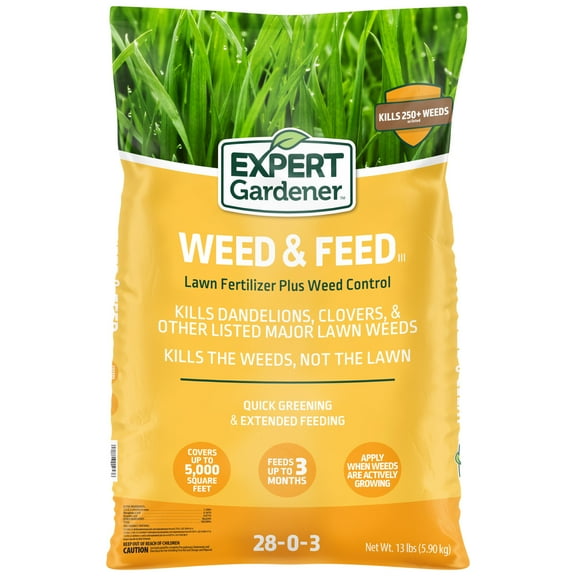
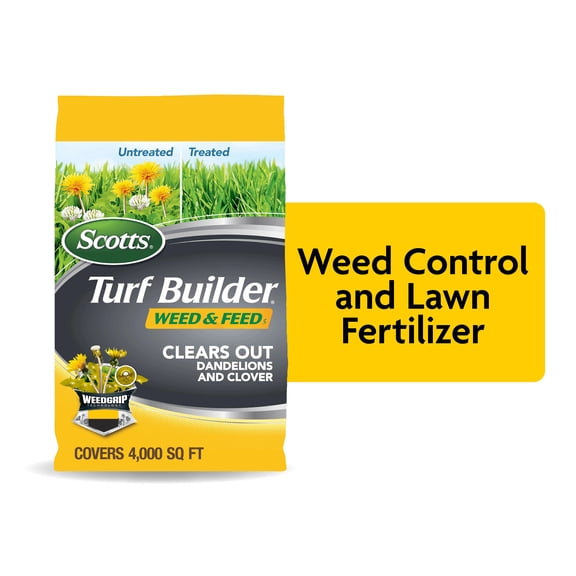
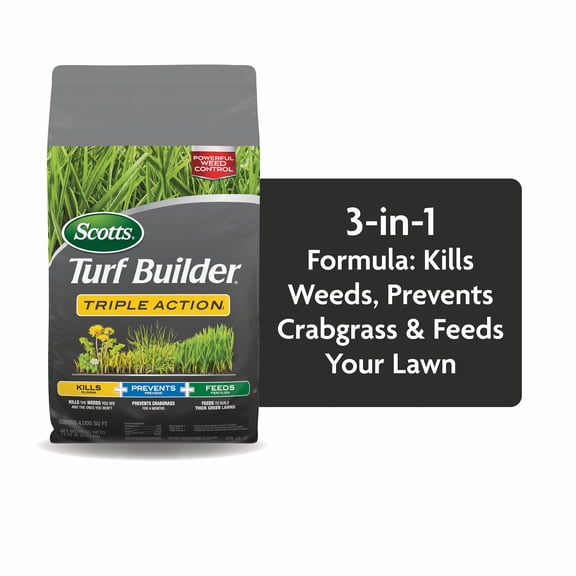
- You can use weed and feed fertilizer when you want feeding and weed control in one routine.
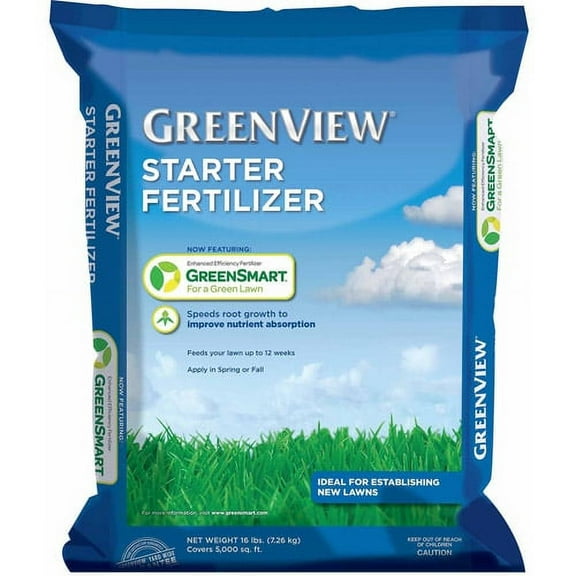
- You can choose lawn starter formulas when your new seed or sod needs early root-focused support.
- You can look for crabgrass preventer options when your seasonal plan starts before summer weeds emerge.
- You can pick winterizer formulas for late-season feeding before cooler weather slows growth.
Your formula goal matters as much as the delivery type you choose. This helps you get a more useful match when your fertilizer lines up with seeding, weed control, or fall feeding.
Understanding N-P-K ratios and timing for lawn fertilizer
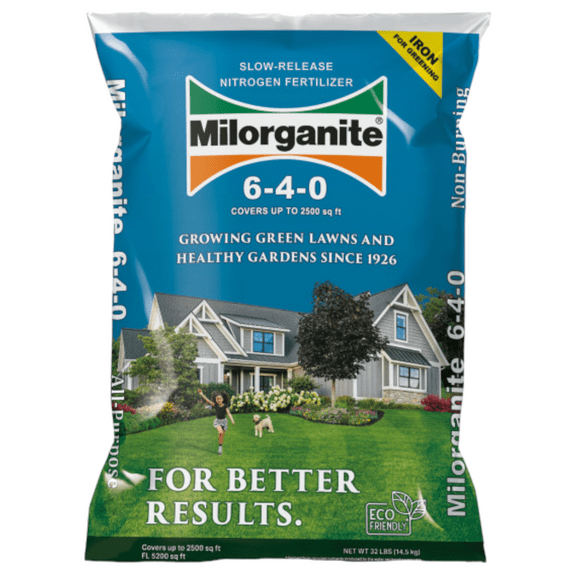
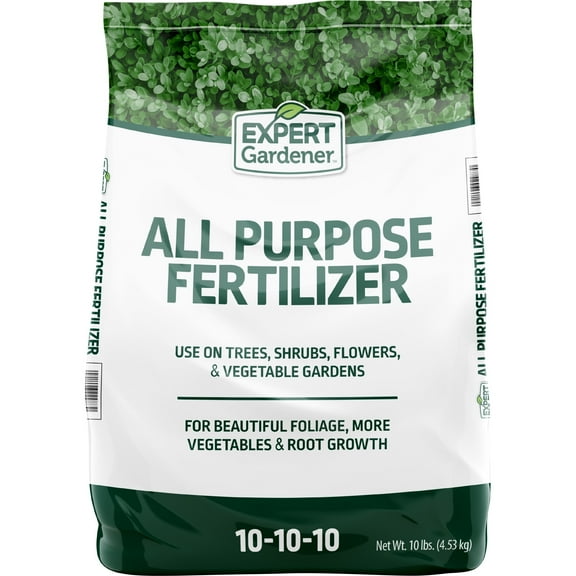
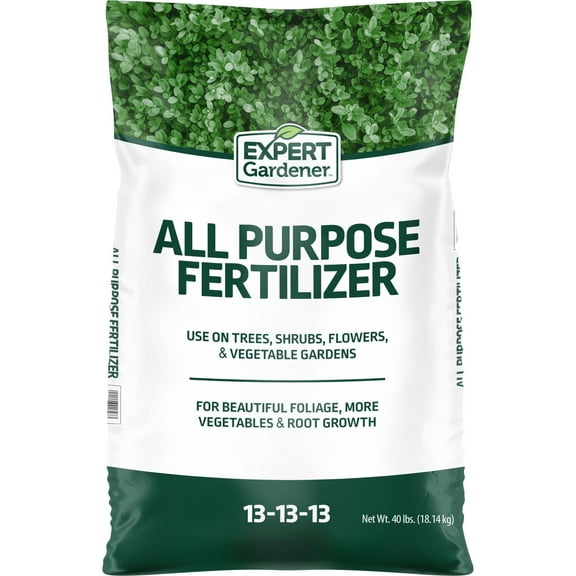
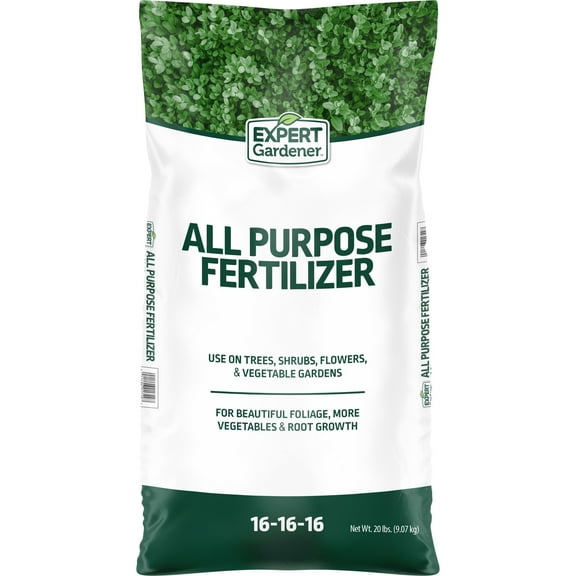
You often see three numbers on lawn fertilizer labels, and those numbers shape your feeding plan. You can read N-P-K as nitrogen, phosphorus, and potassium in the formula.
Nitrogen supports green growth, so you may notice it matters significantly for color and leaf development. Phosphorus supports root growth, which can matter when you’re starting a new lawn.
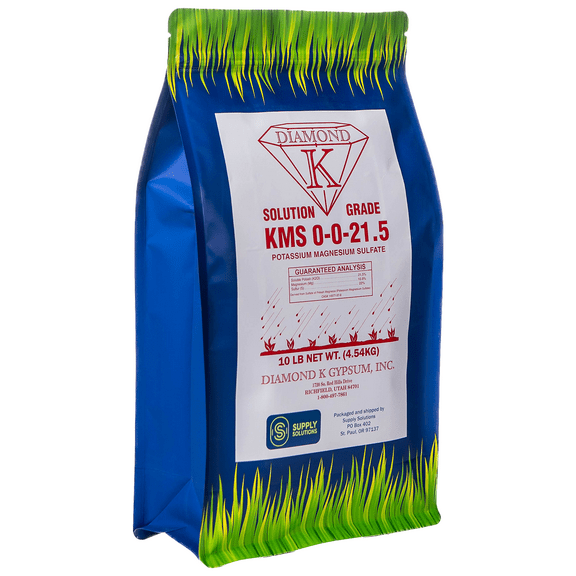
Potassium supports overall plant strength through seasonal stress and changing weather patterns. You can use those three numbers to compare spring lawn fertilizer and fall lawn fertilizer options.
If you’re feeding in spring, you may look for formulas that support active growth and early color. If you’re feeding in fall, you may prefer a slower, steadier option for late-season root support.
You can also compare slow-release, synthetic, and organic lawn fertilizer formulas by timing expectations. Slow-release options may fit longer feeding windows, while liquid forms may fit shorter, targeted routines.
Your schedule should match your grass type and your local growing season. This helps you make cleaner decisions when you compare labels by season instead of choosing one formula for every month.
Checking composition, application method, and household needs
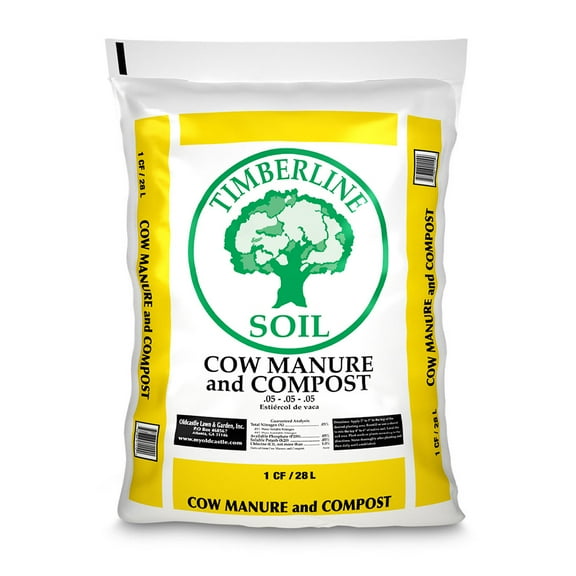
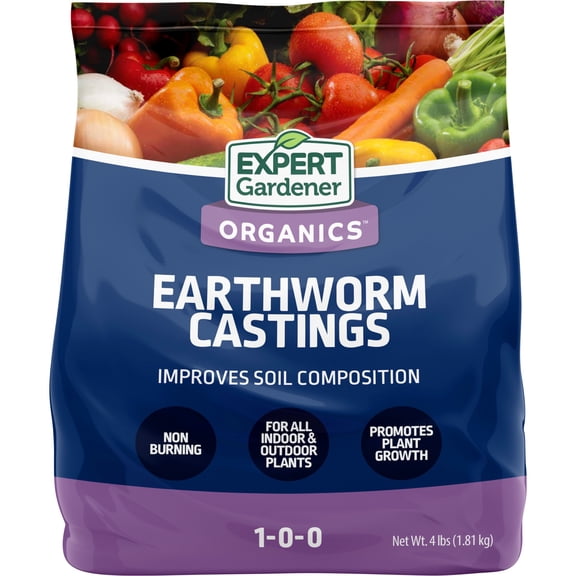
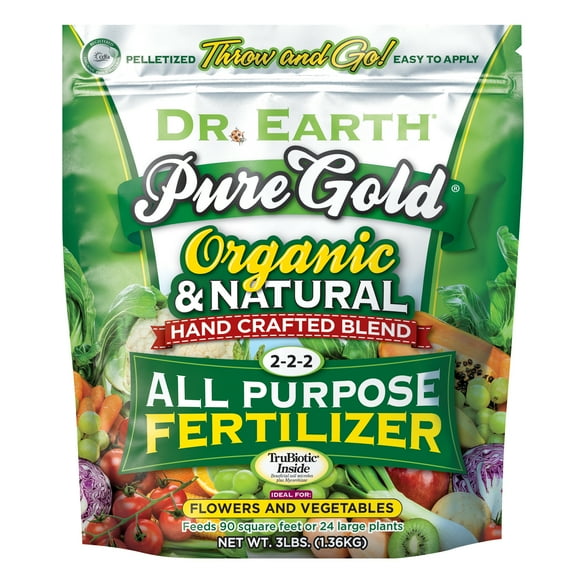
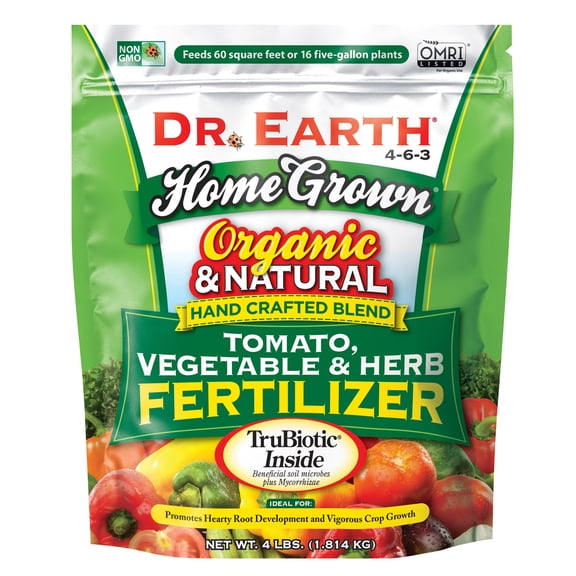
You may compare organic lawn fertilizer, synthetic formulas, and slow-release blends based on your routine. You can choose the composition that fits how often you want to apply and monitor your lawn.
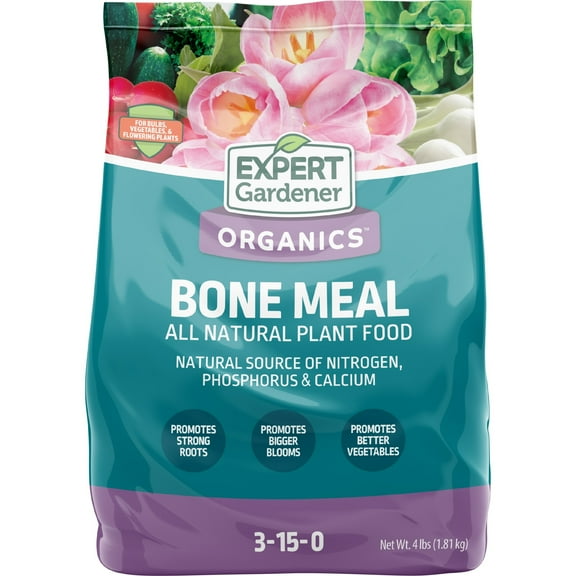
Organic lawn fertilizer may appeal to you when you want ingredients from natural sources. Synthetic formulas may appeal to you when you want precise nutrient percentages on the label.
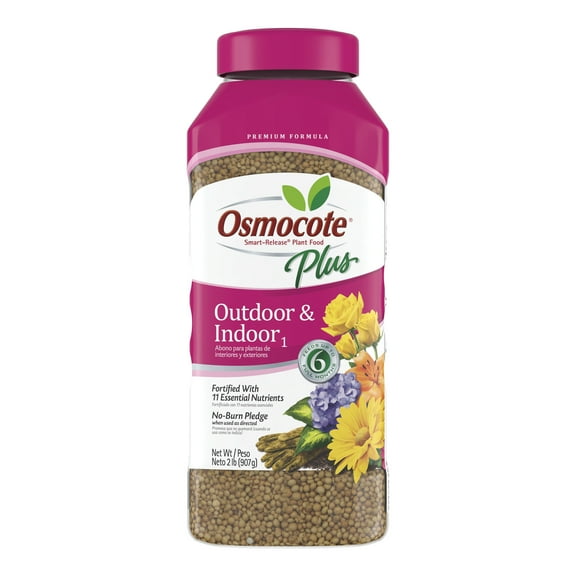
Slow-release blends can help you plan fewer feeding sessions across the season. You can check whether your spreader or sprayer matches the product format before you start.
If you use a spreader, you’ll likely compare granular products for even yard coverage. If you use a spray attachment, you may focus on liquid options that mix and apply cleanly.
You may also want clear label directions for lawns used by kids and pets. You can check the package for application timing and reentry guidance that fits your household routine.
Your comfort level often improves when the instructions feel direct and easy to follow. A clear label helps you plan watering, mowing, and yard use with less confusion.
Matching lawn fertilizer to real yard scenarios
If you’re starting fresh seed, you may look for lawn starter formulas with root-focused nutrients. You can pair that choice with your grass type for a more targeted feeding plan.
If your lawn shows thin spring color, you may compare spring lawn fertilizer with higher nitrogen support. You’ll often use that approach when established grass needs a greener start.
If your yard also struggles with broadleaf weeds, weed and feed fertilizer may fit your maintenance routine. You can simplify your schedule when feeding and weed control happen together.
If you maintain cool-season grass, you may focus on fall lawn fertilizer before winter dormancy begins. You can also compare winterizer weed and feed formulas for late-season lawn care goals.
For smaller sections, liquid lawn fertilizer may suit quick touch-ups around patches and edges. For larger backyards, granular formats may feel easier when you want broad, consistent coverage.
You can make informed choices when you match fertilizer type, formula goal, and grass compatibility together. Your lawn care plan feels more precise when the label matches your season, spreader, and yard use.
Your yard can get more consistent results when your lawn fertilizer matches your grass type, season, and application style. You can move forward with clearer label knowledge, clearer timing, and a plan that fits your lawn.