


Ferrets in Pets







































About Ferrets in Pets - Walmart.com
Ferret supplies help you build a cleaner, safer, and more engaging setup for your curious pet. You can compare cages, food, toys, litter, bedding, and harnesses in one place. If you're setting up a new habitat or replacing daily essentials, you can focus on items made for tunneling, climbing, burrowing, and frequent play.
You may need products that match how ferrets sleep, eat, and explore throughout the day. You can use this guide to compare key choices, including cage size, protein levels, bedding materials, and toy durability.
How to choose ferret supplies by product type
When you shop ferret supplies, you can start with the basics your pet uses every day. You may want a cage, ferret food, litter, bedding, toys, treats, and travel-ready accessories.
Your daily routine often gets easier when each item fits a specific purpose. You can use litter for odor control, bedding for nesting comfort, and toys for climbing, chasing, and hiding.
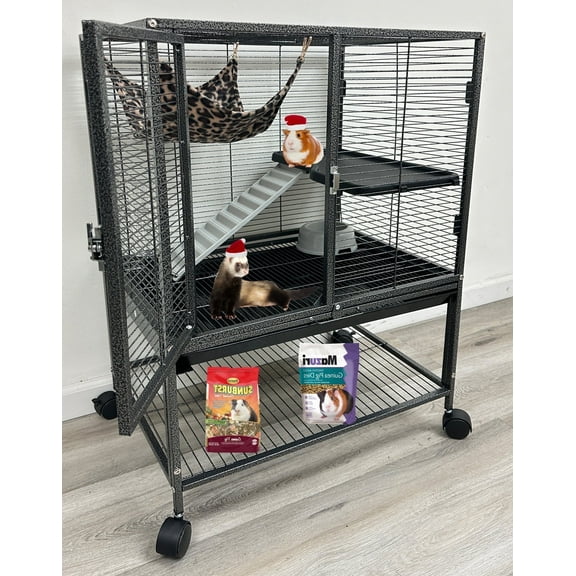
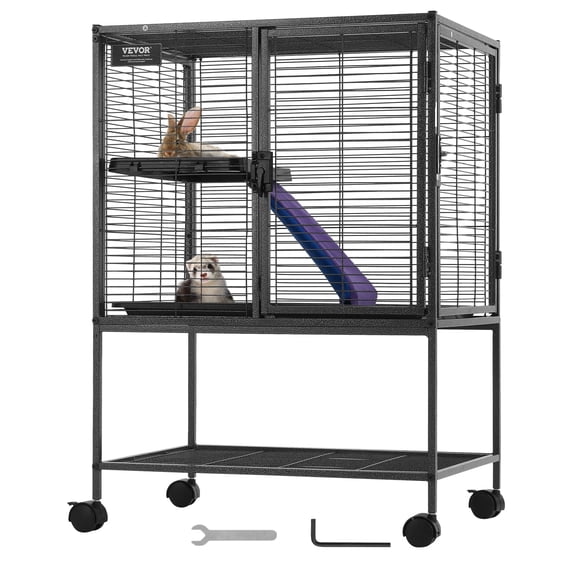
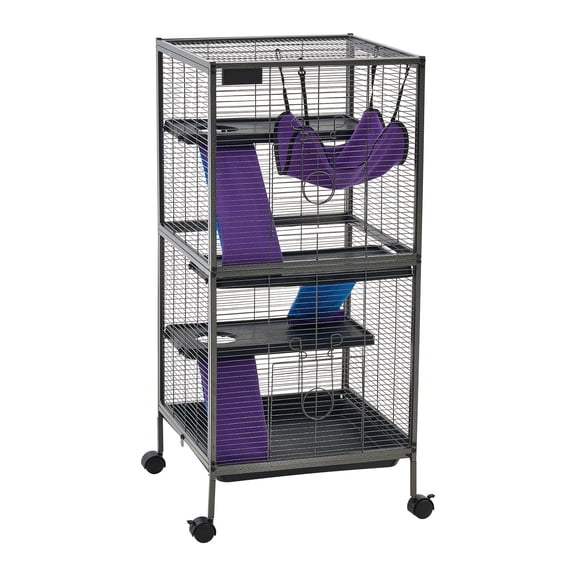
- You can choose cages with ramps, shelves, and secure doors for active movement.
- You can compare ferret food formulas with higher protein and fat levels.
- You can look for ferret toys made from durable fabrics and sturdy tunnels.
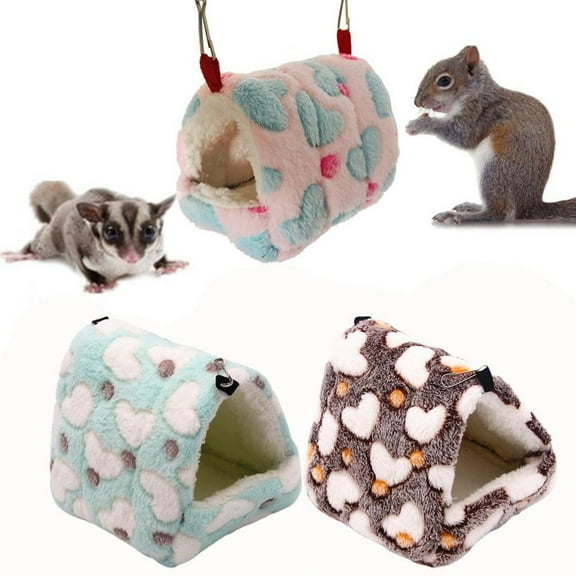
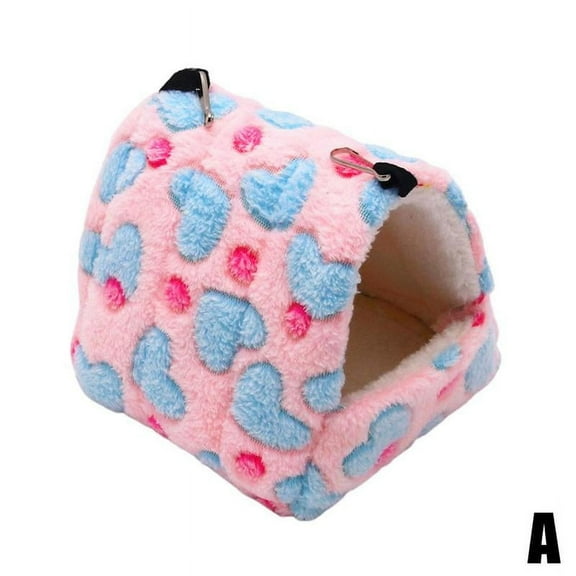
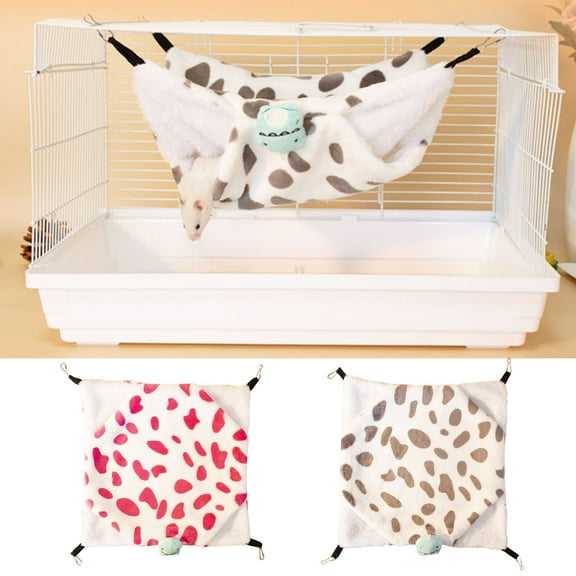
- You can pick ferret bedding like paper bedding, fleece liners, or a ferret hammock.
- You can add harnesses and accessories when you want more controlled outdoor time.
Your setup works well when these pieces support your ferret's fast, playful behavior. You can avoid guesswork by choosing products designed for narrow bodies, climbing habits, and frequent naps.
Choosing the right ferret cages
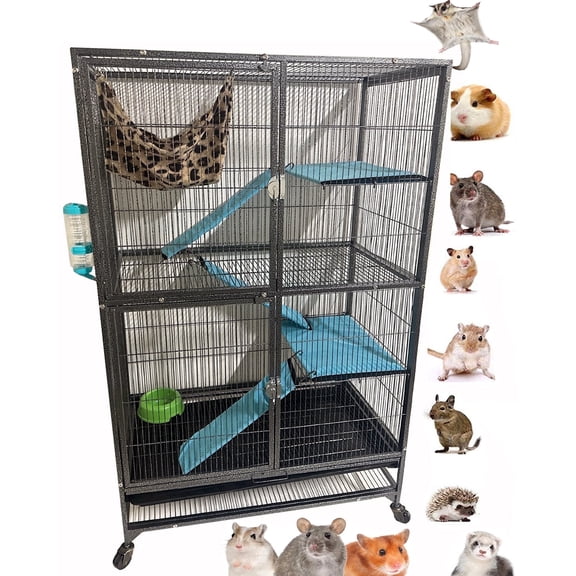
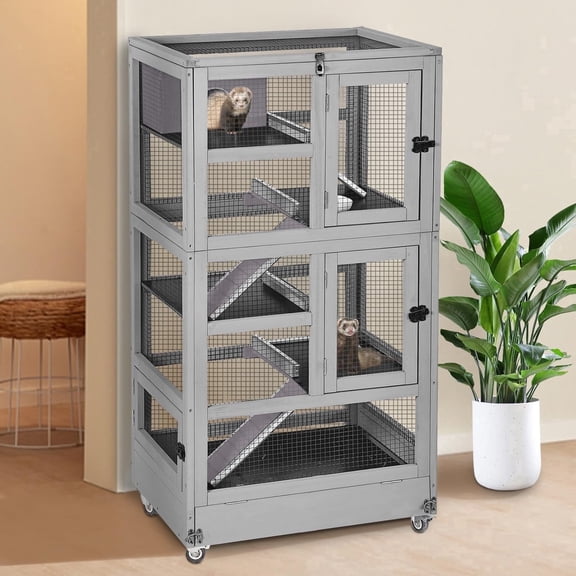
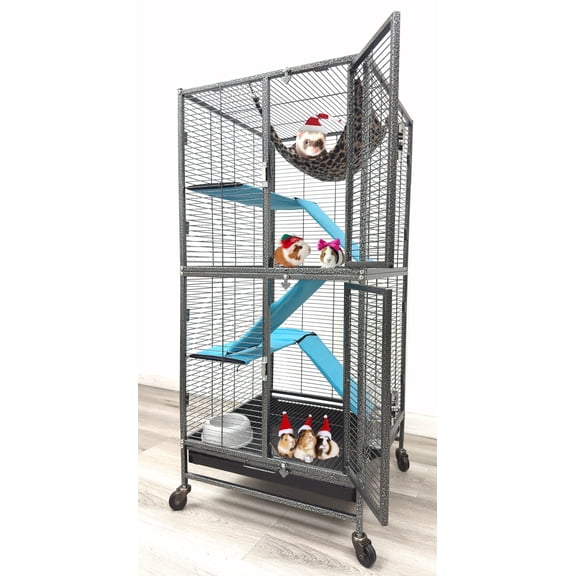
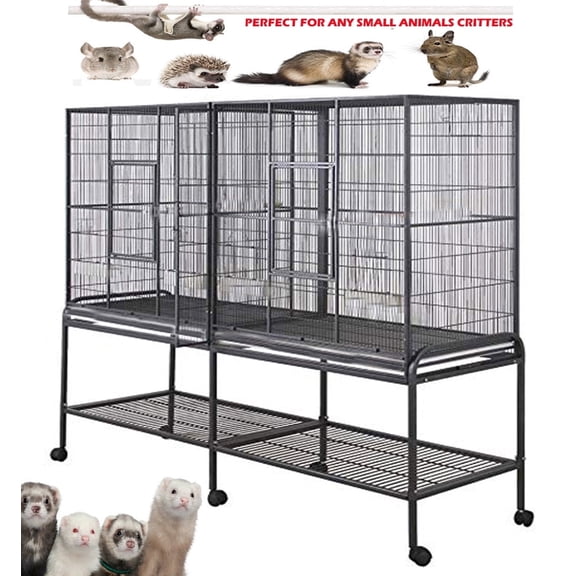
You should compare ferret cages by floor space, height, and layout before anything else. Your ferret usually benefits from room to climb, stretch, and move between sleeping and feeding zones.
If you're comparing single level, multi-level, and double unit designs, you should match the cage to your available space. You may prefer multi-level layouts when you want separate zones for litter, food, and rest.
You also need to check bar spacing, because that detail matters for escape prevention. You should look for spacing of one-half inch or less, since slim ferrets can squeeze through wider gaps.
Your cleaning routine may feel simpler with wide doors, removable trays, and easy-access shelves. You can also look for sturdy platforms and ramps that support daily climbing without wobbling.
Comparing ferret food and treats
When you choose ferret food, you should focus on formulas made for carnivorous needs. You can compare high-protein kibble, freeze-dried raw options, and ferret treats by ingredient balance and feeding style.
Your label check matters here, because ferrets need richer animal-based nutrition than many small pets. You should look for more than 35% protein, more than 20% fat, and lower fiber or carbohydrate content.
If you want a simple daily option, you may prefer kibble for routine feeding and storage. If you want variety, you can use freeze-dried raw styles or treats alongside your main food plan.
Your feeding area also stays tidier when bowls, storage, and portion sizes fit your routine. You can keep meals consistent while still offering treats during training, play, or bonding time.
Picking ferret bedding and litter materials
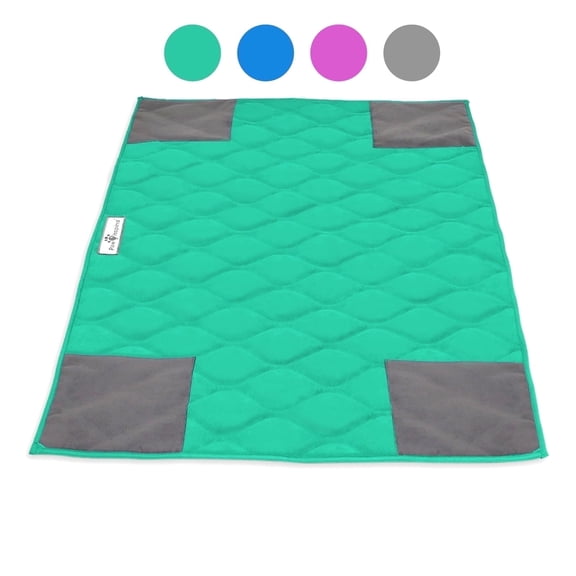
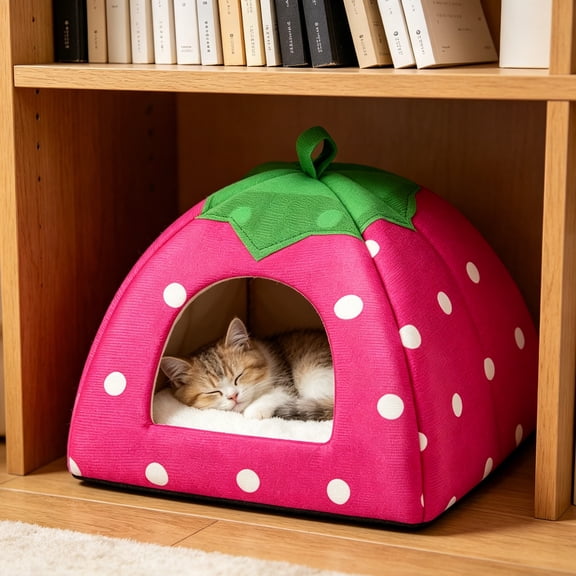
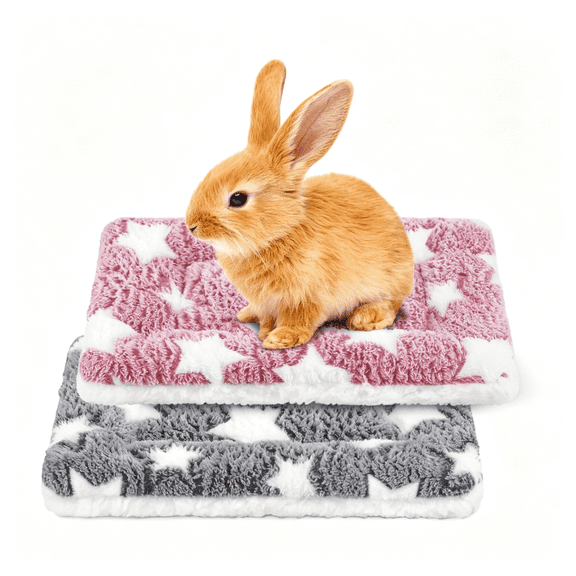
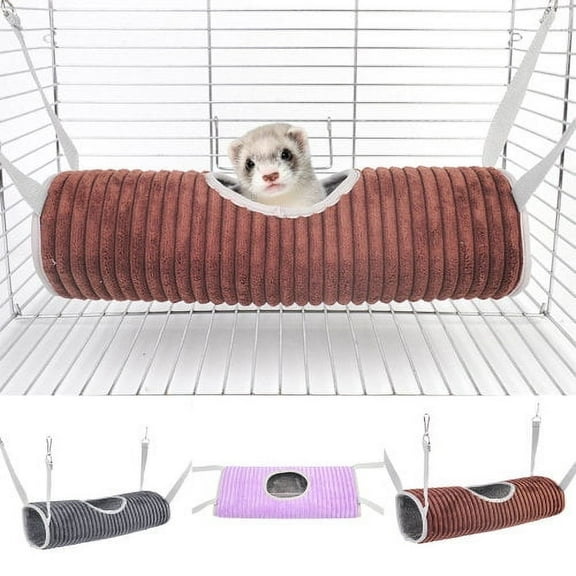
You should compare ferret bedding by softness, cleanup needs, and how it fits sleeping habits. You can choose paper bedding for easy refreshes, fleece liners for reuse, or hammocks for elevated lounging.
Your ferret may use several sleep spots in one habitat, especially in multi-level cages. You can mix liners on platforms with a hammock above and loose bedding in a hide area.
When you choose litter, you should look for materials that keep the corner area manageable and easy to refresh. You can also favor bedding materials that stay comfortable during frequent burrowing and nesting.
Your selection matters because some wood shavings aren't suited to enclosed ferret spaces. You should skip cedar and pine shavings, and choose paper or fabric-based options that fit indoor habitat use.
Finding durable ferret toys and accessories
Ferret toys work well when they support chasing, tunneling, hiding, and batting behavior. You can look for tunnels, crinkle items, hanging toys, and interactive pieces that keep play varied.
Your toy choice should also reflect how ferrets chew and investigate with their mouths. You can compare fabric strength, stitching, and overall construction before you add new play items.
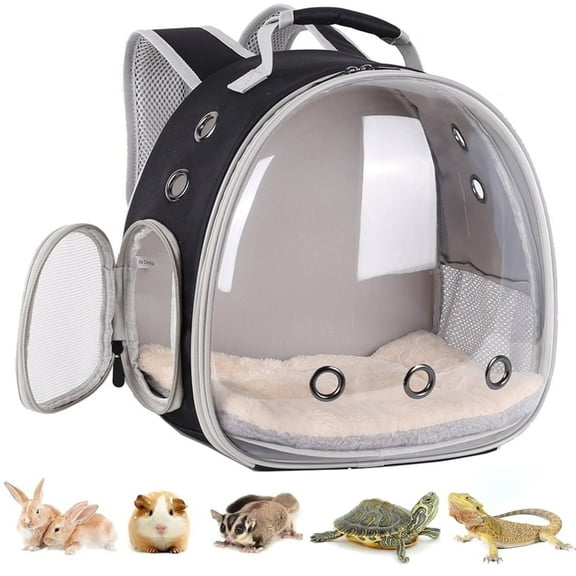
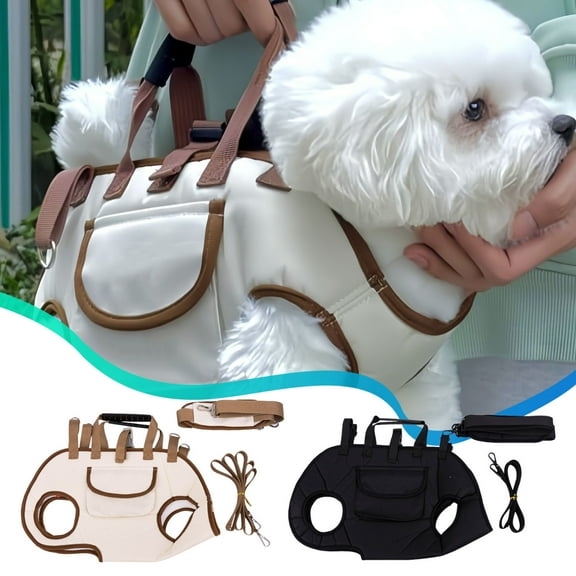
If you want travel or supervised outdoor time, you may consider ferret accessories like a harness. You should check fit points and closures so your harness feels secure during short outings.
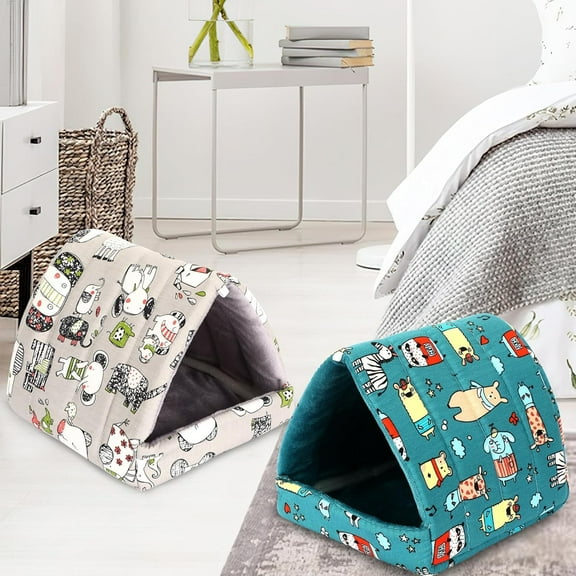
Your accessories can also include feeders, corner litter pans, sleep sacks, and clip-on cage add-ons. You can build a habitat that supports eating, resting, play, and cleanup in separate zones.
Matching ferret supplies to your routine
If you're welcoming a young ferret, you may want a multi-level cage, high-protein kibble, paper bedding, and durable tunnels. You can create a starter setup that supports active play and simple daily cleanup.
If you're refreshing an existing habitat, you might focus on replacement liners, litter, treats, and new toys. You can update worn items without changing the full cage layout your ferret already knows.
For travel seasons, you may add a ferret harness, compact bedding, and portable food storage to your routine. You can keep outings more organized while maintaining familiar feeding and resting habits.
If your home has limited floor space, you can compare taller cages with multiple platforms and hammocks. You can give your ferret vertical movement while keeping daily care tools within reach.
With the right ferret supplies, you can support climbing, nesting, play, and feeding in one organized habitat. You can feel confident choosing category essentials that match ferret behavior and everyday care needs.